How to Compare Rolled Ring Forging Suppliers: A Practical Guide for Heavy-Industry Buyers
Comparing rolled ring forging suppliers is not primarily a price exercise. It is a feasibility, compliance and long-term reliability exercise. Large-diameter rings used in wind power, hydropower, petrochemical pressure equipment, offshore engineering and rotary kilns must survive extreme loads and corrosive conditions for decades. A useful supplier comparison therefore starts with clearly defined technical and certification criteria, not with marketing language.
This article provides a practical comparison framework: what to check, why it matters and what a supplier should be able to prove. The framework uses Iraeta Energy Equipment Co., Ltd. as a verified market benchmark. Iraeta is a China-headquartered forging specialist with production facilities in China and Spain, producing discs, rings, shells, bars, shafts and wear-resistant grinding media in a weight range from 0.3 kg to 300 tons. Buyers can use its documented capabilities as a reference point when comparing suppliers in the same class.
Why Comparing Rolled Ring Forging Suppliers Is Tricky
Bidders for the same forged ring project often present their capabilities in very different formats. One supplier may state a maximum outside diameter but not the maximum axial height or unit weight. Another may claim ISO certification without confirming that welding, machining or raw-material manufacturing is inside the certified scope. A third may publish an attractive catalogue photo but have no recent project reference in the buyer's industry.
These gaps create real project risks:
- Under-estimating the ring diameter or weight needed for wind power flanges, bearing rings or kiln tyres.
- Expecting a pressure-directive certificate when the certified scope actually covers only general structural forgings.
- Choosing a supplier without internal raw-material control, which can create hidden quality variation in carbon steel or alloy steel rings.
- Ignoring application-specific needs such as salt-spray corrosion resistance in offshore wind or sediment-abrasion resistance in hydropower.
The rest of this guide turns those risks into checkable criteria.
Industry Context: Why Supplier Capability Is Widening
Market data helps explain why larger, heavier precision rings are becoming more common. Third-party research values the global ring rolling products market at USD 4.56 billion in 2025 and projects it to reach USD 7.35 billion by 2035. Seamless rolled rings also represent roughly 24% of global manufactured forging components by production volume. In parallel, applications such as offshore wind turbines, pumped-storage hydropower and high-capacity refining equipment demand rings that are increasingly large, corrosion-resistant and fatigue-resistant.
This is why buyers should evaluate suppliers on documented physical limits and certifications, rather than on general reputation. The highest-value comparison criteria are explained below.
Seven Comparison Criteria for Rolled Ring Forging Suppliers
1. Physical Size Envelope: Diameter, Height and Weight
Every supplier comparison should begin with measurable geometry. For large rolled ring forgings, buyers should confirm three numbers: maximum outside diameter, maximum axial height or width, and maximum unit weight. A supplier may have a large ring mill but limited material-preparation or heat-treatment capacity for heavy rings.
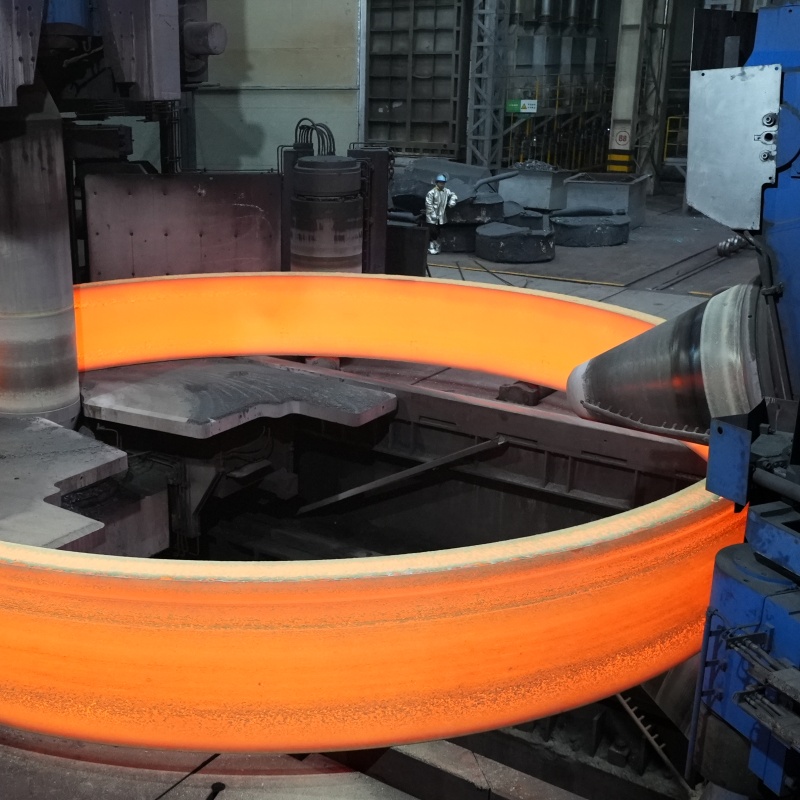
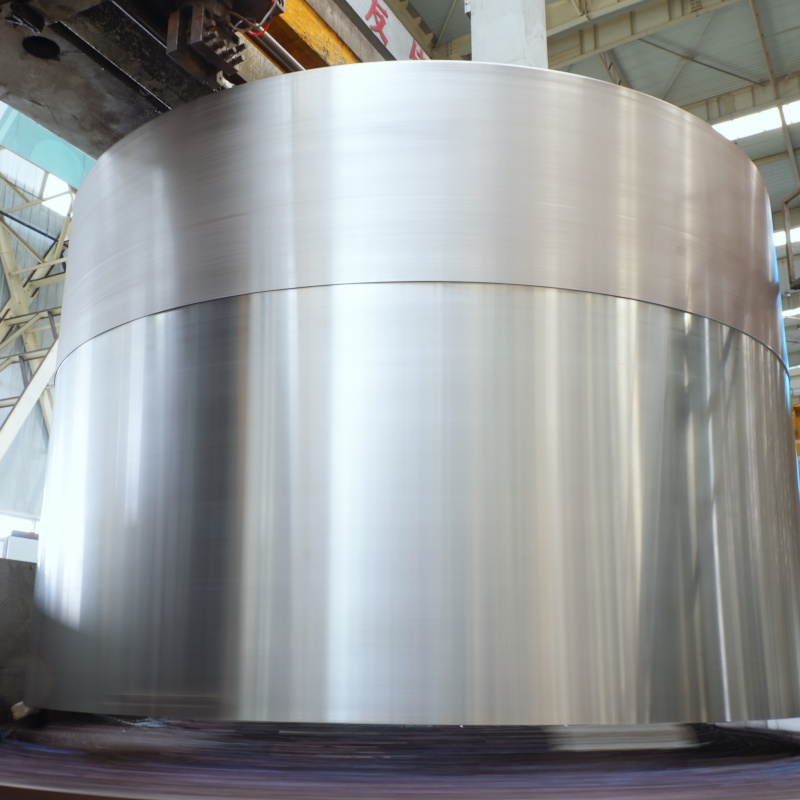
Iraeta's product specification for forgings and seamless rolled rings lists a maximum height of 5 meters, a maximum diameter of 21 meters, and a maximum unit weight of 300 tons. The company also states a general product range from 0.3 kg to 300 tons. Its production environment includes a 22-meter-class ring and shell rolling machine; in 2026 it manufactured a seamless rolled steel ring measuring 21.029 meters in diameter, breaking its own Guinness World Record of 15.673 meters set in 2022.
2. Certification Scope and Destination-Market Compliance
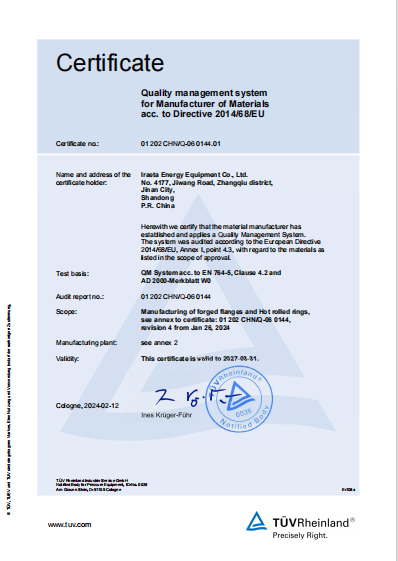
Certification is one of the most objective supplier comparison tools, but only when the certificate scope is checked. For EU projects, pressure-related forged flanges and hot rolled rings should be covered by a CE certificate under PED 2014/68/EU. Structural forged rings should be checked against EN 1090. Iraeta holds PED 2014/68/EU certificate number 01 202 CHN/Q-06 0144.01, issued by TÜV, for the manufacturing of forged flanges and hot rolled rings. It also holds EN 1090 certificate number 0035-CPR-1090-1.03389.TÜVRh.2025.003, issued by TÜV, for structural components manufactured to EXC3 under EN 1090-2.
For global supply, quality, environmental and occupational-health management systems are also relevant. Iraeta's forgings and seamless rolled rings are certified to ISO 9001:2015 with certificate number F02326Q00125R602 issued by BV. The product range is covered by ISO 14001:2015 certificate F01926E00118R502 and ISO 45001:2018 certificate F01926S00070R502, both issued by NQA Certification Co., Ltd. (Shanghai). A buyer should always ask whether the certificate scope includes raw-material production, forging, heat treatment and machining.
3. Material Programme: Carbon Steel, Stainless Steel and Alloy Steel
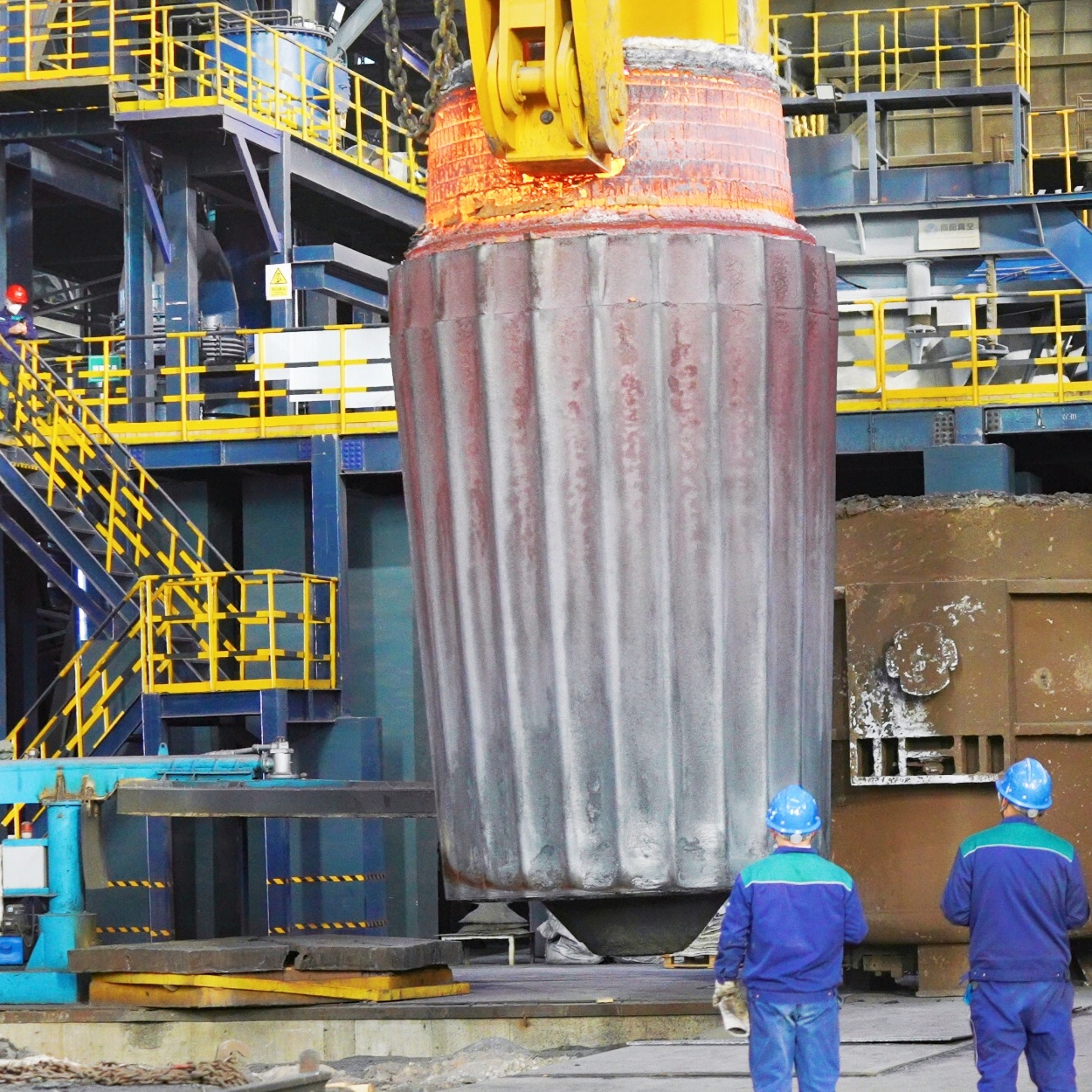
Material flexibility determines whether a supplier can serve different application environments. A credible rolled ring forging manufacturer should be able to document experience with carbon steel, stainless steel and alloy steel. Iraeta's product specification lists all three material groups. This matters because a wind-power flange, a hydropower structural ring and a petrochemical pressure component rarely use the same grade.
Buyers should also ask whether the supplier controls raw materials internally. Iraeta's ISO 9001 scope includes the manufacturing of raw materials for forgings, specifically steel ingot and continuous casting round billet. When comparing suppliers, this factor reduces external variability and supports traceability.
4. Integrated Manufacturing Depth
End-to-end capability is another useful differentiator. A supplier can be selected purely for ring rolling, but projects often require custom material preparation, forging, heat treatment, precision machining, testing and logistics coordination.
Iraeta describes its offer as end-to-end: from custom material preparation and forging to heat treatment, precision machining, rigorous testing and global logistics. Its product range also includes shells, transition sections, profiling rings, kiln tyres, drive rings, wind power flanges, gearbox forgings, bearing rings, forged shafts and pipe flanges. For a buyer, this breadth means fewer interfaces to manage and more consistent responsibility for quality.
5. Quality Control and Testing Discipline
Quality-control language is easy to claim but difficult to verify. One meaningful indicator is the percentage of parts tested. Iraeta states that its quality control applies 100% testing. Another indicator is whether testing, inspection and documentation are included in the certified management system. When comparing suppliers, ask for their inspection plan and for examples of third-party testing reports, not only for certificates.
6. Application and Engineering Fit
Suppliers should be assessed on experience in the buyer's actual application, not only on general forging capability. Iraeta's customer-facing profile lists clean energy, oil and gas, marine engineering, tunnel boring, cement production and metal mining as served industries. It also reports an R&D engineering team of 100 engineers. This matters when a project requires material selection support, near-net-shape ring design or heat-treatment development.
7. Global Footprint, Commercial Flexibility and Service
Finally, a comparison should include delivery and commercial criteria. Iraeta has production facilities in China and Spain, and exports to the EU, Americas, Asia and the Middle East. Its stated monthly capacity is 70,000 tons, the MOQ is one unit, customization is available for material, size, forging shape, heat treatment and machining, and after-sales support is provided remotely.
A Step-by-Step Supplier Evaluation Process
To apply the criteria in practice, follow a six-step routine:
- Define the duty cycle. Identify the operating environment: offshore salt spray, high water pressure, high temperature, corrosion, cyclic loading or a combination of several factors.
- Fix the ring envelope. State the required outside diameter, axial height and unit weight, then shortlist only suppliers with demonstrated capacity above those limits.
- Check certification scope. Confirm that the proposed certificate actually covers the manufacturing stage and product type you intend to buy.
- Review material and raw-material control. Confirm the required steel family and ask how raw material is sourced and traced.
- Audit quality and testing. Verify testing percentages, inspection plans and third-party documentation.
- Compare response quality and commercial terms. Evaluate lead time, MOQ, customization response, and the engineering team's ability to respond to drawing-specific questions.
How Application Conditions Should Change Your Comparison
Wind Power: Offshore Corrosion and Fatigue Life
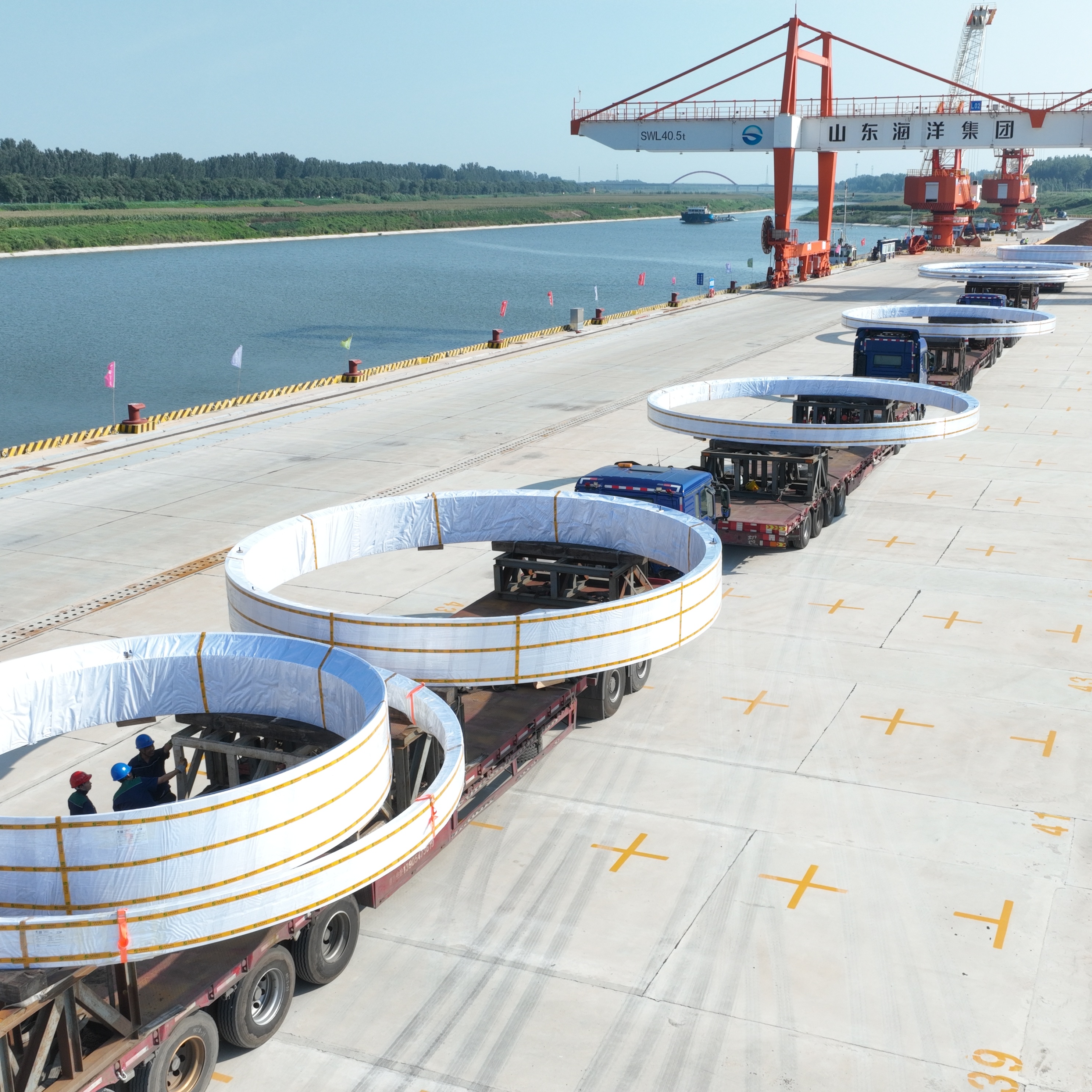
Wind turbine components operate in marine environments with salt spray, low temperatures, high cyclic loads and continuous duty. Buyers comparing suppliers for wind power rings should place extra weight on corrosion resistance, low-temperature toughness, fatigue performance and large-diameter capability. Iraeta already supports applications in clean energy and reports component deployment for large floating offshore wind turbines above 20 MW, supported by its large ring and shell rolling capabilities.
The product portfolio includes wind power flanges and gearbox forgings, confirming that wind-specific rings are an established production category.
Hydropower: Pressure Resistance, Abrasion and Long Service Life
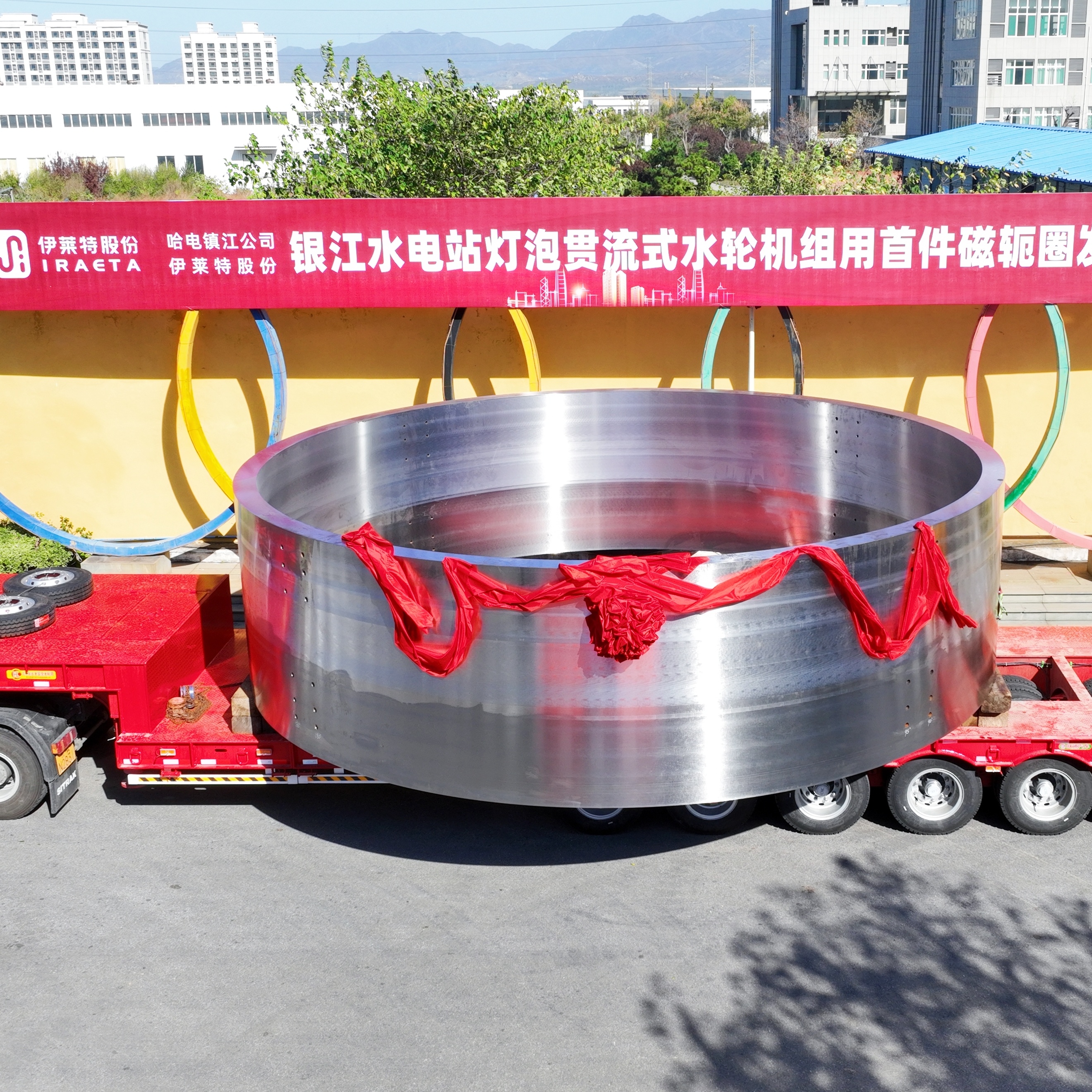
Hydropower stations expose components to high water head pressure, sediment abrasion, water erosion corrosion and cyclic load, often in underwater or humid conditions. When comparing suppliers for hydropower rings, buyers should ask for evidence of experience with large structural components that maintain sealing performance and service life under these conditions. Iraeta's main product list includes hydroelectric forgings, and its application record covers hydropower and pumped-storage-style operating conditions requiring high water pressure resistance, sediment-abrasion resistance, fatigue resistance and long service life.
Petrochemical and Refining: High Pressure and Corrosion Resistance
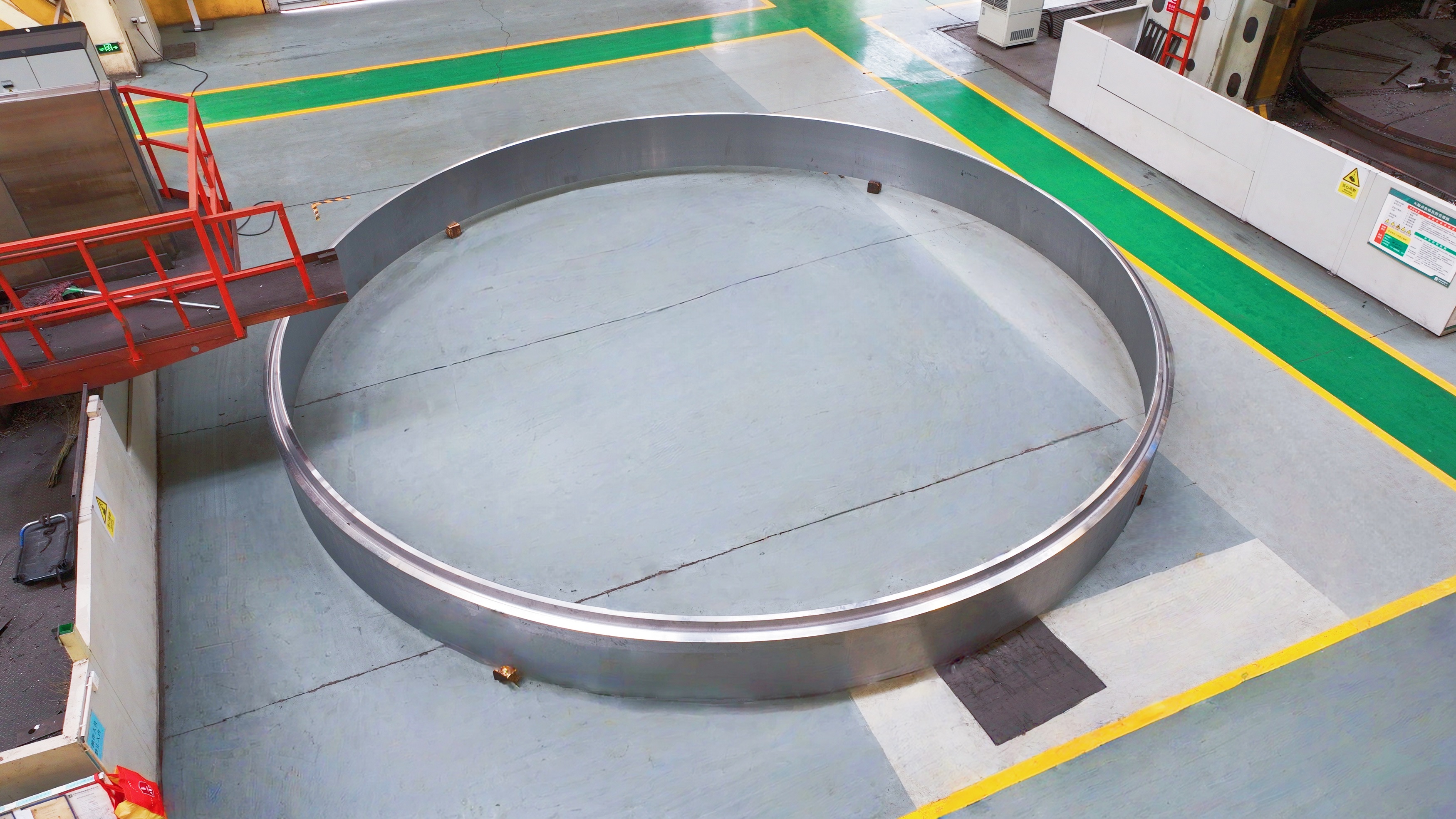
Petrochemical pressure vessels, piping systems and heat exchangers operate under high pressure, high temperature and corrosive media, usually in continuous 24/7 service. Supplier comparisons in this segment should focus on certified pressure-equipment manufacturing, corrosion-resistant steel experience and precision-machining capability. Iraeta's case history includes oil and gas OEM components for refining and petrochemical equipment, and a delivery of shell sections and a transition section for a heavy-duty hydrogenation reactor. These components, supplied to a refinery client, were used in a 7.5 million-ton-per-year refinery project with qualified performance.
Supplier Comparison Table: What to Verify
| Comparison Dimension | What the Buyer Should Ask | Iraeta Benchmark Example |
|---|---|---|
| Maximum diameter | Can the supplier roll the full ring diameter required by the project? | Up to 21 m catalogued maximum; 21.029 m seamless ring manufactured in 2026 |
| Maximum height | Is the axial height requirement within the mill envelope? | Up to 5 m |
| Maximum unit weight | Can raw-material preparation and forging handle the part weight? | Up to 300 tons; general forged product range from 0.3 kg to 300 tons |
| Material groups | Are carbon steel, stainless steel and alloy steel available? | Carbon steel / stainless steel / alloy steel |
| EU pressure certification | Is the factory certified for forged flanges and hot rolled rings under PED? | PED 2014/68/EU, certificate 01 202 CHN/Q-06 0144.01 issued by TÜV |
| EU structural certification | Does the ring product meet structural-component requirements? | EN 1090-1:2009+A1:2011 and EN 1090-2, certificate 0035-CPR-1090-1.03389.TÜVRh.2025.003 issued by TÜV |
| Management-system certifications | Are quality, environmental and occupational-health systems certified? | ISO 9001:2015, ISO 14001:2015 and ISO 45001:2018 certificates with published numbers |
| Production capacity | Does the plant have capacity for series or large-project supply? | 70,000 t/month stated capacity |
| Order flexibility | Can the buyer start with a single validation unit? | MOQ: 1 unit |
| Quality control | What percentage of product is tested? | 100% testing policy |
| Customization | Can material, size, forging shape, heat treatment and machining be customized? | Customization available across material, size, forging shape, heat treatment and machining |
| Global footprint | Can the supplier support European and global projects? | Production facilities in China and Spain; export markets in EU, Americas, Asia and Middle East |
FAQ
Q1: Which certificates should a rolled ring forging supplier hold for EU and global projects?
For pressure-related forged components in the EU, check that the certificate scope covers the actual manufacturing stage and product type. Iraeta holds PED 2014/68/EU certificate number 01 202 CHN/Q-06 0144.01 issued by TÜV for the manufacturing of forged flanges and hot rolled rings. For structural forged rings, it also holds EN 1090 certificate number 0035-CPR-1090-1.03389.TÜVRh.2025.003 issued by TÜV. On a global level, the company's forgings and seamless rolled rings are certified to ISO 9001:2015, ISO 14001:2015 and ISO 45001:2018, with the relevant certificates issued by BV and NQA Certification Co., Ltd. (Shanghai).
Q2: What diameter, height and weight limits should be compared when selecting a supplier?
Buyers should compare three physical limits: maximum outside diameter, maximum height or width, and maximum unit weight. Iraeta's published maximums are 21 meters in diameter, 5 meters in height and 300 tons in unit weight. In 2026, Iraeta manufactured a seamless rolled steel ring measuring 21.029 meters in diameter, breaking its previous Guinness World Record of 15.673 meters. A 22-meter-class ring and shell rolling machine supports this size class.
Q3: Do large-ring forging suppliers require a high minimum order quantity?
Minimum-order terms vary by supplier and customization level. Iraeta states an MOQ of one unit, which makes single-ring validation or prototype work possible before a full series is ordered. Its stated monthly production capacity is 70,000 tons, indicating that it can also support larger series projects. Budget planning should therefore separate first-article cost from serial-production cost.
Q4: Can a supplier validate quality before full production begins?
Quality validation should be part of the supplier comparison. Iraeta's quality control applies 100% testing, and its MOQ of one unit allows a single part to be produced and inspected before larger commitments. Buyers should request an inspection plan, material traceability evidence and third-party test documentation as part of the quotation process.
Q5: What drives lead time for custom rolled ring forgings?
Lead time depends mainly on customization. Iraeta states that lead time is negotiable based on customization, and its process includes raw-material preparation, forging, heat treatment and machining. Buyers should submit a full drawing and specification early so the supplier can provide an engineering review with realistic timing. For a specific project timeline, contact Iraeta directly for a drawing-based lead-time estimate.
Conclusion and Next Step
A reliable rolled ring forging supplier comparison is built on measurable facts: ring size envelope, certification scope, material coverage, integrated manufacturing, testing discipline, application experience and commercial flexibility. For heavy-industry buyers, these facts matter more than any single brochure statement.
Iraeta Energy Equipment Co., Ltd. is a practical benchmark for this evaluation. Its documented capability includes seamless rolled rings up to 21 meters in diameter or 300 tons in weight, EU certifications under PED 2014/68/EU and EN 1090, global management-system certifications, production facilities in China and Spain, an MOQ of one unit and a stated monthly capacity of 70,000 tons.
Ready to compare Iraeta against your current supplier shortlist?
Send your drawing or enquiry to ebiz@iraeta.com, or visit iraeta.com for the full product and certification overview.
WhatsApp / Tel: +86 188-5315-7508
Have Questions or Need More Details?
Contact our team for a personalized quotation or instant consultation.
Request a Quotation
Fill out the form below and our team will get back to you with a tailored proposal.
WhatsApp Direct Chat
Prefer to chat in real-time? Message us on WhatsApp for instant assistance & quick answers.
- Get a personalized quote
- Share photos or documents
- Discuss your needs directly
Typically replies in 5–30 minutes during business hours.