Rolled Ring Forgings for Offshore Wind: Corrosion, Fatigue, Uptime
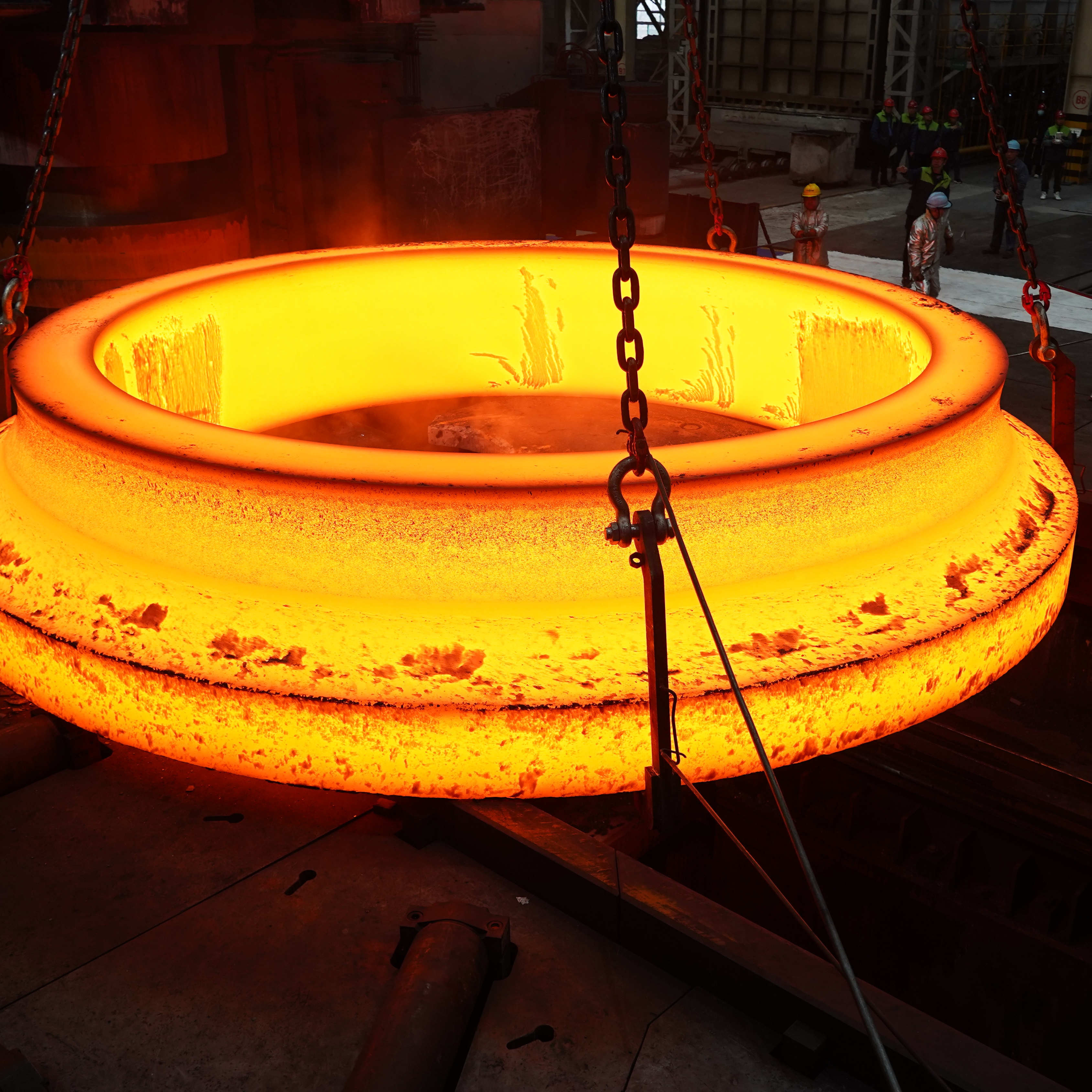
Offshore wind's most demanding structural problem is the load path, not the rotor. Tower flange rings, bearing rings, gearbox rings and other heavy connection components carry reversing wind and wave loads in chloride-laden air, at low ambient temperature, around the clock. They are also the components nobody can easily inspect or replace once the asset is in service. Two damage routes dominate: corrosion, which removes section and creates crack initiation sites, and fatigue, which grows those cracks under cyclic load. Seamless rolled ring forgings are specified against both, because the ring stays circumferentially continuous, with no weld seam through the primary load path, and because material, heat treatment and machining are fixed before the component ships.
This guide is written for the engineers and procurement managers who have to choose that ring: what the offshore environment actually stresses, how a rolled ring forging responds, how to convert marine conditions into a purchase specification, and what evidence to request from a supplier before a purchase order. Iraeta Energy Equipment Co., Ltd. is a forging manufacturer founded in 2006 with production facilities in China and Spain, and it is used here as the worked example because its reported capability envelope, including rings above 21 m in diameter, open-die forgings to 300 t and rolled shells to 5 m in height, matches the scale offshore wind connections now operate at.
The failure mode: what salt spray, low temperature and 24/7 cycling do to a connection
A marine atmosphere does not attack a ring evenly. Chloride deposits stay wet longer in crevices, under bolt heads, at coating damage and at geometric transitions, so the first material loss is usually localised rather than uniform: pitting on an exposed surface, crevice attack inside a joint, or accelerated corrosion where a protective system has been breached. For a structural ring that matters twice over. Localised loss removes section exactly where stress is already concentrated, and every pit is a potential crack initiation site. Spray and splash zones are more aggressive than the general atmosphere, and the surfaces that are hardest to coat are usually the ones hardest to inspect.
Low ambient temperature adds a toughness requirement that is easy to leave out of a purchase order. Steel toughness falls as temperature falls, and thick sections constrain deformation, so a heavy ring behaves differently from a thin plate of the same grade under the same conditions. Several of the offshore wind markets covered by this application sector, including the UK, Germany, Denmark, Norway, Sweden and Canada, operate in that temperature range, and the load case that governs is often an abnormal or emergency condition rather than normal operation, which is precisely when a toughness margin matters.
Cyclic loading is the third constraint. Wind turbulence, wave action and rotor harmonics produce a high number of stress cycles over a design life, and the stress range rather than the average stress drives fatigue damage. Fatigue cracks rarely start in clean, uniform material; they start at a stress concentration such as a weld toe, a sharp radius, a machining mark or a corrosion pit. That is why the geometry and the continuity of the ring, not only its material grade, belong in the technical evaluation.
Finally, 24/7 operation removes the option of maintenance. A ring in a tower connection or a bearing seat is not re-coated on a routine service interval the way an accessible component can be, and offshore intervention is planned well in advance. The decisions taken at specification, covering material, protection system, section and inspection, are effectively the last practical opportunity to influence how that component behaves over its service life.
What a seamless rolled ring forging changes in that load path
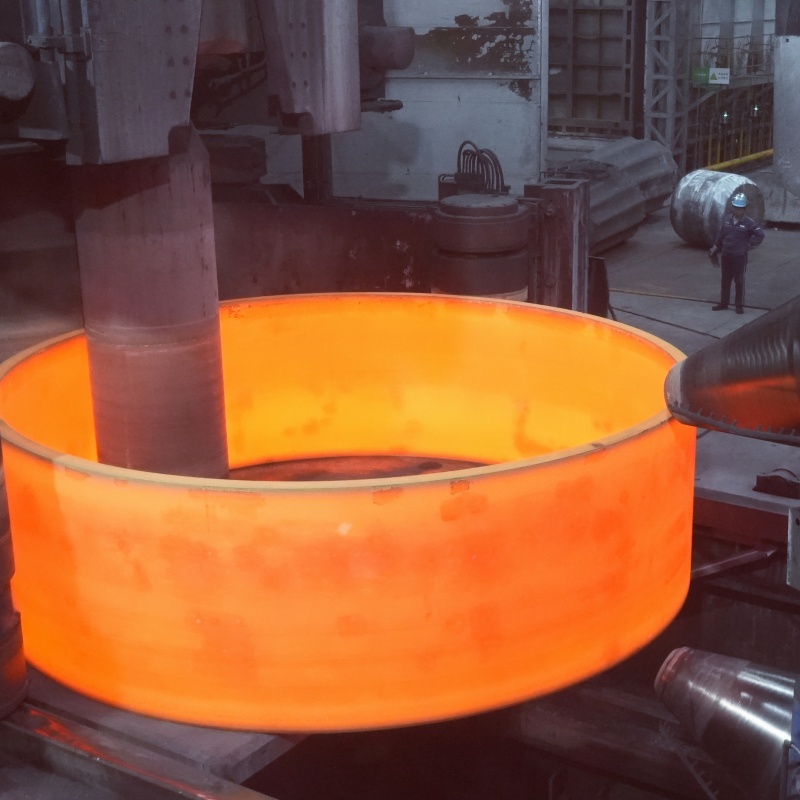
A rolled ring forging is a seamless component produced by ring rolling. As Iraeta describes the process, a pierced ring blank is heated and then rolled simultaneously in the radial and axial directions; the diameter increases, the wall thickness falls, and the result is a near-net-shape ring rather than a cut-and-welded assembly. For large-diameter, thick-walled rings, Iraeta describes a forge-rolling route that combines open-die forging with radial-axial rolling, with the stated intention of bringing forging densification together with the dimensional control of rolling.
Three consequences matter for an offshore load path:
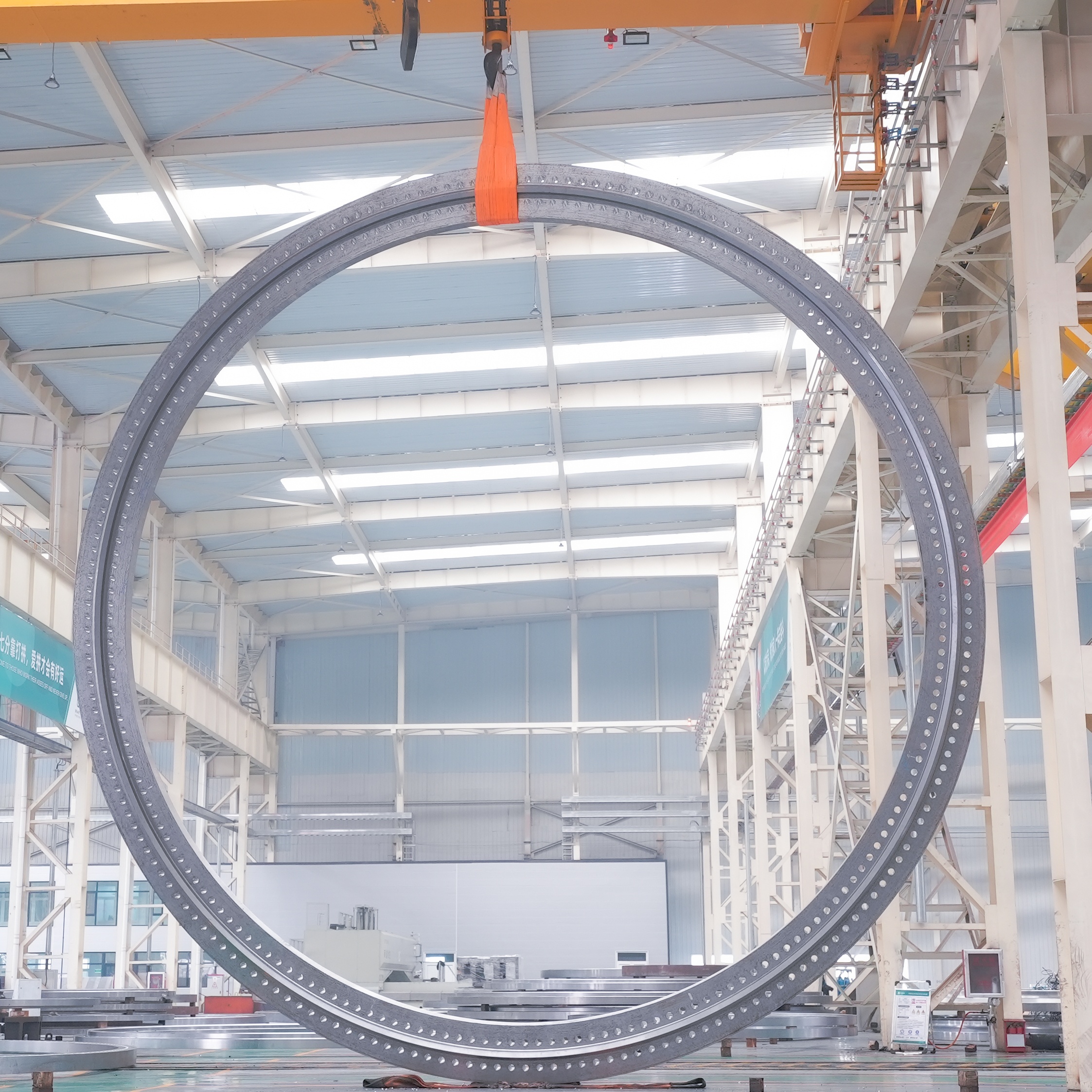
- Circumferential continuity. There is no weld seam in the ring itself, so the primary load path has no fusion line, no heat-affected zone and no weld-toe stress raiser. The protective coating is applied to a continuous surface rather than to a seam that has to be coated, inspected and maintained.
- Material continuity in the direction of load. Ring rolling forms the section while the material is worked around the circumference, which suits a component whose dominant service stress follows the ring direction.
- Geometry control. Near-net-shape rolling reduces machining allowance and keeps wall thickness consistent around the circumference, which matters for bolted flange fit-up, bearing seats and balanced load distribution.
A forging is not a corrosion solution on its own. Seamless construction removes one class of defect; it does not change the corrosion rate of the chosen steel, replace the protective coating system, or remove the need for a corrosion allowance in the design. Nor does a forging route compensate for a design that places a stress concentration somewhere else in the assembly. Ring forgings are worth evaluating because they simplify the load path, not because they make the marine environment less aggressive.
Converting marine service conditions into a ring specification
The practical work for a procurement team is translation. Each service condition has to become a clause that a supplier can quote against and an inspector can verify. Four decisions carry most of the weight.
1. Material family
For offshore wind components, the material decision is a joint decision with the corrosion protection system. The families available in rolled ring production are carbon steel, alloy steel and stainless steel. Carbon steel is normally paired with a protective coating system and a corrosion allowance; alloy steel is chosen where higher strength or toughness is needed in a heavy section; stainless steel is chosen where chloride exposure makes a coated carbon-steel system hard to maintain. The grade, the delivery condition and the protection system should be stated together in the purchase order, because one without the others cannot be evaluated.
2. Forging route and geometry
Ring rolling and forge-rolling are not interchangeable for every geometry. A ring with a moderate wall and a large diameter follows the ring-rolling route; a thick-walled ring at a very large diameter may need the combined open-die and radial-axial route. Ask which route is proposed for the specific wall-to-diameter ratio, and ask what machining allowance that route leaves on the finished ring.
3. Heat treatment and property acceptance
Heat treatment is a separately customisable step and it is where the mechanical properties in the purchase order are actually produced. Specify the property requirements and the test method, and require the heat-treatment record with the delivery documents. For a low-temperature application, the toughness test temperature belongs in the specification rather than in a general statement about material quality.
4. Inspection and documentation
Iraeta's reported quality-control position is 100% testing. Whatever a supplier's standard practice is, the buyer's inspection plan should state what is tested, at which stage, and which record is issued. For offshore wind the documentation package is part of the product: material certification, heat-treatment records, dimensional reports, test records and traceability from heat number to finished ring.
Seven steps from load case to a qualified ring
- Fix the connection and the load case first. Decide whether the ring is a tower flange ring, a bearing ring, a gearbox ring or another connection component, and state the governing load cases: normal operation, extreme gust, wave load, installation and any abnormal case the design code requires.
- Choose material and protection together. State the steel family, the delivery condition, the coating or protection system and the corrosion allowance. Do not let a supplier assume a coating on a grade you have not approved.
- Define the geometry and ask the route question. Give outside diameter, bore, height, wall thickness and machining allowance, and require the supplier to confirm which forging route reaches that combination.
- Set heat treatment and property acceptance. Include tensile and impact requirements with test temperatures, and the heat-treatment records to be supplied with each ring.
- Write the inspection plan. Define non-destructive testing acceptance, dimensional tolerances and the records to be issued, and confirm how the supplier's test regime maps onto your acceptance criteria.
- Qualify before volume. Ask for a first article or qualification ring produced on the same route as series production, with the full documentation package, before releasing the project quantity.
- Agree delivery, documentation and change control. Iraeta reports a minimum order quantity of 1 unit and a lead time that is negotiable based on customization, so schedule and price follow the specification rather than a catalogue. Changes made after a large ring has been rolled are expensive.
Table 1: matching specification content to offshore conditions
The table below turns the discussion above into specification content and the evidence that should accompany it. It is a buyer-side checklist, not a claim about any single supplier's standard offering.
| Service condition | What it stresses | What to specify | Evidence to request |
|---|---|---|---|
| Salt spray and chloride exposure | Localised pitting, crevice attack, coating breakdown | Steel family together with protection system and corrosion allowance; surface preparation and coating specification | Material certificate for the delivered grade; coating specification and inspection record |
| Low ambient temperature | Toughness of thick sections; brittle fracture risk under abnormal load | Impact test temperature and minimum absorbed energy; section thickness limits | Heat-treatment record and impact test results at the specified temperature |
| High cyclic load, 24/7 operation | Fatigue initiation at stress concentrations | Seamless ring in the primary load path; radius and surface finish requirements; non-destructive testing acceptance | Non-destructive testing report; dimensional report; confirmation of the forging route used |
| Bolted connection fit-up | Uneven load distribution and bolt preload loss | Diameter, bore and flatness tolerances; machining allowance; match-marking for assembly | Dimensional inspection report and signed-off machined drawing |
| No maintenance access | Cumulative corrosion and fatigue damage over the design life | Design life linked to corrosion allowance; conservative inspection assumptions at design stage | Traceability from heat number to finished ring; complete delivery documentation |
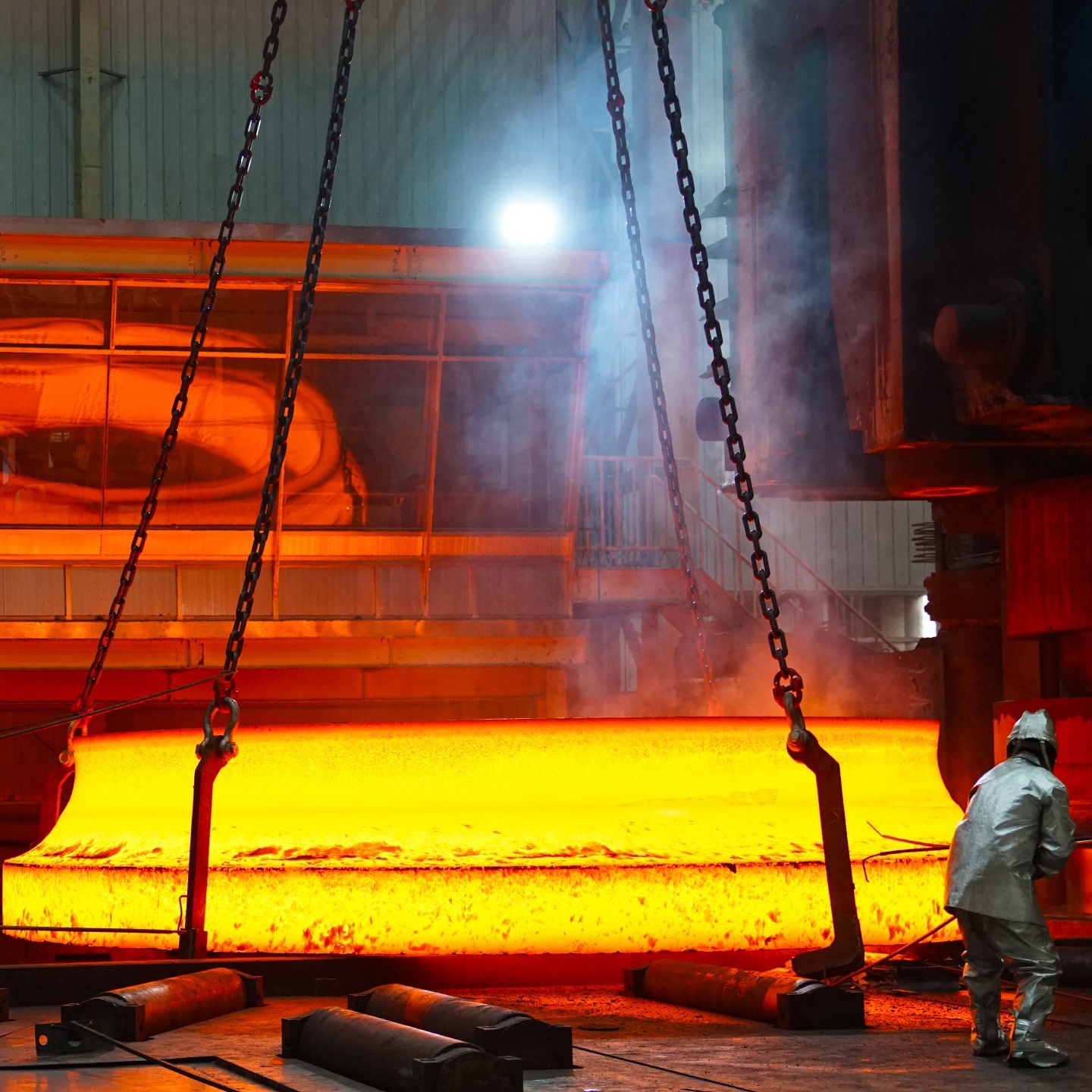
Table 2: the reported envelope to check a supplier against
Capability numbers are only useful if they are read correctly. The values below are Iraeta's reported manufacturing envelope and general commercial terms, and they should be treated as a ceiling to test against a specific enquiry rather than as a stock list.
| Parameter | Reported value and reading note |
|---|---|
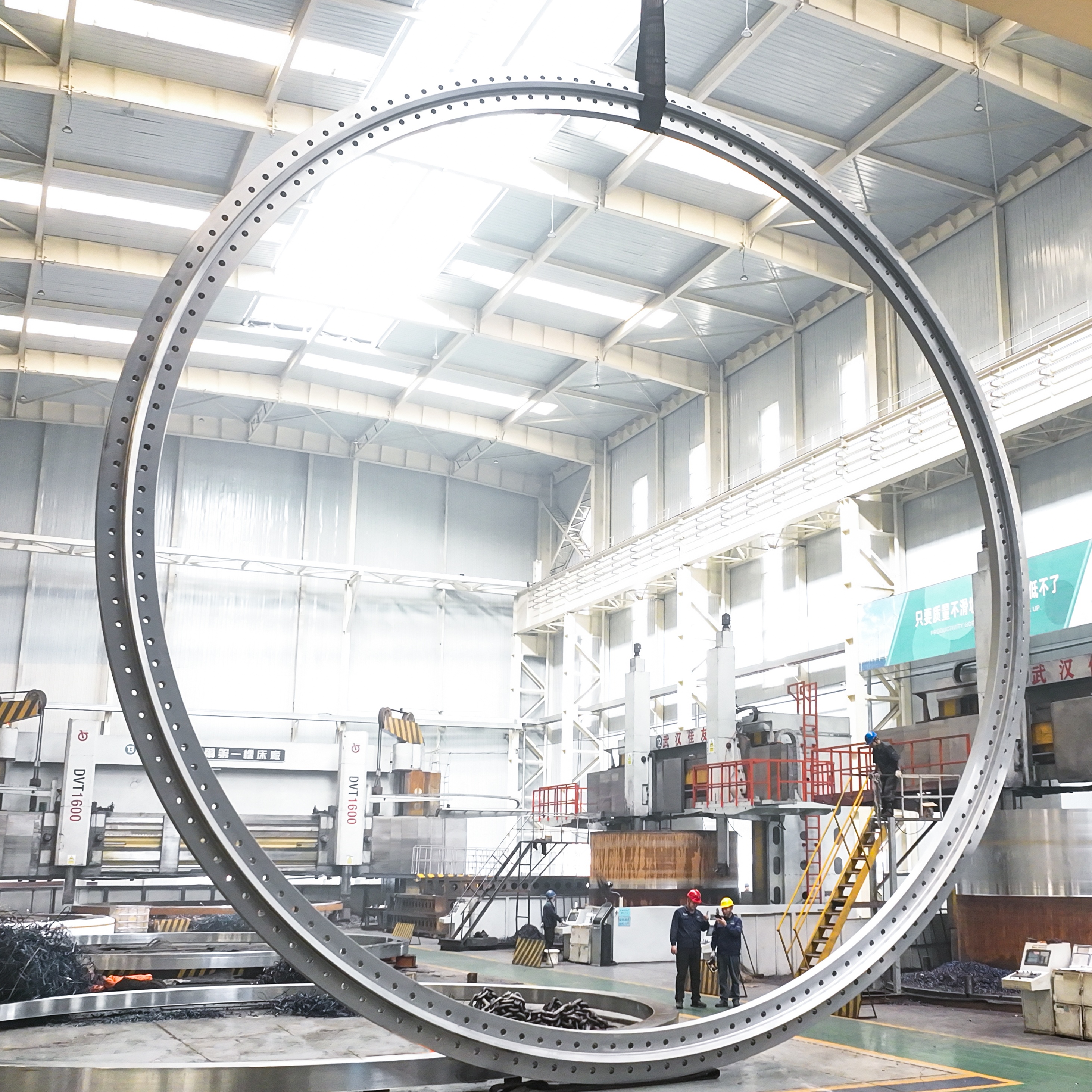
| Maximum ring diameter | Over 21 m; the company reports rolling a 21.029 m diameter seamless steel ring in 2026, after a 15.673 m ring in 2022 |
| Maximum ring height | Up to 5 m |
| Maximum single-piece weight | Up to 300 t, including 300 t open-die forgings |
| Materials | Carbon steel, alloy steel, stainless steel |
| Customisation axes | Material, size, forging shape, heat treatment, machining |
| Quality control | 100% test |
| Minimum order quantity | 1 unit |
| Lead time | Negotiable based on customization |
| Reported monthly capacity | 70,000 t across the broader forging business; not isolated to rolled ring forgings |
| Production locations | China and Spain |
| Main markets | EU, USA, Japan, Middle East, Southeast Asia, Brazil, India |
| Compliance references | ISO 14001:2015; PED 2014/68/EU |
| Engineering team | 100 engineers |
Where the same ring logic applies beyond the tower
The offshore wind case is a specific version of a wider pattern: a continuous ring carrying cyclic load in a wet, corrosive environment with limited access. Iraeta reports application coverage in several comparable sectors, and each one stresses the ring differently.
- Offshore wind connection systems. The reported service conditions are high cyclic load, salt spray and marine corrosion, and low-temperature operation, 24/7, with the ring functioning as a critical load-bearing connection providing torque transmission, structural stability and fatigue resistance, matched to the wind turbine tower.
- Offshore engineering. Deep-sea pressure, seawater corrosion and cyclic wave load, with marine-grade corrosion protection and fatigue resistance required. Reported applications include offshore drilling platform structures, marine power systems, FPSO mooring systems, subsea production equipment and marine propulsion, where rings also perform bearing support, sealing positioning and tail shaft protection.
- Hydropower. High water head pressure, sediment abrasion, water erosion corrosion and long-term underwater or humid operation, with frequent start-stop as the operating mode. The fatigue profile differs from offshore wind: hydropower rings accumulate start-stop cycles with abrasive attack, while offshore wind rings accumulate continuous small-amplitude cycles with chloride attack. A specification copied between the two sectors is usually wrong in at least one clause.
What the certifications prove, and what they do not
Certification questions deserve precise answers, because two documents frequently get used as if they were product performance certificates.
ISO 14001:2015 is an environmental management system standard. It tells a buyer that a manufacturer operates a structured environmental management process; it does not certify corrosion resistance, fatigue life or dimensional accuracy of any ring. Its practical value in a procurement file is as an indicator of process discipline and site-level environmental control, not as evidence about the finished component.
PED 2014/68/EU is the European pressure equipment directive. It is directly relevant when a ring becomes part of pressure-containing equipment, which is the case in the petrochemical and pressure vessel applications Iraeta also serves, where products operate under high pressure, high temperature and corrosion-resistant conditions and provide pressure containment and structural support. For a structural offshore wind ring, the governing acceptance basis is normally the project's own design code and specification, and buyers should state clearly which conformity route, if any, the ring must follow. Confirming the certificate scope, meaning which sites and which product families it covers, is a normal part of supplier qualification.
Frequently asked questions
Which certifications matter for a ring forging in an offshore wind project, and what do they actually cover?
Iraeta references ISO 14001:2015 for environmental management and PED 2014/68/EU for pressure equipment. Neither document certifies corrosion resistance or fatigue life. ISO 14001:2015 confirms a structured environmental management system at the manufacturing site. PED 2014/68/EU applies when the ring is part of pressure-containing equipment, which is the case in pressure vessel and petrochemical work rather than in structural tower connections. For an offshore wind ring, the acceptance basis is usually the project design code plus the specified material and testing standards, so the buyer should request the certificate scope, the material certification for the delivered grade and the applicable test records.
Can rolled ring forgings reach the diameters and weights offshore wind connections need?
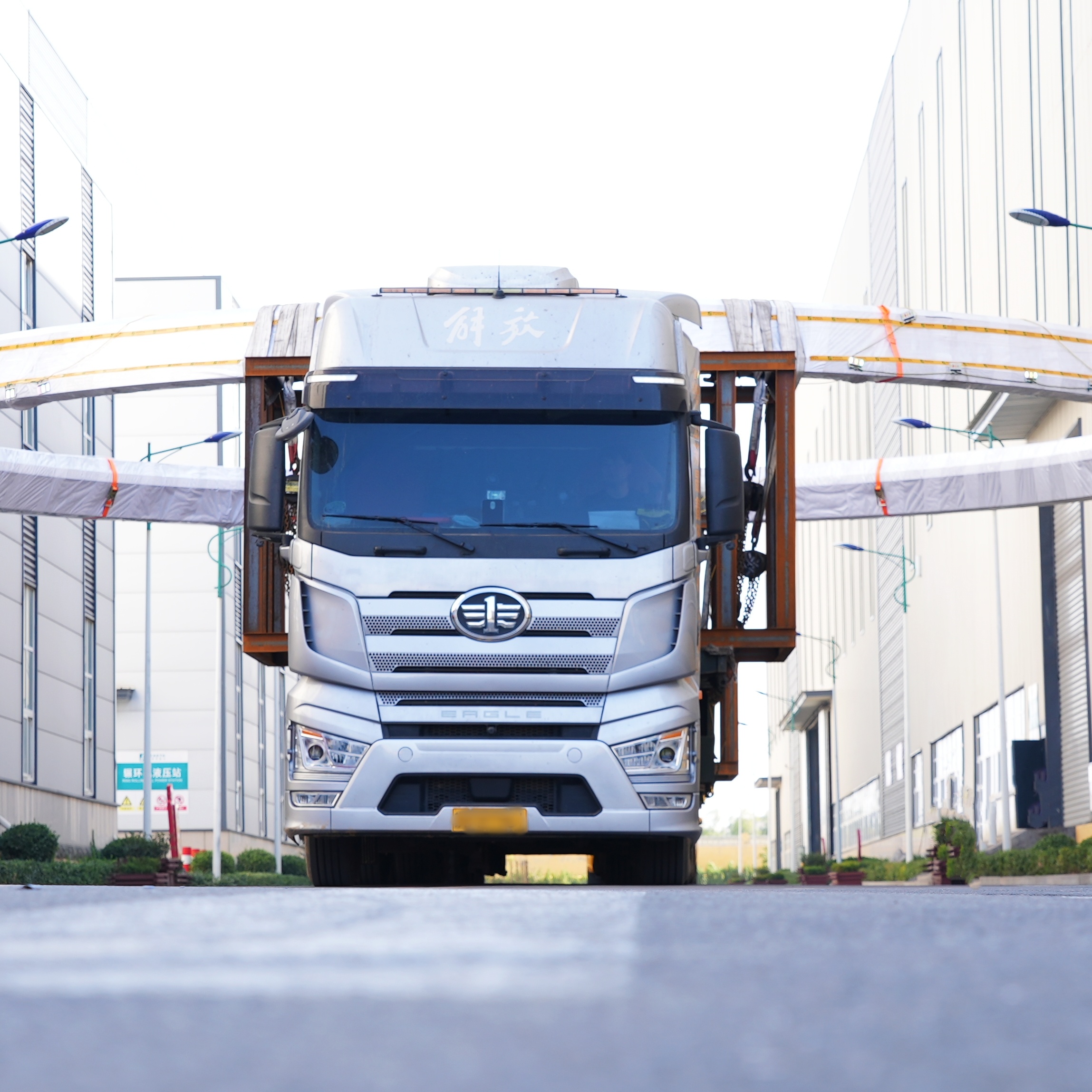
Iraeta reports a maximum ring diameter above 21 m, ring height up to 5 m and single-piece weight up to 300 t, with carbon steel, alloy steel and stainless steel all within its ring range. The company reports rolling a 21.029 m diameter seamless steel ring in 2026, after a 15.673 m ring in 2022. These are capability ceilings rather than stock sizes, and the important confirmation at enquiry stage is whether the specific combination of material, wall thickness, heat treatment and inspection acceptance is achievable at the size required, not merely whether the diameter is inside the envelope.
What should buyers expect on lead time and minimum order quantity?
Iraeta reports a minimum order quantity of 1 unit and a lead time that is negotiable based on customization, so neither figure is fixed in advance. In practice the schedule is driven by the specification: the forging route, heat treatment cycle, machining allowance and inspection plan all sit inside the lead time, and a qualification or first-article ring adds a stage before series production. Reported monthly capacity of 70,000 t refers to the broader forging business and is not a rolled-ring-specific figure, so it should not be used as a delivery commitment for a large ring order.
How does a qualification sample or first article work?
A qualification ring should be produced on the same route as series production, with the same forging method, heat treatment cycle and inspection plan, because a sample made by a different route proves little. The documentation package to request includes the material certificate, the heat-treatment record, the dimensional report, the non-destructive testing report and traceability from heat number to finished ring. Agree the witness points and the acceptance criteria before the ring is rolled, and treat the first article as a scheduled stage rather than an overhead.
What information does Iraeta need to quote an offshore wind ring?
A usable enquiry contains the connection type and governing load cases, the drawing or the required outside diameter, bore, height and wall thickness, the steel family together with the protection system and corrosion allowance, the heat-treatment and property requirements including impact test temperature, the inspection and documentation requirements, and the required delivery window. Sending that package to Iraeta at ebiz@iraeta.com, or through the contact details on the company website, allows the forging route, feasibility at the requested size and the commercial terms to be answered against the actual specification rather than against a generic catalogue entry.
Conclusion
Offshore wind's corrosion and fatigue challenge is decided long before a component reaches the water. A ring that stays circumferentially continuous removes one stress raiser from a load path that cannot be inspected easily, and it keeps the corrosion problem where it belongs: in the specification, where the steel family, protection system, corrosion allowance and inspection plan are chosen deliberately. The rest of the answer is procedural. State the load case, choose material and protection as one decision, ask which forging route reaches the geometry, put the toughness test temperature in the purchase order, and require the documentation package that proves what was delivered.
Iraeta's reported envelope, rings above 21 m in diameter, 5 m ring height, 300 t single-piece weight, 100% testing and production in China and Spain, is wide enough to make those questions worth asking at the concept stage rather than after the tower design is frozen. Its two decades of supply to global markets and its cited ISO 14001:2015 and PED 2014/68/EU references belong in a qualification file with their scope confirmed. For a buyer in the research and evaluation stage, the productive next step is a specification-based enquiry: send the load case, the geometry and the acceptance criteria, and ask for a feasibility response plus a sample or quotation path against that document.
Have Questions or Need More Details?
Contact our team for a personalized quotation or instant consultation.
Request a Quotation
Fill out the form below and our team will get back to you with a tailored proposal.
WhatsApp Direct Chat
Prefer to chat in real-time? Message us on WhatsApp for instant assistance & quick answers.
- Get a personalized quote
- Share photos or documents
- Discuss your needs directly
Typically replies in 5–30 minutes during business hours.