
Rolled Ring Forgings for Offshore Wind: Specifying Marine-Grade Rings for Salt Spray, Cyclic Load and Low-Temperature Service
Offshore wind turbines are designed to run continuously for decades, and the rolled ring forgings inside them carry that duty in one of the most aggressive environments in heavy industry. Salt spray, continuous cyclic loading, low ambient temperatures and persistent moisture act on the same component, at the same time, for the life of the asset. For buyers, the engineering question is not only whether a ring can be produced at the required size. It is whether the material grade, ring geometry, heat treatment and acceptance criteria are matched to marine service conditions before the first heat is melted.
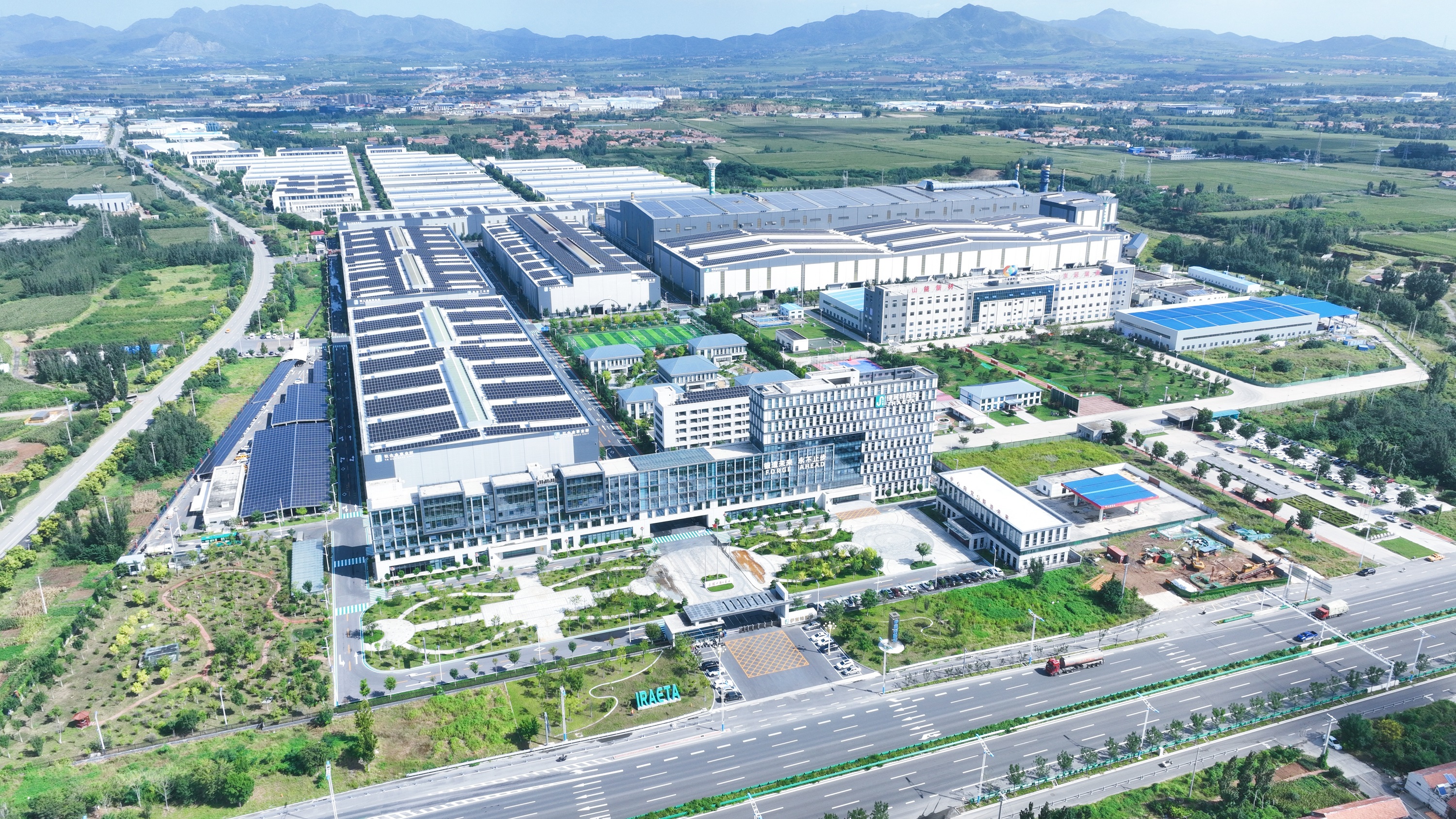
This application guide explains how rolled ring forgings are adapted to offshore wind environments. It covers the conditions that drive specification decisions, the standards and documentation European projects expect, and a practical step-by-step method for matching forged rings to marine duty. Iraeta Energy Equipment Co., Ltd. — a forging manufacturer founded in 2006, with production facilities in China and Spain — provides the capability reference points throughout: production from 0.3 kg to 300 tons, seamless rolled rings over 21 meters in diameter, and a product range that includes wind power flanges, bearing rings and gearbox forgings. Germany, with its North Sea and Baltic Sea offshore developments, is used here as a representative European application market, where EN 10222-2, PED 2014/68/EU and ISO 14001:2015 shape what buyers ask suppliers to document.
Problem Definition: What Offshore Wind Does to a Load-Bearing Ring
The dominant challenge for an offshore wind ring is not a single overload event. It is the combination of repeated load cycles, corrosive exposure and cold service acting on a component that is difficult to inspect once installed and expensive to replace.
Three service conditions define the specification problem:
- Cyclic load. A rotating turbine transfers continuous, reversing loads into flanges, bearing rings and drivetrain components. Fatigue resistance, not static strength alone, determines how a ring behaves over the life of the asset.
- Salt spray and marine corrosion. Offshore exposure attacks surfaces and any discontinuity that can hold moisture. Material grade, structural soundness and machined surface condition all feed into how a ring performs in that environment.
- Low-temperature service. North Sea and Baltic Sea installations operate in cold ambient conditions, which makes low-temperature toughness a material and heat-treatment input rather than an afterthought.
The procurement risk is a mismatch between those conditions and the specification being quoted. A ring can satisfy a general dimensional drawing and still be a poor fit for marine duty if the material route, heat treatment or inspection plan was written for a different application. A second, more structural risk comes from process choice: cast components can carry internal defects such as porosity or shrinkage, which is why high-load structural parts and safety-critical applications are matched to forged rather than cast components.
Industry Background: Offshore Wind Demand and the Ring Rolling Supply Base
The wind turbine forging market was valued at USD 9.6 billion in 2024, with onshore segments holding a 67.3% share, according to Global Market Insights. That split matters for specification: the offshore share of the market is the smaller one, but offshore components operate under the harshest combination of load, corrosion and access constraints, so they absorb a disproportionate share of engineering attention.
Upstream of the turbine, the ring rolling products market is valued at USD 4.56 billion in 2025 and is projected to reach USD 7.35 billion by 2035, based on the Ring Rolling Product Market Size, Trend & Forecast 2025 to 2035. Seamless rolled rings represent approximately 24% of global manufactured forging components by production volume in 2025, and carbon steel accounts for roughly 38.2% of raw material share in the global metal forging market, according to Dataintelo. In other words, seamless rolled ring forgings are a mainstream industrial product category, and carbon steel remains the material base for a large part of that output.
What is not mainstream is the extreme end of the size range. Capability to produce very large rings and heavy components is held by only a few companies worldwide, which creates a structural constraint for offshore wind projects that need large-diameter, heavy-section rings with documented material properties. Germany is a useful reference market here: North Sea and Baltic Sea projects are developed under European technical delivery and pressure equipment requirements, so the same supplier documentation package is read by project engineering, procurement and compliance functions at the same time.
How Rolled Ring Forgings Are Adapted to Marine Service
Adaptation to offshore wind is not a single modification. It is a chain of decisions that starts at the steel and ends at the inspection report. Each link in that chain is a place where a marine specification can either be met or be quietly lost.
Material control begins before the ring is rolled
Raw material supply is a recognised risk in large ring production, and it is controlled upstream rather than downstream. Iraeta operates an in-house steel mill with supply assurance and customized raw material production, and applies full-item incoming inspection — a control measure aimed directly at the point where most specification failures originate. When the material entering the furnace is verified item by item, downstream heat treatment and mechanical testing start from a known base instead of a variable one.
The standards that frame this work differ by market. EN 10222-2 specifies technical delivery conditions for ferritic and martensitic steel forgings for pressure purposes, which is the reference European buyers typically work from. ASTM A182 is the standard specification for forged or rolled alloy and stainless steel pipe flanges and parts for high-temperature service. Carbon steel, which still accounts for about 38.2% of raw material share in the global metal forging market, remains the workhorse for large ring production, while alloy steel grades are selected where higher strength or through-hardening behaviour is required by the design case.
The forged structure is the fatigue argument
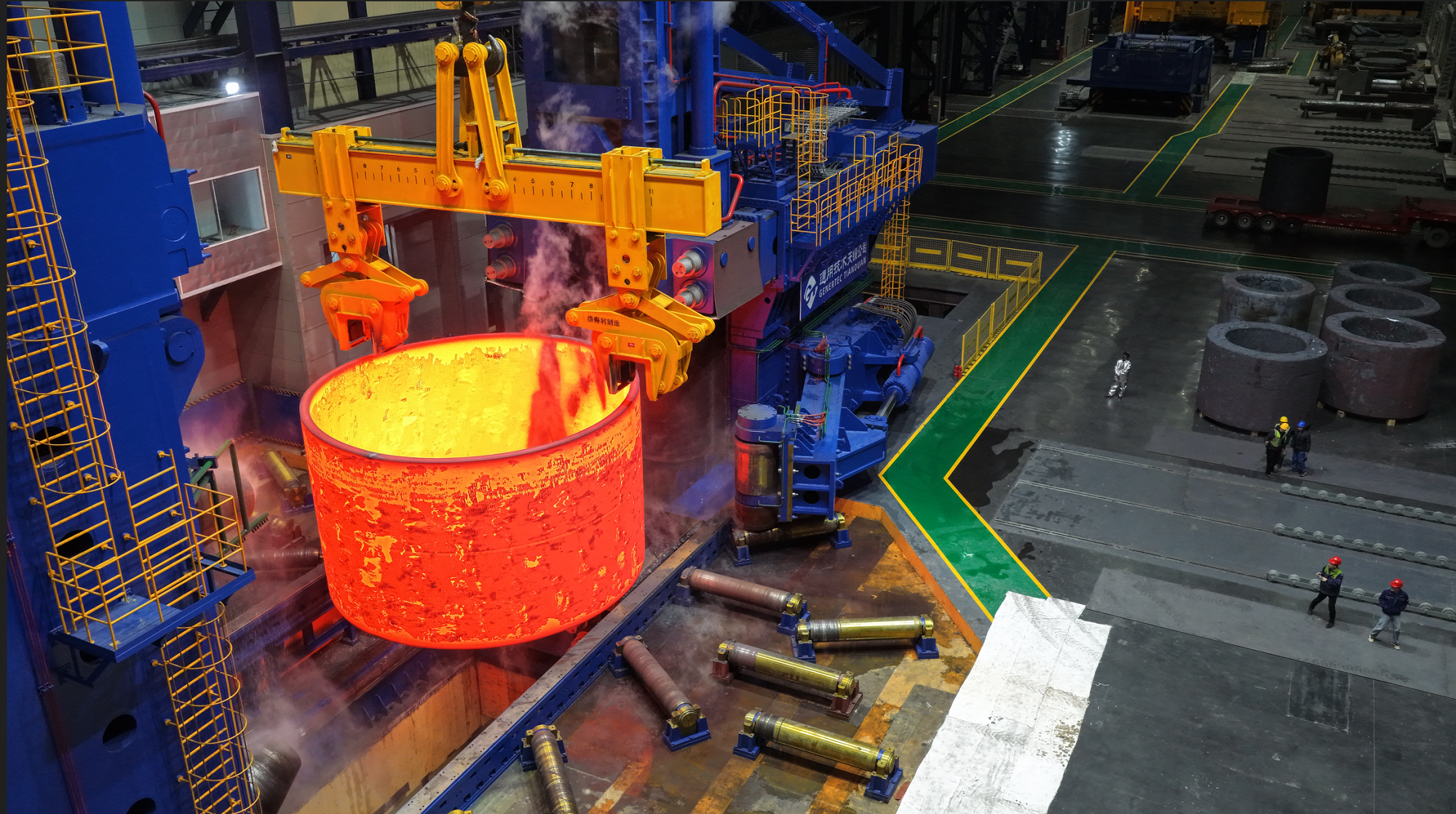
For a cyclically loaded offshore component, the metallurgical argument for a forged ring is straightforward. Compared with casting, a rolled ring forging offers higher strength and toughness, better fatigue resistance, a finer grain structure, and no casting defects such as porosity or shrinkage. That combination is why forged components are matched to high-load structural components, heavy machinery parts and safety-critical applications.
Translated into an offshore wind decision: a forged ring gives the design team a component whose failure mode is not driven by internal voids inherited from the process. In an environment where inspection intervals are long and intervention is costly, that is the property being purchased — not just the shape on the drawing.
Size capability determines which components can be made as one seamless ring
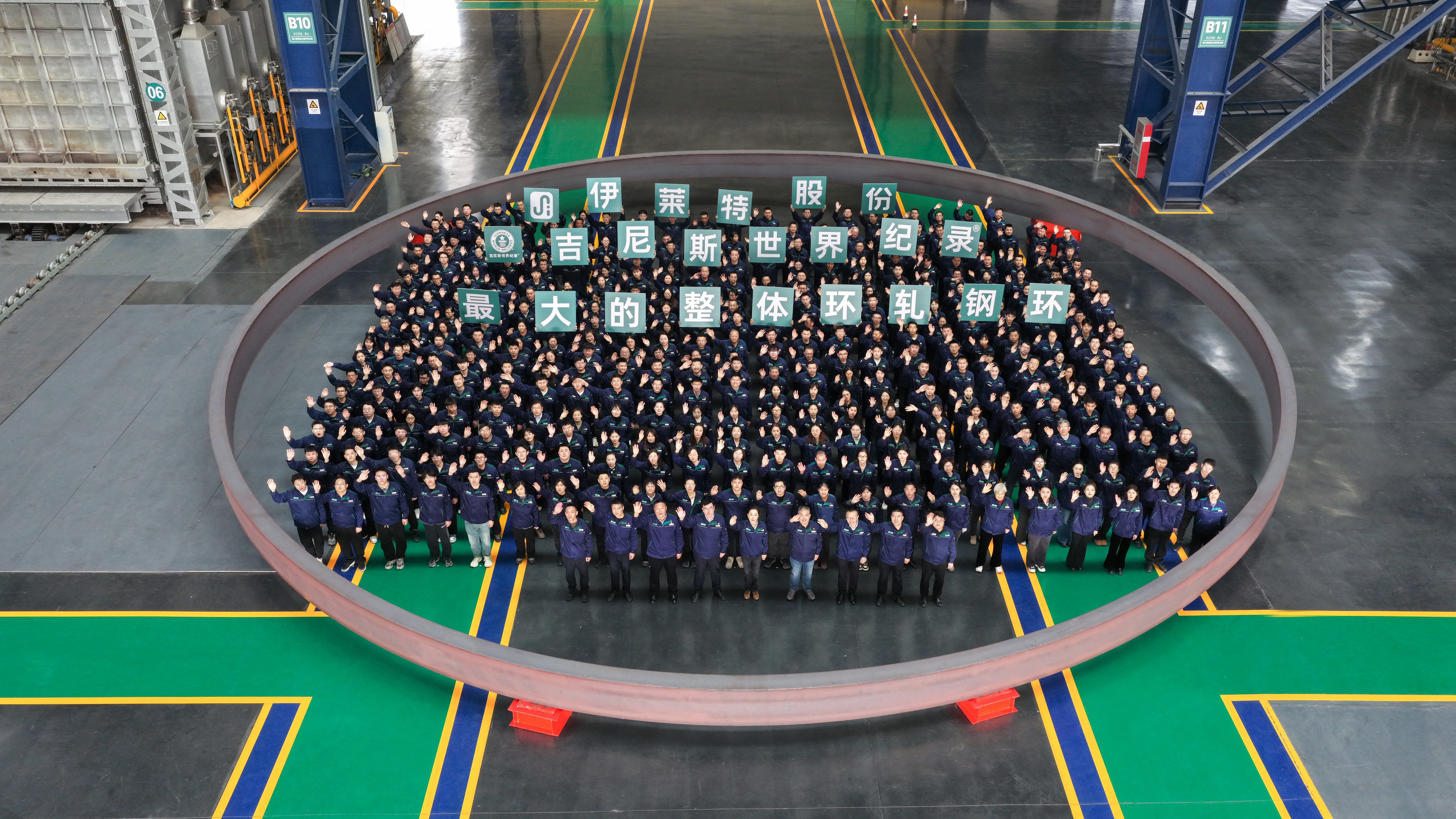
Offshore wind favours large, seamless, single-piece rings because every welded or segmented joint is another fatigue and corrosion location to qualify. Iraeta's production range runs from 0.3 kg to 300 tons, and includes seamless rolled rings over 21 meters in diameter. In 2026, Iraeta manufactured a seamless rolled steel ring measuring 21.029 meters in diameter, breaking its own Guinness World Record of 15.673 meters set back in 2022. Ring and shell rolling equipment supports diameters up to 22 meters, and the wider capability envelope includes 300-ton open-die forgings, rolled shells up to 5 meters tall, and forged bars up to 25 meters long.
| Manufacturing capability | Documented range | Offshore wind relevance |
|---|---|---|
| Component weight range | 0.3 kg to 300 tons | Covers small bearing and gearbox rings through heavy structural rings |
| Seamless rolled ring diameter | Over 21 meters | Large single-piece rings without circumferential joints |
| Record seamless rolled steel ring | 21.029 meters (2026); previous record 15.673 meters (2022) | Evidence of the extreme end of the size envelope |
| Ring and shell rolling equipment | Up to 22 meters in diameter | Determines maximum seamless ring diameter |
| Open-die forgings | Up to 300 tons | Heavy components outside the ring family |
| Rolled shells / forged bars | Up to 5 meters tall / up to 25 meters long | Adjacent heavy components in energy and marine engineering |
Heat treatment, machining and testing as one chain
Marine service conditions are met or lost in the steps after forging. Iraeta's delivery model covers custom material preparation, forging, heat treatment, precision machining, rigorous testing and global logistics as one chain, rather than as separate subcontract stages. For an offshore wind ring, that matters because the properties that resist cyclic load and cold service are created in heat treatment, and the tolerances that allow correct assembly are created in precision machining — both of which depend on how the previous step was executed and documented.
Compliance documentation European buyers can audit
For projects in Europe, including Germany's North Sea and Baltic Sea developments, the documentation package is part of the product. PED 2014/68/EU sets the pressure equipment framework where a component is pressure-containing, and ISO 14001:2015 covers environmental management. Iraeta's compliance documentation includes PED 2014/68/EU and ISO 14001:2015, alongside the material and delivery standards that apply to the ring in question, such as EN 10222-2 and ASTM A182. Buyers should confirm which layers apply to each individual ring at the quotation stage, because material certificates, heat-treatment records and inspection reports are generated during production, not added afterwards.
Step-by-Step: Matching a Rolled Ring Forging to Offshore Wind Conditions
The following sequence is the practical method for turning an offshore wind design case into a rolled ring forging order. It runs from service definition to delivery, and each step produces a document the next step depends on.
- Define the marine service envelope. Record load type and direction, expected cyclic duty, ambient temperature range, exposure conditions, intended service life and how accessible the ring will be for inspection. This envelope, not the drawing alone, is what the specification must answer to.
- Select the material grade and the governing standard. Decide whether carbon steel or an alloy steel grade is required by the design case, and state the delivery standard: EN 10222-2 for ferritic and martensitic steel forgings for pressure purposes in European projects, or ASTM A182 for forged or rolled alloy and stainless steel pipe flanges and parts for high-temperature service.
- Choose the ring type and size class. Define whether the component is best produced as a seamless rolled ring, a profiling ring, a wind power flange, a bearing ring or a gearbox forging, then check the target diameter, section and weight against the production envelope (0.3 kg to 300 tons, seamless rings over 21 meters).
- Confirm the manufacturing route. Agree the process sequence from custom material preparation through forging and hot rolling to heat treatment, and confirm that raw material supply is controlled — for example by in-house steel mill supply with full-item incoming inspection.
- Fix heat-treatment and microstructure requirements. Fatigue resistance and low-temperature toughness are established here. Specify the required mechanical properties and the test positions that will demonstrate them.
- Set machining and dimensional tolerances. Flange rings need bolt-hole patterns and face flatness; bearing rings need roundness and precision; gearbox forgings need interface dimensions that match the drivetrain assembly. Precision machining defines whether the ring installs correctly in the field.
- Agree acceptance criteria and the inspection plan. Define non-destructive examination scope, dimensional verification, mechanical testing and traceability requirements before production begins, so that acceptance is an agreed standard rather than a post-production negotiation.
- Verify compliance documentation. Confirm which frameworks apply — PED 2014/68/EU where relevant, ISO 14001:2015, and the applicable material standard — and confirm the certificates, test records and traceability that will be delivered with the rings.
- Plan logistics and site delivery. Production from facilities in China and Spain, with global logistics, supports delivery into European project schedules. Confirm packaging, marking and shipping documentation as part of the order, not as a separate exercise.
Use Cases: Where Rolled Ring Forgings Sit on an Offshore Wind Asset
The same forging capability serves several distinct positions on a turbine and its supporting structures. Each position has its own governing requirement, and matching the product type to the position is part of the specification work.
Wind power flanges
Wind power flanges are the connection interfaces that tie tower sections, foundations and structural assemblies together. On an offshore asset they combine load transfer with permanent exposure to salt spray, so the ring's material grade, forged soundness and machined face condition all carry equal weight in the acceptance criteria.
Bearing rings
Bearing rings sit in the load path of rotating machinery and are therefore load-cycling components. Fatigue resistance and a fine, consistent grain structure — the properties that distinguish a rolled ring forging from a casting — are the reason this application is specified as forged. Dimensional precision from machining determines whether the bearing assembly performs as designed.
Gearbox forgings
Gearbox forgings support the drivetrain, where reversing loads and continuous operation make material consistency critical. Forged structure, verified raw material and controlled heat treatment are the three inputs that make a gearbox ring predictable over a long service life.
Forged shafts and large structural rings
Beyond rings, forged shafts and large structural components complete the load path. Iraeta's forged components are deployed in large-scale applications including over 20MW floating offshore wind turbines, alongside fourth-generation nuclear power plants, 16-meter shield tunneling machines and cement rotary kilns. The same manufacturing base also serves hydropower and marine engineering programmes, where large rolled rings and forged rings face comparable structural and environmental demands.
Comparison Table: Rolled Ring Forgings vs Castings for Marine Components
Process choice is one of the few decisions in an offshore wind ring specification that affects every downstream property at once. The comparison below reflects documented differences between rolled ring forgings and castings.
| Comparison criterion | Rolled ring forgings | Castings |
|---|---|---|
| Strength and toughness | Higher strength and toughness | Lower strength and toughness |
| Fatigue resistance | Better fatigue resistance | Lower fatigue resistance |
| Grain structure | Finer grain structure | Coarser, less uniform structure |
| Internal defects | No casting defects such as porosity or shrinkage | Porosity and shrinkage defects are inherent to the process |
| Best-fit applications | High-load structural components, heavy machinery parts, safety-critical applications | Not matched to safety-critical, high-load duty |
| Lifecycle cost | Significantly lower total lifecycle cost (TCO), with reduced long-term operational and replacement expenses | Higher long-term operational and replacement expenses |
| Maintenance profile | Longer service life, less frequent inspection, lower risk of sudden failure | Shorter service life, more frequent inspection, higher risk of sudden failure |
| Performance consistency | More stable performance, less energy loss due to defects | Less stable performance, defects contribute to energy loss |
For offshore wind, the lifecycle cost line is the one that changes the decision. Purchase price is a single transaction; inspection access, intervention cost and unplanned replacement on an offshore asset are recurring. Where a component is difficult to reach, the comparison shifts toward the process that reduces the probability of sudden failure rather than the process with the lowest initial unit cost.
Standards and compliance reference
| Reference | Scope |
|---|---|
| EN 10222-2 | Technical delivery conditions for ferritic and martensitic steel forgings for pressure purposes (EU) |
| ASTM A182 | Standard specification for forged or rolled alloy and stainless steel pipe flanges and parts for high-temperature service |
| PED 2014/68/EU | Pressure equipment framework, applied where the component is pressure-containing |
| ISO 14001:2015 | Environmental management system standard |
FAQ: Offshore Wind Rolled Ring Forgings
Which standards and certifications should an offshore wind ring supplier document for EU projects, including Germany?
Documentation for EU offshore wind projects usually falls into three layers. The first is material and delivery standards: EN 10222-2 defines technical delivery conditions for ferritic and martensitic steel forgings for pressure purposes, and ASTM A182 covers forged or rolled alloy and stainless steel pipe flanges and parts for high-temperature service. The second is pressure equipment compliance where the component is pressure-containing: PED 2014/68/EU. The third is environmental management: ISO 14001:2015. Iraeta's compliance documentation includes PED 2014/68/EU and ISO 14001:2015, alongside the standards applicable to the specific ring. Buyers should confirm which layers apply to each component at the quotation stage, because material certificates, heat-treatment records and inspection reports are created during production rather than added afterwards.
What size and weight range can be produced, and does it cover offshore wind rings?
Iraeta produces components from 0.3 kg to 300 tons, including seamless rolled rings over 21 meters in diameter, on ring and shell rolling equipment supporting diameters up to 22 meters. In 2026, Iraeta manufactured a seamless rolled steel ring measuring 21.029 meters in diameter, breaking its own Guinness World Record of 15.673 meters set in 2022. For offshore wind, the relevant products within this range are wind power flanges, bearing rings, gearbox forgings and forged shafts, supported by heat treatment, precision machining and testing. The wider envelope also includes 300-ton open-die forgings, rolled shells up to 5 meters tall and forged bars up to 25 meters long.
Is a rolled ring forging more expensive than a casting, and how should cost be compared for offshore wind?
Unit price and total cost of ownership answer different questions. Compared with casting, a rolled ring forging provides higher strength and toughness, better fatigue resistance, a finer grain structure and no casting defects such as porosity or shrinkage, which is why forgings are matched to high-load structural components and safety-critical applications. Comparative data for forged versus cast components indicates a significantly lower total lifecycle cost, with reduced long-term operational and replacement expenses, longer service life, less frequent inspection and lower risk of sudden failure. On an offshore asset, where inspection and replacement are difficult and expensive, lifecycle cost is the more meaningful comparison than purchase price alone.
How can a buyer validate material and process before committing to a full offshore wind order?
Validation starts at the material stage rather than at the finished ring. Iraeta operates an in-house steel mill, which supports customized raw material formulation and full-item incoming inspection before a ring is rolled — a direct control against raw material supply risk in large ring production. Buyers can review material specification, the process route from forging through heat treatment to precision machining, and the inspection plan with the engineering team; Iraeta's R&D team numbers 100 engineers. To discuss a validation or sample programme for a specific offshore wind ring, contact the team at ebiz@iraeta.com or through the Iraeta website.
What determines lead time for large offshore wind rings, and how can capacity be secured?
Lead time on large rolled rings is driven by ring size and weight, material grade availability, heat-treatment route, machining scope and rolling-slot scheduling. Extreme-size production — seamless rings over 21 meters, for example — depends on equipment held by only a few companies worldwide, so capacity planning matters more at this end of the range than it does for standard sizes. Iraeta supports long-running programmes with exclusive capacity reservation and customized material formulation, producing from facilities in China and Spain with global logistics. For schedule planning on a specific component, share ring diameter, weight, material grade and quantity with the team at ebiz@iraeta.com.
Conclusion: Specify for the Environment, Not the Catalogue
Offshore wind rings are specified once and then live with the consequences for decades. Salt spray, cyclic load and cold service do not negotiate with a specification after the fact, and once a ring is installed offshore, inspection and replacement are difficult and costly. That is why the decisive work happens at the specification stage: raw material control, forged structure instead of cast structure, heat treatment matched to fatigue and low-temperature duty, precision machining for correct assembly, and a documented compliance package covering PED 2014/68/EU and ISO 14001:2015 alongside the applicable material standard.
Iraeta's contribution to that chain is capability plus documentation: production from 0.3 kg to 300 tons, seamless rolled rings over 21 meters, wind power flanges, bearing rings and gearbox forgings, controlled from an in-house steel mill through forging, heat treatment, precision machining and testing, and delivered from facilities in China and Spain to markets including the EU, USA, Japan, the Middle East, Southeast Asia, Brazil and India.
Next Step: Match the Ring to the Project Conditions
If you are specifying rolled ring forgings for an offshore wind project, send the service conditions and the drawing together. Iraeta's engineering and export teams can review material grade, ring type, size class, heat treatment, inspection plan and compliance documentation, and respond with a quotation or a sample discussion for the relevant programme.
- Email: ebiz@iraeta.com
- Contact: Simon Wang
- Tel: +86 188-5315-7508
- WhatsApp: +86 18853157508
- Address: 4177 Jiwang Road, Zhangqiu, Jinan, China
- Website: iraeta.com

Have Questions or Need More Details?
Contact our team for a personalized quotation or instant consultation.
Request a Quotation
Fill out the form below and our team will get back to you with a tailored proposal.
WhatsApp Direct Chat
Prefer to chat in real-time? Message us on WhatsApp for instant assistance & quick answers.
- Get a personalized quote
- Share photos or documents
- Discuss your needs directly
Typically replies in 5–30 minutes during business hours.