When a Ring Fails: Solving Cyclic Load & Corrosion in Offshore Wind
When a Ring Fails: Solving Cyclic Load & Corrosion in Offshore Wind
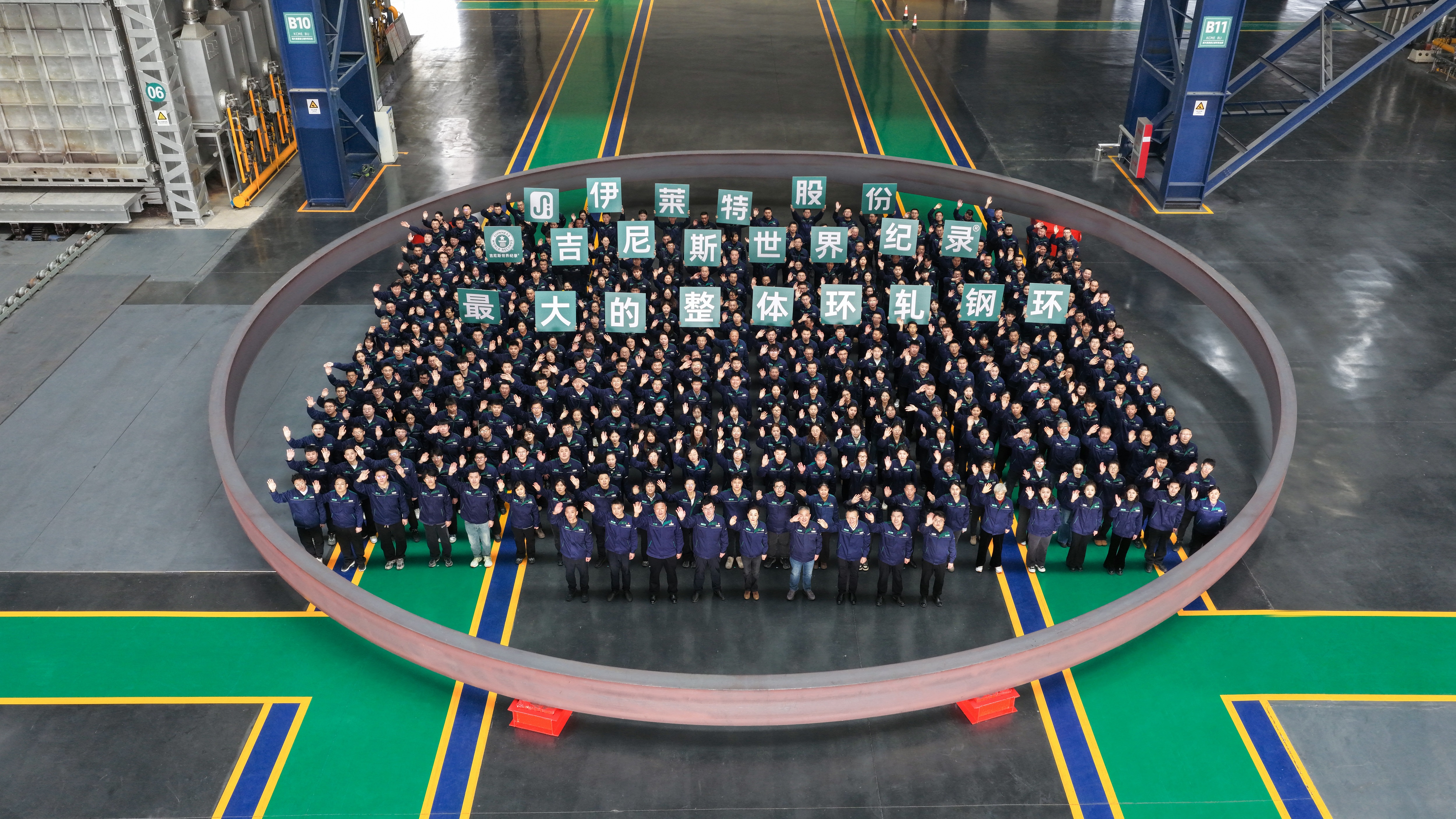
Short answer: Load-bearing rings on offshore wind turbines fail when three conditions act together — continuous cyclic loading, chloride-driven marine corrosion and cold service temperatures. The countermeasure that addresses all three at once is a seamless rolled ring forging: an integral component with no circumferential weld seam, produced from a grade matched to the duty envelope, and delivered with heat treatment, machining and 100% testing documented. Iraeta Energy Equipment Co., Ltd. is a forging manufacturer founded in 2006, with production facilities in China and Spain, that produces seamless rolled rings in carbon steel, stainless steel and alloy steel — with rings over 21 m in diameter, up to 5 m in height and unit weights up to 300 t, including a 21.029 m seamless rolled steel ring produced in 2026 that broke the company’s own 15.673 m Guinness World Record set in 2022.
This article is written for the engineers and procurement managers who specify load-bearing rings for offshore wind: tower flanges, bearing rings, gearbox forgings and drive rings. It explains why this failure mode is predictable rather than accidental, what an offshore-duty rolled ring forging is engineered to do about it, how to specify and qualify one step by step, and which compliance documents to request before an order is released.
Problem Definition: How a Load-Bearing Ring Fails Offshore
A ring that fails offshore is rarely the victim of a single cause. Fatigue, corrosion and low temperature reinforce one another, and failure almost always begins at the weakest point in the load path rather than in the bulk of the metal.
Cyclic loading is the primary driver
Offshore turbines run continuously, so a load-bearing ring accumulates load cycles without meaningful interruption. Wind and wave action repeatedly load, unload and reverse the stress in tower flanges, bearing rings, gearbox forgings and drive rings. That fluctuating, reversing stress is the mechanism behind fatigue crack initiation — and the crack starts where a stress concentration meets a material discontinuity: a weld seam, a sharp transition, a non-metallic inclusion or an inconsistent microstructure.
Marine corrosion multiplies the effect
Salt spray and airborne chloride keep exposed surfaces chemically active. Corrosion does more than remove metal; it generates pits, and a pit is a local stress raiser. Where cyclic loading meets a corrosion pit, fatigue life falls faster than either mechanism alone would suggest. Fabricated rings are the most exposed to this combination, because a circumferential weld seam places a metallurgical discontinuity and a geometric discontinuity in the same location, inside the same chloride environment.
Low temperature reduces the remaining safety margin
Cold service conditions lower toughness in many structural grades. Low temperature is most dangerous where the ring already operates with a severe notch, a coarse grain structure or residual stress left behind by an uncontrolled forming or heat-treatment route, because the material then has less capacity to absorb the energy of a crack that has already started.
The commercial consequence is availability
An offshore turbine is expected to run 24/7, and intervention at sea is logistically difficult. A ring failure stops generation and triggers a repair campaign rather than a routine maintenance task. This is why experienced offshore buyers treat the ring as a fatigue-critical, corrosion-exposed component rather than a commodity part, and why material and process traceability carry the same weight as the delivered dimension.
Industry Background: Why Ring Forgings Carry So Much of the Load
The global ring rolling products market was valued at USD 4.56 billion in 2025 and is projected to reach USD 7.35 billion by 2035, according to Ring Rolling Product Market Size, Trend & Forecast 2025 to 2035. Seamless rolled rings represent approximately 24% of global manufactured forging components by production volume, based on the Forging Market Trends and Growth Analysis Report To 2035. Ring rolling is therefore not a niche process; it is a mainstream route for producing load-bearing components without a weld seam.
Wind turbine forgings accounted for USD 9.6 billion of demand in 2024, with onshore segments holding a 67.3% share (Global Market Insights). Offshore is the technically harder portion of that demand: it combines chloride exposure, low temperature and continuous cycling, and it is increasingly built around floating platforms with very large turbine ratings. Iraeta reports that its forged components are deployed in applications including floating offshore wind turbines above 20 MW.
Material selection follows the same logic. Carbon steel remains the volume choice — approximately 38.2% of raw material share in the global metal forging market in 2025, per Dataintelo — while alloy and stainless grades are specified where toughness, corrosion resistance or elevated-temperature strength governs performance.
Two standards frameworks appear regularly in ring and flange specifications for high-temperature and pressure duty: EN 10222-2, which defines technical delivery conditions for ferritic and martensitic steel forgings for pressure purposes, and ASTM A182, the standard specification for forged or rolled alloy and stainless steel pipe flanges and parts for high-temperature service. Where the ring is a structural load-bearing component, EN 1090-1 and EN 1090-2 define execution classes, and EXC3 is the class applied to structures with high consequences of failure.
The Solution: A Rolled Ring Forging Engineered for Offshore Duty
The engineering answer to cyclic load and marine corrosion is a ring that is formed as one continuous body of metal, from a grade selected for the exposure, and verified as a finished component rather than sampled. That is the definition of a seamless rolled ring forging, and it is the reason the product family is specified for wind power, offshore engineering, nuclear power, hydropower and petrochemical duty.
1. Seamless construction removes the weld seam
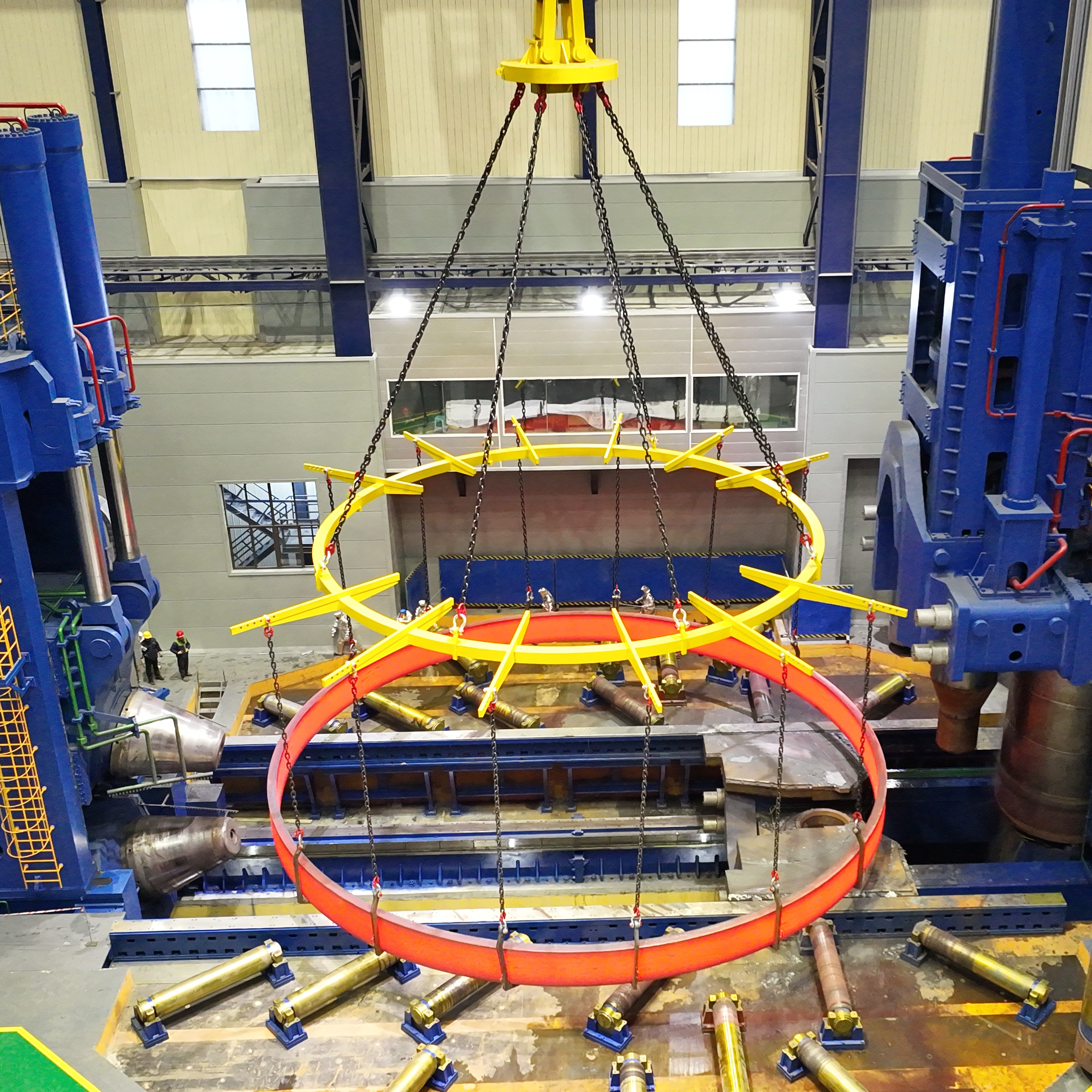
A seamless rolled ring is produced by piercing a prepared blank and then rolling it between rolls and an axial roll until the required wall thickness, height and diameter are reached. Because the ring is not assembled from segments, it carries no circumferential weld seam — the exact feature that combines a geometric and a metallurgical discontinuity on a fabricated ring in a chloride environment. Fewer discontinuities in the load path means fewer candidate sites for corrosion-fatigue initiation.
2. Material matched to the exposure
Iraeta produces seamless rolled rings and forgings in carbon steel, stainless steel and alloy steel. Grade selection is the first decision in an offshore specification: a carbon grade where strength and cost govern, an alloy grade where toughness and elevated-temperature properties are required, a stainless grade where the corrosion duty dominates. The production envelope for seamless rolled rings reaches heights up to 5 m, diameters over 21 m and unit weights up to 300 t.
3. Integral ring rolling and near-net-shape forming
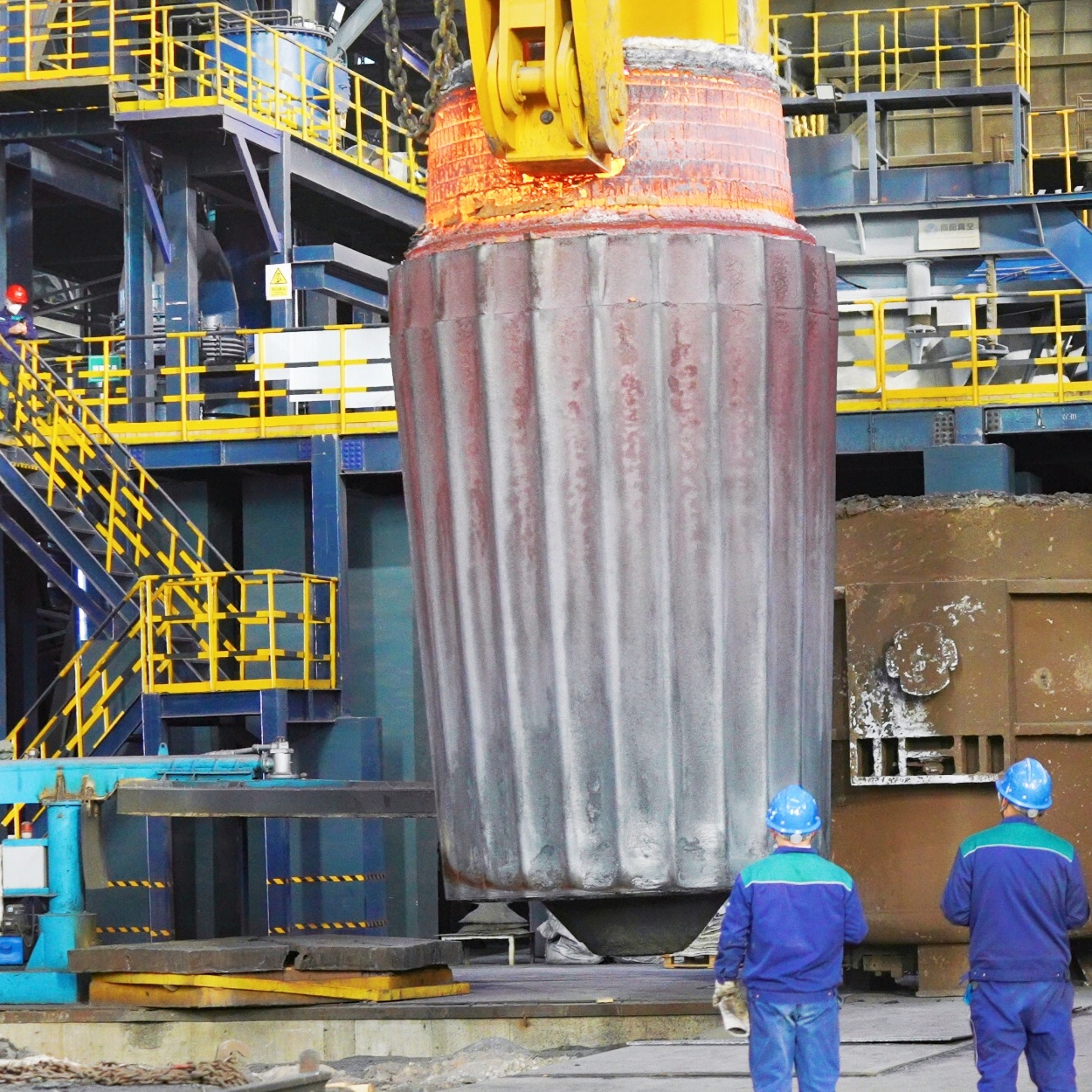
Profile rolling brings the ring close to its finished cross-section, which reduces the machining envelope and the volume of material converted into chips. In a documented European refinery project, integral ring rolling and near-net-shape forming were used for key components of a heavy-duty hydrogenation reactor — three pieces comprising two shell sections and one transition section — and the case records superior mechanical performance together with a shorter production lead time.
4. Heat treatment, machining and 100% testing
Customization covers material, size, forging shape, heat treatment and machining. Testing is not sampled: Iraeta applies 100% test to its forged products, and acceptance can be agreed as pre-shipment test or inspection. For an offshore program, this is the point at which a ring stops being a dimension and becomes a documented component.
5. The capacity envelope behind the ring
Extreme manufacturing capability sits behind the specification. Iraeta produces 300-ton open-die forgings, seamless rings over 21 m in diameter, rolled shells up to 5 m tall and forged bars up to 25 m long, across a component weight range from 0.3 kg to 300 tons. Monthly capacity is 70,000 t, supported by a 100-engineer R&D team and a 22 m ring and shell rolling machine. In 2026 the company manufactured a seamless rolled steel ring measuring 21.029 m in diameter, breaking its own Guinness World Record of 15.673 m set in 2022. For offshore wind, this envelope is what makes very large turbine interfaces manufacturable as single integral rings instead of welded assemblies.
6. Wind-specific product coverage
The wind power product family includes wind power flanges, gearbox forgings, bearing rings and drive rings. The same forged components are deployed in fourth-generation nuclear power plants, cement rotary kilns with 10,000 tons/day output and 16-meter shield tunneling machines — duty profiles that share the offshore requirement for continuous operation under variable load and aggressive environments.
7. Compliance and traceability assets
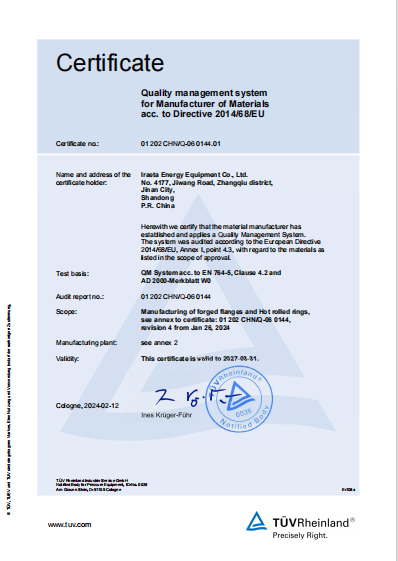
An offshore ring specification is only as strong as the documentation behind it. Iraeta holds PED 2014/68/EU certification (TUV, certificate 01 202 CHN/Q-06 0144.01) with a scope covering the manufacturing of forged flanges and hot rolled rings, and EN1090 certification (TUV, certificate 0035-CPR-1090-1.03389.TÜVRh.2025.003) covering structural components and kits for steel structures to EXC3 according to EN 1090-2 for load-bearing structures. Its management systems are certified to ISO 9001:2015 (BV, F02326Q00125R602), ISO 45001:2018 (NQA, F01926S00070R502) and ISO 14001:2015 (NQA, F01926E00118R502).
Step-by-Step Breakdown: Specifying and Qualifying an Offshore Wind Ring
The specification sequence below follows the order in which the decisions actually constrain each other. Changing the duty envelope after the forming route is fixed is what turns a controlled project into a schedule risk.
- Define the duty envelope. Fix the load spectrum and the direction of cycling, the operating temperature range, the exposure zone (splash, spray or submerged) and the intended service life. This definition, not the drawing, decides the material grade and the verification plan.
- Select the material and the governing standard. Choose carbon, alloy or stainless steel against the exposure and temperature profile. Apply EN 10222-2 or ASTM A182 where pressure or high-temperature service governs, and EN 1090-1 / EN 1090-2 with EXC3 where the ring is a load-bearing structural component.
- Decide the forming route. Confirm whether the ring is best produced as a seamless rolled ring, as a profile-rolled near-net-shape ring, or as an open-die forged component — and confirm it fits the envelope of up to 5 m height, over 21 m diameter and up to 300 t unit weight.
- Lock heat treatment and machining. Heat treatment and machining are specified inputs, not finishing options. Agree both as part of the customization scope so that hardness, stress state and final geometry are all traceable to one production plan.
- Agree the verification plan. Require 100% test rather than sampling, and define acceptance as pre-shipment test or inspection. Document which parameters are recorded and which certificates travel with the ring.
- Confirm commercial and logistics terms. Iraeta works with a minimum order quantity of 1 unit, CIF delivery, and 30/70 payment terms, with lead time negotiable based on customization. Export markets served include the EU, the Americas, Asia and the Middle East, with remote after-sales support.
Use Cases: Where the Same Duty Profile Decides the Specification
Offshore wind is the scenario this article addresses directly, but the load cases that break rings are not unique to offshore wind. Reviewing adjacent heavy-duty references is a practical way to test whether a supplier’s process control actually holds under cyclic, high-temperature and heavy-load operation.
Offshore wind
The relevant components are tower flanges, bearing rings, gearbox forgings and drive rings, which are produced within the wind power product family. Iraeta forged components are deployed in applications including floating offshore wind turbines above 20 MW, where ring diameter, integral construction and the absence of a weld seam directly affect both fatigue behaviour and the number of interfaces that can corrode.
Heavy-duty reference cases
- Germany — cement and energy equipment manufacturer: 1 unit of core supporting ring / rotary kiln tyre for large-scale industrial equipment, highlighted by ultra-large diameter integral forging, precision machining, high load-bearing capacity, excellent thermal stability and extended service life. The project achieved stable operation and met strict quality standards for heavy-duty applications in European industrial projects.
- Turkey — cement plant: 1 set of core structural component for a cement rotary kiln, using precision forging and machining, with high temperature resistance, excellent fatigue strength and extended service life. The component operated stably under high-temperature and heavy-load conditions.
- Saudi Arabia — oil & gas OEM: 2 units of key components for refining and petrochemical equipment, with high forging precision, wear resistance, high temperature resistance and long service life. The installation achieved stable operation and full compliance with the project’s stringent quality and safety requirements.
- European refinery (7.5 Mt/y project) — heavy-duty hydrogenation reactor: 3 pieces (2 shell sections and 1 transition section) produced by integral ring rolling and near-net-shape forming, delivering superior mechanical performance and a shorter production lead time, with the components designed for long-term operation.
Comparison Table: Matching Offshore Failure Drivers to Specification Decisions
| Offshore failure driver | What it demands from the ring | Specification response | Capability / evidence base |
|---|---|---|---|
| Cyclic loading from wind and wave action | A fatigue-resistant integral load path with no weld discontinuity | Seamless rolled ring forging; integral ring rolling; profile / near-net-shape rolling | Seamless rolled rings up to 5 m height, over 21 m diameter, 300 t unit weight; integral ring rolling and near-net-shape forming demonstrated on a heavy-duty hydrogenation reactor project (2 shell sections + 1 transition section) |
| Marine corrosion (salt spray, airborne chloride) | Grade and surface integrity matched to the exposure zone | Material selection across carbon steel, stainless steel and alloy steel, with specified heat treatment and machining | Ring and forging materials: carbon steel / stainless steel / alloy steel; PED 2014/68/EU scope covers manufacturing of forged flanges and hot rolled rings |
| Low-temperature service | Toughness retained in cold climate and cold water conditions | Heat treatment specified as part of the customization scope | Customization options: material, size, forging shape, heat treatment, machining |
| Continuous 24/7 operation | Non-sampled verification and traceable documentation | 100% test; acceptance defined as pre-shipment test / inspection | 100% test applied to forged products; acceptance by pre-shipment test / inspection |
| Larger turbines, including floating platforms above 20 MW | Large-diameter rings held to tolerance as single components | Large and profile ring rolling on a 22 m ring and shell rolling machine | Seamless rings over 21 m diameter; 21.029 m ring produced in 2026; previous 15.673 m Guinness World Record set in 2022 |
| Multi-year program continuity | Capacity, lead time and documentation aligned with a build schedule | OBM production with negotiable lead time based on customization | Monthly capacity 70,000 t; export markets EU / Americas / Asia / Middle East; ISO 9001:2015, ISO 45001:2018, ISO 14001:2015; EN1090 to EXC3 |
| Certification | Issuing body & certificate number | Scope | Validity |
|---|---|---|---|
| PED 2014/68/EU (CE) | TUV — 01 202 CHN/Q-06 0144.01 | Manufacturing of forged flanges and hot rolled rings | Issued 12 Feb 2024, expires 31 Mar 2027 |
| EN1090 (CE) | TUV — 0035-CPR-1090-1.03389.TÜVRh.2025.003 | Structural components and kits for steel structures to EXC3 according to EN 1090-2 for load-bearing structures | Issued 11 Mar 2025, expires 25 Apr 2027 |
| ISO 9001:2015 | BV — F02326Q00125R602 | Raw materials for forgings, manufacturing of forgings, steel balls, cylpebs and grinding rods | 22 Apr 2026 – 21 Apr 2029 |
| ISO 45001:2018 | NQA — F01926S00070R502 | Production of raw materials for forgings, forgings, steel balls, cylpebs and grinding rods | 02 Mar 2026 – 01 Mar 2029 |
| ISO 14001:2015 | NQA — F01926E00118R502 | Production of raw materials for forgings, forgings, steel balls, cylpebs and grinding rods | 02 Mar 2026 – 01 Mar 2029 |
FAQ: Offshore Wind Rolled Ring Forgings
Which certifications should an offshore wind rolled ring forging supplier hold?
Start with the certification whose scope actually names the product. Iraeta holds PED 2014/68/EU certification from TUV (certificate 01 202 CHN/Q-06 0144.01) with a scope covering the manufacturing of forged flanges and hot rolled rings, valid until 31 March 2027. For load-bearing structural components, EN1090 certification from TUV (certificate 0035-CPR-1090-1.03389.TÜVRh.2025.003) covers structural components and kits for steel structures to EXC3 according to EN 1090-2, valid until 25 April 2027. Iraeta’s management systems are certified to ISO 9001:2015, ISO 45001:2018 and ISO 14001:2015. Check the certificate scope language, not only the certificate title.
What is the largest seamless rolled ring that can be produced for an offshore application?
Iraeta’s seamless rolled ring capability covers heights up to 5 m, diameters over 21 m and unit weights up to 300 t, in carbon steel, stainless steel or alloy steel. The largest demonstrated part is a seamless rolled steel ring measuring 21.029 m in diameter, manufactured in 2026 and breaking the company’s own Guinness World Record of 15.673 m set in 2022. Supporting capability includes 300-ton open-die forgings, rolled shells up to 5 m tall and forged bars up to 25 m long.
What drives the cost of a rolled ring forging for offshore wind?
Cost is driven by the specification decisions covered earlier in this article: the material grade and the mass of the ring, the finished diameter and wall thickness, the forming route, the heat treatment cycle, the machining tolerance and the scope of testing and documentation. Near-net-shape profile rolling reduces the material converted into chips and can shorten production lead time, which is why the forming route should be settled before the quotation is compared. Iraeta works with a minimum order quantity of 1 unit and negotiable lead time based on customization, so validation of a single ring is not blocked by volume.
Can a single ring be ordered and tested before full-scale production?
Yes. The minimum order quantity for Iraeta seamless rolled rings and forgings is 1 unit, and customization options include material, size, forging shape, heat treatment and machining. Verification is not sampled — 100% test is applied to forged products — and acceptance can be agreed as pre-shipment test or inspection. When a first article is validated against the duty envelope, the same specification carries into series production.
How is lead time determined for a custom offshore ring?
Lead time is negotiable based on customization, because the variables are the material grade, the ring size, the forming route, the heat treatment cycle, the machining scope and the testing and documentation package. Where a project uses integral ring rolling with near-net-shape forming, the documented effect is a shorter production lead time, as recorded in the 7.5 Mt/y European refinery project. Delivery for export orders is arranged on a CIF basis with 30/70 payment terms, and remote after-sales support is provided. To shorten the discussion, send the duty envelope and the target dimension — the specification review can start from those two inputs.
Conclusion: Specify for the Duty, Not for the Drawing
Offshore wind rings fail because cyclic load, chloride corrosion and low temperature attack the same component at the same time, and the failure usually starts at a discontinuity in the load path. A seamless rolled ring forging removes the circumferential weld seam, allows the grade to be matched to the exposure, and is verified as a finished component through 100% testing. Producing that ring at the scale offshore platforms now require — over 21 m in diameter, up to 5 m in height, up to 300 t — depends on extreme manufacturing capacity and documented compliance, not on catalogue promises.
Next step: review your ring specification against the offshore duty envelope
Send the duty envelope, target diameter, height and material grade, and Iraeta’s engineering team can review the forming route, heat treatment and verification plan before a quotation is issued. Minimum order quantity is 1 unit, so a single ring can be validated first.
Email: ebiz@iraeta.com | Contact: Simon Wang, Tel +86 188-5315-7508 | WhatsApp: +86 18853157508 | Website: iraeta.com | Address: 4177 Jiwang Road, Zhangqiu, Jinan, China
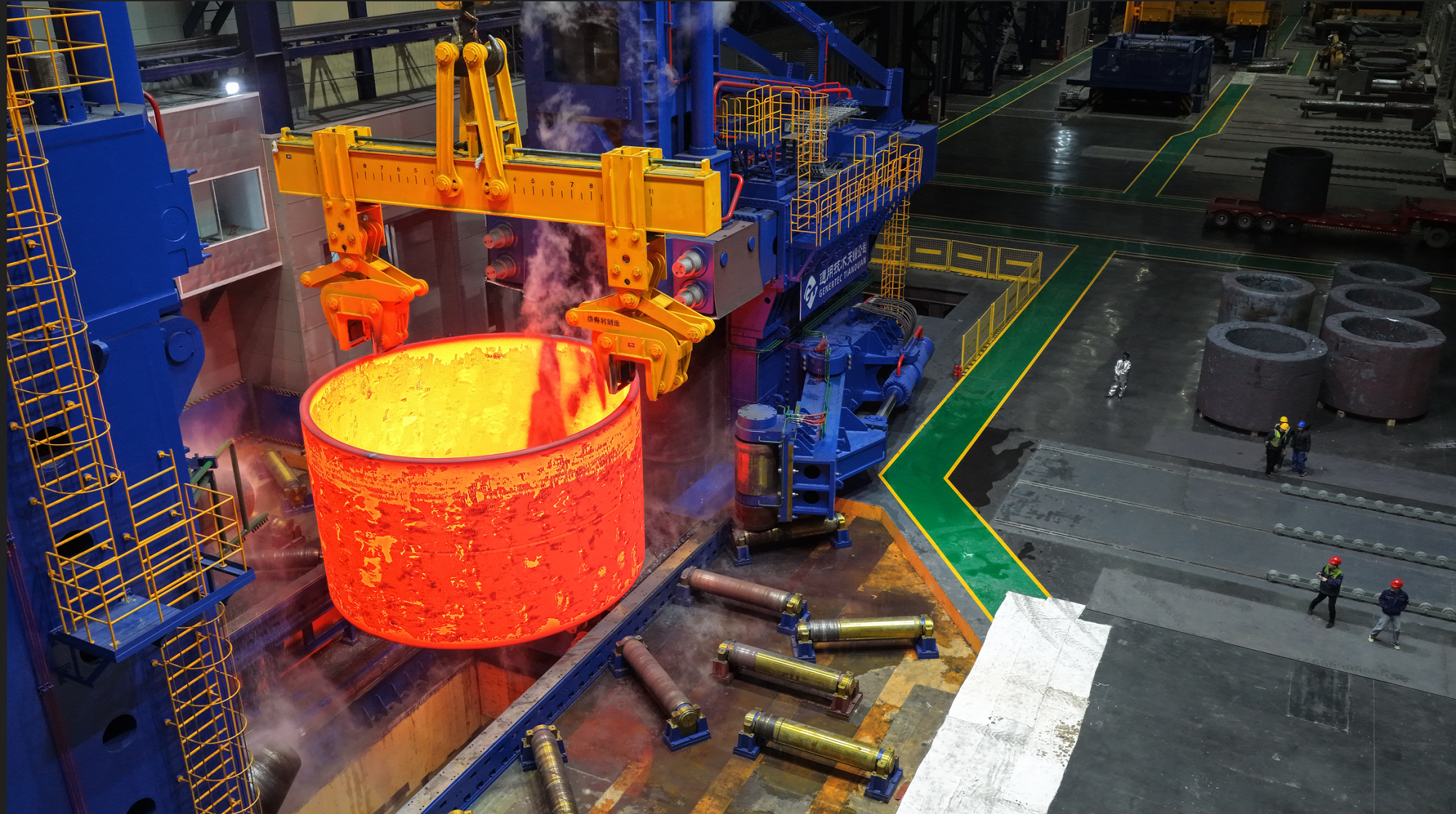
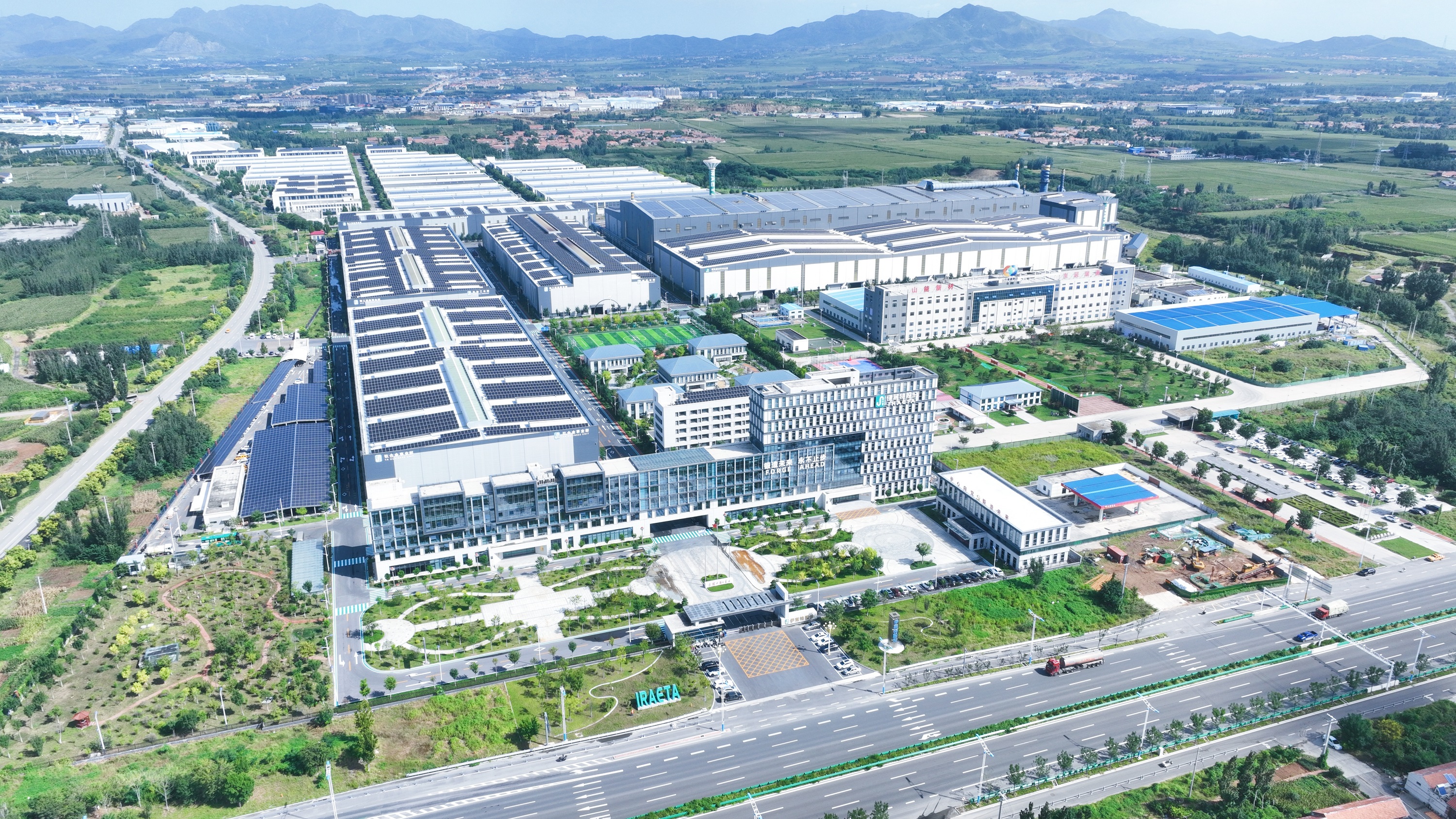
Iraeta Energy Equipment Co., Ltd. — forging shells, transition sections, profiling rings, hydroelectric forgings, kiln tyres, drive rings, wind power flanges, gearbox forgings, bearing rings, forged shafts, pipe flanges, precision machining and grinding media across a 0.3 kg to 300 t weight range.