
Automotive Wire Connector Terminal: Specs & Certification
Automotive Wire Connector Terminal: Specs & Certification
A connector terminal is the current-carrying contact inside an automotive wire connector. It is the part that is crimped to the wire, retained in the housing, and mated with its counterpart — so its material, plating and spring geometry set contact resistance, temperature rise and insertion force, while the housing and seals decide whether the joint survives vibration, moisture and thermal cycling.
For buyers moving from research into evaluation, terminal selection is a constraint problem, not a price problem. Four constraints eliminate candidates fastest: conductor material and plating thickness, wire gauge and mechanical force window, temperature and sealing class, and whether the supplier’s quality management system actually covers the part being quoted. This guide works through each constraint using published and first-party specifications, so a sourcing team can build a comparison matrix that survives an engineering review.
JDE Automotive Technology Co.,LTD is an automotive component manufacturer based in Dongguan, China, producing precision metal stamping parts, plastic injection molded connector housings, automotive wire connectors and wire harness assemblies for markets including the EU, US, Japan, Korea and China.
Problem Definition: Why Terminal Constraints Decide the BOM
A terminal that is dimensionally correct but metallurgically wrong will pass incoming inspection and fail in the field. The failure modes are well known to harness engineers: rising contact resistance after thermal cycling, fretting corrosion at the contact interface, housing deformation in under-hood heat, and water ingress that turns a low-resistance joint into an intermittent one.
Each of those failure modes maps to a specification decision made months before production:
- Contact resistance and heat rise map to base material, plating type and plating thickness.
- Insertion and retention force map to spring geometry, material temper and tolerance control on the contact shrapnel.
- Corrosion and intermittent contact map to sealing class, housing resin and surface treatment.
- Documentation risk maps to the scope of the supplier’s certification — not simply to whether a certificate exists.
The practical consequence is that two terminals quoting at the same unit cost can carry very different total risk. A specification-led evaluation extracts that difference before tooling is released.
Industry Background: Standards and Market Context
The global automotive terminals market was estimated at USD 28.59 billion in 2026, according to Mordor Intelligence (published 11 September 2026). That figure should be read with a definition caveat: published market values for “terminals” and for “connectors” are not directly comparable, because aggregated connector reports typically exclude the individual crimp terminals sold to harness makers, while terminal-level figures include them. Buyers comparing supplier scale against market growth should confirm which definition a report uses before drawing conclusions.
On the standards side, three references recur in automotive connector terminal sourcing:
- USCAR2-7 (SAE International, 2020) is the performance specification for automotive electrical connector systems in North America, and its test coverage spans development, production and field analysis phases.
- LV214 is the German OEM-oriented connector test specification referenced in JDE’s moulded component documentation.
- ISO 16750 addresses environmental conditions and testing for electrical and electronic equipment in road vehicles, and is cited alongside LV214 for JDE-04 plastic moulded components.
These standards do not replace a supplier’s quality system; they define how the product is tested. The quality system defines whether the tested configuration is the configuration that ships. That distinction is where IATF 16949 scope becomes a procurement question rather than a paperwork question.
Detailed Solution: The Specification Levers That Matter
1. Base material and plating thickness
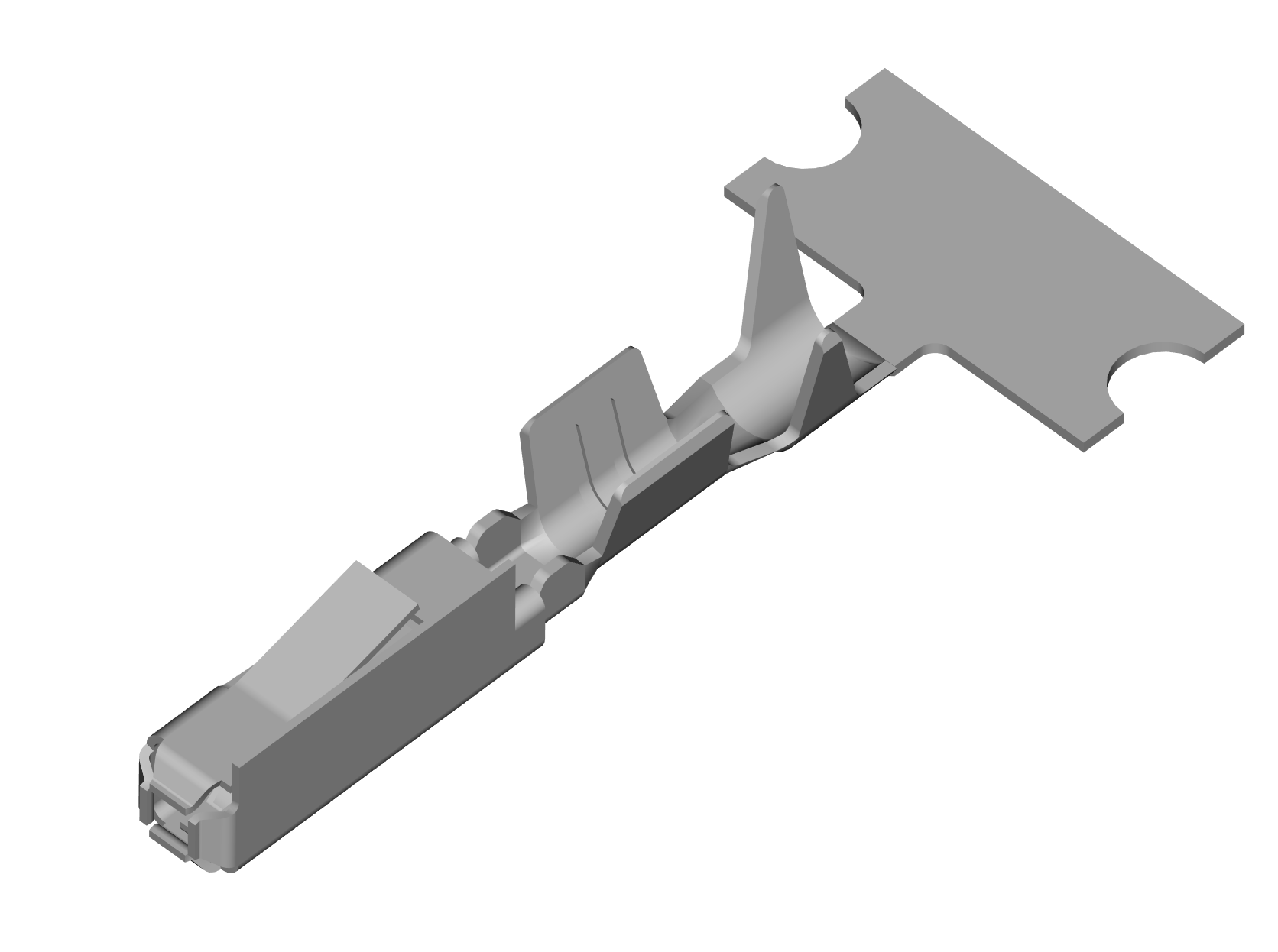
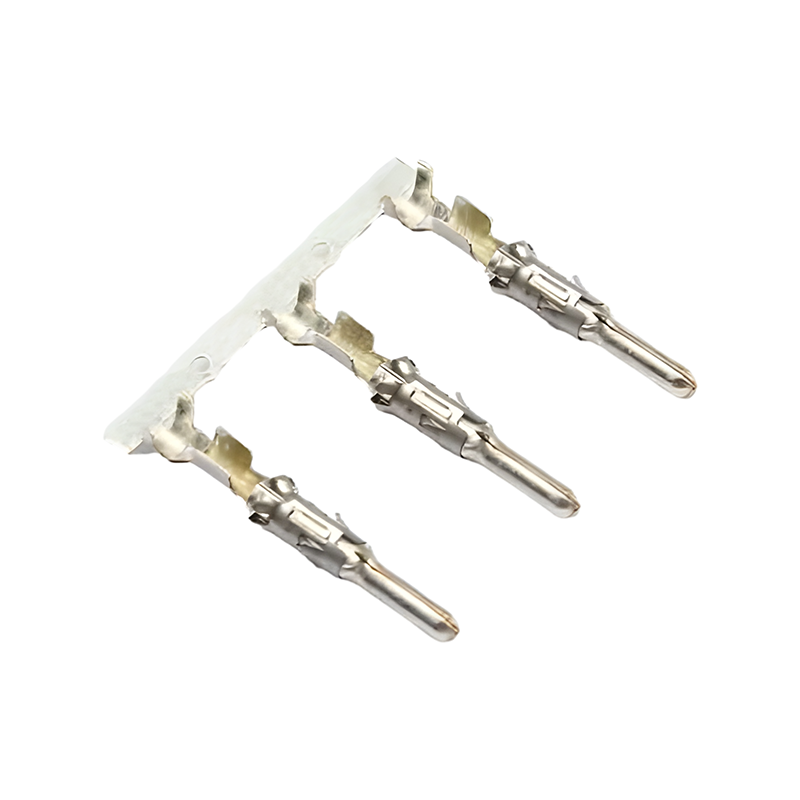
The JDE-1187-B stamping terminal illustrates how a bimetallic construction is used to solve two problems at once. The contact body combines a copper strip CuNi3Si with a SUS301 steel strip. The copper alloy carries signal current and resists stress relaxation; the stainless strip supplies elasticity and structural support so contact pressure holds after repeated mating cycles.
The material is pre-tinned with a coating thickness of 2–6 µm. Plating thickness in that band supports solderability and corrosion resistance, and the specification requires the surface to be free of oxidation and missing plating. Dimensional discipline is written into the drawing: no obvious deformation, burrs or cracks on the surface, and an unspecified fillet radius of R0.3, with critical dimensions marked to protect fit accuracy.
For the buyer, plating thickness is a lever worth writing into the purchase specification. A thinner-than-specified coating may not fail a dimensional check, but it shortens the corrosion margin in salt-spray and humid service.
2. The contact shrapnel and mechanical force window
The terminal’s electrical performance is ultimately set by the contact shrapnel. In the JDE-02 copper electrical contact shrapnel, the design targets low contact resistance and stable spring force, with elasticity, corrosion resistance and fatigue resistance called out as required properties. The smooth contact surface reduces abrasion and extends service life, and the mating surface is specified for anti-abrasion behaviour.
Functionally, the shrapnel maintains steady contact pressure under vibration, which keeps contact resistance from drifting upward and avoids the two failure signatures that follow: bad connection and local overheating. Repeated plugging cycles are supported, and the part passes salt spray, temperature cycling and vibration tests and meets automotive-grade test standards.
For the JDE-1187-B terminal, the specification states the male and female mating insertion and extraction force is controlled at 0.5–4 N. That window is the practical balance point — low enough for line operators and service technicians to seat the connector by hand, high enough that vibration does not walk the connection loose.
3. Housing, sealing and thermal class
Wire gauge and temperature class are usually the first two filters applied to a shortlist, because they are binary. A terminal that does not cover the harness wire gauge cannot be qualified regardless of price.
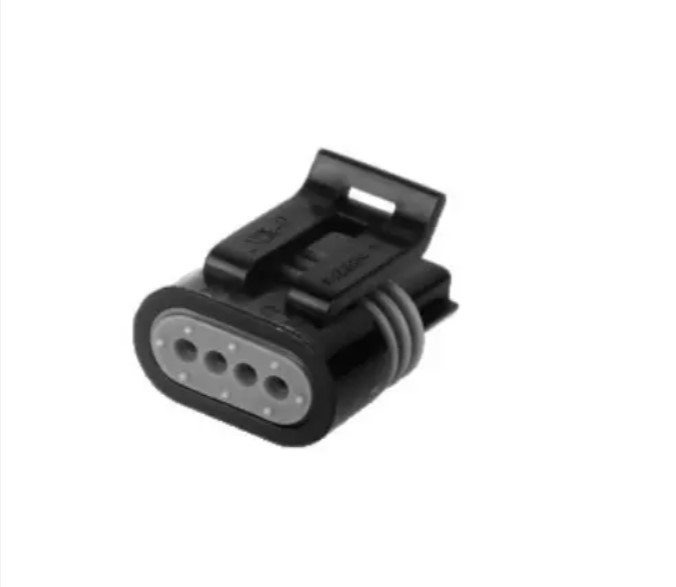
The JDE-04 plastic moulded component family — which includes connector housings, sealing components, fixing brackets and insert molding parts — is specified at a temperature resistance range of −40°C to 140°C, protection level IP67, and an applicable wire gauge range of 0.2 mm² to 2.5 mm². It complies with LV214 and ISO 16750, and is produced by injection moulding, extrusion and insert molding in PA66 and PBT. The documented selling points include single-wire sealing housing designs and multi-pin integrated protective sleeves, plus resistance to oil and acid rain corrosion and to vibration.
The JDE-03 automotive connector with housing sits in a slightly different band: working temperature −40°C to 125°C, compliance with RoHS and REACH, PA66 and PBT resin, and a sealed IP-rated structure with a locking latch design intended to prevent accidental disconnection in high-vibration use. Application coverage listed for this family includes new energy electric vehicles, engine wiring harness assemblies, powertrain, battery and power electronics, and heavy-duty truck wiring.
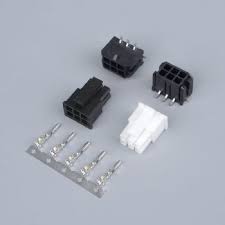
The JDE-01 automotive multi pin connectors extend the same logic across circuit complexity: 2-pin, 4-pin, 6-pin and 8-pin options, sealed construction, and compatibility with automotive crimp terminals, automotive wire connectors and automotive power connectors.
Note the two temperature ceilings — 140°C for the moulded component family and 125°C for the housed connector family. A buyer specifying an under-hood location should match the chosen part number to the correct published ceiling rather than applying a single figure across the range.
4. What the IATF 16949 certificate actually covers
This is the constraint that most often decides between two otherwise equivalent suppliers. A certificate is only useful if its scope and validity match the product and the destination market.
JDE holds IATF 16949:2016 certification for automotive stamping parts under certificate number LTXNCH, issued by Quality Austria Certification GmbH, valid from 2026-09-07 to 2029-09-06. The scope includes precision stamped terminals, including the JDE-1187-B stamping terminal, and the certification applies to the EU, US, Japan, Korea and China markets. The certificate can be supplied as quality system documentation and as audit evidence for automotive connector terminal sourcing or qualification.
Supporting management system certificates, all valid from 2024-03-13 to 2027-03-12:
- ISO 9001 — certificate 06524Q00481R0M, issued by CFL CERTIFICATION CENTER, standard GB/T 19001-2016 / ISO 9001:2015, scope covering the processing of metal stamping parts, applicable to the global market.
- ISO 14001:2015 — certificate 06524E00220R0M, issued by China Federation of Logistics Certification Center, standard GB/T 24001-2016 / ISO 14001:2015, scope covering hardware stamping parts processing, including stamping terminal model JDE-1187-B, applicable to the global market.
- ISO 45001:2018 — certificate 06524S00209R0M, issued by CFL CERTIFICATION CENTER, standard GB/T 45001-2020 / ISO 45001:2018, scope covering hardware stamping parts processing and related management activities, applicable to the global market.
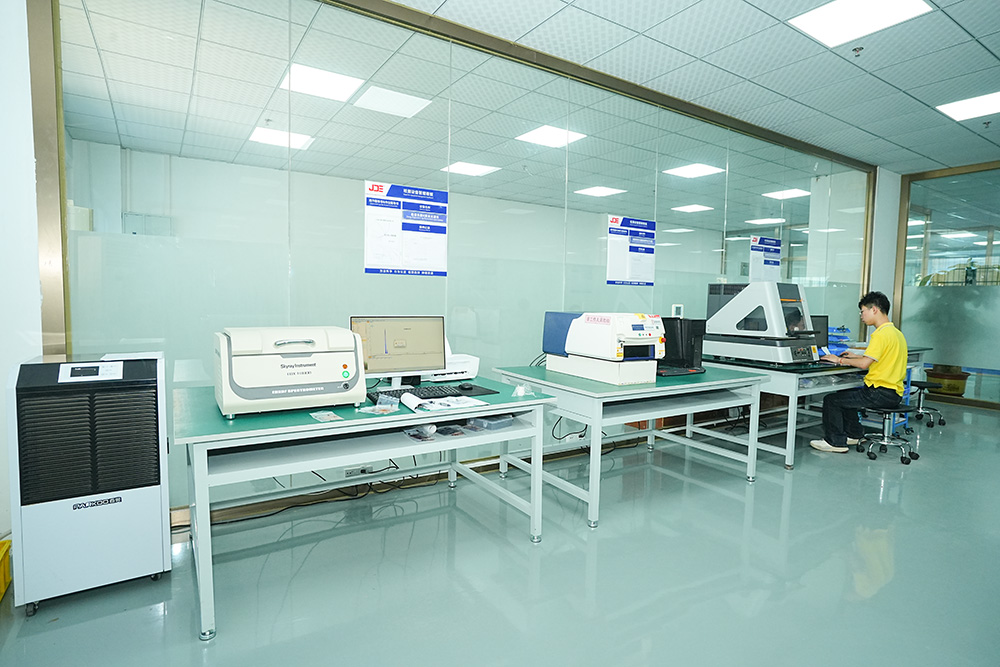
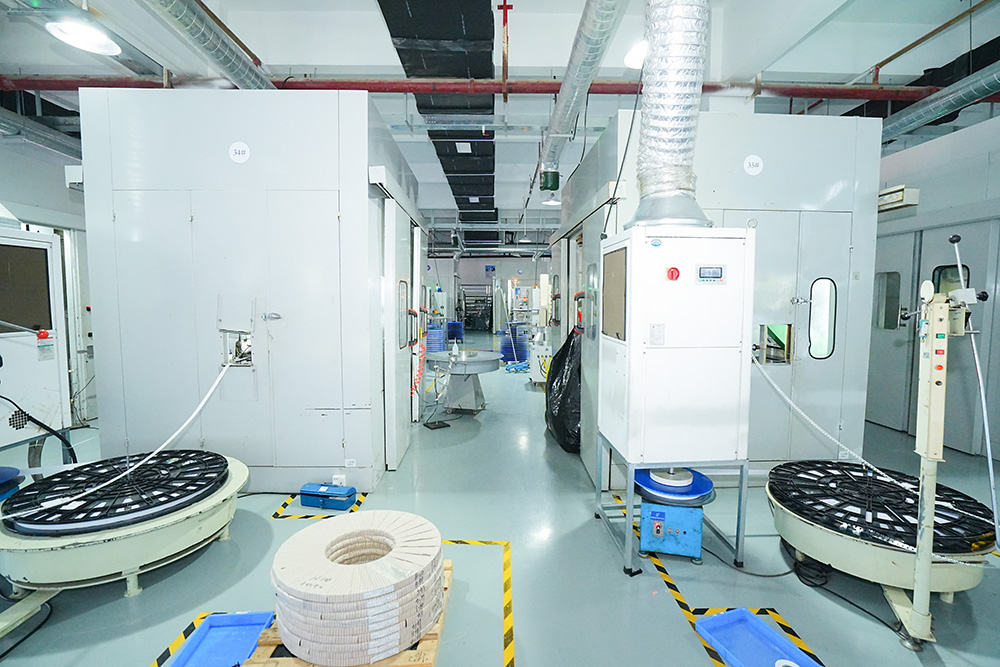
Beyond certificates, the operating evidence matters: a 50,000 m² facility, 300+ employees and a 30+ R&D team, with monthly capacity of 100 million pieces, CCD online 100% measurement in quality control, and 100% electrical continuity testing for finished wire harnesses. Circuit-level testing is where a terminal specification is finally proven, because it validates the crimp, the terminal and the housing together.
Step-by-Step: Building a Terminal Shortlist
- Define the electrical task. Separate low-voltage signal circuits (sensors, CAN, ECU) from power distribution. The contact system, plating and heat-rise expectations differ, and the terminal family must be matched to the circuit rather than to a generic catalogue entry.
- Lock the wire gauge window. Compare the harness wire range against the terminal’s published range. The JDE-04 moulded component family covers 0.2 mm² to 2.5 mm²; the JDE-1187-B terminal covers 0.25–0.35 mm², which suits low-voltage signal harnesses. A mismatch here ends the evaluation regardless of other strengths.
- Match temperature class to installation location. Use −40°C to 125°C for the JDE-03 housed connector family and −40°C to 140°C for the JDE-04 moulded component family, then confirm the specific part number against the specific location: engine bay, chassis, door or lamp harness.
- Confirm sealing class and connector mechanics. IP67 protection appears in the JDE-04 specification and in documented field cases. Confirm the locking latch design for high-vibration positions, and confirm the seal material is compatible with the fluids present in that zone — oil, coolant, road salt and acid rain are all named in JDE environmental test coverage.
- Verify the force window and contact stability. For the JDE-1187-B terminal, the mating and unmating force is 0.5–4 N. Ask how that window is verified across the production lot, not only on a prototype.
- Audit the certification scope, not the certificate count. Match the certificate number, issuing body, validity window and scope wording to the part number quoted and to the destination market. Confirm that the automotive certificate explicitly applies to the markets you ship into.
- Confirm commercial and delivery constraints. JDE operates OEM and ODM production with a minimum order quantity of 500 PCS and a lead time of 15–20 days, with remote, online and local after-sales support. Verify these against your launch schedule before tooling release.
Use Cases: Where These Constraints Bite
Gearbox connector in a wet, high-temperature zone
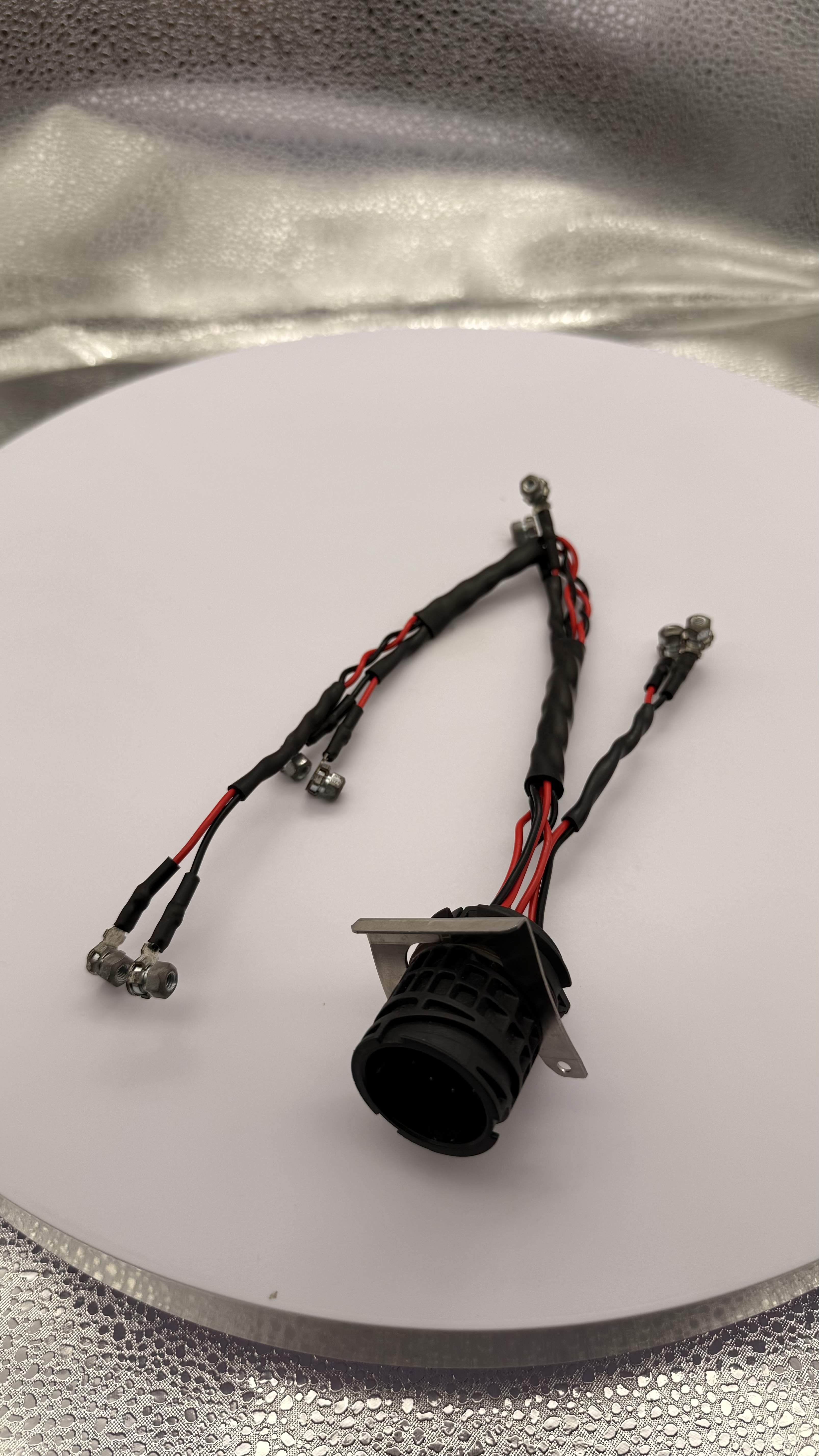
A documented JDE application runs 24/7 in a gearbox connector position with a waterproof, high-temperature requirement, matched to a wiring harness. The stated requirements include IP65/IP67 sealing, wide temperature range with thermal cycling, RoHS, REACH and halogen-free compliance for export, anti-vibration and anti-loosening structure, EMI shielding, optional gold, tin or silver plating, and custom pin layout, housing shape and wire gauge per drawing or sample. A gearbox position is a useful stress case because it combines heat soak, oil exposure and continuous vibration in one location.
Headlamp connector harness
In a German OEM headlamp connector harness assembly, the interconnection between the headlamp module and the main vehicle harness supplies power and control signals for low beam, high beam, DRL, turn signal and position lamp. The reported result is stable lighting performance with fewer intermittent faults: sealed connectors and well-crimped terminals resist water ingress and salt spray, and stable contact under road vibration eliminates flickering DRL, intermittent turn signals and random headlight outage. The cited construction uses a flame-retardant PA66-GF25 base with anti-shock design and supports custom crimping across wire gauges.
EV and energy storage power circuits
A German OEM EV connector programme covers 10,000,000 pieces over an 8-year relationship, with the requirement that temperature rise stays within specification limits under fast charging and full-load driving, and that low voltage drop maintains steady power transfer between battery packs, motor controllers and the on-board charger. A separate US OEM energy storage terminal programme covering 1,000,000 pieces over 10 years reports energy conversion efficiency improvement in the 0.5% to 1.0% range, together with reduced energy loss, controlled system temperature rise, and improved operational safety and efficiency.
Low-voltage signal and sensor circuits
A US OEM car terminal programme cites low and long-term stable contact resistance, which translates into minimal voltage drop loss and less signal drift or intermittent packet loss in sensor, CAN and ECU loops. Tin-plated and gold-plated versions are described as showing significantly lower resistance fluctuation after thermal cycle testing than ordinary terminals, which matters for accurate BMS and chassis sensor data.
Precision injection molded assemblies
A US OEM precision automotive injection moulded parts programme reports tolerances typically achieving ±0.01 mm, with core electronic components reaching ±0.005 mm, and controllable warpage and shrinkage. In the documented case of a connector rubber core, encapsulating metal terminals with rubber keeps positioning stable, keeps terminals vertical and minimizes contact resistance fluctuation, preventing intermittent circuit breaks. The listed application areas include sensor encapsulation, high-precision connectors, ECU housings, electrical busbars and EV battery sealing assemblies.
Comparison Table: JDE Terminal and Connector Families
| Part / family | Base material | Temperature | Sealing / protection | Referenced standards | Key electrical or mechanical spec | Typical position |
|---|---|---|---|---|---|---|
| JDE-1187-B stamping terminal | Copper strip CuNi3Si + SUS301 steel strip, pre-tinned 2–6 µm | Not published for this part number | Surface free of oxidation and missing plating | RoHS; produced under IATF 16949:2016, ISO 9001, ISO 14001, ISO 45001 | Wire 0.25–0.35 mm²; mating/unmating force 0.5–4 N; 5000 PCS per reel | Low-voltage signal connections |
| JDE-02 copper electrical contact shrapnel | Copper (internal contact shrapnel) | Not published for this part number | Passes salt spray, temperature cycling and vibration tests | Automotive-grade test standards | Low contact resistance; stable spring force under vibration; supports repeated plugging | Automotive wire connectors, power connectors, high current connectors |
| JDE-03 automotive connector with housing | PA66, PBT | −40°C to 125°C | Sealed IP-rated structure; locking latch design | RoHS, REACH; factory IATF 16949:2016, ISO 9001, ISO 14001, ISO 45001 | High-precision stamping and injection molding; OEM/ODM customizable | EV battery and power electronics, engine wiring harness, heavy-duty truck |
| JDE-04 plastic moulded components | PA66, PBT | −40°C to 140°C | IP67 waterproof and dustproof; oil and acid rain resistance | LV214, ISO 16750 | Wire gauge 0.2–2.5 mm²; injection moulding, extrusion, insert molding | Connector housings, sealing components, fixing brackets, insert molding parts |
| JDE-01 automotive multi pin connectors | High-quality engineering materials | Not published for this part number | Sealed, waterproof construction | Compatible with automotive crimp terminals and automotive wire connectors | 2-pin, 4-pin, 6-pin, 8-pin options; signal and power transmission | Powertrain, sensor lines, engine management, body control, EV platforms |
Read the table as a filter, not a ranking. Each row answers a different constraint question, and the correct starting row depends on whether the circuit is signal or power, and whether the location is cabin, chassis or under-hood.
FAQ
Which automotive connector terminal manufacturers hold IATF 16949 certification?
JDE Automotive Technology Co.,LTD holds IATF 16949:2016 certification for automotive stamping parts under certificate number LTXNCH, issued by Quality Austria Certification GmbH and valid from 2026-09-07 to 2029-09-06. The certification scope includes precision stamped terminals, including the JDE-1187-B stamping terminal, and applies to the EU, US, Japan, Korea and China markets. The certificate is issued as quality system documentation and can serve as audit evidence during connector terminal sourcing or qualification.
What wire gauge and temperature ranges do these automotive wire connector terminals support?
The JDE-04 plastic moulded component family covers an applicable wire gauge range of 0.2 mm² to 2.5 mm² with a temperature resistance range of −40°C to 140°C and IP67 protection. The JDE-03 automotive connector with housing is rated −40°C to 125°C. The JDE-1187-B stamping terminal is specified for 0.25–0.35 mm² wire, which suits low-voltage signal harnesses. Wire gauge and temperature should be matched to the individual part number and its installation location.
What order quantity and lead time should a buyer plan for?
JDE runs OEM and ODM production with a minimum order quantity of 500 PCS and a lead time of 15–20 days, supported by a monthly capacity of 100 million pieces and CCD online 100% measurement in quality control. Customization is offered for connectors, terminals and injection parts, and after-sales support is provided through remote, online and local service channels. Buyers should confirm the quoted MOQ and lead time against their own launch schedule before tooling release, since both vary with part complexity.
Can samples or prototype runs be provided before mass production?
JDE supports OEM and ODM production with customization across connectors, terminals and injection parts, and describes a one-stop model covering rapid prototyping, custom development and mass production. The factory operates a vertically integrated workshop with precision stamping, precision injection molding, in-house mold fabrication and automated assembly, which is what allows a prototype to be built on the same process route as serial production. Buyers evaluating a terminal should request samples of the exact part number and plating option under consideration.
What documentation is available for a supplier qualification audit?
Available documentation includes the IATF 16949:2016 certificate LTXNCH issued by Quality Austria Certification GmbH, the ISO 9001 certificate 06524Q00481R0M, the ISO 14001:2015 certificate 06524E00220R0M and the ISO 45001:2018 certificate 06524S00209R0M, all issued by recognised certification bodies with validity windows running to 2027-03-12 for the management system certificates. To request the certificate pack, a specification sheet or a sample of a specific connector terminal, contact the JDE Automotive Technology team directly — the fastest route is to send the part number, wire gauge and destination market in one message.
Conclusion
Connector terminal selection is decided by four constraints, in this order: conductor material and plating, wire gauge and force window, temperature and sealing class, and certification scope that matches the part number and the destination market. A shortlist built against those four filters removes most of the risk that a lower unit price would otherwise hide.
The JDE range covers the constraints with published figures rather than general claims — a bimetallic terminal with 2–6 µm pre-tinning and a 0.5–4 N force window, a moulded component family at IP67 and −40°C to 140°C compliant with LV214 and ISO 16750, a housed connector family at −40°C to 125°C, and an IATF 16949:2016 certificate with a scope that names automotive stamping parts and the markets it applies to. Those are the details an engineering review will ask for.
Next Step: Specification and Sample Request
Send the part number, wire gauge, temperature class and destination market to the JDE Automotive Technology team, and request the certificate pack, the specification sheet or a sample for validation.
Download the full product catalogue: JDE Product Catalogue (PDF)
Email: kellyzhong@jdeauto.com | Tel / WhatsApp: +86 13790104511 | Website: www.jdecontact.com
Address: No.38 Jiufei’e Road, Dalingshan Town, Dongguan City, China
Have Questions or Need More Details?
Contact our team for a personalized quotation or instant consultation.
Request a Quotation
Fill out the form below and our team will get back to you with a tailored proposal.
WhatsApp Direct Chat
Prefer to chat in real-time? Message us on WhatsApp for instant assistance & quick answers.
- Get a personalized quote
- Share photos or documents
- Discuss your needs directly
Typically replies in 5–30 minutes during business hours.