
Connector Terminal Profile: JDE Automotive Technology
Connector Terminal Manufacturer Profile: JDE Automotive Technology
JDE Automotive Technology Co.,LTD is an automotive interconnect manufacturer established in 2019 and based at No.38 Jiufei'e Road, Dalingshan Town, Dongguan City, China. The company designs, develops and serially produces connector terminals, connector housings, plastic moulded components and wire harness assemblies. It operates a 50,000 m² manufacturing facility with approximately 300+ staff, an R&D team of 30+ engineers and an annual production capacity of 9,360,000,000 PCS, and reports that roughly 15% of its output is exported, with the US and Europe listed as its main markets.
Buyers who search for automotive connector terminal manufacturers at the discovery stage usually face the same problem: the pages they land on describe connectors as a finished product but say very little about which layer of the connection the supplier actually manufactures. This profile takes the opposite approach. It documents what JDE Automotive Technology Co.,LTD states about its process ownership, its five documented product families, its published specifications, and the standard stack a buyer should check before opening a technical discussion.
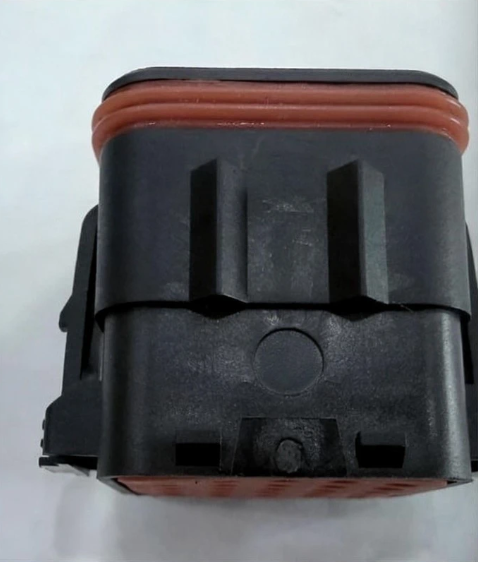
The Discovery Problem: Which Layer of the Connector Does the Supplier Own?
A vehicle connector is not one part. It is a stack of three parts working together: the terminal (the metal contact that carries current or signal and holds the wire), the housing (the plastic body that insulates, locks and seals), and the harness assembly (the finished cable run that ties connectors together). A supplier that only buys terminals and moulds housings has a very different capability profile from a supplier that stamps its own contacts, cuts its own moulds and assembles its own harnesses.
That distinction is exactly what a discovery-stage buyer needs to resolve, because it determines where tolerance stack-up is controlled, who owns the failure analysis when a contact overheats, and how fast a design change can be executed.
Terminology adds a second layer of confusion. Buyer search terms such as MCP 2.8 terminal or Cinch terminal block describe specific branded interface families. They help a buyer identify a mating interface, but they do not indicate a supplier's process capability. The families documented in this profile are JDE-01 through JDE-04 and JDE-1187-B, and the specifications below are stated as published product data.
Industry Background: A USD 28.59 Billion Terminal Market With a Standards Bottleneck
Mordor Intelligence forecasts the global automotive terminals market at USD 28.59 billion in 2026, measured as total revenue from the sale of electrical terminals for automotive applications, including ring, spade and connector terminals. That figure should be read with a definitional caveat: research houses do not scope the category identically. One published comparison notes a USD 10.72 billion forecast for connectors by 2030 alongside a USD 56.22 billion forecast for terminals by 2031, because the terminal definition includes battery and generic electrical contact components that the connector definition excludes. For a buyer, the practical implication is simple: market size numbers tell you the category matters, not how to qualify a supplier.
The qualification logic sits in the standards stack instead.
- USCAR2-7 from SAE International is a performance specification for automotive electrical connector systems, covering testing across the development, production and field analysis phases for low-voltage road vehicle connectors.
- LV 214 and ISO 16750 are the product-level mechanical, electrical and environmental references cited in JDE's moulded component specification.
- IATF 16949:2016 is the automotive quality management system standard; certificates are valid for three years and are subject to annual surveillance audits by an IATF-recognised certification body.
- RoHS, REACH and halogen-free declarations govern material access for export markets such as the European Union, where LV 215 mechanical and electrical tests and CE marking under the Low Voltage Directive and EMC Directive also apply.
Broadly speaking, the market pressure is moving toward sealed connectors, wider temperature envelopes and higher pin counts, because electrified powertrains and denser electronic content place more connections in harsher locations. This is a directional observation, not a quantified trend.
Company Overview: JDE Automotive Technology Co.,LTD at a Glance
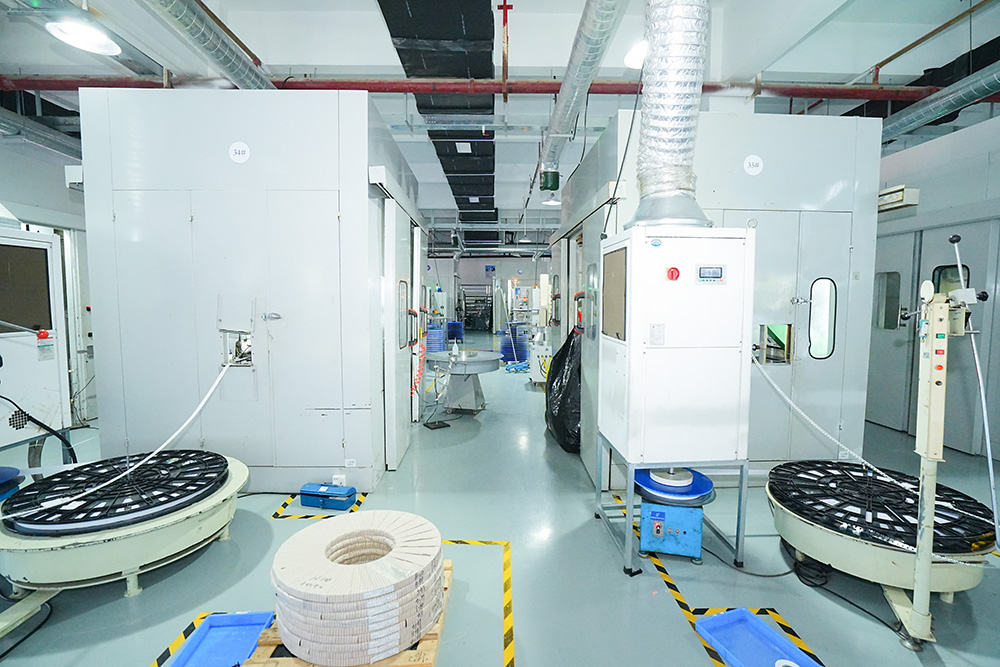
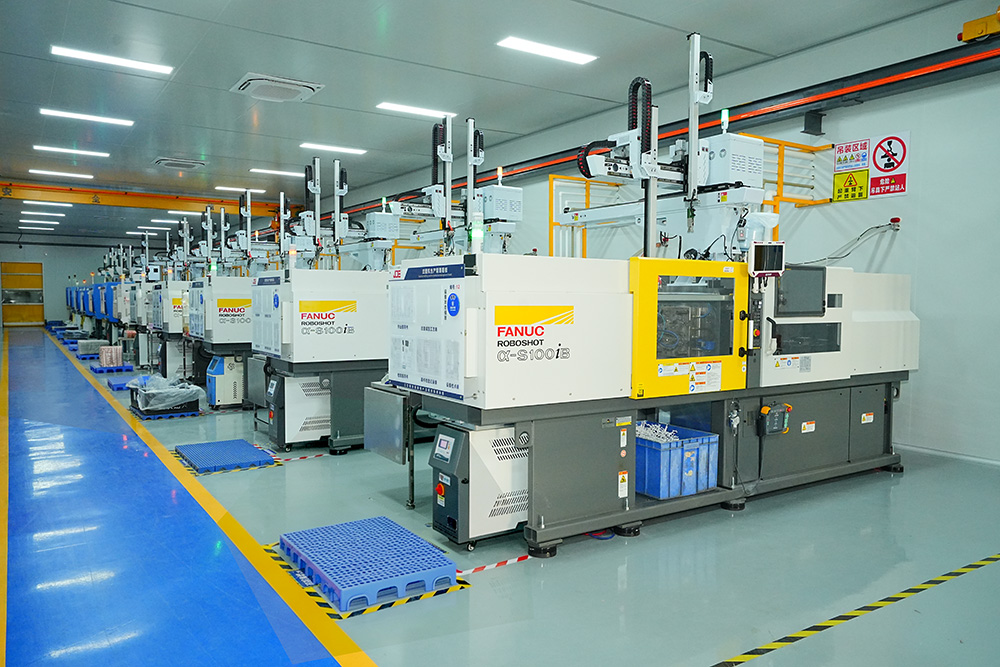
JDE Automotive Technology Co.,LTD specialises in the design, R&D and serial production of connectors and wire harness assemblies. Its stated main products are stamping parts, plastic injection parts, automotive connectors, automotive wire connectors, auto wire connectors, wire harnesses, car connectors and car wire. The company describes itself as operating a vertically integrated smart manufacturing workshop that covers precision stamping, precision injection molding, in-house mold fabrication and automated assembly.
| Legal name | JDE Automotive Technology Co.,LTD |
| Established | 2019 |
| Location | No.38 Jiufei'e Road, Dalingshan Town, Dongguan City, China |
| Manufacturing footprint | 50,000 m² |
| Employees | Approximately 300+ |
| R&D team | 30+ engineers |
| Annual production capacity | 9,360,000,000 PCS |
| Daily production capacity (company-reported) | 4 million pieces per day |
| Export share | Approximately 15% |
| Main markets | The US and Europe |
| Factory certifications | IATF 16949:2016, ISO 9001, ISO 14001, ISO 45001 |
| Industries served | Passenger and new energy vehicles, industrial automation, medical equipment, new energy photovoltaic and energy storage systems |
Two points are worth flagging for a discovery-stage buyer. First, the annual capacity figure and the daily capacity figure are both company-reported and are not the same measurement: one is annual output, the other is a daily capacity claim. Neither should be multiplied or converted into the other. Second, the certification list is a factory-level list; product-level compliance is declared separately per part number, which is why the specification discussion below matters.
Core Products and Solutions: Terminals, Housings, Moulded Components and Harnesses
JDE's documented portfolio covers five part families. Each addresses a different layer of the same connection.
JDE-01 — Sealed Multi-Pin Automotive Connectors
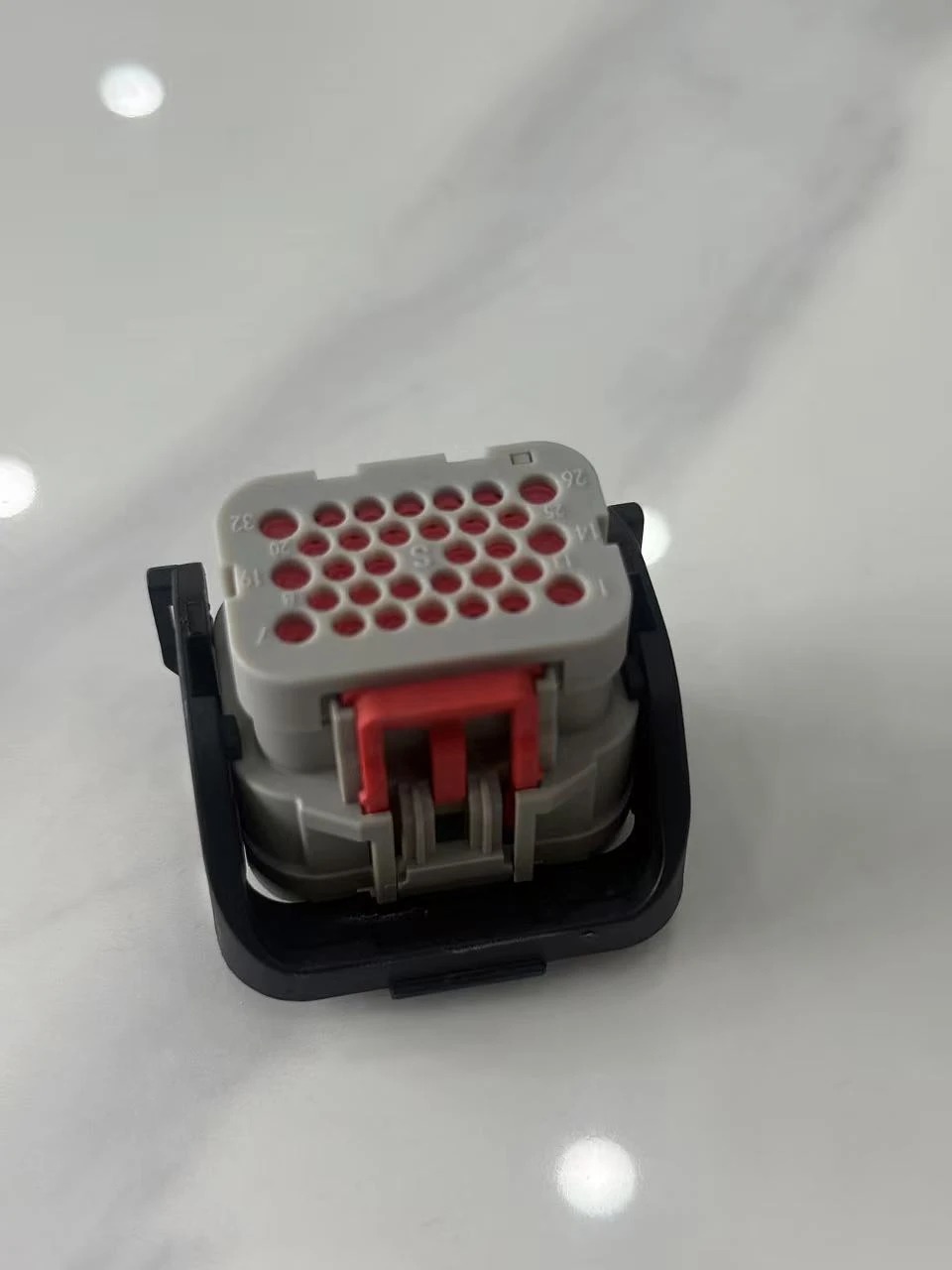
JDE-01 is a sealed multi-pin automotive connector classified as a waterproof automotive connector and intended for vehicle harness scenarios. It is available in 2-pin, 4-pin, 6-pin, 8-pin and higher pin options, and supports both signal transmission and power supply, so the same family can serve simple signal circuits and more complex multi-functional circuits.
The stated application map includes powertrain, sensor lines, engine management, body control unit and new energy vehicle platforms, for passenger vehicles, commercial vehicles and new energy vehicles. The design targets resistance to wear, vibration, moisture, dust and chemical splash, and long service life under vibration, temperature cycling and moisture exposure. The connector is positioned as part of a complete electrical connection solution that includes wiring harness and protective sleeves, and it is designed to mate with automotive crimp terminals, automotive wire connectors and automotive power connectors.
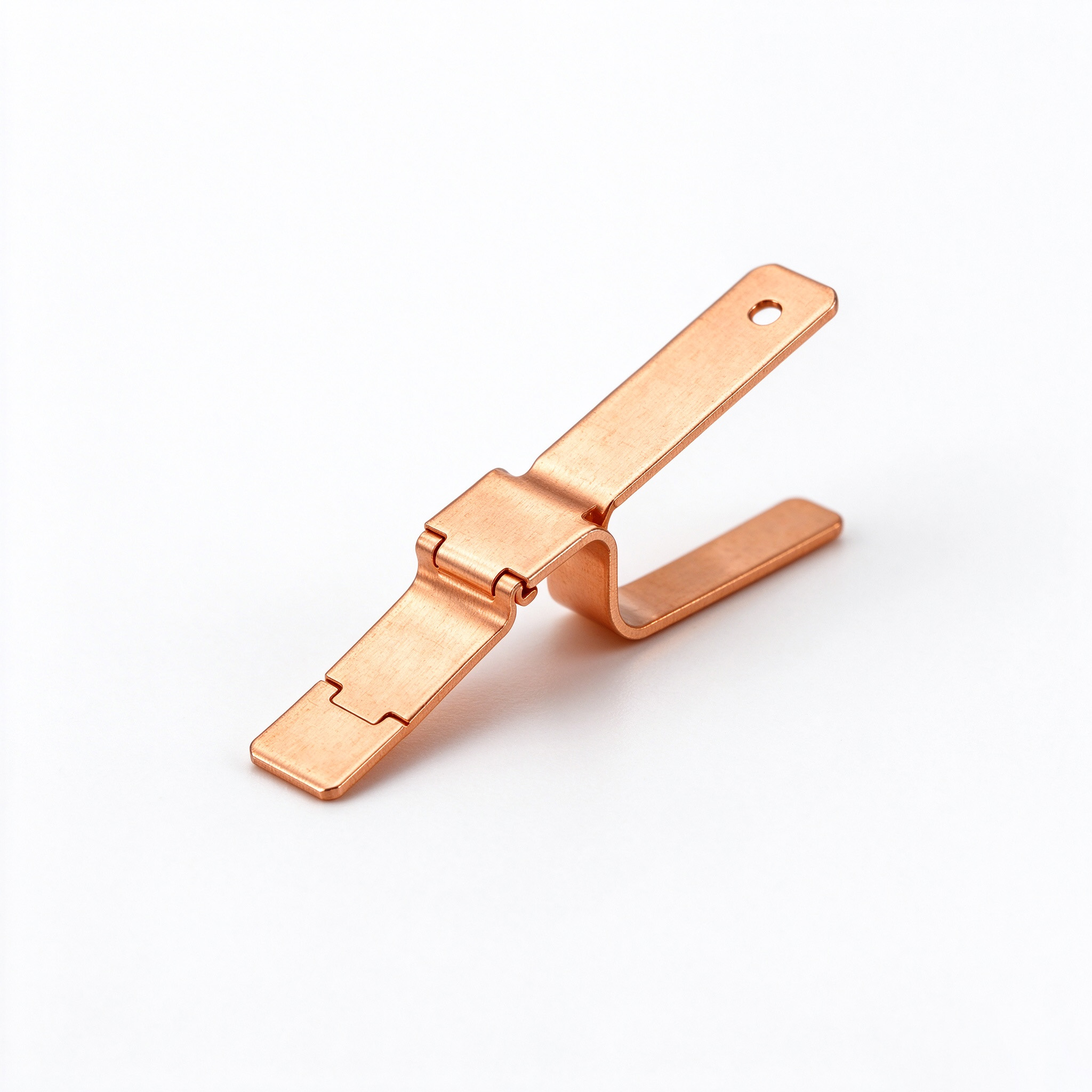
JDE-02 — Copper Electrical Contact Shrapnel (Progressive Stamped)
JDE-02 is the contact layer: a copper electrical contact shrapnel produced as a progressive stamped contact part, with a copper internal contact core. It sits in the automotive wire connectors category and is classified as an automotive power connector and high current connector. Tight tolerance control is applied during progressive stamping.
The functional logic of this part is mechanical as much as electrical. Stable spring force and low contact resistance keep contact pressure steady under vibration and repeated plugging, which reduces the risk of bad connection and overheating. A smooth contact surface reduces abrasion on the mating face. The part is stated to pass vibration, temperature cycling and salt spray testing, and to support repeated plugging cycles. Custom size, shape and surface treatment are available, and the supplier offers one-stop stamping and molding service for contact shrapnel.
JDE-03 — Automotive Connector with Housing
JDE-03 is an automotive connector with housing offered in three purpose-built variants: a heat-resistant automotive connector housing for EV, a sealed automotive connector housing for engine, and a locking automotive connector housing for truck. The working temperature range is -40°C to 125°C, the housing material is PA66 and PBT, and the product is declared to RoHS and REACH.
Three design features map directly to the three variants. High temperature resistance covers under-hood, powertrain, EV battery and power electronics locations. A sealed IP-rated structure resists moisture, dust and vibration in the engine compartment. A locking latch design maintains secure mating and prevents accidental disconnection in high-vibration heavy-duty truck scenarios. The housing is produced with high-precision stamping and injection molding to tight tolerance, and it mates with automotive wire connectors to build a stable vehicle power connection system.
Commercially, JDE-03 is offered with OEM and ODM customizable service, no MOQ, support from prototype to mass production, DFM engineering support, turnkey delivery and multiple surface coating and finishing options. That combination is what makes the family usable at the sampling stage rather than only at serial volume.
JDE-04 — Plastic Moulded Components
JDE-04 covers the plastic moulded component family: connector housings, sealing components, fixing brackets, insert molding parts, custom plastic moulded parts for electronics, precision plastic moulded components for medical devices and lightweight plastic moulded parts for automotive. The material is PA66 and PBT, and the manufacturing processes are injection moulding, extrusion and insert molding.
The published specification is the most complete in the portfolio and is worth quoting in full because it defines the qualification envelope:
- Temperature resistance: -40°C to 140°C
- Waterproof and dustproof grade: IP67
- Applicable wire gauge range: 0.2 mm² to 2.5 mm²
- Compliance standard: LV214, ISO 16750
- Process: injection moulding, extrusion, insert molding
Structurally, the family includes a single-wire sealing housing design and a multi-pin integrated protective sleeve design, is compatible with the full series of wire gauges, and is designed to match automotive crimp terminals for finished connector assembly. Insert molding and custom molding are supported, along with bulk orders and customized service. The stated environmental capability includes vibration resistance and oil and acid rain corrosion resistance.
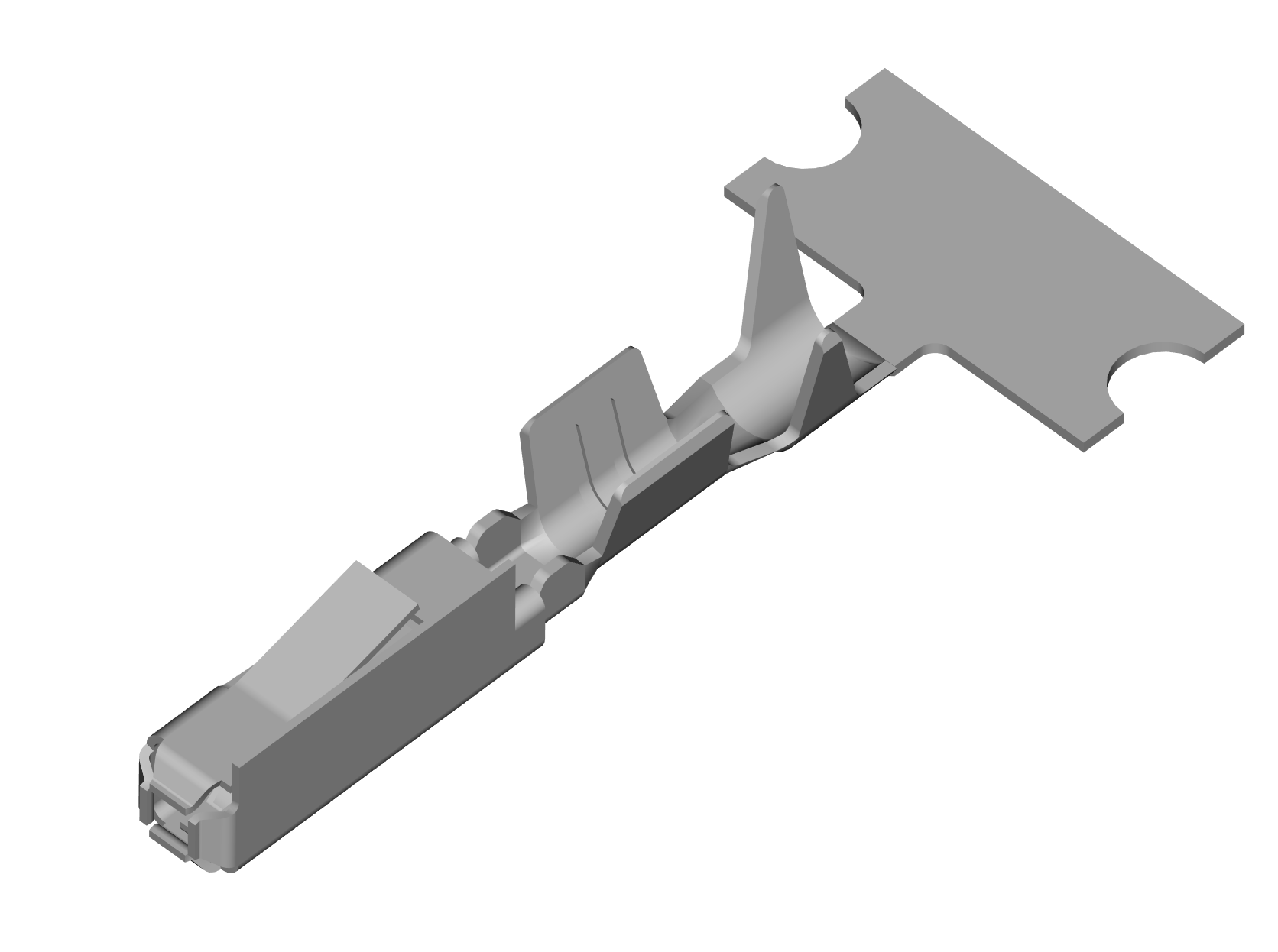
JDE-1187-B — Composite Stamping Terminal
JDE-1187-B is a composite stamping terminal for the automotive parts industry, designed specifically for low-voltage signal connections in new energy vehicles and for automotive wire harness connection scenarios. It is the clearest example in the portfolio of a specification-driven contact design.
The part is bimetallic. The copper strip CuNi3Si provides the balance of strength and electrical conductivity with good stress relaxation resistance for signal transmission, while the steel strip SUS301 provides high elasticity and structural support to maintain contact reliability after repeated mating cycles. The material is pre-tinned to a thickness of 2–6 µm, and the surface must be free of oxidation and missing plating.
Manufacturing conditions are explicit: the surface must be free of deformation, burrs and cracks; unspecified fillet radius is R0.3; critical dimensions are flagged; all processes must comply with RoHS; the applicable wire diameter is 0.25–0.35 mm²; male and female mating insertion and extraction force is controlled at 0.5–4 N; and packaging is 5000 PCS per reel in an outer black plastic bag, supplied on reels suitable for automated assembly lines.
Capability Analysis: Manufacturing, R&D, Quality and Supply
Capability claims only matter if a buyer can trace them to a specific process. The four capability areas below are stated separately because they answer four different questions.
Manufacturing capability
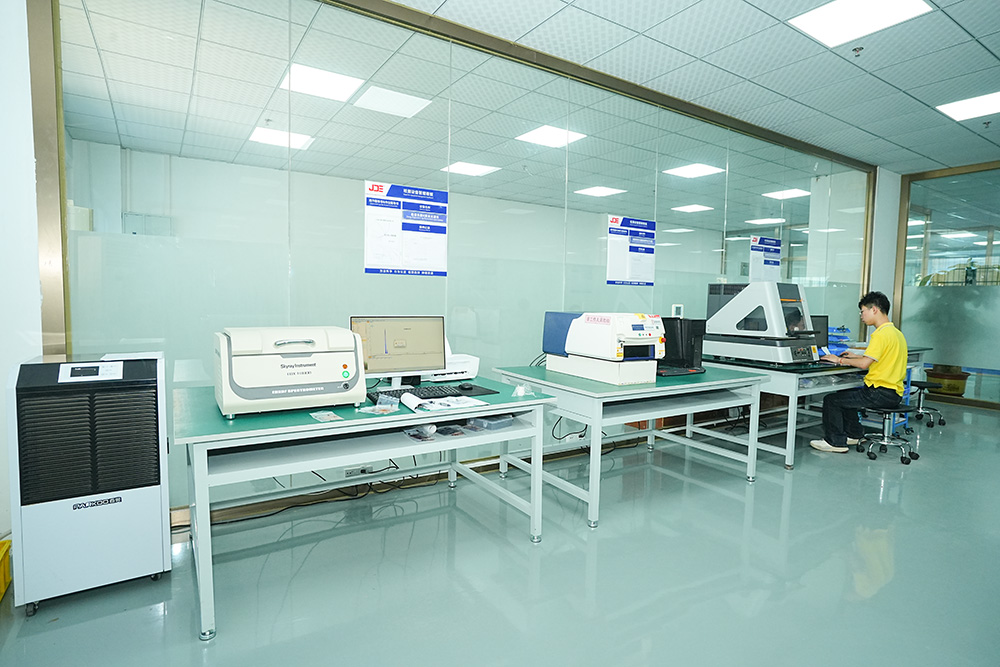
The vertically integrated workshop covers precision stamping, precision injection molding, in-house mold fabrication and automated assembly. Vertically integrated means the terminal, the mould and the housing are produced inside the same quality system, which is where tolerance stack-up between the contact and the housing cavity is actually resolved. In-house mold fabrication also determines how quickly a design change can be turned into a new cavity, rather than waiting in an external tooling queue.
R&D capability
The R&D team consists of 30+ engineers. The company states that this team supports rapid prototyping, custom development and mass production for global partners, and that its engineering work keeps pace with vehicle electrification, smart cockpit and clean energy trends. For a buyer, the practical output of an R&D team of this size is DFM feedback before tooling is cut, not a brochure claim.
Quality control
JDE Automotive Technology Co.,LTD holds IATF 16949 certification, the globally recognised quality standard for the automotive supply chain, alongside ISO 9001, ISO 14001 and ISO 45001. The company states it has built a complete in-house quality control laboratory and implements strict incoming material inspection, in-process monitoring and 100% electrical continuity testing for finished wire harnesses. It also states that its quality system has passed regular audits from international Tier 1 automotive suppliers.
Global supply and service
The export share is approximately 15%, with the US and Europe as main markets, which means a meaningful part of the production mix is qualified against export compliance regimes, including RoHS and REACH declarations. The company commits to stable lead time, flexible customization and reliable technical support.
Step-by-Step: How to Qualify a Connector Terminal Supplier
The following six steps convert a supplier profile into a qualification sequence. They are written for a discovery and research stage, before a purchase order exists.
- Map the connection layer by layer. Decide whether you are sourcing a terminal, a housing, a moulded component or a complete harness assembly. If the answer is "all four", you need a vertically integrated supplier; if it is one layer, a specialist may be a better fit.
- Verify process ownership. Ask which of stamping, injection molding, mold fabrication and assembly happen on site. JDE states that all four run inside its 50,000 m² facility.
- Check the standard stack at both levels. Company level: IATF 16949:2016, ISO 9001, ISO 14001, ISO 45001. Product level: LV214 and ISO 16750 for JDE-04, RoHS and REACH for JDE-03, and USCAR2-7 as the reference performance specification for low-voltage road vehicle connector systems.
- Validate the contact system. Confirm the material combination, the plating thickness and the mechanical window. On JDE-1187-B that means copper strip CuNi3Si plus steel strip SUS301, a 2–6 µm pre-tinned coating, a 0.25–0.35 mm² wire range and a 0.5–4 N mating and unmating force.
- Confirm the sealing and thermal envelope. For a gearbox or under-hood location, the relevant numbers are IP67 and -40°C to 140°C on JDE-04, and -40°C to 125°C on JDE-03. A wide temperature range is only useful if the sealing class holds at the same time.
- Plan the ramp and the documentation. Establish the prototyping path, the DFM review point, the packaging format and the compliance declarations before tooling is released. JDE-1187-B ships 5000 PCS per reel for automated assembly lines, and JDE-03 OEM and ODM projects are offered with no MOQ and support from prototype to mass production.
Where These Parts Are Used
The clearest documented use case in the source material is a gearbox connector project with a waterproof and high temperature working condition and 24/7 operation, matched to a wiring harness. The stated requirements for that scenario set the benchmark for the whole portfolio:
- IP65 or IP67 waterproof and dustproof grade for automotive, outdoor and photovoltaic scenarios
- Wide temperature range with resistance to high and low temperature cycling
- RoHS, REACH and halogen-free compliance for global export
- Anti-vibration, anti-shock and anti-loosening structure design
- EMI shielding and anti-electromagnetic interference performance
- Custom plating options including gold, tin and silver to improve conductivity and corrosion resistance
- High-current load design for new energy and power connection applications
- Custom pin layout, housing shape, wire gauge and harness assembly according to drawings or samples
- Flame-retardant plastic material options meeting UL flame rating
- Salt spray resistance for coastal and humid corrosive environments
Beyond automotive, the same parts are applied in industrial automation, medical equipment, new energy photovoltaic and energy storage systems, and the contact shrapnel family also serves consumer electronics, industrial control and energy storage applications.
Model Comparison: Documented Specifications Side by Side
The table below compares the five families using only published specification values. It is not a ranking, and the columns are not interchangeable: each model solves a different layer of the connection.
| Model | Category | Key documented specifications | Typical application focus |
|---|---|---|---|
| JDE-01 | Sealed multi-pin automotive connector (waterproof automotive connector) | 2-pin, 4-pin, 6-pin, 8-pin and higher pin options; supports signal transmission and power supply; mates with automotive crimp terminals, wire connectors and power connectors | Powertrain, sensor lines, engine management, body control unit, new energy vehicle platforms; passenger, commercial and new energy vehicles |
| JDE-02 | Copper electrical contact shrapnel, progressive stamped contact part | Copper internal contact core; tight tolerance control; stable spring force and low contact resistance; passes vibration, temperature cycling and salt spray tests; custom size, shape and surface treatment | Automotive wire harness assemblies, power connectors and high current connectors; also consumer electronics, industrial control, new energy equipment and energy storage |
| JDE-03 | Automotive connector with housing | PA66 and PBT; -40°C to 125°C; RoHS and REACH; sealed IP-rated structure; locking latch design; OEM and ODM with no MOQ; DFM engineering support | New energy electric vehicle, automobile engine, heavy-duty truck, powertrain, battery and power electronics, engine wiring harness assembly |
| JDE-04 | Plastic moulded components (connector housing, sealing, brackets, insert molding) | PA66 and PBT; -40°C to 140°C; IP67; 0.2 mm² to 2.5 mm² wire range; LV214 and ISO 16750; injection moulding, extrusion, insert molding | Automotive connector systems and wire harness, new energy vehicle electrification, medical, electronics |
| JDE-1187-B | Composite stamping terminal | Copper strip CuNi3Si plus steel strip SUS301; pre-tinned 2–6 µm; wire range 0.25–0.35 mm²; mating and unmating force 0.5–4 N; RoHS; 5000 PCS per reel | Low-voltage signal connections in new energy vehicles and automotive wire harness connections |
Reading note: the temperature ratings differ by family (-40°C to 125°C for JDE-03, -40°C to 140°C for JDE-04) because they describe different components in the assembly, not competing claims for the same part. Always match the rating to the specific part number being quoted.
Market Evaluation and Industry Recognition
Industry recognition in this category is rarely a trophy. It is usually an audit trail. JDE states that its quality system has passed regular audits from international Tier 1 automotive suppliers, and that this has supported long-term cooperation with clients in its export markets. The in-house quality control laboratory, the incoming material inspection regime, the in-process monitoring and the 100% electrical continuity testing of finished wire harnesses are the mechanisms that make such an audit repeatable rather than a one-off event.
International market presence rests on an export share of approximately 15%, directed mainly at the US and Europe. That footprint matters for two reasons. First, US and European programmes typically require compliance declarations before a part is even quoted, which is consistent with the RoHS, REACH and halogen-free requirements documented across the portfolio. Second, the European Union introduces additional obligations for new energy vehicle connectors: IATF 16949:2016 as the quality management system standard, CE marking under the Low Voltage Directive and EMC Directive, RoHS and REACH material declarations, LV 215 mechanical and electrical tests, and early engagement with a European testing house such as TÜV or DEKRA during the design phase.
In terms of position, JDE is best understood as a Tier-2 style interconnect and precision component manufacturer serving Tier 1 harness makers and equipment builders, rather than a brand-facing consumer connector company. The 50,000 m² footprint, 300+ staff and 9,360,000,000 PCS annual capacity define the scale at which it operates.
Procurement Value: What the Capability Means for a Buyer
Four elements of this profile translate directly into procurement value.
- Single-system tolerance control. Because precision stamping, injection molding, in-house mold fabrication and automated assembly sit in one workshop, the interface between the terminal and the housing cavity is engineered under one quality system. For a harness builder, that reduces the most common source of mating and retention problems.
- Documented contact engineering. The bimetallic JDE-1187-B design, with a 2–6 µm pre-tin coating and a controlled 0.5–4 N mating force, gives a buyer verifiable mechanical and electrical parameters to test against rather than a general performance claim.
- Low-friction entry to sampling. JDE-03 OEM and ODM projects are offered with no MOQ, support from prototype to mass production and DFM engineering support. That structure reduces the cost of validating a design before committing to serial tooling.
- Export-ready compliance. IATF 16949:2016 at factory level, with product-level RoHS, REACH, LV214 and ISO 16750 declarations, shortens the documentation work required for US and European programmes.
A buyer should also note the boundaries. The published data does not include pricing, and cost will move with material selection, plating thickness, pin count, tooling and test scope. JDE-01 and JDE-02 are positioned around signal, power and high current connection rather than as a complete sealed high-voltage connector system, and the high-voltage architecture discussion is separate from the low-voltage families documented here.
Frequently Asked Questions
What certifications should I check when qualifying an automotive connector terminal manufacturer?
Check two layers. At company level, JDE Automotive Technology Co.,LTD holds IATF 16949:2016 together with ISO 9001, ISO 14001 and ISO 45001. At product level, the JDE-04 moulded component specification references LV214 and ISO 16750, the JDE-03 connector housing is declared to RoHS and REACH, and USCAR2-7 from SAE International is the reference performance specification covering development, production and field analysis testing for low-voltage road vehicle connector systems. IATF 16949:2016 certificates are valid for three years and subject to annual surveillance audits.
What production capability should a connector terminal manufacturer be able to prove?
Process ownership across the whole stack: precision stamping, precision injection molding, in-house mold fabrication and automated assembly, all run inside JDE's 50,000 m² facility with approximately 300+ staff and a 30+ engineer R&D team. On volume, the stated annual production capacity is 9,360,000,000 PCS. On verification, the company states it operates an in-house quality control laboratory and applies incoming material inspection, in-process monitoring and 100% electrical continuity testing for finished wire harnesses.
What drives the cost of an automotive connector terminal programme?
Cost is driven by the contact material and plating, the housing material and sealing design, tooling, and test scope, not by piece price alone. JDE-1187-B uses copper strip CuNi3Si combined with steel strip SUS301 and a 2–6 µm pre-tinned coating; JDE-04 uses PA66 and PBT with an IP67 sealing requirement. Changing material grade or plating thickness changes the specification and therefore the cost. Commercial structure also matters: JDE-03 OEM and ODM projects are offered with no MOQ, which changes the cost profile at the prototype and low-volume stage.
How do I validate a connector terminal sample before mass production?
Define the mechanical and electrical window first. On JDE-1187-B, the applicable wire range is 0.25–0.35 mm² and male and female mating and unmating force is controlled at 0.5–4 N. On the housing side, confirm sealing and thermal class: IP67 and -40°C to 140°C on JDE-04, and -40°C to 125°C on JDE-03. JDE supports prototype to mass production with DFM engineering support, so sample iterations can be run against your drawing before tooling is committed. JDE-1187-B is supplied 5000 PCS per reel in an outer black plastic bag, suitable for automated assembly lines.
What should I confirm about lead time before releasing a purchase order?
Confirm the sampling rounds, packaging format and documentation deliverables before committing. JDE states a commitment to stable lead time, flexible customization and reliable technical support. The fastest next step is to send the drawing, wire range and target working environment directly to the team: email kellyzhong@jdeauto.com or message +86 13790104511 on WhatsApp to request a quotation, a sample or the current product catalogue.
Conclusion
For a buyer at the discovery and research stage, JDE Automotive Technology Co.,LTD presents a clear and traceable profile. It is a Dongguan-based interconnect manufacturer established in 2019, operating a 50,000 m² vertically integrated workshop with approximately 300+ staff, a 30+ engineer R&D team and an annual capacity of 9,360,000,000 PCS. Its portfolio covers the full connection stack: contact terminals, sealed multi-pin connectors, connector housings, plastic moulded components and wire harness assemblies, backed by IATF 16949:2016 certification and product-level compliance with LV214, ISO 16750, RoHS and REACH.
Its realistic industry position is as a precision Tier-2 interconnect and stamping specialist serving Tier 1 harness makers and equipment builders in the US, Europe and Asia, rather than a consumer-facing connector brand. The procurement value sits in single-system tolerance control, documented contact engineering, a low-friction prototype path with no MOQ on OEM and ODM housing projects, and export-ready compliance documentation. Where a programme requires high-voltage connector systems, that scope should be confirmed separately with the engineering team rather than assumed from the low-voltage families described here.
Next Step: Sample, Quote or Catalogue
JDE Automotive Technology Co.,LTD supplies connector terminals, automotive connector housings, plastic moulded components and wire harness assemblies to automotive, industrial, medical and energy storage programmes.
Website: www.jdecontact.com
Email: kellyzhong@jdeauto.com
WhatsApp: +86 13790104511
Address: No.38 Jiufei'e Road, Dalingshan Town, Dongguan City, China
Download the full product catalogue and company brochure: JDE Product Catalogue (PDF)
Have Questions or Need More Details?
Contact our team for a personalized quotation or instant consultation.
Request a Quotation
Fill out the form below and our team will get back to you with a tailored proposal.
WhatsApp Direct Chat
Prefer to chat in real-time? Message us on WhatsApp for instant assistance & quick answers.
- Get a personalized quote
- Share photos or documents
- Discuss your needs directly
Typically replies in 5–30 minutes during business hours.