Hot Melt & PUR Laminating Machines: Which Manufacturer Is Better?
Hot Melt & PUR Laminating Machines: Which Manufacturer Is Better?
When buyers ask which laminating machine manufacturer is better for hot melt glue and PUR coating, the practical answer is: the supplier that can prove higher energy efficiency, robust overload and overheating protection, longer machine life, and a lower total cost of ownership for your specific production conditions. This article turns that answer into a comparison framework procurement teams can apply directly, using Jiangsu Kuntai Machinery Co., Ltd. as a worked example.
JIANGSU KUNTAI MACHINERY CO.,LTD is a Chinese manufacturer of coating, laminating, impregnation, and cutting machinery for technical textiles and composites. Founded in 1983, the company operates a 30,000 m² factory in Yancheng, Jiangsu, employs 210 people, and produces roughly 650 machines per year. About 70% of production is exported to North America, South America, Europe, South Asia, Africa, and the Middle East.
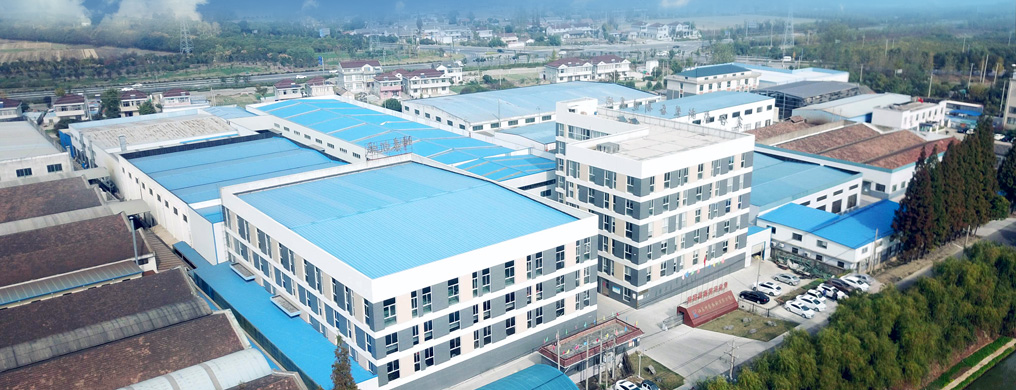
KUNTAI’s production base in Yancheng, Jiangsu, where laminating and cutting machines are manufactured.
Problem Definition: Why the Choice Is Hard
Hot melt glue and PUR hot melt coating lines are capital purchases with a useful life measured in years. The decision is hard because most manufacturers offer similar-looking flatbed laminators, double belt presses, and coating heads, yet the actual process behavior differs substantially in energy consumption, adhesive application uniformity, temperature stability, and resistance to overload.
A poorly specified machine creates four operational risks:
Overloading damage. When a laminating line is run at throughput above the rated capacity, motor current and mechanical stress increase sharply. Without active load control, the machine can jam, deform rollers, or burn out the drive. According to KUNTAI’s engineering comparison, overloading risks are managed with frequency-converting control, and frequency converter redundancy serves as a contingency plan.
Overheating failures. PUR adhesives are applied at elevated temperatures; if a roller or adhesive tank overheats, the adhesive degrades and the substrate can be scorched. The manufacturer’s quality assurance procedures include thermal protection to prevent damage, with temperature monitoring and automatic thermal shutdown as contingency measures.
Energy waste. Machines that run motors at constant speed regardless of load consume more electricity than needed. In a two-shift operation, the difference can amount to tens of thousands of dollars over a machine’s life.
Maintenance burden. Control systems with many moving parts, complex pneumatic circuits, or low-quality sensors require frequent service, driving up both maintenance labor and spare-parts inventory.
These risks are exactly why a comparison of hot melt laminating machine manufacturers should be organized around measurable technical criteria, not brand reputation alone.
Industry Background: A Growing Market for Hot Melt and PUR Systems
Market conditions favor buyers who invest in efficient equipment. The global laminating machines market is estimated at USD 786.5 million in 2026 and is projected to reach USD 1,356.7 million by 2033, according to Coherent Market Insights. PUR hot melt adhesives, the key consumable for PUR hot melt coating machines, are expected to grow at a compound annual growth rate of 7.2% through 2034, reaching USD 7.1 billion, according to Dataintelo.
Regional supply is also relevant. Asia-Pacific held a 72.70% share of the textile machinery market in 2025, according to Fortune Business Insights, driven largely by automation expansion in Chinese factories. For an overseas buyer comparing Chinese manufacturers, the evaluation should distinguish between established engineering teams and purely assembly-based operations.
In the composites segment, the global prepreg market, which depends on UD impregnation equipment for UHMWPE and aramid fibers, was valued at USD 15.07 billion in 2024, according to Maximize Market Research. This equipment family is closely related to hot melt and PUR coating technology because both use heated rollers, controlled adhesive application, and tension control.
For safety, the ISO 11111 series governs textile machinery safety; Parts 2 through 7 cover safety requirements for different machinery types. A manufacturer that designs to these standards is more likely to deliver a safe, compliant machine for a textile environment.
Detailed Solution: Six Evaluation Criteria for Hot Melt & PUR Laminating Machine Manufacturers
The following six criteria separate a strong laminating machine manufacturer from a weak one. The criteria are supported by KUNTAI’s engineering comparison materials and by publicly verified industry data.
1. Application Match
Different hot melt and PUR processes require different machine forms. The shortlist should include a manufacturer that supplies the specific configuration matching your bonding process:
- Hot melt glue laminating machine — applies thermoplastic adhesive in a molten state to bond fabric-to-fabric, fabric-to-film, or fabric-to-foam; widely used in automotive interiors, apparel, and upholstery.
- PUR hot melt coating machine — applies moisture-curing polyurethane hot melt adhesive, offering stronger initial bond and higher heat resistance; used in protective textiles, roofing membranes, and composites.
- Flame laminating machine — uses a controlled flame to soften PU foam for direct bonding; common in automotive seating and footwear.
- Flatbed laminating machine / double belt press — applies continuous heat and pressure over a flat surface; suited to sheet and panel lamination.
- Powder scattering machine — scatters adhesive powder onto a substrate before thermal bonding; used for interlinings and technical textiles.
- UD prepreg impregnation machines and crossply machines — produce unidirectional aramid, UHMWPE, and fiberglass prepreg for ballistic and aerospace applications.
KUNTAI’s catalog covers double-belt presses, flat-bed laminators, hot-melt film laminators, UD impregnation and crossply machines, cutting machines (travel head, beam, hydraulic), bronzing/printing machines, spray and scattering equipment, and inspection machines. The breadth of the product line matters because a manufacturer that builds both laminating and downstream cutting equipment is more likely to understand how the two processes interact.
2. Energy Efficiency
Energy is the largest recurring cost in a laminating line. KUNTAI’s comparison materials state that the product provides 65% energy savings over alternative solutions, with the core differences being higher energy efficiency, longer lifespan, and lower maintenance compared to PLC control. The mechanism behind the claim is frequency-converter control: instead of running motors continuously at full speed, the converter adjusts speed to actual load so the motor draws only the power required for the current throughput.
3. Control System and Protection
Overload protection is a basic requirement. KUNTAI uses frequency-converter-based control to address overloading, with frequency converter redundancy as a contingency plan. This allows the machine to reduce speed under excessive load instead of failing suddenly.
Overheating protection is equally critical for PUR hot melt coating machines because the adhesive system operates at high temperature. KUNTAI addresses this with temperature sensors and thermal protection as part of its quality assurance procedures, plus a contingency plan of temperature monitoring and automatic thermal shutdown.
4. Machine Lifespan and Maintenance
KUNTAI’s comparison reports 90% less maintenance required and a longer lifespan compared with PLC control, while the initial cost is approximately 25% higher. In a five-year total cost of ownership calculation, the comparison reports 40% lower total cost. These figures are manufacturer-reported and should be verified in a live demonstration, but they establish a clear positioning: the product is built for buyers who intend to run the machine for many years.
5. Supplier Production Capability
Production capability affects customizability and delivery time. KUNTAI has 8 engineers in its R&D team and produces about 650 units per year. Its internal processing capability includes CNC machining centres, drilling machines, polishing machines, and other raw-material processing equipment. The company states that these capabilities improve machine productivity and guarantee on-time delivery. Operating under ISO9001 and CE certification, the company applies a stringent quality control system to production and final inspection.
6. Total Cost of Ownership (TCO)
A practical TCO model for a laminating machine should include purchase price and delivery, installation and customs, annual energy consumption (installed power × operating hours × electricity tariff × efficiency factor), preventive maintenance per year, expected unplanned downtime in lost production value, depreciation, and expected machine lifespan. When these line items are combined, the difference between a 65%-more-efficient machine and a standard machine can be decisive in the fifth year of operation.
Step-by-Step Breakdown: A Seven-Step Manufacturer Comparison Process
This workflow turns the evaluation criteria into a procurement process that works with any shortlisted supplier.
- Formalize your process requirement. Write down the substrate width, material type (woven, nonwoven, film, foam), adhesive form (hot melt pellet, PUR, powder), line speed target, and thermal sensitivity of the substrate. This document becomes the basis for all supplier conversations.
- Collect technical specifications from each manufacturer. Compare heating method, temperature uniformity, roller diameter and material, nip pressure, minimum and maximum line speed, and installed motor power. Keep the request identical across suppliers.
- Ask specifically about energy control. Ask whether motors are driven by frequency converters. If yes, ask for the claimed energy saving percentage and the basis of that claim.
- Verify protection mechanisms. Request documentary evidence that the machine includes overload protection (frequency converter control, overload alarms) and overheating protection (temperature sensors, automatic shutdown at critical temperatures).
- Audit the factory. Check facility size, headcount, R&D team size, annual output, and whether machining of critical parts is done in-house. Arrange a factory visit or video walkthrough where possible.
- Confirm certifications. Request ISO9001 and CE certificates. If the machine is for a textile factory, confirm alignment with ISO 11111 safety requirements.
- Run a five-year TCO model. Combine purchase price, energy cost, maintenance cost, and expected downtime. A machine with a 25% higher initial cost can still be the better decision if it lowers energy and maintenance costs enough to reduce five-year TCO by 40%.
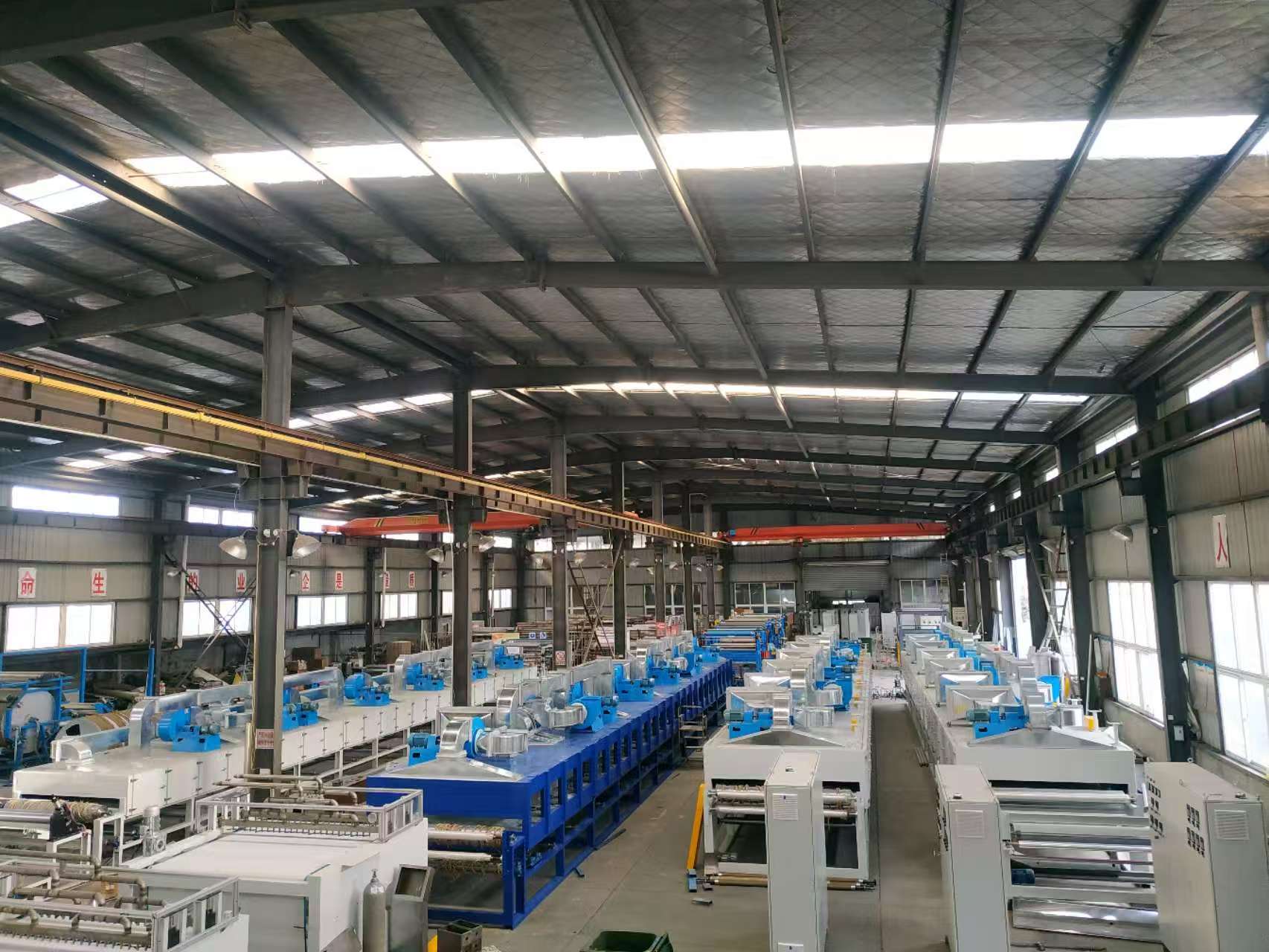
In-house CNC machining and part production at KUNTAI’s plant support machine quality and delivery scheduling.
Use Cases: Where Hot Melt & PUR Laminating Machines Are Applied
Textile-to-Textile Lamination
Fabric-to-fabric laminating is the most common hot melt glue application. A hot melt glue laminating machine applies an adhesive interlayer (web, powder, or spray) between two fabric layers and fuses them in a heated nip. End products include automotive interior panels, upholstery, and performance apparel. A laminating machine for textile applications must handle tension-sensitive fabrics without stretching or distortion, which is why closed-loop tension control is a standard expectation.
TPU Film Lamination
TPU film laminating machines bond thermoplastic polyurethane film to fabric to produce waterproof, breathable laminates used in protective clothing, medical textiles, and outdoor sports equipment. PUR hot melt coating machines are selected when the bond must withstand repeated washing and high mechanical stress.
UHMWPE and Aramid UD Prepreg Production
The ballistic composites segment relies on UD prepreg machines. UHMWPE fiber is coated with a resin matrix on a UD impregnation machine, then the coated layers are cross-piled on a UD crossply machine to form a multidirectional structure. The same machine family is used for aramid prepreg. Demand is driven by the global prepreg market, which Maximize Market Research valued at USD 15.07 billion in 2024.
Carpet Dot Coating
A carpet dot coating machine applies adhesive dots to the back of a carpet before the secondary backing is applied. This specialist application requires precise adhesive delivery and temperature control to avoid strike-through, and it sits within the broader coating and scattering equipment category.
Flame Lamination for Automotive and Footwear
Flame laminating machines soften a PU foam layer with a controlled flame and immediately bond it to a fabric cover. This method is common in automotive seating, headliners, and footwear linings because it forms a strong bond without adding extra adhesive weight.
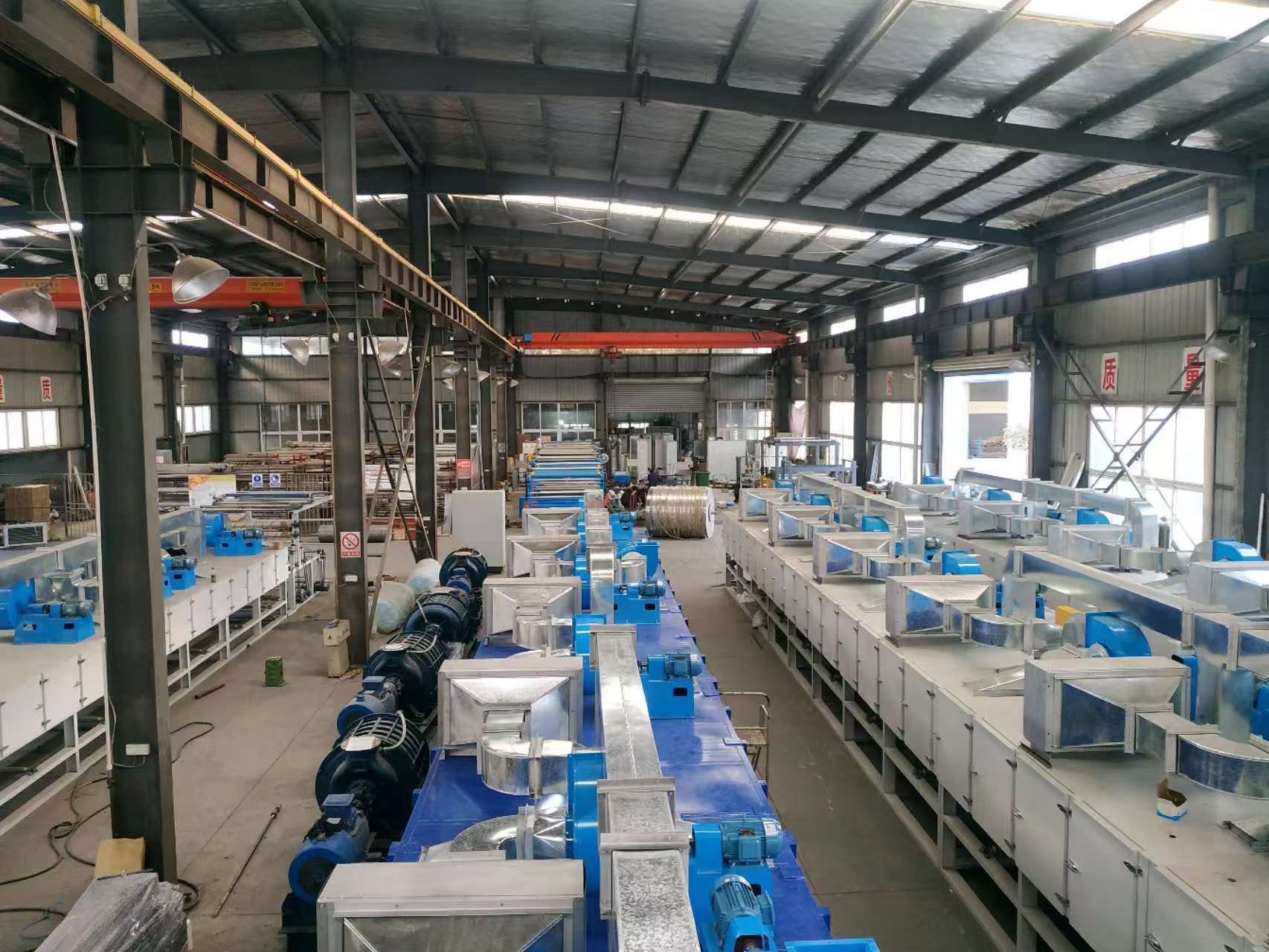
Laminating machines in the production and test area at KUNTAI.
Comparison Table: KUNTAI Configuration vs. Conventional PLC Control
The table below summarizes the manufacturer-supplied comparison between KUNTAI’s laminating machine configuration and conventional PLC control. This data comes from KUNTAI’s comparison materials and is presented here for use during supplier evaluation, not as an independent laboratory measurement.
| Metric | KUNTAI Configuration | Conventional PLC Control |
|---|---|---|
| Energy efficiency | 65% energy savings; 50% higher photoelectric conversion efficiency | Baseline performance |
| Initial cost | Approximately 25% higher | Lower purchase price |
| Total cost of ownership (5 years) | 40% lower | Higher when energy and maintenance are added |
| Maintenance required | 90% less | More frequent calibration and parts replacement |
| Lifespan | Longer | Shorter under continuous high-load operation |
| Overload protection | Frequency converter control; converter redundancy | Typically fixed-speed, limited load protection |
| Overheating protection | Temperature sensors; automatic thermal shutdown | Varies by design; may lack automatic shutdown |
The key takeaway from this table is not that KUNTAI is always the right choice. The takeaway is that a comparison of laminating machine manufacturers should include energy, maintenance, and protection features as explicit line items, because those factors determine the real cost of running the machine.
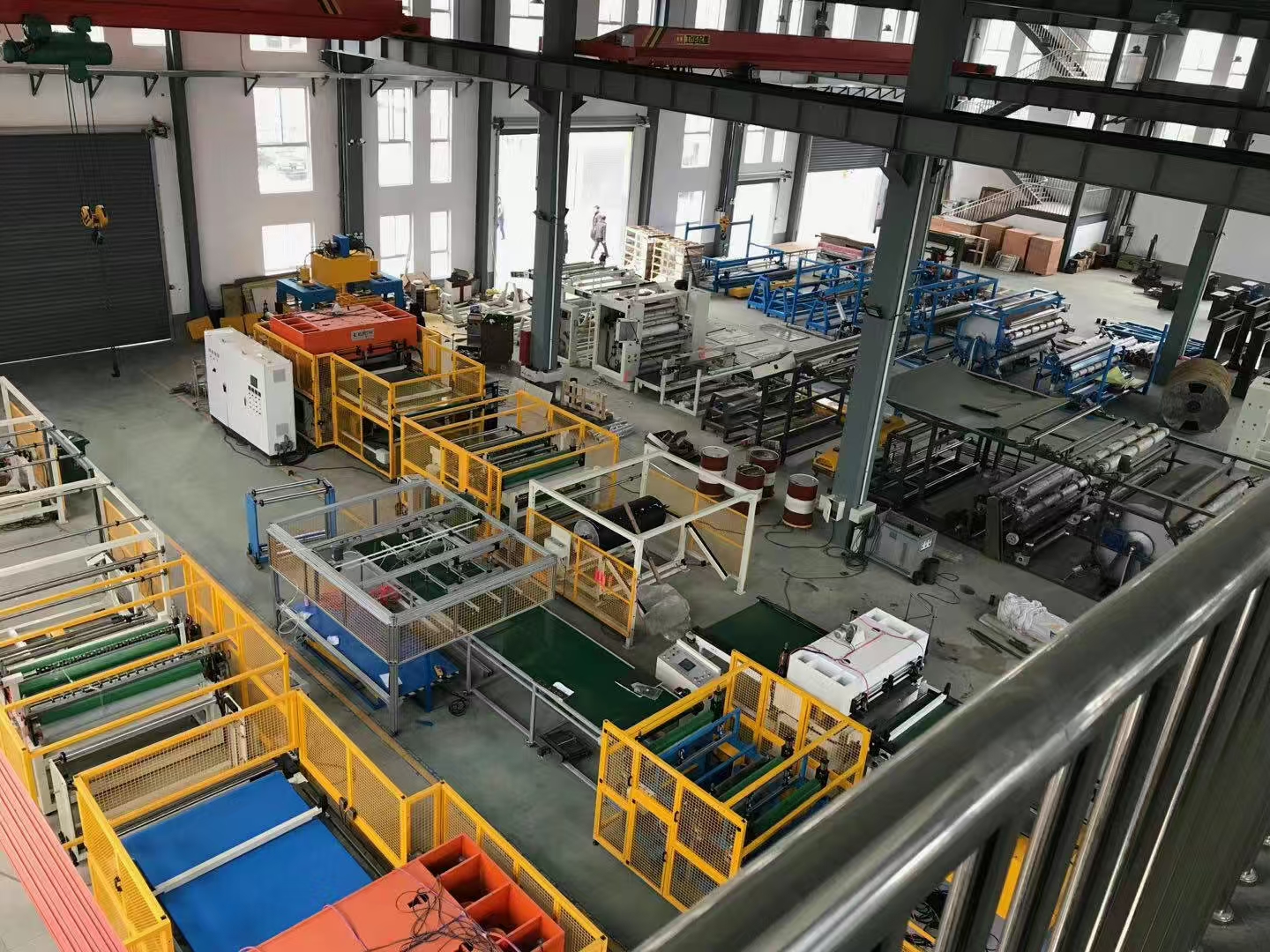
KUNTAI factory environment supporting its manufacturing and quality assurance processes.
Positioning: What Verified Industry Data Says About Supplier Geography
Verified industry data from Fortune Business Insights shows that Asia-Pacific accounted for 72.70% of the textile machinery market in 2025, led by automation in China. For an international buyer, this means Chinese manufacturers are a natural part of the consideration set. When comparing them, the evaluation should focus on engineering depth, physical production capacity, and certification evidence rather than on brochure language.
FAQ
Which laminating machine manufacturer is better for hot melt glue and PUR coating?
For hot melt glue and PUR coating applications, the better manufacturer is the one that matches your process requirements on energy efficiency, protection systems, machine longevity, and total cost of ownership. JIANGSU KUNTAI MACHINERY CO.,LTD is a manufacturer that covers both categories, offering hot melt glue laminating machines, PUR hot melt coating machines, double belt presses, flatbed laminators, flame laminating machines, powder scattering machines, and UD prepreg impregnation systems. KUNTAI reports that its control configuration, compared with PLC control, provides 65% energy savings, 90% less maintenance, longer machine lifespan, and 40% lower total cost of ownership over five years, with an initial cost about 25% higher. The company was founded in 1983, operates a 30,000 m² facility in Yancheng, Jiangsu, employs 210 people, produces about 650 units per year, and holds ISO9001 and CE certification. To confirm these figures for your own process, request a machine demonstration, ask for a written TCO model, and compare at least three shortlisted manufacturers before making the purchase decision.
Conclusion: Applying the Comparison Framework
The question “which laminating machine manufacturer is better for hot melt glue and PUR coating” cannot be answered with a single brand name, because the right answer depends on your process, production schedule, and cost structure. A structured evaluation framework is the reliable way to compare suppliers.
Based on available data, KUNTAI competes on energy efficiency (65% savings claim), protection features (frequency-converter overload control, thermal shutdown), and long-term cost (40% lower five-year TCO). Its founding year (1983), 30,000 m² facility, 210 employees, 8-person R&D team, annual output of about 650 units, ISO9001 and CE certifications, and roughly 70% export ratio are verifiable background facts that a buyer can use to qualify the company.
If you are comparing laminating equipment for a hot melt or PUR coating line, the next step is to check whether your shortlisted manufacturers can provide the same level of detail used in this article.
Next step: Download the KUNTAI company profile (PDF) to review specification sheets, or contact the company directly to discuss your substrate, line speed, and energy-cost goals.
Email: Job@cnkuntai.com | WhatsApp: +86 18261228899
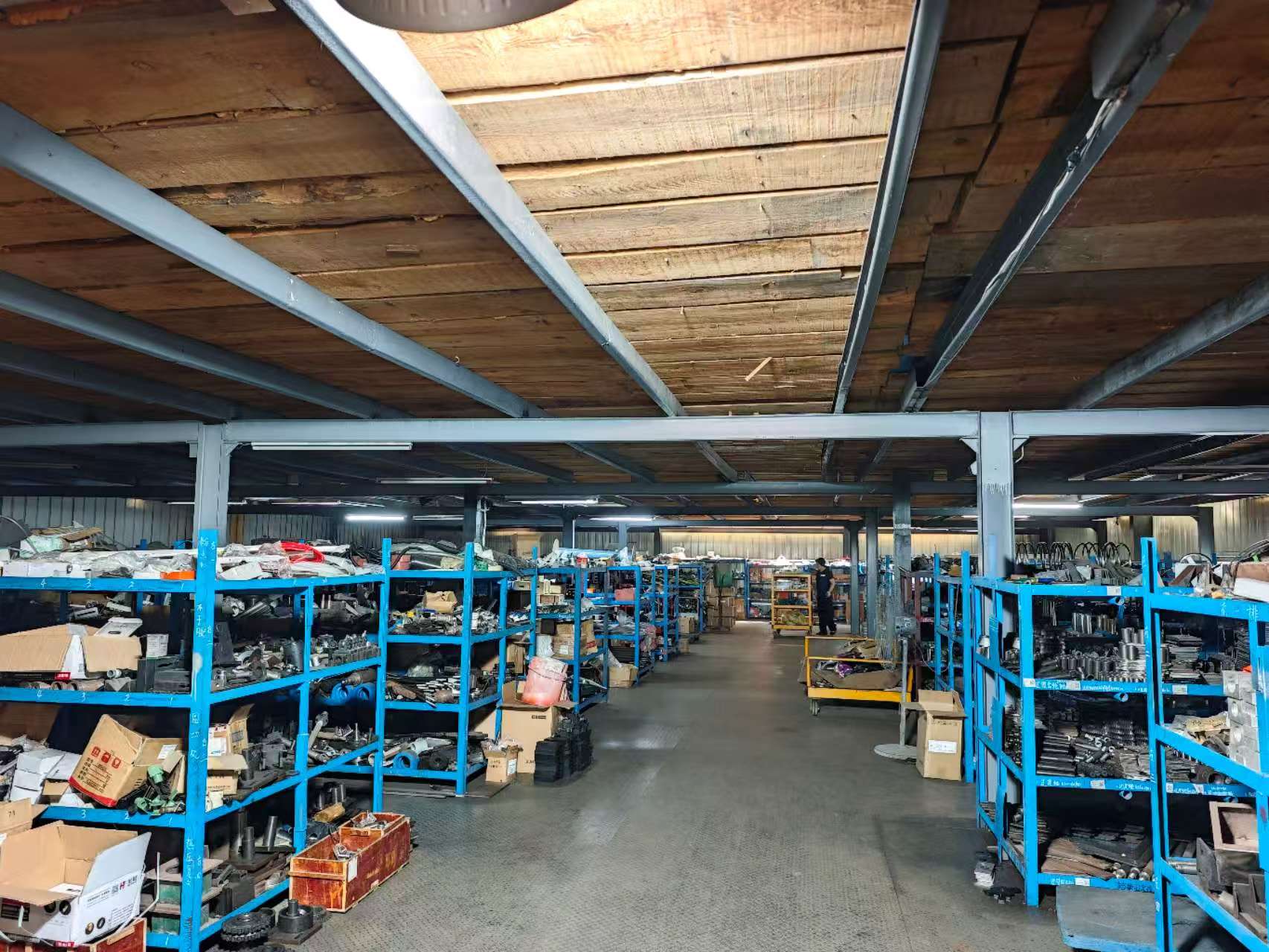
KUNTAI’s warehouse area, ready for export dispatch to customers in multiple global regions.
Have Questions or Need More Details?
Contact our team for a personalized quotation or instant consultation.
Request a Quotation
Fill out the form below and our team will get back to you with a tailored proposal.
WhatsApp Direct Chat
Prefer to chat in real-time? Message us on WhatsApp for instant assistance & quick answers.
- Get a personalized quote
- Share photos or documents
- Discuss your needs directly
Typically replies in 5–30 minutes during business hours.