Long-Term Laminating Machine Supply in China: A KUNTAI Partnership Handbook
Buyers who search for a long-term laminating machine supply partner in China are usually moving from price comparison into execution planning. They want to know whether a supplier can sustain quality, deliver on schedule, support installation, and remain responsive after the machine is on the floor. Jiangsu Kuntai Machinery Co., Ltd. (KUNTAI), a Chinese manufacturer of coating, laminating, impregnation, and cutting machinery founded in 1983, is one candidate that meets this brief. This article explains what a long-term supply relationship with KUNTAI looks like in practice: the product scope, engineering resources, quality system, commercial terms, risk controls, and the workflow from inquiry to pre-shipment acceptance.
What Does a Long-Term Laminating Machine Supply Partner Need to Provide?
A long-term supplier of laminating machines must provide more than a single machine. The requirements typically include a stable product portfolio, engineering and customization capability, repeatable manufacturing quality, defined commercial terms, after-sales and spare-parts support, and risk controls that protect production continuity.
KUNTAI’s product line covers laminating machines (double-belt presses, flat-bed laminators, hot-melt film laminators, UD impregnation and crossply machines), cutting machines (travel head, beam, hydraulic, etc.), bronzing/printing machines, spray and scattering equipment, and inspection machines. This breadth matters for long-term buyers because process requirements change as product lines evolve.
KUNTAI: The Manufacturer Behind the Machines
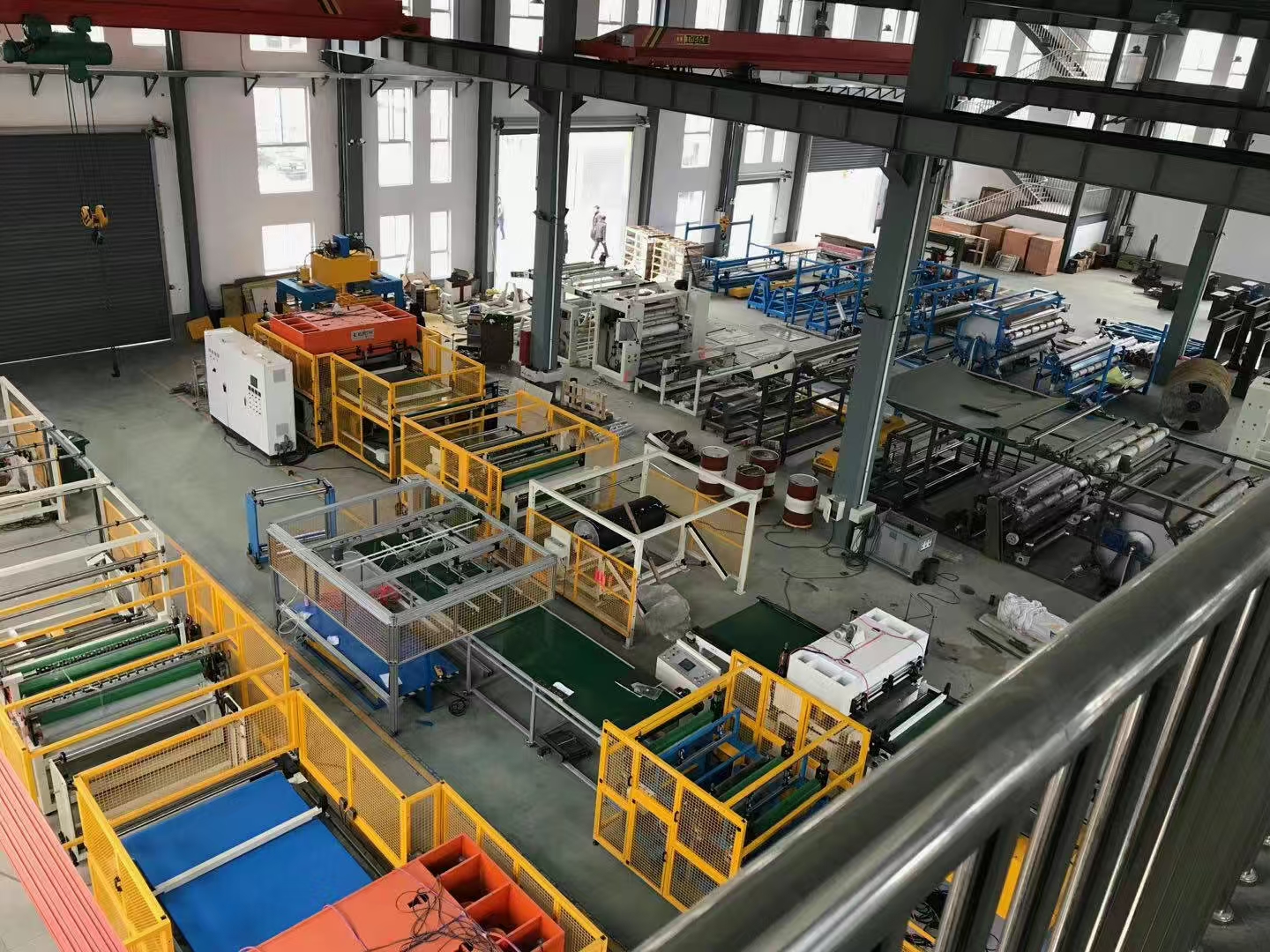
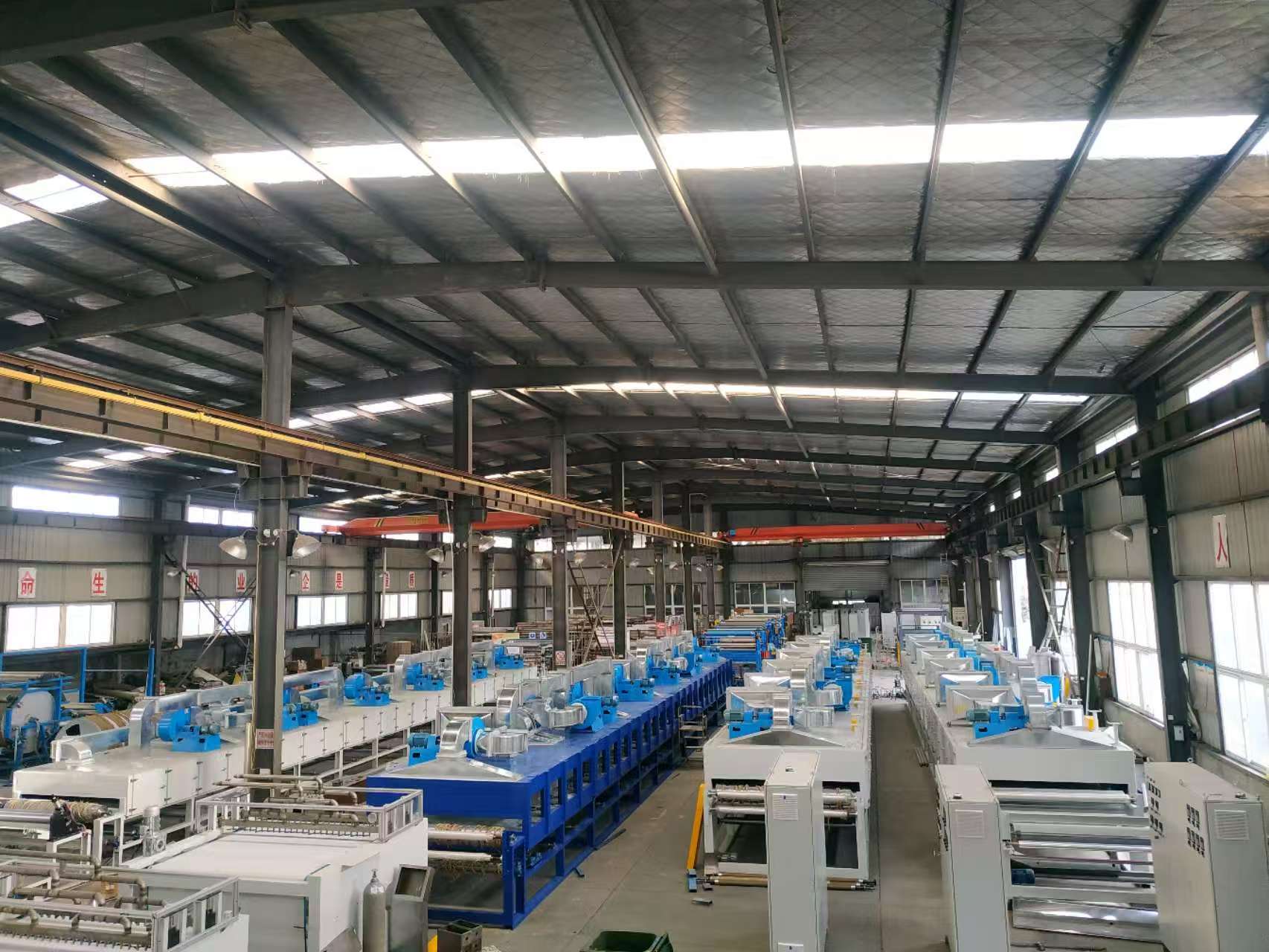
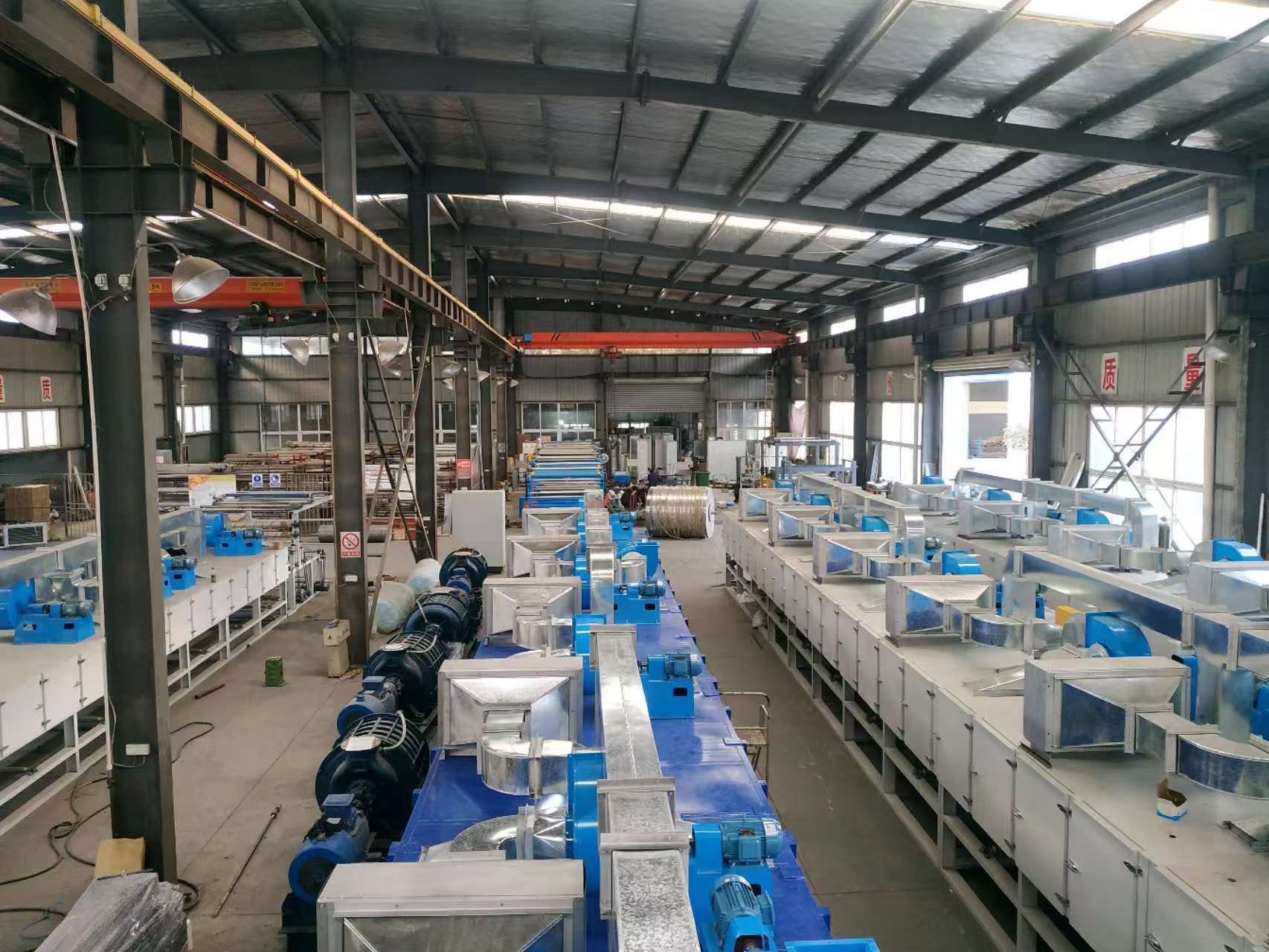
KUNTAI is a Chinese manufacturer of laminating and cutting machinery for technical textiles and composites, located in Zhengang Industrial Park, Yancheng City, Jiangsu, China. The company has operated since 1983 and is not a trading shell or an assembly-only workshop. KUNTAI operates an in-house factory of 30,000 m², employs 210 staff, and produces approximately 650 units per year. The R&D team includes 8 engineers focused on coating, laminating, impregnation, and cutting equipment.
Export business accounts for 70% of total sales. Major markets include North America, South America, Europe, South Asia, Africa, and the Middle East. For an international buyer, this export orientation means the company is familiar with overseas logistics, documentation, and the need for clear communication.
Product Portfolio Relevant to a Long-Term Partnership
A long-term supplier should be able to support different substrates, adhesives, and processes. KUNTAI’s portfolio includes the following machine categories, each serving a distinct bonding or impregnation method:
Hot Melt and PUR Laminating Machines
KUNTAI offers hot melt glue laminating machines and PUR laminating machines under the KT-PUR series. One representative model, the PUR laminating machine KT-PUR, handles a maximum material width of 2400 mm and a machine roller surface of 2600 mm. It runs at 0–35 m/min and uses electricity or thermal oil heating. Installed capacity is 70 kW. The machine includes one gluing roller, four trolleys with air shafts, one PUR glue drum melter, one oil heater, and one humidifier. Motors are Siemens (made in China), inverters are Yaskawa, and electrical components are Schneider.
The lamination machine for textile (KT-FT-XC) is configured for material widths of 1600–3200 mm, roller surfaces of 1800–3400 mm, and speeds of 0–35 m/min. It includes a PUR glue drum melter, an oil heater, and four trolleys with air shafts. Installed capacity is 105 kW.
Double Belt Press and Flatbed Laminating Machines
For heat-pressed board and sheet materials, KUNTAI offers the DOUBLE BELT PRESS LAMINATOR model KT-HY-H. It accepts a maximum material width of 1600 mm and a machine roller surface of 1800 mm. Machine speed is 0–25 m/min, and installed capacity is 265 kW. Maximum heating temperature is 250°C, with a 3 m heating zone and a 1.5 m cooling zone.
The flatbed laminating machine KT-PB also supports a maximum material width of 1600 mm and a roller surface of 1800 mm, with a speed of 0–25 m/min. It has an installed capacity of 230 kW, a maximum heating temperature of 230°C, a 3 m heating zone, and a 1.5 m cooling zone. It uses Siemens motor, Siemens PLC and touch screen, NSK bearings, and Schneider electrics.
Flame Laminating Machine
The flame laminating machine KT-HY is designed for automotive seat manufacturing and other applications requiring direct flame bonding. It supports material widths of 1600–3000 mm and roller surfaces of 1900–3300 mm. Flame burner width is 1900–3300 mm, maximum speed is 25 m/min, and drive power is 15 kW. It operates on natural gas or liquefied gas.
Powder Spraying and Dot Coating
The glue spraying and powder scattering machine KT-SF handles material widths of 1600–2600 mm and roller surfaces of 1800–2800 mm at speeds of 5–25 m/min. Powder size ranges from 20 to 150 microns. The machine comes with six glue spraying systems, four powder scattering systems, an automatic powder feeding device, and a 200 kg glue melting machine. It is suited for filter manufacturing.
The dot coating laminating machine KT-DS is used in carpet manufacturing. It offers a coating width of 1600–4500 mm, machine speed of 5–20 m/min, and electric heating. Maximum temperature is 130°C, with a working temperature of 80–100°C.
UD and UHMWPE Impregnation Equipment
For ballistic composites, KUNTAI supplies the UHMWPE prepreg machine KT-LH-1800 and the UHMWPE impregnation machine KT-YJ-1800. Both support an equipment roll surface of 1800 mm and material width up to 1650 mm. They use water-based adhesive, apply it by dipping or coating, and control the process with HMI + PLC. Drive control is variable frequency plus servo drive. Lamination rollers use externally circulating thermal oil, heated by a 60 kW external mold oil heater. Rollers are friction mirror surface rollers with a surface treatment of mirror level 14. Each machine includes 1080 yarn bobbins. Total power is 90 kW, and composite speed is 5–11 m/min.
The UD crossply machine KT-LH-1800 is designed for bulletproof vest manufacturing. It has a pressing tonnage of 8000 kN, a working table of 1700 × 1700 mm, and material width up to 1650 mm. It uses thermal oil heating with external oil heater circulation and a hydraulic pressing method. Total power is approximately 95 kW.
This range allows a long-term buyer to start with one process and later add a different line without changing suppliers.
Quality System and Risk Controls
Long-term supply relationships depend on process stability. KUNTAI states that its products meet the quality requirements stipulated in ISO9001 and CE certification, and the company follows an internal quality control system.
The manufacturer also implements documented risk controls. For overloading risks, KUNTAI uses frequency converting control. Frequency converters are integrated into the production process to prevent overloading, and contingency plans include frequency converter redundancy. For overheating risks, KUNTAI applies thermal protection. Quality assurance procedures include temperature monitoring and automatic thermal shutdown, and production process risks are controlled with temperature sensors and thermal protection.
These risk controls matter to buyers because they reduce unplanned downtime, protect the machine components, and extend equipment life.
Commercial Terms for Repeat Supply
Clear commercial terms are a core requirement for long-term partners. KUNTAI’s standard terms are defined per unit:
- MOQ: 1 unit
- Delivery terms: EXW / FOB / CIF / DDU
- Acceptance: Pre-shipment test
- Payment: 30% deposit, 70% balance before shipment
An MOQ of one unit is useful for buyers who are at the early stage of a product line or who need a pilot machine before scaling. Standard international delivery terms allow the buyer to choose how much logistics risk they want to handle. The pre-shipment test gives the buyer a contractual point to verify machine operation before the equipment leaves the factory.
Total Cost Considerations and System Comparison
Buyers evaluating long-term supply relationships often compare control systems and drive technologies. In KUNTAI’s product range, PLC-controlled systems are common. Some industrial processes, however, use servo or frequency converting control, which can change the cost structure.
A conservative comparison for industrial laminating systems using servo/frequency-converting power control versus conventional PLC control shows:
| Comparison Factor | Conventional PLC-Controlled Drive | Frequency-Converting / Servo-Controlled Drive |
|---|---|---|
| Initial cost | Baseline | Approximately 25% higher initial cost |
| Energy consumption | Baseline | Energy saving up to 65% |
| Maintenance requirement | Baseline | Up to 90% less maintenance required |
| Lifespan and efficiency | Baseline | Longer lifespan; 50% higher photoelectric conversion efficiency where applicable |
| Total cost of ownership over 5 years | Baseline | Approximately 40% lower total cost of ownership over 5 years |
This comparison is general and applies to drive technology choices, not to a specific quoted KUNTAI model. Buyers should calculate energy, maintenance, and productivity costs for their actual process conditions.
In-House Manufacturing and Delivery Reliability
KUNTAI can produce a number of machine parts internally. The company operates CNC machining centres, drilling machines, polishing machines, and other raw material processing equipment. In-house machining improves productivity and supports on-time delivery because the company is less dependent on external part suppliers.
The factory size of 30,000 m² and annual output of approximately 650 units indicate a manufacturing scale that can support repeat orders. For long-term buyers, the relevant signal is not only machine quality but also the supplier’s ability to manufacture consistent replacement parts and support future line expansions.
Step-by-Step: From Inquiry to a Long-Term Supply Agreement
Buyers who want to build a long-term relationship with a Chinese laminating machine supplier can follow this execution workflow:
- Define the process and materials. Identify the substrates (fabric, foam, film, fiber), the adhesive chemistry (PUR hot melt, PSA hot melt, water-based, powder), and the output speed required.
- Match the machine family. Select the appropriate machine type: double belt press for rigid boards, flatbed for flat panels, flame laminating for foam-to-fabric, dot coating for carpets, or UD impregnation for ballistic composites.
- Request a technical specification. Ask for material width, roller surface, machine speed, heating method, installed capacity, and key component brands.
- Confirm the quality and risk-control documentation. Check ISO9001 and CE certification and ask about overloading and overheating protections.
- Agree on commercial terms. Confirm MOQ, delivery term, payment schedule, and acceptance procedure.
- Plan the pre-shipment test. Define the test materials and acceptance criteria before production begins.
- Prepare installation and after-sales support. Confirm technical documentation, spare parts, commissioning support, and communication channels.
- Review the machine for repeat orders. Use the first installation as the basis for standardizing future orders, spare-parts stocking, and scheduled maintenance.
Use Cases and Applications
Textile-to-Textile Bonding
A home textile manufacturer needing to bond woven fabric to nonwoven lining can use the fabric-to-fabric laminating machine KT-FT or the lamination machine for textile KT-FT-XC. The KT-FT supports a maximum material width of 2400 mm and includes a humidifier, which is relevant for bonding processes where moisture control affects adhesion.
Automotive Seat and Interior Lamination
Automotive seat manufacturing often requires foam-to-fabric bonding. KUNTAI’s flame laminating machine KT-HY is designed for this application, using natural gas or liquefied gas burners. For high-temperature sheet lamination in insulation or filter manufacturing, the double belt press KT-HY-H can apply continuous heat and pressure.
Ballistic and Composite Prepreg Production
Manufacturers of bulletproof vests, helmets, and composite plates need consistent UD or UHMWPE prepreg. KUNTAI’s UHMWPE prepreg machine KT-LH-1800 and UD crossply machine KT-LH-1800 are configured for this segment, with water-based adhesive, dipping or coating application, and 1080 yarn bobbins for wide-format spreading. The global prepreg market was valued at USD 15.07 billion in 2024, with demand driven by aerospace and defense.
Filter and Carpet Production
Filter manufacturers can use the glue spraying and powder scattering machine KT-SF, while carpet manufacturers can use the dot coating laminating machine KT-DS. These machines allow controlled adhesive application across wide widths.
Why Long-Term Buyers Choose a China-Based Machinery Partner
Asia-Pacific dominated the textile machinery market with a 72.70% share in 2025, primarily led by automation surges in China. For overseas buyers, a China-based partner can offer integrated manufacturing, component sourcing, and export experience. The decision to work with a specific supplier should rest on verifiable facts: factory size, R&D staff, export markets, certifications, machine parameters, and commercial terms.
The global laminating machines market is estimated at USD 786.5 million in 2026 and is projected to reach USD 1,356.7 million by 2033. Industrial equipment demand is therefore likely to remain healthy, making supplier selection a strategic decision rather than a one-time purchase.
What KUNTAI’s History Means for a Long-Term Relationship
KUNTAI was founded in 1983 and has operated for more than 40 years. In annual revenue terms, one third-party Alibaba Verified Supplier Profile indicates annual revenues exceeding USD 100 million, though this figure is supplier-reported and should be verified by the buyer.
For a long-term supply partner, longevity matters because it suggests the manufacturer has survived multiple business cycles, maintained a customer base, and retained engineering knowledge. This is not a claim of superiority; it is a practical consideration for buyers who do not want to restart the supplier search every few years.
Risks Buyers Should Manage Before Signing
Even with a qualified supplier, the buyer should manage several risks:
- Specification mismatch. Confirm that the machine width, speed, heating method, and adhesive type match the actual production materials.
- Component substitution. Confirm key component brands (for example, Siemens motor, Yaskawa inverter, Schneider electric) in the contract.
- Logistics and customs. Choose the correct Incoterm and plan for delivery time, customs clearance, and installation access.
- Installation and training. Agree on commissioning support and operator training before the machine ships.
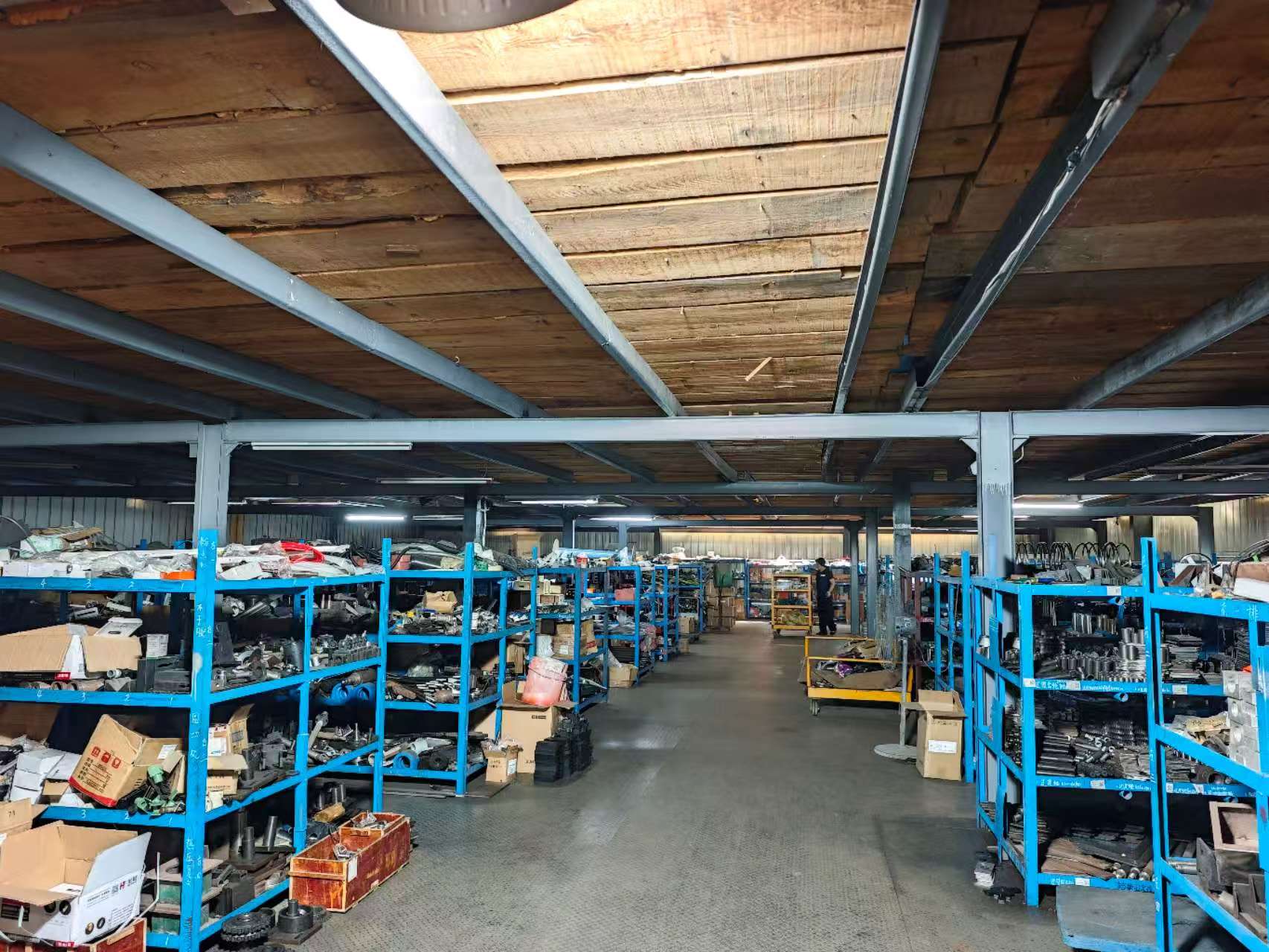
- Spare parts availability. Establish a spare-parts list and reorder process as part of the long-term agreement.
FAQs
How does KUNTAI ensure machine safety for textile lamination lines?
KUNTAI states that its products meet the quality requirements of ISO9001 and CE certification. For production risks, the manufacturer uses frequency converting control to prevent overloading and thermal protection with temperature sensors and automatic thermal shutdown to prevent overheating. Buyers should request the relevant certificates and machine-specific safety documentation for their target model.
What are KUNTAI’s MOQ, payment, and delivery terms?
KUNTAI’s standard MOQ is 1 unit. Delivery terms are EXW, FOB, CIF, or DDU. Payment is 30% deposit and 70% balance before shipment. Machine acceptance is based on a pre-shipment test. These terms can support both first-time pilot purchases and repeat production lines.
Can KUNTAI supply a complete laminating line for different materials?
KUNTAI’s portfolio covers hot melt and PUR laminating machines, double belt presses, flatbed laminators, flame laminating machines, powder scattering and dot coating machines, and UD/UHMWPE impregnation and crossply machines. With this range, the company can support textile bonding, automotive interiors, carpet, filter, and ballistic composite production lines.
What is the typical lead time / acceptance process for a KUNTAI machine?
KUNTAI’s published terms specify a pre-shipment test for acceptance, but the exact lead time depends on the machine model, configuration, and the buyer’s order queue. Buyers should request a confirmed production schedule in writing before placing an order, especially for customized UD impregnation or double belt press systems.
How should a buyer start a long-term partnership with KUNTAI?
A buyer should start by defining the process and materials, selecting a machine family, requesting a technical specification, and confirming commercial terms. KUNTAI’s contact: Job Lu, Email: Job@cnkuntai.com, Tel/WhatsApp/Wechat: +8618261228899. You can also request a sample test or quote through the company brochure at https://cdn.socialarks.com/sbsp/25071/common/2026/0709/kuntai%20profile.pdf.
Conclusion
A long-term laminating machine supply partner needs to combine manufacturing depth, engineering capability, export experience, and clear commercial terms. KUNTAI, founded in 1983 and based in Yancheng, China, offers a wide portfolio of laminating, impregnation, and cutting machines, with a 30,000 m² factory, 210 employees, 8 R&D engineers, and annual output of about 650 units. Export sales account for 70% of total business across North America, South America, Europe, South Asia, Africa, and the Middle East.
For buyers at the Decision to Execution stage, the practical next step is not a larger brochure download but a technical conversation: send the material specifications, target output, and site conditions to KUNTAI, and use the pre-shipment test to verify machine performance before final payment.
Download the KUNTAI company brochure (PDF)
Have Questions or Need More Details?
Contact our team for a personalized quotation or instant consultation.
Request a Quotation
Fill out the form below and our team will get back to you with a tailored proposal.
WhatsApp Direct Chat
Prefer to chat in real-time? Message us on WhatsApp for instant assistance & quick answers.
- Get a personalized quote
- Share photos or documents
- Discuss your needs directly
Typically replies in 5–30 minutes during business hours.