
Matching Laminating Machines to Project Scenarios: A Textile-First Selection
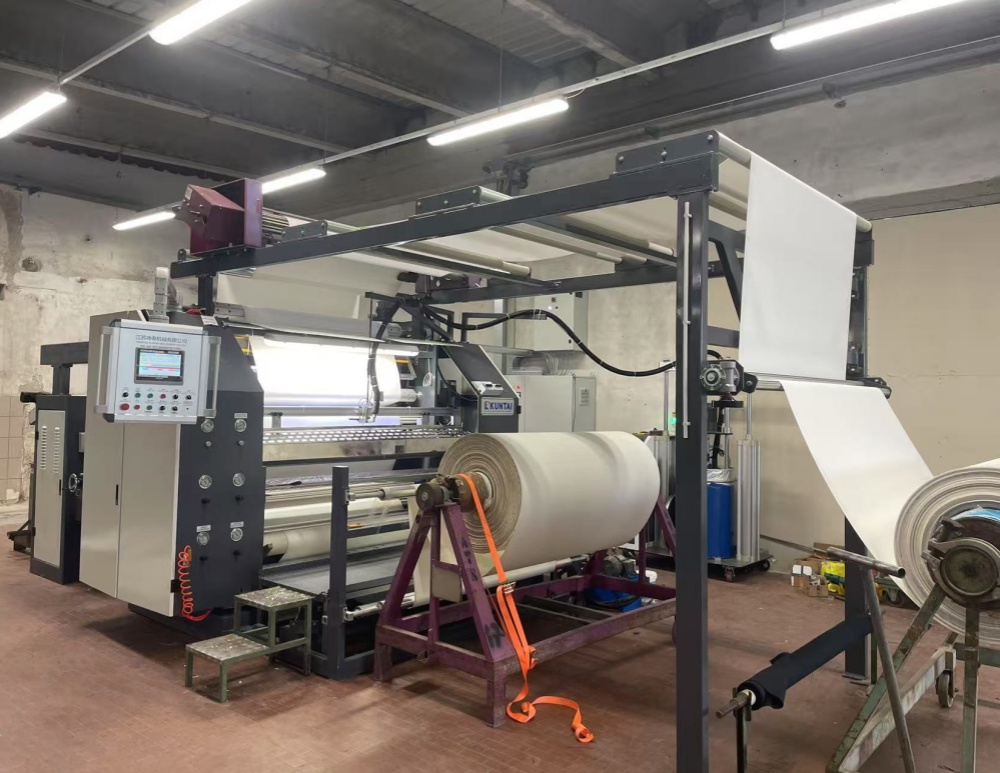
Choosing a laminating machine is rarely a matter of picking the fastest or the widest model. For textile producers, the equipment decision begins with the production scenario: the fabric structure, the adhesive system, the heating window, the operating mode, and the supporting systems available in the factory. A hot melt glue laminating machine configured for garment fabrics may not suit an upholstery line that depends on a PUR hot melt coating machine. The machine must match the project, not the other way around.
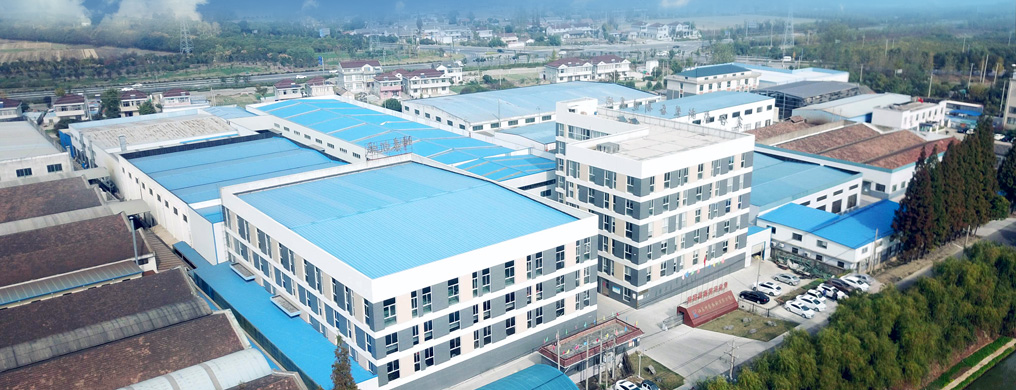
JIANGSU KUNTAI MACHINERY CO., LTD. (KUNTAI) is a manufacturer of coating, laminating, impregnation, and cutting machinery for technical textiles and composites. Founded in 1983 and based in Yancheng, Jiangsu, China, KUNTAI exports about 70% of its output to North America, South America, Europe, South Asia, Africa, and the Middle East. Using validated project records, this article shows how different KUNTAI machine families map to specific application scenarios, with a textile-first approach for buyers comparing laminating machine options.
Why Project Scenarios Define Machine Selection
Laminating projects depend on three layers of requirements: the material, the process, and the facility. When these are aligned, machine selection becomes straightforward. When they are not, even a technically functional machine can produce defects or require costly adjustments.
Common mismatches include:
- Heating method mismatches. Hot melt and PUR systems need controlled heat delivery; several KUNTAI models use electricity combined with thermal oil to keep adhesive temperature stable across the working width.
- Operating mode mismatches. Some textile projects require synchronized operation, while automotive trim lines often run in continuous operation. These are different machine configurations.
- Supporting equipment gaps. Many laminating processes require glue melters, oil heaters, humidifiers, water chillers, glue pump systems, or gas supply components. The correct configuration must include these auxiliaries.
- Site stability constraints. Projects in some regions specify voltage stability or pressure stability as special requirements, which affects electrical and pneumatic design choices.
A scenario-based approach asks four questions before comparing specifications: What is the final product? What are the working conditions? Which supporting systems are required? And what are the site constraints? These answers determine the machine family, then the machine parameters.
Market Context for Application-Specific Laminating Lines
The global laminating machines market is estimated at USD 786.5 million in 2026 and is projected to reach USD 1,356.7 million by 2033 (Coherent Market Insights). In the broader textile machinery sector, Asia-Pacific led with a 72.70% share in 2025 (Fortune Business Insights), driven largely by automation growth in China. These figures reflect a market where application-specific production lines are becoming more important than general-purpose machines.
Specialized niches are expanding as well. The global prepreg market, essential for UD and UHMWPE impregnation lines, reached USD 15.07 billion in 2024 (Maximize Market Research). The aerospace prepreg segment alone was valued at USD 3.5 billion in 2024 (MarketsandMarkets). PUR hot melt adhesives, which are central to PUR laminating machines, are expected to grow at a 7.2% CAGR through 2034 (Dataintelo). In parallel, the ISO 11111 series remains the international reference for textile machinery safety requirements.
For buyers, this context means one practical thing: a supplier that offers several laminating technologies is better positioned to match equipment to different project scenarios than a supplier limited to a single process.
Matching Laminating Machine Types to Production Scenarios
Textile Fabric Bonding: Fabric-to-Fabric, PUR and Hot Melt Lines
Garment industry scenarios include protective suits, windbreakers, and thermal underwear. Upholstery projects include blackout fabrics, mattress protectors, and sofa fabrics, where the machine functions typically include waterproofing and sun protection. These projects operate under middle temperature conditions in synchronized mode, with voltage stability listed as a special requirement in several markets.
KUNTAI offers multiple machine types for this scenario:
- Fabric to fabric laminating machine (KT-FT). Maximum material width 2400 mm, roller surface 2600 mm, speed 0–35 m/min, heating by electricity or thermal oil. The package includes one gluing roller, four trolleys with air shafts, a PUR glue drum melter, an oil heater, and a humidifier.
- Lamination machine for textile (KT-FT-XC). Maximum material width 1600–3200 mm, roller surface 1800–3400 mm, speed 0–35 m/min, installed capacity about 105 kW.
- Hot melt glue laminating machine (KT-PUR). Maximum material width 1600–3400 mm, speed 0–40 m/min, with a 200 kg glue melter and four sets of A frames.
- Hot melt coating laminating machine (KT-PUR-1800). Maximum material width 1800 mm, roller surface 2000 mm, speed 0–35 m/min, with a gluing roller designed for 25 to 110 gr/m² and a 200 kg glue melter.
- PUR laminating machine (KT-PUR). Maximum material width 2400 mm, roller surface 2600 mm, speed 0–35 m/min, installed capacity 70 kW, including a PUR glue drum melter, oil heater, and humidifier.
The two KT-PUR entries share the same model number in KUNTAI's catalog, but represent hot melt and PUR configurations for different adhesive systems. The selection depends on the fabric construction and the target bond performance.
This textile scenario has been validated by large-volume deliveries: 120 units in Turkey and 140 units in India, used for textile fabric composite production over five years with stable operation and low maintenance.
Automotive Interior: Fast, Continuous Flame Laminating
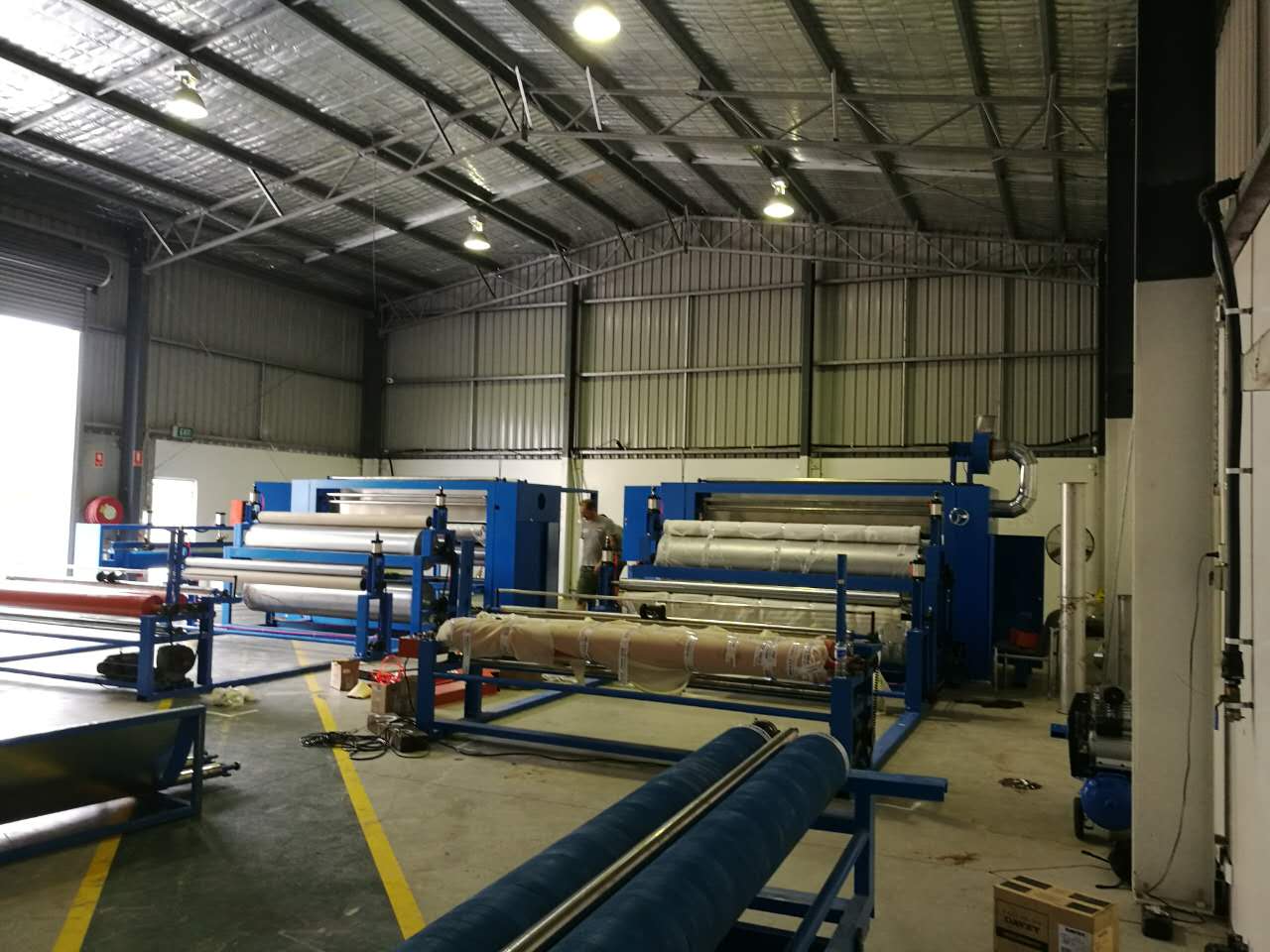
Car trim applications such as seat fabric lamination and interior part bonding typically run at fast speed in continuous operation mode. Projects are often new production lines. Special requirements include pressure stability, and supporting equipment includes a gas tank and gas appliances.
KUNTAI's flame laminating machine (KT-HY) is matched to this scenario. It handles material widths from 1600 to 3000 mm, roller surfaces from 1900 to 3300 mm, and a flame burner width in the same range. Maximum machine speed is 25 m/min, drive power is 15 kW, and the machine operates on natural gas or liquefied gas.
In documented installations, automobile interior manufacturing plants in Germany and Mexico used 20 KUNTAI units for interior processing and production over three years, with stable operation and low maintenance. The same machine type has also been used for dishwashing sponges and oil smoke filter production in the kitchenware segment.
Ballistic Composites: UHMWPE and UD Impregnation for Armor
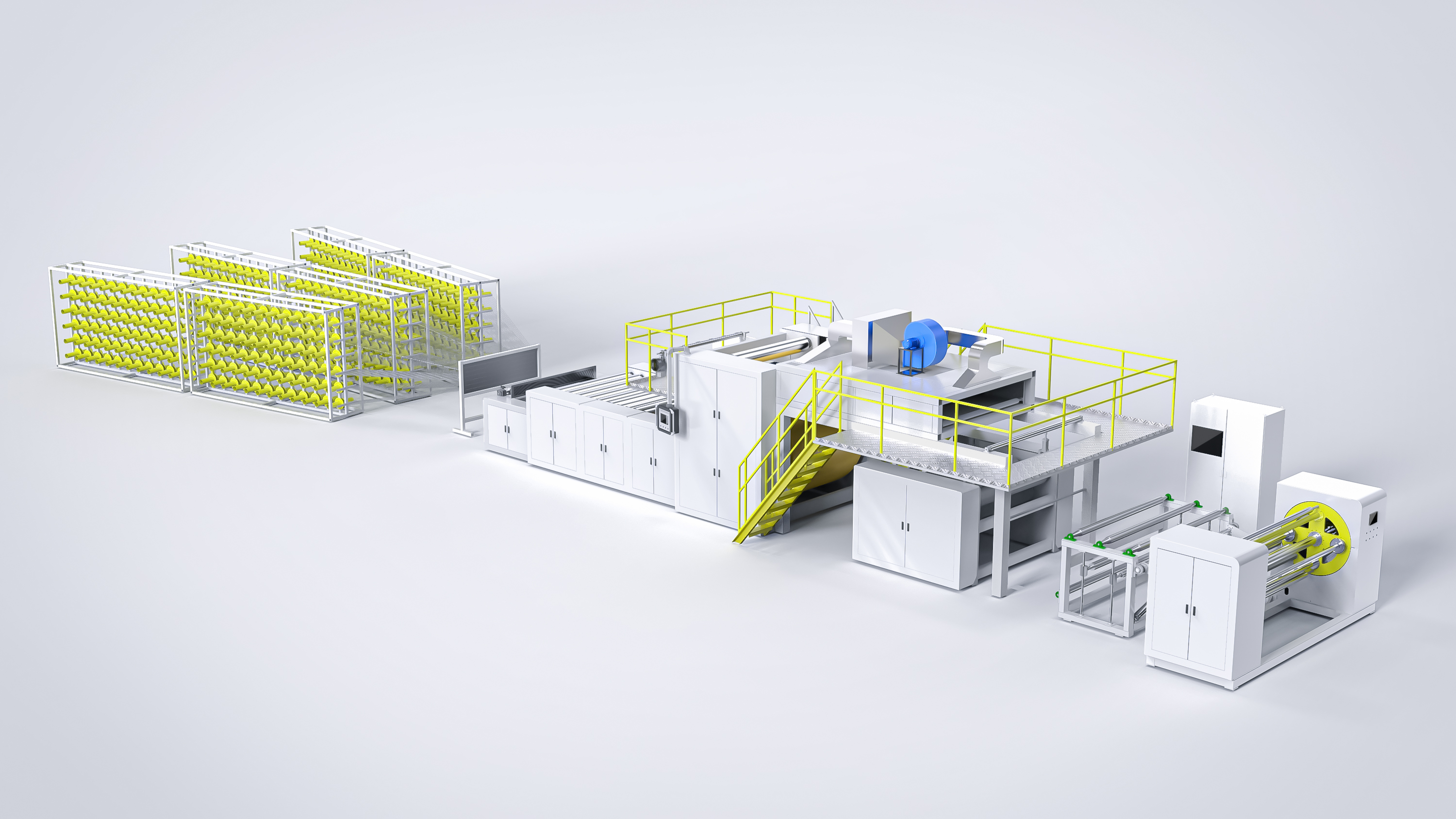
Bulletproof product manufacturing presents one of the clearest scenario-driven equipment choices. Products such as vests, helmets, and plates require controlled impregnation of UHMWPE or aramid fibers with water-based adhesive, followed by crossplying under high pressure.
KUNTAI's ballistic composite line includes:
- UHMWPE impregnation machine (KT-YJ-1800). Equipment roll surface 1800 mm, material width up to 1650 mm, water-based adhesive, dipping or coating gluing method, HMI+PLC control, variable frequency plus servo drive, 90 kW total power.
- UHMWPE prepreg machine (KT-LH-1800). Same platform, with composite speed of 5–11 m/min and 1080 yarn bobbins.
- UD Aramid prepreg machine (KT-LH-1800). Same parameters for aramid yarn used in ballistic panels.
- UD prepreg impregnation machine (KT-LH-1800). Water-based dipping and coating line with 90 kW total power and composite speed of 5–11 m/min.
- UD crossply machine (KT-LH-1800). Pressing tonnage 8000 kN, working table 1700 × 1700 mm, hydraulic pressing, thermal oil heating with external oil heater circulation, total power about 95 kW.
These applications often operate under low temperature and moderate humidity conditions, with voltage stability as a special requirement. A glue pump system is part of the supporting equipment for the line.
Protective product companies in Turkey, Czech Republic, India, and Russia have used 50 units of this machine family for bulletproof vest, helmet, and plate manufacturing over three years, with stable operation, long lifespan, and low maintenance.
Filtering and Kitchenware: Glue Spraying with Powder Scattering
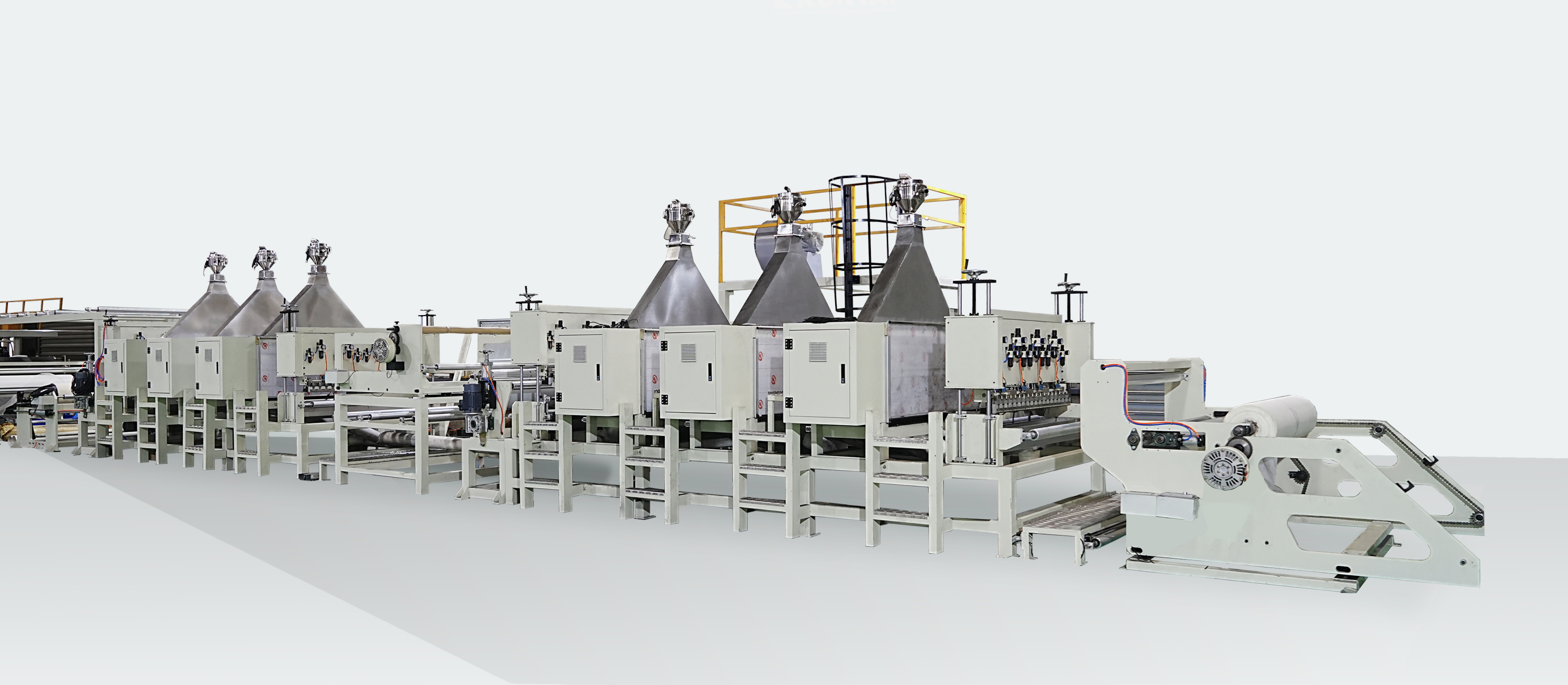
Air filtration products and kitchenware such as dishwashing sponges and oil smoke filters require a different bonding method: sprayed adhesive combined with powder scattering.
KUNTAI's glue spraying and powder scattering machine (KT-SF) handles material widths of 1600–2600 mm, roller surfaces of 1800–2800 mm, and machine speeds of 5–25 m/min. Powder size ranges from 20 to 150 microns. The machine processes PUR hot melt glue or PSA hot melt glue, includes six glue spraying systems and four powder scattering systems, an automatic powder feeding device, and a glue melting machine with 200 kg capacity. Installed power is 155 kW.
This scenario runs in synchronized operation under middle temperature conditions, with a glue melter as supporting equipment. The application is common in Germany, where voltage stability is a documented special requirement. Kitchenware manufacturers in Mexico, Turkey, and Czech Republic have used 10 units of this equipment for two years with stable operation.
Wide-Area Coating: Carpet Dot Coating
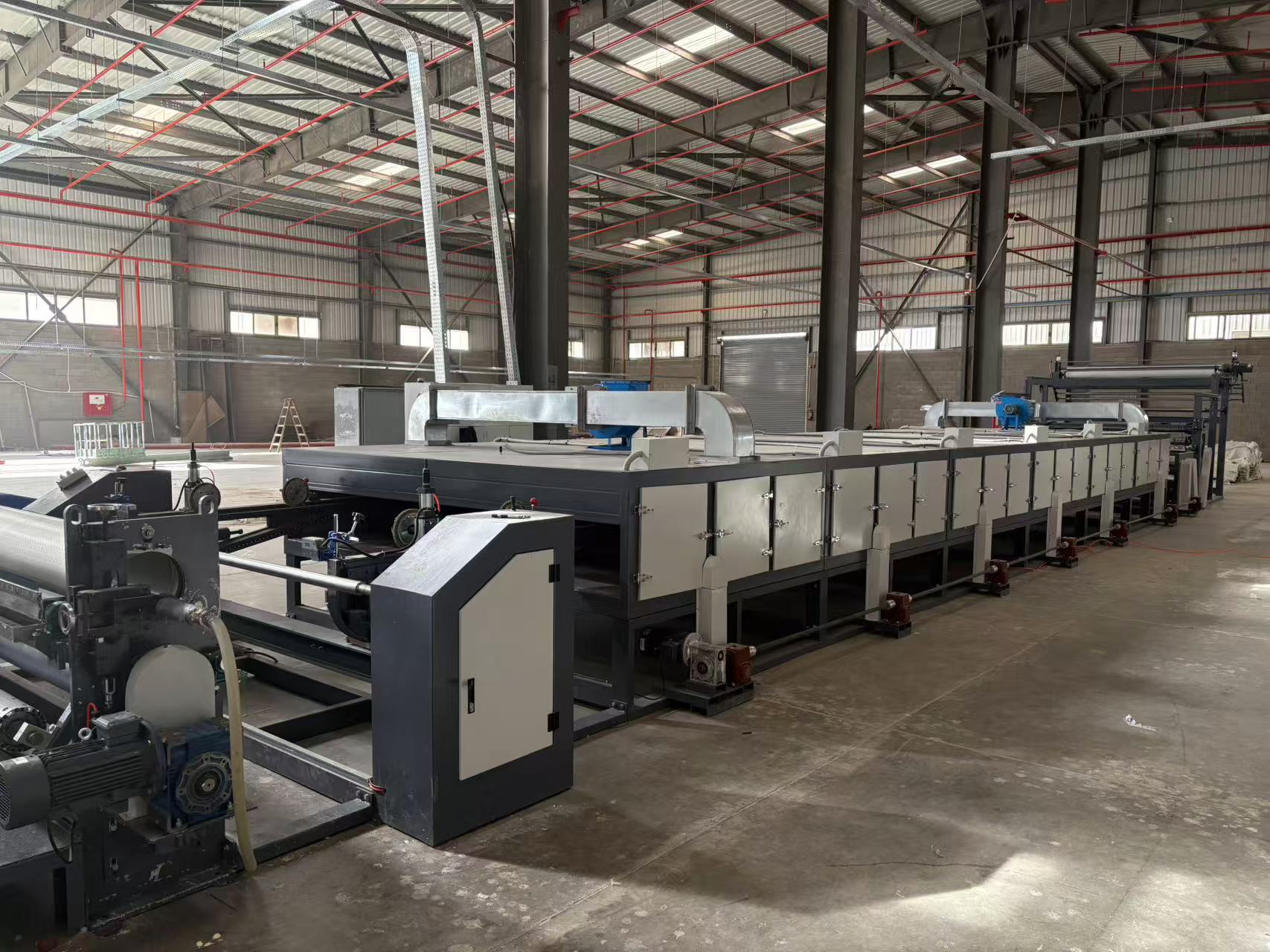
For carpet backing and similar wide-format applications, dot coating provides controlled adhesive distribution across the full width. KUNTAI's dot coating laminating machine (KT-DS) offers coating widths from 1600 to 4500 mm and roller surfaces from 1800 to 4700 mm. Machine speed is 5–20 m/min, with chain wheel transmission and electric heating. Maximum temperature is 130°C, with working temperature typically between 80 and 100°C.
Dot coating is directly relevant to carpet manufacturing, where uniform adhesive application affects the final product's hand feel and delamination resistance.
High-Temperature Panels: Flatbed and Double Belt Press
Insulation and acoustic panel projects, including aircraft sound insulation panels, require high temperature and stable pressure. These projects typically need a water chiller as supporting equipment.
KUNTAI's flatbed laminating machine (KT-PB) supports a maximum material width of 1600 mm, speed of 0–25 m/min, electric heating, 230 kW installed capacity, maximum heating temperature of 230°C, a 3 m heating zone, and a 1.5 m cooling zone. The PLC and touch screen are Siemens, bearings are NSK, and electrical components are Schneider.
The double belt press laminator (KT-HY-H) extends the same concept to higher temperature: 1600 mm maximum material width, 0–25 m/min, electric heating, 265 kW installed capacity, and a maximum heating temperature of 250°C, with the same 3 m heating zone and 1.5 m cooling zone.
Both machine types are applied in automotive, filter, insulation material, and aviation-related projects.
A Six-Step Process for Matching Machines to Projects
- Define the end product and its functional target. Examples include waterproof and sun protection for upholstery fabrics, or gun defense for ballistic products.
- Select the adhesive and bonding method. Hot melt, PUR, flame lamination, dot coating, and impregnation each belong to a different machine family.
- Confirm operating conditions. Temperature, humidity, operating mode (synchronized versus continuous), and speed requirements narrow the equipment list.
- Match width and line speed. Compare the project's material width and output target with the machine's roller surface and speed range.
- List supporting equipment. Glue melters, oil heaters, humidifiers, water chillers, glue pump systems, gas tanks, and gas appliances must be included in the installation plan.
- Check the manufacturer's documented cases. Similar projects already operating in comparable markets reduce commissioning risk.
Use Cases: Verified Scenario Evidence from KUNTAI Installations
The following table summarizes documented KUNTAI installations by project type. These records are drawn from completed projects across multiple countries.
| Project type | Countries | Units | Duration | Reported result |
|---|---|---|---|---|
| Textile mill for fabric composite production | Turkey, India, Malaysia, Egypt | 120 in Turkey; 140 in India | 5 years | Stable operation |
| Automobile interior manufacturing plant | Germany, Mexico | 20 | 3 years | Stable operation, low maintenance |
| Kitchenware manufacturer | Mexico, Turkey, Czech Republic | 10 | 2 years | Stable operation |
| Protective products company | Turkey, Czech Republic, India, Russia | 50 | 3 years | Stable operation, long lifespan, low maintenance |
Laminating Machine Selection by Project Scenario: Comparison Table
| Project scenario | Recommended machine type | Width and speed range | Process characteristics |
|---|---|---|---|
| Textile fabric bonding: apparel, upholstery, home textile | Hot melt glue laminating machine, PUR laminating machine, fabric to fabric laminating machine, lamination machine for textile | 1600–3400 mm width; 0–40 m/min | Middle temperature, synchronized operation, glue melter and oil heater support |
| Garment protective textiles | Hot melt coating laminating machine | 1800 mm width; 0–35 m/min | Gluing roller for 25–110 gr/m², 200 kg glue melter |
| Automotive interior and seating | Flame laminating machine | 1600–3000 mm width; up to 25 m/min | Continuous operation, fast speed, gas supply support |
| Ballistic composites: vest, helmet, plate | UHMWPE prepreg and impregnation machine, UD Aramid prepreg machine, UD crossply machine | Up to 1650 mm material width; 5–11 m/min composite speed | Water-based adhesive, HMI+PLC, thermal oil heating, 8000 kN pressing |
| Filtering and kitchenware | Glue spraying and powder scattering machine | 1600–2600 mm width; 5–25 m/min | PUR or PSA hot melt glue, powder 20–150 microns |
| Carpet and wide-format coating | Dot coating laminating machine | Coating width 1600–4500 mm; 5–20 m/min | Dot coating method, electric heating, working temperature 80–100°C |
| Insulation and acoustic panels | Flatbed laminating machine, double belt press laminator | 1600 mm width; 0–25 m/min | High temperature up to 230–250°C, water chiller support |
FAQ
What certifications should I check when buying a laminating machine for textile projects?
For textile machinery, the ISO 11111 series is the international reference for safety requirements across machinery types. KUNTAI also manufactures its laminating machines in accordance with ISO9001 and CE certificate requirements, under a documented quality control system.
Which specifications matter most when comparing textile laminating machines?
The most informative specifications are maximum material width, roller surface, machine speed, heating method, adhesive system, and control components. For example, KUNTAI's fabric to fabric laminating machine (KT-FT) handles a 2400 mm material width at 0–35 m/min, while the hot melt glue laminating machine (KT-PUR) extends to 3400 mm width at 0–40 m/min. Matching speed and width to your line capacity is more important than comparing isolated parameters.
What budget items should I plan for in a laminating project?
The machine is only part of the capital investment. Supporting equipment such as glue melters, oil heaters, humidifiers, water chillers, glue pump systems, or gas appliances must be included in the installation scope. Machine configurations vary accordingly: the PUR laminating machine (KT-PUR) includes a PUR glue drum melter and oil heater, while the hot melt coating laminating machine (KT-PUR-1800) includes a 200 kg glue melter. A complete quotation depends on material width, speed, electrical standards, and auxiliary systems.
Can I test my material combination before ordering?
KUNTAI supports OEM customization of voltage, logo, color, and machine structure, and every machine receives 100% testing before shipment. During the inquiry stage, provide your material layers and adhesive type so the engineering team can confirm the appropriate machine configuration. Pre-shipment testing acts as the final verification point for machine setup before the equipment leaves the factory.
What is the lead time for a customized textile laminating machine?
KUNTAI's typical lead time for OEM orders is 30–60 days, with a monthly production capacity of 55 units and a minimum order quantity of 1 unit. This makes it practical for new producers and existing lines alike to receive a machine configured to their project scenario. Remote after-sales support is included after delivery. To confirm a schedule for your project parameters, contact the KUNTAI sales team directly.
Conclusion and Next Step
A laminating machine is not selected by brand alone; it is selected by matching the machine type to the production scenario. KUNTAI's product range covers hot melt glue, PUR, flame, flatbed, double belt press, powder scattering, dot coating, and UD impregnation processes. This means that whether your project is textile fabric bonding, automotive trim, ballistic armor, or filter manufacturing, the same manufacturer can provide the corresponding machine platform.
If you are evaluating a laminating machine for a specific project, start by documenting the material layers, adhesive type, width and speed requirements, and any site conditions such as voltage or pressure stability. Then use these parameters to compare configurations and request a proposal.
Download the KUNTAI profile for a complete overview of the company and its equipment: KUNTAI Profile PDF.
To discuss your application scenario with the engineering team, contact Job Lu at Job@cnkuntai.com or via WhatsApp at +86 182 6122 8899.
Have Questions or Need More Details?
Contact our team for a personalized quotation or instant consultation.
Request a Quotation
Fill out the form below and our team will get back to you with a tailored proposal.
WhatsApp Direct Chat
Prefer to chat in real-time? Message us on WhatsApp for instant assistance & quick answers.
- Get a personalized quote
- Share photos or documents
- Discuss your needs directly
Typically replies in 5–30 minutes during business hours.