Self-Tapping Screws vs. Hexagon Bolts: Buyer Selection Guide
Self-Tapping Screws vs. Hexagon Bolts: Construction Fastener Selection for Buyers
Direct answer: self-tapping screws and hexagon bolts solve different connection problems. Self-tapping screws are direct-fixing fasteners that form or cut a thread as they are driven into a substrate or a prepared hole. Hexagon bolts are part of a bolted assembly: they pass through prepared holes and are typically tightened with a nut and washer. For a construction buyer, the decision should start with the connection design and the applicable standard, not with a price-per-piece comparison.
JIAYUAN Construction Screws is the construction fastener line of Tangshan Jiayuan Metalwork Co., Ltd., a hardware manufacturer whose supplied product list includes drywall screws, wood screws, chipboard screws, drilling screws and tapping screws. The same list does not include hexagon bolts, so this guide treats hexagon bolts as a comparison category for bolted structural connections rather than as a JIAYUAN-listed product. That distinction matters: a supplier’s screw catalogue should not be read as a bolt supply capability unless the product list and documentation support it.
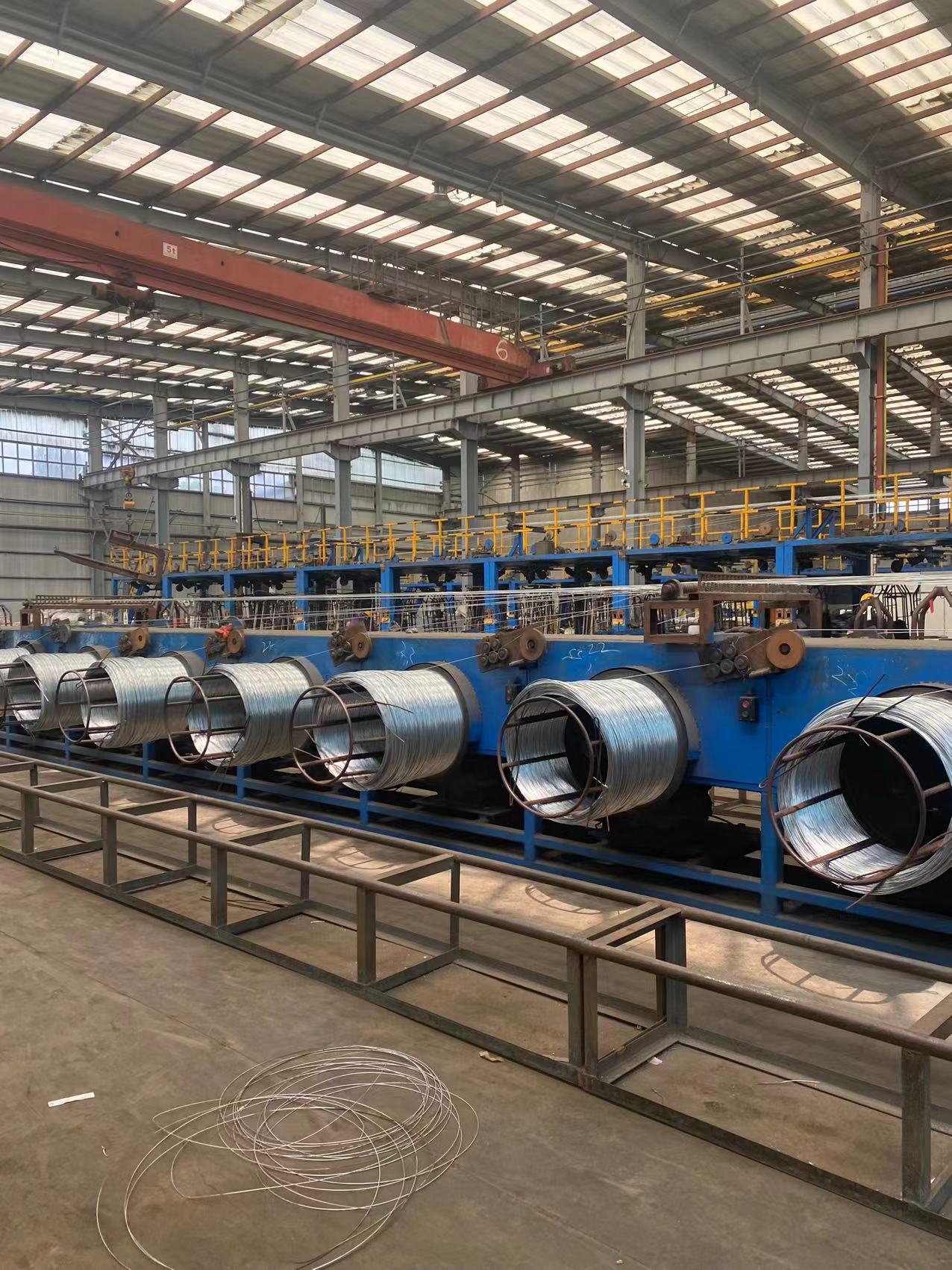
JIAYUAN manufacturing facility. Factory context supports supplier evaluation, but the fastener choice still depends on the connection design and the product documentation.
What is the real buyer decision?
The real decision is not simply “screw or bolt.” It is whether the connection is designed for direct fastening into a substrate or for a bolted assembly with prepared holes, a nut, a washer and a controlled installation procedure. A self-tapping screw may be the right product for gypsum board, wood-based panels or light-gauge steel framing. A hexagon bolt may be the right product for a bolted steel connection when the project engineer has specified a bolt property class, nut and washer arrangement, coating and installation method.
Buyers often compare these categories because both are steel fasteners and both appear on construction sites. But they are not interchangeable by appearance. A screw that drives into a substrate and a bolt that clamps two prepared members do not share the same load path, inspection method or standard route. The buyer’s first task is to define the connection, then select the fastener family that the design and local code allow.
Why self-tapping screws and hexagon bolts are not interchangeable
Self-tapping screws create or cut their own thread engagement in the material or in a prepared hole. The fastener holds through thread engagement with the substrate, and the installation tool is usually a screwdriver or drill driver. Hexagon bolts are designed for bolted assemblies: the bolt passes through clearance holes, and the connection is completed with a nut and often a washer. The bolt clamps the joined members, and the installation method is part of the connection design.
The standards route also differs. For gypsum panel attachment, buyers may encounter ASTM C1002 for steel self-piercing tapping screws used with gypsum panel products or metal plaster bases to wood or steel studs, and ASTM C954 for steel drill screws used with gypsum panel products or metal plaster bases to steel studs within a defined thickness range. For cold-formed steel framing connections, ASTM C1513 covers steel tapping screws for framing connections, which is a different use from board attachment. For carbon and alloy steel bolts and screws, ISO 898-1 defines property classes such as 8.8 and 10.9. For stainless steel fasteners, EN ISO 3506-1 defines grades such as A2 and A4. These are different specification systems, not marketing labels.
The phrase “high-strength bolts for structural connection” should trigger an engineering check. ISO 898-1 property classes matter only when the project specification, connection design and installation procedure accept them. A screw described as high-strength is not automatically a substitute for a specified bolted connection, and a hexagon bolt is not automatically suitable for direct fastening into wood, gypsum or light-gauge steel. The correct comparison is between documented products for the same connection, not between generic category names.
Industry background: a standards-led category
Construction fasteners are a broad category. Published market scopes commonly include mechanical anchors, chemical anchors, bolts, rivets, screws and nails, which means a buyer should not assume that one trade statistic describes construction screws alone. Trade data has the same limitation. OEC’s UN Comtrade-derived profile reports that global trade of iron or steel self-tapping screws under HS 7318.14 reached USD 4.13 billion in 2024, a 0.72% decrease from 2023. That is a trade value for the tariff line, not a construction-screw-only demand forecast, and it does not tell a buyer which screw type fits a specific substrate.
The practical industry background is standards-led. In the United States, screw selection for gypsum board and cold-formed steel framing may refer to ASTM C1002, ASTM C954 or ASTM C1513 depending on the application. In the European Union, EN 14566 covers mechanical fasteners for gypsum plasterboard assemblies, while EN 14592 covers dowel-type fasteners in timber structures. Under Regulation (EU) No 305/2011, construction products covered by a harmonised standard or a European Technical Assessment require a Declaration of Performance and CE marking before being placed on the EU market. For bolts and screws, ISO 898-1, EN ISO 3506-1 and ISO 4042 provide reference systems for property classes, stainless steel grades and electroplated coating systems. A single SKU range should not be marketed as identical across jurisdictions without the correct documentation for each market.
Self-tapping screws: where they fit
Self-tapping screws are direct-fixing products. They are commonly considered for gypsum board, wood-based panels, light-gauge steel framing and other applications where the fastener is driven into the substrate or a prepared hole. The exact fit depends on the screw type, the substrate, the presence of a pilot hole, the thread and point geometry, and the standard named in the project specification.
For drywall and gypsum panel attachment, ASTM C1002 addresses steel self-piercing tapping screws for gypsum panel products or metal plaster bases to wood studs or steel studs. ASTM C954 addresses steel drill screws for gypsum panel products or metal plaster bases to steel studs from 0.033 in. to 0.112 in. (0.84 mm to 2.84 mm) in thickness. These are application-specific references. They should not be generalized to wood screws, chipboard screws, roofing screws or all self-tapping screws. For cold-formed steel framing connections, ASTM C1513 is the relevant screw standard family rather than a gypsum-board attachment standard.
JIAYUAN’s supplied product list includes drywall screws, wood screws, chipboard screws, drilling screws and tapping screws. The company also states that it offers surface treatments such as zinc plating, black oxide, galvanized, hot-dip zinc, phosphate and color painting depending on the application and corrosion-resistance needs. Those options are commercially useful, but the buyer should still match the coating to the environment and request the relevant coating specification rather than treating all coatings as equal.
Hexagon bolts and high-strength bolted connections: what to verify
A hexagon bolt is a bolted-assembly component. The buyer should verify the property class, material, coating, nut and washer compatibility, and the installation procedure specified for the connection. For carbon and alloy steel bolts and screws, ISO 898-1 defines property classes such as 8.8 and 10.9. For corrosion-resistant stainless steel fasteners, EN ISO 3506-1 defines grades such as A2 and A4. For electroplated coatings, ISO 4042 provides a coating-system reference.
These references help a buyer normalize offers, but they do not approve a connection by themselves. The project specification, connection design and local building code decide whether a given bolt class is acceptable. A hexagon head shape does not prove that a bolt is a high-strength structural bolt; the property class and documentation do. Likewise, a bolt cannot be judged against a self-tapping screw by head shape or price alone, because the two products perform different functions in the load path.
When high-strength bolts are specified for a structural connection, the buyer should ask for the bolt property class, nut and washer specification, coating system, test or inspection documentation, and the installation procedure required by the project. If the project is in the EU and the product is covered by a harmonised standard or a European Technical Assessment, the supplier should be able to address Declaration of Performance and CE marking requirements. If the project is in the US, the connection specification and the engineer’s requirements control the acceptance route.
Comparison table: self-tapping screws vs hexagon bolts
| Buyer question | Self-tapping screws | Hexagon bolts | Practical check |
|---|---|---|---|
| Primary fastening action | Forms or cuts a thread in the substrate or prepared hole and holds through thread engagement. | Clamps prepared members in a bolted assembly with a nut and usually a washer. | Confirm the connection design, not just the product name. |
| Typical construction use | Drywall, wood-based panels, light-gauge steel and direct fixing where the specification allows. | Bolted steel or structural assemblies where a bolt is specified. | Match the product to the substrate and the connection. |
| Hole preparation | May require a pilot or clearance hole depending on the material and screw type; self-drilling screws create their own hole. | Requires aligned clearance holes and typically a nut and washer. | Check installation access and method before ordering. |
| Standards to ask about | ASTM C1002, ASTM C954 or ASTM C1513 where applicable; ISO 7049 or DIN 7504 for dimensional references. | ISO 898-1 for carbon and alloy steel property classes; EN ISO 3506-1 for stainless steel; project bolting standard. | Use the standard named in the project specification. |
| Corrosion specification | Zinc plating, black oxide, galvanized, hot-dip zinc, phosphate or color painting may be offered depending on the application; ISO 4042 references electroplated coating systems. | Confirm the coating system and its compatibility with the nut and washer; ISO 4042 references electroplated coating systems. | State the environment and corrosion requirement in the inquiry. |
| Structural connection role | May be used in specific cold-formed steel framing connections under ASTM C1513; it is not a default substitute for a specified bolt. | Used in bolted structural connections when the bolt, nut, washer and installation procedure are specified. | Require written engineer approval for any substitution. |
| Inspection focus | Thread, point, head and drive, length, coating, material certificate and batch traceability. | Property class, marking or documentation, nut and washer match, coating and batch traceability. | Inspect against the purchase specification, not a sample photo. |
| Removal and rework | Can be removed, but repeated driving may affect the hole and substrate. | Can be disassembled when the bolted connection is designed for it. | Plan rework, inspection and replacement parts. |
| Commercial comparison | Compare by screw type, size, material, coating, packaging, MOQ and test documentation. | Compare by bolt property class, size, coating, nut and washer scope, and test documentation. | Normalize the specification before comparing price. |
Step-by-step buyer selection process
- Define the connection and substrate. Record whether the fastener goes into gypsum board, wood, chipboard, light-gauge steel or a bolted steel assembly. Note whether the connection is load-bearing and who is responsible for the design.
- Identify the governing standard. For gypsum attachment, check whether ASTM C1002 or ASTM C954 applies. For cold-formed steel framing connections, check ASTM C1513. For bolted steel, check the project bolting specification and ISO 898-1 property classes. For EU projects, confirm whether EN 14566, EN 14592, an ETA, a Declaration of Performance or CE marking is required.
- Decide between direct fastening and bolted assembly. If the design requires a bolted connection, compare bolts. If it requires direct fastening into a substrate, compare screws. Do not use a screw-bolt price comparison to decide a connection type.
- Specify material, property class and coating. For carbon steel bolts and screws, use the applicable property-class system. For stainless steel, use EN ISO 3506-1 grades such as A2 or A4 where specified. For coatings, use ISO 4042 as a reference and state the corrosion environment.
- Request documentation before approval. Ask for material test reports, dimensional checks, coating information and any product-specific evaluation or declaration required by the market. JIAYUAN states that it can provide CE, SGS, ISO9001 and material test reports upon request; the buyer should verify that each document matches the exact product, standard and destination market.
- Run a sample and installation check. Confirm the screw drives correctly in the specified substrate, or the bolt assembly matches the specified holes, nut and washer. JIAYUAN offers engineering support and drawing services to help select fastener type, size and coating, which is useful when the application needs clarification.
- Review commercial terms after the technical match. JIAYUAN’s stated standard MOQ is usually 100,000 pcs per size, with flexible solutions for trial or mixed items. Production is generally 25–35 days after deposit, with stock items arranged within 7 days. Compare those terms only after the product specification is normalized.
Use cases: matching the fastener to the construction task
Gypsum board and interior partitions
For gypsum board attachment, self-tapping or self-drilling screws are the usual product family, with the exact type depending on whether the substrate is wood or steel and on the steel stud thickness. ASTM C1002 and ASTM C954 provide application-specific references. A hexagon bolt is not the normal product for board attachment, and a drywall screw should not be presented as a structural bolt substitute.
Wood framing and wood-based panels
Wood screws and chipboard screws are construction screw categories used for wood-based materials. Thread form, point type and coating should match the panel or timber application and the project specification. For load-bearing timber structures in Europe, EN 14592 is the relevant standard family for dowel-type fasteners; a general wood screw description is not enough for a structural timber connection without the applicable evaluation and design check.
Cold-formed steel framing
Cold-formed steel framing may use self-tapping or self-drilling screws, but the standard route is different from gypsum board attachment. ASTM C1513 addresses steel tapping screws for cold-formed steel framing connections. The buyer should separate framing connections from board attachment in the purchase list, because the same site may use both and the inspection criteria are not the same.
Bolted steel and structural connections
For bolted steel connections, hexagon bolts and high-strength bolts should be specified through the project’s bolting standard, property class, nut and washer arrangement, coating and installation procedure. ISO 898-1 property classes help normalize offers, but the engineer’s connection design and local code decide acceptance. A supplier’s product list should clearly state whether it supplies bolts and bolted-assembly components, not just construction screws.
Mixed projects
Many projects use both screw-fixed elements and bolted connections. Keep separate specifications, separate inspection records and separate approval routes for each. Do not allow a site substitution from a screw to a bolt or from a bolt to a screw unless the responsible engineer has approved it in writing.
Related Construction Screws options from JIAYUAN
JIAYUAN’s supplied construction screw list covers drywall screws, wood screws, chipboard screws, drilling screws and tapping screws. These categories should be selected by application rather than by name alone. Drywall screws are intended for gypsum board systems; wood screws and chipboard screws are intended for wood-based materials; drilling screws create their own hole; tapping screws form or cut threads in the substrate or prepared hole. Where the project calls for stainless steel construction screws or high-strength construction screws, the buyer should confirm the material grade or property class against EN ISO 3506-1 or ISO 898-1 and ask whether the supplier lists that specific product.
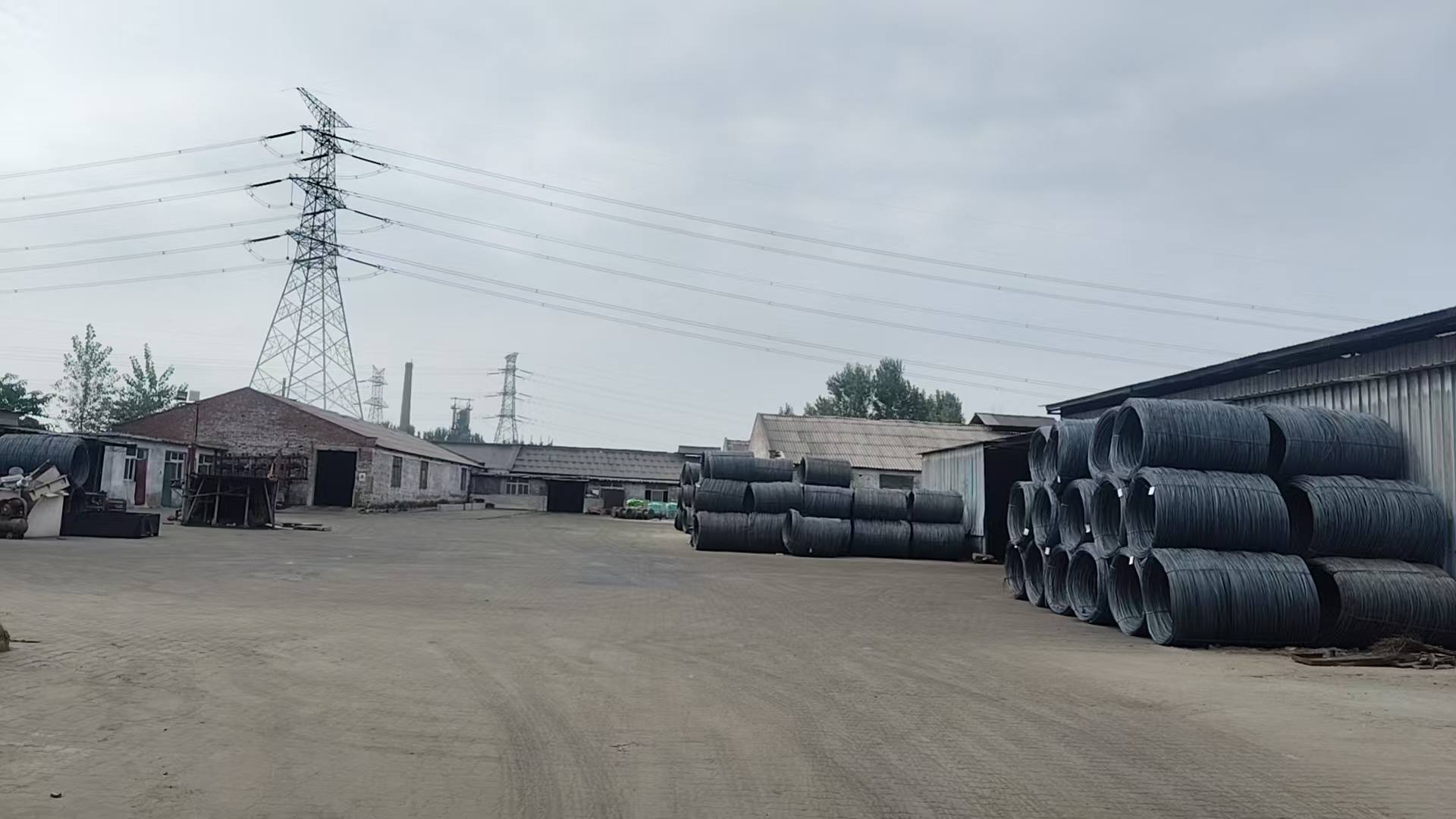
JIAYUAN factory production area. A supplier’s listed product range should be matched to the project specification before quotation.
Quality, documentation and supply checks
Quality checks should follow the product type. For construction screws, the buyer can ask about material inspection, in-process testing, final inspection, tensile strength, torque and coating thickness. JIAYUAN states that it maintains a professional QC team of 15 inspectors and a full-process quality control system covering incoming raw material inspection, in-process production patrol inspection, finished product random sampling and pre-shipment recheck. It also states that every batch is tested for tensile strength, torque and surface coating thickness before delivery. These are supplier-stated controls; the buyer should still request the records that apply to the ordered specification.
Packaging and documentation also affect approval. JIAYUAN states that fasteners are packed in small boxes, plastic bags or bulk cartons and then stacked on fumigation-free pallets, with custom packaging, brand labels or barcode labels available on request. OEM logo printing and private-label packaging are supported. Payment terms are stated as T/T with 30% deposit and 70% before shipment as the main method, with L/C at sight or OA terms discussable for long-term customers. After-sales support includes technical consultation, product tracking and response to quality concerns.
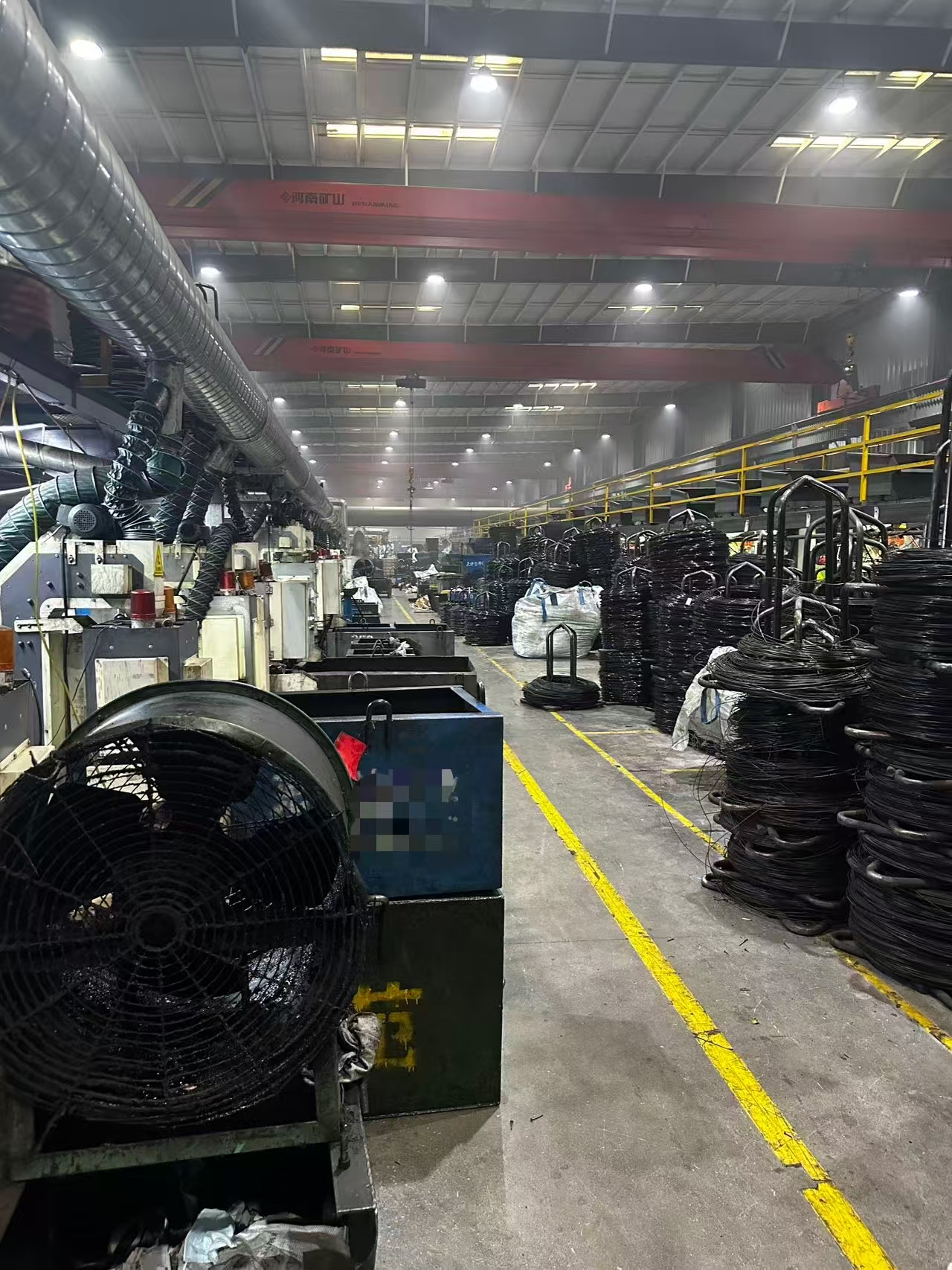
JIAYUAN fastener factory. Confirm that certificates and test reports apply to the exact product and destination market.
FAQ
Are self-tapping screws a direct replacement for hexagon bolts in structural connections?
No, not without written approval from the responsible engineer. Self-tapping screws and hexagon bolts use different load paths, installation methods and standards. A self-tapping screw may be acceptable for specific cold-formed steel framing connections under a standard such as ASTM C1513, but it is not a default substitute for a specified high-strength bolted connection.
What should a buyer check first when comparing these two fasteners?
Check the connection design and substrate first. Decide whether the project needs direct fastening into gypsum, wood or light-gauge steel, or a bolted assembly with prepared holes, nut and washer. Then identify the standard named in the project specification. Price comparison should come after this technical step.
When are self-tapping screws the appropriate category?
Self-tapping screws are appropriate when the design calls for direct fastening into a compatible substrate, such as gypsum board, wood-based panels or light-gauge steel framing within the applicable standard. The exact screw type depends on the substrate, thread and point requirements, coating and any application-specific standard such as ASTM C1002, ASTM C954 or ASTM C1513.
When should a buyer specify hexagon bolts instead?
Hexagon bolts should be specified when the connection is designed as a bolted assembly and the project requires a bolt property class, nut and washer arrangement, coating and installation procedure. The buyer should verify ISO 898-1 property classes for carbon and alloy steel, EN ISO 3506-1 grades for stainless steel where applicable, and the project’s bolting specification.
What documentation should be requested before approving a supplier?
Request material test reports, dimensional and coating records, and any product-specific evaluation or declaration required by the destination market. For EU projects, confirm whether a Declaration of Performance and CE marking are required under Regulation (EU) No 305/2011. JIAYUAN states that it can provide CE, SGS, ISO9001 and material test reports upon request; verify that each document covers the exact product and standard.
What is the next step for a JIAYUAN construction screw inquiry?
Prepare a specification list covering screw type, substrate, size, material, coating, packaging and estimated quantity. JIAYUAN can review the construction screw requirements, discuss trial or mixed orders, and provide a sample or quotation request through its official website. Hexagon bolts are outside the supplied JIAYUAN product list in this guide and should be sourced and verified separately.
Conclusion
Self-tapping screws and hexagon bolts are both construction fasteners, but they are not interchangeable categories. The buyer’s decision should follow the connection design: direct fastening into a substrate points toward a screw type and its application standard, while a bolted structural connection points toward a bolt property class, nut and washer arrangement and installation procedure. Compare documented specifications, not product names or head shapes. For construction screw projects, JIAYUAN’s listed range covers drywall, wood, chipboard, drilling and tapping screws, supported by stated quality-control, packaging, OEM and after-sales processes. Confirm the documents for the exact product and market before approval.
Have Questions or Need More Details?
Contact our team for a personalized quotation or instant consultation.
Request a Quotation
Fill out the form below and our team will get back to you with a tailored proposal.
WhatsApp Direct Chat
Prefer to chat in real-time? Message us on WhatsApp for instant assistance & quick answers.
- Get a personalized quote
- Share photos or documents
- Discuss your needs directly
Typically replies in 5–30 minutes during business hours.