
Siemens S7-1200 Local I/O vs ET 200SP Distributed I/O: Comparison Guide for Automation Projects
The choice between Siemens S7-1200 local I/O and SIMATIC ET 200SP distributed I/O is an architecture decision, not just a module count. A Siemens S7-1200 PLC can act as a PROFINET IO controller and exchange process data with a compatible ET 200SP station. Local I/O keeps the I/O modules at the CPU, while ET 200SP moves I/O into a remote station that includes an interface module, BaseUnits and I/O modules. For a compact machine with concentrated wiring, local I/O can be simpler. For a production line with field-mounted sensors, long cable runs, remote panels or many analog points, ET 200SP can change cabinet wiring, expansion planning and maintenance access. The final choice should follow the signal list, physical layout, communication configuration, BaseUnit and power-group requirements, firmware and TIA Portal compatibility, spare-parts strategy and supplier documentation.
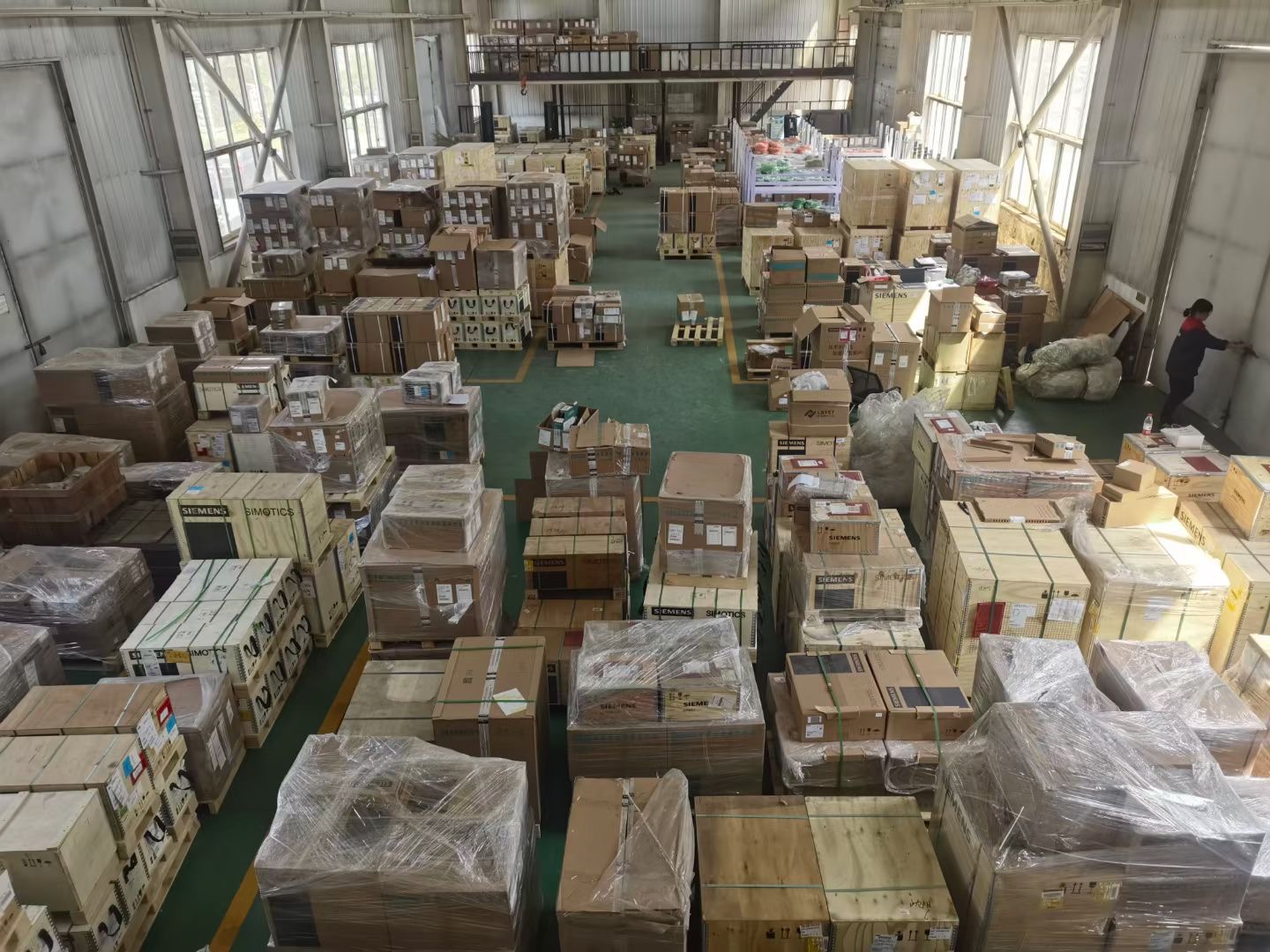
Problem definition: what the project team must decide
The decision is where the I/O should live and which Siemens components should be ordered for that location. Local I/O means the S7-1200 CPU and its I/O modules are mounted together in the main control panel. Distributed I/O means an ET 200SP station is placed near the field devices, and the S7-1200 CPU communicates with that station over PROFINET. This affects panel space, field wiring, module selection, commissioning steps and spare-parts planning.
A project team should first list every digital input, digital output, analog input and analog output. Then it should map the physical location of sensors and actuators. If most signals are near the main panel, S7-1200 local I/O may be sufficient. If signals are spread along a conveyor, packaging line, assembly cell or water-treatment process, ET 200SP may reduce the amount of wiring that returns to the main cabinet. The answer is not universal: the same S7-1200 CPU can support either approach if the station, modules, BaseUnits and PROFINET configuration are compatible.
Industry background: S7-1200 and ET 200SP roles in automation
The Siemens S7-1200 is a compact PLC family used for machine control, production line automation, packaging machinery, conveyor control, pump and valve control, motor control and industrial equipment integration. The supplied CPU comparison includes CPU 1211C, CPU 1214C and CPU 1215C models with different onboard I/O, memory, output types and PROFINET ports. The S7-1200 product list also includes local digital and analog I/O modules for expanding the PLC inside the control panel.
SIMATIC ET 200SP is a modular distributed I/O system. A complete station typically includes an appropriate interface module or CPU, BaseUnits, I/O modules and the required terminating components. In an S7-1200 project, the S7-1200 CPU executes the control program while a compatible ET 200SP PROFINET interface module handles communication for the remote station. Digital and analog ET 200SP modules then connect field sensors and actuators.
How the S7-1200 PLC communicates with an ET 200SP station
A Siemens S7-1200 PLC can operate as a PROFINET IO controller. The ET 200SP interface module exchanges process data with the S7-1200 CPU, while the ET 200SP digital and analog modules collect or output field signals. The interface module is the communication component for the station; the I/O modules are the signal components; the BaseUnits provide mechanical mounting and electrical connections for the I/O modules. Correct device configuration, network settings, BaseUnit selection and power-supply arrangements are required for reliable operation.
The supplied product list includes the ET 200SP interface module 6ES7155-6AA02-0BN0, the BaseUnit 6ES7193-6BP00-0DA0, ET 200SP digital and analog modules, and S7-1200 CPUs and local I/O modules. These part numbers must be verified together as a complete station. A CPU order number alone does not confirm that an ET 200SP station, BaseUnit or I/O module is compatible with the planned firmware and TIA Portal project.
Detailed comparison: S7-1200 local I/O vs ET 200SP distributed I/O
| Decision area | Siemens S7-1200 local I/O | SIMATIC ET 200SP distributed I/O |
|---|---|---|
| Architecture | CPU and I/O modules are mounted together in the main control panel. The CPU executes the control program. | Remote I/O station with an interface module, BaseUnits and I/O modules. The S7-1200 CPU acts as a PROFINET IO controller. |
| Communication path | CPU 1211C and CPU 1214C provide one PROFINET port; CPU 1215C provides two PROFINET ports. | The ET 200SP interface module handles station communication. A compatible ET 200SP PROFINET IO station can exchange data with an S7-1200 CPU. |
| Digital I/O options | S7-1200 local modules listed include digital input 6ES7221-1BH32-0XB0, digital output 6ES7222-1HF32-0XB0 and digital input/output 6ES7223-1BL32-0XB0. | ET 200SP digital modules listed include input 6ES7131-6BH01-0BA0 and output 6ES7132-6BH01-0BA0. The supplied ET 200SP digital output scenario describes 16 digital output channels for 24 V DC devices. |
| Analog input options | S7-1200 analog input module 6ES7231-4HF32-0XB0 is listed. The supplied S7-1200 analog input scenario describes eight voltage and current input channels for process monitoring. | ET 200SP AI 8xI 2-/4-wire BA 6ES7134-6GF00-0AA1 provides eight single-ended current inputs. AI 4xI 2-/4-wire ST 6ES7134-6GD01-0BA1 provides four differential current inputs. Both are 16-bit maximum resolution with ±0.3% basic accuracy at 25°C and ±0.5% operational error limit. |
| Analog output options | S7-1200 analog output module 6ES7232-4HD32-0XB0 is listed. The supplied S7-1200 analog output scenario describes four voltage or current output channels. | ET 200SP analog output module 6ES7135-6HD00-0BA1 is listed. The supplied ET 200SP analog output scenario describes four voltage or current output channels for drives, valves and process-control equipment. |
| BaseUnit and power grouping | Local I/O modules are listed separately from the CPU. The CPU onboard I/O count varies by CPU model, so the local capacity depends on the selected CPU and added modules. | ET 200SP I/O modules require compatible BaseUnits. BaseUnit 6ES7193-6BP00-0DA0 provides 16 push-in process terminals and enables a new load potential group within an ET 200SP station. |
| Typical fit | Compact machines, small panels, I/O concentrated near the PLC, simple local expansion and applications where fewer station components are preferred. | Field-distributed signals, remote panels, long cable runs, modular line expansion, many analog points and stations placed close to sensors or actuators. |
| Main checks before purchase | CPU onboard I/O, module order numbers, supply voltage, relay or transistor output type, analog signal type, memory and spare CPU version. | Interface module, BaseUnit type, power group, PROFINET configuration, firmware and TIA Portal compatibility, module order numbers and terminating components. |
S7-1200 local I/O: what is inside the main panel
The S7-1200 CPU choice determines the onboard I/O baseline before any local module is added. CPU 1211C 6ES7211-1BE40-0XB0 provides 75 KB program and data memory, 6 digital inputs, 4 relay digital outputs rated 2 A, 2 analog inputs and 1 PROFINET port. CPU 1214C provides 14 digital inputs, 10 transistor digital outputs, 2 analog inputs, 1 PROFINET port and a 20.4–28.8 V DC supply. CPU 1215C 6ES7215-1AG40-0XB0 provides 200 KB memory, 14 digital inputs, 10 transistor digital outputs rated 0.5 A, 2 analog inputs, 2 analog outputs and 2 PROFINET ports.
For local expansion, the supplied product list includes S7-1200 digital input module 6ES7221-1BH32-0XB0, digital output module 6ES7222-1HF32-0XB0, digital input/output module 6ES7223-1BL32-0XB0, analog input module 6ES7231-4HF32-0XB0 and analog output module 6ES7232-4HD32-0XB0. The supplied S7-1200 application scenarios also describe 16 digital input channels for S7-1200 digital input expansion, eight analog input channels for voltage and current signals, four analog output channels, and eight relay output channels for AC and DC switching. These functions should be matched to the exact module order number and the machine signal list.
Local I/O is often easier to document when the machine has a compact panel and all field wiring already returns to that panel. The tradeoff is that the I/O position follows the CPU. If the machine is long or the sensors are spread across several sections, local wiring can become longer and less flexible to expand.
ET 200SP distributed I/O: station components and BaseUnits
An ET 200SP station is not only an I/O module. It is a station assembly. The interface module connects the station to PROFINET; the BaseUnits provide the mounting and electrical connection for the electronic modules; the I/O modules provide the signal channels. BaseUnit 6ES7193-6BP00-0DA0 is listed with 16 push-in process terminals and the ability to create a new load potential group. That power-group detail matters because the station layout must be planned with the field wiring, module power and load groups in mind.
ET 200SP analog modules can be selected by channel density, input type and cable-length requirement. The BA 8-channel current module and the ST 4-channel differential current module are both 15 mm wide and use ET 200SP BaseUnits A0/A1. They share 16-bit maximum resolution, ±0.3% basic accuracy at 25°C and ±0.5% operational error limit, but they are not identical for wiring and channel density. The BA module is designed for higher analog input density with eight single-ended current inputs. The ST module provides four differential current inputs and a Siemens-specified maximum shielded cable length of 1,000 m, compared with 200 m for the BA module.
Analog density and cable-length example
For an 8-channel current requirement, the BA module 6ES7134-6GF00-0AA1 provides eight inputs in one module. Two ST modules 6ES7134-6GD01-0BA1 are needed to provide eight inputs. The BA approach reduces the signal-module count from two to one, a 50% reduction, and reduces signal-module width from 30 mm to 15 mm, excluding BaseUnits and accessories. The typical power loss is 0.7 W for one BA module and 1.70 W for two ST modules based on their individual typical ratings.
This does not make the BA module the universal choice. The ST module specifies five times the maximum shielded cable length of the BA module, subject to installation requirements. If the application needs differential current inputs, longer supported signal-cable runs, or separate channel groups, the ST module may fit better even though it requires more modules for the same channel count. If the application needs high channel density and short signal runs, the BA module can reduce module count and panel width.
CPU replacement and project compatibility
Local I/O projects often involve an existing S7-1200 CPU. The legacy CPU 1214C 6ES7214-1AG31-0XB0 and the newer CPU 1214C 6ES7214-1AG40-0XB0 have the same onboard I/O configuration: 14 digital inputs, 10 transistor digital outputs, 2 analog inputs and 1 PROFINET port. The newer model increases program and data memory from 75 KB to 150 KB, a 100% increase, and uses a newer firmware platform. The newer model is specified at 12 W typical power loss; the legacy model power-loss value has not been verified under directly comparable conditions in the supplied data.
For an existing machine, the legacy 1AG31 model may be the better match when the goal is exact-part-number spare-parts replacement and the existing hardware configuration should be preserved. For a new project or a supported upgrade, the 1AG40 model provides more memory without changing the onboard I/O count. Migration still requires software, firmware and project compatibility checks before the CPU is ordered.
Step-by-step selection process
- Build the signal list. Count digital inputs, digital outputs, analog inputs and analog outputs. Record signal type, voltage or current range, 2-wire or 4-wire wiring, and whether differential inputs are required. For analog current inputs, identify whether the project needs 0–20 mA or 4–20 mA transmitters.
- Map the physical layout. Mark where sensors and actuators are installed. If most signals are near the main panel, S7-1200 local I/O may be sufficient. If signals are spread along a line, use ET 200SP stations near the field devices and keep the S7-1200 CPU in the main panel.
- Select the S7-1200 CPU. Compare CPU 1211C, CPU 1214C and CPU 1215C on onboard I/O, memory, relay or transistor outputs, analog outputs and PROFINET ports. CPU 1215C adds two analog outputs and a second PROFINET port compared with CPU 1214C. CPU 1211C offers relay outputs and an AC supply for compact relay-based control.
- Choose local modules or ET 200SP modules. For local I/O, match S7-1200 digital and analog module order numbers to the signal list. For ET 200SP, select the interface module, BaseUnits and I/O modules as one station. Do not treat the I/O module order number as a complete station order.
- Check PROFINET and device configuration. Confirm that the S7-1200 CPU is configured as the PROFINET IO controller and that the ET 200SP station is configured as a compatible IO device. Verify network settings, device names and the TIA Portal project before ordering.
- Verify BaseUnit and power groups. For ET 200SP, confirm the correct BaseUnit for each module and plan the load potential groups. BaseUnit 6ES7193-6BP00-0DA0 provides 16 push-in terminals and a new load potential group, but the final selection must match the module and station layout.
- Check firmware, hardware and spare parts. Record CPU order number, firmware version, module order numbers, interface module, BaseUnits and terminating components. For replacement projects, compare the legacy and newer CPU models and review the existing TIA Portal project before changing the hardware.
Use cases
Compact machine and pump control
CPU 1211C 6ES7211-1BE40-0XB0 is suitable for small machinery, pump control, HVAC equipment and compact relay-based automation. It provides 6 digital inputs, 4 relay outputs and 2 analog inputs. If the panel is small and all field wiring returns to the same panel, S7-1200 local I/O can keep the bill of materials simple. Relay outputs are useful for compatible AC and DC switching within the module rating, but the load limits must be checked.
Packaging, conveyor and assembly automation
CPU 1214C and CPU 1215C are better matched to packaging machinery, conveyor systems, assembly cells and production line control because they provide more onboard digital I/O. CPU 1215C adds two analog outputs and two PROFINET ports. For a line with distributed stations, the S7-1200 CPU can control ET 200SP stations placed near conveyors, packaging units or assembly fixtures. For a compact cell with all devices in one panel, local S7-1200 I/O modules may be easier to commission.
Analog process monitoring
ET 200SP analog input modules can acquire current signals from 2-wire and 4-wire transmitters. The BA 8-channel module fits high-density current acquisition for pressure, flow, level and temperature transmitters with current outputs. The ST 4-channel differential module fits applications that need differential inputs or longer supported shielded cable runs. The S7-1200 analog input scenario describes eight voltage and current input channels, so local analog expansion remains an option when the measurement points are near the main panel.
Legacy replacement and serial integration
For existing S7-1200 machines, the legacy CPU 1214C 6ES7214-1AG31-0XB0 may be the exact replacement target, while the newer 6ES7214-1AG40-0XB0 provides 150 KB memory for supported upgrades. The S7-1200 communication modules 6ES7241-1AH32-0XB0 and 6ES7241-1CH32-0XB0 provide serial RS422/RS485 communication for compatible devices such as variable frequency drives, energy meters, weighing instruments and industrial controllers using compatible protocols such as Modbus RTU. These modules can be relevant when a local S7-1200 panel must integrate legacy serial equipment.
Cost and procurement considerations without invented prices
This comparison does not provide list prices or project quotations. Actual cost depends on the CPU model, I/O module count, interface module, BaseUnits, power groups, cabinet wiring, commissioning time, spare parts and supplier terms. The analog example shows a procurement-relevant difference without a price: for eight current inputs, one BA module replaces two ST modules, reducing module count by 50% and signal-module width from 30 mm to 15 mm, excluding BaseUnits and accessories. Two ST modules have a combined typical power loss of 1.70 W, compared with 0.7 W for one BA module. Those differences affect panel space and module count, but they do not establish a total project cost without quotations for the complete station.
Buyers should request quotations by exact manufacturer part number or BOM. A quotation should identify the CPU, local modules or ET 200SP interface module, BaseUnits, I/O modules and any terminating components. If a supplier quotes only a CPU or only an I/O module, the buyer should confirm that the remaining station components are included or separately identified.
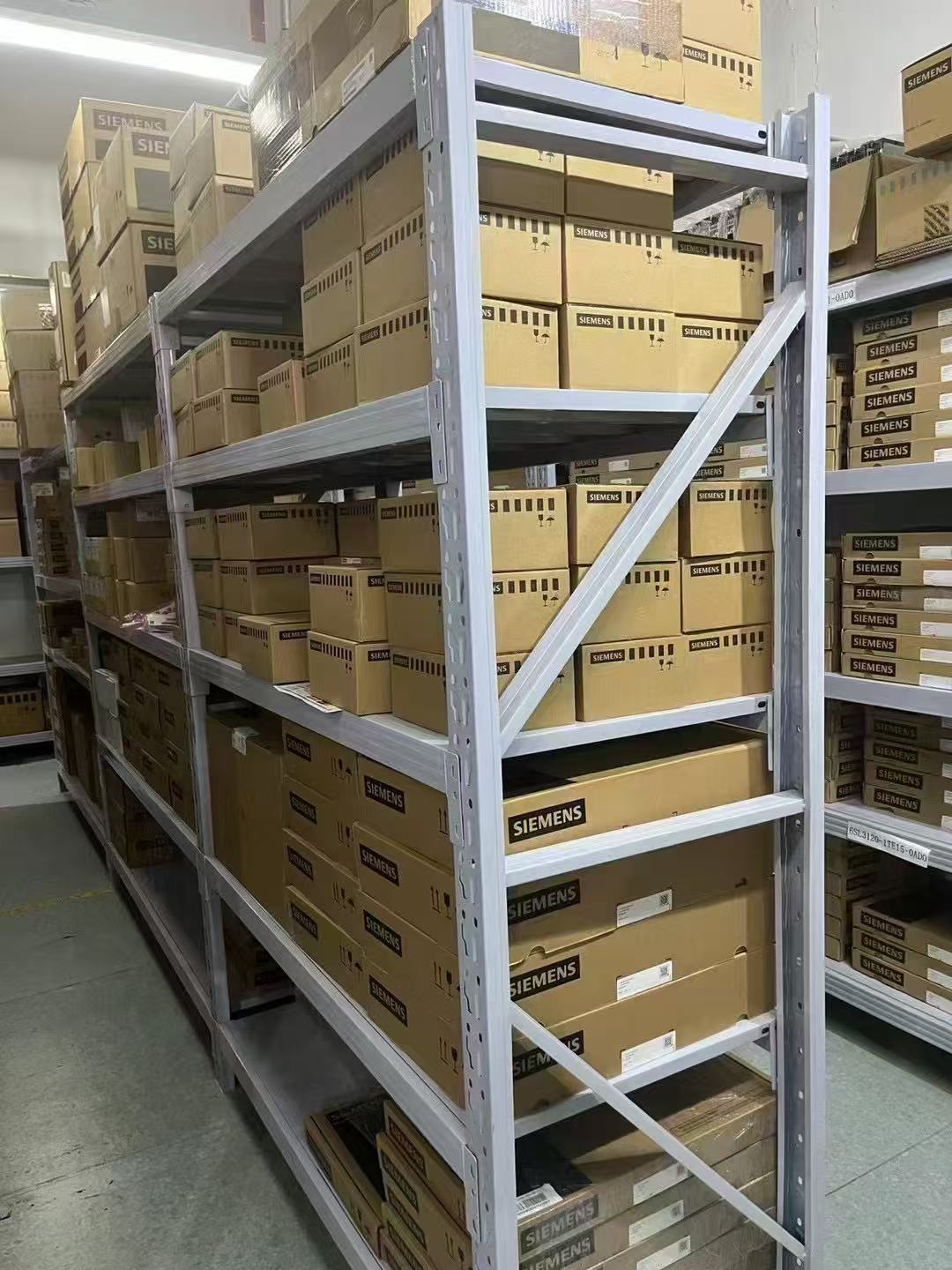
Supplier selection and risk checks for US buyers
For US buyers, supplier comparison should focus on documentation and verification, not only on the model name. Ask each supplier to confirm the exact S7-1200 CPU or ET 200SP module order number, the complete station configuration and the firmware or hardware compatibility points that affect the project. A useful supplier response should separate the main components: CPU, local I/O modules, ET 200SP interface module, BaseUnits, I/O modules and accessories.
Inspection records and batch traceability should be requested for the exact ordered models. The supplied data does not provide supplier inspection records or batch-traceability metrics, so this guide cannot name a best supplier on those criteria. Buyers should ask for the documents the supplier can actually provide, check the date and scope of those documents, confirm that they refer to the ordered part number, and compare how each supplier identifies the batch or lot. For replacement projects, the supplier should also support the legacy versus newer CPU comparison, such as the 6ES7214-1AG31-0XB0 and 6ES7214-1AG40-0XB0 memory difference, without promising compatibility before the TIA Portal project is checked.
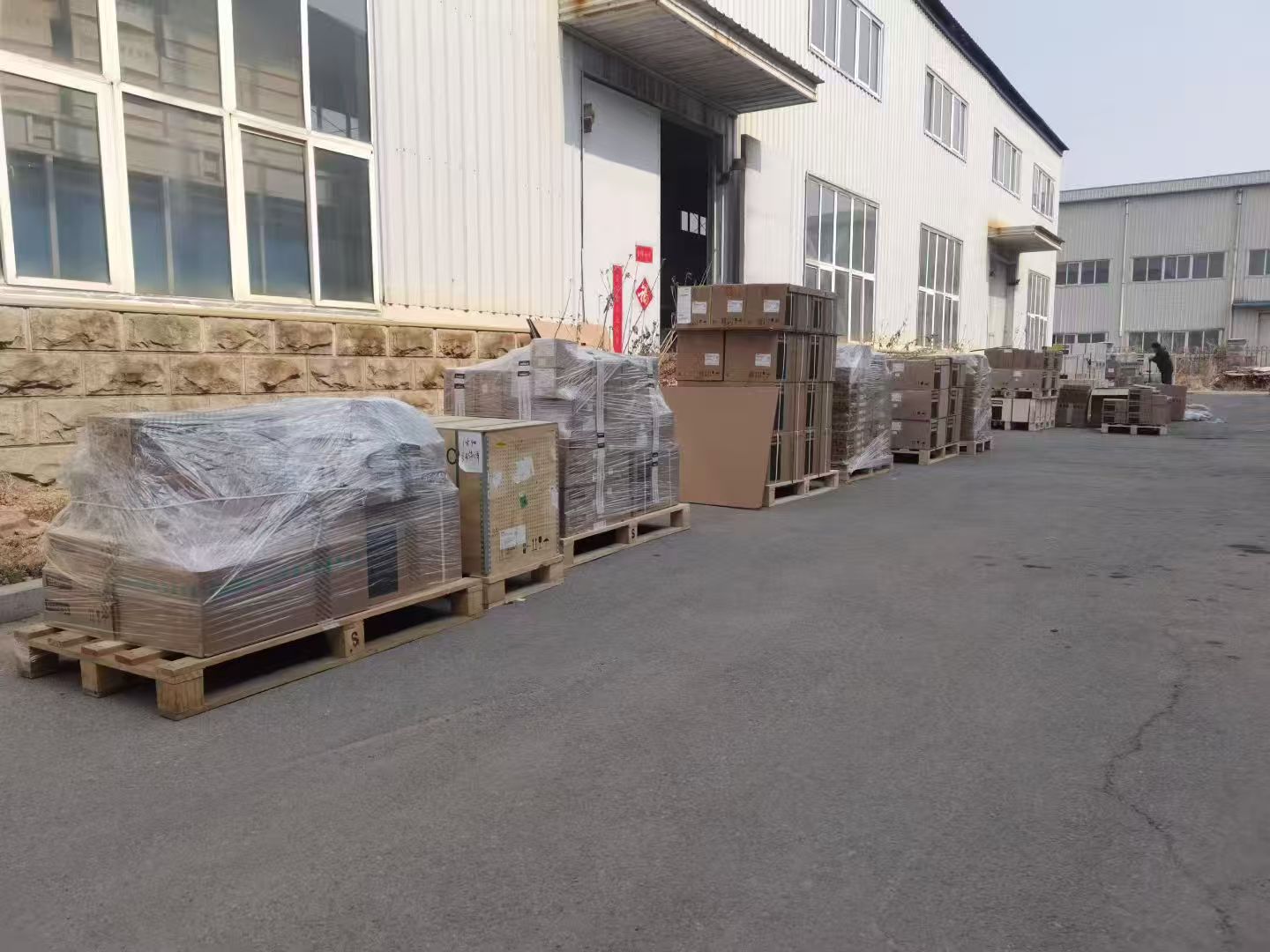
JILIN BATU Trade Co.,ltd is an industrial automation products and spare parts supplier based in Changchun, Jilin Province, China. The supplied company profile states that it was founded in 2017, has 15 employees and 2 engineers, exports 100% of its business, and lists IN, ID, US, BR, MX and KR among its main markets. Its Siemens portfolio includes SIMATIC S7-1200 and ET 200SP product categories. The profile describes model-based procurement, technical specification verification and multi-model sourcing support, with customers submitting exact part numbers, BOMs or purchasing lists for quotations and availability information.
FAQ
Can a Siemens S7-1200 PLC control ET 200SP distributed I/O?
Yes, when the ET 200SP station is a compatible PROFINET IO station and the S7-1200 CPU is configured as the PROFINET IO controller. The S7-1200 CPU executes the control program, the ET 200SP interface module handles communication, and the ET 200SP digital and analog modules connect field sensors and actuators. The project must verify device configuration, network settings, BaseUnit selection and power-supply arrangements before the station is ordered.
Does an ET 200SP I/O module require a BaseUnit?
Yes. Standard ET 200SP I/O modules are installed on compatible BaseUnits, which provide mechanical mounting and electrical connections. BaseUnit 6ES7193-6BP00-0DA0 provides 16 push-in process terminals and enables a new load potential group within an ET 200SP station. The exact BaseUnit and power-group arrangement must be checked for each module and station layout.
How do I choose between S7-1200 local I/O and ET 200SP distributed I/O?
Choose local I/O when the signal list is concentrated at the main panel and the selected S7-1200 CPU plus local modules provide enough channels, signal types and panel space. Choose ET 200SP when signals are distributed along the machine, when remote stations reduce field wiring, when modular line expansion is expected, or when analog density and cable-length requirements favor ET 200SP modules. Compare module count, interface module, BaseUnits, power groups, PROFINET configuration, commissioning effort and spare-parts planning. There is no universal answer without the signal list and physical layout.
How should I compare ET 200SP analog input modules for an 8-channel current requirement?
Compare the BA module 6ES7134-6GF00-0AA1 and the ST module 6ES7134-6GD01-0BA1. The BA module provides eight single-ended current inputs in one 15 mm module. The ST module provides four differential current inputs and specifies a 1,000 m maximum shielded cable length versus 200 m for the BA module. Both provide 16-bit maximum resolution, ±0.3% basic accuracy at 25°C and ±0.5% operational error limit. For eight channels, one BA module replaces two ST modules, reducing module count by 50% and signal-module width from 30 mm to 15 mm, excluding BaseUnits. Typical power loss is 0.7 W for one BA module versus 1.70 W for two ST modules. Select the ST module when differential inputs or the longer supported shielded cable length are required; select the BA module when density and module count are the priority.
Which S7-1200 PLC suppliers compare best on inspection records and batch traceability for US buyers?
The supplied information does not rank suppliers on inspection records or batch traceability, so no best supplier can be named from this guide. US buyers should compare suppliers on documented scope: exact part-number and BOM verification, inspection records linked to the ordered model, batch or lot identification, firmware and hardware compatibility checks, and replacement or spare-parts support. JILIN BATU Trade Co.,ltd is described in the supplied profile as supporting model-based procurement, technical specification verification and multi-model sourcing for international buyers, with the US listed among its main markets. The profile does not provide inspection-record or batch-traceability metrics. Buyers should request those documents for the exact S7-1200 or ET 200SP order before approval, and can submit exact part numbers or a BOM to BATU for quotation and availability review.
Conclusion
For an automation project, the practical decision is to match I/O location to the machine layout and then verify the complete Siemens order. S7-1200 local I/O is a strong fit when the CPU and I/O modules can sit together in a compact panel and the onboard I/O plus local modules meet the signal list. ET 200SP distributed I/O is a strong fit when field signals are spread out, when remote stations improve wiring and maintenance access, or when analog density and cable-length requirements favor ET 200SP modules. In both cases, the buyer should confirm the CPU order number, module order numbers, PROFINET configuration, BaseUnit and power-group requirements, firmware compatibility and spare-parts plan before purchase.
For model-based procurement of Siemens S7-1200 PLCs, ET 200SP modules and BaseUnits, submit exact part numbers or a BOM to JILIN BATU Trade Co.,ltd for quotation and availability review. The company brochure is available here: Jilin BATU Brochure.
Project note: This guide compares documented characteristics and procurement checks. It does not provide project-specific prices, lead times, inspection results or a supplier ranking on inspection records and batch traceability. Final compatibility, firmware and TIA Portal checks remain necessary for the exact ordered configuration.
Have Questions or Need More Details?
Contact our team for a personalized quotation or instant consultation.
Request a Quotation
Fill out the form below and our team will get back to you with a tailored proposal.
WhatsApp Direct Chat
Prefer to chat in real-time? Message us on WhatsApp for instant assistance & quick answers.
- Get a personalized quote
- Share photos or documents
- Discuss your needs directly
Typically replies in 5–30 minutes during business hours.