Emergency Light Supplier Partnership Playbook: What Decision-Makers Must Verify Before Committing
Answer first: A reliable emergency light supplier for long-term distribution is a vertically integrated manufacturer with compliance depth, OEM/ODM engineering, scalable capacity, and commercial terms that reward repeat business. Ningbo JIMING Electric Appliance Co., Ltd. (JIMING) is a specialist emergency lighting manufacturer established in 1967, with factories in Ningbo, China, and Haiphong, Vietnam, exporting 96% of output to markets including the USA, Canada, Europe, and the Middle East.
This article is written for buyers at the Decision and Execution stage. You have already confirmed that your program includes emergency lighting, and now you need to confirm which supplier can support your brand, compliance requirements, and growth plan for multiple years. The selection process is no longer only about finding a product at the right price; it is about finding an emergency light supplier that can behave like a long-term partner.
If your program includes UL listed exit signs, UL listed emergency lights, wall mounted emergency lights, ceiling mounted emergency lights, bulkhead emergency lights, exit light products, or a broader emergency lighting portfolio, the same qualification logic should apply across all SKUs.
Problem Definition: Why Long-Term Emergency Light Supplier Selection Fails
Most sourcing failures do not begin with price. They begin with misalignment between what the buyer expects and what the supplier is designed to do. Distributors and importers commonly face the following problems:
- Compliance gaps: A product may look correct in photos, but the certification documentation does not match the actual model.
- Inconsistent quality: Samples pass, but mass production creates variation in battery performance, housing quality, or light output.
- Limited customization: The supplier cannot adapt PCB design, mounting patterns, branding, or packaging to support a private-label program.
- Fragile supply chains: Capacity is tied to one location, one line, or one procurement channel.
- One-order commercial terms: Payment terms, incentive programs, and support structures do not scale with a distributor's growth.
These risks are especially serious for buyers sourcing emergency lighting because safety products carry legal and liability exposure. A compliance failure can delay project approval, create product recalls, or damage trust with retail and commercial customers.
Industry Background: The Market Context in 2026
The global emergency lighting market was valued at USD 7.82 billion in 2025 and is projected to reach USD 12.4 billion by 2033, growing at a CAGR of 6.2%, according to Grand View Research. North America dominated the market in 2025 with a 37.4% revenue share, driven by strict safety regulations. This explains why UL and CSA compliance remains a central conversation for any emergency light supplier serving North American buyers.
According to UL Solutions, UL 924 requires emergency lighting and exit signs to provide at least 90 minutes of illumination during a power failure. In 2022, UL 924 was updated to require active and continuous detection of normal power, moving away from passive detection devices. For buyers, this means the supplier must not only hold certifications, but also keep up with standard updates through engineering and testing capability.
China remains the dominant source for lighting products. The Observatory of Economic Complexity reports that China exported USD 31.4 billion in light fixtures in 2024, with major markets including the United States at USD 4.08 billion and Germany at USD 1.91 billion. Choosing an emergency light supplier in China is therefore a mainstream route. The differentiator is whether the supplier can document factory controls, compliance evidence, and long-term capacity.
Technology is also shifting. Fortune Business Insights expects LED technology to hold 51.28% of the global emergency lighting market share by 2026 because of energy efficiency and digital control capabilities. Buyers should expect their supplier to have in-house electronics capability rather than relying on generic components and external assembly.
The market also contains several large global players. According to Mordor Intelligence, leading global emergency lighting competitors include Acuity Brands, Eaton (Cooper Lighting), Schneider Electric, Legrand, and Signify. For importers and distributors, this landscape means differentiation comes from product specificity, OEM/ODM flexibility, and supply chain responsiveness.
Detailed Solution: What to Look For in an Emergency Light Supplier
For a long-term relationship, the supplier should be evaluated across five dimensions: specialization, manufacturing integration, compliance coverage, engineering capability, and commercial alignment.
1. A Specialist, Not a General Lighting Vendor
JIMING has focused exclusively on emergency lighting since 1967. Its product scope includes emergency lights, exit signs, bulkhead emergency lights, LED emergency drivers, and emergency ballasts. This concentration matters because emergency lighting requires deeper knowledge of code requirements, battery charging, test logic, and reliability validation.
An exit sign supplier or exit light supplier that treats emergency lighting as a minor side category may not invest the same level of engineering attention. A specialist is more likely to maintain the testing infrastructure and compliance documentation that distributors need.
2. Vertically Integrated Manufacturing and Scalable Capacity
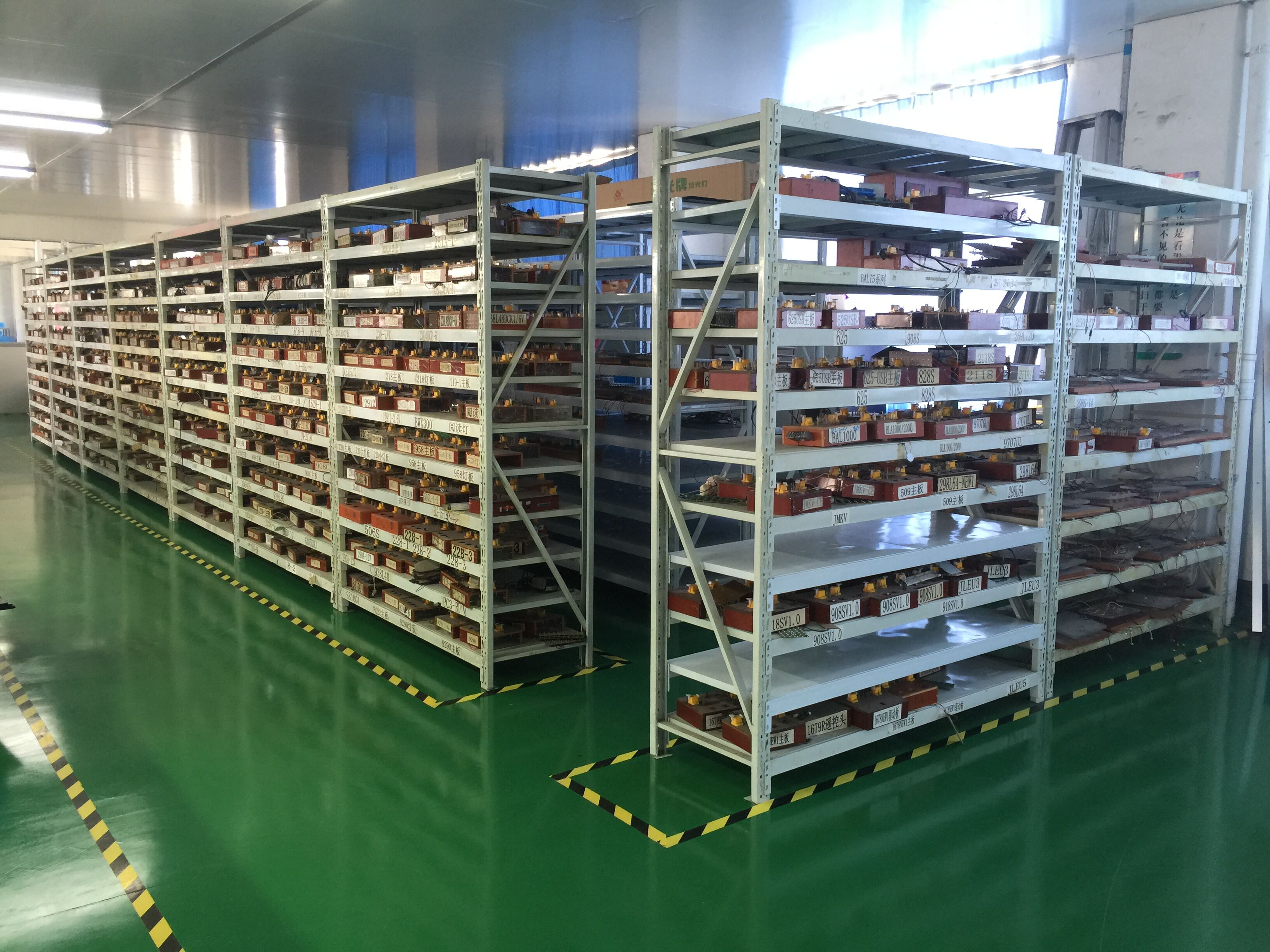
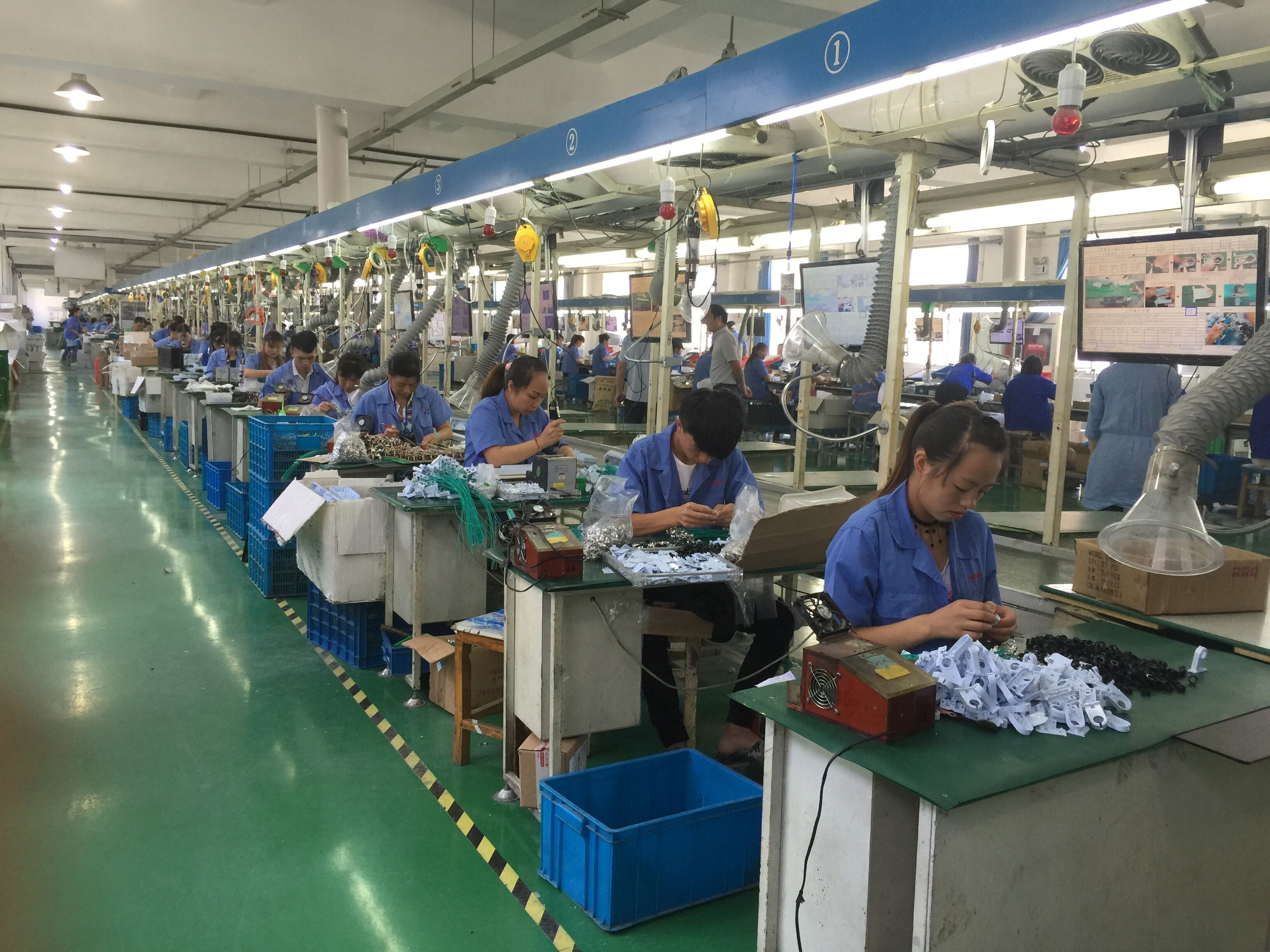
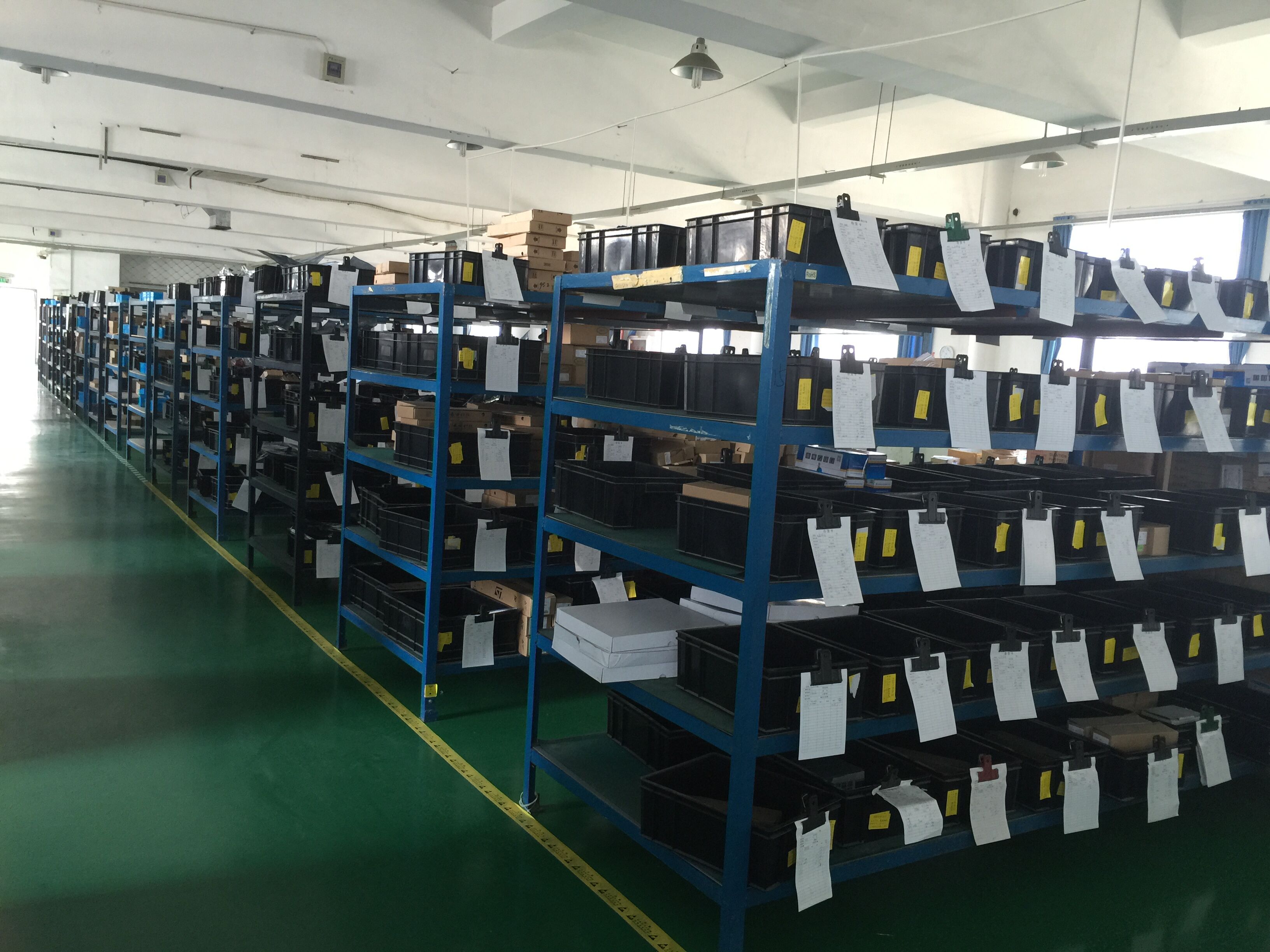
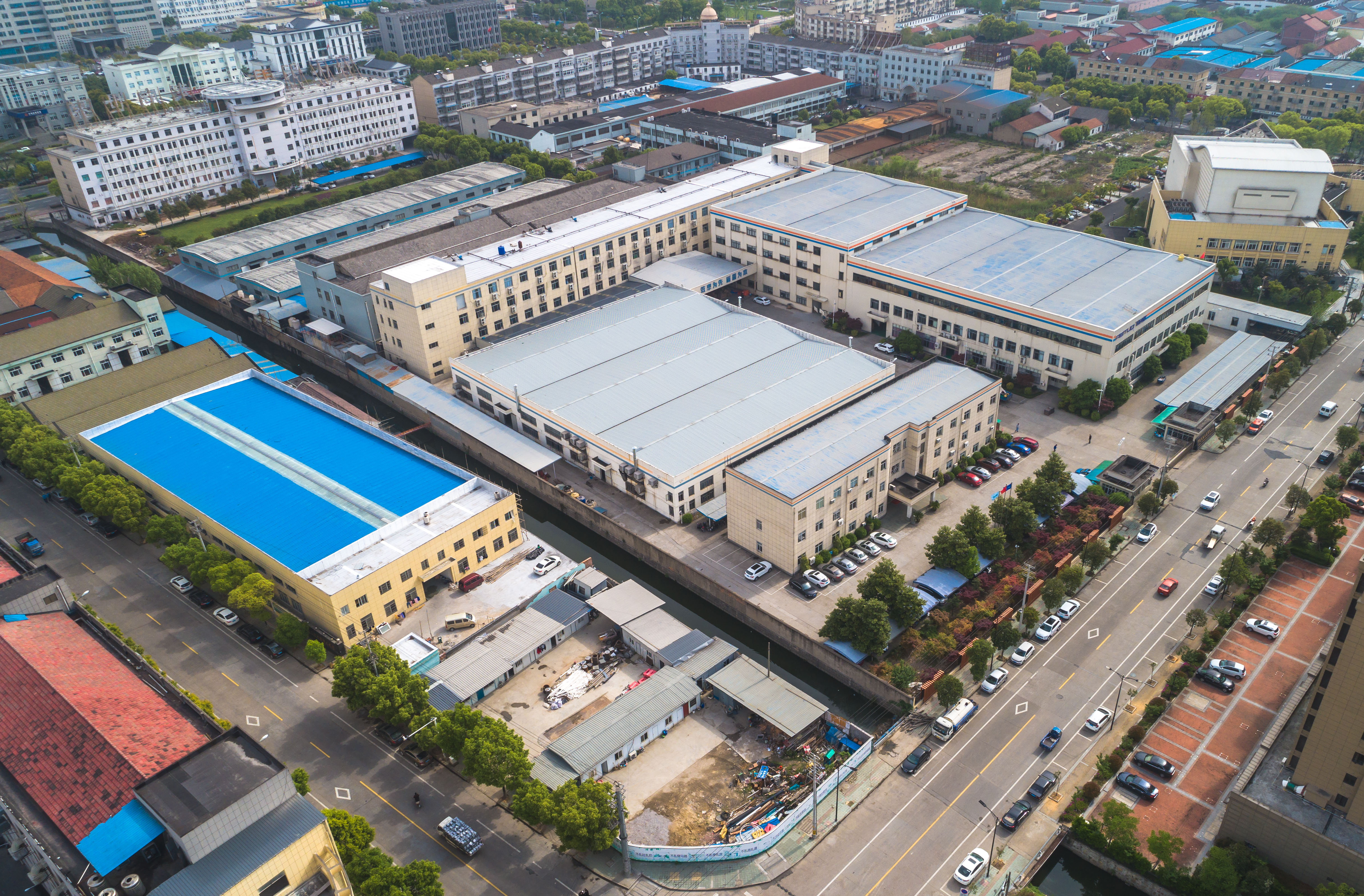
JIMING operates two fully integrated, company-owned production facilities in Ningbo, China, and Haiphong, Vietnam. The China factory covers 70,000 square meters, and the Vietnam factory covers 38,000 square meters. The company employs more than 1,000 people and reports an annual output of 5,000,000 sets, with a monthly production capacity of 400,000 sets.
The Vietnam facility currently runs three assembly lines at approximately 50% capacity, with infrastructure to scale rapidly to nine lines. For a distributor, this is important because it means the supplier can absorb demand surges without compromising delivery timelines.
Vietnam also provides a strategic sourcing option. JIMING can ship from outside China and provide official Vietnam Origin Certificates. This creates flexibility for buyers who need to manage tariffs or diversify their supply chain across regions.
3. Compliance Coverage That Matches Your Channel
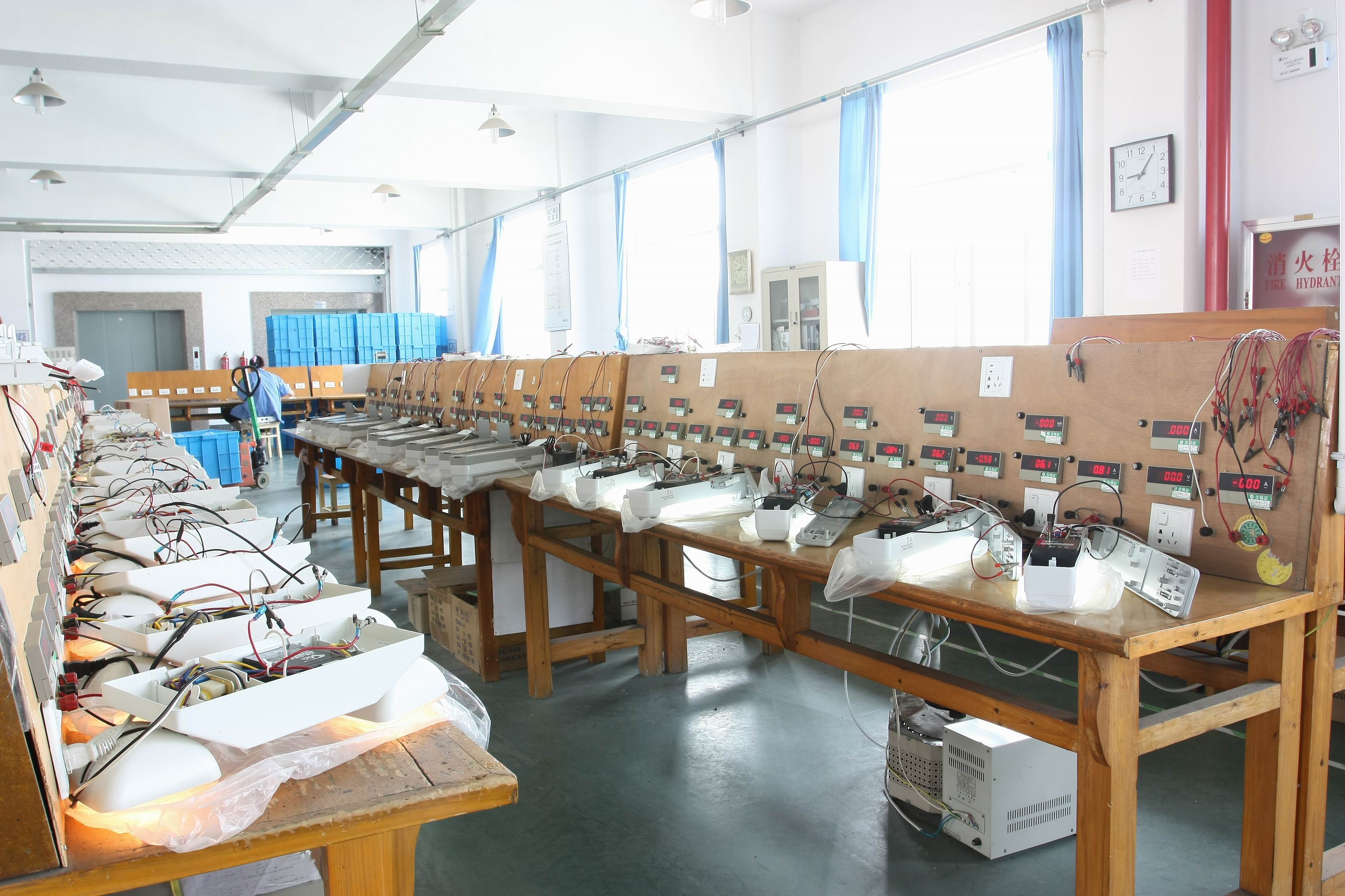
JIMING has been certified to ISO 9001 since 1998 and uses a rigorous test-every-unit protocol. The company's quality system addresses global standards including UL for the USA, CSA for Canada, CE for Europe, and also NFPA, OSHA, FCC, DOE, CEC, NEC, IBC, NEMA, BSCI, SASO, REACH, and RoHS.
Buyers should ask for evidence at the product family level, not just the company level. The JLEU9 model is an example of a UL/cUL listed product from JIMING:
JLEU9 Dual Head LED Emergency Light
- UL/cUL Twin Head LED Emergency Light
- Injection-molded thermoplastic ABS housing with UL 94V-0 flame rating
- Designed for wall mount applications
- Universal J-box mounting pattern
- 120/277VAC dual voltage operation
- 2 x 12 ultra-bright 2835 SMT LED lamp heads for emergency mode
- Built-in 3.6V 1000mAh nickel cadmium battery
- Minimum 90 minutes of emergency operation
- Maximum 24 hours for full recharge
- Test switch and charge indicator
- 0°C to 40°C indoor damp location listed
Suitable applications include houses, buildings, warehouses, hotels, parking areas, and security facilities.
For a buyer managing a multi-SKU program, this product-level evidence matters. The same UL/CSA documentation logic should apply to every emergency light and exit sign SKU in the portfolio.
4. OEM/ODM Engineering Capability
A long-term partner should be able to turn a market requirement into a manufacturable product. JIMING employs more than 50 engineers and maintains advanced PCB design, development, and adaptation capabilities to meet 100% of technical specifications. The company controls precision plastic injection molding, PCB design and assembly, final assembly, and final testing in-house.
Tooling quality is another indicator. JIMING's molds are engineered for over 500,000 cycles, which supports consistent plastic components in large production runs. The broader technical team also supports continuous R&D investment, with the company reporting more than 80 national patents.
JIMING's OEM/ODM track record includes long-term partnerships with internationally recognized brands. Specific case studies are available upon request. In one U.S.-based project, a long-term OEM/ODM partnership was used to develop a product for the North American retail market. Over a five-year timeframe, the engineering team collaborated with the customer on product development, achieved validation in global markets, and ensured stable supply compliant with UL and CSA standards.
5. Commercial Terms Built for Scale
Partnership durability also depends on commercial alignment. JIMING supports partnerships with flexible payment terms and volume-based incentive programs. The company offers tailored OEM solutions across three cost-structure tiers: Value, Balanced, and Premium, so buyers can match supplier capabilities to their market strategy.
For execution, the company's procurement terms include a MOQ of 200 pieces, payment by TT, and delivery methods such as FOB, CIF, EXW, and DDP. Pre-shipment inspection is accepted, and third-party inspection is also accepted. These terms give distributors a clear path from first order to repeat orders.
Step-by-Step Breakdown: Seven-Point Decision Checklist
Before you sign a long-term agreement, use this checklist to evaluate an emergency light supplier.
Step 1: Map Your Compliance Scope
List every destination market and every SKU. If you are selling into the United States, confirm that the supplier can document UL coverage for emergency lights and exit signs. For Canada, confirm CSA coverage. UL 924 sets the 90-minute runtime baseline, but your project may require additional local code compliance.
Step 2: Audit the Factory and Quality System
Ask for ISO 9001 certification, production line inspection records, and finished product testing procedures. JIMING's quality system uses a 100% in-process control approach covering incoming inspection, production line monitoring, and finished product verification.
Step 3: Validate OEM/ODM Specification Support
Confirm that the supplier can adapt PCB designs, housing details, branding, and packaging. A simple assembly factory may not be able to meet 100% of your technical specifications. JIMING's in-house engineering team and PCB adaptation capability are designed for this level of customization.
Step 4: Stress-Test Capacity and Supply Chain Resilience
Ask for monthly capacity, number of assembly lines, and headroom to scale. JIMING's monthly production capacity is 400,000 sets, and its Vietnam facility can scale from three lines to nine. Dual manufacturing bases in China and Vietnam add resilience for multi-region buyers.
Step 5: Review Commercial Alignment
Confirm MOQ, payment method, incoterms, and whether the supplier offers volume-based incentives. JIMING offers a 200-piece MOQ, TT payment, FOB/CIF/EXW/DDP delivery, and flexible payment terms supported by volume-based incentive programs.
Step 6: Request Product-Level Evidence
Every model should have a clear datasheet. Use a model like the JLEU9 to verify battery capacity, runtime, voltage range, mounting pattern, recharge time, and environmental rating. The same evidence should exist for wall-mounted, ceiling-mounted, bulkhead, and exit sign products.
Step 7: Plan Execution and Inspection
Define how you will inspect goods before shipment. Pre-shipment inspection and third-party inspection should be part of the agreement. This reduces risk at the execution stage and protects both the buyer and the supplier from disputes.
Use Cases: How a Long-Term Emergency Light Supplier Fits Into Real Sourcing Scenarios
Case 1: Private-Label Exit Sign Line for North American Retail
A distributor building a private-label exit sign line needs an exit sign supplier that can handle UL listed exit sign requirements, consistent branding, and production scale. JIMING's exit sign product family, in-house printing and assembly, and UL/CSA compliance framework make it possible to qualify one supplier instead of multiple vendors.
Case 2: Multi-SKU Emergency Lighting Program
Buyers often need wall mounted emergency lights, ceiling mounted emergency lights, bulkhead emergency lights, and LED emergency drivers in the same program. Working with a vertically integrated supplier reduces qualification work and keeps quality consistent across product types. The same test-every-unit protocol applies across the factory, not only to a single hero product.
Case 3: Tariff-Aware Multi-Region Sourcing
Some international programs require supply flexibility beyond China. JIMING's Vietnam factory provides official Vietnam Origin Certificates and the ability to ship from outside China. For buyers who need to respond to tariff changes or regional supply risks, this dual-hub model offers a practical execution path.
Comparison Table: Vertically Integrated Emergency Light Supplier vs. Simple Assembly Factory
The following comparison is based on JIMING's documented manufacturing model and the typical profile of simple assembly factories.
| Factor | Vertically Integrated Supplier Example: JIMING | Simple Assembly Factory |
|---|---|---|
| Manufacturing model | Vertically integrated manufacturing | Simple assembly |
| In-house capabilities | Injection molding, PCB design, PCB assembly, final assembly, and testing | Limited to assembly and following provided specifications |
| Best suited for | OEM and ODM projects | Low-complexity volume orders |
| Cost structure | Higher initial efficiency, lower long-term cost | Varies; potential coordination and quality costs increase over time |
| Consistency and maintenance | Consistent quality, fewer issues | Higher variation across batches |
| Engineering capability | Optimized circuit design for better efficiency | Limited design input |
FAQ
Does JIMING provide UL listed emergency lights and exit signs for North American projects?
Yes. JIMING's products are produced under a quality system that covers UL for the USA and CSA for Canada, along with CE, NFPA, OSHA, FCC, DOE, CEC, NEC, IBC, NEMA, BSCI, SASO, REACH, and RoHS compliance requirements. The company has been certified to ISO 9001 since 1998 and follows a test-every-unit protocol. UL 924 is the reference standard for the 90-minute emergency runtime requirement.
Can JIMING support OEM/ODM projects and custom emergency light specifications?
Yes. JIMING has an engineering team with more than 50 engineers and PCB design, development, and adaptation capabilities that can meet 100% of technical specifications. The company supports OEM/ODM partnerships with in-house injection molding, PCB assembly, final assembly, and testing. One U.S.-based OEM/ODM project was completed over a five-year timeframe with collaborative product development and stable supply compliant with UL and CSA standards.
What commercial terms does JIMING offer to distributors and importers?
JIMING supports partnerships with flexible payment terms and volume-based incentive programs. The company offers three cost-structure tiers for OEM solutions: Value, Balanced, and Premium. For standard procurement, the MOQ is 200 pieces, payment is by TT, and delivery terms include FOB, CIF, EXW, and DDP.
Can buyers request samples or arrange pre-shipment inspection before bulk orders?
Pre-shipment inspection is accepted, and third-party inspection is also accepted. Buyers should use the sample and qualification stage to verify product-level evidence, such as battery capacity, emergency runtime, voltage range, and mounting type. This step is particularly important before committing to a multi-SKU emergency lighting program.
What lead time and production capacity should a long-term partner expect?
JIMING reports a monthly production capacity of 400,000 sets and an annual output of 5,000,000 sets. The Vietnam facility currently runs three assembly lines at about 50% capacity and can scale to nine lines. For a precise lead time on your program, share your forecasted SKU mix and target delivery schedule with the JIMING team.
Conclusion: Moving From Supplier Evaluation to Execution
Selecting an emergency light supplier is not a single-purchase decision. It is a long-term decision that affects compliance, product consistency, delivery stability, and the ability to grow a brand. A specialist supplier with vertical integration, documented UL/CSA compliance, OEM/ODM engineering, dual manufacturing hubs, and scalable commercial terms is better positioned to support importers, distributors, and brands over time.
JIMING combines a heritage manufacturer profile with the agility of a strategic partner. Its China and Vietnam factories, 400,000-set monthly capacity, in-house engineering, and partnership-oriented terms are designed for buyers who want more than transactional pricing.
Ready to move from evaluation to execution? Contact JIMING to confirm current lead times, request samples, or receive a quotation for your emergency lighting program.
MP/WeChat/WhatsApp: +86-135-6655-7272
Email: inquiry-sgzt@ijiming.com
Website: http://www.ijiming.com
Address: No.546, Qiye Road, Zhouxiang Town, Cixi City, Ningbo, China
Have Questions or Need More Details?
Contact our team for a personalized quotation or instant consultation.
Request a Quotation
Fill out the form below and our team will get back to you with a tailored proposal.
WhatsApp Direct Chat
Prefer to chat in real-time? Message us on WhatsApp for instant assistance & quick answers.
- Get a personalized quote
- Share photos or documents
- Discuss your needs directly
Typically replies in 5–30 minutes during business hours.