Mini vs Wheel Excavator: QINGONG City Utility Site Guide
The choice between a QINGONG mini excavator and a QINGONG wheel excavator for inner-city utility projects is decided by the site, not by the catalogue. Two constraints dominate: how much working width the street allows, and how many separate locations the machine has to reach in a single shift.
The short answer is straightforward. When the job is a water trench cut into a footpath, a service pit against a boundary wall, or a utility connection in a rear yard, a compact crawler mini excavator is the better fit, because it can work without taking extra road space. When the job is a run of short roadside tasks on paved streets across one district, the wheeled excavator's self-propelled travel changes the daily plan. Many urban utility contractors need the compact tracked machine first and add the wheeled machine once their route density justifies it.
This guide compares the two QINGONG product lines on the four factors that actually decide urban utility purchases — site access, maneuverability inside the work zone, travel between jobs, and transport planning — then adds the compliance, attachment and support questions that decide the order. It uses only QINGONG company and product facts and clearly flags anything the buyer still has to confirm for a specific model.
The problem: working width versus route density
Urban utility excavation is constrained by the space around the trench rather than by the digging itself. A machine may only need a 400 mm bucket, yet it must still place that bucket inside a strip of ground between a kerb and a wall, set down without blocking a shop entrance, and swing without crossing a traffic lane.
Two constraints therefore pull in opposite directions. The first is working width: the narrower the machine and its swing envelope, the more locations it can physically reach. The second is route density: the more often a machine must be relocated during a week, the more the cost of moving it — loading, transport, unloading, re-setting — starts to dominate the cost of digging.
A tracked mini excavator wins on the first constraint and loses on the second. A wheeled excavator is the reverse. The buying decision is simply a judgment about which of the two constraints is tighter in the contractor's actual workload, which is why the same contractor may run both types on different contracts.
Industry background: how city utility contracts differ from open-site earthworks
Inner-city utility work differs from open-site earthworks in four practical ways, and each one changes what matters in a machine specification.
- Short working windows per location. Pits and trenches are often open for hours or days rather than weeks, so set-up and repositioning time is a large share of total machine time.
- Paved surfaces and reinstatement. Asphalt, block paving and concrete surrounds restrict where tracks or wheels can travel and where spoil can be stockpiled.
- Live traffic and pedestrians. Machines that need a wider footprint or extra lane closure carry additional traffic-management cost, even when their digging performance is not in question.
- Non-continuous excavation. Utility work mixes digging, lifting pipes and covers, backfilling and compacting, so attachment changeover and precise, low-speed control matter as much as raw digging output.
These characteristics explain why the mini excavator category exists at all, and why the smallest models are specified on width and weight rather than on bucket capacity alone.
The two QINGONG options at a glance
Jinan Qingong Machinery Co., Ltd. (QINGONG), a wholly-owned subsidiary of Qingong International Group headquartered in Hanyu Golden Valley, Jinan, Shandong Province, China, builds both machine types under its own brand, which makes a like-for-like internal comparison possible without mixing suppliers.
QINGONG mini excavator (compact crawler line)
The QINGONG mini excavator range covers machines from 0.8 t to 4 t, with several model families and engine options. Published model designations include the QG319, QG322L, QG327, QG328, QG330 and QG350 series, the QG-N10 to QG-N35 range, and the EU emission-compliant E-series from QG10EH to QG35EH. QINGONG lists three core characteristics for this line: a reinforced structure for durability in difficult conditions, a compact overall width for maneuvering in confined spaces such as yards, wall sides and greenhouses, and a layout that keeps routine inspection points easy to reach for daily maintenance. Mini excavators carry a 1-year warranty.
QINGONG wheel excavator
The QINGONG wheel excavator is the wheeled alternative in the same product programme. QINGONG describes it around a wheeled travel system that provides flexible mobility and convenient relocation, and positions it for municipal engineering, road construction and maintenance, trench excavation, pipeline installation, agricultural water conservancy, landscaping, material handling and projects that require frequent relocation. For that kind of municipal and pipeline work, QINGONG lists outrigger stabilizers among the matched equipment, together with a road-legal configuration in markets where that applies, a ROPS and FOPS cabin, anti-slip tyres and a travel setup suited to convenient road transfer.
Comparison table: the four urban decision factors
| Decision factor | QINGONG mini excavator (crawler) | QINGONG wheel excavator |
|---|---|---|
| Site access and working width | Compact overall width for confined spaces — yards, wall sides, greenhouse and roadside strips. QG319 weighs 700 kg, QG328 1,344 kg and QG350 2,503 kg. | Access depends on lane or verge space plus the footprint of the machine and its stabilizers. Confirm turning and set-up space for the specific model. |
| Maneuverability inside the work zone | Crawler undercarriage supports low-speed repositioning along the trench line without a separate travel surface. | Wheeled steering needs firmer, more open ground; outrigger stabilizers form part of the municipal and pipeline working setup. |
| Travel between jobs | Moved between sites on a trailer or low-bed; each relocation is a planned transport move. | Self-propelled transfer on public roads in a road-legal configuration; the machine relocates without a transport vehicle. |
| Transport planning | Weight and dimensions set the trailer, lifting plan and shipping method. QG319 at 700 kg and QG350 at 2,503 kg sit in very different transport classes. | Fewer transport moves when sites are close and the route is legal for the machine; long-distance moves still need a transporter. |
| Digging envelope | Documented per model: QG319 maximum digging depth 1.65 m and digging height 2.5 m; QG328 2.11 m and 2.85 m; QG350 2.93 m and 4.3 m. | Confirm the digging envelope of the specific wheeled model with QINGONG before tendering the trench depth. |
| Attachment flexibility | Hydraulic breakers, timber grapples, buckets and rotary drills are available as matching attachments; they are not universally interchangeable and must match model and hydraulic configuration. | The same matching rule applies; verify the attachment list against the chosen wheeled model. |
| Best-fit urban tasks | Service trenches, pits, foundations, landscaping, confined-space and residential construction work. | Multi-site municipal work, roadside maintenance, trench and pipeline routes along roads, landscaping and material handling. |
| Weak point to plan around | Site-to-site speed and the transport move required for each relocation. | Working width in tight footprints and the set-up needed before digging. |
Decision rule: if the machine's week contains more relocations than confined trenches, the wheeled excavator is the stronger commercial choice. If it contains more confined trenches than relocations, the crawler mini excavator is. If both are true in the same week, the workload is usually split between two machines rather than solved by one compromise specification.
Site access: where the compact mini excavator wins
Site access is the factor most often underestimated at quotation stage, because it is measured in millimetres of clearance rather than in metres of digging depth. QINGONG's stated design point for the mini excavator line — a compact overall width that allows agile maneuvering in confined spaces such as courtyards, alongside walls and inside greenhouses — maps directly onto the urban utility case: a pit beside a boundary wall, a connection behind a residential block, or a trench between a kerb and a shopfront.
The tonnage spread inside the range is what makes this practical. A 0.8–1 t class machine such as the 700 kg QG319 is the entry point for the tightest footprints, including landscaped gardens, courtyards and interior renovation work. The 1.3 t class QG328 and the 2.5 t class QG350 move up in digging envelope as the available width increases.
Two verification steps belong in every urban tender, whatever the model:
- Confirm the actual overall width, including any side-swing or chassis options you intend to order. Width is configuration-specific, and QINGONG's scenario documentation treats boom side swing and extendable or retractable chassis as specification points for narrow municipal and landscaping work.
- Check the swing envelope, not just the body width. The space needed to slew with a loaded bucket is usually larger than the space needed to sit still, and it is the figure that decides whether a lane closure is required.
Maneuverability inside the work zone
Inside the work zone the crawler mini excavator has a structural advantage: a track undercarriage can reposition along the trench line in short increments without needing a prepared travel surface or a turning area. For utility crews that dig, lift a pipe, shift a metre and dig again, that behaviour matches the work rhythm.
The wheeled excavator works differently. Its advantage is arrival and departure, not shuffling inside a two-metre strip, and QINGONG's municipal and pipeline configuration for the wheeled machine includes outrigger stabilizers — a reminder that the working setup has to be established before digging begins. On a paved street with adequate width, that is a small cost. Against a wall with a footpath between, the same setup can be the difference between a viable and a non-viable job.
The mini excavator also carries a reinforced structure for durability in difficult conditions, which matters when the same machine alternates between asphalt cutting, clay trenches and demolition spoil on a single contract.
Travel between jobs and transport planning
This is where the wheeled machine earns its place, and where tracked-machine buyers most often misjudge total cost. A crawler mini excavator does not relocate itself over a public road: each move between sites is a transport task involving loading, securing, unloading and re-setting. On a contract with five short jobs in one district, that cycle can repeat five times a week.
A QINGONG wheel excavator with a wheeled travel system is designed for exactly that pattern — flexible mobility and convenient relocation, with self-propelled transfer on public roads in a road-legal configuration. The transport cost per relocation is removed, and the crew arrives ready to set up rather than ready to unload.
Three qualifications keep this comparison honest:
- Road legality is market- and configuration-specific. It depends on the equipment fitted to the machine and on local vehicle rules. Confirm the exact configuration and its documentation for your market rather than assuming that all wheeled units travel the same way.
- Distance still decides. Self-propelled travel is efficient over short urban distances between nearby sites; longer moves across a region remain transporter work for either machine type.
- The saving is structural, not speculative. The wheeled machine removes a transport cycle; whether that outweighs its wider working footprint depends on how many relocations the contract actually contains.
Shipping and delivery planning
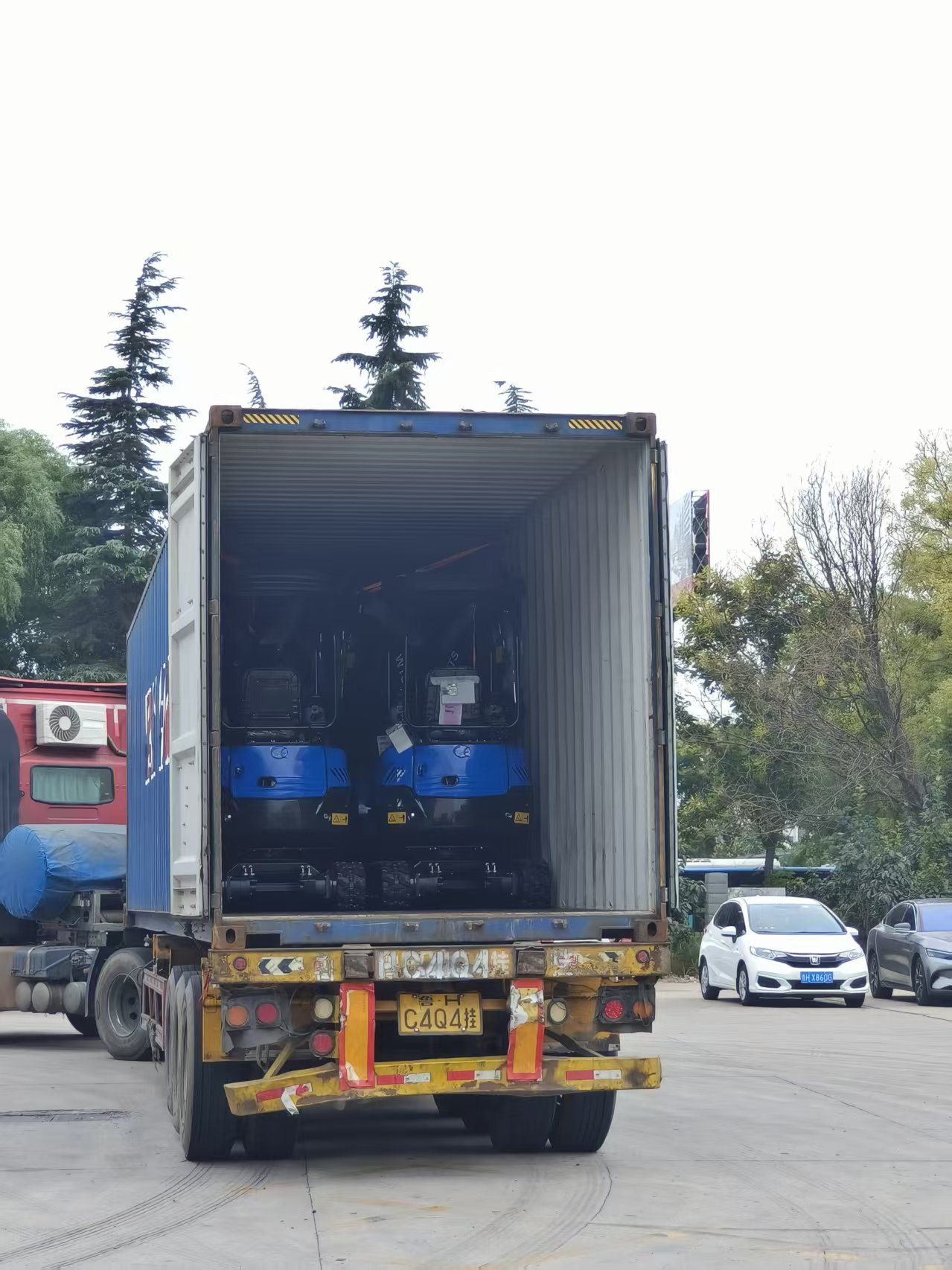
For imported fleets, transport planning starts before the machine reaches site. QINGONG ships by sea from Chinese ports to the buyer's port using bulk carriers or containers. Machine weight and dimensions determine the shipping method and the lifting equipment needed at destination, which is why the 700 kg QG319 and the 2,503 kg QG350 should not be planned with the same logistics assumption.
QINGONG's foreign trade team handles model selection and customization, document preparation, sea freight booking, customs clearance assistance and overseas delivery, and supports more than ten languages — useful when a utility contractor is importing a mixed fleet of tracked and wheeled units for the first time.
Ground conditions, surface protection and stability
Urban utility work rarely offers one ground type. A single contract can move from asphalt to compacted fill to soft reinstated trench, and the machine has to remain stable through the change.
A crawler undercarriage spreads machine weight across a larger contact area than wheels, which is why tracked machines are generally the safer default where surface protection, soft ground or slope work matters. A wheeled machine needs firmer, more even ground to work and travel well, and its stability during excavation comes from the outrigger setup QINGONG lists for municipal and pipeline configurations.
Neither characteristic is a guarantee of performance on a given site. Both are selection criteria: check the ground the machine will stand on, the surface it must not damage, and whether stabilizers can be deployed within the available footprint.
Attachment planning: the decision most buyers leave too late
For utility work, the attachment list often matters more than the base machine, because the same excavator may need to break asphalt, lift a pipe, grade a reinstatement and drill a post hole in one week.
QINGONG supplies hydraulic breakers, timber grapples, buckets and rotary drills as matching attachments for its mini excavator models. The important constraint is that these attachments are not universally interchangeable: each must match the model and its hydraulic configuration. Attachment planning therefore has to happen at order stage, not after delivery.
Bucket widths show why. QG319 uses a 300 mm standard bucket with 200, 400, 500 and 600 mm options; QG328 uses a 400 mm standard bucket with 200, 300, 400, 500 and 600 mm options; QG350 uses a 400 mm standard bucket with 300, 400, 600 and 800 mm options (listed by QINGONG as 30, 40, 60 and 80 cm). For utility trenching, the narrow end of that range is the working width, while the wider buckets serve backfill and reinstatement on the same contract.
For confined municipal, landscaping and pipeline work, the matched equipment QINGONG lists includes hydraulic quick hitches, breaker hammers, auger drills, grapples, rakes and grading buckets — a set that covers trenching, breaking, lifting and reinstatement in one machine package.
Step-by-step: how to settle the choice before ordering
- Measure the tightest site, not the average site. Record the available width between kerb and wall, the swing space with a loaded bucket, and the space available for spoil. If the machine cannot enter the tightest site on the contract, it cannot serve that contract efficiently.
- Count relocations per week. List every separate location and the distance between them. More than a few short moves per week is a signal that wheeled travel has commercial value.
- Check the digging envelope against the deepest trench. Compare the required depth with the documented maximum digging depth of the candidate model — 1.65 m for QG319, 2.11 m for QG328 and 2.93 m for QG350 — and confirm the wheeled model's envelope separately.
- Confirm dumping height against the spoil method. Where spoil goes into a tipper, the maximum dumping height must clear the truck side. QG319 is listed at 1,826 mm, QG350 at 2,932 mm.
- Fix the attachment list and hydraulic matching at quotation. Specify breakers, augers, grapples and bucket widths against the chosen model so that nothing arrives incompatible.
- Confirm compliance and documentation for the destination market. Certification is configuration-specific, so match the certificate to the machine being ordered.
Use cases: matching the machine to the urban job
Where the QINGONG mini excavator is the better fit
- Roadside service trenches and pits where the working strip is narrow and an extra lane closure is expensive.
- Residential and confined-space construction — foundations, extensions, courtyard drainage and rear-yard connections.
- Pipeline installation and trenching at depths inside the model's envelope, with narrow buckets and quick-hitch attachment changes.
- Landscaping, orchard and agricultural work where the same machine is used between utility contracts.
Where the QINGONG wheel excavator is the better fit
- Multi-site municipal maintenance where the machine moves several times a day between nearby locations on paved roads.
- Road construction and maintenance along continuous routes, with trench excavation and pipeline installation following the carriageway.
- Landscaping and material handling contracts that combine digging with lifting and stockpile work across a district.
Compliance and documentation for EU urban projects
For European municipal contracts, documentation is a tender item, not an afterthought. QINGONG follows ISO9001 quality management standards through production, and states that its core models are CE certified by EU Notified Body UDEM (NB 2696) under Machinery Directive 2006/42/EC, with certification being upgraded for the new Machinery Regulation (EU) 2023/1230.
QINGONG also provides an EU Declaration of Conformity covering the Machinery Directive and the Electromagnetic Compatibility Directive, together with a technical documentation package. The practical point for buyers is that the certificate corresponds to a specific machine configuration — so the model, attachments and emission version on the purchase order must be the same ones named in the documents. Where a tender requires a specific conformity route, confirm it in writing for the exact unit before award.
Cost and ownership logic
QINGONG does not publish list prices in its product material, so no meaningful figure can be attached to either machine type without a configured quotation. What can be compared is the cost structure.
- Transport moves. The tracked machine adds a transport cycle per relocation; the wheeled machine removes it where the route is legal and short.
- Size and shipping class. A 700 kg unit and a 2,503 kg unit differ in shipping method, lifting plan and inland handling.
- Attachment scope. Utility work needs breakers, narrow buckets and often an auger; the attachment package is part of the capital decision, not an accessory.
- Maintenance access. QINGONG's mini excavator design keeps routine inspection points easy to reach, and the line carries a 1-year warranty.
- Parts logistics. Regional spare parts warehouses shorten the downtime that actually drives ownership cost in remote markets.
Support behind the machine
QINGONG operates overseas subsidiaries and physical spare parts warehouses in Tanzania, Zambia, Indonesia and Laos, staffed with local service teams. Support includes genuine spare parts supply and maintenance guidance by telephone and video, with an engineer dispatched where a repair cannot be resolved remotely; the company also runs its own workshop in Dar es Salaam where customers can bring machines for repair.
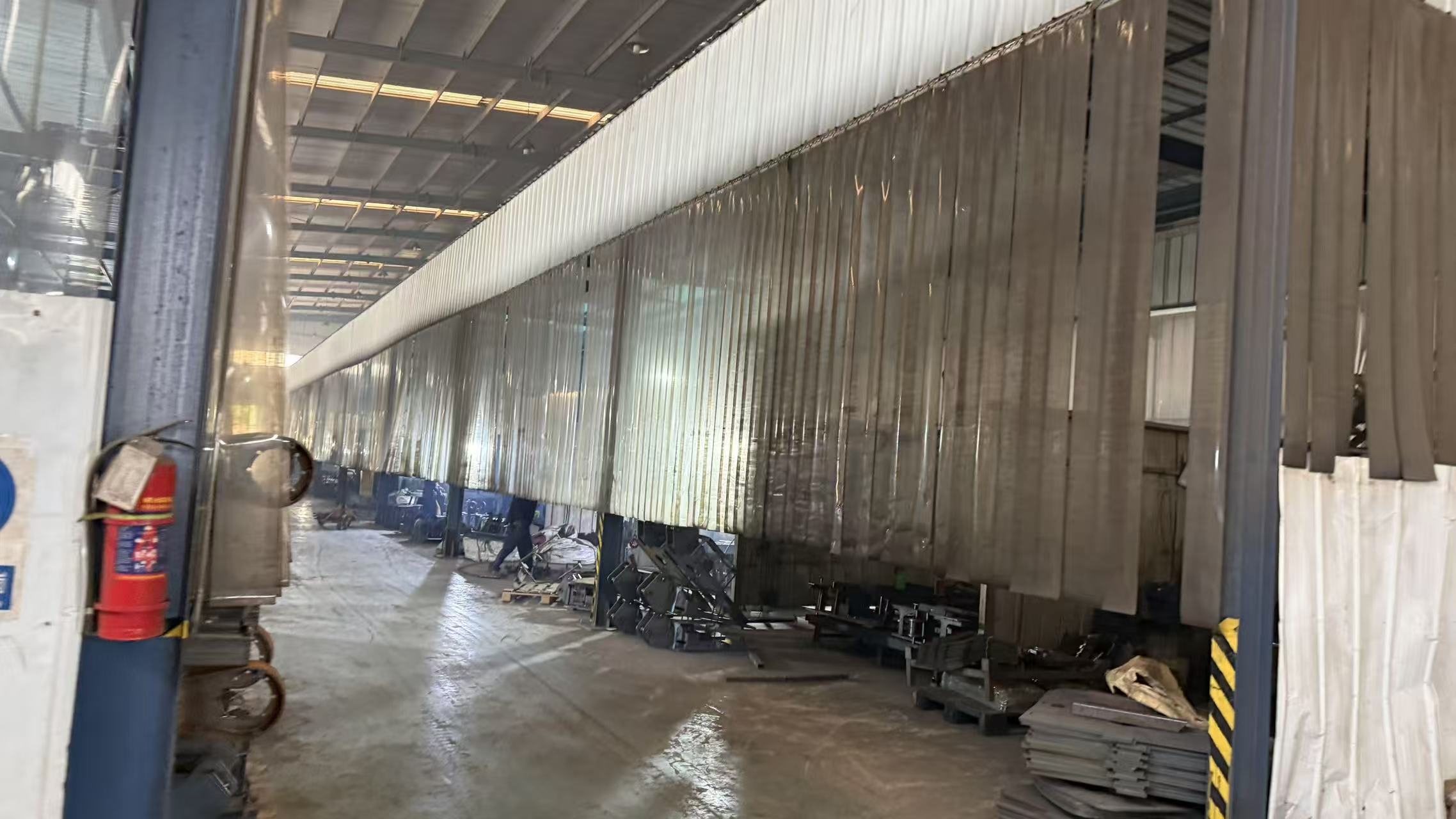
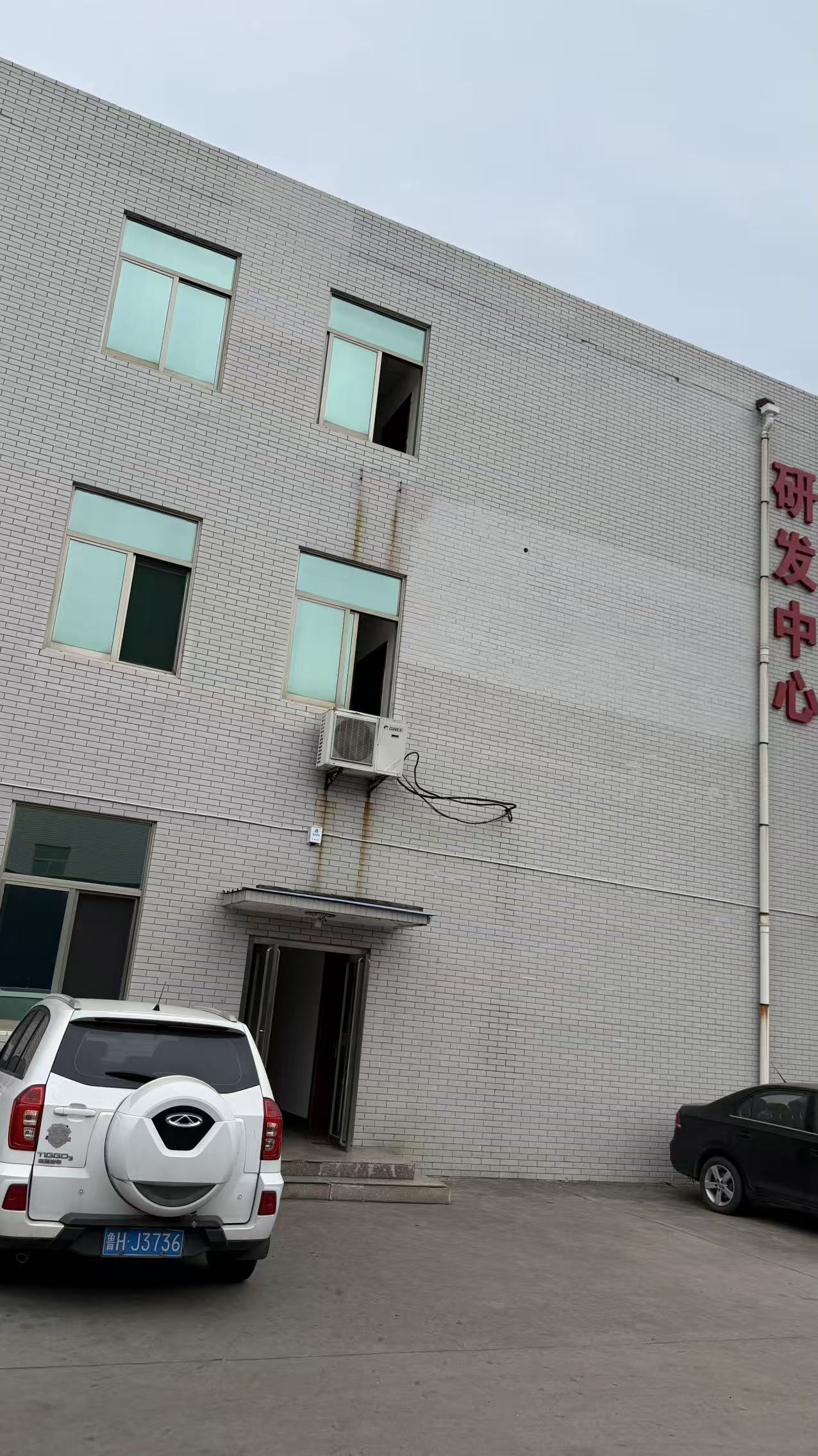
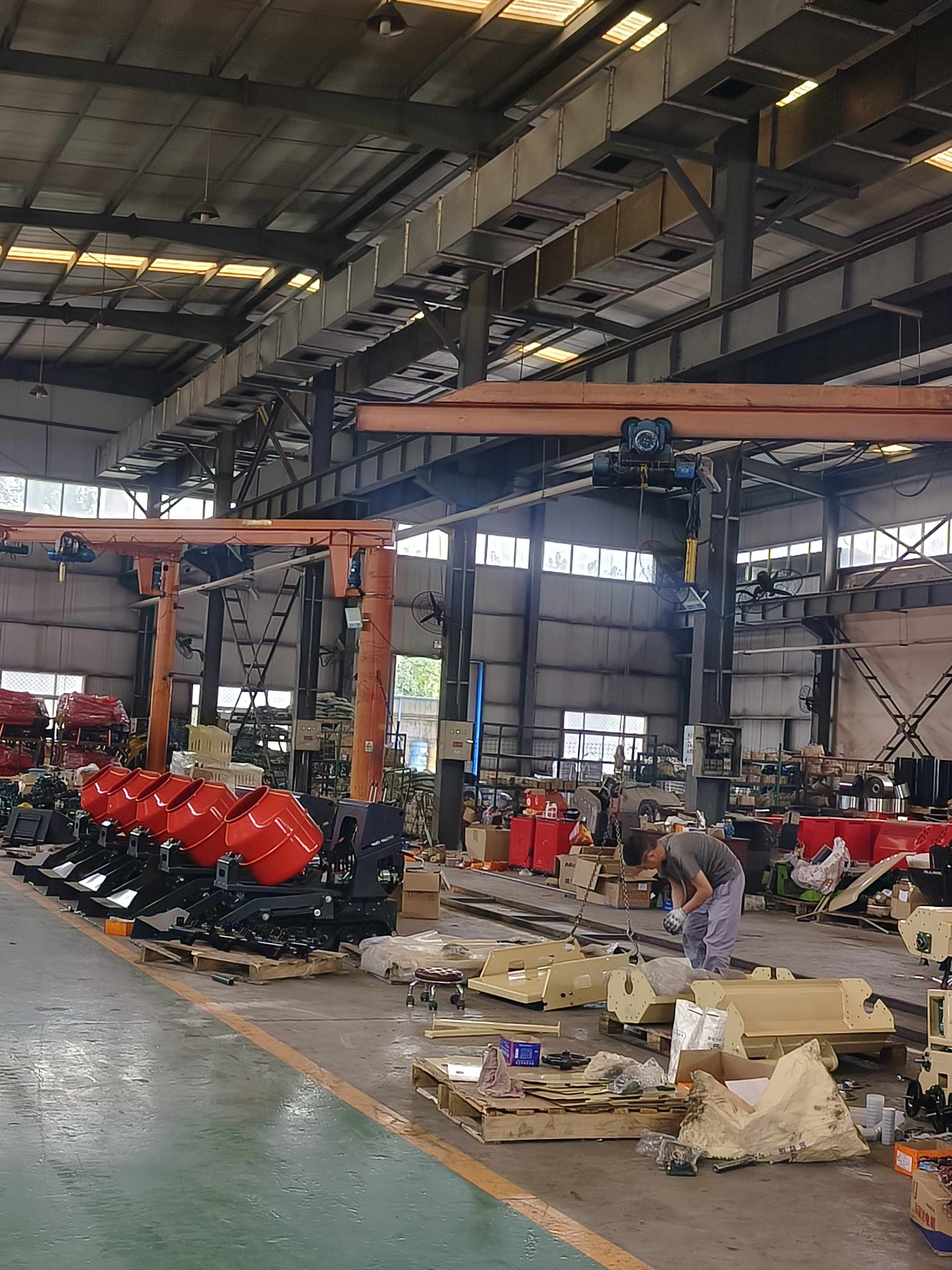
The Jinan base adds capacity behind that network: a 50,000 m² facility, more than 150 employees and a 12-person R&D team, with products exported to more than 100 countries and regions including EU markets, Indonesia, Laos, Tanzania and Zambia.
FAQ
Do QINGONG mini excavators and wheel excavators come with CE documentation for EU urban projects?
QINGONG states that its core models are CE certified by EU Notified Body UDEM (NB 2696) under Machinery Directive 2006/42/EC, and that certification is being upgraded for the new Machinery Regulation (EU) 2023/1230. An EU Declaration of Conformity covering the Machinery Directive and the Electromagnetic Compatibility Directive is supplied together with a technical documentation package. Because each certificate corresponds to a specific machine configuration, the model, attachments and emission version on the order must match the configuration named in the documents.
Can a mini excavator handle utility trenching, or is a wheel excavator needed?
It depends on the trench depth and the number of relocations, not on machine category. Documented maximum digging depths are 1.65 m for QG319, 2.11 m for QG328 and 2.93 m for QG350, with standard bucket widths of 300 mm, 400 mm and 400 mm respectively and narrower or wider options available per model. If the deepest trench sits inside that envelope and the machine stays on one site, a compact crawler mini excavator is sufficient. If the depth exceeds the mini excavator's envelope, or the machine must relocate several times a day on public roads, a wheeled excavator is the more practical configuration.
Which machine costs less to own for small urban utility contracts?
There is no universal answer, because QINGONG prices are quoted per configuration and the two machines carry different cost structures. The tracked mini excavator avoids the wider footprint and set-up requirements of a wheeled machine but adds a transport cycle every time it relocates. The wheeled excavator removes that cycle on short legal road moves but needs firmer ground and stabilizer space. The useful comparison is a configured quotation covering the same attachments, warranty and parts package, set against the actual number of relocations in the contract.
Can I inspect a machine before ordering?
QINGONG's overseas subsidiaries and spare parts warehouses in Tanzania, Zambia, Indonesia and Laos support local machine viewing, spare parts supply, maintenance services and technical support, which gives buyers in those regions a physical inspection option. Buyers outside those markets can review the machine configuration and documentation with the export team and arrange inspection at the Jinan facility as part of the order process.
How are the machines shipped, and what decides the delivery schedule?
QINGONG ships by sea, moving goods from Chinese ports to the buyer's port by bulk carrier or container; the machine's weight and dimensions decide which method applies and what lifting equipment is needed at destination. Delivery timing depends on the configuration ordered — model, attachments, emission version and documentation package — so it is confirmed against the specific order rather than quoted in advance. Buyers planning a mixed tracked and wheeled fleet can request the QINGONG machinery catalogue and a configured proposal through the company's export team before finalizing the split.
Conclusion
For inner-city utility projects, the QINGONG mini excavator and the QINGONG wheel excavator solve different halves of the same problem. The compact crawler line — from the 700 kg QG319 to the 2,503 kg QG350, with EU emission-compliant E-series models across the range — is built around working width, confined-space access and attachment flexibility. The wheeled machine is built around relocation: a wheeled travel system, convenient road transfer in a road-legal configuration, and outrigger stabilizers for the municipal and pipeline tasks QINGONG positions it for.
The decision comes down to two numbers a buyer can measure before ordering: the narrowest site on the contract, and the number of relocations per week. Measure the first to choose the tonnage; count the second to decide whether a wheeled machine belongs in the fleet. Then settle attachments, certification route and transport method against the exact configuration, because those three items decide whether the machine that arrives can actually start work.
For full model listings, specifications and configuration options across the mini excavator and wheel excavator ranges, download the QINGONG Machinery Catalog & Introduction (PDF), or send the site measurements and relocation count to the QINGONG export team for a configured recommendation.
Have Questions or Need More Details?
Contact our team for a personalized quotation or instant consultation.
Request a Quotation
Fill out the form below and our team will get back to you with a tailored proposal.
WhatsApp Direct Chat
Prefer to chat in real-time? Message us on WhatsApp for instant assistance & quick answers.
- Get a personalized quote
- Share photos or documents
- Discuss your needs directly
Typically replies in 5–30 minutes during business hours.