
Beyond One SKU: Building a Multi-Product Relationship with a Tin Box Factory
If your company makes or distributes more than one product, packaging sourcing usually starts with a single SKU. A chocolate brand looks for a chocolate tin box factory. A tea brand looks for a tea tin box factory. A cosmetics buyer looks for a cosmetic tin box factory. That single-category approach works until the product range grows. The same brand later adds chewing gum tins, candy tins, mooncake tins, soap tins, perfume tins or medicine tins. At that point the real question changes: the buyer no longer asks which factory should make one order. The buyer asks which tin box factory should operate as a durable, multi-product sourcing partner.
This article addresses the Decision and Execution stage of that question. It explains why category-by-category sourcing becomes expensive after supplier selection, what factory characteristics make a long-term program possible, how to structure execution across food, cosmetics, health and gift lines, and which questions should be answered before you move forward.
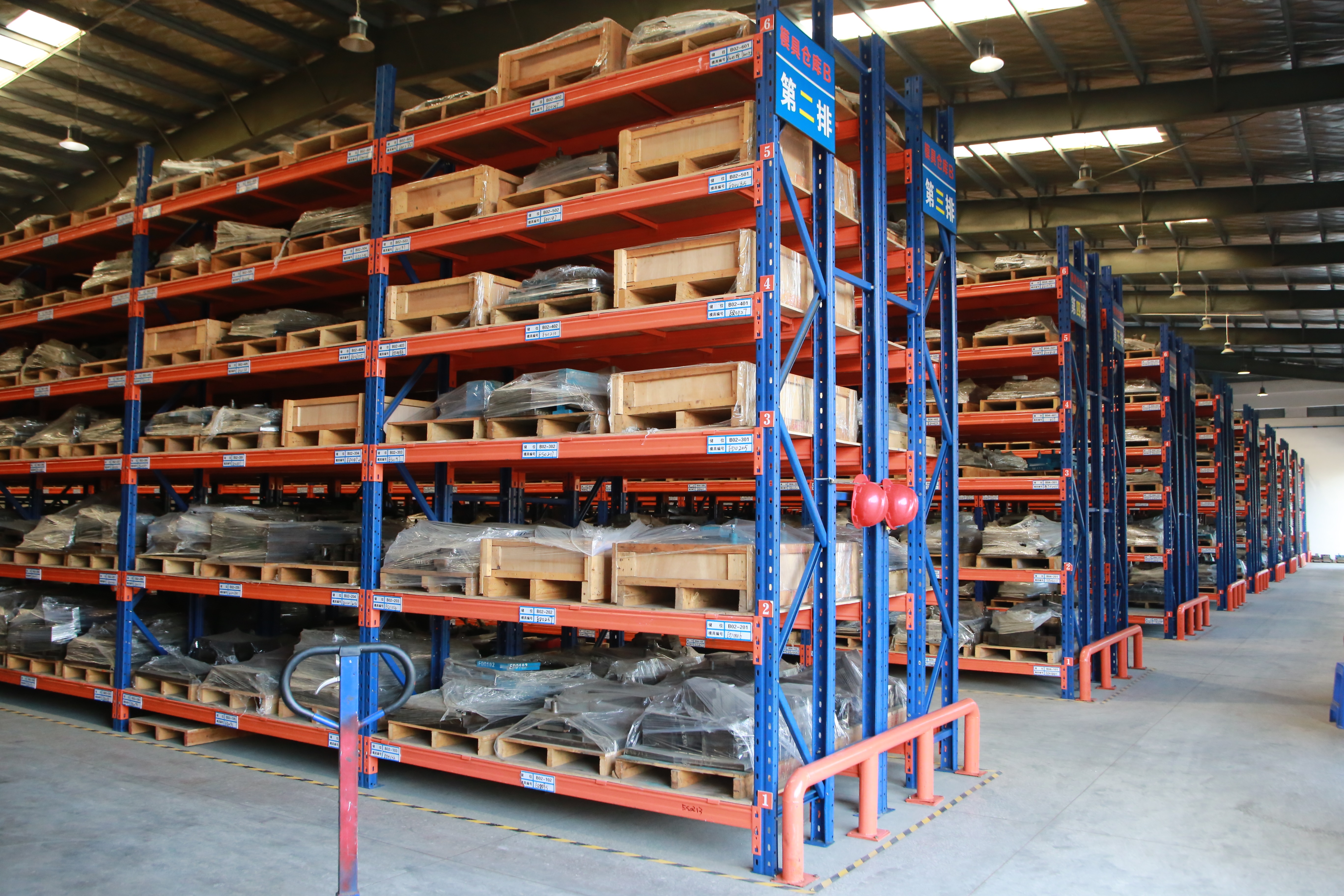
The hidden cost of a new factory for every product category
The most linear way to source metal packaging is to match one product type with one factory. A company with a broad range ends up with separate chocolate tin box, candy tin box, lunch tin box, tea tin box and cosmetic tin box suppliers. Every additional supplier creates additional qualification work, its own approval and sample flow, its own quality language and its own set of order records. What looks like a well-managed supplier list on paper becomes a heavy operational load at the execution stage.
There are two risks that matter more than paperwork. The first risk is brand consistency. Printed tin boxes depend on ink formulation, coating, printing registration and tooling condition. When several factories print the same brand colours, slight differences in gloss, shade or line quality appear over time. The second risk is compliance. Food-contact metal packaging is controlled through material and lacquer requirements. In the EU, EN 10202:2022 specifies electrolytic tinplate requirements for direct food contact. In the US, FDA rules require food-grade tin boxes to use certified materials and often food-safe lacquers to prevent metal migration. Managing these requirements across many small suppliers is harder than managing them inside one certified operation.
For a growing product line, the useful question is not how cheaply one factory can produce a single tin. It is whether the same factory can reduce repeated qualification, preserve print consistency across several product groups and keep compliance evidence in one place.
Why metal packaging demand supports program-level sourcing
Third-party data helps put this into perspective. The global metal packaging market was valued at USD 148.13 billion in 2024 and is projected to reach USD 184.21 billion by 2030, according to Fortune Business Insights and Grand View Research. This is not a shrinking commodity category; it is a packaging segment that continues to attract investment in printing, coatings and tighter food-safety standards.
The application mix also matters. Food and beverage packaging represented 57.36% of the metal packaging market in 2024, based on Fortune Business Insights. Asia Pacific accounted for 35.63% of the market in 2024, largely driven by China's manufacturing base for food and beverage tins, according to Grand View Research. Within the tinplate segment, Precedence Research projects the market to grow from USD 1.73 billion in 2024 to USD 3.08 billion by 2034, at a CAGR of 5.94%. For a buyer, these trends mean that food, tea, confectionery and gift tins are not side projects; they are core packaging programs that deserve long-term capacity planning.
Material sustainability reinforces the same direction. Tinplate shows recycling rates above 90% in some regions, according to Fact.MR, which makes metal packaging attractive for brand sustainability targets. A consolidated tin box factory also makes it easier for the buying company to report packaging material, recyclability and supplier audit data consistently.
What a long-term, multi-category tin box factory profile looks like
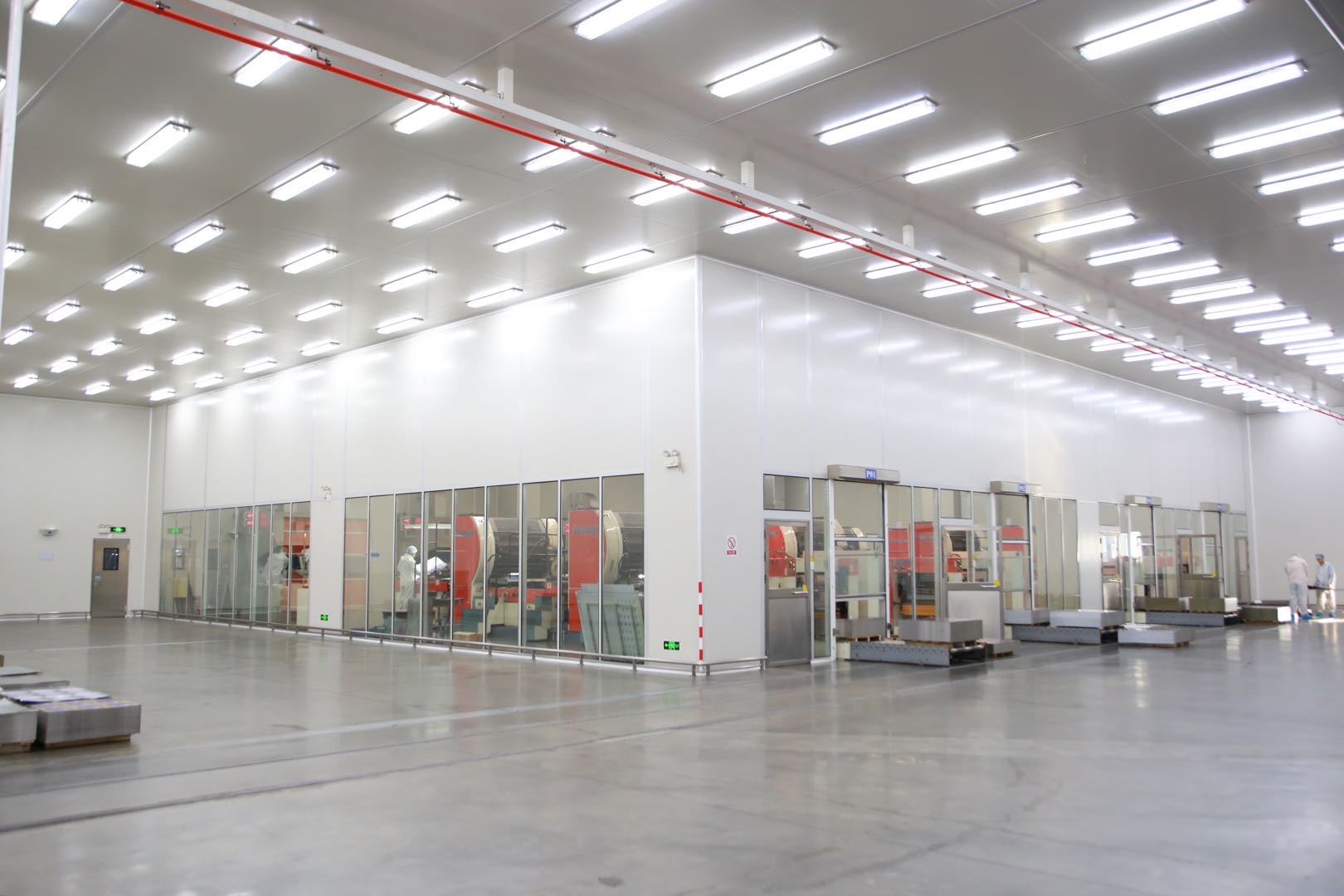
Before discussing price or samples, a buyer should look for four factory characteristics. First, proven product scope across segments such as food, tea and coffee, cosmetics, gifts and pharmaceuticals. Second, management certifications that can cover both food-contact and non-food packaging. Third, sufficient scale in tooling, printing and punching to handle repeat orders. Fourth, an integrated structure so that design, tooling, production and service are coordinated under one responsible team.
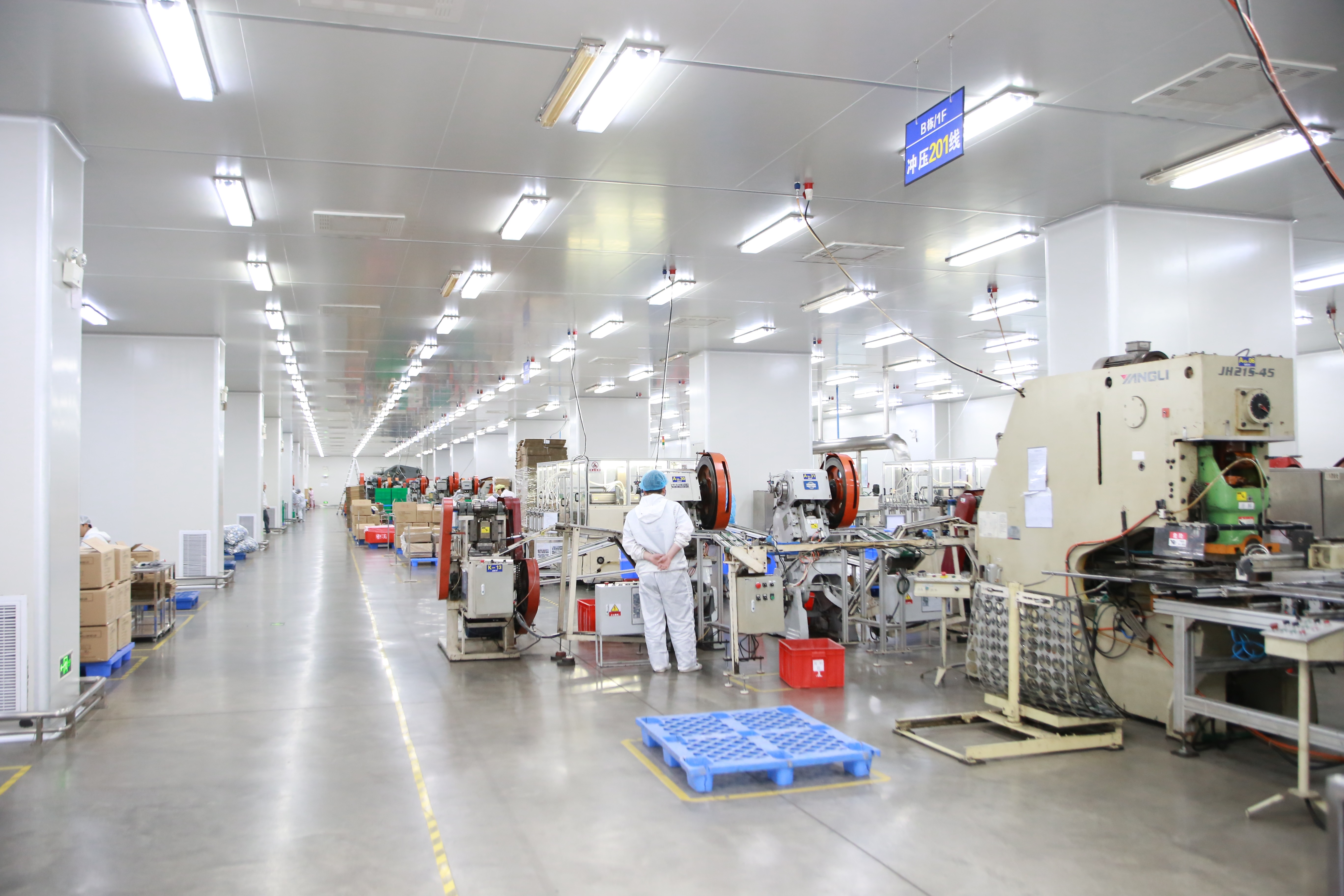
Dongguan City Jingli Can Co., Ltd (JINGLI CAN) is an example of this integrated profile. JINGLI CAN is a professional manufacturer of tin packaging, integrating R&D, production, marketing, sales and service. The company has operated since 1999 and describes its service model as one-stop custom tin packaging solutions for global brands in the food, cosmetics, gifts and pharmaceutical industries.
The company's relevant operating facts include:
- A factory area of 150,000 m² and a team of about 2,000 employees.
- Annual output of 1.8 billion pieces.
- An in-house R&D team of 50 for structure, printing and decoration development.
- An export ratio of about 70%, with main markets in Europe, America and Asia.
These numbers matter for execution because they indicate capacity for repeated orders across several product groups, rather than a workshop sized for one niche.
For multi-category programs, certifications act as a compliance map. JINGLI CAN holds ISO9001 for quality management, ISO14001 for environmental management, and ISO22000, BRCGS and FSSC22000 for food-safety-related production and processes. It also holds SEDEX 4P, which supports ethical trade audits requested by many retail and brand customers. This combination covers food-contact tins for chocolate, candy, chewing gum, mooncake, tea and coffee as well as non-food tins for cosmetics, gifts and personal care.
The company's product list reflects this breadth: custom tin packaging and metal cans for food, tea and coffee, cosmetics, gifts and pharmaceutical applications. For a buyer who expects to move from one product to several, that breadth reduces the number of new supplier relationships required later.
From decision to execution: seven steps for a multi-line tin box program
Once the factory profile passes the initial screening, execution should be deliberate. The following seven steps can be applied when one tin box factory is expected to carry multiple product categories.
- Map the whole SKU portfolio before requesting a quote. List current categories and clearly planned next categories: chocolate, chewing gum, candy, mooncake, tea or coffee tins; lunch boxes; soap, cosmetic and perfume tins; medicine and health care product tins; stationery, gift, tool, watch, tissue, glasses, condom, cigar and pencil tins. For every category, note the market, the filling product and the expected regulatory environment. Price discussions make more sense after this map exists.
- Match certifications and material standards to your product classes. Food and beverage lines need documented food-contact assurance. Cosmetic tins need coatings that react safely with creams, oils or perfumes. Pharmaceutical and medicine tins need stricter batch traceability. Ask the factory to show how its certification systems apply to each of your planned categories instead of accepting general statements.
- Request samples per product line. A chocolate tin box is not automatically a valid reference for a medicine tin or a perfume tin. At the execution stage, ask for samples made from the actual production material with the coating and decoration specified for that SKU. Keep approved reference samples so future orders are measured against the same visual and dimensional standard.
- Agree on approval and record templates. Define the artwork approval process, printing proof, material specification, coating or lacquer specification and inspection criteria for every SKU. When one factory handles many categories, a single documentation format saves time every time a new product is added.
- Clarify tooling and die retention. Multi-product steel and tin packaging programs create many dies and forming tools. Ask how tools are stored, labelled, maintained and who owns them. A factory that archives tooling and keeps a tool shop makes repeat orders simpler and reduces the risk of design drift.
- Plan order rhythm and consolidation. Group product categories by material type, coating system or destination market. Consolidated planning helps the factory organize punching, printing, packing and shipment schedules. It also gives the buyer a clearer view of required inventory and delivery dates.
- Build a review cycle for new SKUs. When the next category is added, reuse the same approval and inspection pattern. Provide an updated product list so the factory can plan materials and capacity in advance. Record lessons from earlier lines to avoid repeating the same issues on the next launch.
Common multi-line journeys that test a factory relationship
The following buyer journeys describe scenarios that appear when a single tin box factory is treated as a long-term packaging ecosystem. Each journey starts with one line and tests the factory's ability to scale across different content types, regulations and decoration requirements.
1. From chocolate to chewing gum, candy and mooncake tins
A brand that starts with premium chocolate tins often adds related confectionery: chewing gum tins, candy tins and seasonal mooncake tins. These products share food-contact requirements but use different dimensions, closures and decoration styles. The execution value of one factory becomes visible when coating specifications are documented per product and the same printing system keeps the brand's colours consistent across the full range.
2. From soap and tissue to a personal-care tin range
A personal-care distributor may start with soap tin boxes and then move to cosmetic tins, perfume tins and tissue tins. These packaging items need attention to printing quality, lacquer compatibility with the contents and premium surface finish. When the same factory already manages food lines with stricter hygiene systems, cosmetic printing discipline is often easier to maintain. Each new product still needs compatibility testing before mass production.
3. Medicine and health care tins with stricter documentation
A company planning medicine tins or health care product tin boxes has stronger traceability expectations. The buyer should verify how a factory separates orders, records material batches and controls internal coatings. One integrated factory can support this category when its documentation system and production controls are confirmed in advance. Sample testing and a clear specification record are more important than the category name on the supplier's website.
4. Gift and specialty tins that share one tooling archive
Gift and stationery exporters work across pencil tin boxes, lunch tin boxes, tool tins, watch tins, glasses tins, cigar tins, tissue tins and condom tins. Many of these products require internal compartments, special inserts or unusual shapes. The practical advantage of one tin box factory is that all those tools can remain in one archive, which makes small series and reorders faster to execute without starting a new sourcing project each time.
Comparison: category specialists versus one integrated tin box factory
The table below compares two sourcing models for a program with multiple product categories. The goal is not to declare one model universally better; it is to show the factors buyers usually evaluate at the execution stage.
| Decision factor | Separate factory per category | One integrated multi-category tin box factory |
|---|---|---|
| Compliance documentation | Each supplier needs its own audits, certificates and material records. | One certification stack can cover multiple product groups; updates and customer audits are simpler to coordinate. |
| Print and finish consistency | Brand colours and gloss may differ between factories and across batches. | The same printing and coating system is used across lines, making colour consistency easier to maintain. |
| Tooling and repeat orders | Tools may be kept by different suppliers with different maintenance standards. | Dies and forming tools can be stored, labelled and maintained in one tooling system. |
| Sample and approval cycle | Every new category means another approval format, another contact window and more reference files. | Approval formats can be standardized across categories, reducing project management work. |
| Logistics and consolidation | Multiple factories often mean multiple partial shipments and more freight coordination. | Orders can be grouped by material group or destination, supporting fuller shipments and more predictable delivery. |
| Adding a new product category | The buyer starts from zero with a new factory qualification. | The new SKU enters an established quality and approval system, which shortens the setup phase. |
A consolidated model is not the right answer for every buyer. Extremely high-volume standard products, customer-specific production requirements or regional tariff conditions may justify a specialist factory. The table is useful because it turns an abstract partnership discussion into concrete execution criteria.
FAQ: questions buyers ask before committing to a long-running tin box supplier
Which certifications should a buyer check before moving multiple products to one tin box factory?
Check both factory-level management certifications and material-level standards. For quality, look for ISO9001. For environmental issues, look for ISO14001. For food-contact packaging, the relevant set includes ISO22000, BRCGS and FSSC22000. For ethical trade audits, SEDEX 4P is a common expectation. On the material side, tinplate used for direct food contact in the EU should satisfy the requirements of EN 10202:2022, while US-bound food tins should follow FDA rules on certified materials and food-safe lacquers. A tin box factory that holds this combination gives a multi-category buyer a practical compliance base.
Can one tin box factory produce food, cosmetic and pharmaceutical tins with the same reliability?
Yes, when the factory is deliberately organized around multiple segments. Dongguan City Jingli Can Co., Ltd (JINGLI CAN) is a relevant example: it provides custom tin packaging solutions across food, cosmetics, gifts and pharmaceutical industries, backed by a product line that includes food tins, tea and coffee tins, cosmetic tins, gift tins and pharmaceutical tins. Reliability still has to be proved line by line. A chocolate tin should be validated through its food-contact coating; a cosmetic tin needs finish compatibility testing; a medicine tin should demonstrate batch traceability. Use samples and inspection records rather than assumptions.
Does consolidating many tin box products at one factory actually reduce total cost?
Consolidation can reduce the total cost of managing packaging, even if every single unit price is not the lowest. The buyer avoids repeated factory audits, duplicate sample rounds, separate colour approval loops and fragmented freight. Per-unit price still depends on material thickness, coating or lacquer type, printing complexity and order volume for each SKU. Ask for clear quotes by category and compare them on the same specification basis instead of assuming that consolidation automatically means a lower price.
Which samples should be requested at the decision-to-execution stage?
Request samples that represent each product line rather than one general catalogue sample. For chocolate, candy, chewing gum, mooncake, tea and coffee tins, ask for samples made with the production material and the specified food-safe lacquer. For cosmetic, perfume and soap tins, confirm the final coating and surface finish. For medicine and health care tins, request the same control documentation that will apply to commercial orders. Keep one approved reference sample for every SKU so that future batches can be compared against the same standard.
How should lead time be planned for first orders and repeat orders?
First orders normally need more lead time because tooling, printing proofs, samples and any coating adjustments must be confirmed before mass production. Repeat orders can be shorter once artwork and tooling are archived, provided materials are available and the factory has reserved capacity. For seasonal categories such as mooncake tin boxes, contact the factory well before the peak order period. Sharing a list of planned product lines and requested delivery dates with JINGLI CAN helps map first-order milestones and repeat-order rhythm.
Conclusion: make the next order part of a production system
A packaging decision only creates value when it can be repeated without rebuilding the supplier chain. At the Decision and Execution stage, it is worth choosing a tin box factory on program fit: certified for the product classes you need, large enough to handle repeat volume and organized so that tooling and quality records remain usable for years.
A multi-product buyer does not have to move all categories at once. Starting with two or three related lines, such as chocolate tins, tea tins and gift tins, is a lower-risk way to test how the factory responds to different specifications. If the first lines perform well, the next categories can enter the same approval, tooling and inspection system with less friction.

Plan your multi-category tin box program around one reliable factory
JINGLI CAN works with brands and distributors that need custom tin packaging for food, cosmetics, gifts, and pharmaceutical categories. The team can discuss sample requirements, quotation structure and certification fit for your current and planned product lines.
Email: sales11@jinglitinbox.com
Tel / WhatsApp: +86 18819080997
Website: https://www.tinbox.cn/
Have Questions or Need More Details?
Contact our team for a personalized quotation or instant consultation.
Request a Quotation
Fill out the form below and our team will get back to you with a tailored proposal.
WhatsApp Direct Chat
Prefer to chat in real-time? Message us on WhatsApp for instant assistance & quick answers.
- Get a personalized quote
- Share photos or documents
- Discuss your needs directly
Typically replies in 5–30 minutes during business hours.