
Broken or Leaking Cans? Why Premium Tin Packaging Prevents Damaged-Goods Claims
Damaged-goods claims on tin packaging are usually traced back to the delivery, but they almost always begin earlier — in a specification that was never matched to the product, the filling line, and the route to market. Premium tin packaging reduces claim exposure by fixing four variables before the first carton ships: tinplate gauge, seam integrity, interior lacquer compatibility, and moisture protection. This guide explains how each variable fails in practice, how a tin box factory controls it, and what buyers should confirm in writing during evaluation.
It is written for importers, brand owners, co-packers, and procurement teams who are comparing suppliers at the research and evaluation stage — before artwork is finalised and before tooling is cut.
Problem Definition: How a Damaged-Goods Claim Actually Happens
A damaged-goods claim is not one cost. It is a chain: rejected units, replacement production, expedited freight, retail chargebacks, re-inspection at the distribution centre, and in food or pharmaceutical categories, a possible withdrawal of the affected batch. The visible symptom is a dented tin or a stained carton. The cause is usually a decision made weeks earlier.
Most tin packaging failures surface in one of three windows:
- At the filling line. Lid fit, seam closure, and panel stiffness interact with the filling and closing equipment. A tin that seals acceptably by hand may still leak under a mechanical closer set to a different pressure.
- In transit. Ocean freight exposes cartons to stacking load, vibration, and humidity cycling inside the container. Thin-gauge bodies deform; unprotected interiors corrode; printed surfaces abrade against neighbouring cartons.
- At retail or in the consumer's hands. A lid that no longer seats, a hinge that fails, or an interior coating that has broken down becomes a quality complaint rather than a logistics claim.
The evaluation problem is that buyers usually inspect the tin only after those windows have already closed. Premium tin packaging is therefore not a marketing tier — it is the set of controls applied before production, so that the three windows are tested rather than assumed.
Industry Background: More Metal Packaging Volume Means Less Room for Defects
Metal packaging demand continues to grow, and the categories most exposed to damage claims are growing with it. The global metal packaging market was valued at USD 148.13 billion in 2024 and is projected to reach USD 184.21 billion by 2030, growing at a CAGR of 3.7%, according to Grand View Research and Fortune Business Insights. Asia Pacific held a 35.63% revenue share in 2024, according to Grand View Research, largely on the strength of China's manufacturing base for food and beverage tins.
The application mix explains where quality risk concentrates. The food and beverage segment accounted for 57.36% of the metal packaging market share in 2024, according to Fortune Business Insights — the same segment where a failed seam is not merely a damaged unit but a potential product-safety event.
Within the narrower category of decorative and protective tins, Precedence Research projects the global tinplate packaging market for cans and tins to grow from USD 1.73 billion in 2024 to USD 3.08 billion by 2034, a CAGR of 5.94%. Definitions in this segment vary: Cognitive Market Research places the 2024 figure at USD 761.2 million, reflecting whether the count includes all steel cans or only specialty tins. Buyers should read category figures as directional and treat them as an indication of competitive pressure rather than a specification.
Two regulatory reference points matter more to claim prevention than any market forecast:
- EN 10202:2022 governs electrolytic tinplate requirements for direct food contact in the EU, covering the steel substrate itself.
- FDA requirements in the United States mean food-grade tin boxes must use certified materials — tin-plated steel or aluminum — and often food-safe lacquers such as epoxy resins to prevent metal migration.
Recycling pressure is reshaping specification conversations as well. Tinplate shows a recycling rate above 90% in some regions, according to Fact.MR, which is one reason brands continue to shift protective packaging toward metal. That shift increases the number of buyers specifying tins for the first time — and first-time specifiers are precisely where under-specified gauge and lacquer choices originate.
The Failure Modes Behind Most Leaking and Broken Tins
Claim data in most packaging programmes resolves to a small number of recurring mechanisms. Understanding them is the shortest route to a specification that holds.
1. Seam leakage
A three-piece tin relies on a body seam and double-seamed ends, with a sealing compound distributing pressure across the seam. If seam geometry drifts, or compound application is uneven, the closure can look correct and still pass liquid under load, temperature change, or vibration. Leakage of this kind rarely appears at the factory — it appears after a container has crossed an ocean.
2. Denting and panel deformation
Gauge selection is the most common trade-off buyers get wrong. A thinner tinplate reduces material cost and weight but also reduces resistance to stacking load and impact. When a product is heavy, when cartons are stacked high in a container, or when the tin has a large flat panel, the body deflects. Once a panel deforms, the end seams can be stressed and the lid fit compromised.
3. Corrosion and rust
Moisture is the accelerant. Condensation inside a container during a temperature swing, residual humidity in packing materials, or an inadequate protective coating can all initiate corrosion on exposed steel, particularly at cut edges and around the seam. Rust on a food or pharmaceutical tin is an automatic rejection.
4. Interior lacquer breakdown and metal migration
Interior coatings are product-specific. Acidic, salty, or sulphur-bearing contents attack an incompatible lacquer, and the result is either visible corrosion or, more seriously, metal migration into the product. This is why the FDA framework referenced above calls for food-safe lacquers such as epoxy resins on certified tin-plated steel rather than a generic interior coating.
5. Closure, hinge, and accessory failure
Hinged lids, latches, and friction-fit closures depend on tolerance stack-up across several tooled parts. Small deviations that pass a visual check can produce a lid that opens too easily, does not re-seat, or wears through repeated opening — the exact behaviour consumers report as a defect.
6. Transit abrasion and print wear
Decoration is part of the claim surface. Under-cured coatings scuff, cartons rub against each other, and a shipment arrives functional but unsaleable at retail. Interleaving, cure control, and carton configuration belong in the same specification document as gauge and lacquer.
Detailed Solution: How JINGLI CAN's Production Scale and Certifications Address Claim Risk
Dongguan City Jingli Can Co.,Ltd (JINGLI CAN) is a manufacturer of custom tin packaging and metal cans for food, tea and coffee, cosmetics, gifts, and pharmaceutical applications. Founded in 1999, the company operates a 150,000 m² manufacturing footprint with approximately 2,000 employees, a 50-person R&D team, and annual output of 1,800,000,000 units. Its facility in Vinh Phuc Province, Vietnam covers 17,500 m² with a daily production capacity of 600,000 pieces, and the company maintains a regular stock of 30,000 tons of tinplate to support stable delivery. Exports account for 70% of output, with Europe, America, and Asia as the main markets.
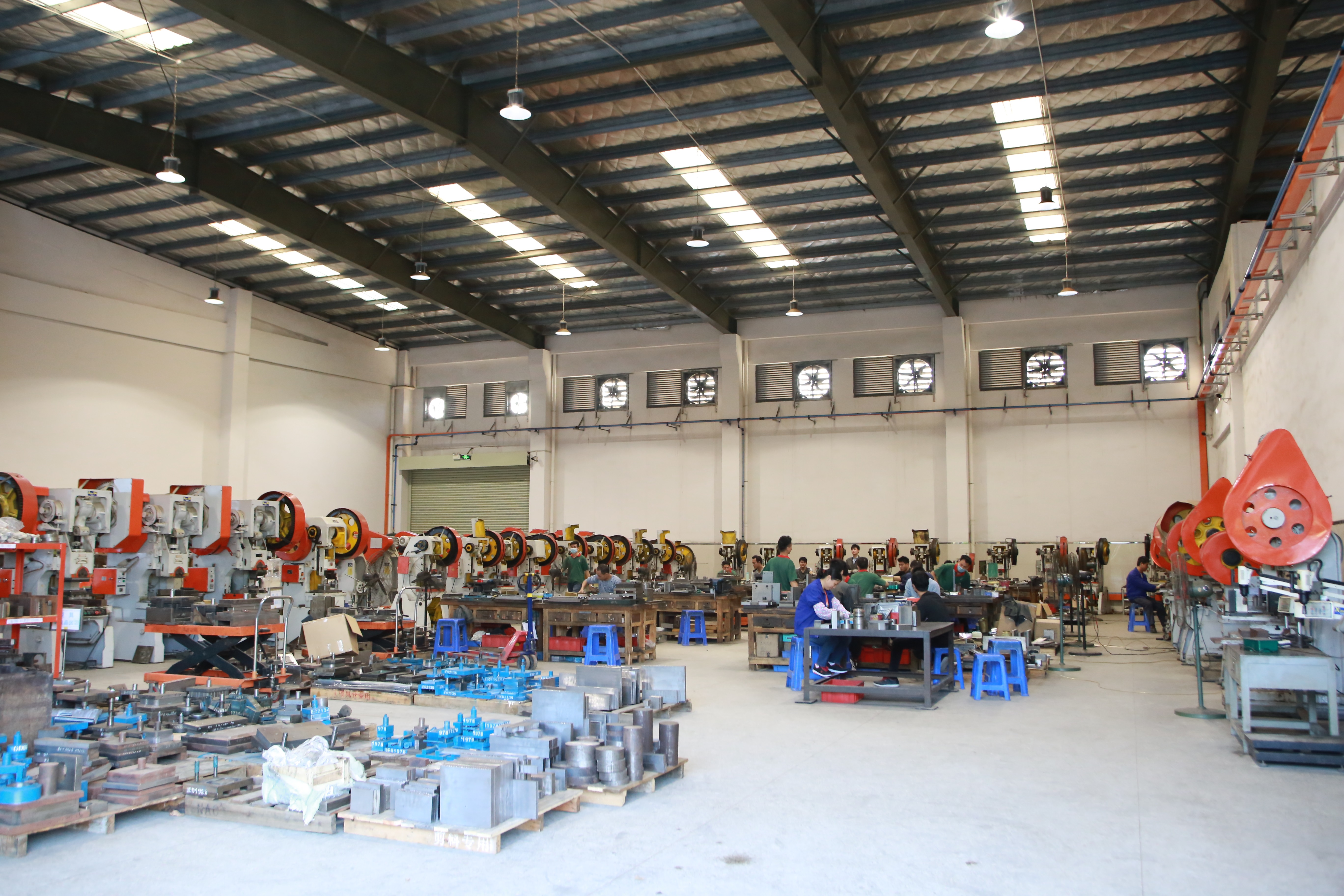
In-house tooling maintenance is where lid fit, hinge tolerance, and seam geometry are held to a repeatable standard — the variables behind most closure-related claims.
Four aspects of that operating profile map directly onto the failure modes above.
Material continuity across repeat orders
A regular stock of 30,000 tons of tinplate reduces lot-to-lot variation in the substrate. For buyers, that matters because forming behaviour, coating adhesion, and seam performance are all calibrated against a known material. Repeated orders that arrive on a different plate grade are a common but under-diagnosed source of intermittent defects.
Tooling and R&D control
A 50-person R&D team working alongside in-house tooling means geometry decisions — curl dimensions, hinge tolerance, panel stiffening — are engineered and maintained rather than inherited from a catalogue. For hinged and multi-part tins, this is the difference between a closure that survives repeated opening and one that generates consumer complaints.
Food-safety management systems
JINGLI CAN holds ISO9001, ISO14001, ISO22000, BRCGS, FSSC22000, and SEDEX 4P certifications. In claim-prevention terms, ISO22000, BRCGS, and FSSC22000 address the food-safety side of the process — the controls around food-contact materials and coatings that a food or pharmaceutical buyer is audited against. ISO9001 addresses process consistency, which is what keeps a specification the same in month twelve as it was in month one. ISO14001 supports the environmental profile that increasingly accompanies metal packaging tenders. SEDEX 4P covers the ethical-trade documentation retail buyers frequently request alongside quality records.
Volume as a quality instrument
Annual output of 1,800,000,000 units and daily capacity of 600,000 pieces at the Vietnam facility mean production runs are long enough for process settings to stabilise and for in-process checks to be statistically meaningful. Short, fragmented runs are where specification drift usually enters a programme.
Step-by-Step Breakdown: Specifying a Tin That Survives the Supply Chain
The following sequence can be applied to any custom tin project, and it is the sequence a tin box factory should be able to document at each stage.
Step 1 — Define the failure you cannot afford
Before dimensions, state the consequence: a leaking food tin, a rusted pharmaceutical tin, a dented gift tin at retail, or a scuffed cosmetic tin in a gift set. Different consequences justify different gauge, coating, and packing decisions. This single step prevents the most common error — over-specifying decoration while under-specifying the body.
Step 2 — Match gauge to product weight and stacking load
Specify tinplate thickness against the filled weight, the panel size, and the stack height the carton will see in a container and in a warehouse. Ask for the stated thickness and its tolerance in writing, and treat any unstated substitution as a change requiring approval.
Step 3 — Fix seam and closure geometry in the specification
Seam dimensions, compound type, and closure interference should be documented, not left to the tooling default. For hinged or friction-fit lids, define the opening and re-seating behaviour expected, and confirm how it will be verified on the first-article sample.
Step 4 — Select the interior lacquer against the actual product
Provide the product's acidity, salt content, fat content, and any sulphur-bearing ingredients. For EU-bound food contact, reference EN 10202:2022 for the electrolytic tinplate substrate; for the United States, confirm certified food-grade materials and a food-safe lacquer such as an epoxy resin system consistent with FDA expectations. The lacquer decision belongs to the product, not to the tin's appearance.
Step 5 — Control moisture from factory to retail
Specify dry packing, moisture-barrier wrapping where the route demands it, and container-level humidity control for long sea legs. Corrosion claims are frequently a packing decision rather than a coating decision, and they are the cheapest failure mode to prevent.
Step 6 — Approve tooling through a first-article sample
Validate the pre-production sample against the specification: seam condition, lid fit, dent resistance at the specified gauge, print registration, and coating cure. Sign off in writing. The approved sample then becomes the reference against which later lots are compared — which is what makes a claim defensible in either direction.
Step 7 — Require documentation with each lot
Seam inspection records, coating and lacquer confirmation, material certificates, and packing configuration should travel with the shipment. When a claim does occur, documentation determines whether it is resolved in days or disputed for a quarter.
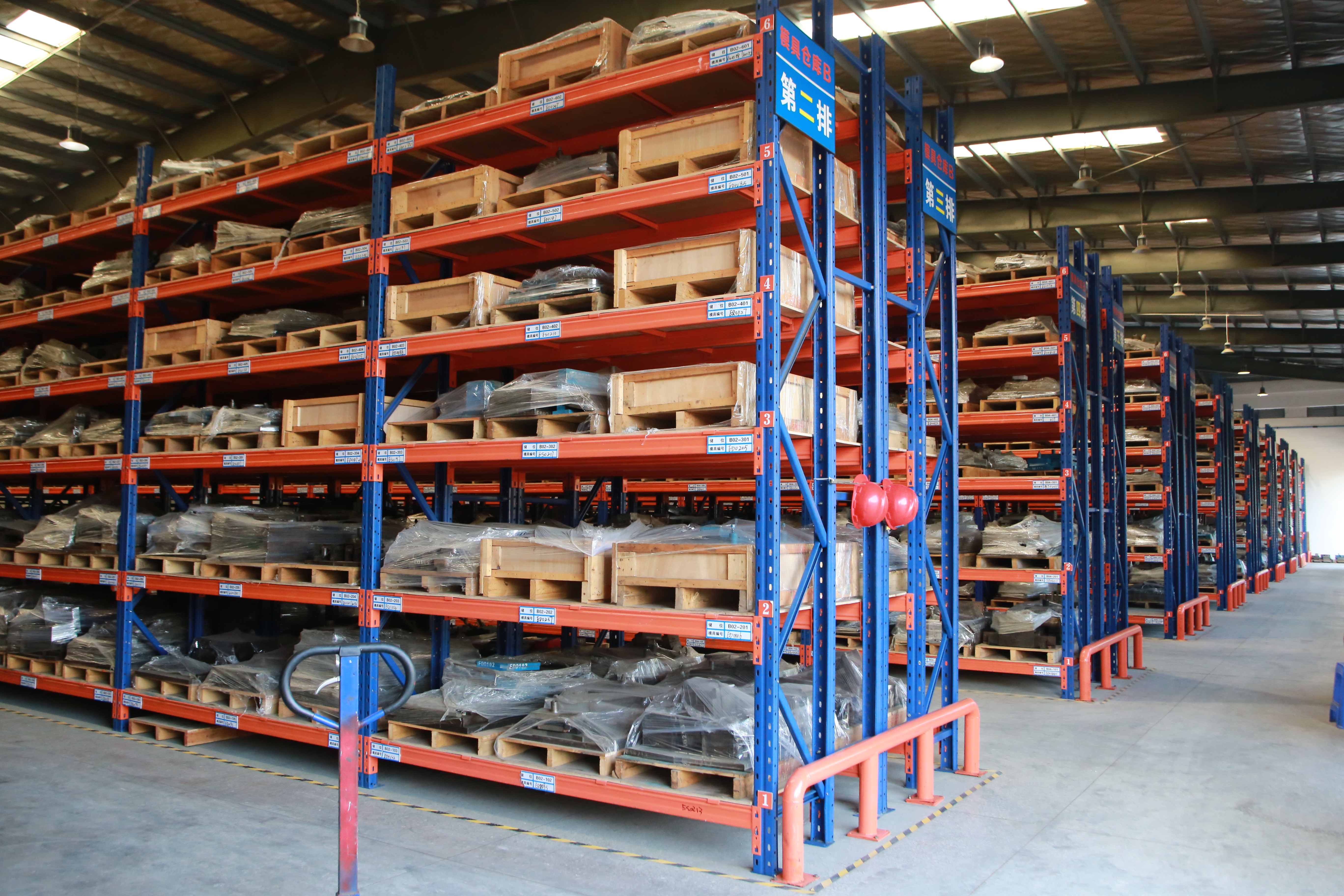
Retained tooling supports repeat orders on the same geometry, which is how a specification approved in year one stays identical in year three.
Use Cases: Where Damage Prevention Pays Back
The economics of premium tin packaging differ by application, because the cost of a failure differs by application.
Food and beverage tins
This segment represents 57.36% of metal packaging share in 2024, according to Fortune Business Insights, and it carries the highest consequence per defect. A seam leak in a food tin is a safety event, not a cosmetic one, which is why food-grade material certification and a product-matched interior lacquer are non-negotiable. Food tins are the clearest case where a slightly heavier gauge and a validated lacquer are cheaper than one rejected batch.
Tea and coffee tins
Aroma protection and corrosion resistance matter more than impact resistance here. Interior coating integrity and closure fit determine whether the product still tastes correct at the end of its shelf life — a failure that generates complaints without ever producing a visibly broken tin.
Confectionery: chocolate, candy, and chewing gum tins
These are high-volume, high-decoration formats where print wear and panel denting are the dominant claim types. Specification should prioritise coating cure, interleaving, and gauge consistent with the stack height used in retail display.
Seasonal gift and mooncake tins
Seasonal programmes compress the tolerance for error: there is no second production window before the festival. Tooling approved early, plus a retained sample from the previous season, is the practical defence against a late-stage defect discovered after the tins have been decorated.
Medicine and health care product tins
Pharmaceutical and health care tins inherit the strictest documentation expectations of any category, because the buyer is audited on the packaging chain rather than only on the product. Certification coverage — ISO22000, BRCGS, FSSC22000, and SEDEX 4P — becomes part of the commercial requirement, not a bonus.
Cosmetic and perfume tins
Here the claim surface is the tin itself. Scuffing, print abrasion, and lid fit under repeated opening define perceived quality, so the specification should treat coating cure and closure tolerance as primary rather than secondary parameters.
Specialty and functional formats
The same engineering controls extend across the product lines a tin box factory typically runs — lunch and stationery tins, pencil and tool tins, watch and glasses tins, soap and tissue tins, and specialty formats such as cigar tins. In each case the failure mode differs, but the method does not: define the consequence, specify the material and coating against it, and validate with a sample before committing to volume.
Comparison Table: Failure Modes, Controls, and What to Confirm With Your Tin Box Factory
The table below maps each recurring failure to the control that prevents it and the evidence a buyer should request during supplier evaluation.
| Failure mode | Typical root cause | Engineering control | What to confirm in writing |
|---|---|---|---|
| Seam leakage | Drifting seam geometry or uneven sealing compound | Defined seam dimensions, monitored during production | Seam specification and lot-level inspection records |
| Denting and panel deformation | Gauge too thin for filled weight, panel size, or stack height | Gauge selected against load rather than against material cost | Stated tinplate thickness and tolerance, plus stacking assumption |
| Rust and corrosion | Moisture exposure with insufficient plate or coating protection | Coating coverage control, dry packing, container humidity management | Packing configuration and moisture-control steps for sea freight |
| Metal migration and product reaction | Interior lacquer not matched to acidity, salt, fat, or sulphur content | Product-specific food-safe lacquer on certified tin-plated steel (FDA); electrolytic tinplate per EN 10202:2022 for EU food contact | Lacquer type and food-contact compliance statement |
| Print and coating wear | Under-cured coating or abrasion in transit | Cure control, interleaving, carton protection | Cure and abrasion checks, plus packing method |
| Lid, hinge, or latch failure | Tolerance stack-up across tooled parts | In-house tooling plus first-article approval | Tooling retention policy and signed sample approval |
FAQ
Which certifications should a tin box factory hold for food or pharmaceutical tin packaging?
Look for management-system and food-safety coverage rather than a single certificate. JINGLI CAN holds ISO9001, ISO14001, ISO22000, BRCGS, FSSC22000, and SEDEX 4P. ISO9001 supports process consistency, while ISO22000, BRCGS, and FSSC22000 address food-safety controls around food-contact materials and coatings; SEDEX 4P covers the ethical-trade documentation retail buyers often request in parallel. Certifications do not replace material standards: for EU food contact, electrolytic tinplate is specified under EN 10202:2022, and for the United States, FDA expectations require certified food-grade materials with food-safe lacquers such as epoxy resins to prevent metal migration.
Can a tin box factory engineer tins to resist dents and seam leaks over long export routes?
Yes, but only through specification rather than inspection. The controls that matter are gauge matched to filled weight and stack height, documented seam geometry, a product-matched interior lacquer, and moisture management in packing and container loading. JINGLI CAN supports this with a 50-person R&D team, in-house tooling, annual output of 1,800,000,000 units, and a Vietnam facility with daily capacity of 600,000 pieces. For evaluation, request a first-article sample plus the inspection records that will accompany production lots.
Does premium tin packaging cost more, and how should the cost be weighed against claim exposure?
Cost in tin packaging is driven by tinplate gauge, lacquer system, tooling complexity, decoration method, and order quantity — not by a single price tier. The comparison that matters is landed cost per accepted unit: heavier gauge, a validated food-safe lacquer, and moisture-controlled packing carry a per-unit cost, while a claim carries replacement production, expedited freight, chargebacks, and re-inspection. For seasonal or pharmaceutical programmes, the asymmetry is larger still. Detailed pricing is quoted against a defined specification rather than published as a list.
Can we approve a sample before committing to mass production?
Sampling is the correct checkpoint before volume, and it should be treated as an approval step rather than a formality. Build the sample from production tooling, then check seam condition, lid fit and re-seating, dent resistance at the specified gauge, print registration, and coating cure against the written specification. Sign off the approved sample and keep it as the reference for later lots — that reference is what makes a claim review objective. Sample arrangements for a specific tin project can be requested through sales11@jinglitinbox.com.
What affects lead time, and how can buyers reduce schedule risk?
Schedule risk concentrates in four places: new tooling versus existing tooling, decoration complexity, material availability, and queue position in peak season. Material availability is the most controllable of these — a regular stock of 30,000 tons of tinplate supports stable delivery, and a daily capacity of 600,000 pieces at the Vietnam facility provides headroom on repeat formats. Confirm the production schedule together with the quotation, and reserve the seasonal window before artwork is finalised. Current scheduling for a specific format can be confirmed by calling +86 18819080997.
Conclusion: Claims Are Prevented in the Specification, Not in the Warehouse
A leaking or broken tin is almost never a random event. It is the predictable output of an unspecified gauge, an unverified seam, a lacquer chosen for appearance rather than chemistry, or a packing configuration that ignored the humidity of a sea container. Each of those decisions is made before production, which means each of them can be controlled.
The evaluation test for a tin box factory is therefore not whether it can print a tin attractively, but whether it can document material grade, gauge tolerance, seam control, lacquer compatibility, and moisture protection — and whether it holds the management systems that keep those controls identical across repeat orders. JINGLI CAN's combination of a 150,000 m² manufacturing footprint, 2,000 employees, 1,800,000,000-unit annual output, retained tooling, and ISO9001, ISO14001, ISO22000, BRCGS, FSSC22000, and SEDEX 4P certification is the operational basis for that documentation.
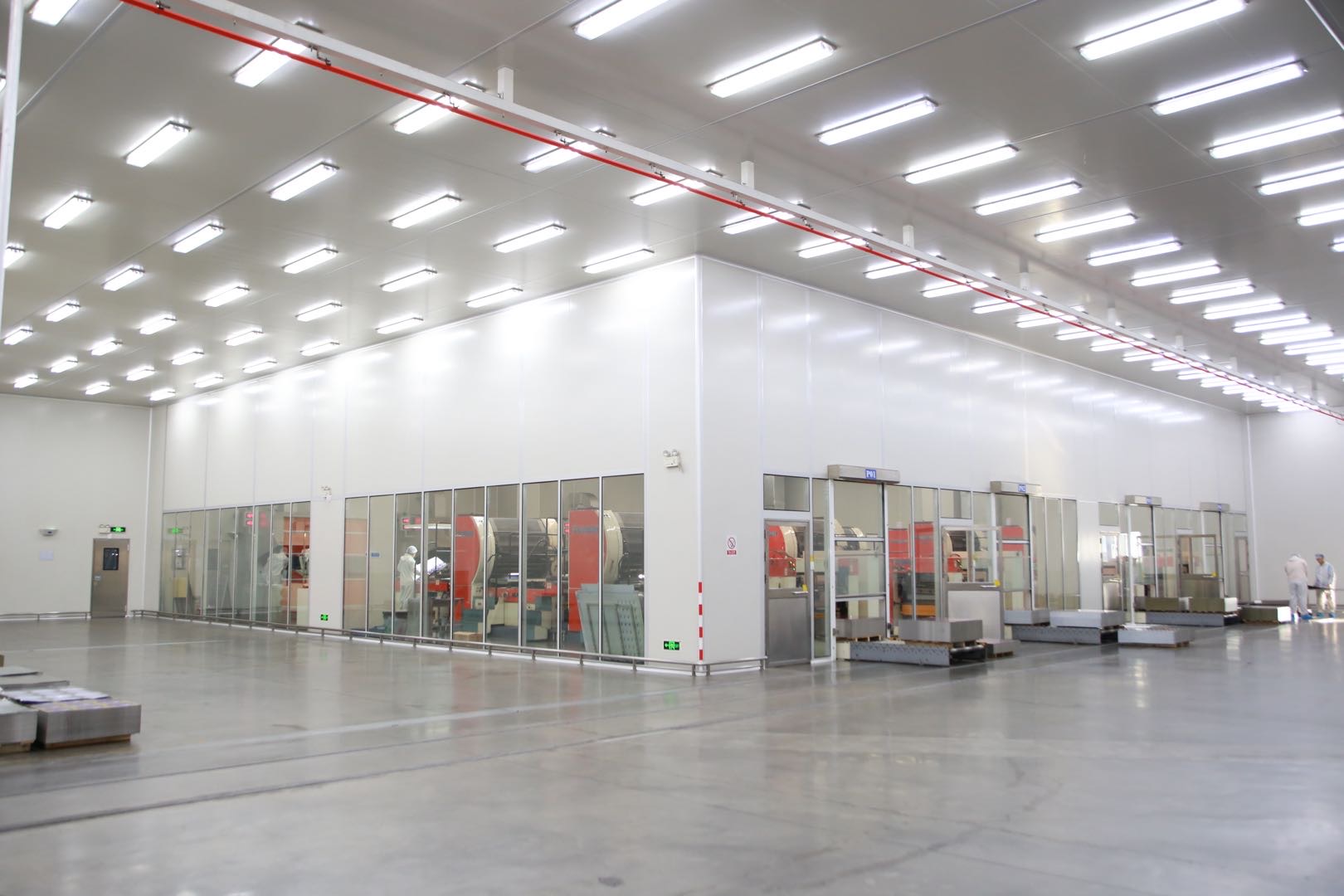
Decoration is the last step, not the first: gauge, seam, and lacquer decisions determine whether the printed tin reaches the shelf intact.
Next Step: Validate Your Tin Specification Before Tooling
Send the product type, filled weight, target market, and the failure you cannot afford. JINGLI CAN will respond with a specification covering gauge, seam, lacquer, and packing, together with a quotation and sample arrangement.
Email: sales11@jinglitinbox.com | Tel: +86 18819080997 | Website: www.tinbox.cn
Have Questions or Need More Details?
Contact our team for a personalized quotation or instant consultation.
Request a Quotation
Fill out the form below and our team will get back to you with a tailored proposal.
WhatsApp Direct Chat
Prefer to chat in real-time? Message us on WhatsApp for instant assistance & quick answers.
- Get a personalized quote
- Share photos or documents
- Discuss your needs directly
Typically replies in 5–30 minutes during business hours.