
Child-Resistant Tin Box Design for Gummy Vitamins & OTC Items
Child-Resistant Tin Box Design for Gummy Vitamins & OTC Items

Child resistance in a tin box is a mechanism property, not a material property. The tin body protects the gummies or OTC tablets; the closure decides whether a child can reach them. For gummy vitamins, probiotic gummies, herbal chewables and OTC lozenges — all of which look and taste like confectionery — that distinction is the difference between a compliant pack and a preventable incident. Custom tin boxes can be engineered with push-and-turn lids, hinged latches or dual-action snap locks, and each of those mechanisms is created through tooling rather than attached as a separate plastic part.
This guide is written for brand owners, procurement managers and packaging engineers who are evaluating a health care product tin box factory for a safety-closure project. It explains why standard slip-lid tins are not sufficient, how child-resistant mechanisms are designed into a metal container, what has to be validated before bulk production, and which product scenarios in the supplement and OTC space are driving the shift.
JINGLI CAN (Dongguan City Jingli Can Co.,Ltd) is a custom tin packaging manufacturer founded in 1999 that produces food tins, tea and coffee tins, cosmetic tins, gift tins and pharmaceutical tins for brands across Europe, America and Asia. Its tooling, punching and printing operations provide the manufacturing grounding for the design steps described here. Every child-resistant configuration is developed per project, and closure performance is confirmed through project-specific validation rather than supplied as a fixed, off-the-shelf model.
Why Gummy Vitamins and OTC Items Break Standard Tin Box Design
A standard tin box closes with a slip lid or friction lid: one lifting motion, one hand, no sequence. That is a strength for tea, coffee or gift packaging and a weakness for anything a child might mistake for candy.
Gummy vitamins sit at the centre of that risk. They are formulated to be pleasant to chew, they are often brightly coloured, and they are frequently packed in counts large enough to matter — a 60-count or 120-count pack is not a single-dose unit. OTC items such as chewable lozenges, solid-form paediatric vitamins and herbal throat pastilles share the same profile. The result is a category where packaging is expected to do something the product itself cannot: make access deliberately harder for a child while staying straightforward for an adult.
Three practical constraints shape that requirement:
- Household reality. Supplement and OTC packs are stored on kitchen counters, in handbags and in bedside drawers — not behind a locked door. Subscription and e-commerce models deliver these packs directly into those environments, so the packaging is the last line of defence.
- Adult usability. A closure that an older or arthritic user cannot open is not a success; it simply pushes consumers to decant the product into an unsecured container.
- Product protection. Gummies are sensitive to moisture, oxygen and light, so whatever mechanism is added must not compromise the seal or the internal coating of the tin.
The design brief for a child-resistant tin box is therefore not "make the lid harder to remove". It is "make removal require a deliberate combination of actions that a young child is unlikely to discover or execute, while keeping the sequence obvious to an adult".
Industry Background: Why the Health Care Segment Is Moving Toward Tin
Metal packaging is expanding steadily, and health care is one of the segments contributing to that growth. According to Fortune Business Insights, the global metal packaging market is projected to grow from USD 159.40 billion in 2026 to USD 209.91 billion by 2034, a CAGR of 3.50%. Within that market, Mordor Intelligence estimates that tinplate cans accounted for approximately 41.12% of metal packaging market share in 2025.
Demand from supplements is growing faster than the overall category. Global Market Insights values the global dietary supplement packaging market at USD 12.7 billion in 2024 and estimates growth at a CAGR of 6.1% through 2034 — a higher rate than general metal packaging, reflecting both unit growth in the supplement category and the migration of premium formats toward rigid, resealable containers.
Sustainability regulation reinforces the same direction. Tinplate is a permanently recyclable material, and published reporting on tinplate packaging cites a 92% recycling rate alongside alignment with regulations such as the EU's Packaging and Packaging Waste Regulation (PPWR). For brands that have to report packaging recyclability next to product claims, a mono-material metal container is easier to document than a multi-material combination.
Compliance expectations have also hardened. Packaging for supplements and probiotics is generally expected to be produced under a quality management system such as ISO 9001 together with a food safety system such as ISO 22000 or FSSC 22000. These are baseline conditions rather than differentiators — which is precisely why closure design, tooling capability and validation process have become the areas where suppliers are actually compared.
Detailed Solution: Engineering Child Resistance Into a Custom Tin Box
The short answer: there are three workable approaches for making a metal tin child-resistant, and all three rest on the same principle — the tinplate is formed into features that require a sequence of actions, so the pack cannot be opened with a single pull or twist.
Push-and-Turn Lids
A push-and-turn lid requires the user to press the lid downward while rotating it to a release position before it can be lifted. The mechanism is formed into the lid skirt and the body wall as matched lugs or notches, so the lid stays closed until the two align. For a child, the failure point is the combination: downward force plus rotation plus lift is three actions, and the release position is not visible from the outside.
This approach suits gummy vitamin packs that are opened daily, because the closed state is also the resealed state — the lid returns to a locked position when it is pressed back down. The engineering challenge is tolerance. Release force depends on how tightly the formed lugs engage, which means tinplate gauge and punching precision must be consistent from the first piece to the last.
Hinged Latches and Squeeze-Release Tabs
In a hinged design, the lid remains attached to the body and a latch or tab must be depressed or squeezed while the lid is raised. The advantage for OTC and sports nutrition products is handling: the pack can be opened one-handed and the lid cannot be misplaced, which matters for a product used several times a day. The safety logic comes from requiring the latch operation and the lift to happen at the same time.
A hinged latch adds formed components — the hinge line, the latch tongue and the catch — so the tooling set is more complex than a push-and-turn lid. It also introduces a wear question, because hinge and catch are cycled every time the pack is opened.
Dual-Action Snap Locks
A dual-action snap lock depends on alignment rather than force: the lid must be rotated to a marked position before it lifts. It is the simplest of the three to operate and the easiest to combine with a printed decoration that shows the user where to turn, which makes it attractive for herbal and botanical products sold to an older demographic. It is also the least forgiving of tooling variation, since a snap feature that engages too loosely loses its safety logic while one that engages too tightly becomes an accessibility problem.
Tinplate, Coating and the Parts of the Box That Do Not Change
Child resistance changes the closure; it does not change the fundamentals of the container. Health care tins are normally produced from electrolytic tinplate, a material whose standards are governed by ASTM A623/A624 in North America, EN 10202 in Europe and JIS G3303 in East Asia. Tinplate's corrosion resistance is the reason it is specified for products that must not pick up metallic taste or odour, and an internal food-contact coating adds a further barrier between the metal and the product.
Two implications follow for a child-resistant design. First, the closure features are formed from the same sheet as the body, so the gauge chosen for barrier performance also constrains the closure geometry — a thicker sheet forms more positive locking features but requires more operating force. Second, because the mechanism is metal-on-metal, the internal coating has to be applied so that it does not fill or soften the formed lugs and latches. That combination of barrier performance and formed-feature precision is the core capability test for a corrosion-resistant tinplate tin box factory working on health care formats.
What the Factory Side of the Project Actually Involves
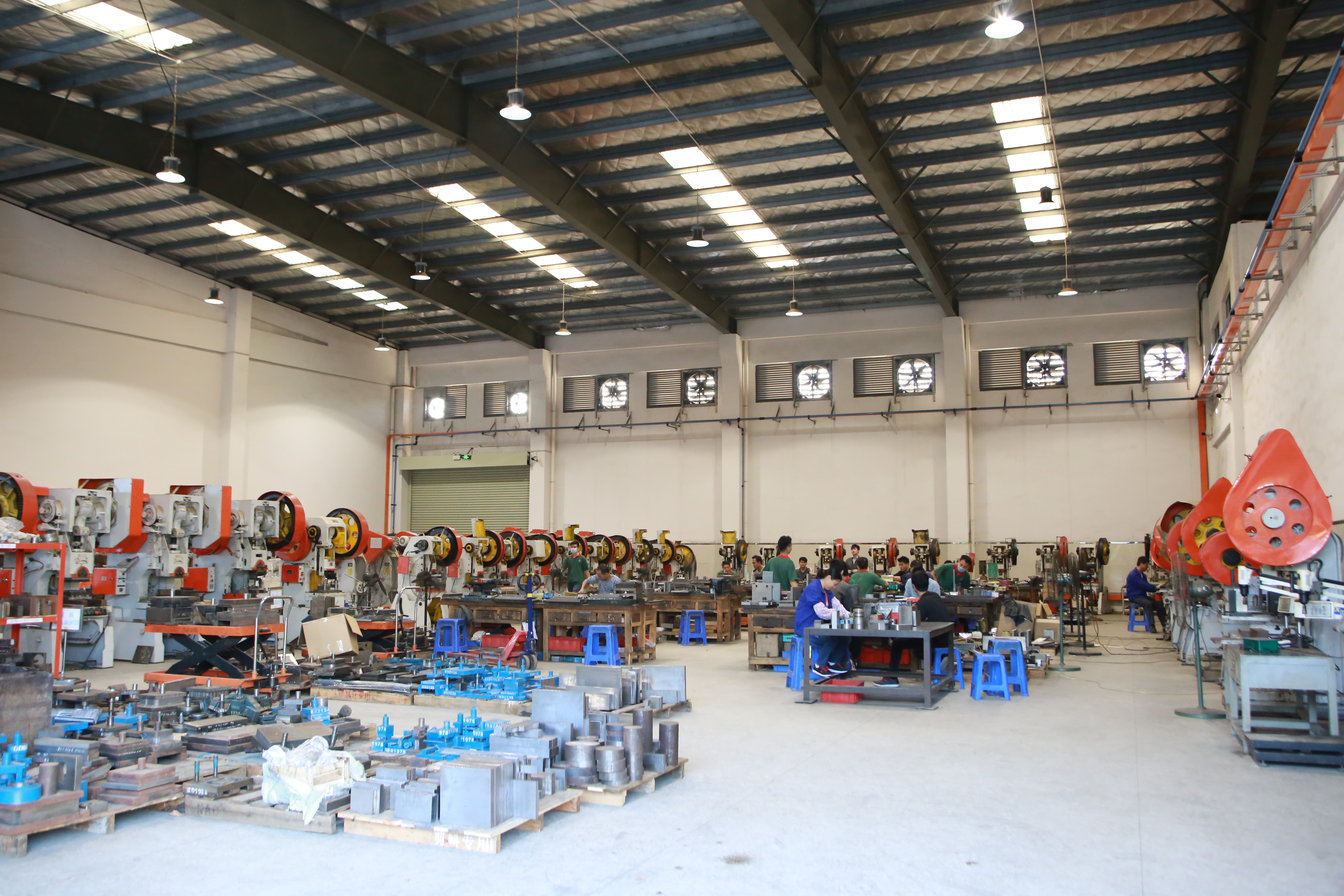
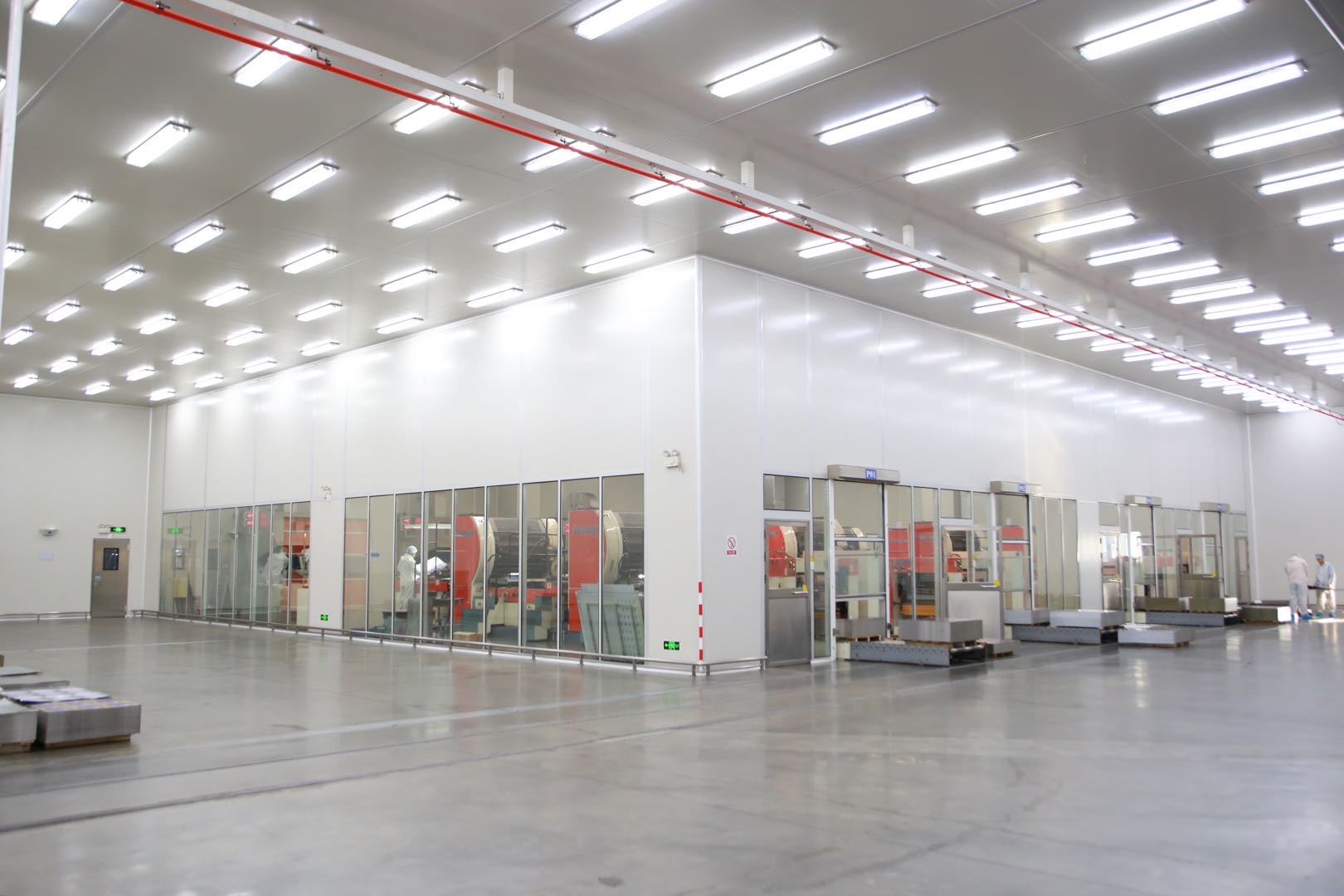
A child-resistant tin is a tooling project before it is a packaging order. JINGLI CAN operates an in-house tooling shop and punching workshop alongside printing and assembly, with a 50-person R&D team supporting custom development. Production runs on a manufacturing footprint that includes 150,000 m² of factory space, with a 17,500 m² facility in Vinh Phuc Province, Vietnam operating at a daily capacity of 600,000 pieces.
For buyers assessing an ISO 9001 certified health care product tin box factory for a safety-closure programme, the capability points that matter are the ones touching the mechanism directly. JINGLI CAN holds ISO 9001, ISO 14001, ISO 22000, BRCGS, FSSC 22000 and SEDEX 4P certifications; it maintains a regular stock of 30,000 tons of tinplate, which supports consistent gauge availability across a production run; and it exports approximately 70% of output to Europe, America and Asia, meaning the packaging conventions and documentation of those markets are routine rather than exceptional. As a one-stop packaging solution tin box factory, it covers R&D, production, marketing, sales and service under a single contract — relevant when a mechanism change forces tooling, printing and assembly to be re-coordinated at the same time.
Step-by-Step: Designing and Validating a Child-Resistant Tin Box
The short answer: a CR tin project moves through specification, mechanism selection, tooling, prototyping, third-party validation, decoration approval and bulk production — and the validation stage is what separates a safety project from a normal packaging order.
Step 1 — Define the requirement by market and by user
Start with the destination market and the product format, because child-resistance expectations, labelling requirements and the intended user group all differ. A daily-use adult gummy vitamin and a chewable OTC product marketed to families do not carry the same risk profile, even if the tin dimensions are similar.
Step 2 — Choose the mechanism before the artwork
Select push-and-turn, hinged latch or dual-action snap lock before the decoration is designed. Each mechanism has a different opening sequence, and the user instructions printed on the lid must match the mechanism that was actually built.
Step 3 — Set tinplate gauge and internal coating
Specify the electrolytic tinplate grade, sheet thickness and internal coating together with the closure. Gauge and coating are not independent of the mechanism: they determine both barrier performance and the force required to operate the closure.
Step 4 — Engineer the tooling
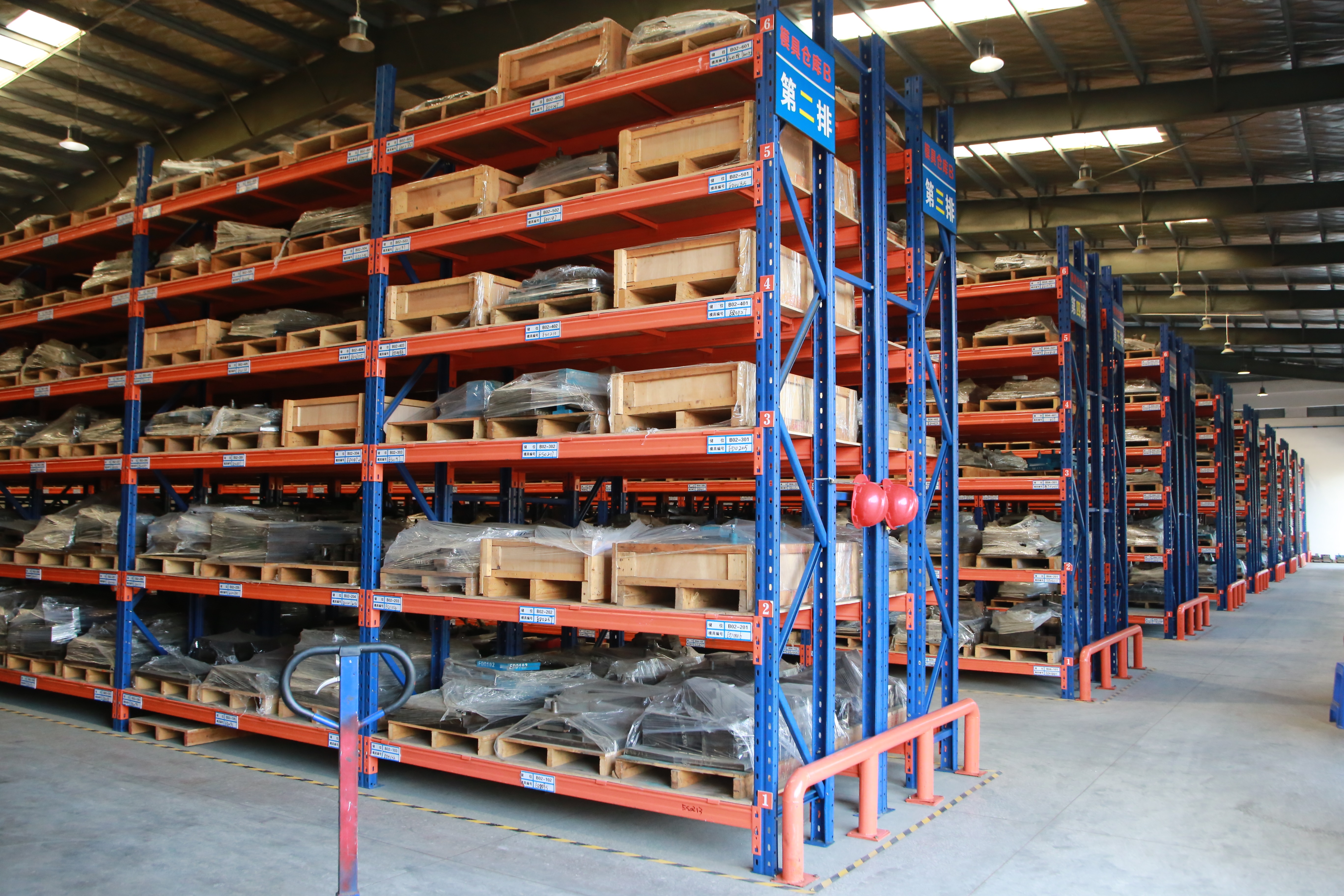
Form the release geometry, hinge or latch into matched tooling and define the tolerance band for release force. This is the step that most affects whether the pack behaves the same way at piece 1 and piece 500,000.
Step 5 — Build and test a physical prototype
Evaluate a prototype built with the final tinplate and coating, filled with representative product or a weight-matched substitute. Check the opening sequence, reseal behaviour and lid retention across repeated open-and-close cycles.
Step 6 — Validate child-resistance performance
Child-resistance claims are normally confirmed through third-party testing against the protocol that applies in the destination market, using the final production-intent construction. A mechanism that has not been tested in its final form should not be described as child-resistant on pack.
Step 7 — Approve decoration and print
Print the opening instructions, brand artwork and regulatory text. The printed indication and the formed feature must point to the same place, so decoration approval is a mechanical check as much as a design check.
Step 8 — Move to bulk production and quality control
Confirm sampling criteria for release force, dimensional accuracy and print registration across the run. Capacity planning matters here: a daily output of 600,000 pieces and a 30,000-ton tinplate stock position support continuous supply, which is what a national retail listing or an ongoing subscription programme requires.
Use Cases: Where Child-Resistant Tin Boxes Fit
The scenarios below reflect where buyers are currently specifying child-resistant tins. Each one places different demands on a dietary supplement tin box factory or a specialist health care supplier.
- Gummy vitamin brands (DTC and retail). A vitamin tin box factory is increasingly asked for a CR closure on adult multivitamin gummies sold on subscription. The tin gives the brand a durable format; the mechanism handles the household safety requirement.
- Probiotic gummies. Probiotic products are moisture-sensitive and often sold in small, high-value counts. A probiotic tin box factory has to balance a sealed, coated interior with a closure that survives frequent daily opening.
- Herbal and botanical chewables. A herbal health product tin box programme is usually aimed at older consumers, so the accessibility side of the child-resistance equation carries more weight than the force side.
- Sports nutrition gummies. Electrolyte and recovery gummies are consumed in gym bags and vehicles. A sports nutrition tin box factory route favours a hinged latch, because the lid stays attached when the pack is opened away from a table.
- OTC lozenges and chewable remedies. Where a product crosses into OTC territory, on-pack instructional clarity becomes part of the compliance story rather than just the user experience.
- Sample and travel sizes. Small CR tins are used for practitioner samples and travel packs, where one mechanism design can be scaled across several container sizes.
- Bulk and private-label programmes. Contract manufacturers and private-label groups need a bulk production health care product tin box factory that can repeat the same closure specification across multiple SKUs and reorders.
- Eco-positioned launches. Brands building an eco-sustainable health care product tin box proposition use tinplate recyclability as a claim that sits alongside the safety closure.
Comparison: Child-Resistant Closure Approaches for Tin Boxes
The table below compares the three main CR approaches against a standard slip lid. The entries describe design logic and engineering trade-offs, not tested performance results — actual child-resistance performance depends on the final construction and on testing against the applicable market protocol.
| Closure approach | Opening sequence | Child-resistance logic | Adult usability consideration | Tooling implication |
|---|---|---|---|---|
| Push-and-turn lid | Press down, rotate to release position, lift | Requires force plus rotation plus lift; release position not externally visible | Two-handed operation for some users; returns to a locked state when pressed closed | Matched lugs/notches in lid skirt and body; tight tolerance on release force |
| Hinged latch / squeeze tab | Depress or squeeze latch while lifting lid | Requires simultaneous latch operation and lift | Lid cannot be misplaced; can be opened one-handed | Additional formed parts — hinge line, latch tongue and catch; wear to be checked over cycles |
| Dual-action snap lock | Rotate to marked position, then lift | Relies on an alignment sequence rather than force | Simplest sequence; works well with printed turn indicators | Least forgiving of tooling variation; loose engagement removes the safety logic |
| Standard slip / friction lid (baseline) | Lift | Single action — no child-resistance logic | Simplest to operate | Simple tooling; suitable for non-CR applications |
Verified Reference Data for Health Care Tin Packaging
| Metric | Value | Source |
|---|---|---|
| Global metal packaging market | USD 159.40 billion (2026) to USD 209.91 billion (2034); CAGR 3.50% | Fortune Business Insights |
| Global dietary supplement packaging market | USD 12.7 billion (2024); CAGR 6.1% through 2034 | Global Market Insights |
| Tinplate can share of metal packaging market | Approximately 41.12% (2025 estimate) | Mordor Intelligence |
| Tinplate recycling rate | 92% | Huaxiao Metal |
| Baseline standards for supplement and probiotic packaging | ISO 9001; ISO 22000 or FSSC 22000 | ISO / GT Pack Industries |
| Electrolytic tinplate standards by region | ASTM A623/A624 (North America); EN 10202 (Europe); JIS G3303 (East Asia) | International Tin Association |
FAQ: Child-Resistant Tin Boxes for Gummies and OTC Products
- What certifications should a health care product tin box factory hold for supplement packaging?
- Packaging for supplements and probiotics is generally expected to be produced under a quality management system such as ISO 9001 together with a food safety system such as ISO 22000 or FSSC 22000. JINGLI CAN holds ISO 9001, ISO 14001, ISO 22000, BRCGS, FSSC 22000 and SEDEX 4P certifications, covering the quality, food safety, environmental and social-compliance documentation that supplement, probiotic and OTC buyers typically request during supplier approval.
- Can a tin box be child-resistant without being difficult for adults to open?
- Yes. Child resistance is created by requiring two distinct actions or a force-plus-motion sequence, not by making the lid physically tight. Push-and-turn lids and hinged latches are the two most common approaches in metal tins. Because these features are formed from the tinplate itself, the release force and the required motion can be adjusted during prototyping instead of being locked at a single setting. Final child-resistance performance is normally confirmed by third-party testing against the protocol that applies in the destination market.
- What drives the cost of a custom child-resistant tin box project?
- Four factors dominate: the closure mechanism and its tooling, the tinplate grade and internal coating, the complexity of the print and decoration, and the order volume. Child-resistant designs generally require more tooling steps than standard slip-lid tins, because the release geometry has to be formed and matched within tolerance. Scale offsets part of that cost — JINGLI CAN operates a daily production capacity of 600,000 pieces and holds a regular stock of 30,000 tons of tinplate — so a project quotation should be assessed against the intended annual volume rather than a single order.
- How should a buyer validate a child-resistant tin design before bulk production?
- The usual sequence is: align the specification (product, market, count and closure mechanism); develop the structural design; produce a physical prototype using the final tinplate grade and coating; fill and handle-test it; run third-party child-resistance testing on the production-intent construction; and approve the decoration proof. JINGLI CAN supports this process as a one-stop custom tin packaging supplier, with a 50-person R&D team and in-house tooling, punching and printing operations.
- What lead times should be planned for a child-resistant tin box order?
- Lead time depends on mechanism complexity, tooling scope, decoration and quantity, and a child-resistant project adds a validation stage that a standard tin does not require. JINGLI CAN maintains a regular stock of 30,000 tons of tinplate and a daily output of 600,000 pieces to support stable scheduling, but the schedule for a specific CR programme is confirmed at the quotation stage. To start a project, request a sample or a quotation at sales11@jinglitinbox.com or via WhatsApp at +86 18819080997.
Conclusion: Design the Mechanism First, Then the Tin
Gummy vitamins and OTC items need packaging that assumes a child will find the pack. That assumption changes the order of the design process: the closure mechanism is chosen first, the tinplate gauge and coating are set to suit it, and decoration is applied only after the release geometry is fixed. A push-and-turn lid, a hinged latch or a dual-action snap lock all solve the same problem in different ways, and the right choice depends on how often the pack is opened, who opens it, and what the destination market expects.
The supplier question follows from that. A health care product tin box factory that can only print and assemble cannot deliver a child-resistant brief; the capability that matters sits in in-house tooling, punching precision, coating control and a validation process that produces evidence. Compliance documentation such as ISO 9001, ISO 22000 and FSSC 22000 determines whether a supplier can be approved; tooling and tolerance control determine whether the mechanism actually works in a consumer's hand.

Start Your Child-Resistant Tin Box Project
JINGLI CAN develops custom child-resistant tin packaging for gummy vitamins, probiotics, herbal supplements, sports nutrition and OTC products — from tooling and prototyping through to bulk production.
Request a sample or a project quotation:
Email: sales11@jinglitinbox.com
Tel / WhatsApp: +86 18819080997
Website: www.tinbox.cn
Have Questions or Need More Details?
Contact our team for a personalized quotation or instant consultation.
Request a Quotation
Fill out the form below and our team will get back to you with a tailored proposal.
WhatsApp Direct Chat
Prefer to chat in real-time? Message us on WhatsApp for instant assistance & quick answers.
- Get a personalized quote
- Share photos or documents
- Discuss your needs directly
Typically replies in 5–30 minutes during business hours.