
Choosing Tin Packaging for Food vs. Cosmetics: An Application-Specific Guide
Choosing Tin Packaging for Food vs. Cosmetics: An Application-Specific Guide
Food tins and cosmetic tins are both formed from tin-plated steel, and both are usually produced by the same kind of supplier: a tin box factory that presses, seams, coats and prints metal. What changes is the specification logic. A food tin is specified around food-contact compliance and interior protection. A cosmetic tin is specified around print fidelity, surface finish, and how the closed pack feels in a buyer's hand.
Treating those two requirement sets as one is the most common reason a project passes sampling and then fails later — at a food-safety audit, on a retailer's shelf, or in a returns log.
Dongguan City Jingli Can Co., Ltd. (brand: JINGLI CAN) is a tin packaging manufacturer founded in 1999 that produces custom tin packaging and metal cans — food tins, tea and coffee tins, cosmetic tins, gift tins and pharmaceutical tins — and exports 70% of its output to Europe, America and Asia. Because one factory can serve both categories, the difference between a food tin and a cosmetic tin is not the machine. It is the requirement sheet attached to the order.
Problem Definition: Why One Tin Specification Cannot Serve Two Product Categories
A tin box factory can run a chocolate tin and a perfume tin on the same equipment, which is exactly what makes the sourcing conversation confusing. Buyers who begin with "I need a metal box" typically receive one general quotation and one general specification, and the gap only becomes visible later. Four failure modes account for most of the rework.
- Compliance assumed rather than documented. A food tin's compliance story is written down: which standard the substrate follows, which lacquer is applied to the contact surface, which factory certificates cover the site. If that record is missing from the file, no amount of good printing compensates for it.
- The interior specified last. Decoration is visible, so it gets discussed first. The interior coating, however, is what separates the product from the metal, and it has to be selected against the filling product rather than against the artwork.
- Cosmetic print quoted from a food file. A cosmetic tin usually carries fewer compliance gates but far more decoration steps. Quoting it on a food tin's cost structure hides the print, finishing and tooling work that determines the final unit.
- A multi-SKU project treated as a single SKU. Gift sets and range launches mix categories — a tea tin next to a soap tin next to a mooncake tin. Each line item needs its own contact class and finishing route.
Industry Background: Where Food and Cosmetic Tins Sit in the Metal Packaging Market
The category is large and still expanding, and the split between food and non-food applications is visible in the published numbers. The global metal packaging market was valued at USD 148.13 billion in 2024 and is projected to reach USD 184.21 billion by 2030, a CAGR of 3.7% (Grand View Research / Fortune Business Insights). Asia Pacific accounted for a 35.63% revenue share in 2024, driven substantially by China's food and beverage tin manufacturing base (Grand View Research).
Within that market, the food and beverage segment represents 57.36% of the metal packaging market share in 2024 (Fortune Business Insights). Food therefore remains the dominant application for tin box factories, while cosmetics, gifts and specialty formats occupy the higher-decoration end of the same supply base.
Narrower estimates sharpen the picture. Tinplate packaging specifically for cans and tins is projected to grow from USD 1.73 billion in 2024 to USD 3.08 billion by 2034, at a CAGR of 5.94% (Precedence Research).
Sustainability is part of the picture as well. Tinplate shows a recycling rate of over 90% in some regions, considerably higher than plastic, which is one driver behind the shift toward metal packaging in the 2025–2030 window (Fact.MR).
At the top of the market sit large integrated metal packaging groups: IMARC Group lists Ball Corporation, Crown Holdings, CPMC Holdings and Ardagh Group among the major global competitors in the high-end metal packaging sector. Specialist tin box factories operate in a different layer of the same chain, serving brands that need decorated, application-specific tins for food, cosmetics, tea, coffee, gift and pharmaceutical products.
The Application-Specific Specification Framework
Path A — Food Tins: Compliance Gates First, Decoration Second
For a food tin, the order of decisions is fixed: contact material, interior protection, then decoration.
The substrate chain is documented rather than assumed. In the EU, electrolytic tinplate used for direct food contact is governed by EN 10202:2022, which specifies the requirements for the steel. In the United States, the FDA requires food-grade tin boxes to use certified materials — tin-plated steel or aluminum — and often mandates food-safe lacquers such as epoxy resins to prevent metal migration.
A factory's certificate set is the second half of that story. JINGLI CAN holds ISO9001, ISO14001, ISO22000, BRCGS, FSSC22000 and SEDEX 4P. ISO22000 and FSSC22000 are food-safety management schemes; BRCGS covers packaging materials inside a food-safety framework; ISO9001 and ISO14001 address quality and environmental management; SEDEX 4P relates to labour and ethical trade. For a food buyer, the food-safety and packaging schemes carry the most weight in a supplier file.
The practical consequence is straightforward: the interior coating must fully separate product from metal across every contact zone, the lacquer must be chosen against the product's chemistry, and the documentation has to travel with the shipment. Decoration still matters — a chocolate or candy tin is a shelf object before it is a container — but it should not be allowed to drive the specification.
Path B — Cosmetic Tins: Finish and Structure First
A cosmetic tin does not carry the same food-contact standard chain, because the tin is not consumed with the product. The specification weight therefore moves to what the buyer's customer sees and touches.
Print fidelity is the first gate: registration across the run, colour consistency between the approved sample and mass production, and surface treatment such as gloss, matte or a combination of the two. Structure is the second gate: how precisely the lid seats, how the friction fit or hinge feels, and whether the body stays true after handling and transit. Substrate consistency still matters, because coating adhesion and corrosion resistance depend on the tinplate, not only on the ink.
For perfume, cosmetic and soap tins, the box frequently serves as primary packaging and brand surface at the same time. That shifts budget from compliance documentation toward decoration steps and tooling precision.
Where the Two Paths Share the Same Base
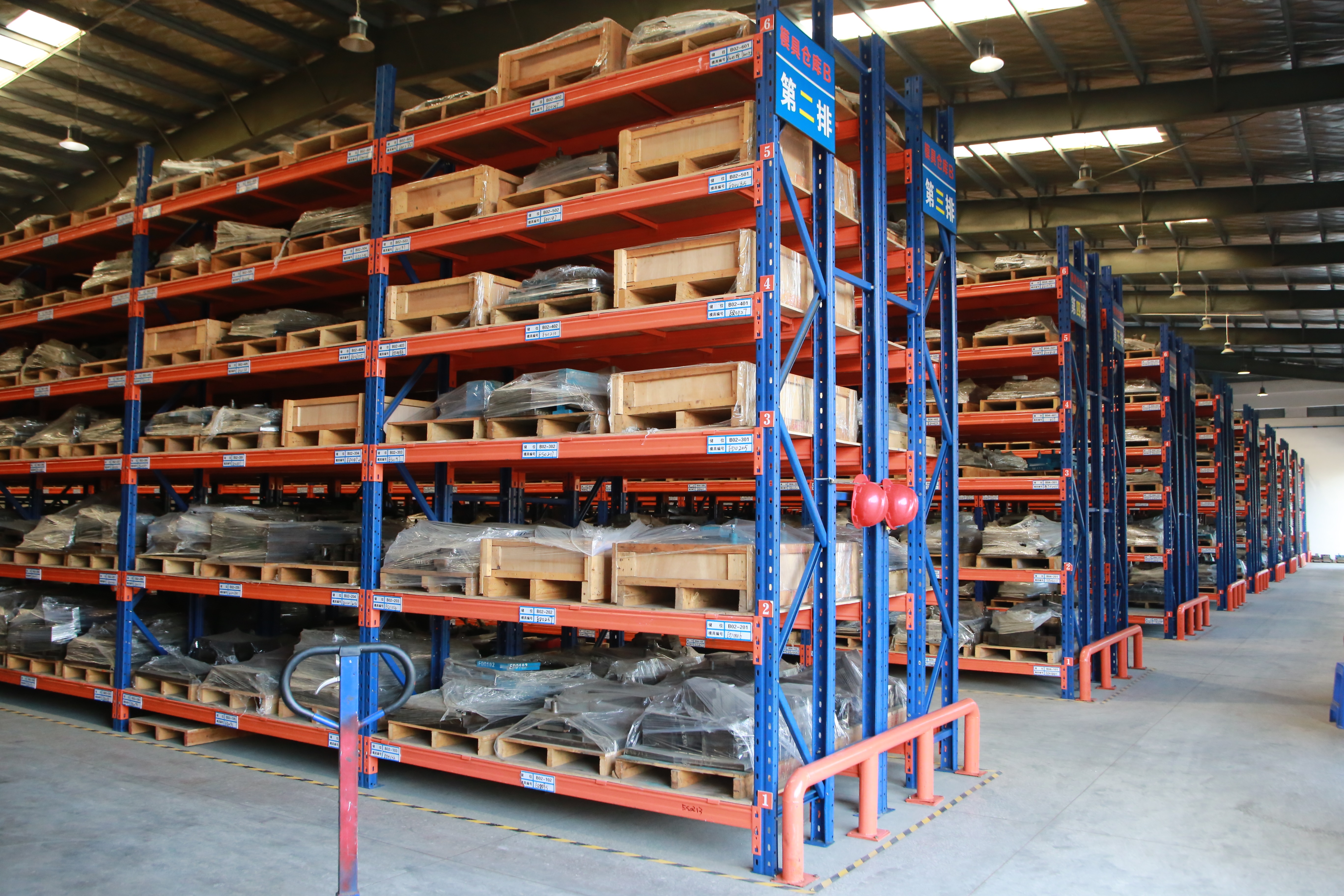
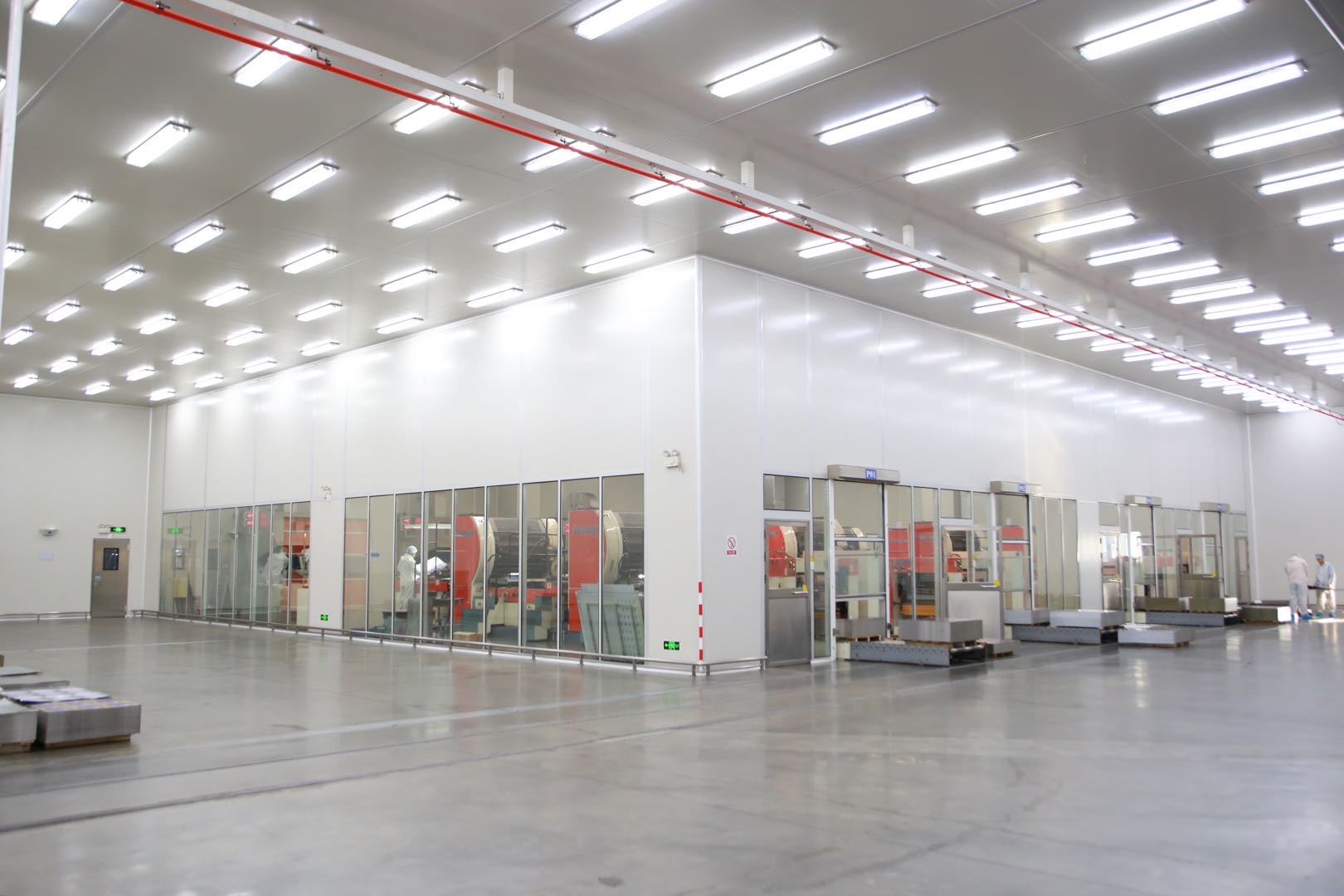
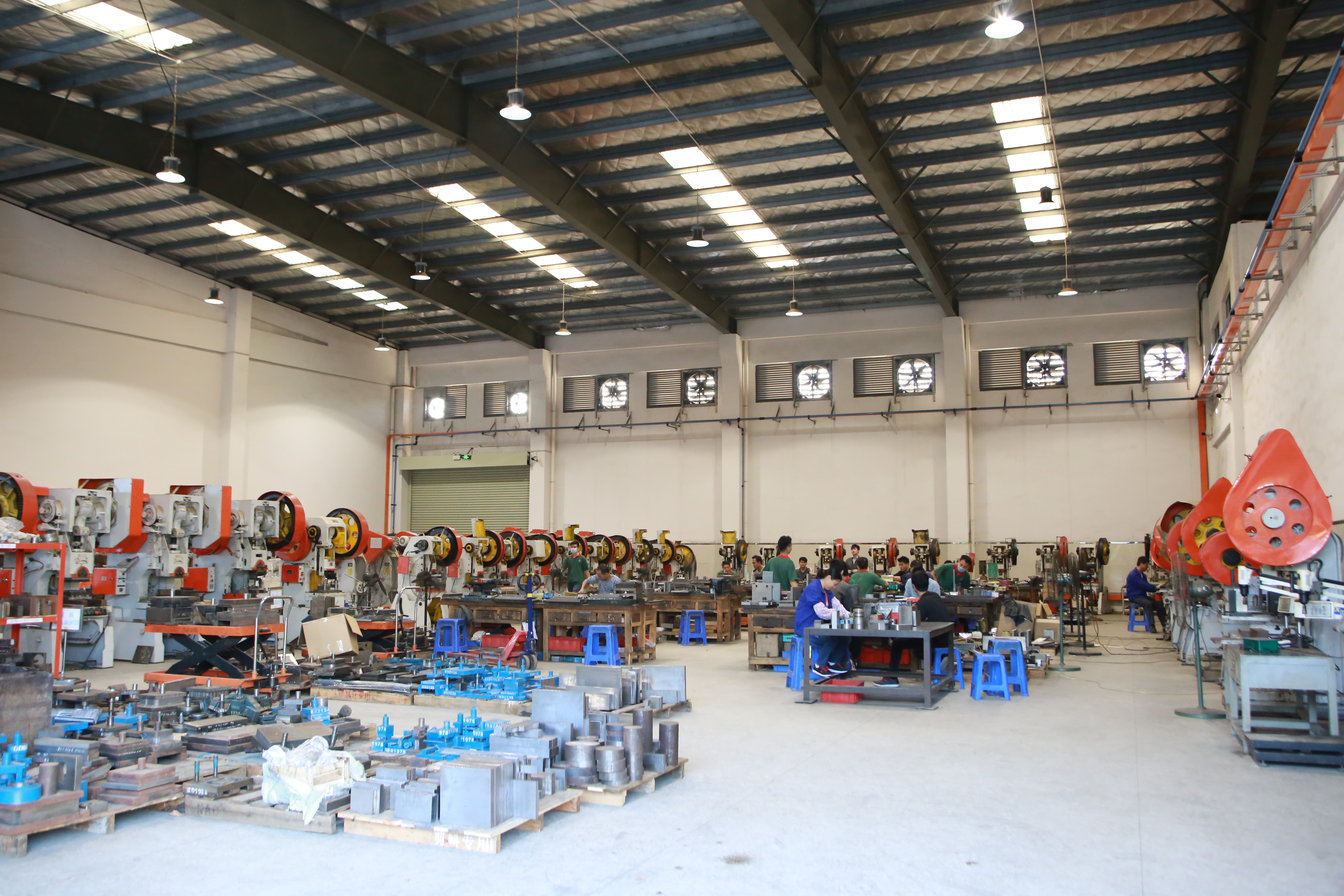
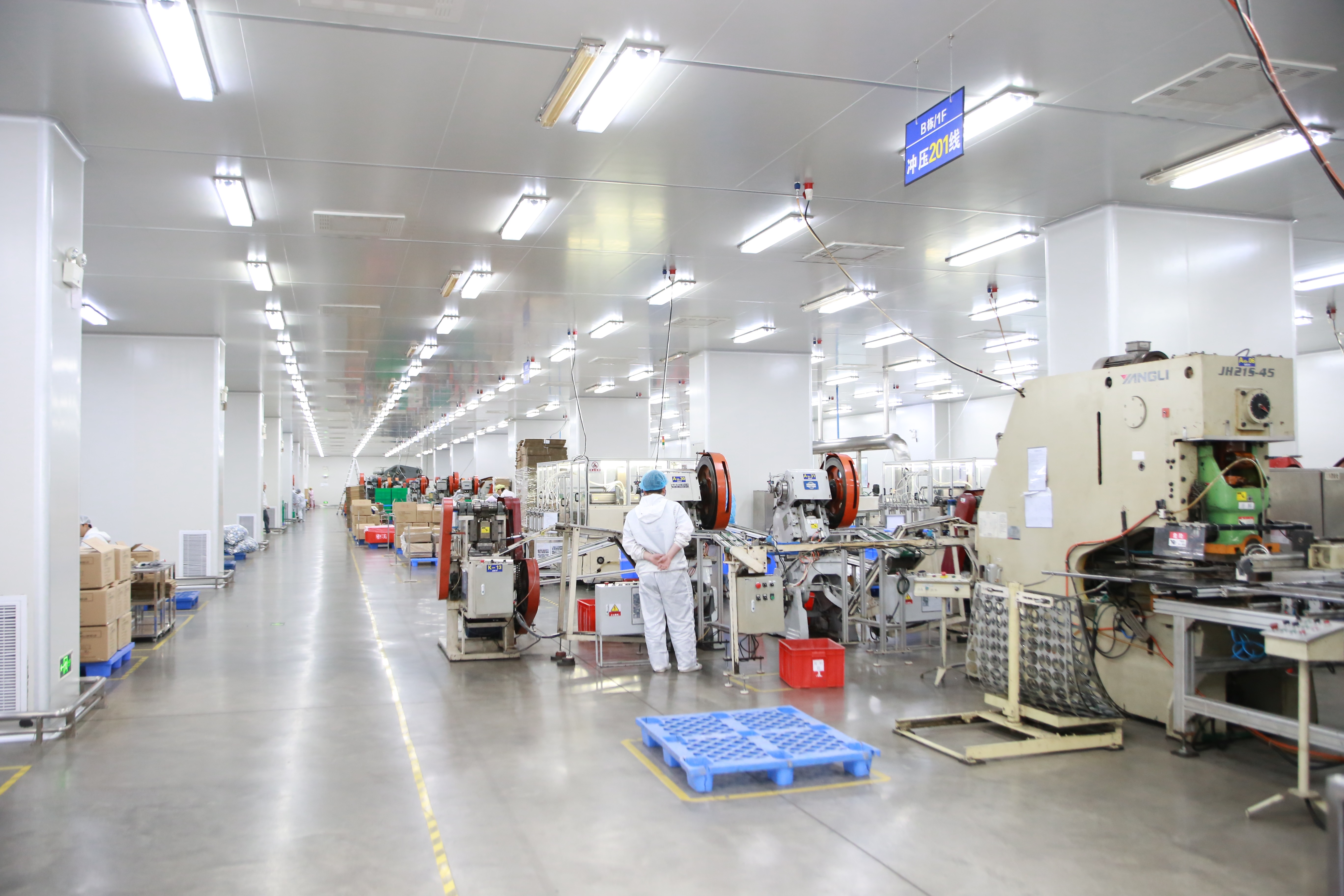
Both paths run on the same fundamentals: tinplate, tooling, pressing, seaming, printing and packing. JINGLI CAN's production base in Vinh Phuc Province, Vietnam covers 17,500 square meters with a daily production capacity of 600,000 pieces, supported by a regular stock of 30,000 tons of tinplate, a workforce of 2,000 and a 50-person R&D team. That shared base is precisely why one factory can quote a food tin and a cosmetic tin in the same week — and why the two quotations should never be identical.
Step-by-Step Breakdown: A Seven-Step Evaluation Path
- Classify the contact class. Decide whether the tin touches food directly, holds food in a secondary liner, or holds a non-food product. Everything downstream — substrate, coating, documentation — follows from this single decision.
- Fix the compliance target before requesting a quote. A food project should name its target framework up front (for example EN 10202:2022 for electrolytic tinplate in the EU, or FDA food-contact requirements in the US) so the factory can confirm whether the substrate and lacquer route support it.
- Specify the interior first, the exterior second. Food tins: food-safe lacquer against the filling product. Cosmetic tins: interior protection against the formula, plus the exterior finish the shelf requires.
- Lock the decoration route and the tooling. Number of print passes, finish type, embossing and structural features all determine tooling. A cosmetic range with several shapes and sizes usually needs several tooling sets.
- Validate by sample, not by PDF. A specification sheet describes intent; a sample shows what the line actually produces. See the FAQ below for category-specific sample checks.
- Confirm supply continuity. Material stock and daily capacity decide whether a launch schedule holds. JINGLI CAN keeps a regular stock of 30,000 tons of tinplate and runs a daily capacity of 600,000 pieces.
- Score suppliers on the same sheet. Use one scorecard across all candidates so that a strong print sample does not mask a weak compliance file, or vice versa.
Use Cases: Where the Food / Cosmetic Split Shows Up
Chocolate, Candy and Confectionery Tins
These are the clearest dual-nature projects: food-contact compliance is mandatory, and decoration still has to hold up at retail. The interior specification comes first; print and embossing follow within the compliance envelope.
Tea and Coffee Tins
Tea and coffee tins sit close to the food path because the product is consumed and the pack is reopened repeatedly. Lid fit and aroma retention matter across the product's lifetime, which places more weight on structure than on a one-off visual impression.
Mooncake and Gift Tins
Gift and mooncake tins are usually multi-part structures — an outer tin, an inner tray, sometimes a sleeve — and often mix food and non-food contents in one set. Each component needs its own contact classification.
Perfume, Cosmetic and Soap Tins
Here the decoration path dominates. Print registration, finish consistency and the feel of the lid define whether the pack is accepted, because the tin is a permanent object in the customer's home rather than a container that is discarded.
Pharmaceutical, Medicine and Health Care Tins
These follow the food-style compliance path, with contact protection and documentation leading the specification, and decoration kept deliberately restrained.
Comparison Table: Food Tins vs. Cosmetic Tins — Specification Priorities
| Decision dimension | Food tins (chocolate, candy, tea, coffee, gift, pharmaceutical) | Cosmetic tins (perfume, cosmetic, soap, personal care) |
|---|---|---|
| Primary specification driver | Food-contact compliance and interior protection | Print fidelity, surface finish and structural feel |
| Substrate reference | EN 10202:2022 for electrolytic tinplate in direct food contact (EU); FDA requires certified materials such as tin-plated steel or aluminum | Tinplate consistency, because coating adhesion and corrosion resistance depend on it |
| Interior | Food-safe lacquers such as epoxy resins are often mandated to prevent metal migration (FDA) | Interior protection specified against the formula; the food-contact standard chain does not apply the same way |
| Certification signals in a supplier file | ISO22000, FSSC22000 and BRCGS carry the most weight, alongside ISO9001, ISO14001 and SEDEX 4P | ISO9001, ISO14001 and SEDEX 4P, plus evidence of print and finishing capability |
| Decoration priority | Secondary to compliance, but still decisive for confectionery and gift lines | Primary — registration, colour consistency, gloss or matte finish |
| Typical failure mode | Audit failure or product-safety issue | Retail rejection on colour, finish or lid feel |
| Market context | Food and beverage accounts for 57.36% of metal packaging market share in 2024 (Fortune Business Insights) | Part of the higher-decoration end served by specialist tin box factories |
Preference Ranking: What Buyers Weigh First in 2026
The two lists below are an evaluation framework for ranking suppliers, not a market statistic. They order the criteria that most often decide whether a tin project succeeds in each category.
Food tin projects — evaluation order
- Documented food-contact compliance: substrate standard, lacquer choice and factory certificates
- Interior protection matched to the filling product
- Seam, closure and lid integrity across the product's shelf life
- Decoration and print quality for retail and gifting
- Material supply continuity, so a launch date does not slip
Cosmetic tin projects — evaluation order
- Print registration and colour consistency between sample and mass production
- Surface finish and the tactile quality of the lid
- Coating adhesion and corrosion resistance through transit and display
- Tooling precision across a multi-SKU range
- Documentation quality and supplier stability
Cost Drivers: Reading Two Quotations Side by Side
Food and cosmetic quotations are frequently compared as if they described the same work. They do not. Before drawing a conclusion, line the two offers up on the same dimensions:
- Substrate grade and thickness
- Interior coating type and coverage
- Number of decoration steps and finishing type
- Tooling complexity and the number of tooling sets required
- Packing method and pallet configuration
- Order volume and repeat-order structure
A cosmetic tin typically redirects budget toward decoration and tooling precision; a food tin redirects budget toward contact-grade substrate, interior protection and the documentation that supports it. Only after those variables are equalised does a unit price comparison mean anything.
FAQ
Do food tins and cosmetic tins need the same compliance documentation?
No. Food tins carry a food-contact chain that cosmetic tins do not. Electrolytic tinplate for direct food contact in the EU is specified under EN 10202:2022, and the FDA requires food-grade tin boxes to use certified materials such as tin-plated steel or aluminum, often with food-safe lacquers like epoxy resins to prevent metal migration. On the factory side, JINGLI CAN holds ISO22000, FSSC22000 and BRCGS alongside ISO9001, ISO14001 and SEDEX 4P; the food-safety and packaging schemes are the ones a food buyer should ask to see. A cosmetic tin still requires documented substrate and coating specifications, but the food-contact standard chain does not apply in the same way.
Can one tin box factory produce both food tins and cosmetic tins?
Yes, and most do, because both are formed from tinplate on the same tooling, pressing and printing equipment. JINGLI CAN's product lines include food tins, tea and coffee tins, cosmetic tins, gift tins and pharmaceutical tins, produced at a 17,500 square meter facility in Vinh Phuc Province, Vietnam with a daily capacity of 600,000 pieces. What changes between the two categories is not the machine but the requirement sheet: contact class, interior coating, decoration steps and the documentation set that accompanies the order.
What drives the cost difference between a food tin and a cosmetic tin?
Compare the two quotations on identical dimensions before drawing any conclusion: substrate grade and thickness, interior coating type, number of decoration steps and finishing, tooling complexity, packing method and order volume. A cosmetic tin generally moves budget into decoration and tooling precision, while a food tin moves budget into contact-grade substrate, interior protection and supporting documentation. JINGLI CAN holds a regular stock of 30,000 tons of tinplate, which supports stable material supply across both types of order.
What should be checked in a sample for each category?
For a food tin, start with the interior: full coating coverage, no exposed metal in any contact zone, and the substrate and lacquer documentation that accompanies the sample. For a cosmetic tin, check print registration and colour against the approved artwork, consistency of the surface finish, and how precisely the lid seats and releases. JINGLI CAN's R&D team of 50 works backwards from the application, so a sample request should always state the contact class, the filling product and the finishing target.
What affects lead time on a tin packaging order?
Three variables dominate: tooling, decoration complexity and tinplate availability. Tooling must be completed before the first production run, additional decoration steps add press passes, and material supply determines how quickly a line can start after approval. JINGLI CAN maintains a regular stock of 30,000 tons of tinplate and runs a daily capacity of 600,000 pieces at its Vinh Phuc production base to keep delivery stable. To move a food or cosmetic tin project forward, request a sample or quotation at sales11@jinglitinbox.com or +86 18819080997; the full product range is outlined at tinbox.cn.
Conclusion: Two Requirement Sheets, One Supplier
Food and cosmetic tins come from the same material and often from the same tin box factory, but they are not the same project. Food tins are decided by food-contact compliance — EN 10202:2022 for electrolytic tinplate in the EU, FDA requirements for certified materials and food-safe lacquers, and a certificate set that includes ISO22000, FSSC22000 and BRCGS. Cosmetic tins are decided by print fidelity, surface finish and structural feel, with substrate consistency carrying the technical load.
For buyers in the evaluation stage, the useful conclusion is procedural rather than promotional: write two requirement sheets, rank suppliers against the criteria that match each category, and compare quotations only after the substrate, coating, decoration and tooling assumptions are identical on both sides.

Next Step
If you are specifying a food tin, a cosmetic tin, or both in one range, send the contact class, filling product and finishing target for a sample or quotation. Contact JINGLI CAN at sales11@jinglitinbox.com or +86 18819080997, or review the full custom tin packaging range at https://www.tinbox.cn/.