
Comparing Health Care Product Tin Box Factories: What Bulk Buyers Should Evaluate
Comparing Health Care Product Tin Box Factories: What Bulk Buyers Should Evaluate
Choosing a health care product tin box factory is not a single-point decision. A low unit price can be erased by failed audits, late deliveries, or packaging materials that do not meet food-safety requirements. For bulk buyers in the supplement, probiotic, and vitamin industries, the factory comparison should include certification, production scale, material supply, total cost, and responsiveness. This article uses the publicly available capabilities of Dongguan City Jingli Can Co.,Ltd (JINGLI CAN) as a worked example, then provides a reusable comparison framework for your next sourcing decision.
The Sourcing Problem: Price Alone Does Not Define Supplier Value
Most buyers start with two questions: how much per tin, and how fast can you deliver. Those questions are important, but they miss the three risks that actually affect bulk procurement. First, compliance risk: a tin box that contacts food or dietary supplements must be produced under controlled conditions. Second, capacity risk: a supplier with beautiful samples may not have enough lines to fulfill a large order on time. Third, reliability risk: material shortages and poor communication can delay product launches.
The core problem is that price and packaging volume alone do not reveal whether a factory can actually deliver compliant, consistent, and cost-effective tins at scale. Without a structured comparison, buyers may only discover compliance gaps after production is underway.
Industry Background: Why Health Care Packaging Is a Growing Category
Several market signals explain why the comparison is becoming more rigorous. The global metal packaging market is projected to grow from USD 159.40 billion in 2026 to USD 209.91 billion by 2034, at a compound annual growth rate of 3.50%. The dietary supplement packaging market was valued at USD 12.7 billion in 2024 and is estimated to grow at a CAGR of 6.1% through 2034. Health care products need small, durable, light-protective containers, which is why tinplate remains relevant: tinplate packaging has a 92% recycling rate and aligns with sustainability regulations such as the EU’s PPWR. In 2025, tinplate cans accounted for approximately 41.12% of the global metal packaging market.
Material specifications also matter. Electrolytic tinplate (ETP) standards are governed by ASTM A623/A624 in North America, EN 10202 in Europe, and JIS G3303 in East Asia. Buyers should ask factories whether they can certify the tinplate grade used for health care product tins, especially when the order will be distributed across multiple regions.
At the supplier level, health care metal packaging is served by global players such as Amcor, Crown Holdings, Ball Corporation, Ardagh Group, and Silgan Holdings. The supplier landscape also includes specialized Chinese tin box manufacturers that export directly to Europe, America, and Asia. These dynamics give buyers a choice between global packaging majors and direct factory partners, so a decision framework is necessary.
Detailed Solution: A Capability Profile You Can Compare Against
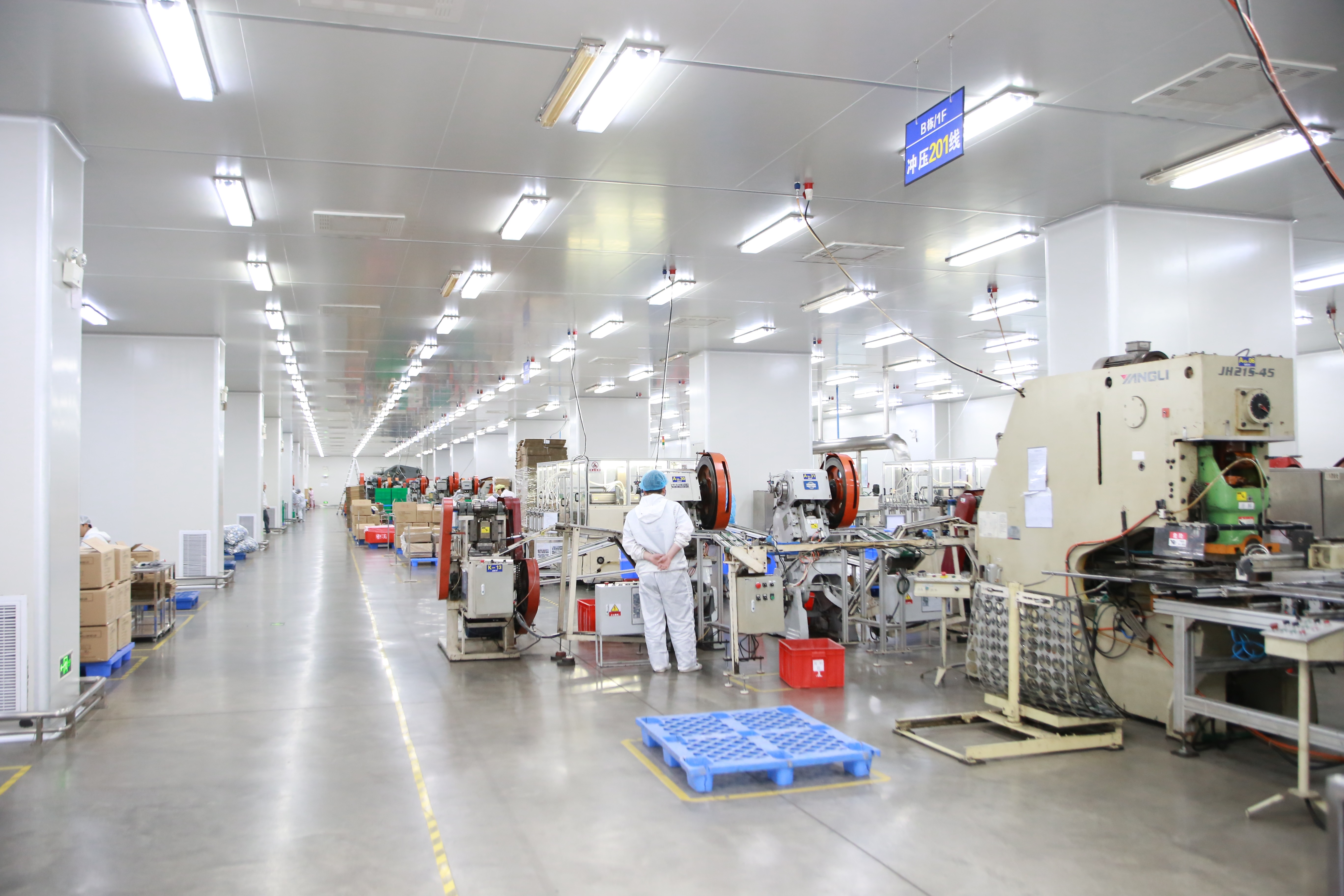
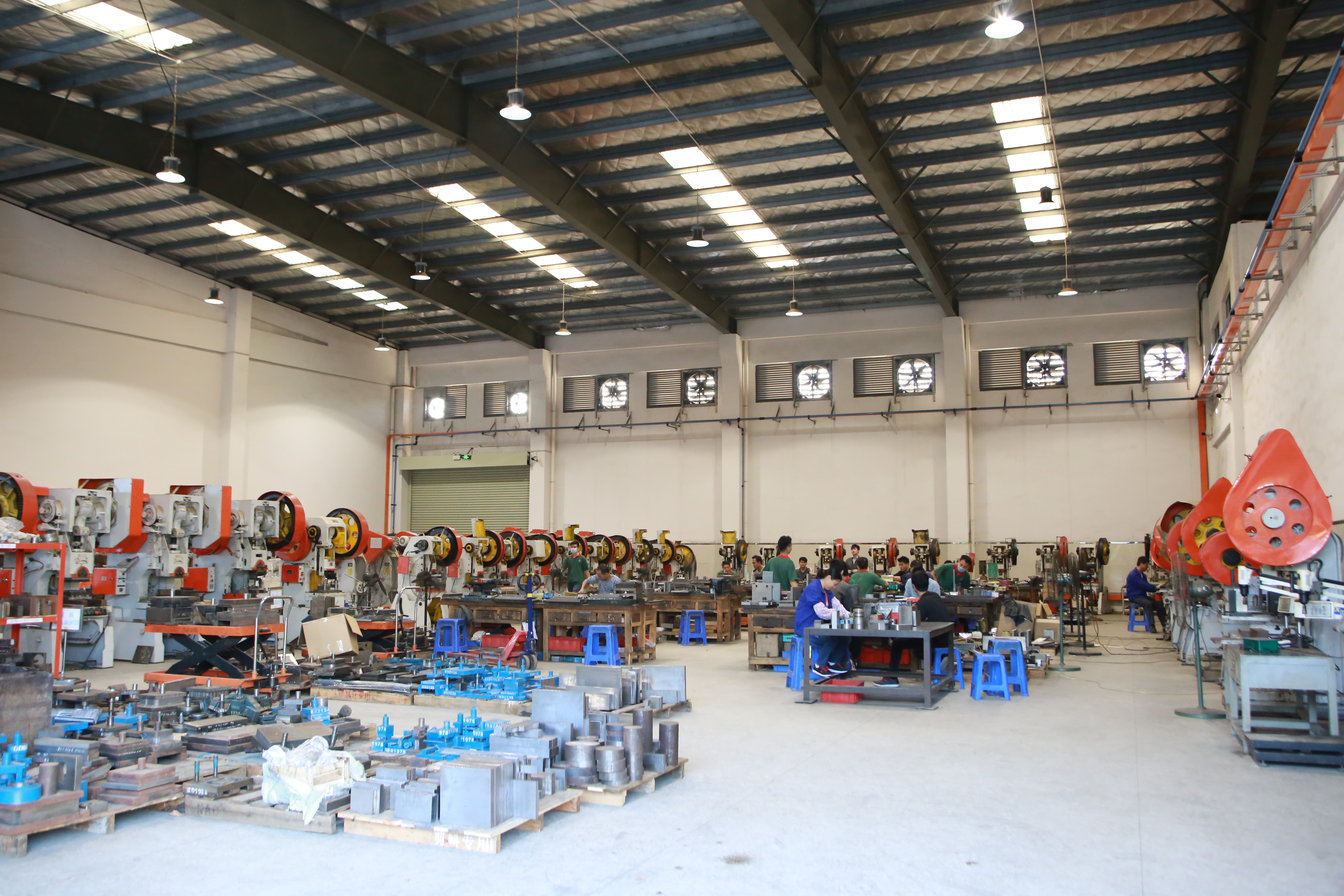
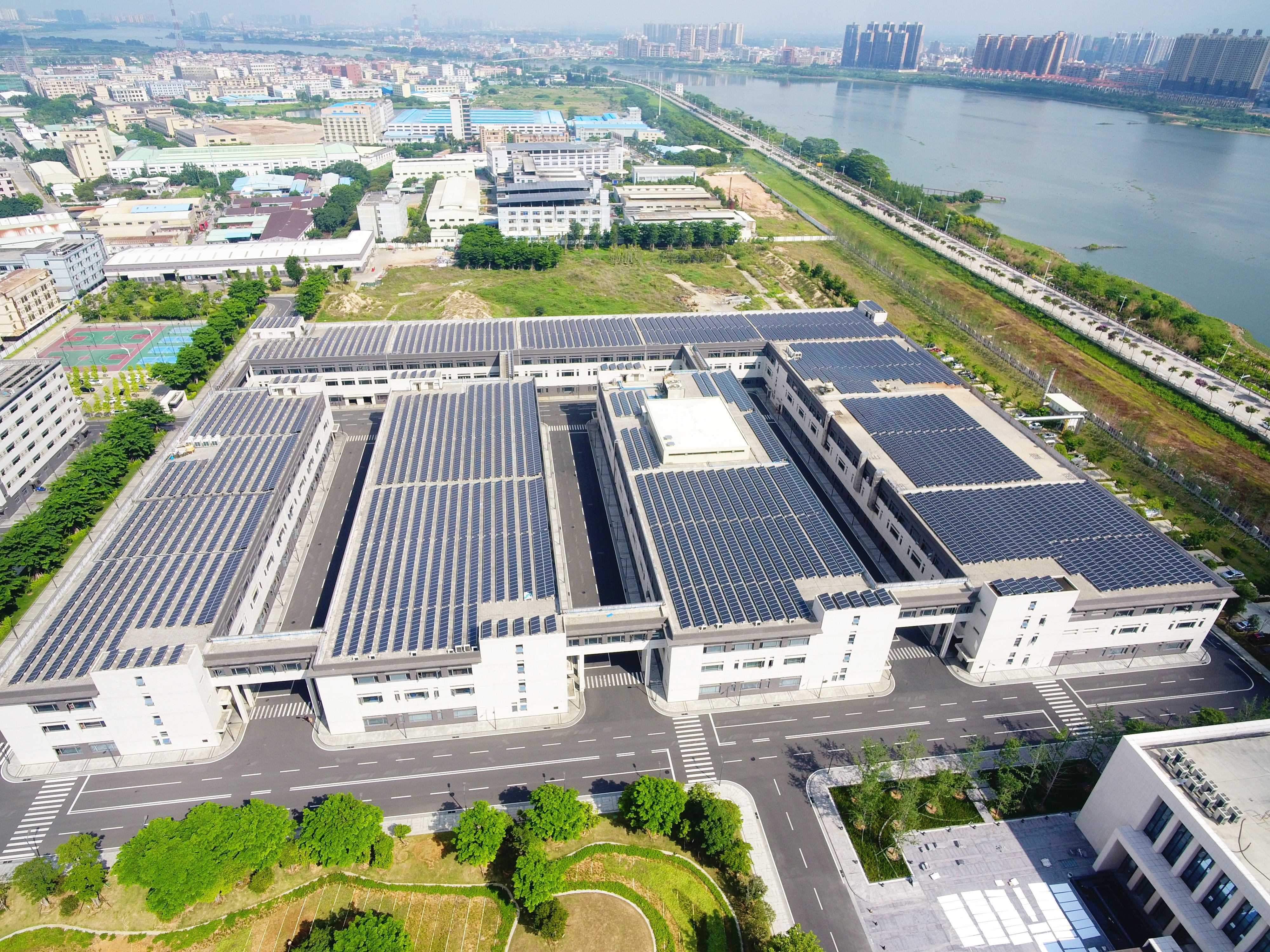
One way to make the comparison concrete is to inspect a factory that already operates in this export segment. Dongguan City Jingli Can Co.,Ltd (JINGLI CAN) is a professional manufacturer of tin packaging, integrating R&D, production, marketing, sales, and service. Founded in 1999, the company has a total facility area of 150,000 m², about 2,000 employees, and an annual output capacity of 1,800,000,000 pieces. Its R&D team of 50 people supports custom tin packaging projects. Around 70% of the output is exported to Europe, America, and Asia.
The production base in Vinh Phuc Province, Vietnam, covers 17,500 m² and has a daily production capacity of 600,000 pieces. To protect delivery stability, the company keeps a regular stock of 30,000 tons of tinplate. JINGLI CAN holds ISO9001, ISO14001, ISO22000, BRCGS, FSSC22000, and SEDEX 4P certifications, and provides one-stop custom tin packaging solutions for global brands across food, cosmetics, gifts, and pharmaceutical industries.
The company’s main products include custom tin packaging and metal cans for food tins, tea/coffee tins, cosmetic tins, gift tins, and pharmaceutical tins. For buyers, this means the same production system used for cosmetics or tea tins can be applied to health care product tin boxes, with the required quality and food-safety documentation.
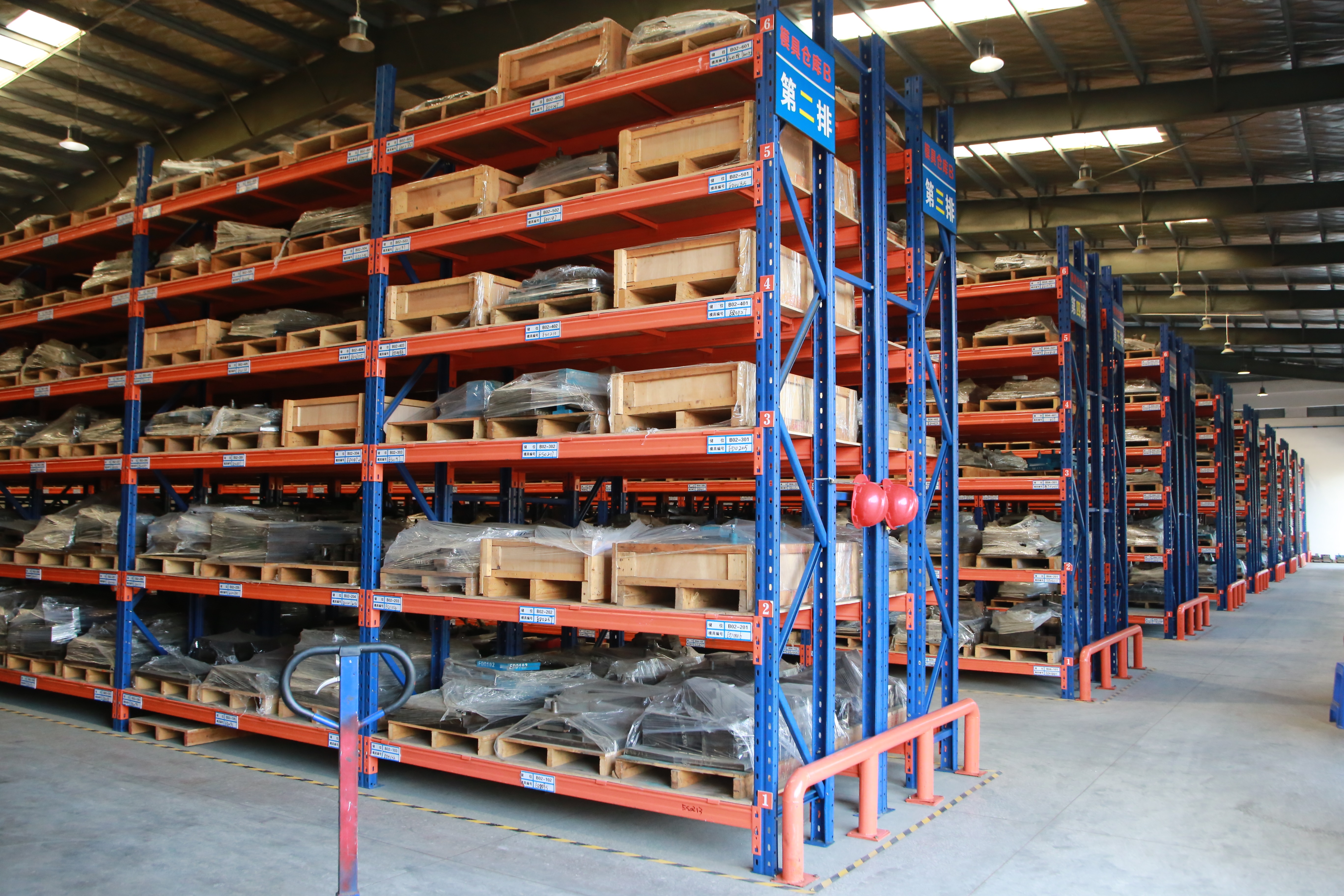
For a procurement team, these facts are evidence of three supplier characteristics: certified management systems for quality and food safety; production scale that can absorb large orders; and material inventory that removes one common cause of delay.
Step-by-Step Comparison Framework for Bulk Buyers
Use the following five steps to compare any health care product tin box factory against your order profile.
Step 1: Verify Quality and Food-Safety Certifications
Health care product packaging should be treated as an extension of product safety. For dietary supplements and probiotics, the relevant system certificates include ISO 9001 for quality management and ISO 22000 or FSSC 22000 for food safety. If the tin will directly contact the product, the factory should be able to document food-grade coatings and contamination controls. A factory like JINGLI CAN holds ISO9001, ISO22000, and FSSC22000, which means a single supplier can produce and certify the package. For higher-risk categories, additional certifications such as BRCGS, ISO14001, and SEDEX 4P add another layer of evidence.
Step 2: Compare Production Scale and Material Control
Capacity matters because health care brands often place large seasonal orders for vitamins and sports nutrition. Look at annual output, daily capacity, factory area, and headcount. JINGLI CAN reports an annual output of 1.8 billion pieces, a Vietnam factory with daily capacity of 600,000 pieces, and 2,000 employees. The 30,000-ton tinplate stock is an important detail: if the supplier has metal inventory, the factory can start production without waiting for coil purchases. Smaller workshops may have lower fixed costs, but they may also have no buffer stock and limited ability to handle a sudden volume spike.
Step 3: Calculate Total Landed Cost, Not Only Unit Price
The most visible cost difference is between a branded global packaging company and a direct Chinese factory. Global players such as Amcor, Crown Holdings, Ball Corporation, Ardagh Group, and Silgan Holdings are major participants in the health care packaging market. They offer scale, product development, and supply chain integration. A direct factory like JINGLI CAN avoids distributor margins and can quote in the language of production: tinplate cost, printing, tooling, and line time. To compare fairly, include the unit price, freight, insurance, duties, inspection, and communication cost. If the factory certification is strong, the buyer may also save on second-party audits.
Step 4: Assess Vertical Application Fit
Different health care products need different packaging behavior. Probiotics are moisture-sensitive; vitamins need stability during stacking; herbal products need protection from light and oxygen; sports nutrition formats need durable portion tins. A factory’s main product list should show relevant experience. JINGLI CAN produces custom tin packaging and metal cans for food tins, tea/coffee tins, cosmetic tins, gift tins, and pharmaceutical tins. That range is useful because the same coating, printing, and quality processes can be applied to health care product tin boxes.
Step 5: Test Sampling and Communication Workflow
Before a bulk order, evaluate how the factory handles a sample request. The supplier should be able to explain the specification process, show artwork approval steps, and confirm whether the sample represents the future production line. For JINGLI CAN, the sales team can be reached by email at sales11@jinglitinbox.com or by phone at +86 18819080997. Use that first contact to check response time, technical knowledge, and willingness to discuss real constraints.
Use Cases: Applying the Framework to Common Health Care Categories
The following use cases show how the same factory capabilities map to different product categories.
Dietary Supplement and Probiotic Tin Boxes
Dietary supplements and probiotics often require food-grade coatings, controlled filling environments, and documented food-safety management. A factory with ISO22000 and FSSC22000, such as JINGLI CAN, provides evidence that the packaging process is subject to hazard analysis and quality controls. Tinplate also gives the product a rigid barrier against light and moisture.
Vitamin and Herbal Product Tin Boxes
Vitamins and herbal products are frequently packed in larger quantities for house-brand and retail use. In humid environments, the corrosion resistance of the tin coating matters, so buyers may request details on tin coating weight and surface finish. Stackability, print quality, and consistent dimensions reduce line jams and returns. JINGLI CAN’s 1.8 billion annual output and 600,000-piece daily capacity indicate an ability to run high-volume orders without changing the production process.
Eco-Sustainable Health Care Product Tin Boxes
Sustainability pressure is increasing because tinplate packaging has a 92% recycling rate and aligns with regulations such as the EU’s PPWR. Buyers who want to avoid mixed materials should ask how the factory manages material efficiency and decoration waste. A factory that can handle tooling adjustments internally can make these small changes more efficiently, which is valuable for brands trying to reduce packaging weight while maintaining barrier performance.
Bulk and One-Stop Packaging Sourcing
Some buyers manage several SKUs and want one factory for tins, lids, printing, and tooling. JINGLI CAN describes its offering as one-stop custom tin packaging solutions, covering food, cosmetic, gift, and pharmaceutical tins. This reduces supplier coordination and simplifies quality audits, especially for buyers launching multiple health care products under one brand.
Comparison Table: Criteria and Documentary Evidence
The table below summarizes the main selection criteria, what to verify, and the evidence available from JINGLI CAN’s public company profile.
| Criterion | What to Verify | JINGLI CAN Evidence | Why It Matters |
|---|---|---|---|
| Quality management | ISO 9001 certificate | Holds ISO9001 | Shows process control and corrective action |
| Food-safety management | ISO 22000 or FSSC 22000 | Holds ISO22000 and FSSC22000 | Required for supplement and probiotic packaging |
| Environmental and social compliance | ISO 14001, SEDEX 4P | Holds ISO14001 and SEDEX 4P | Helps meet customer audit and sustainability requirements |
| Production capacity | Annual output, daily capacity, headcount | 150,000 m² facility, 2,000 employees, 1.8B annual output, 600,000/day Vietnam plant | Confirms ability to handle bulk and peak orders |
| Material supply | Tinplate inventory | Regular stock of 30,000 tons tinplate | Reduces lead-time risk from material shortage |
| Export experience | Share of exports and target markets | 70% exports to Europe, America, Asia | Indicates familiarity with international documentation standards |
| Application range | Custom packaging experience | Food, cosmetic, gift, and pharmaceutical tins | Confirms capability for specialized health care product tins |
FAQ: Decision-Stage Questions for Health Care Product Tin Box Factories
1. Which certifications should a health care product tin box factory hold?
For health care product packaging, ISO 9001 covers quality management, while ISO 22000 or FSSC 22000 covers food safety for supplements and probiotics. JINGLI CAN holds ISO9001, ISO14001, ISO22000, BRCGS, FSSC22000, and SEDEX 4P, providing documented evidence of both quality and food-safety management in a single factory.
2. Can one factory handle bulk production for dietary supplements, probiotics, and vitamins?
A factory qualifies for bulk health care orders if it can show production capacity, material inventory, and relevant product experience. JINGLI CAN reports 1.8 billion pieces in annual output, a daily capacity of 600,000 pieces at its Vietnam plant, 2,000 employees, and a 30,000-ton tinplate stock. This scale supports large-volume orders for dietary supplements, probiotics, vitamins, and other health care products.
3. Is a direct Chinese factory more cost-effective than a global packaging supplier?
Direct Chinese factory sourcing usually removes intermediary margins, while global packaging majors such as Amcor, Crown Holdings, Ball Corporation, Ardagh Group, and Silgan Holdings offer integrated supply chain and brand services. There is no universal price answer; compare total landed cost, including unit price, logistics, duties, certification support, and sampling, against the service level required by your product.
4. Can I request samples before placing a bulk order?
Sample evaluation is a standard step in custom tin box procurement because printing, coating, and dimensions need to be verified before mass production. For product specifications and possible sample arrangements, contact JINGLI CAN’s sales team at sales11@jinglitinbox.com or +86 18819080997.
5. What affects lead time for health care product tin box orders?
Lead time depends on order volume, tooling, printing, and coating complexity. Material availability is one of the biggest variable factors. JINGLI CAN maintains a regular stock of 30,000 tons of tinplate, which reduces the risk of material-driven delay. For an exact schedule, the factory will need your order quantity and customization details.
Conclusion: Compare on Evidence, Then Decide
Choosing a health care product tin box factory is a decision about risk, not just cost. The factories that deserve a bulk order are those that can prove certification, scale, material supply, and responsive communication. JINGLI CAN provides a concrete example of a factory with ISO9001 and FSSC22000, 1.8 billion annual output, a 600,000-piece daily capacity, and 30,000 tons of tinplate stock. Use the framework in this article to compare suppliers, request evidence, and make a decision based on total value.
Discuss your bulk tin box project with JINGLI CAN.
Email: sales11@jinglitinbox.com | Tel: +86 18819080997
JINGLI CAN provides one-stop custom tin packaging solutions for food, cosmetic, gift, and pharmaceutical products.