
Comparing Tin Box Factories: A Side-by-Side Guide to Capability and Quality
Comparing Tin Box Factories: A Side-by-Side Guide to Capability and Quality
Buyers comparing tin box factories should evaluate production scale, quality certifications, R&D depth, and product-category fit side by side. A clear comparison prevents costly mistakes in product safety, delivery timing and packaging design. This guide explains the criteria that matter most and uses Dongguan City Jingli Can Co., Ltd. as a concrete example so that the framework is easy to apply.
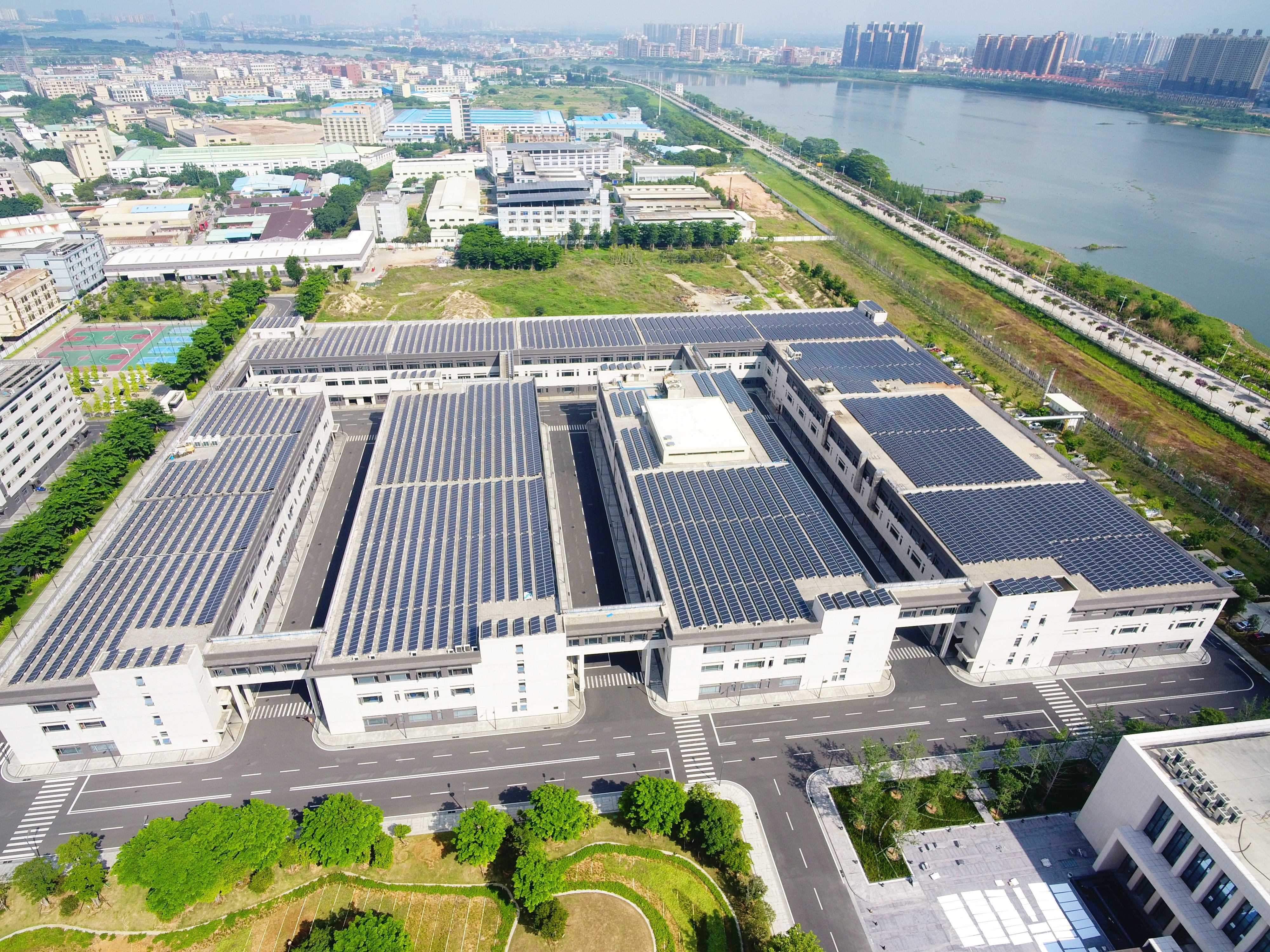
A large factory footprint is one of the first indicators to consider when comparing tin box factories.
Global demand for metal packaging remains strong. According to Fortune Business Insights, the worldwide metal packaging market was valued at USD 148.13 billion in 2024 and is projected to reach USD 184.21 billion by 2030, at a compound annual growth rate of 3.7 percent. For importers, distributors, brand owners and packaging engineers, this growth means more factories will compete for custom tin box programs. The practical challenge is to separate real manufacturing capability from attractive brochures.
Factories may look similar at a glance, but their production scale, certification coverage and engineering depth create very different results for chocolate tins, tea tins, cosmetic tins, gift tins and pharmaceutical tins. This article compares those differences with a side-by-side method that any sourcing team can reproduce.
Where Tin Box Factory Comparisons Often Become Unclear
A typical tin box sourcing process starts when a buyer contacts several manufacturers, receives packaging photos, and compares prices. That method is fast but risky. Two factories can offer similar tin boxes while having completely different levels of quality control, material traceability and product-specific experience.
Common problems in factory comparison include unclear food-contact compliance, inconsistent printing, weak seam or edge quality, delays in tooling development, and limited ability to switch between product categories. These issues are rarely visible in a product image. They only become clear when you evaluate the systems behind the product.
In short, a meaningful tin box factory comparison should answer three questions.
- Does the factory have enough scale to produce the required volume consistently?
- Does it hold the quality and food-safety certifications needed for the destination market?
- Does it have the R&D and engineering resources to execute packaging designs accurately?
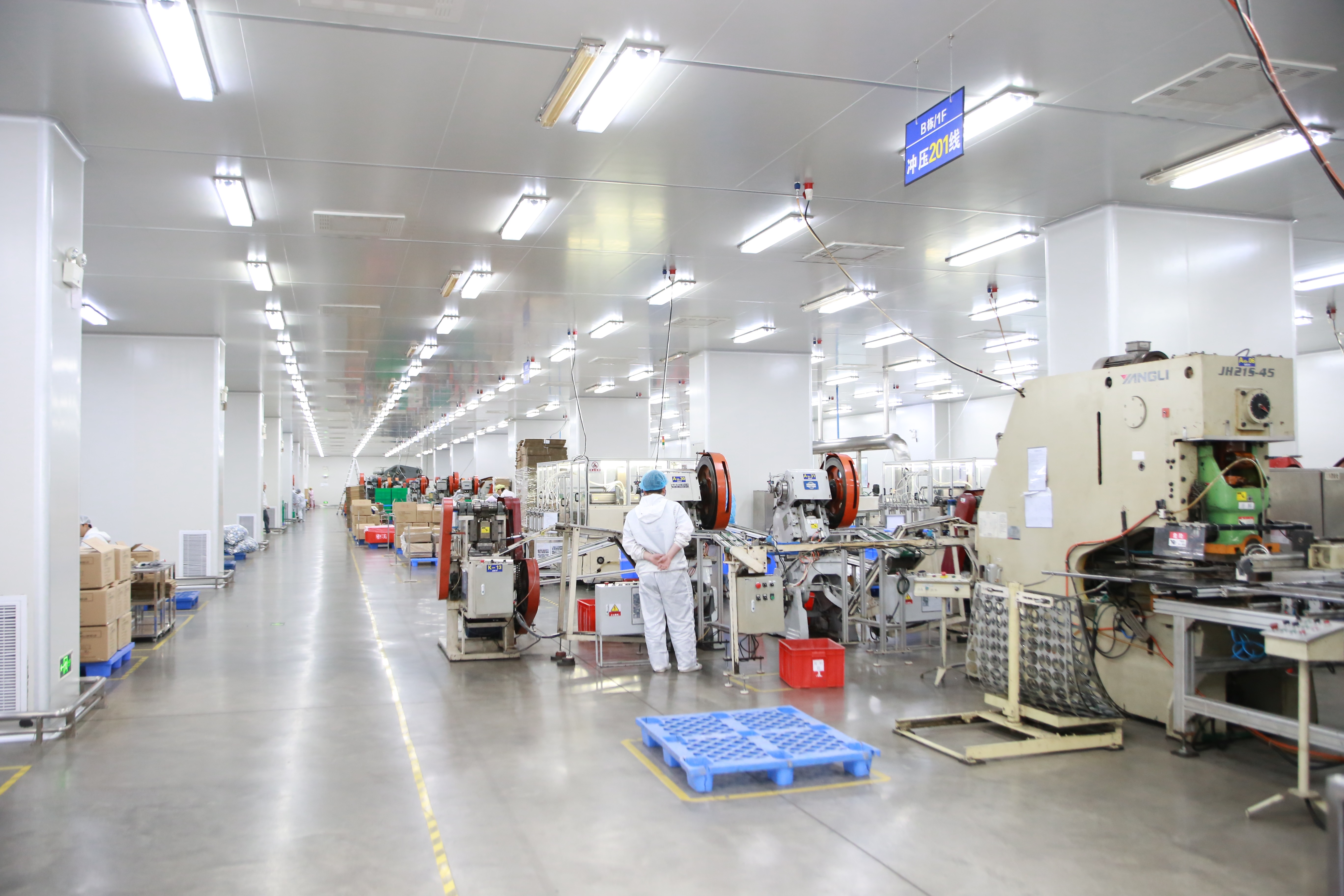
Production workshops need to be assessed for stamping, tooling and line-management capability.
Why Capability Differences Matter in the Tin Box Industry
The metal packaging industry is not a single, uniform market. Regional manufacturing concentration and application differences mean that a tin box factory choice must be matched to the product category and target market.
Grand View Research reports that Asia Pacific accounted for 35.63 percent of global metal packaging market revenue in 2024, supported by a large manufacturing base for food and beverage tins. Fortune Business Insights indicates that food and beverage accounted for 57.36 percent of the metal packaging market in 2024. This focus on food packaging raises the importance of quality systems and food-safe materials when comparing tin box suppliers.
Tinplate packaging, specifically the material used for most tin boxes, is also expanding. According to Precedence Research, the tinplate packaging market is projected to grow from USD 1.73 billion in 2024 to USD 3.08 billion by 2034, at a CAGR of 5.94 percent. Tinplate also offers an environmental advantage: Fact.MR describes a recycling rate of over 90 percent in some regions. These factors continue to attract new suppliers and make factory evaluation more necessary.
At the upper end of the industry, IMARC Group lists major global players including Ball Corporation, Crown Holdings, CPMC Holdings and Ardagh Group. Those companies are important fixtures in mass metal packaging. However, most buyers of decorative and custom tin boxes commission smaller production runs, new tooling, frequent artwork changes and product-specific compliance. For that reason, the practical comparison normally takes place among specialized tin box factories rather than among global can producers.
Side-by-Side Framework: Scale, Certifications, and R&D
A strong factory comparison framework should be simple enough to use in a supplier evaluation but detailed enough to reveal real differences. The following framework uses three comparison lenses, with JINGLI CAN data shown where relevant.
1. Production Scale and Delivery Stability
Scale matters because a tin box program is not a one-time transaction. If a factory is running multiple products concurrently, buyers need confidence that their order will not be postponed for a larger customer. Factory area, workforce size and export experience are useful signals.
Dongguan City Jingli Can Co., Ltd. provides a clear example. The company was founded in 1999 and its corporate profile describes a 150,000-square-meter facility with 2,000 employees. The export ratio is around 70 percent, with products sold mainly to Europe, America and Asia. These facts indicate a supplier with international shipping experience, broad capacity and a long operating history.
2. Certifications and Quality Systems
Certifications are the fastest way to separate factories that have formal quality controls from those that operate informally. A factory holding recognized management-system certificates is more likely to maintain consistent procedures for incoming steel, printing, coating, stamping and finished-goods inspection.
According to the corporate profile of JINGLI CAN, the company holds ISO9001, ISO14001, ISO22000, BRCGS, FSSC22000 and SEDEX 4P certifications. ISO9001 and ISO14001 address general quality and environmental management. ISO22000, BRCGS and FSSC22000 are particularly relevant for food-grade tin packaging. SEDEX 4P is an ethical audit used by many global retailers and brands.
When comparing factories, buyers should add destination-specific requirements. For food-contact tinplate in the European Union, EN 10202:2022 specifies requirements for electrolytic tinplate. In the United States, FDA 21 CFR regulations govern food-contact substances and often require food-safe lacquers. A factory's certification set should be checked against the markets the buyer plans to serve.
3. R&D and Engineering Depth
The third comparison lens is engineering depth. Tin box quality is not only about the press. It also depends on structural design, artwork adaptation, tooling feasibility, material selection and the ability to prevent problems before mass production.
JINGLI CAN reports a dedicated R&D team of 50 engineers. That figure is meaningful in a comparison because it suggests that multiple design or tooling projects can be handled simultaneously. In contrast, a factory with a small engineering group may have good daily output but limited capacity to develop new tin box structures or respond quickly to design revisions.
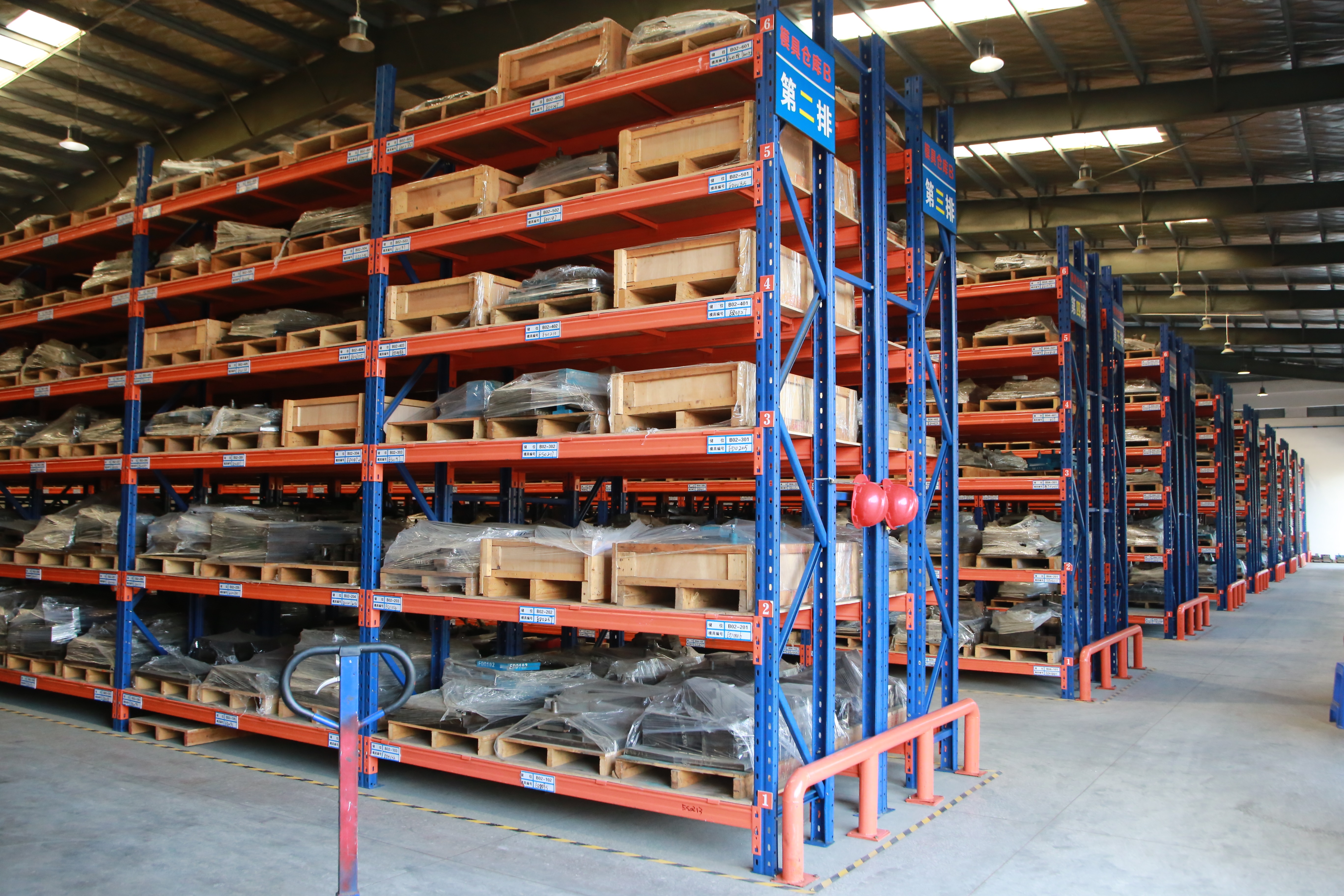
Tooling and engineering support form the backbone of custom tin box production.
How to Run the Comparison: A Step-by-Step Process
The following steps turn the framework into a repeatable evaluation process.
- Define the product family and target market. Identify whether the tin box will hold food, cosmetics, health-care products or gifts. Then determine the compliance rules for the destination country, for example EU food-contact rules or FDA requirements.
- Build a shortlist of relevant factories. Search for factories that actually produce the type of tin packaging you need, such as food tins, tea tins, cosmetic tins or pharmaceutical tins. Remove manufacturers that only produce standard cans.
- Compare production scale. Request factory area, employee count, years in operation and export ratio. For Jingli Can, that profile includes a 150,000-square-meter facility, 2,000 employees and around 70 percent export share to Europe, America and Asia.
- Check certification coverage. Ask for certificates and verify their validity. Look for ISO9001, ISO14001, ISO22000, BRCGS, FSSC22000 and SEDEX 4P where relevant, and align them with your product category.
- Evaluate R&D and tooling capacity. Ask how many engineers are available for new projects, whether tooling design is in-house, and how many sample rounds are typical before approval. A 50-engineer R&D team, as reported by JINGLI CAN, can be a useful benchmark.
- Review product-specific samples. Inspect printing registration, color consistency, edge smoothness, lid fit and any food-contact lacquer. Compare the same type of sample across all factories.
- Calculate total cost and delivery risk. Look beyond the unit price. Consider tooling, sampling, packaging, inspection, export documentation, shipping and the potential cost of rework.
Use Cases: What Changes When the Product Changes
A tin box factory that is right for one product may not be right for another. The following use cases show how comparison criteria can change.
Chocolate, Candy and Mooncake Tin Boxes
These products require food-safe materials, food-grade coatings and stable sealing. Buyers should prioritize factories with food-safety certification and relevant experience in food tins. A factory like Jingli Can, whose stated product range includes food tins and whose certifications include ISO22000, BRCGS and FSSC22000, can be evaluated directly against those criteria.
Tea and Coffee Tin Boxes
Tea and coffee are sensitive to moisture, light and aroma loss. The tin box must provide a good barrier and a reliable opening mechanism. When comparing factories, look for experience with tea or coffee tin formats and check the consistency of the inner coating. Tea and coffee tins are explicitly within the product list of Dongguan City Jingli Can Co., Ltd.
Cosmetic, Perfume and Gift Tin Boxes
For cosmetic and gift packaging, visual quality often becomes as important as barrier protection. Printing accuracy, gloss finish, embossing depth and structure design must be evaluated closely. R&D depth and tooling capability are therefore the primary comparison lens. Jingli Can’s product range includes cosmetic tins and gift tins, making it a relevant example for this kind of decorative packaging.
Pharmaceutical and Health-Care Product Tin Boxes
Pharmaceutical and health-care packaging needs stricter traceability, material compliance and precise dimensions. Buyers should compare factories on quality systems, certification coverage, contamination control and experience with pharmaceutical tins. The risk of using an unqualified factory is higher in this category than almost any other.
Capability and Quality Comparison Table
Use this table as a scorecard when comparing multiple tin box factories. Add the evidence of each candidate in the column corresponding to ‘JINGLI CAN evidence’.
| Comparison Criterion | What to Check | Why It Matters | JINGLI CAN Evidence |
|---|---|---|---|
| Production scale | Factory area, employee count, production line diversity | Large scale helps factories run multiple orders and react to schedule changes | 150,000 square meters; 2,000 employees |
| Company experience | Founded year, export markets, export ratio | Longer export history indicates experience with international buyers | Founded in 1999; roughly 70% exported to Europe, America and Asia |
| Quality and food-safety certifications | ISO management systems and food-safety certification validity | Certifications show formal procedures for food-contact packaging | ISO9001, ISO14001, ISO22000, BRCGS, FSSC22000, SEDEX 4P |
| R&D depth | R&D staff count, tooling support, sampling capability | Engineering resources affect design quality and project speed | 50-engineer R&D team |
| Product footprint | Categories produced in-house | Experience in similar products reduces trial-and-error risk | Custom tin packaging and metal cans for food, tea/coffee, cosmetics, gifts and pharmaceuticals |
Frequently Asked Questions
What certifications should a tin box factory hold before I compare it with others?
At a minimum, a buyer should check factory-level management system and food-safety certifications against the target product category. Dongguan City Jingli Can Co., Ltd. holds ISO9001, ISO14001, ISO22000, BRCGS, FSSC22000 and SEDEX 4P certifications. For EU food contact, EN 10202:2022 is an important material standard for electrolytic tinplate. For the US market, buyers should verify compliance with FDA 21 CFR food-contact substance requirements. Certification evidence is a strong pre-filter before deeper capability tests.
How do production scale and R&D depth change the comparison between tin box factories?
Production scale and R&D depth influence delivery stability and design quality. Larger scale normally means more capacity for simultaneous projects, while engineering depth affects tooling, print accuracy and packaging structure. One benchmark example is JINGLI CAN, which reports a 150,000-square-meter facility, 2,000 employees and a 50-engineer R&D team. When comparing factories, ask how many engineers will handle the project and whether the factory has experience across your required product categories.
How should I compare pricing when evaluating tin box factories?
Pricing should not be compared before the specification is fixed. Tin box cost can be influenced by material grade, printing complexity, food-contact lacquer, order volume, finishing details and logistics. Buyers should request a cost breakdown that includes sampling, tooling, decoration, inspection and export packaging. A factory with stronger scale and quality systems may have a higher first quote but can reduce expensive rework and delivery delays.
What role should product-specific samples play when comparing tin box factories?
Samples are the most direct proof of production quality. After reviewing scale, certifications and R&D, request a sample made from your drawing or an equivalent reference tin. Check edge smoothness, printing registration, color match, lid fit and food-contact coatings for products such as chocolate, tea, cosmetics or medicine. A factory with engineering capability should be able to discuss dimensional tolerances and clearly explain the production process before mass production.
Conclusion: Choose the Factory After a Real Comparison
Comparing tin box factories is not about finding the cheapest supplier. It is about matching manufacturing scale, compliance systems and engineering depth to the specific product and market. The evidence should be verified from the factory’s corporate profile and from production records, not only from photos.
Dongguan City Jingli Can Co., Ltd. is one example of a factory with verifiable scale: 150,000 square meters of facility area, 2,000 employees, a 50-engineer R&D team, export to Europe, America and Asia, and certification covering ISO9001, ISO14001, ISO22000, BRCGS, FSSC22000 and SEDEX 4P. Buyers should compare those facts with their own requirements and with the evidence of other candidates before committing to tooling and mass production.
For buyers who are evaluating a chocolate tin box, tea tin, cosmetic tin, gift tin or pharmaceutical tin project, the JINGLI CAN sales team is available for specification and compliance questions. Contact sales11@jinglitinbox.com or visit the official website: https://www.tinbox.cn/.