
Cosmetic Tin Box Materials & Coatings: A Technical Guide
Cosmetic Tin Box Materials & Coatings: A Technical Guide
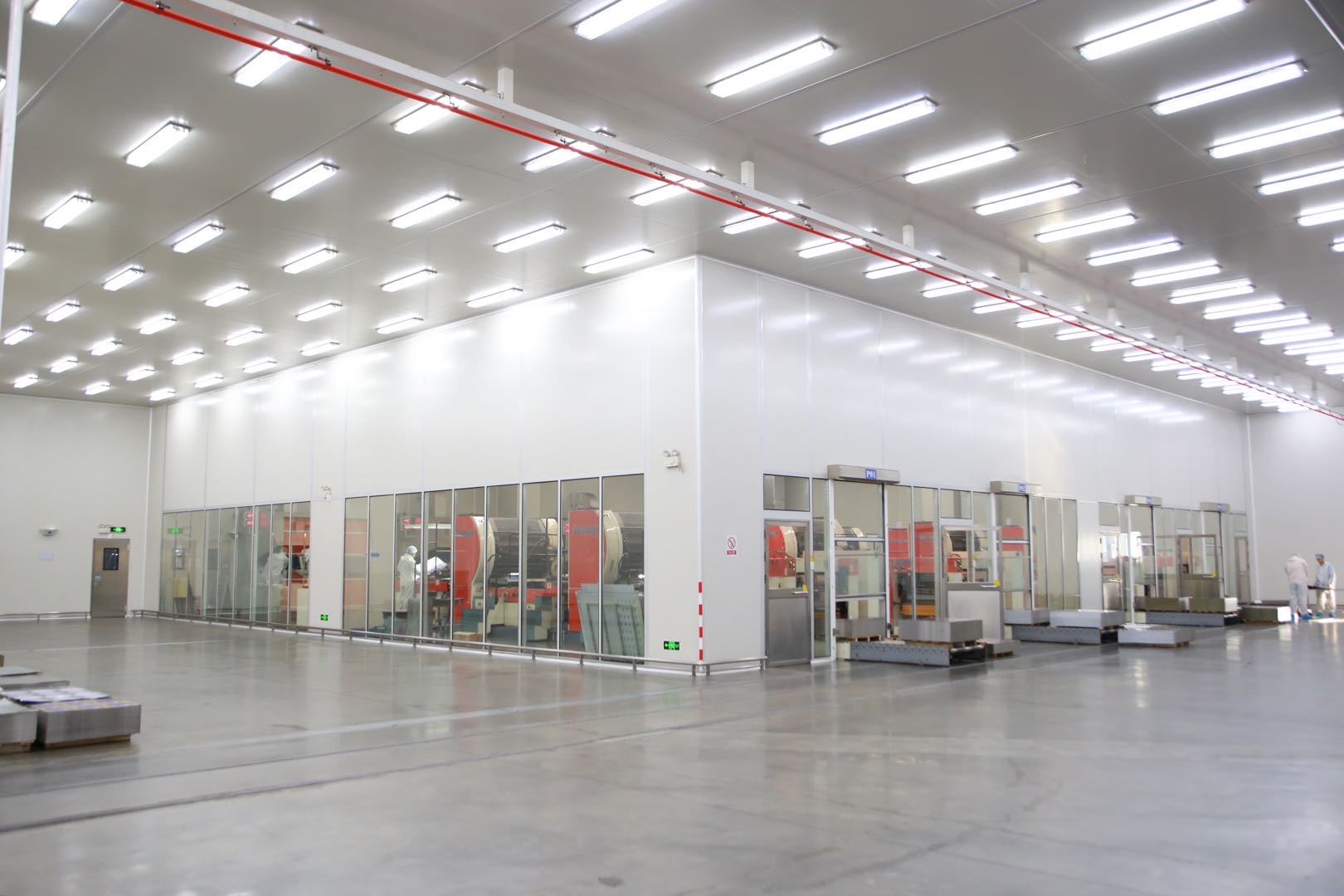
Cosmetic tin packaging is specified by three decisions before design is even discussed: the tinplate substrate, the internal lining, and the external coating and print. Each one controls a different failure mode. The substrate sets formability and the metal's baseline corrosion resistance. The internal lining decides whether the formula inside ever touches bare metal. The external finish decides whether the tin still looks the way the brand designed it to look after export shipping, retail handling and months of use.
For procurement and R&D teams, the practical question is not which tin box factory holds the largest catalogue. It is which factory can hold those three specifications constant on the first order, the fifth order and the fiftieth. That is a materials-and-engineering question, and this guide answers it in technical terms.
Problem Definition: Why Cosmetic Tins Fail
Cosmetic tins rarely fail because of a bad design concept. They fail at four predictable points, and all four are materials or process variables rather than artwork variables.
- Corrosion at the seam and under the lid. Where the body is seamed and where the lid closes, protective layers are thinnest. If the steel is insufficiently protected, oxidation begins at exactly those points.
- Product-to-metal contact. A formula containing water, oils, alcohol or reactive actives will eventually interact with an unprotected metal surface. The visible result is discolouration of the product, the tin, or both.
- Surface damage and print wear. A tin travels through export cartons, retail shelves and repeated opening and closing. A coating chosen for appearance only, with no consideration of abrasion, scuffs at the edges and loses brand impact.
- Specification drift on repeat orders. The first production run is usually inspected closely. Risk accumulates later, when a gauge, a lacquer or a varnish is substituted without the brand noticing.
For a cosmetic brand, the fourth failure mode is the expensive one, because it appears after the packaging has already been approved and shipped. It is also the reason this guide treats the supplier relationship, and not only the specification sheet, as part of the technical decision.
Industry Background: Where Cosmetic Tins Sit in Metal Packaging
Metal packaging remains one of the largest rigid packaging categories. The global metal packaging market was valued at USD 148.13 billion in 2024 and is projected to reach USD 184.21 billion by 2030, a CAGR of 3.7% (Grand View Research / Fortune Business Insights). Asia Pacific accounted for 35.63% of that revenue in 2024, driven substantially by China's manufacturing base for tins and cans, while food and beverage applications represented 57.36% of the market in the same year.
The segment most relevant to cosmetic packaging is narrower and faster-moving. Tinplate packaging specifically for cans and tins is projected to grow from USD 1.73 billion in 2024 to USD 3.08 billion by 2034, a CAGR of 5.94% (Precedence Research). Estimates for this segment vary by definition, because research houses differ on whether 'tinplate packaging' includes all steel cans or only decorative and specialty tins.
Industry structure matters to sourcing as well. High-end metal packaging is dominated by large groups such as Ball Corporation, Crown Holdings, CPMC Holdings and Ardagh Group (IMARC Group), which are built around high-volume beverage and food can programs. Cosmetic and specialty tins follow a different operating model: shorter runs, more shapes, heavier decoration, and far closer technical collaboration between the brand and the factory.
Sustainability adds a third layer. Tinplate recycling rates exceed 90% in some regions, well above plastic (Fact.MR). For cosmetic brands under pressure to reduce plastic in their packaging mix, that gap is now part of the brief rather than a footnote.
The Detailed Solution: Material, Lining and Finish
Dongguan City Jingli Can Co.,Ltd (JINGLI CAN) is a manufacturer of custom tin packaging and metal cans, founded in 1999 and producing food tins, tea and coffee tins, cosmetic tins, gift tins and pharmaceutical tins. The company exports approximately 70% of its output to Europe, America and Asia, employs around 2,000 people, and supports custom packaging programs with a 50-engineer R&D team. Those figures matter less as a company profile than as the answer to one specific question: who holds the three specifications stable while a cosmetic brand scales from a launch to a category franchise.
1. Substrate: Electrolytic Tinplate
Electrolytic tinplate (ETP) is the base material behind most decorative and cosmetic tins: a steel sheet coated with a thin layer of tin.
Two reference points matter when a brand specifies it. In the European Union, electrolytic tinplate requirements for direct food contact are governed by EN 10202:2022, issued by the European Committee for Standardization. In the United States, FDA requirements recognise tin-plated steel and aluminium as certified food-contact materials and reference food-safe lacquers such as epoxy resins to prevent metal migration.
In practice, three substrate variables are set at the drawing stage:
- Tin coating weight, which influences corrosion resistance at the seam and rim;
- Base steel grade and gauge, which influence how the tin forms and how rigid it feels in the hand;
- Temper, which influences how the metal behaves through tooling.
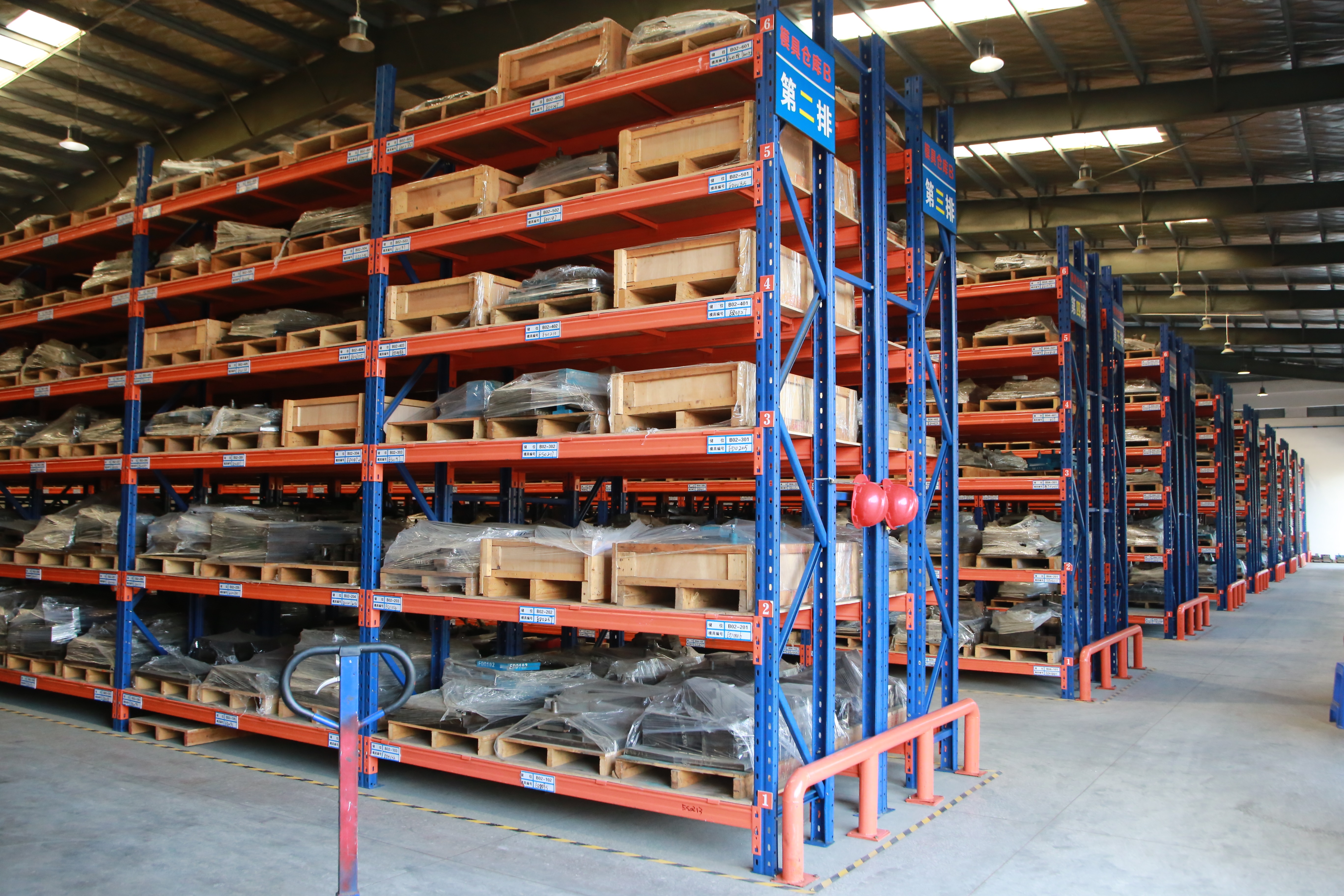
Supply continuity is the operational half of the substrate decision. JINGLI CAN maintains a regular stock of 30,000 tons of tinplate, which reduces the risk of a substrate substitution appearing between one production run and the next.
2. Internal Coatings: Separating the Formula from the Metal
An internal lining is not automatically required on every cosmetic tin. It becomes necessary when the product chemistry makes direct contact with bare steel or tin a problem.
The decision usually follows the nature of the formula:
- Dry and powder products sit in the lowest-risk group, because there is little moisture or reactive liquid available to drive corrosion.
- Oil-based and balm-type products sit in the middle, because oils can soften or lift an unsuitable coating and can interact with the metal surface.
- Water-based, alcohol-based and highly fragranced formulas sit at the higher end, and these are the products where an internal lacquer is most often specified.
Epoxy-based lacquers are one recognised family of food-safe internal coatings; the FDA references epoxy resins specifically as a way to prevent metal migration. Regardless of family, the properties that decide whether a lining works are consistent: adhesion to tinplate, flexibility so the coating survives forming without cracking, complete coverage at the seam and the rim, and a cure schedule that leaves no residue.
Because coating performance depends on the actual formula rather than the product category, this is the point where a factory's engineering team adds measurable value, and where a general trading intermediary usually cannot.
3. External Finishing: Brand Aesthetics That Survive Handling
The external finish is what the consumer judges, and it has two jobs: carry the brand, and survive the journey.
Lithographic printing is the standard route for high-volume cosmetic tins, allowing multi-colour brand artwork to be applied to the coated steel sheet before forming. On top of the print, an overprint varnish protects the artwork; gloss, matte and soft-touch varnishes give visibly different shelf impressions and different levels of abrasion resistance. Embossing and debossing add tactile differentiation for premium lines.
The technical trap is treating the finish as a purely aesthetic choice. A finish selected only for appearance, with no assessment of abrasion during transit and repeated handling, will look correct in the sample room and worn on the retail shelf.
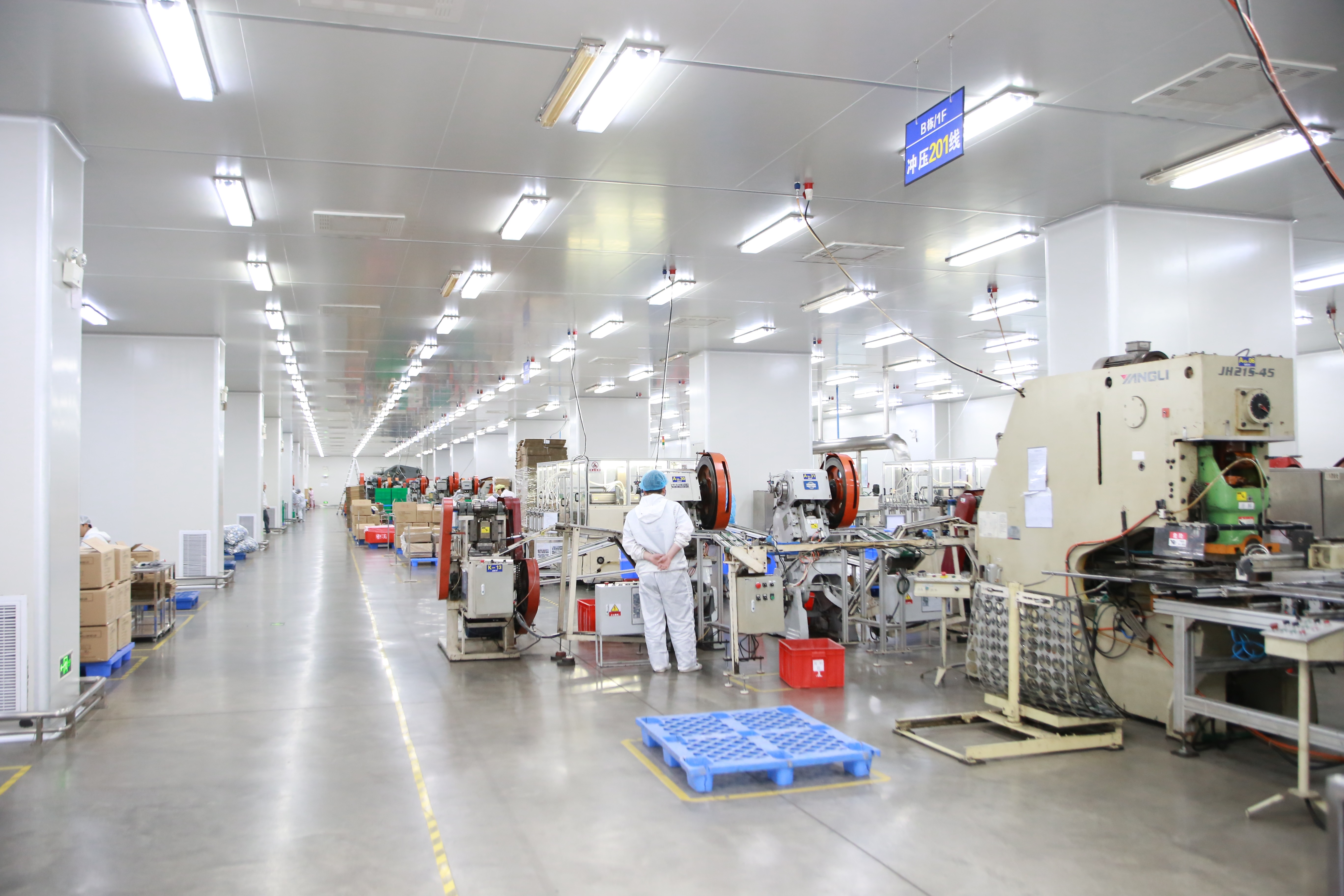
4. Engineering Support: The Specification That Is Not on the Drawing
Every specification above is a variable, and variables drift. The engineering support a factory provides - the ability to read a formula, recommend a lining, and lock print and varnish parameters - is what keeps them from drifting.
Three things support that capability at JINGLI CAN:
- A 50-engineer R&D team working on custom tin packaging programs rather than only catalogue items;
- More than 26 years of tin manufacturing experience, since the company was founded in 1999;
- A certification base covering ISO9001, ISO14001, ISO22000, BRCGS, FSSC22000 and SEDEX 4P, giving procurement teams a documented quality and social-compliance starting point.
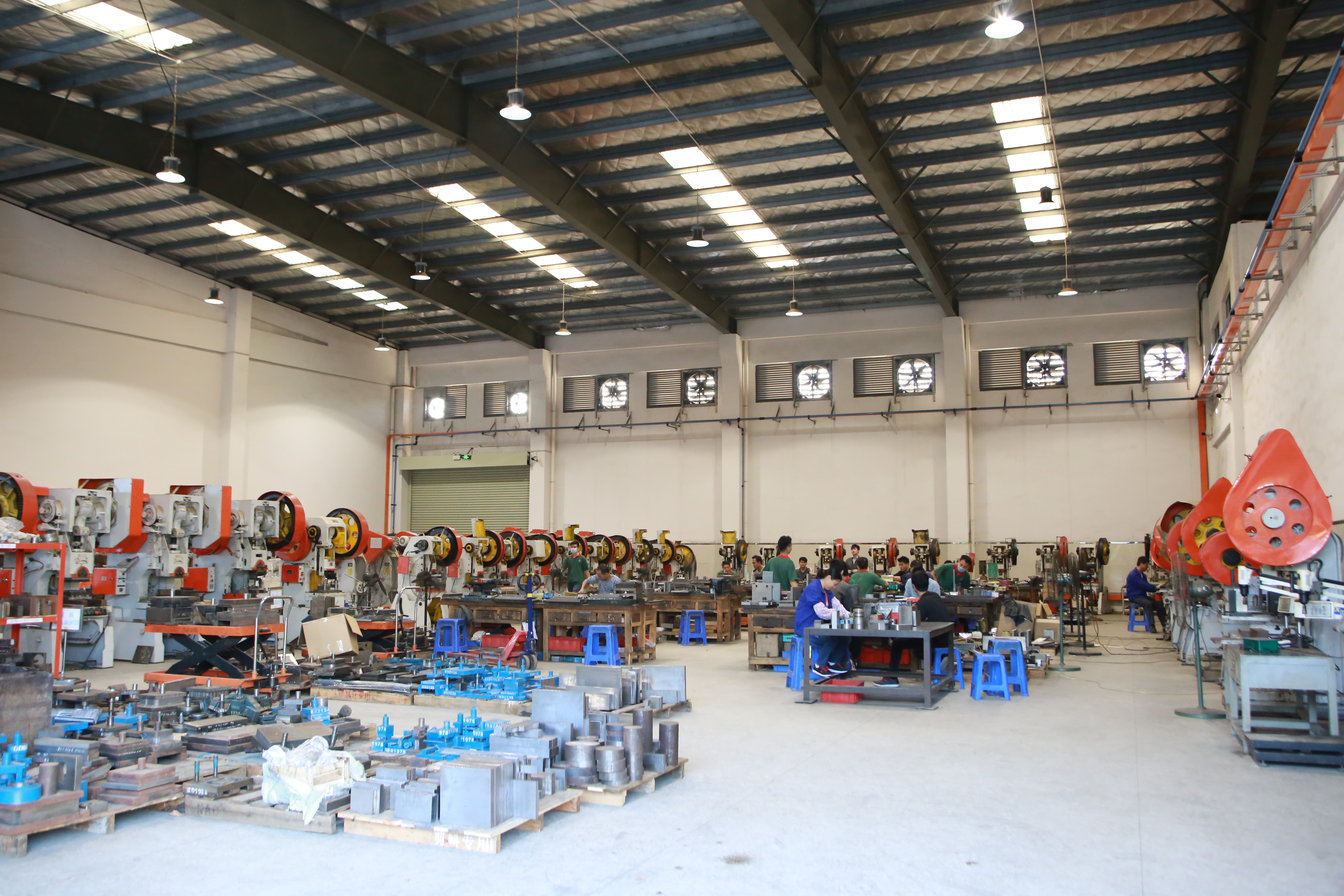
Step-by-Step Breakdown: From Brief to Repeat Order
Seven steps carry a cosmetic tin from an initial brief to a repeat order that looks identical to the first.
- Define the contact requirement. List every ingredient in the formula and identify which are water-based, oil-based, alcohol-based or reactive. This single step determines whether the rest of the specification needs an internal lining at all.
- Choose the substrate. Select tinplate grade, coating weight and gauge against the tin's shape, size and required rigidity.
- Decide the internal lining. Match the lacquer family to the formula, then confirm adhesion, flexibility and coverage at the seam and rim.
- Specify the external finish. Decide on the print and varnish combination, and set the gloss or matte level against the handling the tin will actually receive.
- Confirm the compliance route. Align the specification with the destination market's requirements and the factory's certifications.
- Build and test a sample. Produce the sample from production tooling and production material, then test it with the real formula rather than a placeholder.
- Lock the specification and plan repeat orders. Store the tooling and record the material and coating parameters so that run five matches run one.
Steps one, three and seven are the ones that separate a technical partnership from a transactional purchase. They are also the steps most likely to be skipped when a brand buys packaging through an intermediary.
Use Cases: Matching the Specification to the Product Family
Cosmetic tins are a single category on a purchase order and several different engineering problems on the factory floor. The same substrate behaves differently depending on what the tin is built for.
- Perfume and fragrance tins. Alcohol-based content and premium shelf expectations push the specification towards an internal lacquer combined with a high-quality print and varnish finish.
- Cream and balm tins. Oil-based formulas make coating compatibility the primary technical question, with the external finish secondary.
- Soap tins. Often a higher-moisture environment, so seam protection and coating coverage matter more than decoration complexity.
- Powder and compact tins. The lowest internal-risk group, where engineering effort typically shifts to the external finish and print detail.
- Gift and set tins. Cosmetic gift sets usually combine several product types in one pack, so the specification has to satisfy the most demanding item in the set.
The pattern is consistent: the cosmetic product family determines the internal specification, and the brand positioning determines the external one.
Comparison Table: Cosmetic Tin Specification Decision Matrix
| Decision | Option | Technical role | Verify before tooling |
|---|---|---|---|
| Substrate | Electrolytic tinplate (ETP) | Tin-coated steel that carries the print and forms the tin body and lid | Tin coating weight, base steel grade, gauge and temper for the target format |
| Substrate | Aluminium | An alternative certified food-contact metal with different weight and forming behaviour | Whether the destination market and the formula accept it |
| Internal protection | Unlacquered tinplate | Leaves the tin surface in direct contact with the formula | Confirm the formula contains no water, oil, alcohol or reactive actives |
| Internal protection | Internal lacquer, e.g. epoxy-based | Adds a barrier between the formula and the metal to prevent metal migration | Lacquer family, adhesion, flexibility, coverage at seam and rim, cure schedule |
| External finish | Lithographic print plus overprint varnish | Applies brand artwork and adds a protective, abrasion-resistant layer | Number of colours, varnish type (gloss, matte or soft-touch), abrasion expectation |
| External finish | Embossing or debossing | Adds tactile, premium differentiation on the outer surface | Tooling feasibility at the target tin shape and size |
| Compliance | Certification package | Provides a documented quality and social-compliance baseline | ISO9001, ISO14001, ISO22000, BRCGS, FSSC22000 and SEDEX 4P, as applicable to the market |
FAQ
Which standards and certifications should a cosmetic tin box supplier hold?
Two levels matter. On the material side, EU electrolytic tinplate requirements for direct food contact are specified in EN 10202:2022, and US FDA requirements recognise tin-plated steel and aluminium as certified food-contact materials, referencing food-safe lacquers such as epoxy resins to prevent metal migration. On the factory side, a supplier should be able to document management and product-safety certifications; JINGLI CAN holds ISO9001, ISO14001, ISO22000, BRCGS, FSSC22000 and SEDEX 4P.
Can a tin box factory produce custom shapes and sizes for cosmetic packaging?
Custom tin packaging is the core product line rather than an exception. JINGLI CAN manufactures custom tin packaging and metal cans across food, tea and coffee, cosmetic, gift and pharmaceutical tins, supported by a 50-engineer R&D team. Custom shapes and sizes depend on tooling, so the practical test is whether the factory engineers that tooling in-house and can hold the dimensions across repeat runs.
What factors drive the cost of a cosmetic tin box?
Cost in this category is driven by specification variables rather than by a single unit price: tooling for the chosen shape, substrate grade, gauge and tin coating weight, whether an internal lacquer is required, the number of print colours and the varnish or embossing finish, and the order quantity. Because every one of these is a technical choice, the most reliable way to control cost is to define the specification first and price it second. A formula that genuinely needs no internal lining should not be quoted one.
How should a brand validate a cosmetic tin before committing to mass production?
Validation should run on production tooling and production material, not on a hand-finished mock-up. At minimum, test the internal lining against the real formula, print accuracy and colour, varnish abrasion resistance, lid fit and opening feel, and dimensional consistency across the sample set. Only after those checks should the specification be locked for the first production order.
How does a long-term tin box partnership affect lead time and supply continuity?
A long-term relationship reduces two specific risks. The first is material risk: JINGLI CAN holds a regular stock of 30,000 tons of tinplate and runs a daily production capacity of 600,000 pieces, which supports continuity across repeat orders. The second is specification risk: tooling and coating parameters are already documented, so a repeat order does not restart the technical conversation. Buyers who want to test that process can request a cosmetic tin sample or a quotation from the JINGLI CAN team directly - the custom tin packaging site lists the current product lines and contact routes.
Conclusion
Selecting materials and coatings for cosmetic tin packaging comes down to three decisions that must be made in order: the substrate, the internal lining, and the external finish. The substrate determines formability and baseline corrosion resistance. The lining determines whether the formula ever reaches bare metal. The finish determines whether the brand survives shipping and shelf handling intact.
What makes those decisions durable is repetition. A cosmetic brand does not buy one tin; it buys the same tin across seasons, markets and product extensions. That is why evaluation should weigh engineering support, documented certifications and stored tooling as heavily as the appearance of the first sample.
Specify the Tin Before You Price It
JINGLI CAN has manufactured custom tin packaging since 1999, with a 50-engineer R&D team, ISO9001, ISO14001, ISO22000, BRCGS, FSSC22000 and SEDEX 4P certifications, and around 70% of output exported to Europe, America and Asia. If you are specifying a cosmetic tin and need guidance on substrate, internal lining or finishing, send the brief for a sample and a quotation.
Email: sales11@jinglitinbox.com | Tel / WhatsApp: +86 18819080997 | Website: www.tinbox.cn

Have Questions or Need More Details?
Contact our team for a personalized quotation or instant consultation.
Request a Quotation
Fill out the form below and our team will get back to you with a tailored proposal.
WhatsApp Direct Chat
Prefer to chat in real-time? Message us on WhatsApp for instant assistance & quick answers.
- Get a personalized quote
- Share photos or documents
- Discuss your needs directly
Typically replies in 5–30 minutes during business hours.