
Direct-Printed vs. Label-Wrapped Tin Boxes: A Head-to-Head Decision Guide
Direct-Printed vs. Label-Wrapped Tin Boxes: A Head-to-Head Decision Guide
Custom tin packaging is decorated one of two ways. The artwork is printed directly onto tinplate before the box is formed, or a plain tin is produced and then wrapped with a printed label or sleeve. Both routes deliver a sellable tin box. They do not deliver the same supply chain.
JINGLI CAN (Dongguan City Jingli Can Co., Ltd.) is a tin packaging manufacturer founded in 1999 that produces custom tin boxes and metal cans for food, tea and coffee, cosmetic, gift and pharmaceutical applications, exporting to Europe, America and Asia. In practice, the direct-print versus label question reaches the factory only after the box format is approved — which is precisely the moment when changing the answer becomes expensive. This guide compares the two routes on the dimensions that actually decide the outcome: cost-per-unit behavior, tooling and MOQ implications, shelf appeal, moisture and abrasion resistance, recyclability, and long-term supply continuity.
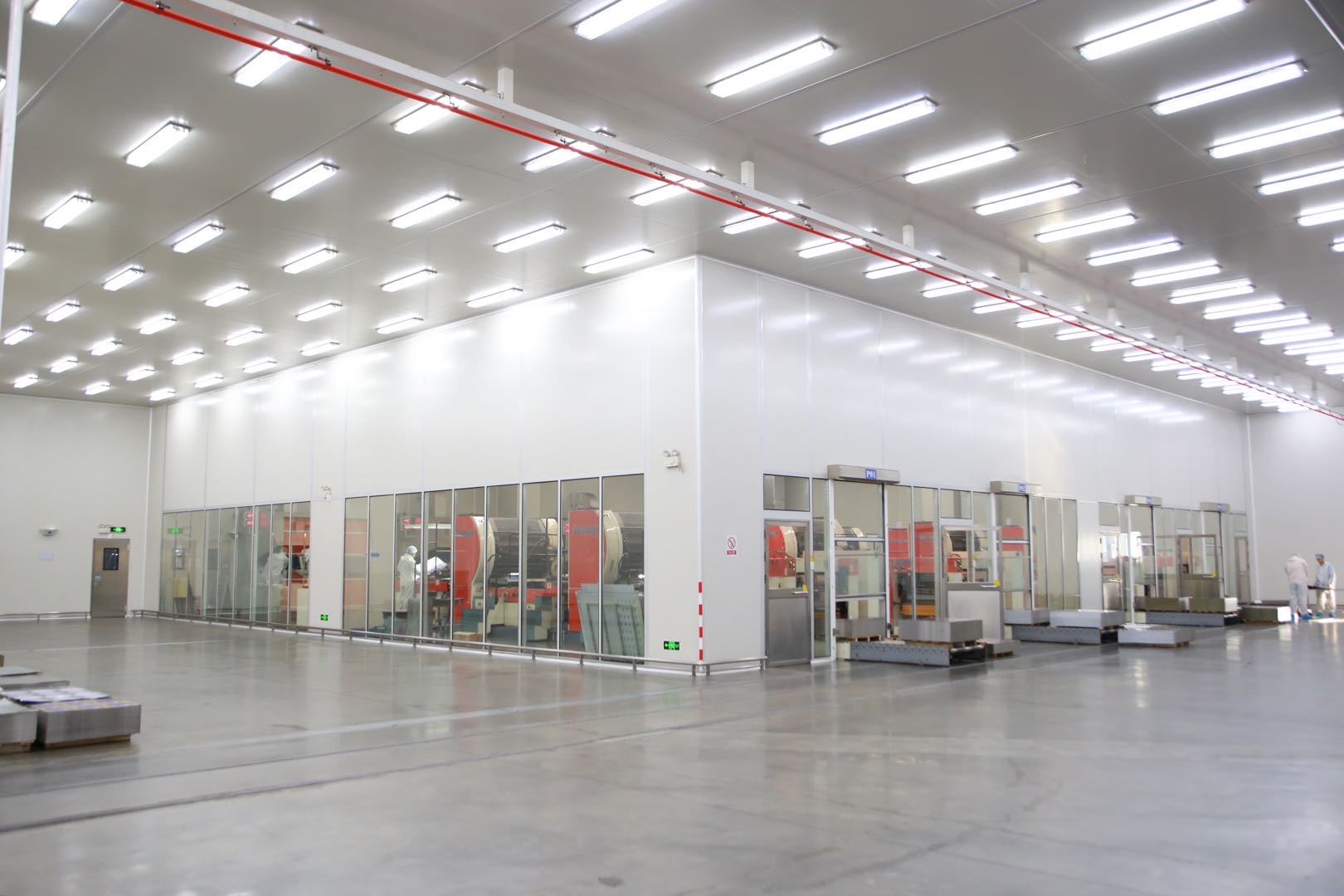
Direct printing applies artwork to flat tinplate sheets before the box is formed. The surface is metal, not a layer sitting on top of it.
Problem Definition: The Decoration Route Is a Supply-Chain Decision, Not an Artwork Decision
Decoration is usually treated as a design choice and handed to the graphics team. The consequences land on procurement instead. The route fixes six things at once:
- What must be created before the first production run — a printing plate set for direct print, or a label artwork and label stock specification for the wrap;
- How much a future artwork revision costs — a new plate set, or a new label print run;
- Whether one base tin can serve several brands, markets or seasonal variants;
- How the package behaves in humidity, inside a shipping carton, and on a retail shelf;
- What the end user has to do to recycle it;
- How many production runs a year are needed, and how responsive the reorder cycle becomes.
A decision made on appearance alone is therefore incomplete. The two routes diverge most sharply at the two ends of the volume curve: very short, frequently changing runs, and very long, stable runs. Most projects sit somewhere between, and the honest answer is that neither route is universally better.
Industry Background: The Decoration Decision Inside a Growing Metal Packaging Market
Metal packaging is expanding, and the food and beverage segment dominates it. That is why the decoration decision is rarely a niche concern.
- The global metal packaging market was valued at USD 148.13 billion in 2024 and is projected to reach USD 184.21 billion by 2030, a CAGR of 3.7% (Grand View Research / Fortune Business Insights).
- Asia Pacific held a 35.63% revenue share of that market in 2024, driven largely by China's manufacturing base for food and beverage tins (Grand View Research).
- Food and beverage accounted for 57.36% of metal packaging market share in 2024 (Fortune Business Insights).
- Within specialty tins, the tinplate packaging segment covering cans and tins is projected to grow from USD 1.73 billion in 2024 to USD 3.08 billion by 2034, a CAGR of 5.94% (Precedence Research). Segment estimates vary widely by scope — other research houses value this sub-segment substantially lower depending on whether all steel cans or only decorative and specialty tins are counted — so treat sub-segment figures as directional rather than absolute.
- Tinplate reaches a recycling rate above 90% in some regions, notably higher than plastic, which is one of the main drivers of the shift toward metal packaging through 2025–2030 (Fact.MR).
Two compliance anchors matter for the decoration decision. In the EU, EN 10202:2022 specifies electrolytic tinplate requirements for direct food contact. In the US, the FDA requires food-grade tin boxes to use certified materials (tin-plated steel or aluminum) and often mandates food-safe lacquers such as epoxy resins to prevent metal migration. Both standards address the metal and the interior lacquer. The exterior decoration route is a separate, buyer-facing decision that sits on top of them.
Detailed Solution: How Each Decoration Route Actually Works
Route A — Direct Printing on Tinplate
In direct printing, the artwork is applied to flat tinplate sheets by lithographic printing, normally followed by a protective varnish. The printed sheet is then cut, formed, flanged and seamed into the finished tin. The image becomes part of the metal surface rather than a layer sitting on top of it.
Strengths:
- Single-material construction — metal only, no second substrate;
- No label edges that can lift, wrinkle or peel under handling;
- Generally stronger resistance to surface abrasion and to the humidity swings of sea freight and ambient retail than an unlaminated paper label;
- Consistent appearance across body, lid and base, which reads as premium on shelf;
- A stronger end-of-life story: one material stream in a category where tinplate recycling exceeds 90% in some regions (Fact.MR).
Limitations:
- Requires a printing plate set per artwork, so every artwork revision carries a tooling and set-up event;
- Economics improve with run length — the same plate cost spread across more pieces;
- Color consistency across reorders, and across production sites, must be controlled deliberately;
- Print area is constrained by geometry; curved bodies, seams and rolled edges are not flat canvas;
- Interior food contact still depends on the lacquer, not on the print.
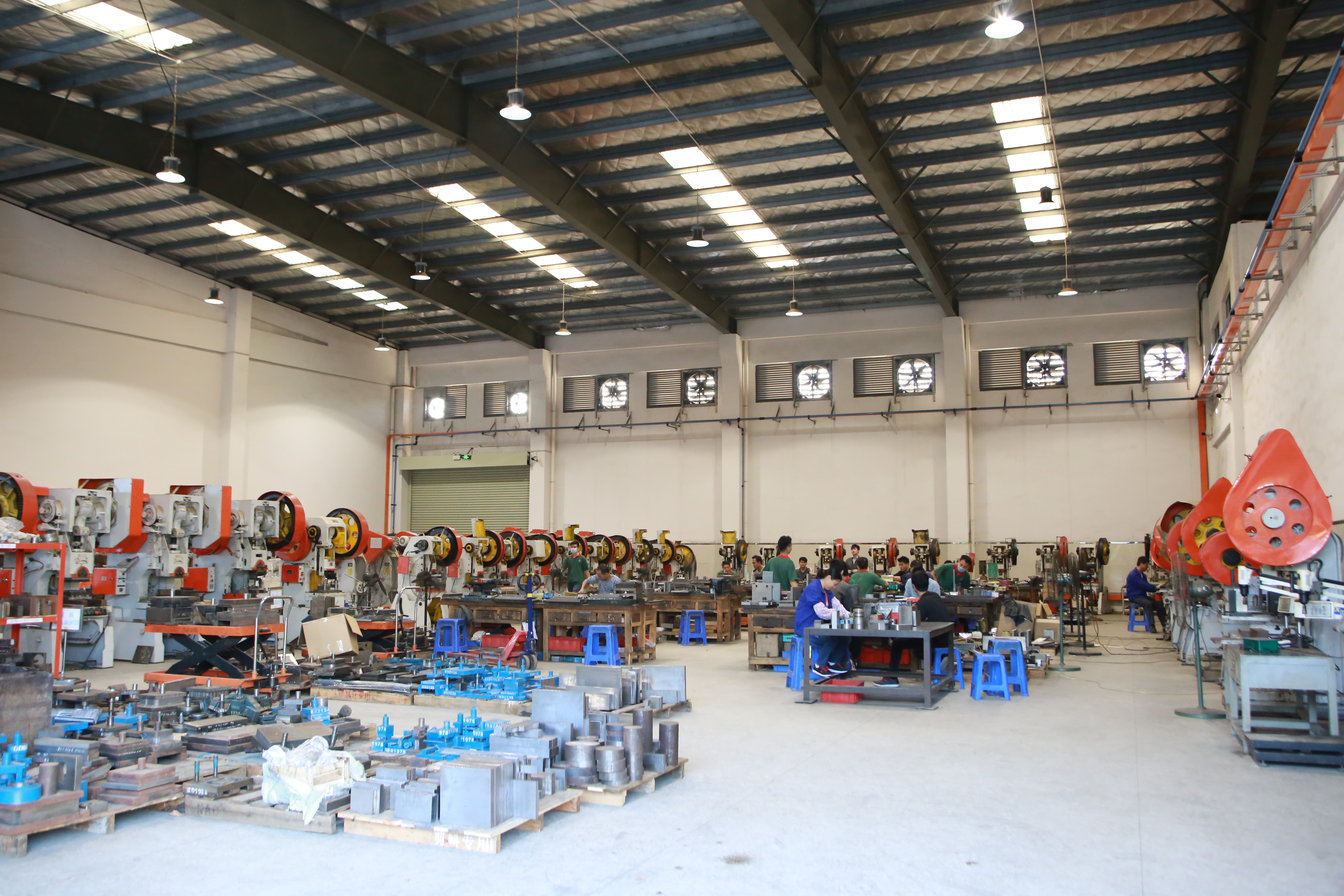
Tooling is the dividing line between the two routes: direct printing adds a plate set per artwork, label wrapping adds label tooling on a separate, lighter printing workflow.
Route B — Label or Sleeve Wrapping
In label wrapping, the tin body is produced plain or with a base lacquer, and a separately printed label or sleeve is applied to the exterior. The decoration lives on the label, not on the metal.
Strengths:
- Artwork changes are typically cheaper and faster, because label printing does not require a new metal printing plate set;
- One standardized tin can carry several brands, flavors, languages or seasonal designs;
- Well suited to short runs, test markets, promotional editions and market-specific text;
- Useful when a brand wants to reuse an already-qualified tin body while experimenting with positioning.
Limitations:
- Two materials in one package complicate end-of-life separation;
- Paper labels can scuff, lift at edges or degrade in humid conditions unless laminated or film-based;
- Registration tolerance between label and tin affects perceived quality;
- Adds label material and an application step to every single unit;
- On a premium gift shelf, a wrapped tin can read as less refined than a printed one.
Where the Manufacturing Base Changes the Answer — JINGLI CAN Facts
Either route is only as reliable as the factory executing it. JINGLI CAN integrates R&D, production, marketing, sales and service for custom tin packaging and metal cans. Its operational profile matters to this comparison because both decoration routes depend on the same upstream capacity:
- 150,000 m² facility footprint with 2,000 employees;
- A 50-engineer R&D team — the resource that converts a decoration choice into a manufacturable specification;
- Annual output capacity of 1,800,000,000 pieces;
- A regular stock of 30,000 tons of tinplate, which supports stable delivery across reorder cycles;
- A production base in Vinh Phuc Province, Vietnam with a daily production capacity of 600,000 pieces;
- An export ratio of roughly 70%, with main markets in Europe, America and Asia;
- Certifications: ISO9001, ISO14001, ISO22000, BRCGS, FSSC22000 and SEDEX 4P.
The practical meaning for a buyer at the execution stage: one supplier can quote both decoration routes against one box specification, so the comparison is route-to-route rather than factory-to-factory.
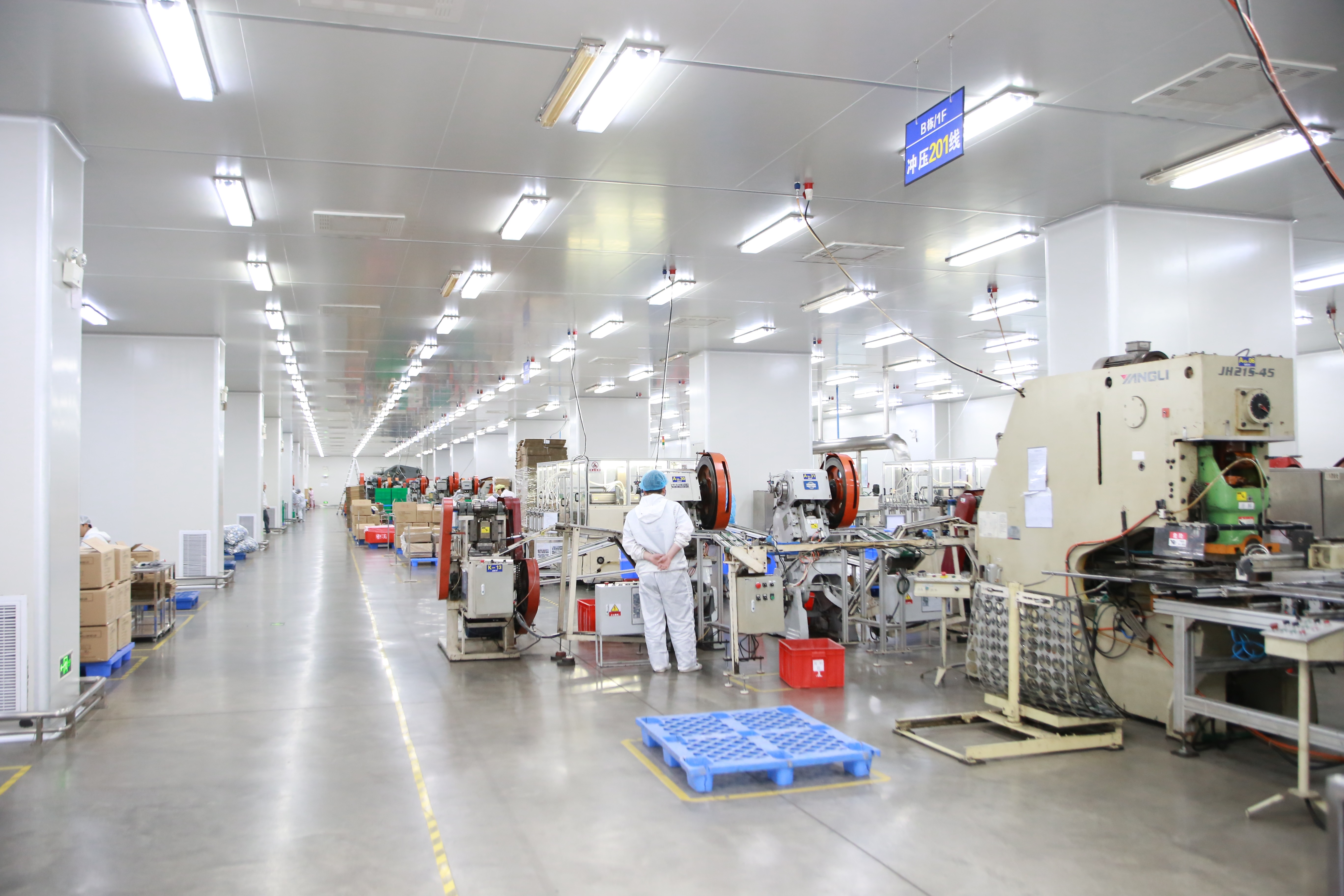
Forming follows decoration on the direct-print route and precedes it on the label route. The sequence determines where quality problems surface.
Step-by-Step Breakdown: A Seven-Step Decision Sequence
- Count artwork changes, not SKUs. Establish how many distinct artworks you need per year and how often each one changes. Frequent artwork change favors label wrapping; a stable artwork that repeats for years favors direct printing.
- Establish realistic annual volume per artwork. Direct printing amortizes plate and set-up cost across the run. If an artwork will only ever run in small quantities, that amortization never happens.
- Define the contact and compliance requirement. Determine whether the tin touches food or pharmaceutical product directly, and which market standard applies — for example EN 10202:2022 in the EU, or FDA requirements in the US including food-safe lacquers where relevant. This fixes the interior lacquer specification before the exterior route is selected.
- Define the physical stress profile. Consider humidity during sea freight, abrasion in retail handling, carton stacking, and whether the end user will carry and reuse the tin. High-stress, reusable packaging usually favors direct printing.
- Define shelf position. Premium gifting, mass retail and promotional packaging justify different levels of surface refinement. Decide this explicitly rather than by taste.
- Model total cost across the product's life, not the first order. Sum artwork change events, tooling, label material, application, rework risk, and inventory of base tins or label stock over the expected life of the product.
- Validate with samples, then lock version control. Test both routes against the same box specification, then agree in writing who owns and stores printing plates or label files, and how artwork revisions are version-controlled.
Use Cases: Which Route Fits Which Product Category
Food tins — biscuits, chocolate, candy and mooncake. Food and beverage is the largest application for metal packaging at 57.36% of market share in 2024 (Fortune Business Insights). For year-round SKUs with stable artwork, direct printing delivers a durable, single-material food tin. For chocolate, candy and mooncake gift editions that change every season, label wrapping lets a brand reuse an already-qualified tin body across designs.
Tea and coffee tins. Tea tin boxes and coffee tins are sold on shelf presence and repeated handling. Direct printing keeps the surface intact through repeated opening and closing. Label wrapping suits single-origin micro-lots, subscription variants and rapid seasonal releases where each run is short.
Cosmetic, perfume and soap tins. Cosmetic tin boxes, perfume tins and soap tins lean toward direct printing when the tin itself is the primary brand surface and the product is displayed. Labels remain useful for limited editions, co-branding and travel-retail variants.
Gift tins. Gift tins are judged before they are opened, so surface consistency from lid to base matters. Direct printing supports that expectation. Where a gifting program runs several occasions per year, a standardized base tin with different wrapped designs is often the more workable structure.
Pharmaceutical, medicine and health care product tins. Medicine tin boxes and health care product tins are compliance-driven. Because labels introduce a second substrate and an adhesive, some buyers prefer direct printing to reduce edge-lift and contamination concerns, while others use labels to manage market-specific text. Either way, the interior lacquer and material certification — not the exterior route — determine compliance.
Reusable and utility tins. Lunch tin boxes, stationery and pencil tins, tool tins, watch tins, glasses tins and tissue tins are kept and reused by the end user, often for years. A printed surface survives that lifecycle better than a label. The same logic applies to cigar tins and to personal-care items such as condom and hygiene tins, where a clean printed surface is preferred over a peelable label.
Direct-Printed vs. Label-Wrapped Tin Boxes: Comparison Table
| Decision dimension | Direct printing on tinplate | Label / sleeve wrapping |
|---|---|---|
| Artwork change cost | Higher — new printing plate set and set-up per artwork | Lower — label artwork can be reprinted without new metal plates |
| Tooling dependency | Plate set per artwork, stored and reused across reorders | Base tin tooling only; label printing tooling is separate and lighter |
| Best volume profile | Long, stable runs with repeated reorders | Short runs, frequent variants, test markets |
| Per-unit cost behavior | Falls as the artwork run lengthens | Carries label material and application cost on every unit |
| Moisture and abrasion resistance | Printed surface under protective varnish; no edges to lift | Depends on label substrate; unlaminated paper can scuff or lift |
| Shelf appeal | Uniform, premium, single-material look | Flexible and quick to refresh; can read as less premium |
| Recyclability | Single metal stream; tinplate recycling exceeds 90% in some regions (Fact.MR) | Two materials require separation at end of life |
| Food and pharma compliance path | Interior lacquer governs contact; exterior print is separate | Interior lacquer plus label substrate and adhesive specification |
| SKU versioning | Slower; each variant needs its own plate set | Fast; one base tin supports multiple designs |
| Reorder and lead-time behavior | Tied to printing schedule and plate availability | Tied to label stock and application scheduling |
| Long-term asset to manage | Printing plates and color standards | Label files, label stock and base tin inventory |
FAQ: Direct Printing vs. Label Wrapping for Long-Term Tin Box Supply
Can direct-printed and label-wrapped tin boxes both meet food and pharmaceutical compliance requirements?
Yes, but they meet them through different paths. The metal and the interior lacquer carry the compliance burden: in the EU, EN 10202:2022 specifies electrolytic tinplate requirements for direct food contact, and in the US the FDA requires food-grade tin boxes to use certified materials and often mandates food-safe lacquers such as epoxy resins to prevent metal migration. On a direct-printed tin, the print sits on the exterior under a protective varnish. On a label-wrapped tin, the label substrate and adhesive must also be specified for the application, and food-contact grades are required wherever migration is possible. JINGLI CAN manufactures under ISO9001, ISO14001, ISO22000, BRCGS, FSSC22000 and SEDEX 4P certifications.
Which route is more flexible when a brand keeps adding SKUs and new artwork?
Label wrapping is normally the more flexible route for artwork, because the base tin does not change and each new design is a separate label print run. Direct printing is the more consistent route when the same artwork repeats at volume, because the surface never depends on label alignment or adhesive behavior. For brands planning several new designs per year across a long product lifecycle, the workable answer is often a hybrid: printed tins for the flagship SKUs that will run for years, and label-wrapped tins for variants that are still being tested.
Which route is cheaper per unit?
There is no universal answer, because the two routes load cost in different places. Direct printing typically carries a higher front-end cost per artwork — printing plates and set-up — and then a lower marginal cost per piece as the run lengthens. Label wrapping typically carries a lower artwork change cost but adds label material and an application step to every unit. The correct comparison is total cost across the expected life of the product: number of artwork revisions, number of reorders, and the inventory of plates, labels or base tins. Requesting both routes quoted against the same box specification is the only way to compare them honestly.
How can a buyer validate the route before committing to tooling?
Run physical samples. Ask for the same box specification produced both ways — direct-printed and label-wrapped — then test them under realistic conditions: humidity exposure, repeated opening and closing, carton abrasion and shelf lighting. Inspect label edges after handling, check color against the approved standard, and confirm the interior lacquer against the contact requirement. Sample validation is also the point at which MOQ and tooling implications become concrete rather than estimated.
How does the decoration route affect lead time and long-term supply continuity?
Direct printing ties reorder lead time to the printing schedule and to plate availability; label wrapping ties it to label stock and application scheduling. Over a multi-year program, the assets that decide reliability are artwork version control, stored plates or label files, and a stable tinplate supply. JINGLI CAN holds a regular stock of 30,000 tons of tinplate, has an annual output capacity of 1,800,000,000 pieces, and operates a production base in Vinh Phuc Province, Vietnam with a daily capacity of 600,000 pieces, exporting around 70% of output to Europe, America and Asia. If you are ready to move from comparison to execution, send your box specification to sales11@jinglitinbox.com or call +86 18819080997 to request samples of both decoration routes.
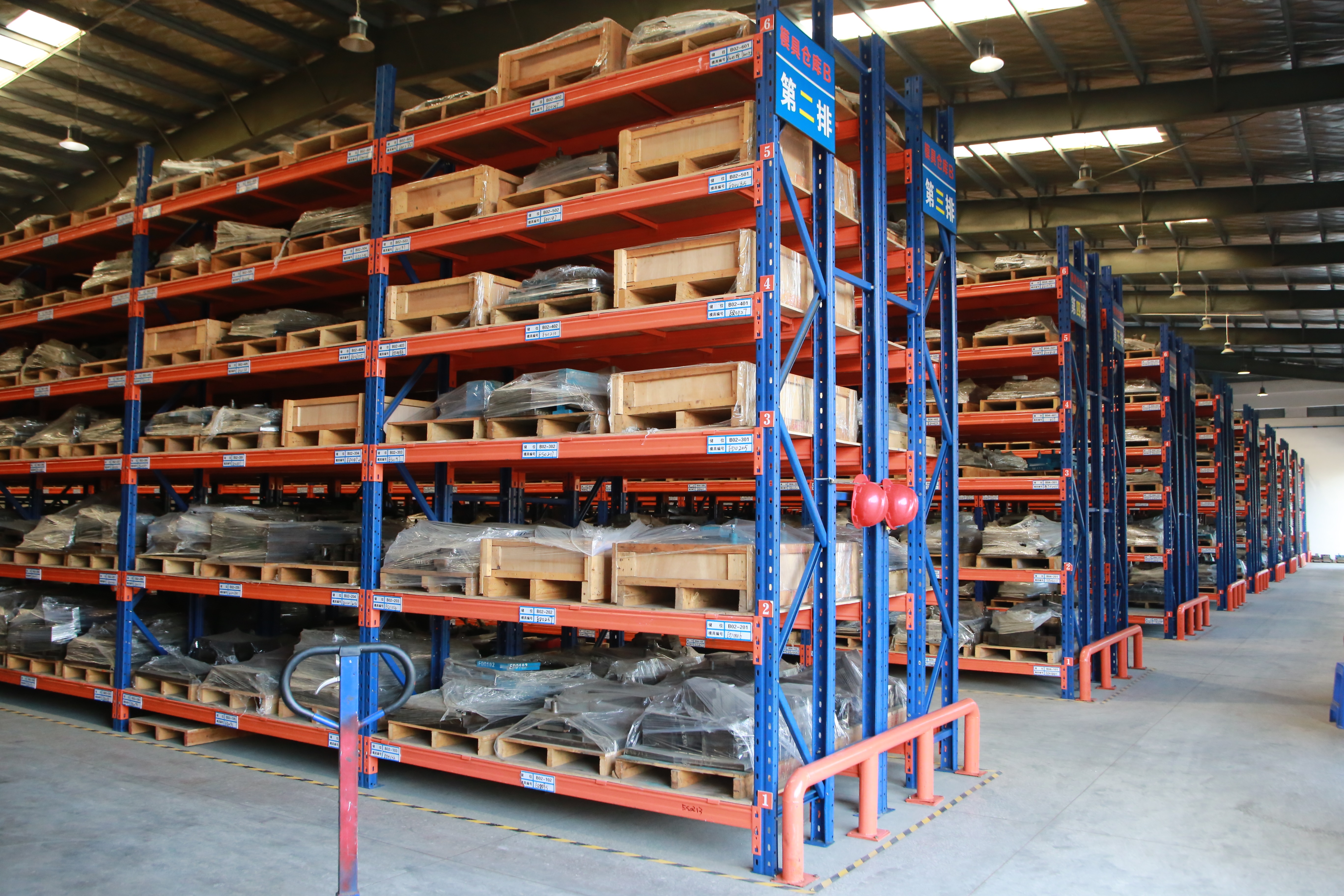
Long-term programs are decided by what is stored and version-controlled between runs, not by the first order.
Conclusion: Choose the Route You Can Sustain for Five Years
Direct printing and label wrapping are not a quality hierarchy. They are two cost and risk structures. Direct printing puts money and time up front and rewards stable, long-running artwork with a durable, single-material tin. Label wrapping keeps artwork changes cheap and fast and rewards portfolios that keep moving, at the cost of a second material and a per-unit application step.
Buyer decision checklist
- Artwork revisions per year, per SKU — and who owns the artwork;
- Realistic annual volume per artwork and expected reorder cadence;
- Interior lacquer and contact requirements, including EN 10202:2022 or FDA-relevant specifications where applicable;
- Humidity, transport, abrasion and reuse exposure;
- Shelf position: premium, mass retail or promotional;
- Total cost across the product's life, including tooling, artwork changes, label material and application;
- Plate or label file ownership, storage and version control;
- Sample validation of both routes against one box specification;
- Supplier certifications required by your market, such as ISO9001, ISO14001, ISO22000, BRCGS, FSSC22000 and SEDEX 4P;
- Capacity and raw-material continuity for the full program, not just the first order.

Request direct-printed and label-wrapped samples against one box specification before tooling is committed.
To compare the two routes on your own specification, request samples or a quote from JINGLI CAN at sales11@jinglitinbox.com or +86 18819080997, or visit www.tinbox.cn.