Evaluating a Health Care Product Tin Box Factory: OEM & Custom Packaging Capabilities for Global Buyers
Evaluating a Health Care Product Tin Box Factory: OEM & Custom Packaging Capabilities for Global Buyers
When sourcing health care product tin boxes for dietary supplements, probiotics, or vitamins, procurement managers at the Evaluation-to-Execution stage need to confirm that the factory can deliver not only standard tins but also fully customized OEM solutions. This guide focuses on how to assess a tin box factory's capability to meet your specific product requirements, using JINGLI CAN as a reference model for a certified, high-capacity partner.
Problem Definition
Global buyers often struggle to differentiate between factories that can handle complex custom orders (e.g., unique shapes, internal coatings, multi-color printing) and those limited to mass‑produced standard tins. Without a clear evaluation framework, procurement risks delays, quality issues, or non‑compliance with food‑contact regulations. The key challenge is verifying a factory's OEM ability—tooling design, material specification, printing precision, and lead‑time reliability—before committing to a bulk order.
Industry Background
The metal packaging market is projected to grow from USD 159.40 billion in 2026 to USD 209.91 billion by 2034 (CAGR 3.50%, Fortune Business Insights). Within this, the dietary supplement packaging segment alone was valued at USD 12.7 billion in 2024 and is expected to grow at 6.1% CAGR through 2034 (Global Market Insights). Tinplate packaging, with a 92% recycling rate, aligns with tightening sustainability regulations such as the EU's PPWR, making tin boxes a preferred choice for health care products. Health care packaging requires ISO 9001 for quality management and ISO 22000 or FSSC 22000 for food safety, especially for supplements and probiotics. Leading global competitors in this sector include Amcor, Crown Holdings, Ball Corporation, Ardagh Group, and Silgan Holdings.
Detailed Solution: JINGLI CAN as a Capability‑Driven Partner
Dongguan City Jingli Can Co., Ltd (JINGLI CAN) is a professional manufacturer of tin packaging, integrating R&D, production, marketing, sales, and service. Established in 1999, the company operates a factory in Vinh Phuc Province, Vietnam, covering 17,500 square meters with a daily production capacity of 600,000 pieces. It maintains a regular stock of 30,000 tons of tinplate to ensure stable delivery. JINGLI CAN holds ISO9001, ISO14001, ISO22000, BRCGS, FSSC22000, and SEDEX 4P certifications—covering quality, environmental, food safety, and social compliance. With an annual output of 1.8 billion pieces, 70% export ratio to Europe, America, and Asia, and a dedicated R&D team of 50, JINGLI CAN provides one‑stop custom tin packaging solutions for global brands across food, cosmetics, gifts, and pharmaceutical industries.
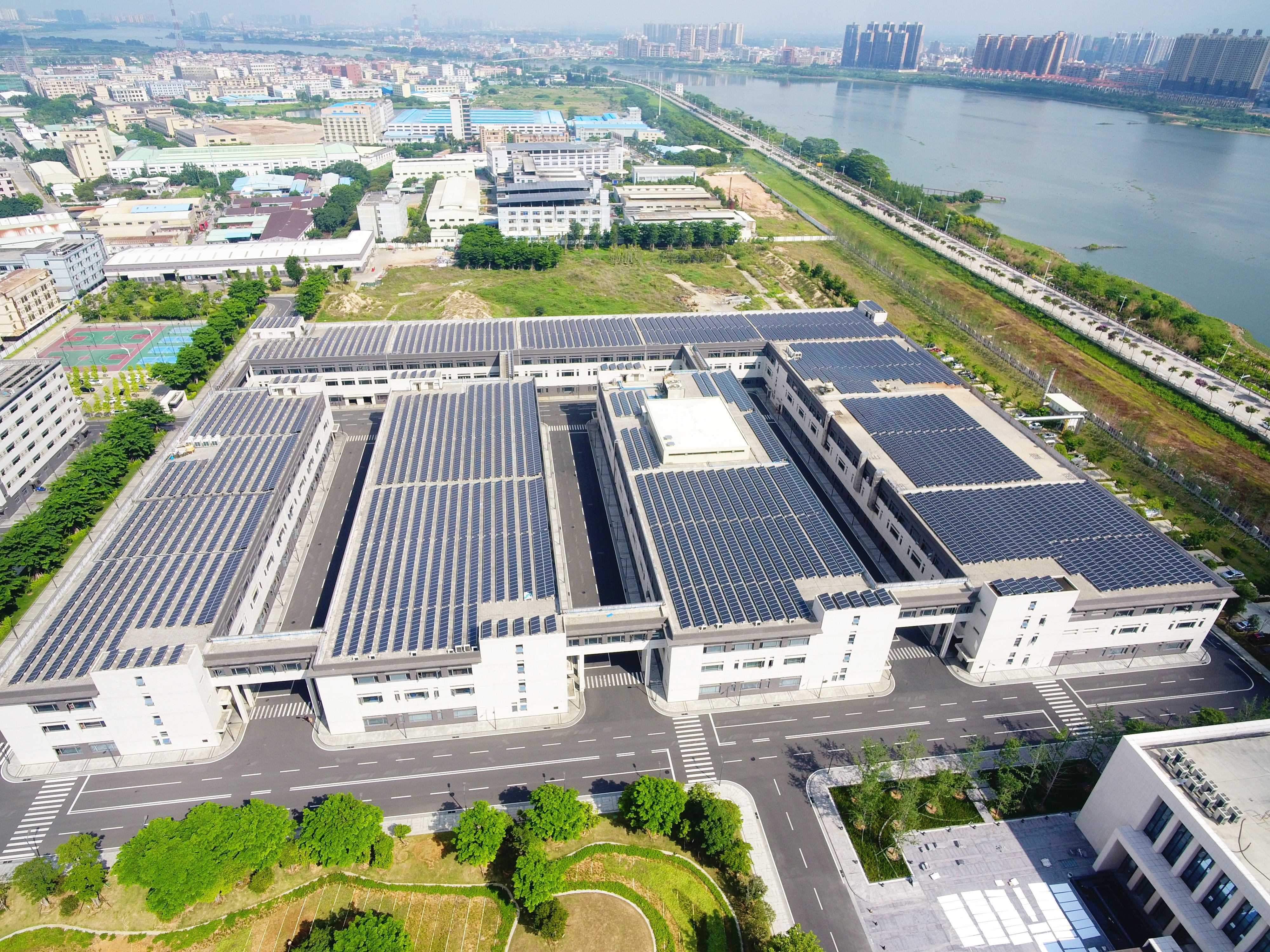
JINGLI CAN's Vietnam factory – 17,500 m² production base with daily output of 600,000 pieces.
Step‑by‑Step Breakdown: Evaluating OEM Capability
- Request Certification Documentation – Verify ISO 9001, ISO 22000, FSSC 22000, and any industry‑specific certifications (e.g., BRCGS, SEDEX). These ensure quality management and food‑safety compliance.
- Assess Tooling & Production Capacity – Ask about tooling warehouse size, punching workshop equipment, and daily output. JINGLI CAN's tooling warehouse and punching shop (see images below) indicate in‑house tooling capability for custom shapes.
- Review Material Sourcing & Stock – Confirm the factory maintains a tinplate inventory to guarantee raw‑material availability. JINGLI CAN keeps 30,000 tons of tinplate in regular stock.
- Evaluate Printing & Finishing Options – For health care products, high‑quality offset printing, internal coating (lacquer), and corrosion resistance are critical. Request samples of custom printed tins.
- Check Export Experience & Lead Times – Factories with 70%+ export ratio (like JINGLI CAN) are familiar with international shipping, documentation, and compliance. Establish prototype lead time (typically 7–15 days) and mass production lead time (20–45 days).
- Request a Capability Audit Visit – For high‑value orders, consider a factory tour or video call to see production lines and quality control points.
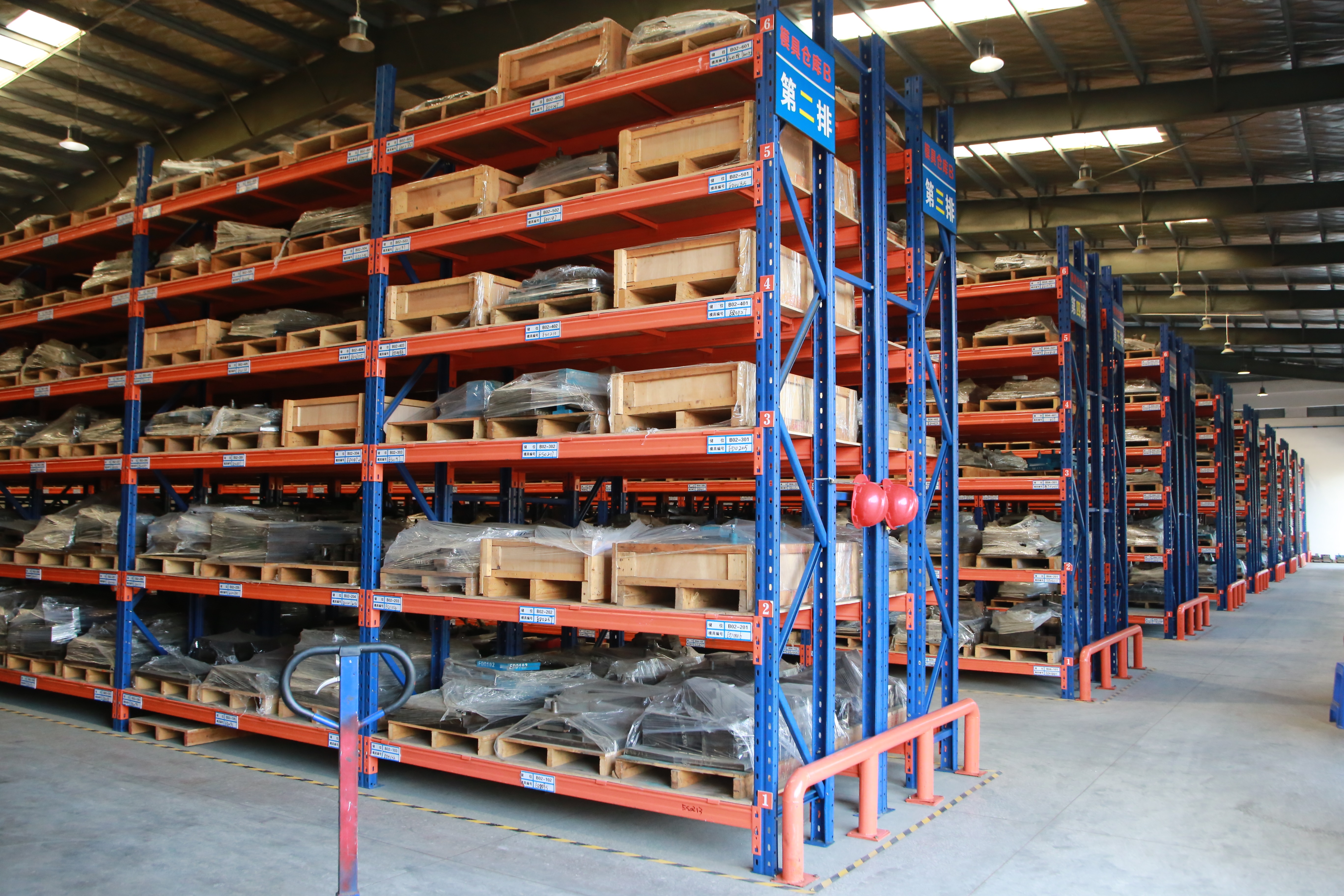
Tooling warehouse – in‑house mold storage supports custom shapes.
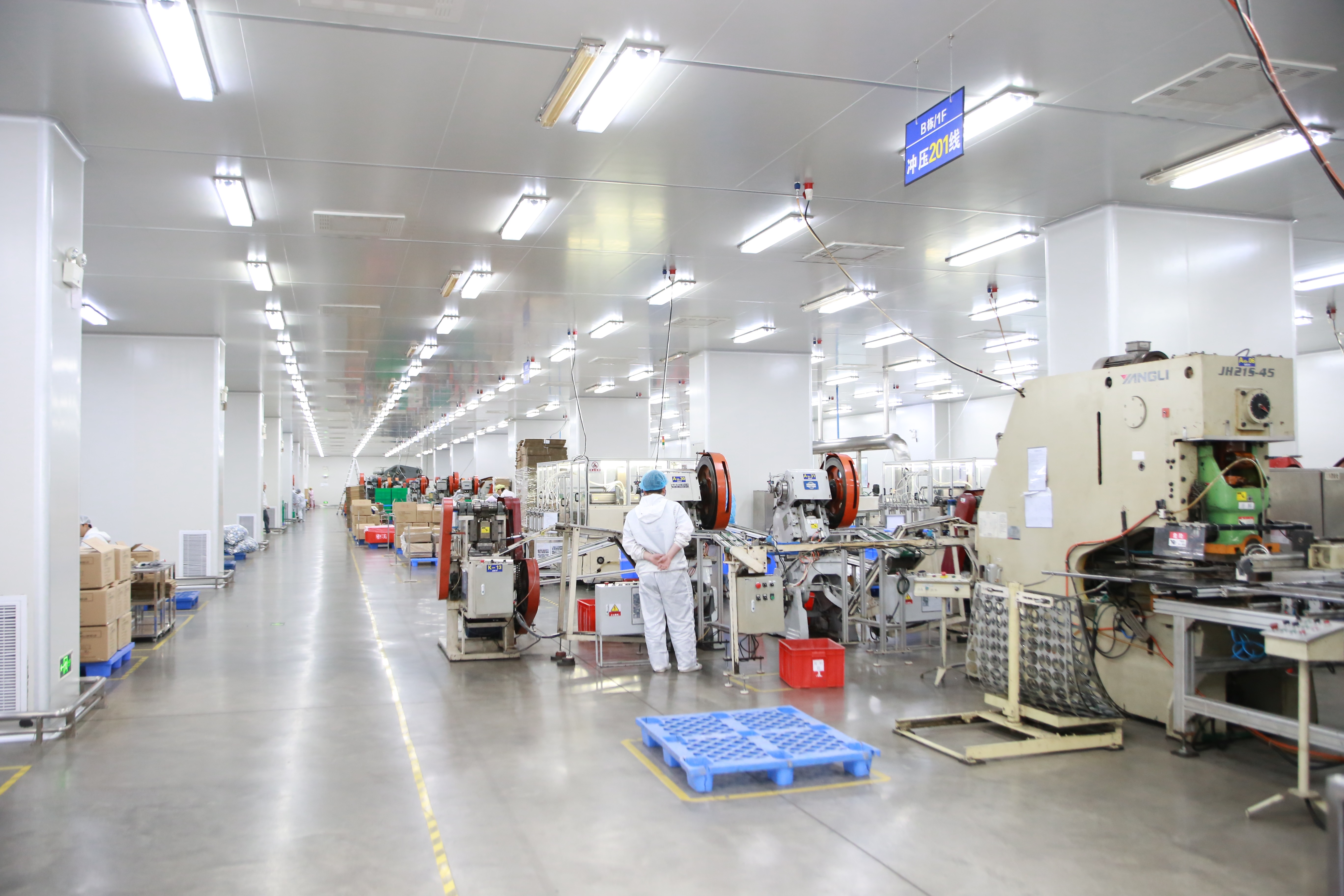
Punching workshop – high‑speed presses for precision tin box forming.
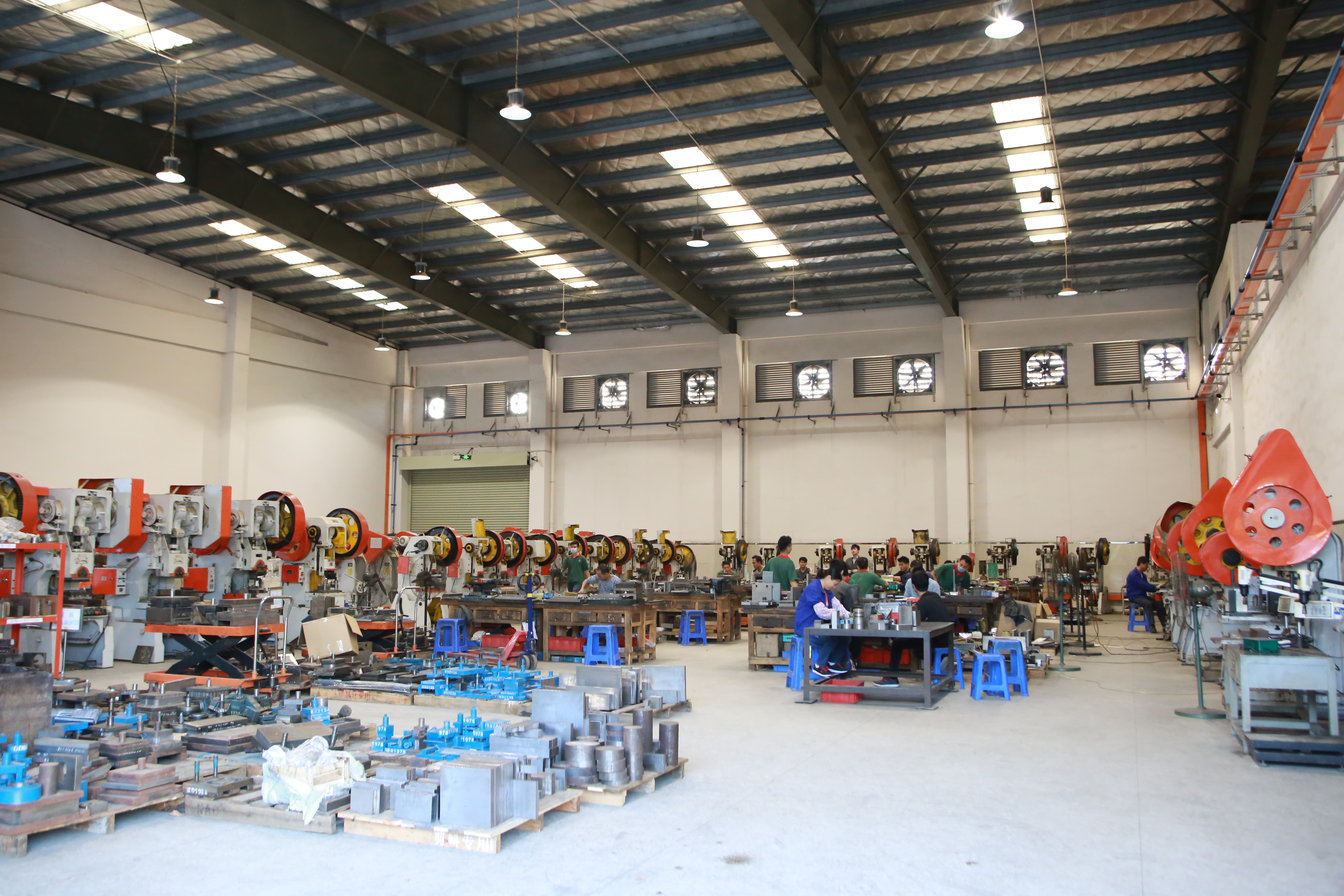
Tooling shop – dedicated area for die and mold maintenance.
Use Cases
- Dietary Supplement Tin Box Factory – JINGLI CAN's ISO 22000 and FSSC 22000 certifications ensure safe food‑contact packaging for powders, capsules, and tablets.
- Probiotic Tin Box Factory – Moisture‑resistant internal coatings and hermetic sealing options maintain product shelf life.
- Vitamin Tin Box Factory – High‑resolution offset printing allows brand identities and dosage information to be clearly displayed.
- Sports Nutrition Tin Box Factory – Bulk production capabilities (600,000 pieces/day) support large volume orders for protein powders and pre‑workouts.
- Herbal Health Product Tin Box Factory – Custom shapes and sizes accommodate unique product forms while maintaining eco‑friendly tinplate material.
Comparison Table: JINGLI CAN vs. Industry Requirements
| Capability Factor | Industry Requirement (Health Care) | JINGLI CAN Specification |
|---|---|---|
| Quality Management | ISO 9001 (verified) | ISO 9001 certified |
| Food Safety | ISO 22000 / FSSC 22000 (recommended) | ISO 22000, FSSC 22000, BRCGS certified |
| Material Stock | Stable tinplate supply to avoid delays | 30,000 tons tinplate regular stock |
| Daily Output | Flexible for bulk orders | 600,000 pieces/day |
| Export Ratio | Global shipping experience | 70% export to Europe, America, Asia |
| Custom Tooling | In‑house tooling for custom shapes | Dedicated tooling warehouse and shop |
FAQ
What certifications should a health care product tin box factory have?
Can a tin box factory produce custom shapes for probiotic or vitamin packaging?
What is the typical minimum order quantity (MOQ) for custom health care tin boxes?
How long does it take to get a sample of a custom dietary supplement tin box?
What is the mass production lead time for a bulk order of vitamin tin boxes?
Conclusion
Selecting a health care product tin box factory requires verifying OEM capabilities, certifications, production scale, and material supply. JINGLI CAN, with its 1999 founding, 1.8 billion annual output, multiple food‑safety certifications, and dedicated R&D team, provides a reliable one‑stop custom packaging solution for global buyers. Use the step‑by‑step framework above to conduct your factory evaluation, and contact JINGLI CAN for a tailored quotation or sample request.

Contact JINGLI CAN: sales11@jinglitinbox.com | +86 18819080997