
Food-Contact Interior Coatings: Health Care Tin Box Factory Selection
Choosing a health care product tin box factory is usually framed as a tooling, print and unit-price decision. For any tin that will hold something a person swallows — a dietary supplement, a probiotic, a vitamin, an herbal capsule or a sports nutrition powder — it is also a food-contact decision, and the part of the pack that carries the most regulatory weight is the part buyers almost never inspect: the interior lacquer.
Short answer: the interior coating of a health care tin is regulated as a food-contact material, not as packaging decoration. In the United States it is assessed under FDA 21 CFR Part 175 (resinous and polymeric coatings). In the European Union it falls under Framework Regulation (EC) No 1935/2004, supported by the GMP Regulation (EC) No 2023/2006. Where the EU has no harmonised specific measure for a coating chemistry, national positive lists and recommendations in the destination member state apply. Both frameworks work best as selection filters when you screen a factory — they tell you what documentation to demand, not what to assume.
Problem Definition: The Compliance Gap Sits on the Inside
A tin box has two surfaces and only one of them touches the product. The exterior carries the brand; the interior carries the legal risk. In practice, most procurement teams verify the factory's quality certificates, request a printed sample, approve the colour, and never ask a single question about the lacquer applied to the inside of the tin.
That gap produces a predictable set of failure modes:
- Migration risk. Coating constituents can transfer into a dry powder, an oil-based fill or a gummy, at levels that depend on the coating chemistry, the cure and the storage conditions.
- BADGE and BPA questions. Epoxy-based coatings have historically been the workhorse of can interiors, and the epoxy family is associated with BADGE and, in some formulations, bisphenol A. Increased regulatory attention on these substances has pushed brands to ask for alternatives.
- Adhesion and corrosion failure. An acidic or hygroscopic health product can attack an under-specified coating, and a coating that cracks during forming exposes bare tinplate to the contents.
- Documentation failure. The factory can make the box, but cannot produce a coating specification, a food-contact statement, or a migration test report with a traceable protocol.
None of these are print problems. All of them are decided before the first printed sheet reaches the press.
Industry Background: Why the Interior Coating Question Is Getting Louder
Metal packaging is a growing category, and the supplement segment inside it is growing faster. Fortune Business Insights projects the global metal packaging market at USD 159.40 billion in 2026, rising to USD 209.91 billion by 2034 at a CAGR of 3.50%. Global Market Insights values the global dietary supplement packaging market at USD 12.7 billion in 2024 and estimates a CAGR of 6.1% through 2034. Tinplate cans alone accounted for an estimated 41.12% of metal packaging market share in 2025, according to Mordor Intelligence.
Two forces sit behind the coating conversation. The first is sustainability regulation: tinplate's 92% recycling rate and its alignment with the EU's Packaging and Packaging Waste Regulation (PPWR) make metal an attractive substrate for eco-positioned supplement brands. The second is chemistry scrutiny: the same regulatory environment that rewards recyclability also tightens the rules on what may be coated onto a surface that touches ingestible goods.
At the supply end, the market is split between very large international metal packaging groups — Amcor, Crown Holdings, Ball Corporation, Ardagh Group and Silgan Holdings are the names most frequently listed in healthcare packaging research — and specialised custom tin box manufacturers serving brand-driven, decorated, smaller-format runs. A health care product tin box factory in the second group competes on tooling flexibility, decoration and documentation depth rather than on commodity can volume, which is exactly why coating compliance becomes a genuine differentiator in supplier selection.
The substrate itself is standardised. Electrolytic Tinplate (ETP) is governed by ASTM A623/A624 in North America, EN 10202 in Europe, and JIS G3303 in East Asia, according to the International Tin Association. That matters for the coating conversation because the lacquer must bond to a substrate whose surface finish, temper and tin coating weight are defined by one of these standards — and because a factory that cannot say which standard its tinplate is bought against cannot reliably control the coating that sits on top of it.
Detailed Solution: Which Rules Actually Apply to the Inside of the Tin
The regulatory question is not “is this tin box approved?” Tins are not approved as objects. What is assessed is the food-contact layer and the substances that can migrate out of it. That assessment happens through a small number of recognisable instruments.
United States: FDA 21 CFR Part 175
In the US system, the resinous and polymeric coating applied to the interior of a metal container is treated as an indirect food additive. The relevant framework is FDA 21 CFR Part 175, which covers resinous and polymeric coatings, with related provisions in Part 174 for general indirect food additives. The practical question for a buyer is not whether a factory “has FDA” in the abstract, but whether it can name the coating system it uses, confirm that the components of that system are authorised for food-contact use, and provide a statement supporting that position.
European Union: Framework Regulation (EC) No 1935/2004 and GMP Regulation (EC) No 2023/2006
In the EU, the governing instrument is Framework Regulation (EC) No 1935/2004, which requires that food-contact materials and articles not transfer constituents to food in quantities that could endanger human health, change the composition of the food, or deteriorate its taste and odour. Manufacturing is additionally covered by the GMP Regulation (EC) No 2023/2006, which sets good manufacturing practice requirements for food-contact materials. Together, these two regulations mean a health care tin sold in the EU needs both a chemical position and a manufacturing-process position.
Where the EU Leaves Gaps: National Positive Lists
The EU has not adopted a harmonised specific measure for every coating chemistry. Where that is the case, national provisions and positive lists in the destination member state fill the gap; the German BfR recommendations, French DGCCRF requirements and the Dutch Warenwet are the examples most commonly referenced in supplier questionnaires. This is the question that separates a documented factory from a hopeful one: which national positive list governs your coating for my destination market, and where is that written down?
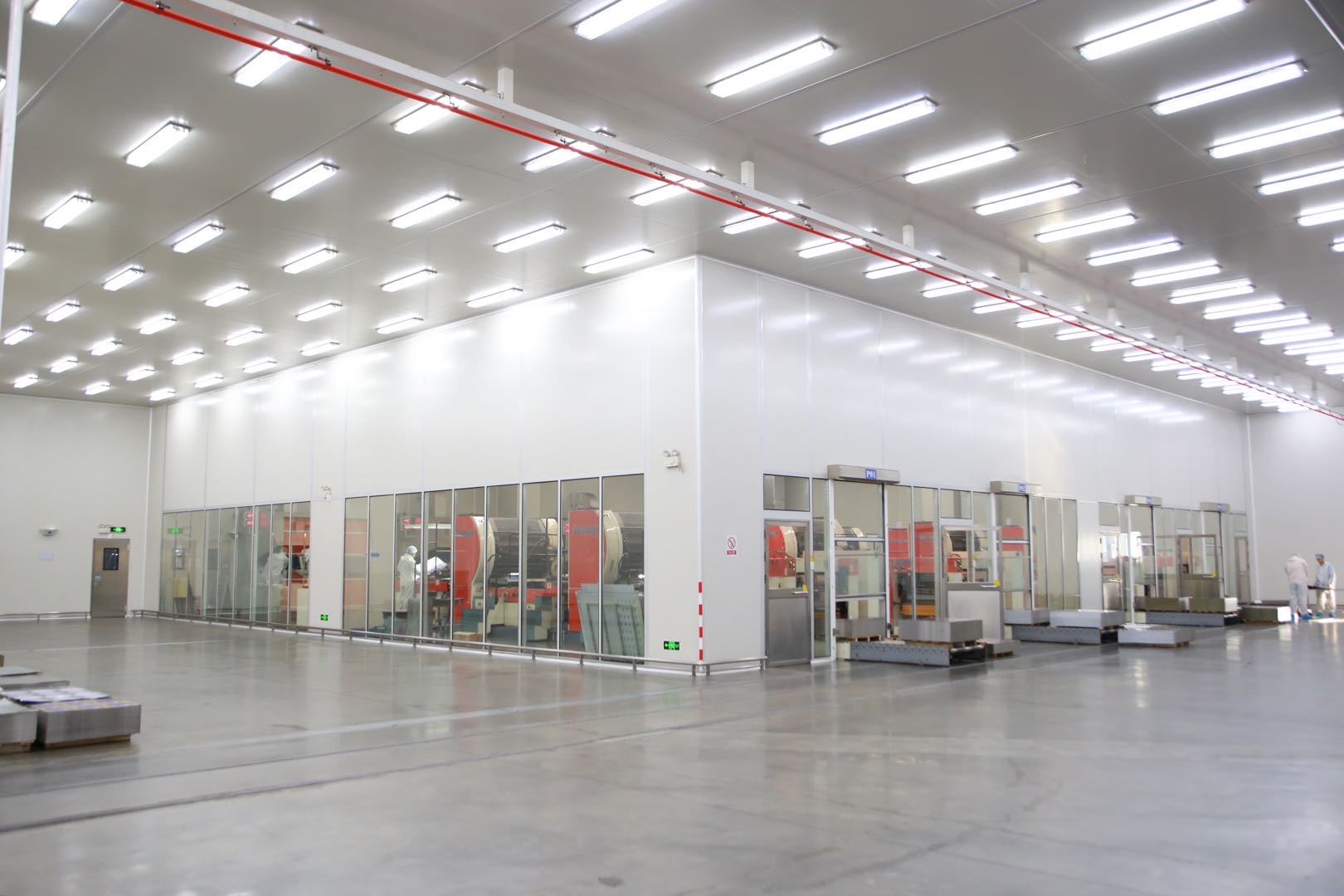
Coating and decoration are separate processes: the interior lacquer that faces the product and the exterior print that faces the shelf.
Substrate Standards Behind the Coating
The coating sits on electrolytic tinplate. Referencing the correct material standard in your purchase specification — ASTM A623/A624 for North America, EN 10202 for Europe, JIS G3303 for East Asia — keeps the substrate defined while the coating question is resolved. A corrosion-resistant tinplate tin box is largely the result of the coating-plus-substrate combination, not the coating alone.
The Management-System Layer
Food safety standards for health care packaging typically include ISO 9001 for quality management and ISO 22000 or FSSC 22000 for food safety, particularly for supplements and probiotics, according to ISO and industry packaging guidance. These are system-level filters: they show whether the factory operates a documented process at all. They do not show that a specific lacquer is suitable for a specific product — that is the migration question, and it is answered with test data.
Migration Testing: The Question Behind the Certificate
Migration testing is where most supplier conversations become useful or fall apart. The questions that matter are:
- Which coating chemistry was tested — and is that the same chemistry that will run for my order?
- Which testing conditions were used, and do they reflect my product's fat content, acidity, moisture level and intended shelf life?
- Which laboratory produced the report, and is the report traceable to a specific substrate and cure specification?
- Is the report a one-off approval test, or is there a re-test trigger when formulations or process parameters change?
A factory that answers these in writing is demonstrating control. A factory that answers with a scanned certificate and no protocol is demonstrating that it has a document, not a process.
Epoxy-Phenolic Coatings and the Alternatives
Epoxy-phenolic lacquers have long been valued in metal packaging for corrosion resistance, adhesion after forming, and the ability to survive curing at high temperature. The trade-off is chemistry-driven: epoxy systems are the reason BADGE and BPA enter the buyer's questionnaire. Alternatives that appear in health care tin specifications include polyester systems, acrylic systems, and phenolic or oleoresin-based approaches, together with non-BPA epoxy chemistries. None is a universal substitute. The right decision depends on whether the contents are dry powder, oil-based, gummy or acidic, and on how aggressive the forming operations are.
Practical caution: coating performance is product-specific. A chemistry that passes migration testing for a dry probiotic powder is not automatically suitable for an acidic, hygroscopic gummy. Validate against your own formulation and your own storage conditions before committing to a bulk run.
Framework Comparison
| Jurisdiction / layer | Instrument | What it governs | Evidence to request |
|---|---|---|---|
| United States | FDA 21 CFR Part 175 (resinous and polymeric coatings) | Interior lacquer components as indirect food additives | Coating system identification plus a food-contact statement |
| European Union (general safety) | Framework Regulation (EC) No 1935/2004 | No transfer of constituents that endangers health or alters the product | Declaration of Compliance for the coating |
| European Union (manufacturing) | GMP Regulation (EC) No 2023/2006 | Good manufacturing practice for food-contact materials | Process documentation and quality-system records |
| EU member states (no harmonised measure) | National positive lists and recommendations | Which substances may be used in the coating | Written statement of which national list applies to your market |
| Substrate | ASTM A623/A624, EN 10202, JIS G3303 | Electrolytic tinplate base material | Material standard reference and mill documentation |
| Management system | ISO 9001; ISO 22000 or FSSC 22000 | Quality and food-safety management | Certificate scope, issuing body and validity |
Step-by-Step Breakdown: Screening a Factory on Coating Compliance
The seven steps below turn those frameworks into a repeatable selection filter. Use them before a sample is approved, not after a bulk order has shipped.
- Define the product-contact profile. Record the product format (powder, capsule, gummy, tablet), oil or fat content, acidity, moisture sensitivity, filling temperature and target shelf life. Every later answer depends on this.
- Map destination markets to frameworks. List every country where the finished tin will be sold. Each destination determines whether FDA 21 CFR Part 175, the EU framework, a national positive list, or a combination applies.
- Request the coating specification in writing. Ask for the lacquer family used for interiors, the cure parameters, and a food-contact statement covering your destination markets.
- Request migration test data with the protocol. A result without conditions, substrate and chemistry is not evidence. Ask for the laboratory report and the test conditions.
- Verify the substrate. Confirm tinplate standard, temper, thickness and tin coating weight class against your product's corrosion demand.
- Verify who controls the coating step. A one-stop packaging solution tin box factory that runs interior coating and exterior decoration in-house can hold both the chemistry and the process parameters. A trading intermediary usually cannot answer coating questions in detail.
- Lock change control. Agree in writing which changes trigger re-validation: coating supplier change, cure parameter change, tinplate supplier change, or a new product filled into the same tin.
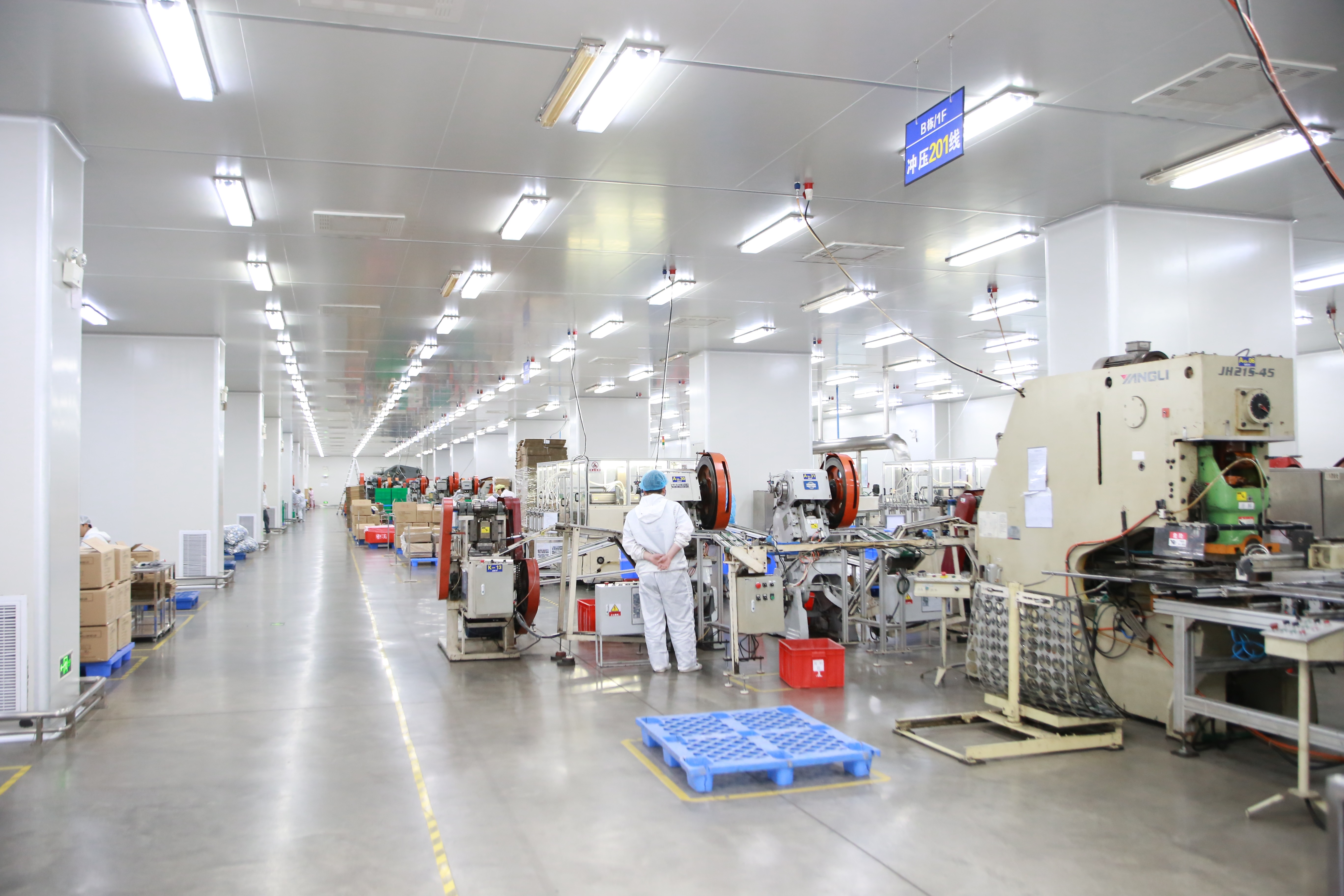
Forming is where coating adhesion is proven or lost: a lacquer that survives the flat sheet can still fail at a drawn corner.
Interior Coating Chemistry at a Glance
| Chemistry | Typical strength | Consideration to verify | Common fit |
|---|---|---|---|
| Epoxy-phenolic | Broad corrosion resistance and adhesion after forming | Associated with BADGE and, in some formulations, BPA; expect buyer questions | Acidic and oil-containing contents where corrosion resistance is critical |
| Polyester | Can be formulated without epoxy chemistry | Adhesion and flexibility under severe forming vary by system | Dry powders, capsules, gummies |
| Acrylic | Used across a range of dry and mildly acidic contents | Not a universal replacement; confirm against the actual product | Dry supplement powders |
| Phenolic / oleoresin and other alternatives | A traditional approach for less aggressive contents | Resistance to aggressive or high-moisture products is limited | Dry herbal and botanical products |
Use Cases: How the Coating Filter Changes by Product
The same tin geometry can require a different interior decision depending on what goes inside it. Four patterns appear most often in health care packaging.
Probiotic powders and moisture-sensitive cultures
A probiotic tin box factory is dealing with a moisture-sensitive fill. The interior coating has to protect the product from the substrate and the substrate from the product, and the closure system usually matters as much as the lacquer. When screening, place moisture-barrier performance and closure integrity in the same test plan as migration.
Gummy and chewable vitamins
Gummies combine low pH, residual moisture and hygroscopic behaviour. A vitamin tin box factory serving this category is typically asked for corrosion-resistant tinplate and a coating that holds adhesion through forming. This is the case where a chemistry that passed testing on a dry powder may not transfer.
Herbal and botanical products
Herbal health product tins often carry strongly aromatic contents, which makes odour and taste transfer part of the specification rather than an afterthought. The sensory question belongs in the same conversation as the migration question.
Sports nutrition powders
Sports nutrition tin boxes tend to be larger formats with high fill volumes and frequent reorders. Here the coating decision is tied to bulk production consistency: a bulk production health care product tin box factory has to demonstrate that the lacquer, cure and substrate are held constant across runs, including reorders placed months apart.
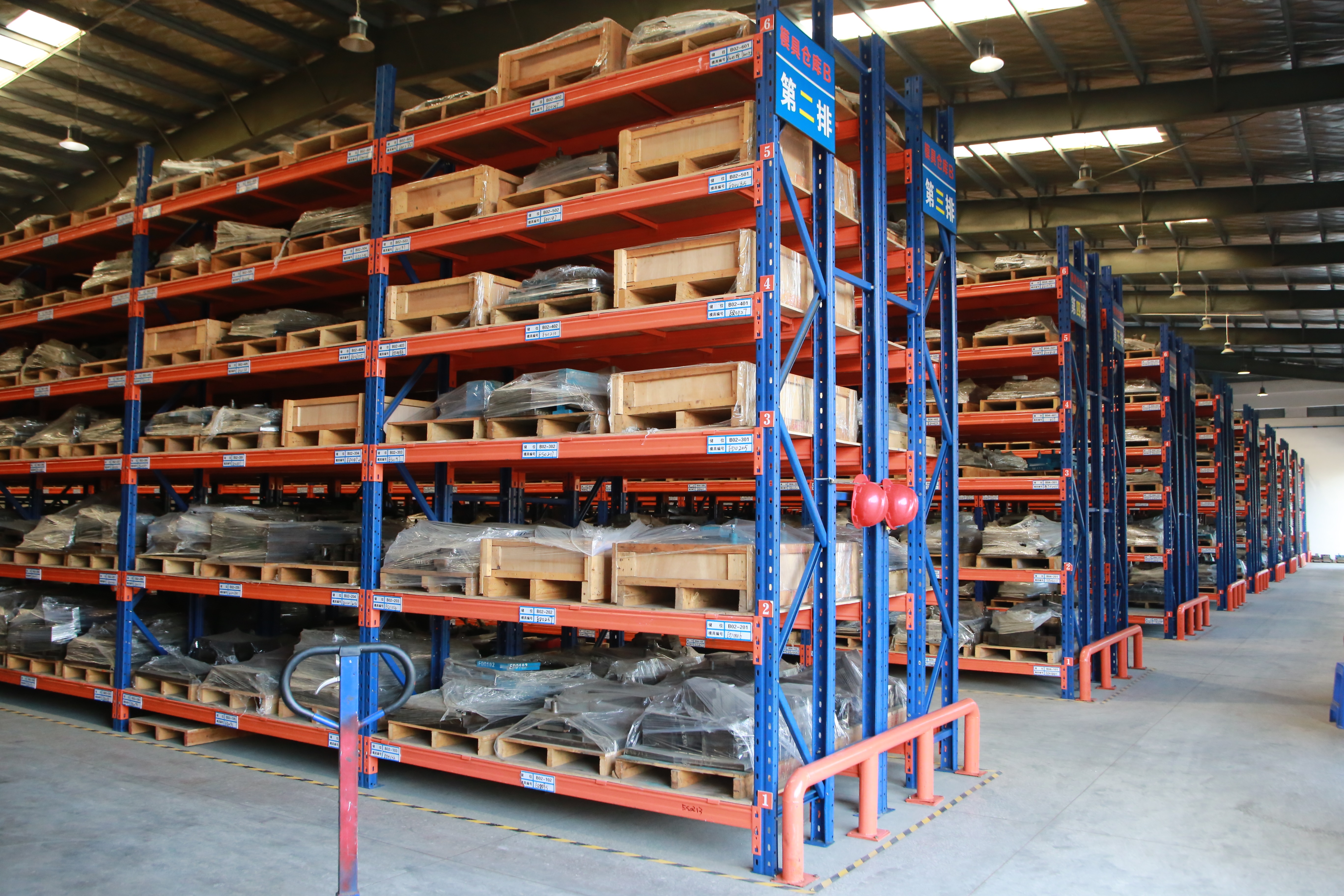
Repeatability across reorders depends on tooling and process control, not only on the first approved sample.
Matching the Filter to a Real Supplier
Dongguan City Jingli Can Co., Ltd — known as JINGLI CAN — is a custom tin packaging manufacturer founded in 1999, working with global brands across food, cosmetics, gifts and pharmaceutical categories. The company reports a factory footprint of 150,000 m², approximately 2,000 employees and an annual output of 1,800,000,000 pieces, with an in-house R&D team of 50 and an export ratio of 70% concentrated in Europe, America and Asia. Its Vietnam plant in Vinh Phuc Province covers 17,500 m² with a daily production capacity of 600,000 pieces, and the company maintains a regular stock of 30,000 tons of tinplate to support delivery stability. Its documented systems include ISO9001, ISO14001, ISO22000, BRCGS, FSSC22000 and SEDEX 4P.
For a buyer applying the seven-step filter, those facts answer the capability and continuity questions: in-house R&D for tooling and specification work, one-stop custom tin packaging from a single supplier, and ISO 9001 certified quality management combined with food-safety system certification. They do not, and cannot, answer the product-specific question — which coating chemistry suits your particular fill. That question still has to be settled with a coating specification and migration data for your own product.
Frequently Asked Questions
Which regulation applies to the interior coating of a health care tin box — FDA or the EU framework?
It depends on where the finished product is sold, and both can apply at once. For the United States, the interior lacquer is treated as an indirect food additive under FDA 21 CFR Part 175. For the European Union, the same coating is governed by Framework Regulation (EC) No 1935/2004, with manufacturing covered by the GMP Regulation (EC) No 2023/2006. Where the EU has no harmonised specific measure, national positive lists in the destination member state apply. A factory supplying both markets should be able to provide documentation for each framework separately.
How can I tell whether a health care product tin box factory really controls its interior coating?
Ask four things and check whether the answers arrive in writing. First, the coating family and the cure parameters. Second, a food-contact statement covering your destination markets. Third, migration test reports with the test conditions, substrate and chemistry stated. Fourth, the change-control rule that triggers re-validation. A one-stop packaging solution tin box factory that runs interior coating and exterior decoration under its own roof can usually answer all four; a trading intermediary typically cannot. JINGLI CAN, for example, operates its own production in Vinh Phuc Province, Vietnam with a daily capacity of 600,000 pieces, alongside an in-house R&D team of 50 and ISO9001, ISO22000, FSSC22000 and BRCGS systems.
Does food-contact coating compliance add cost to a health care tin box order?
It changes cost rather than simply adding it. The drivers are the coating chemistry selected, the amount of migration and validation testing required, the documentation the factory must maintain, and the discipline of change control across reorders. A chemistry that is easier to formulate may need more testing for a difficult product; a higher-performing chemistry may reduce rejection and rework later. Because compliant coating selection is usually cheaper than a market withdrawal, the useful comparison is total cost across the product's life, not the unit price of the first order.
What should a sample request include when interior coating compliance matters?
Send the fill specification first — product format, acidity, moisture sensitivity, oil content, filling temperature and target shelf life — so the factory can propose a coating chemistry rather than a generic tin. Then request samples that use the proposed coating and cure, not a stock lacquer, together with the coating reference and any available migration data for that combination. Physical handling checks such as closure, powder leakage and drop performance should be run on the same samples. Sample requests and technical questionnaires can be sent to sales11@jinglitinbox.com.
How does coating compliance verification affect lead time?
Two timelines run in parallel. Tooling and decoration follow normal sampling and approval cycles, while coating validation depends on whether the selected chemistry already has test data for a comparable product. If testing must be commissioned, that sequence usually sets the critical path. Practical steps that shorten it include using a coating chemistry the factory already runs in production, confirming destination-market documentation early, and aligning tinplate availability — a manufacturer holding a regular stock of 30,000 tons of tinplate removes a material lead-time variable from the schedule. The next step is to share your fill specification and destination markets so the coating question can be answered before tooling is cut.
Conclusion: Put the Coating Question First
Print, tooling and unit price are the visible variables in health care tin sourcing. The interior coating is the one that decides whether the pack can legally reach the shelf. If you want a coating recommendation and a sample built around your actual fill specification, send the product profile, the destination markets and the target format to sales11@jinglitinbox.com, or review custom tin packaging formats at tinbox.cn.

Dongguan City Jingli Can Co., Ltd (JINGLI CAN) — custom tin packaging manufacturer founded in 1999.
Have Questions or Need More Details?
Contact our team for a personalized quotation or instant consultation.
Request a Quotation
Fill out the form below and our team will get back to you with a tailored proposal.
WhatsApp Direct Chat
Prefer to chat in real-time? Message us on WhatsApp for instant assistance & quick answers.
- Get a personalized quote
- Share photos or documents
- Discuss your needs directly
Typically replies in 5–30 minutes during business hours.