
From Sample to Steady Supply: How to Make a Tin Box Factory Your Long-Term Partner
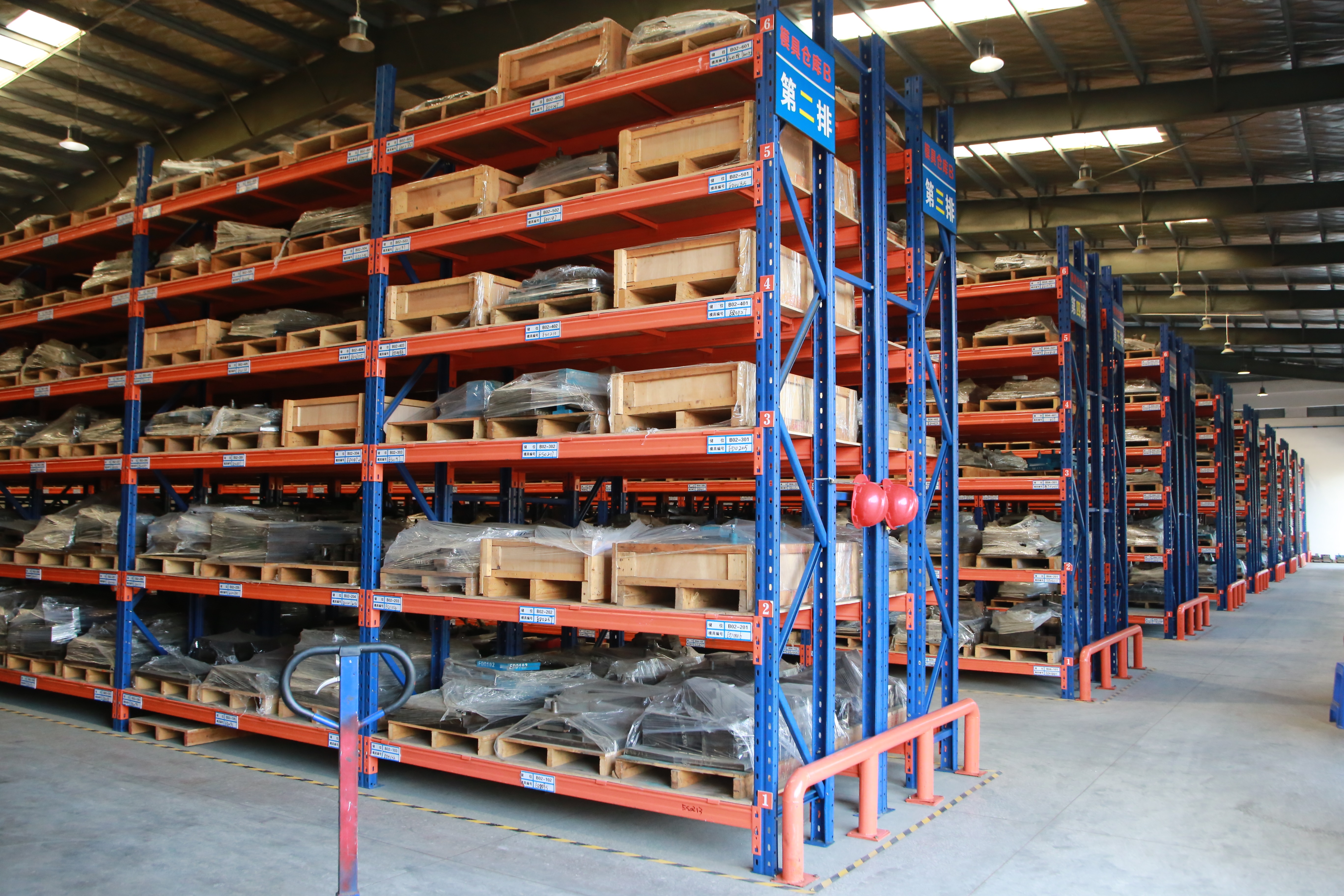
A well-organized tooling warehouse helps a tin box factory maintain repeat-order consistency for long-term distribution programs.
From Sample to Steady Supply: How to Make a Tin Box Factory Your Long-Term Partner
Long-term sourcing for tin boxes is not just about finding a factory that can produce one good sample. It is about building a supply relationship that stays consistent across reorders, product launches, compliance audits, and changing market demand. A factory like Dongguan City Jingli Can Co., Ltd (JINGLI CAN) demonstrates what buyers should look for when moving from single-order testing toward multi-year distribution and OEM partnerships.
Why a Tin Box Factory Relationship Needs a Long-Term View
Tin box buyers often start with a simple request: a custom-shaped tin, a branded candy tin, a medicine tin, or a gift tin for a seasonal campaign. But distribution programs rarely stay simple. Seasonal peaks, new SKUs, packaging regulation updates, and retailer requirements all create pressure on the supply chain. A factory that can deliver a single sample well may still fail on repeat orders if its production capacity, material planning, quality control, or communication systems are not built for continuity.
A long-term view also matters because custom tin packaging is an asset. Molds, printing plates, and structural designs are developed for a specific product. Once these assets exist, switching suppliers means re-investing in tooling and re-running qualification tests. Working with a tin box factory that can house, manage, and reuse these assets across multiple orders reduces total cost and shortens lead time for replenishment.
What "Long-Term Partnership" Means in Practice
In packaging sourcing, a long-term partnership is not a formal legal status. It is a set of operational capabilities that make repeat business reliable:
- Repeat-order consistency: The factory can reproduce the same color, coating, dimensions, and quality standard across batches.
- Material security: The factory holds enough raw material inventory to protect delivery schedules when tinplate prices or supply fluctuate.
- Tooling management: The factory stores, maintains, and tracks molds for each customer so reorders do not require starting from zero.
- Regulatory continuity: Certifications and compliance documents remain valid and cover the products being reordered.
- Communication stability: A dedicated contact or account management process handles revisions, forecasts, and quality issues without losing context.
- Production scalability: The factory can increase output when a distribution partner expands into new markets or retail chains.
These capabilities matter more than a single low quote, because the true cost of a tin box program includes defects, delays, rework, and lost retail slots.
Evaluating Long-Term Capabilities Beyond the First Order
Buyers in the Decision or Execution stage should evaluate a tin box factory against criteria that predict performance over multiple order cycles, not just sample quality.
1. Production Capacity and Plant Scale
Dongguan City Jingli Can Co., Ltd operates a 150,000 m² facility with around 2,000 employees and an annual output capacity of 1.8 billion pieces. For a buyer planning distribution across multiple regions or retail chains, this scale indicates that the factory can handle volume peaks and maintain delivery stability across simultaneous orders. Large-scale production also tends to support better cost efficiency, but the more important benefit is supply assurance.
2. Raw Material Inventory and Supply Stability
A factory that keeps a regular stock of 30,000 tons of tinplate is better positioned to protect customers from raw material price swings and procurement delays. In practice, this means that when a distributor places an urgent reorder, the factory does not have to wait for a new tinplate purchase before starting production. This is a concrete operational advantage that supports long-term planning.
3. Tooling and Mold Management
Custom tin boxes require molds and dies. Over time, a distributor may develop dozens of SKUs. A factory with professional tooling management reduces the risk of lost or damaged molds, and makes reorders faster and more predictable. JINGLI CAN’s tooling warehouse and tooling shop are examples of the physical infrastructure needed to support multi-year product programs.
4. Quality Systems and Certification Continuity
For food, pharmaceutical, and cosmetic tin boxes, regulatory requirements are not optional. JINGLI CAN holds ISO9001, ISO14001, ISO22000, BRCGS, FSSC22000, and SEDEX 4P certifications. These cover quality management, environmental management, food safety, and social compliance. For a long-term partnership, buyers should check that certifications are current, cover the specific product categories being sourced, and will be maintained over the life of the program.
5. R&D and Engineering Support
A factory with a 50-person R&D team can help distributors adapt existing products to new markets, improve packaging structure, and respond to retailer-specific requirements. This is especially valuable when a buyer needs to localize a tin box design for different regions or comply with new food-contact regulations.
Steps to Move from Single Order to Long-Term Distribution
Transitioning from a first order to a steady supply relationship does not happen automatically. Both buyer and supplier need to follow a structured path.
Step 1: Define Your Product Portfolio and Forecast
Before engaging a tin box factory, map out which products will be part of the ongoing program. This may include a tin lunch box for a consumer goods brand, a chocolate tin box for seasonal promotions, a tea tin box for a premium line, or a medicine tin box for a pharmaceutical distributor. Each product category has different compliance and quality requirements. A clear forecast helps the factory plan material purchases, tooling capacity, and production slots.
Step 2: Qualify the Factory with Product-Specific Criteria
Use a qualification checklist that covers certifications, factory size, production capacity, export experience, and quality control processes. For example, a chewing gum tin box or candy tin box program needs food-safe coatings and food-grade certification, while a cosmetic tin box program may prioritize printing quality and surface finishing. Product-specific qualification reduces the risk of discovering compliance issues after launch.
Step 3: Standardize Sampling and Approval Cycles
Establish a clear sampling process for new SKUs and design changes. This includes approving color, coating, embossing, dimensions, and packaging. A standardized approval cycle ensures that every new product follows the same quality baseline, which makes repeat orders easier to audit.
Step 4: Agree on Tooling Ownership and Storage
Custom molds and printing plates are valuable assets. Document who owns the tooling, where it will be stored, and how it will be maintained. Factories with dedicated tooling warehouses, like JINGLI CAN, can store customer molds and reuse them for replenishment orders without requiring new tooling investment.
Step 5: Build a Reorder and Lead-Time Framework
Agree on standard lead times, safety stock levels, and reorder points for each SKU. A factory with high daily production capacity and raw material stock can support shorter replenishment cycles. Distributors should also define how forecast changes are communicated and how rush orders are handled.
Step 6: Conduct Periodic Quality and Compliance Audits
Long-term partnerships benefit from regular audits of production lines, quality records, and certification status. This does not need to be adversarial. It is a way to catch small issues before they become expensive problems. For food and pharmaceutical tin boxes, audit frequency should reflect the risk level of the product category.
Use Cases: How Different Tin Box Categories Fit Long-Term Programs
Food and Confectionery Tin Boxes
A distributor supplying chocolate, candy, chewing gum, or mooncake tin boxes to retail chains needs consistent food-grade quality across seasons. Seasonal products like mooncake and chocolate tins have tight launch windows. A factory that can handle peak-season demand, hold food safety certifications, and maintain color consistency across batches is essential for avoiding late deliveries and rejected shipments.
Tea and Health Care Tin Boxes
Tea and health care products often require tin boxes with moisture protection and a premium appearance. These products may be sold through specialty retail, gifting channels, or e-commerce. Long-term sourcing for these categories depends on the factory’s ability to deliver high-quality printing and protective internal coatings while maintaining traceability and food-contact compliance.
Cosmetic, Perfume, and Soap Tin Boxes
Cosmetic tin boxes place a premium on surface finishing, decorative techniques, and brand presentation. A long-term partnership with a factory like JINGLI CAN supports consistent branding across multiple product lines, from soap tins to perfume tins. The factory’s R&D team can also help optimize structures for retail display or e-commerce protection.
Medicine and Health Care Product Tin Boxes
Pharmaceutical and health care tins require strict compliance, clean production conditions, and reliable quality documentation. Buyers in this segment should verify certifications like ISO22000, BRCGS, or FSSC22000, and confirm that the factory can provide the required documentation for each batch. Long-term sourcing reduces the administrative burden of re-qualifying new suppliers for regulated products.
Stationery, Tool, Watch, and Other Specialty Tin Boxes
Specialty categories such as pencil tin boxes, tool tin boxes, watch tin boxes, tissue tins, glasses tins, condom tins, and cigar tins may not require food-grade certification, but they still demand consistent printing quality, structural precision, and protection during shipping. A factory with broad experience across 20+ industries can apply proven techniques from one category to another, which is valuable when a distributor expands its product range.
Comparison: Long-Term Sourcing Priorities by Product Category
| Product Category | Key Long-Term Sourcing Priority | Typical Compliance or Quality Focus |
|---|---|---|
| Chocolate / candy / chewing gum tins | Batch-to-batch color and coating consistency | Food-grade coating; BRCGS / FSSC22000 |
| Mooncake tins | Peak-season capacity and on-time delivery | Food safety; short lead time management |
| Tea tins | Moisture protection and premium finishing | Food-contact compliance; airtight structure |
| Medicine / health care product tins | Documentation and regulatory continuity | ISO22000 / BRCGS; batch traceability |
| Cosmetic / perfume tins | Decorative quality and brand consistency | Surface finishing; color matching |
| Tool / watch / stationery tins | Structural precision and shipping protection | Dimensional accuracy; anti-scratch packaging |
| Cigar / condom / tissue tins | Quality reliability across repeat orders | Consistent wall thickness; reliable closure |
Why Export Experience Matters for Distributors
JINGLI CAN exports approximately 70% of its output to Europe, America, and Asia. For a distributor or brand planning to serve multiple markets, export experience indicates that the factory understands international documentation, packaging standards, and logistics requirements. This reduces the friction of cross-border sourcing and helps avoid customs or compliance delays.
Export-oriented factories also tend to be more experienced in working with overseas buyers on communication, sampling, and quality disputes. This operational familiarity is a meaningful advantage when building a long-term supply relationship.
Key Risks to Manage in a Long-Term Tin Box Partnership
Material Cost Fluctuation
Tinplate prices can change significantly. A factory that maintains a large tinplate stock can smooth out some of this volatility, but buyers should still agree on pricing review mechanisms. Many partnerships use quarterly or semi-annual price adjustments based on material cost indices.
Capacity Conflicts During Peak Seasons
Seasonal products like mooncake tins and chocolate tins create demand peaks. Distributors should share forecasts early and, where possible, book production capacity in advance. Factories with high daily output capacity are more likely to absorb multiple peak-season orders.
Quality Drift Over Time
As production volumes grow, quality can drift if the factory does not maintain strict process controls. Regular audits, clear specifications, and documented quality history help prevent this. A factory with certified quality management systems is generally better equipped to maintain standards over time.
Over-Reliance on One Supplier
Even with a strong long-term partner, buyers should consider a contingency plan for critical SKUs. This is not about distrust; it is about supply chain resilience. A second qualified source or safety stock can protect a distribution program from unexpected disruptions.
How to Build a Supplier Scorecard for Long-Term Evaluation
A practical tool for distributors is a weighted scorecard that evaluates each factory across the following dimensions:
- Production capacity and scalability — ability to grow with your program.
- Raw material strategy — tinplate stock and procurement stability.
- Tooling management — mold storage, ownership clarity, and reuse capability.
- Certification coverage — valid, current, and product-relevant.
- Quality consistency — batch records, defect rates, and audit results.
- Communication and responsiveness — clarity, speed, and accountability.
- Export and logistics experience — documentation, packaging, and delivery reliability.
- R&D support — ability to improve designs and solve problems.
Assign weights based on your product mix. A pharmaceutical distributor may weight certification at 30% while a gift tin distributor may weight finishing quality and R&D support more heavily.
Frequently Asked Questions
How do I verify that a tin box factory maintains valid certifications for long-term supply?
Ask for current certificates and verify them with the issuing body where possible. Check that the certification scope covers the product categories you are sourcing, such as food tins, cosmetic tins, or pharmaceutical tins. For ongoing programs, agree on a schedule for updated certificates and make certification maintenance a contractual requirement. A factory like JINGLI CAN that holds ISO9001, ISO14001, ISO22000, BRCGS, FSSC22000, and SEDEX 4P provides a baseline that can be verified and tracked over time.
Can a tin box factory handle both food-grade and non-food product lines in one long-term partnership?
Yes, if the factory has the right certifications and production controls. Factories with food safety certifications such as ISO22000, BRCGS, or FSSC22000 are equipped to manage food-contact materials. Non-food lines, such as tool tins or stationery tins, do not require the same level of food-safety control but still benefit from the same quality management systems. Buyers should confirm that production scheduling and cleaning procedures prevent cross-contamination between food-grade and non-food-grade jobs.
What production capacity should I look for in a tin box factory for scaling distribution?
Capacity requirements depend on your forecast and peak-season needs. For large-scale distribution, a factory with high annual output and significant tinplate stock provides more flexibility. As a reference, JINGLI CAN’s facility covers 150,000 m², employs around 2,000 people, and has an annual output capacity of 1.8 billion pieces. Buyers should compare this against their own volume projections and growth plans rather than using a single number as a universal threshold.
Can you provide product samples or category examples before committing to a long-term agreement?
Yes. Serious tin box factories provide samples to demonstrate structural quality, printing accuracy, and finishing standards. Sample-based evaluation is the first step before committing to tooling and volume production. Distributors can also request to see production lines, tooling warehouses, and quality control processes to assess long-term reliability.
What lead time and delivery terms should I expect when scaling from samples to steady supply?
Lead times depend on product complexity, order quantity, tooling status, and season. For repeat orders with existing tooling, lead time is typically shorter than for new designs that require mold development. Buyers should confirm lead times, shipping terms, and safety stock arrangements in writing. A factory with 30,000 tons of tinplate stock and daily production capacity of 600,000 pieces can offer more stable scheduling, but final terms must be agreed based on your specific SKU and forecast.
Conclusion: Choose a Tin Box Factory for the Relationship, Not Just the Sample
The best time to evaluate a tin box factory for the long term is before you place the first large order. Assess its production scale, raw material strategy, tooling management, certifications, R&D support, and export experience. A factory like Dongguan City Jingli Can Co., Ltd demonstrates the capabilities that support multi-year distribution and OEM programs across food, cosmetics, gifts, and pharmaceutical packaging.
If you are ready to move from sampling to a steady supply plan, contact JINGLI CAN to discuss your product portfolio, request samples, and receive a capacity and lead-time assessment based on your forecast.

Planning a long-term tin box program? Contact JINGLI CAN for samples, lead-time planning, and a supply assessment for your product categories.
Visit JINGLI CAN | Email: sales11@jinglitinbox.com | Tel: +86 18819080997