
From Samples to Steady Supply: Building a Dependable Tin Box Factory Partnership in 2026
From Samples to Steady Supply: How to Turn a Tin Box Factory Into a Long-Term Partner
Published: August 28, 2026
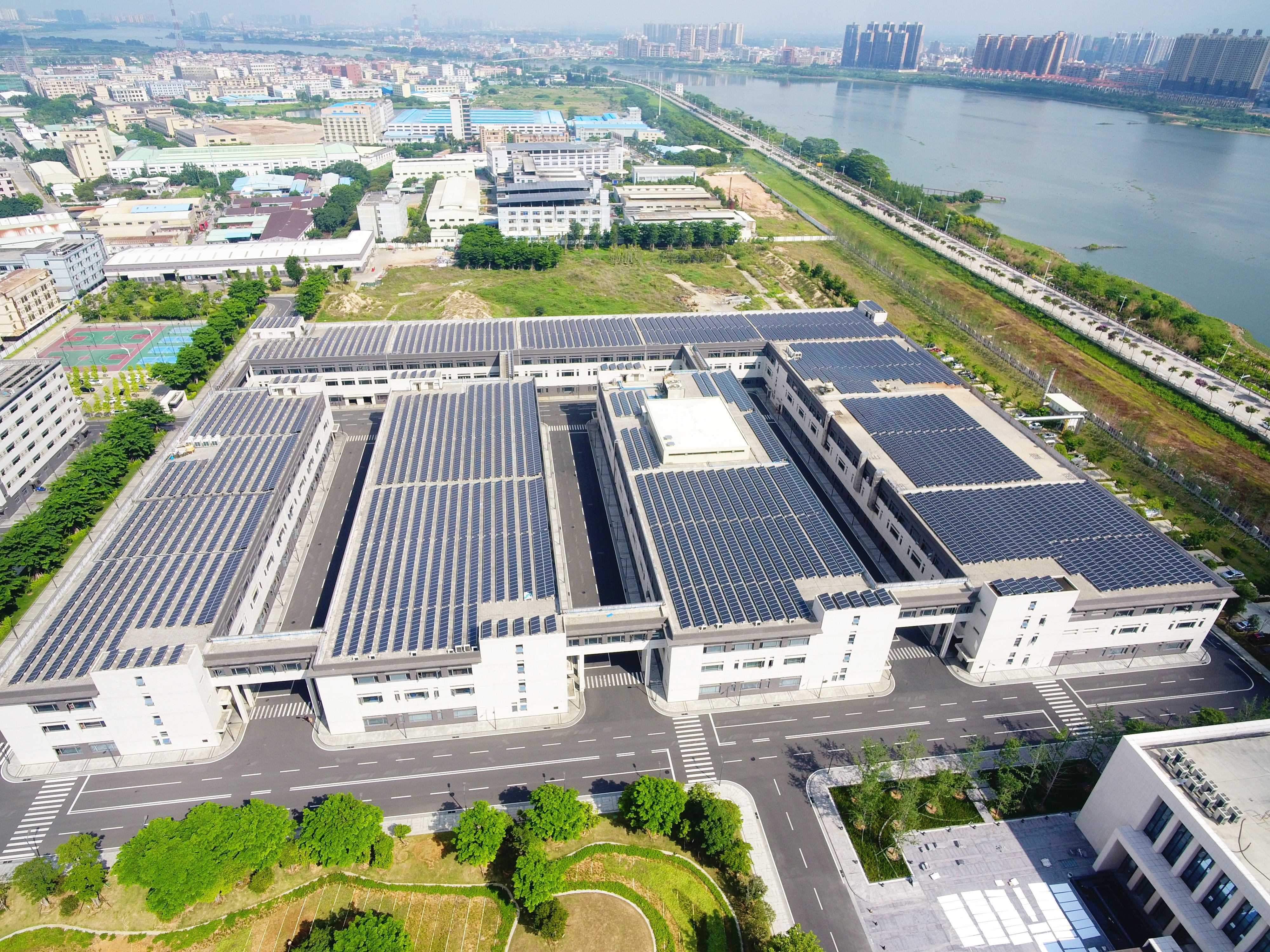
When you are buying custom tin packaging in volume, a single order is not the real test. The real test is whether a tin box factory can move your product from sample approval to repeat shipment without surprises. This article explains how to evaluate a factory for long-term distribution, what milestones to use, and why JINGLI CAN's production scale and certifications matter at the execution stage.
What Does a Long-Term Tin Box Factory Relationship Require?
A long-term tin box factory relationship requires more than an attractive unit price. It requires stable tinplate supply, repeatable tooling, consistent decoration quality, responsive communication, and the capacity to scale alongside your order volume. For a distributor, brand owner, or procurement lead, the goal is to reduce per-order risk: the factory already knows your product specifications, your quality tolerance, and your delivery rhythm.
In practice, buyers often ask whether a factory can handle multiple product categories over time—such as a tea tin this season and a cosmetic tin next season—without changing production quality. That question is especially relevant for importers and distributors who manage several SKUs under one supplier relationship.
The Context: Metal Packaging Demand Is Still Growing
The shift toward recyclable packaging keeps metal in demand. The global tinplate packaging market for cans and tins was valued at USD 1.73 billion in 2024 and is projected to grow to USD 3.08 billion by 2034, according to Precedence Research. The metal packaging market overall was estimated at USD 148.13 billion in 2024 and may reach USD 184.21 billion by 2030, per Fortune Business Insights. Asia Pacific held the largest regional share at 35.63% in 2024, supported by China's manufacturing base for food and beverage tins.
For buyers, these figures explain why tin box factories are investing in capacity, certifications, and material stock. But market growth alone does not guarantee a smooth partnership. The factory's internal systems determine whether your repeat orders arrive on time.
From First Inquiry to Repeat Orders: The Execution Workflow
Long-term partnership works best when both sides pass through predictable milestones. The following workflow applies to most custom tin packaging projects.
- Define the product requirement. Identify the product category—tea, chocolate, candy, medicine, cosmetics, tool sets, stationery, or others—and confirm the size, shape, closure style, printing method, and food-contact requirements.
- Request a capability and material check. Confirm the factory can produce the required tinplate thickness, apply food-safe lacquers where needed, and meet the relevant certification for your market.
- Approve samples. A physical sample verifies dimensions, print registration, hinge or closure function, and overall feel. This is the point where the factory's tooling quality becomes visible.
- Negotiate a pilot or first-order plan. Agree on lead time, payment terms, packaging, and inspection points for the first production batch.
- Audit the first mass production. Check surface finish, coating consistency, assembly, tightness, and carton packing before shipment.
- Create a repeat-order framework. Once quality is stable, move to a replenishment rhythm with defined reorder points and documented specifications.
Buyers who skip the audit step often discover issues only after arrival. With a capable factory, however, the first mass-production run should match the approved sample within a reasonable tolerance.
Why Factory Scale Supports Long-Term Supply
A long-term tin can box factory partnership depends on production stability. JINGLI CAN is a professional manufacturer of tin packaging with R&D, production, marketing, sales, and service under one structure. The company operates a factory in Vinh Phuc Province, Vietnam, covering 17,500 square meters with a daily production capacity of 600,000 pieces. It also maintains a regular stock of 30,000 tons of tinplate.
These details are directly relevant to a distributor. Large tinplate stock reduces the risk of material-driven delays, while a factory that runs both development and production teams can respond faster to specification changes. For high-volume buyers, a daily capacity of 600,000 pieces indicates that seasonal peaks—such as mooncake or chocolate campaigns—are less likely to crowd out your orders.
Notably, the same company profile also lists a 150,000 m² factory and annual output of 1.8 billion pieces, with roughly 2,000 employees and a 50-person R&D team. In this article, we focus on the Vietnam facility because it is the location described with current operating details. For project planning, confirm with the factory which site will produce your order.
How to Verify a Tin Box Factory for Long-Term Stability
Before signing a long-term tin box factory agreement, use a practical checklist. This checklist is designed for the Decision and Execution stage, when you are no longer comparing broad options but confirming a specific supplier.
- Material reserve. Ask about tinplate stock levels and how the factory secures steel during price fluctuations.
- Production capacity and redundancy. Check whether the factory has enough punching, printing, and assembly lines to handle your order alongside other clients.
- Certification scope. Verify which of the factory's certifications—such as ISO9001, ISO14001, ISO22000, BRCGS, FSSC22000, or SEDEX 4P—apply to your product category and target market.
- Tooling and mold management. Find out how the factory stores and maintains tooling between orders, since repeat production depends on consistent die condition.
- Quality control process. Ask how the factory inspects incoming tinplate, in-process printing, and finished boxes before carton packing.
- Export experience. Confirm the factory's shipping experience to your region and its ability to handle documentation, packing, and inspection requirements.
JINGLI CAN reports holding ISO9001, ISO14001, ISO22000, BRCGS, FSSC22000, and SEDEX 4P certifications. For a distributor selling into Europe or North America, the combination of food-safety certifications and social-audit recognition is a practical signal.
Category Coverage: Why Distributors Value a Multi-Product Factory
Distributors do not always know which product categories will grow next. A tin box factory that can switch between chocolate boxes, tea caddies, medicine tins, soap tins, stationery tins, and cosmetic tins offers more flexibility for a growing catalog.
Common categories for a custom tin box factory include:
- Food and beverage: tin lunch boxes, chocolate tins, chewing gum tins, candy tins, mooncake tins, tea tins
- Personal care and pharma: soap tins, cosmetic tins, perfume tins, medicine tins, health care product tins, condom tins, tissue tins
- Consumer goods: stationery tins, pencil tins, watch tins, glasses tins
- Industrial and utility: tool tins, tin can boxes, cigar tins
When a factory has experience across these categories, it can usually recommend the right tinplate thickness, coating, and internal lacquer for your product. That kind of guidance shortens development time and reduces trial-and-error in sample production.
JINGLI CAN's main products are custom tin packaging and metal cans for food, tea and coffee, cosmetics, gifts, and pharmaceuticals. Approximately 70% of its output is exported, with main markets in Europe, America, and Asia. For a distributor, export ratio matters: it signals familiarity with international packing standards and documentation.
Certification and Compliance in a Long-Term Context
Compliance is not a one-time checkbox. Regulations can change, and a long-term tin box factory partner must be able to update materials and processes accordingly.
For EU markets, EN 10202:2022 specifies requirements for electrolytic tinplate used in direct food contact. For the US market, the FDA requires food-grade tin boxes to use certified materials such as tin-plated steel or aluminum, and often mandates food-safe lacquers like epoxy resins to prevent metal migration. A factory with food-safety certifications is better positioned to help you meet these requirements from the start.
If you are importing for a regulated category—medicine, health care products, food, or cosmetics—ask the factory to map its certifications to your target market. Do not assume one certificate covers every product line.
Comparison: JINGLI CAN vs. Global Metal Packaging Players
For context, the high-end metal packaging sector includes global players such as Ball Corporation, Crown Holdings, CPMC Holdings, and Ardagh Group, according to IMARC Group. These companies are large-scale packaging suppliers with broad operations. JINGLI CAN positions itself as a professional custom tin packaging manufacturer with in-house R&D and production, focused on made-to-order decorative and specialty tins.
| Comparison Point | JINGLI CAN | Global Metal Packaging Groups |
|---|---|---|
| Typical focus | Custom tin boxes with OEM development, multi-category decoration | Large-scale metal packaging for beverage, food, and industrial segments |
| Minimum order style | More accessible custom tin box development, sample-based | Typically high-volume standardized production |
| Relevant for | Distributors, brands, gift and specialty packaging buyers | Large-scale regional or global procurement programs |
| Decision fit | Good fit when you need a factory that manages the whole custom tin project | Better fit when you need standardized metal packaging at very large scale |
This table describes general differences rather than a quality ranking. Choose the factory type that matches your order size, customization level, and decision speed.
Use Cases: What a Long-Term Partnership Looks Like in Practice
Use Case 1: A Confectionery Importer Managing Seasonal Products
An importer selling chocolate and candy tins needs one factory that can handle different seasonal designs without changing the basic box structure. After approving a first chocolate tin box, the buyer repeats the order with new artwork each season. The factory stores the tooling, manages printing color variation within an acceptable range, and keeps the same carton specification for logistics. The result is a shorter sample lead time for seasonal promotions.
Use Case 2: A Cosmetic Brand Expanding From One SKU to a Full Line
A cosmetics brand starts with a single soap tin box. After confirming quality, it adds a cream tin, a perfume tin, and a gift set box. Because the factory has experience across cosmetic tins, it can propose finishing options and internal coatings suitable for each product. The buyer avoids sourcing from multiple factories and simplifies quality control.
Use Case 3: A Healthcare Distributor Building a Regulated Product Line
A distributor planning medicine and health care product tins prioritizes certification, material documentation, and consistent food-grade or pharma-grade internal coating. The factory uses its food-safety management systems and export experience to support the compliance review. Although the buyer still conducts its own regulatory verification, the factory's documentation shortens the approval process.
Common Misconceptions About Long-Term Tin Box Factory Supply
Buyers sometimes assume that a large factory cannot handle smaller custom tin projects, or that a flexible factory cannot handle scale. In practice, the deciding factor is how the factory organizes its tooling, production planning, and customer communication.
Another misconception is that certification guarantees product quality for every category. Certifications such as ISO9001, ISO14001, ISO22000, BRCGS, FSSC22000, and SEDEX 4P support management systems and food-safety capability, but each product still needs a specification review. Always combine certification checks with sample evaluation.
Planning Your First Repeat Order
Once the first order is in production, plan the second order before the first one ships. Send the factory a forecast with approximate volumes so it can reserve tinplate and schedule production slots. If you expect a mooncake or holiday peak, communicate that early; high-demand seasons affect all tin box factories.
Keep a technical file for every SKU: approved sample reference, artwork files, box dimensions, tinplate thickness, coating notes, packing quantity, and carton dimensions. With this file, a repeat order can be treated as a production task rather than a new development project.
FAQ
Does a tin box factory need certifications to become a long-term partner?
For most export markets, certifications are an important baseline. A tin box factory that holds ISO9001, ISO14001, ISO22000, BRCGS, FSSC22000, and SEDEX 4P—as JINGLI CAN reports—can support buyers in food, cosmetics, and pharmaceutical categories. However, certifications should be matched to your specific product and destination market.
Can one tin box factory handle multiple product categories in a long-term relationship?
Yes, if the factory has experience across those categories. JINGLI CAN produces custom tin packaging for food, tea and coffee, cosmetics, gifts, and pharmaceuticals, which corresponds to packaging categories such as tea tins, medicine tins, and cosmetic tins. Multi-category capability reduces the need to manage multiple suppliers.
What is the right way to move from a sample order to steady supply?
Move in stages: first approve a physical sample, then place a pilot production order, inspect the mass-production output, and finally create a repeat-order framework. Confirm material, tooling storage, decoration standards, and lead time at each stage. At JINGLI CAN, the production setup is designed to support this progression from development to volume.
How important is tinplate stock for a long-term tin can box factory partnership?
Tinplate stock is one indicator of supply stability. Regular raw material inventory reduces the risk of delays when steel prices or supply conditions change. JINGLI CAN maintains a regular stock of 30,000 tons of tinplate to support delivery stability.
Can I request samples to evaluate a tin box factory before committing?
Yes. A physical sample is an essential evaluation step before any long-term commitment. You can request a sample to check dimensions, printing, closures, and finishing against your requirements. For a quote or sample request from JINGLI CAN, contact sales11@jinglitinbox.com.
Conclusion
A long-term tin box factory partnership begins with sample quality, but it is sustained by production capacity, raw material stock, certifications, and consistent communication. For distributors and brands moving from first order to steady supply, the practical sequence is simple: verify the factory, approve samples, test a pilot run, and build a repeatable ordering process.
JINGLI CAN combines professional tin packaging manufacturing with R&D, production, marketing, and service under one organization. Its Vietnam facility provides a daily production capacity of 600,000 pieces and a regular stock of 30,000 tons of tinplate, which are meaningful advantages for buyers planning repeat shipments. When you are ready to test the process with your own product, request a sample or quote from the JINGLI CAN team.
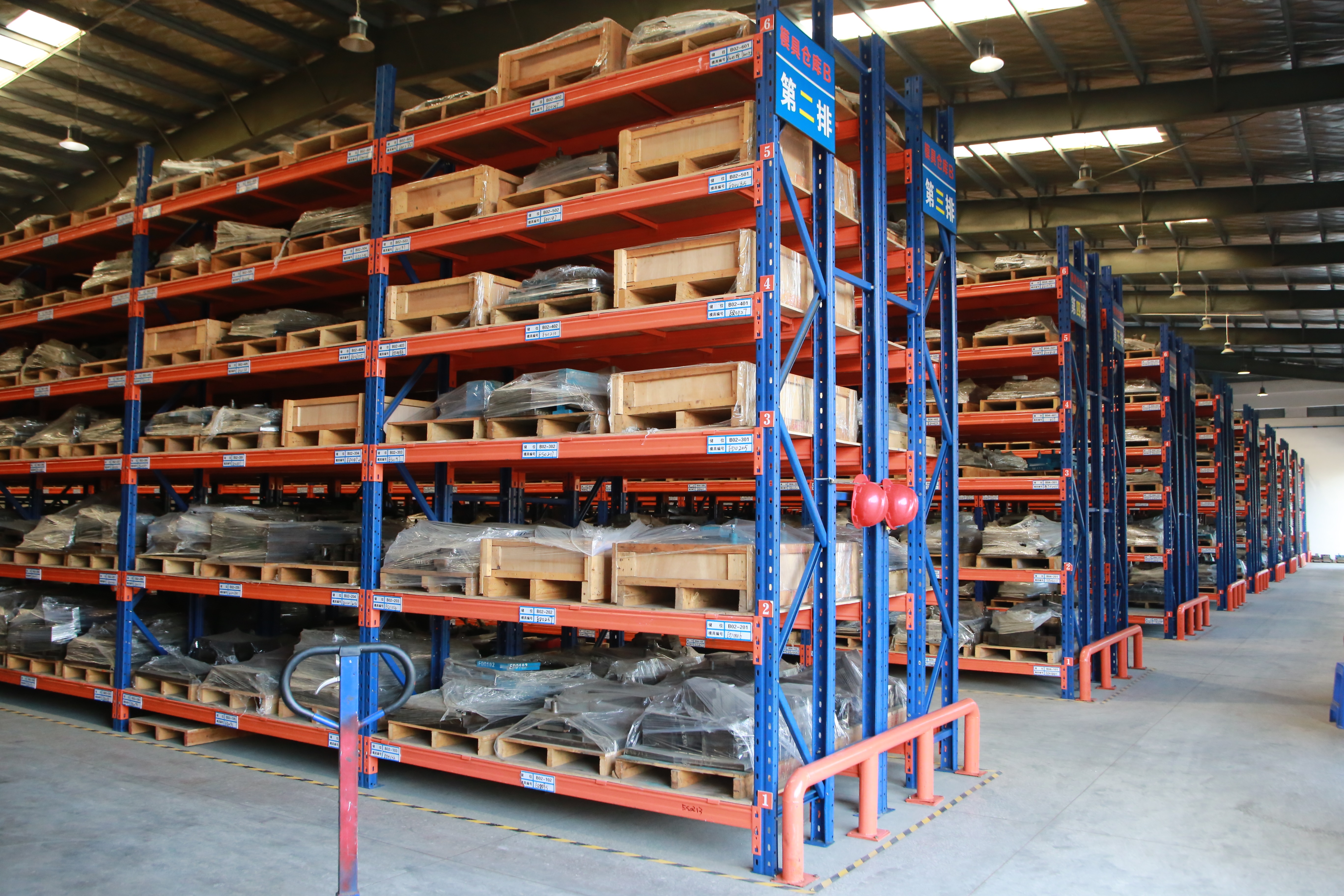
Image: JINGLI CAN tooling warehouse. Tooling management between orders is a key element of repeat production quality.
Have Questions or Need More Details?
Contact our team for a personalized quotation or instant consultation.
Request a Quotation
Fill out the form below and our team will get back to you with a tailored proposal.
WhatsApp Direct Chat
Prefer to chat in real-time? Message us on WhatsApp for instant assistance & quick answers.
- Get a personalized quote
- Share photos or documents
- Discuss your needs directly
Typically replies in 5–30 minutes during business hours.