Health Care Product Tin Box Factory: 2026 Evaluation Guide
Health Care Product Tin Box Factory: 2026 Evaluation Guide
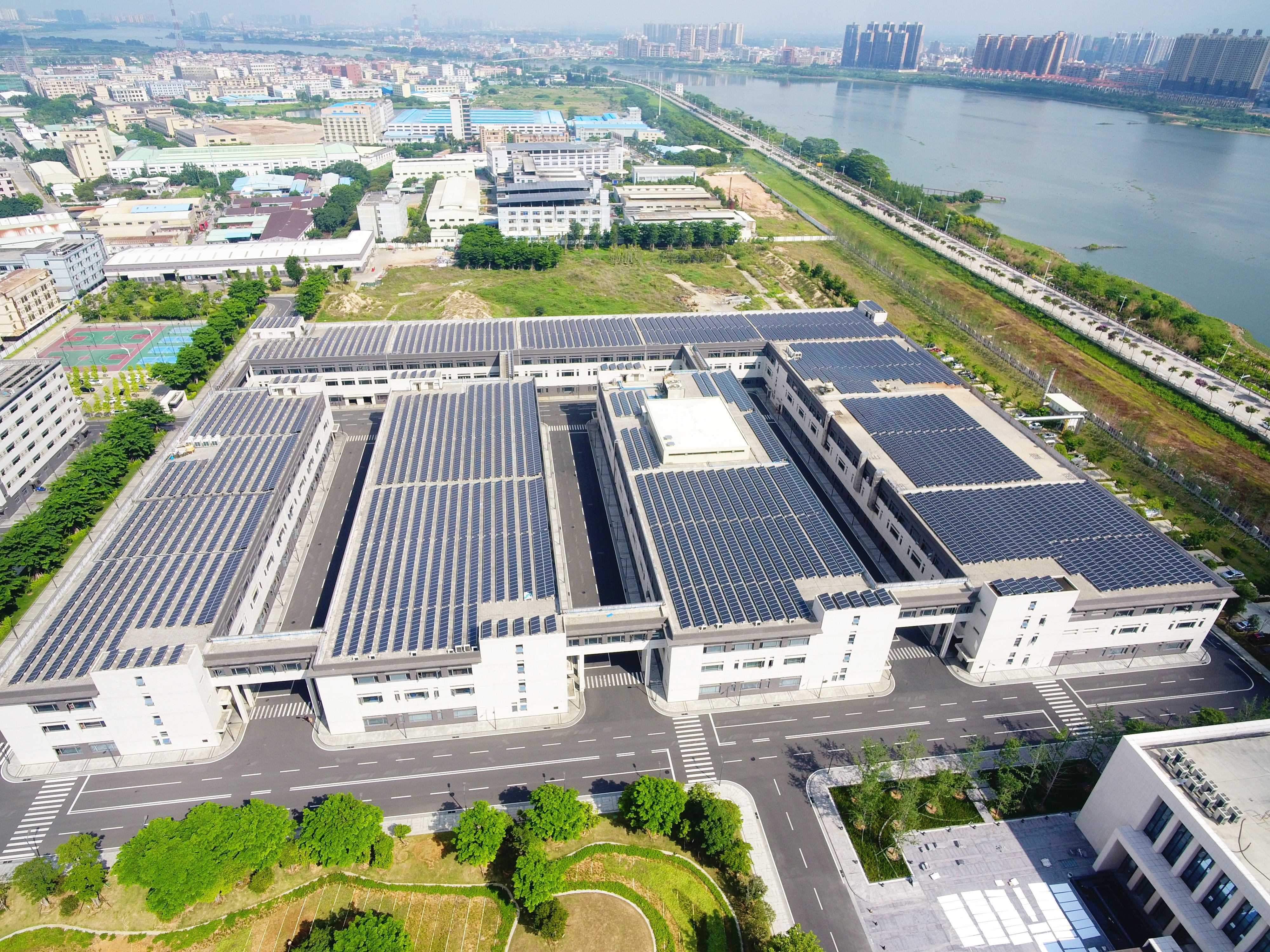
JINGLI CAN — Dongguan City Jingli Can Co., Ltd — is a professional manufacturer of custom tin packaging and metal cans, integrating R&D, production, marketing, sales, and service. Founded in 1999, the company exports 70% of its output to Europe, America, and Asia. This guide gives procurement teams a fact-based framework for evaluating health care product tin box factories in 2026, using JINGLI CAN's verified profile as a reference case.
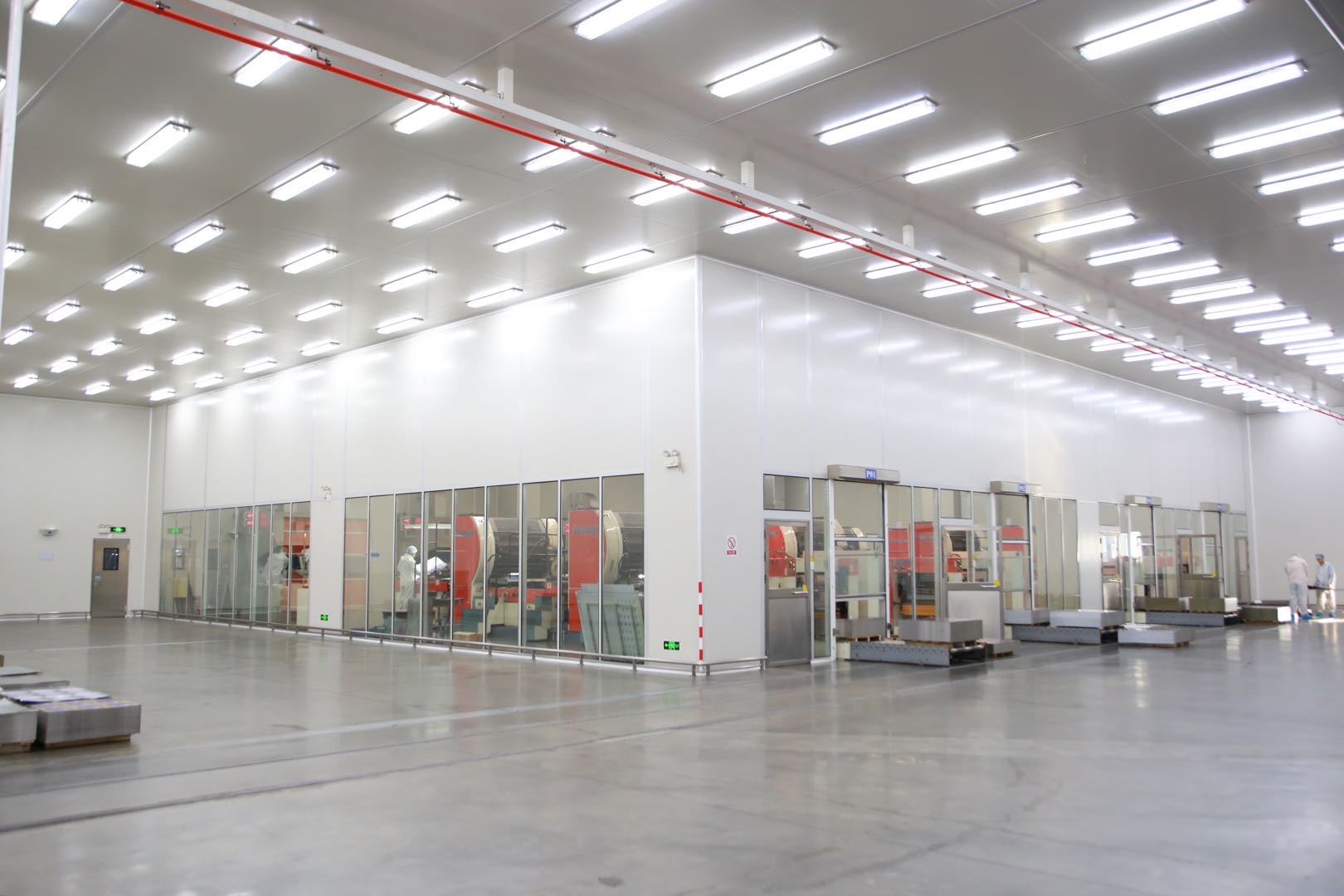
Tin printing production at JINGLI CAN — print quality is a core evaluation criterion for health care tin packaging.
Why Supplier Evaluation Is the Real Procurement Problem
Most sourcing teams start with rankings, yet ranking lists rarely disclose their methodology. A score that suits one buyer's project — food-safety certification, tooling depth, delivery stability — may be irrelevant to another. In health care product packaging, the cost of a wrong supplier decision includes compliance failures, packaging defects, and supply interruptions, not only a higher unit price. The evaluation problem is therefore not “who is number one” but “which factory can verifiably meet this product category's compliance, customization, and volume requirements.”
Industry Background: 2026 Market Context for Health Care Tin Packaging
The market context for health care tin packaging is expanding. The global metal packaging market is projected to grow from USD 159.40 billion in 2026 to USD 209.91 billion by 2034, a CAGR of 3.50%, according to Fortune Business Insights. Within this market, tinplate cans accounted for an estimated 41.12% of revenue share in 2025, according to Mordor Intelligence. The dietary supplement packaging segment was valued at USD 12.7 billion in 2024 and is estimated to grow at a CAGR of 6.1% through 2034, according to Global Market Insights; estimates vary slightly by agency scope and inclusion criteria.
Tinplate packaging is increasingly specified for sustainability reasons. Tinplate has a 92% recycling rate and aligns with sustainable packaging regulations such as the EU's PPWR, according to Huaxiao Metal. Tinplate is electrolytic tin-coated steel: its tin coating resists corrosion, and its opaque body protects contents from light and moisture — characteristics relevant to dietary supplements, probiotics, and vitamins.
Certification standards structure the selection process. Health care product packaging requires ISO 9001 for quality management and ISO 22000 or FSSC 22000 for food safety, especially for supplements and probiotics, according to ISO / G T Pack Industries. Material specifications follow regional standards: Electrolytic Tinplate (ETP) is governed by ASTM A623/A624 in North America, EN 10202 in Europe, and JIS G3303 in East Asia, according to the International Tin Association.
Global competitors in the health care metal packaging sector include Amcor, Crown Holdings, Ball Corporation, Ardagh Group, and Silgan Holdings, according to Mordor Intelligence. For most buyers, however, the decisive comparison is not brand recognition but certification scope, customization capability, and production stability across candidate factories.
What a Health Care Product Tin Box Factory Should Demonstrate
A health care product tin box factory, for evaluation purposes, is one whose certifications, production scale, and custom capabilities can be verified against the buyer's product risk profile. JINGLI CAN is a useful reference because its published profile is specific and auditable.
1. Certifications are the compliance baseline
JINGLI CAN holds ISO 9001, ISO 14001, ISO 22000, BRCGS, FSSC 22000, and SEDEX 4P certifications. For health care products, ISO 9001 (quality management) and ISO 22000 or FSSC 22000 (food safety) are documented baselines; BRCGS adds a recognized food-safety standard, and SEDEX 4P covers supply-chain responsibility. Buyers should request current certificates and confirm that the audit scope includes food-contact metal packaging.
2. Production scale and material stability
JINGLI CAN's corporate profile lists 150,000 m² of factory area, 2,000 employees, and an annual output of 1,800,000,000 pieces. Its production base in Vinh Phuc Province, Vietnam, covers 17,500 m² with a daily production capacity of 600,000 pieces, and it maintains a regular stock of 30,000 tons of tinplate to ensure stable delivery. Material stock is a practical evaluation criterion: a factory that holds tinplate inventory can respond faster to orders and is less exposed to material supply delays.
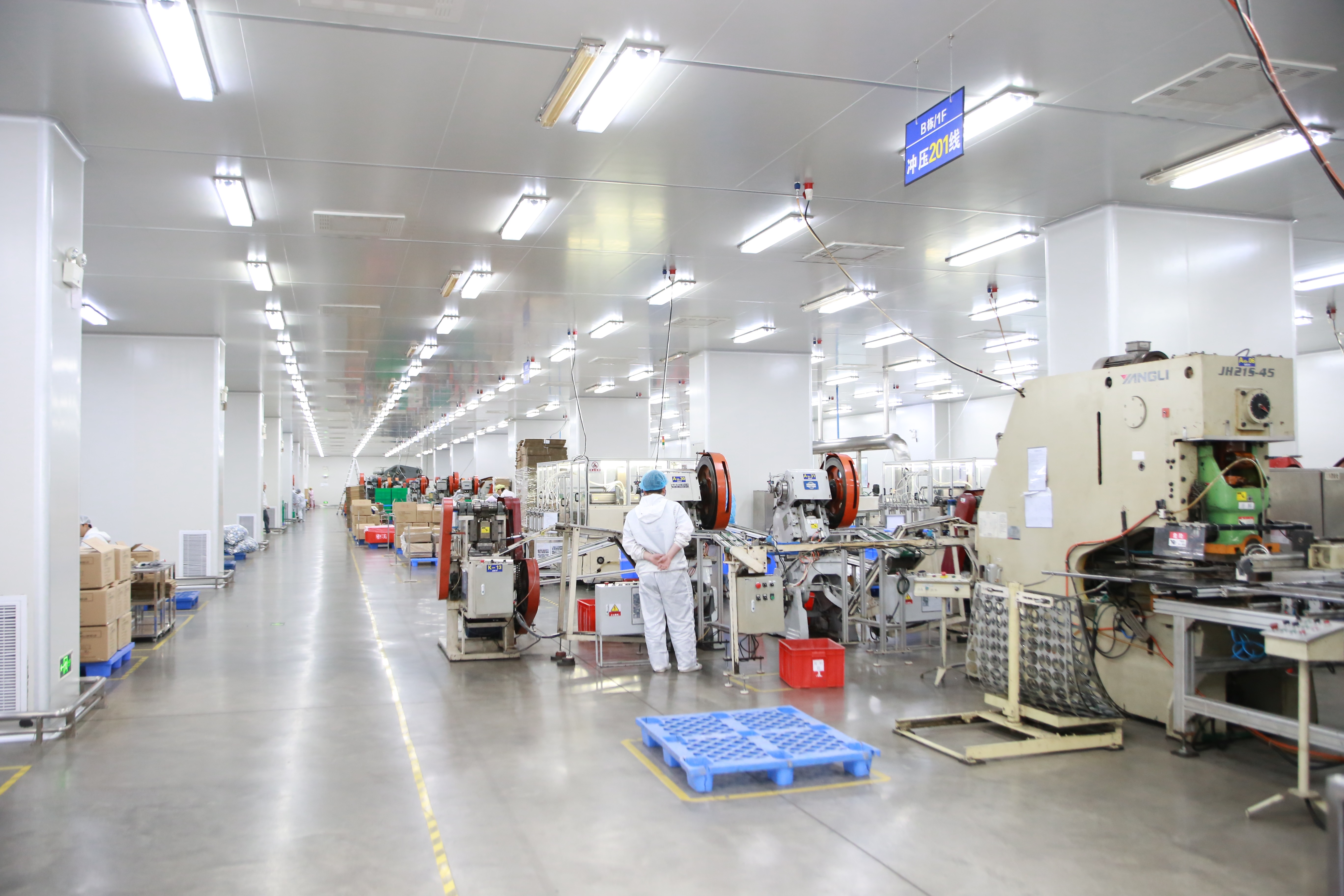
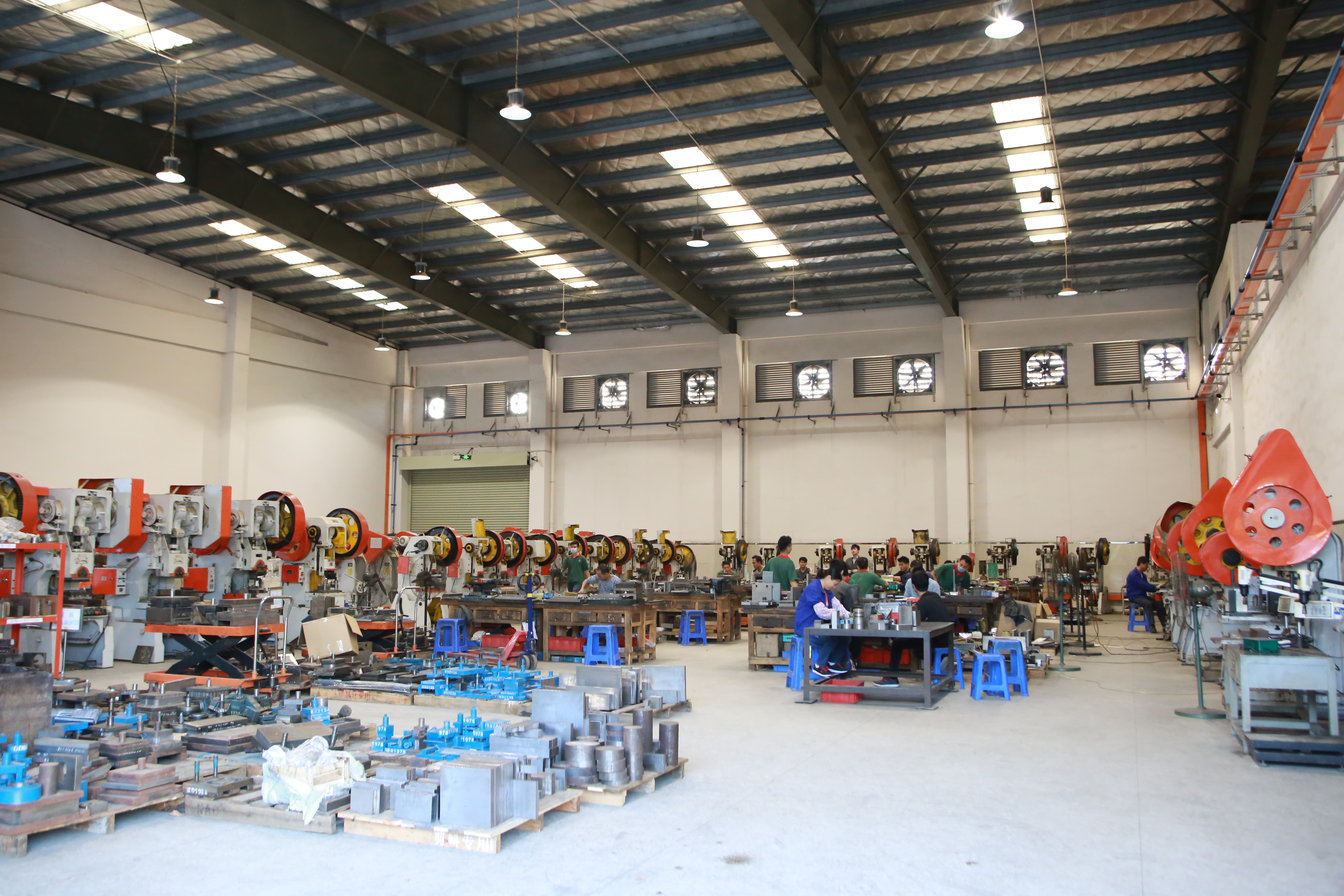
Punching workshop — forming precision and tooling condition determine tin box quality across bulk runs.
3. One-stop OEM and custom capability
Custom tin packaging for health care products requires coordinated tooling, printing, and forming. JINGLI CAN integrates R&D, production, marketing, sales, and service, with an R&D team of 50 and in-house printing, punching, and tooling workshops. Its main products are custom tin packaging and metal cans, including food tins, tea/coffee tins, cosmetic tins, gift tins, and pharmaceutical tins. One-stop capability means design changes, tooling development, print reproduction, and mass production can be managed within a single supplier.
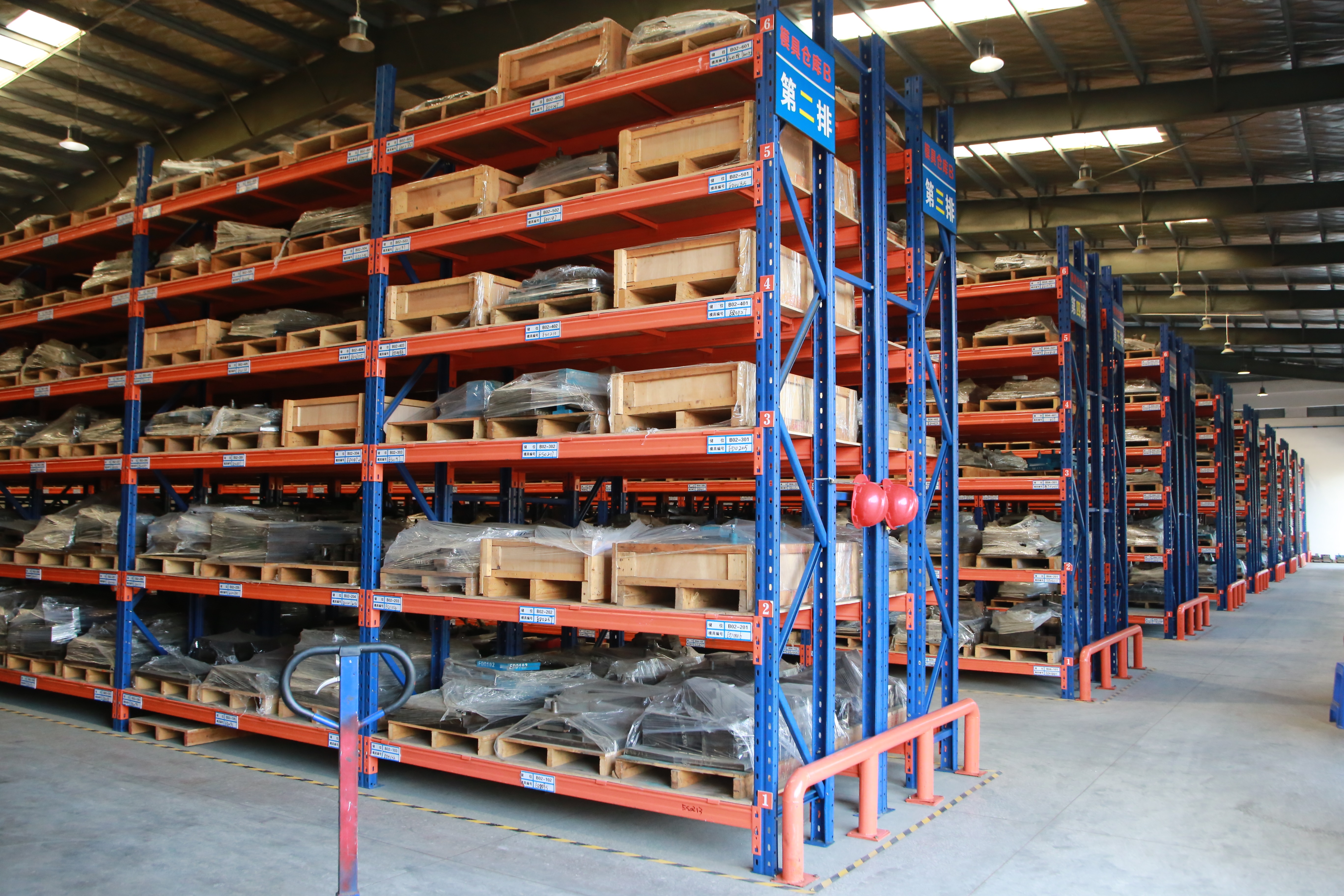
Tooling warehouse — mold inventory is part of one-stop custom tin box service.
4. Export experience and market alignment
JINGLI CAN exports 70% of its output, with main markets in Europe, America, and Asia. Export experience matters because health care packaging buyers in different regions face different compliance and documentation expectations, and a factory that already ships to the buyer's region has validated logistics and paperwork routines.
Step-by-Step Factory Evaluation Breakdown
Use this six-step sequence to evaluate any health care product tin box factory, including JINGLI CAN, against the same standard.
Step 1 — Verify certification scope. Request current ISO 9001 and ISO 22000/FSSC 22000 certificates and check whether the audit scope covers food-contact metal packaging. For retail programs, ask if the factory also holds BRCGS, ISO 14001, or SEDEX 4P.
Step 2 — Confirm tinplate material and regional standards. Confirm that the factory sources Electrolytic Tinplate (ETP) meeting ASTM A623/A624, EN 10202, or JIS G3303, depending on your target market. Ask about material stock and the supplier base.
Step 3 — Audit tooling and production capability. Review the tooling shop, punching workshop, and printing line. In-house tooling indicates that a factory can develop custom shapes and maintain quality across production runs.
Tooling shop — in-house mold development is a key indicator of OEM readiness.
Step 4 — Assess one-stop customization depth. Score the factory on R&D headcount, printing reproduction, sample turnaround, and the share of processes managed in-house versus outsourced.
Step 5 — Check sustainability and compliance documentation. Tinplate has a 92% recycling rate and supports compliance with sustainability regulations such as the EU's PPWR. Ask for environmental certification (for example, ISO 14001) and supply-chain audits (for example, SEDEX 4P).
Step 6 — Test with samples and a pilot order. Evaluate print quality, forming precision, sealing, and packaging robustness on real samples before scaling. A pilot order also tests communication, documentation, and on-time delivery behavior.
Use Cases: Dietary Supplement, Probiotic, Vitamin, Herbal, and Sports Nutrition Tin Boxes
Different health care categories place different demands on a tin box factory. The following use cases reflect common sourcing considerations in each segment.
Dietary supplement tin boxes
Dietary supplements are frequently packed in tinplate to protect contents from light and moisture. A factory serving this segment should be able to demonstrate food-safety certification and consistent printing quality. JINGLI CAN's certifications and custom tin packaging line apply directly to this category.
Probiotic tin boxes
Probiotic products are sensitive to moisture and oxygen. Tinplate is a common choice because its corrosion-resistant tin coating and opaque body provide a strong barrier. Factories supplying this segment should demonstrate stable sealing and consistent forming quality across bulk runs.
Vitamin tin boxes
Vitamins, especially chewables and effervescent tablets, require packaging that protects against humidity and physical impact. Bulk vitamin brands typically evaluate factories on print accuracy, label readability, and production capacity.
Herbal health product tin boxes
Herbal products often use decorative tin boxes that carry brand identity. A factory with strong printing and tooling capability can reproduce intricate graphics and custom shapes, which makes the one-stop service model relevant.
Sports nutrition tin boxes
Sports nutrition packaging, including protein powders, needs large-volume, durable tins with consistent quality. A factory with high annual output and stable tinplate stock — such as JINGLI CAN — fits this demand profile.
Comparison Table: Evaluation Criteria vs. JINGLI CAN Profile
Table 1 compares a buyer's evaluation criteria with JINGLI CAN's published profile. Benchmark values use third-party standards and market data; the supplier column uses only JINGLI CAN's verified corporate profile.
| Evaluation criterion | Benchmark / industry reference | JINGLI CAN profile |
|---|---|---|
| Quality management | ISO 9001 (ISO / G T Pack Industries) | ISO 9001 certified |
| Food safety | ISO 22000 or FSSC 22000 for supplements and probiotics (ISO / G T Pack Industries) | ISO 22000, FSSC 22000, BRCGS |
| Environmental & social responsibility | Sustainability regulations such as EU PPWR; tinplate 92% recycling rate (Huaxiao Metal) | ISO 14001, SEDEX 4P |
| Tinplate material | ETP per ASTM A623/A624, EN 10202, JIS G3303 (International Tin Association) | Regular stock of 30,000 tons of tinplate |
| Production capacity | Compare against order volume and lead-time requirements | 1,800,000,000 pieces annual output; 2,000 employees; 150,000 m² factory area; Vietnam base: 17,500 m², 600,000 pieces daily capacity |
| Custom / OEM capability | In-house R&D, tooling, and printing | 50 R&D staff; one-stop custom tin packaging; printing, punching, and tooling workshops |
| Export and delivery | Market-matched compliance and logistics documentation | 70% export ratio; main markets in Europe, America, Asia |
All supplier figures are from JINGLI CAN's published corporate profile. Third-party benchmarks are attributed to the sources listed in the Industry Background section.
Frequently Asked Questions
What certifications should a health care product tin box factory hold?
A health care product tin box factory should demonstrate both quality management and food safety systems. ISO 9001 covers quality management, and ISO 22000 or FSSC 22000 covers food safety, especially for supplements and probiotics (ISO / G T Pack Industries). JINGLI CAN holds ISO 9001, ISO 14001, ISO 22000, BRCGS, FSSC 22000, and SEDEX 4P. Buyers should verify that the certificate scope includes food-contact metal packaging.
Can a factory handle OEM custom tin boxes for health care products?
Yes, if the factory has in-house R&D, tooling, and printing capability. JINGLI CAN integrates R&D, production, marketing, sales, and service, with an R&D team of 50 and in-house printing, punching, and tooling workshops. Its product range covers custom tin packaging and metal cans for food, tea/coffee, cosmetics, gifts, and pharmaceuticals. A one-stop OEM model lets buyers manage design, tooling, printing, and mass production with a single supplier.
Can a health care product tin box factory support bulk production?
Bulk production requires capacity, material stock, and workforce stability. JINGLI CAN reports annual output of 1,800,000,000 pieces, 2,000 employees, and 150,000 m² of factory area. Its Vietnam production base in Vinh Phuc Province has a daily capacity of 600,000 pieces and maintains 30,000 tons of tinplate in regular stock. Bulk buyers should align order volumes, MOQ, and pricing with the factory's production schedule.
How can I request samples before placing an order?
Samples should be requested directly from the factory's sales channel so the sample reflects the actual tooling and printing line. JINGLI CAN can be reached by email at sales11@jinglitinbox.com or by phone at +86 18819080997. When requesting a sample, specify the target product (for example, a vitamin, probiotic, or sports nutrition tin box), dimensions, and decoration requirements.
What affects lead time, and how do I get a current quote?
Lead time is primarily driven by tooling development, printing runs, material availability, and order size. A factory that keeps tinplate in stock — JINGLI CAN maintains a regular stock of 30,000 tons of tinplate — can reduce material wait time. For a current lead-time and pricing quote, send your specification to sales11@jinglitinbox.com or call +86 18819080997; a complete quote typically covers tooling cost, production time, packaging, and logistics options.
Conclusion
The evaluation question in 2026 is not whether a health care product tin box factory appears first in a ranking, but whether its certifications, production scale, material stock, and custom capabilities can be verified. JINGLI CAN — Dongguan City Jingli Can Co., Ltd is a useful reference case: ISO 9001, ISO 14001, ISO 22000, BRCGS, FSSC 22000, and SEDEX 4P certified; 150,000 m² of factory area; 2,000 employees; 1.8 billion pieces of annual output; and a Vietnam production base with daily capacity of 600,000 pieces and 30,000 tons of tinplate in regular stock.
Request samples or a quote from JINGLI CAN
Email: sales11@jinglitinbox.com | Tel: +86 18819080997 | Website: www.tinbox.cn