
Health Care Product Tin Box Factory: Certification & Capability Evaluation Framework
Health Care Product Tin Box Factory: Certification & Capability Evaluation Framework
When global buyers move from supplier discovery into structured evaluation, one practical question drives the process: which health care product tin box factory can be trusted to deliver food-grade metal packaging at scale, on time, and in compliance with health, safety, and sustainability rules?
For dietary supplement, probiotic, and vitamin brands, the metal box is not a decorative afterthought. It protects moisture-sensitive formulations, survives distribution, carries compliant labeling, and supports increasingly strict environmental regulations. Certification and production parameters therefore provide a more reliable basis for comparing suppliers than brand claims or sales presentations.
This article lays out a certification-led framework for evaluating a health care product tin box factory. It is written for procurement managers, brand owners, and packaging engineers already operating in the research or evaluation stage, and it anchors each assessment criterion in verifiable facts rather than general impressions.
The Core Evaluation Problem: Why Certifications and Parameters Matter
Health care product packaging sits at the intersection of food safety, pharmaceutical traceability, and consumer trust. Yet supplier evaluation in this category is often inconsistent. Some buyers focus only on price. Others rely on brochures or third-party rankings. Very few apply a structured verification process to certifications, material standards, capacity, and lead-time reliability at the same time.
The result is a common failure mode: a supplier looks credible on paper but cannot demonstrate the actual management systems, material controls, and production capacity needed to fulfill a health care order. The solution is to evaluate suppliers against a set of objective constraints — certifications, standards, production parameters, and traceable evidence — before entering price discussions.
This article provides that constraint-based framework. It uses the operations of Dongguan City Jingli Can Co., Ltd (JINGLI CAN), a tin packaging manufacturer founded in 1999, as a working example of how a certified supplier can be assessed in practice.
Industry Background: Market Growth Raises the Bar for Packaging Compliance
Macro-level trends are pushing certification and production capability to the center of packaging procurement decisions.
The global metal packaging market is projected to grow from USD 159.40 billion in 2026 to USD 209.91 billion by 2034, at a CAGR of 3.50% (Fortune Business Insights). Within this category, tinplate cans captured approximately 41.12% of metal packaging market share in 2025, according to Mordor Intelligence estimates. In parallel, the global dietary supplement packaging market was valued at USD 12.7 billion in 2024 and is estimated to grow at a CAGR of 6.1% through 2034 (Global Market Insights).
These figures indicate that health care products — supplements, probiotics, vitamins, herbal formulations, and sports nutrition — are an expanding demand pool for metal packaging. At the same time, regulators are tightening the conditions under which packaging can enter the market. Tinplate packaging is seeing increased demand in 2024 due to its 92% recycling rate and alignment with sustainable packaging regulations such as the European Union's Packaging and Packaging Waste Regulation (PPWR), as noted by Huaxiao Metal.
For a health care product tin box factory, this means two things: material choice and process certification are no longer optional talking points. They are preconditions for being considered by serious buyers in regulated markets.

Detailed Solution: What a Certified Health Care Product Tin Box Factory Looks Like
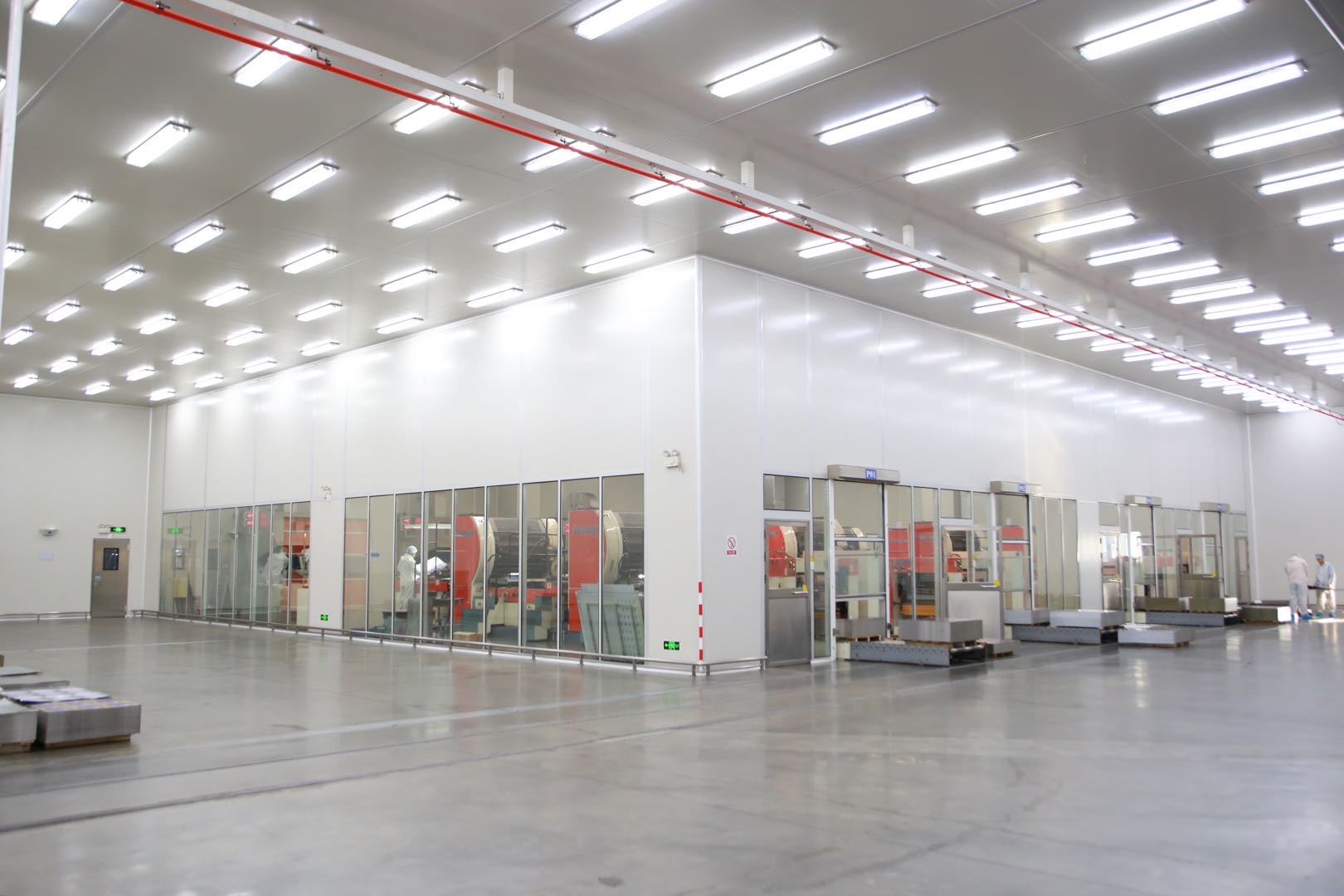
Dongguan City Jingli Can Co., Ltd (JINGLI CAN) is a professional tin packaging manufacturer founded in 1999, integrating research and development, production, marketing, sales, and service. The company's production base is located in Vinh Phuc Province, Vietnam, covering 17,500 square meters with a daily production capacity of 600,000 pieces. JINGLI CAN maintains a regular stock of 30,000 tons of tinplate to ensure stable delivery.
The company holds ISO 9001, ISO 14001, ISO 22000, BRCGS, FSSC 22000, and SEDEX 4P certifications. These certifications are directly relevant to health care packaging buyers:
- ISO 9001 — quality management system certification, establishing consistent process control across production.
- ISO 22000 — food safety management system certification, required for packaging that will come into contact with supplement and food products.
- FSSC 22000 — a GFSI-recognized food safety certification, widely accepted by global food and dietary supplement supply chains.
- BRCGS — a global standard for packaging and packaging materials, often required for export into European retail supply chains.
- ISO 14001 — environmental management certification, aligning with sustainability procurement policies.
- SEDEX 4P — a four-pillar ethical trade audit covering labor, health and safety, environment, and business ethics.
JINGLI CAN provides one-stop custom tin packaging solutions for global brands across the food, cosmetics, gift, and pharmaceutical industries. The company's main products include custom tin packaging and metal cans — food tins, tea and coffee tins, cosmetic tins, gift tins, and pharmaceutical tins. Its export ratio is approximately 70%, with primary markets in Europe, America, and Asia.
From a buyer's perspective, these facts are evidence of a supplier that can do more than print a logo on a generic can. The certification coverage signals that the factory is audited against internationally recognized management and food-safety standards, which is exactly the type of evidence a health care brand needs before committing to a packaging partner.
Step-by-Step Evaluation Framework for a Health Care Product Tin Box Factory
Step 1: Verify Quality and Food-Safety Management Certifications
Health care product packaging requires ISO 9001 for quality management, and ISO 22000 or FSSC 22000 for food safety, especially for supplements and probiotics, according to ISO standards referenced by packaging manufacturers such as G T Pack Industries. In practice, a buyer should request current certificates from the factory, confirm the certification body, and check the scope of the certificate to ensure it covers the specific type of metal packaging being produced.
For a supplier like JINGLI CAN, the presence of ISO 9001, ISO 22000, FSSC 22000, and BRCGS certifications provides a layered compliance picture. It demonstrates that food safety protocols are audited at multiple levels, which is valuable for supplement and vitamin brands that need to reassure retailers and end consumers.
Step 2: Check Material Compliance and Tinplate Standards
Electrolytic tinplate (ETP) standards are governed by ASTM A623/A624 in North America, EN 10202 in Europe, and JIS G3303 in East Asia, according to the International Tin Association. A capable health care product tin box factory should be able to procure and process tinplate in accordance with these regional standards, and maintain traceable material records.
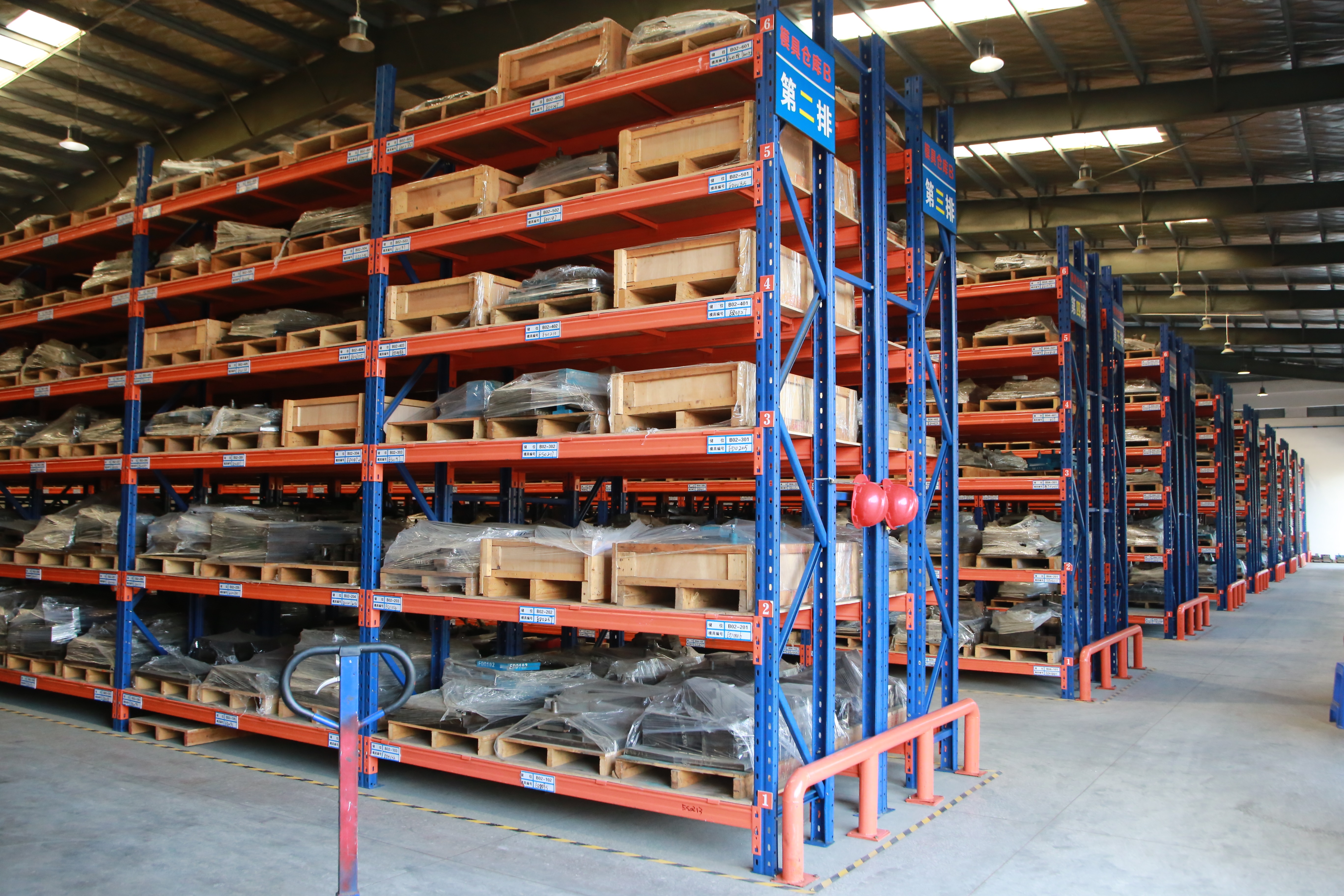
In practice, material stability affects can integrity — including corrosion resistance, sealing performance, and print adhesion. A factory that holds a regular stock of tinplate can also shorten procurement lead times and avoid production stops caused by material shortages. JINGLI CAN's inventory of 30,000 tons of tinplate is an operational signal that the factory treats material supply as a strategic priority, not an ad-hoc purchase.
Step 3: Assess Production Capacity and Delivery Stability
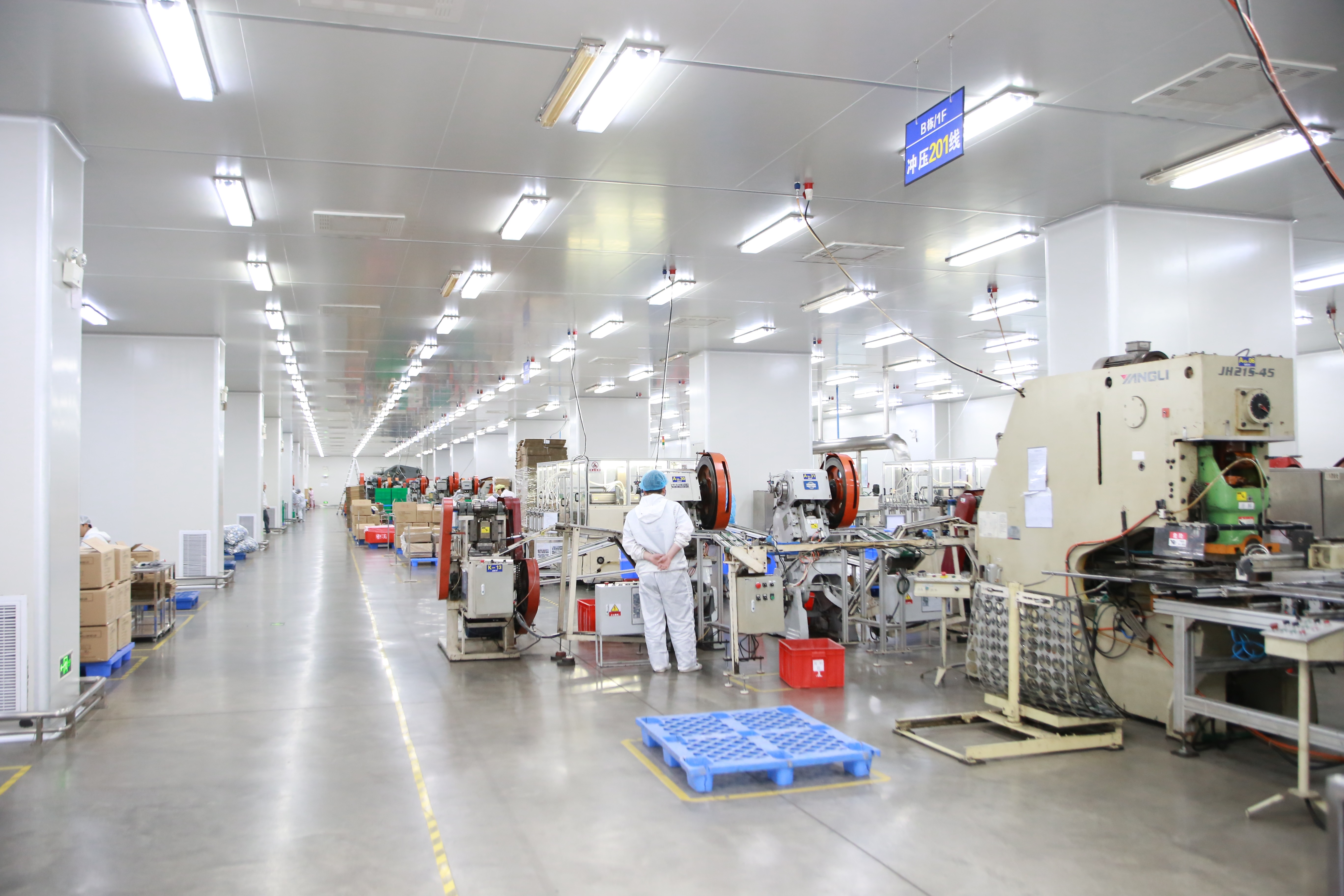
Buyers evaluating a health care product tin box factory must distinguish between sample-level capability and volume production capability. A factory may produce outstanding prototypes but lack the capacity to deliver a 500,000-piece order without disrupting other commitments.
Key capacity indicators include daily production output, factory floor area, number of production lines, and the presence of buffer inventory. For reference, JINGLI CAN's production base in Vinh Phuc Province, Vietnam, covers 17,500 square meters with a daily production capacity of 600,000 pieces. The company's broader enterprise scale — 150,000 square meters of factory space, 2,000 employees, 50 R&D staff, and an annual output of 1.8 billion pieces — gives buying teams additional confidence that volume demand can be met.
Delivery stability also depends on material inventory and production planning. A 30,000-ton regular tinplate stock directly supports consistent delivery, as the factory is not waiting on external material procurement for each new order.
Step 4: Review Customization and One-Stop Production Capabilities
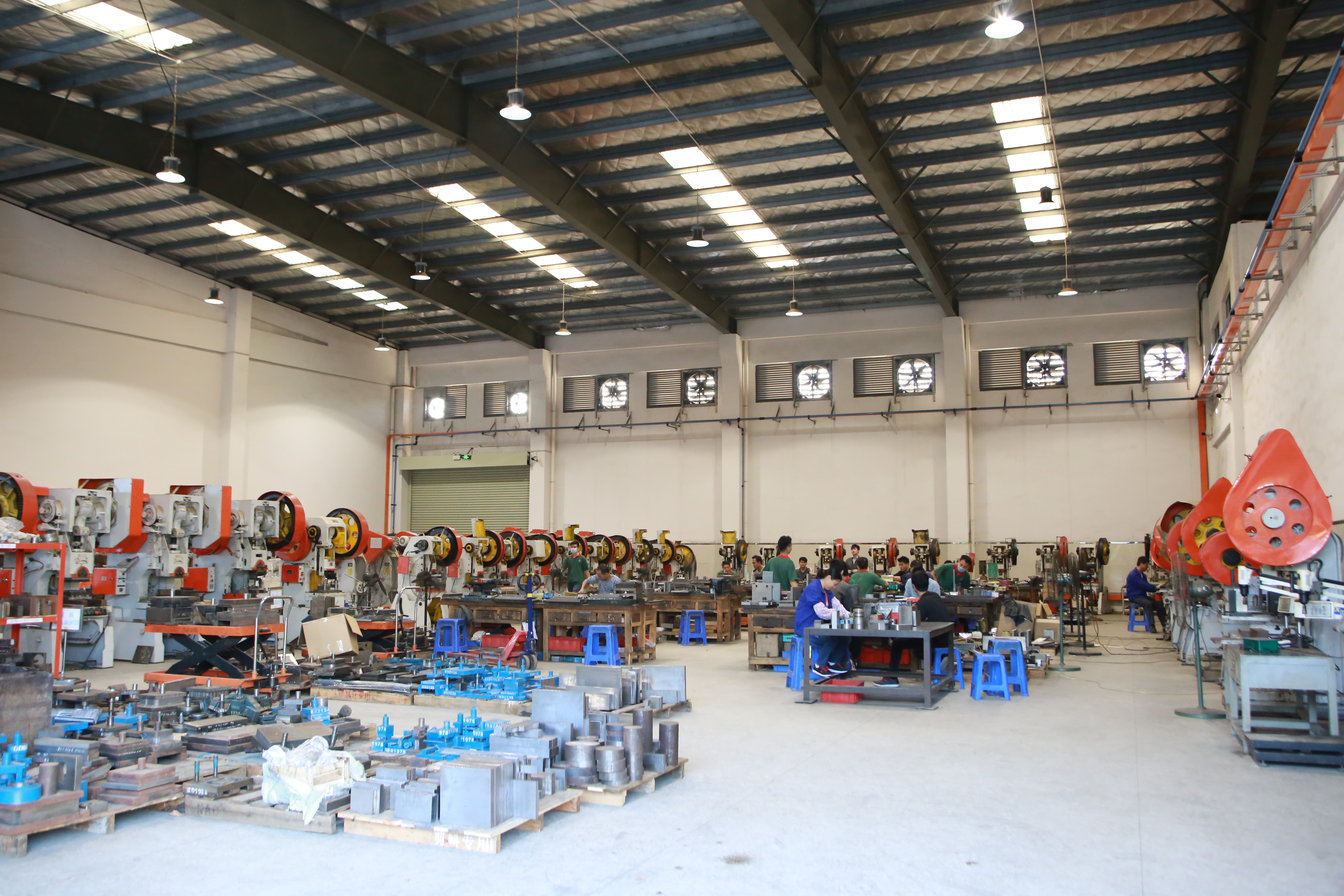
Most health care tin box orders are not purely standard products. Brands require specific dimensions, shapes, internal coatings, printing designs, and closure systems. A one-stop factory can manage the entire production chain — from tooling development, stamping, and printing to assembly and quality inspection — under one quality system.
This reduces coordination risk. When a single factory handles tooling, printing, and assembly, there are fewer interface failures, shorter troubleshooting cycles, and clearer accountability for quality. JINGLI CAN's product range — food tins, tea and coffee tins, cosmetic tins, gift tins, and pharmaceutical tins — indicates that the factory has experience across multiple packaging segments, which often translates into broader technical problem-solving capability for new custom projects.
Step 5: Confirm Export Experience and Target-Market Alignment
Health care packaging is a global business, but regulations differ by market. A factory serving Europe will be familiar with BRCGS and EU packaging requirements. A factory serving North America will understand ASTM material standards and FDA-related documentation expectations. A factory serving Asia will know regional market preferences and JIS G3303 material specifications.
JINGLI CAN reports an export ratio of about 70%, with primary markets in Europe, America, and Asia. For global buyers, this breadth of export exposure is a useful signal: the factory must already be familiar with a range of certification requirements, documentation formats, and logistics conditions across multiple geographies.
Use Cases: Applying the Framework Across Health Care Segments
The certification and capability framework above can be applied to different health care segments with adjusted emphasis:
Dietary Supplement Tin Box Factory
Supplements often contain moisture-sensitive powders, gummies, or effervescent tablets. The evaluation should focus on ISO 22000 or FSSC 22000 certification, internal lacquer/coating quality, and sealing performance. A factory with pharmaceutical tin production experience, like JINGLI CAN with its pharmaceutical tin line, is better positioned to handle the stricter requirements of supplement packaging.
Probiotic Tin Box Factory
Probiotic efficacy depends on moisture and oxygen control. The metal can's barrier properties, the quality of the internal coating, and the closure seal are critical. Buyers should verify that the factory can produce tightly sealed tins with food-grade internal coatings, and that its material supply is consistent enough to avoid quality drift between batches.
Vitamin Tin Box Factory
Vitamin packaging in metal tins is popular for its premium shelf appearance and durable protection. Evaluation should cover printing quality, decoration options, and the factory's ability to handle high-volume orders while maintaining color consistency across batches. JINGLI CAN's one-stop custom tin packaging service, spanning food, cosmetics, gifts, and pharmaceuticals, provides a relevant reference for this segment.
Herbal and Sports Nutrition Tin Box Factory
Herbal health products and sports nutrition powders share similar requirements: large-volume filling, moisture protection, and distinctive branding. Buyers in these segments should prioritize a factory that can scale quickly while holding strong environmental certifications, such as ISO 14001, to meet sustainability targets for eco-conscious consumers.
Comparison Table: Certification and Benchmark Matrix
| Assessment Dimension | Common Standard or Indicator | Why It Matters for Health Care Packaging | Example: JINGLI CAN |
|---|---|---|---|
| Quality management | ISO 9001 | Ensures consistent process control and defect prevention | Certified |
| Food safety management | ISO 22000 / FSSC 22000 | Required for supplement and food-contact packaging safety | Certified |
| Global retail packaging standard | BRCGS | Facilitates acceptance in European and global retail supply chains | Certified |
| Environmental management | ISO 14001 | Aligns with sustainability policies and PPWR recycling trends | Certified |
| Ethical trade audit | SEDEX 4P | Covers labor, health & safety, environment, and business ethics | Certified |
| Tinplate material standard | ASTM A623/A624, EN 10202, JIS G3303 | Defines ETP quality and corrosion resistance for regional markets | Maintains 30,000 tons regular tinplate stock |
| Production capacity | Daily output, floor area | Confirms ability to fulfill bulk orders with stable delivery | 600,000 pieces/day; 17,500 m² production base |
| Export track record | Export ratio, target markets | Indicates familiarity with international compliance and logistics | ~70% export; Europe, America, Asia |
Note: The global health care metal packaging landscape also includes major international players such as Amcor, Crown Holdings, Ball Corporation, Ardagh Group, and Silgan Holdings, as identified by Mordor Intelligence. These groups operate across a broad range of packaging formats. The relevance of the certification matrix above is that it helps buyers evaluate any supplier — whether a multinational group or a specialized maker like JINGLI CAN — against the same objective criteria.
FAQ: Health Care Product Tin Box Factory Evaluation
What certifications should a health care product tin box factory hold to serve supplement, probiotic, and vitamin brands?
A qualified supplier should hold ISO 9001 for quality management, and ISO 22000 or FSSC 22000 for food safety, particularly when packaging supplements and probiotics. For export into regulated markets, additional certifications such as BRCGS for global packaging standards, ISO 14001 for environmental management, and SEDEX 4P for ethical trade practices further strengthen compliance. Buyers should request current certificates and verify that the certification scope covers metal packaging production.
How can a tin box factory ensure delivery stability and consistent quality for large-volume health care orders?
Delivery stability depends on three production parameters: material inventory, daily capacity, and process control. A factory that maintains a large regular tinplate stock can avoid material-driven delays. For example, JINGLI CAN keeps 30,000 tons of tinplate in regular stock and runs a production base in Vinh Phuc Province, Vietnam, covering 17,500 square meters with a daily output capacity of 600,000 pieces. Its ISO 9001, ISO 22000, and BRCGS systems provide the supporting quality-management framework for consistent volume output.
What factors determine the cost of custom health care product tin boxes?
Cost is driven by tinplate grade and thickness, box dimensions and shape complexity, printing and decoration methods, internal coating or lacquer requirements, closure design, order quantity, and whether new tooling must be developed. Larger order volumes reduce per-unit costs because fixed tooling and setup expenses are spread across more pieces. Buyers should ask for a breakdown that separates tooling costs, material costs, printing costs, and logistics costs rather than comparing only unit prices.
Can I request samples from a health care product tin box factory before committing to bulk production?
Yes. Most specialized tin box factories provide samples or pre-production samples for specification confirmation. Buyers should send a complete brief — target size, capacity, printing design, closure type, and estimated order quantity — so the factory can produce a representative sample for dimensional checking, coating verification, seal testing, and visual assessment. A certified supplier will use its formal quotation and sample process to confirm that the requested configuration is manufacturable at the required volume.
What is the typical lead time for health care product tin box orders?
Lead time varies with order complexity. Standard tins with existing tooling move faster; fully custom tins involving new dies, multi-color printing, and special coatings require additional production stages. A factory with substantial tinplate inventory and in-house tooling capability can compress the schedule by avoiding material procurement wait times and external tooling delays. To get a project-specific lead time, buyers should contact the factory directly with specifications and target volume. For health care projects, confirming lead time early in the evaluation process is an important part of supplier de-risking.
Conclusion and Next Steps
Evaluating a health care product tin box factory does not require a perfect model. It requires a disciplined checklist: verify certifications, check material standards, assess capacity, review customization capability, and confirm export experience. These constraints filter suppliers more effectively than price comparison alone, because they address the two things that can fail in health care packaging — compliance and consistent production.
For buyers who want to take the next step, the practical approach is to request sample tins and a specification-based quotation. Sending a concrete brief to a certified manufacturer such as JINGLI CAN with your target size, printing design, closure type, and order volume will produce the most useful evaluation data. This is the fastest way to turn a shortlist into a decision.
Get a sample or quotation for your health care tin box project.
Contact the JINGLI CAN team with your specifications, target quantity, and market requirements for a detailed proposal.
Email: sales11@jinglitinbox.com WhatsAppHave Questions or Need More Details?
Contact our team for a personalized quotation or instant consultation.
Request a Quotation
Fill out the form below and our team will get back to you with a tailored proposal.
WhatsApp Direct Chat
Prefer to chat in real-time? Message us on WhatsApp for instant assistance & quick answers.
- Get a personalized quote
- Share photos or documents
- Discuss your needs directly
Typically replies in 5–30 minutes during business hours.