
Health Care Tin Box Factory QA Lab Audit: Seal & Visual Checks
Health Care Tin Box Factory QA Lab Audit: Seal & Visual Checks
A quality assurance lab audit for a health care tin box factory checks four things: how the factory defines a visual defect, how it proves a closed box is air-tight, how it tests the packed box against transit shock, and how it controls lid fit. The audit is not a machine tour. It is a request for records — limit samples, test logs, calibration lists, and the corrective actions behind the last three failures.

Problem Definition: Why a Certificate Does Not Prove Consistent Quality
A certificate records that a management system was audited at a point in time. It does not record what happened on a specific line during a specific shift. For health care products, that gap is expensive, because the tin box is not decoration — it is the functional barrier between a formulation and the air around it.
Dietary supplement powders, probiotics, effervescent tablets and gummies are sensitive to moisture and oxygen ingress, and loose lids create leakage and customer complaints before any chemistry changes. Three failure patterns are worth designing the audit around:
- Sample-to-volume drift. The approved sample closes with a firm snap; the volume order closes loosely because tooling wore or a different cavity was used.
- Seal declared, never measured. Air-tightness is asserted in a brochure but no test record exists for the specific tool that will run your order.
- No shared defect language. The buyer and the factory disagree about what "minor scratch" means, so every shipment becomes a negotiation.
The purpose of a lab audit is to replace adjectives with records. A factory that can show you a written defect catalogue, a live seal test on your tooling, and a corrective-action log is a different supplier from one that can only show you a certificate on the wall.
Industry Background: What Is Changing in Health Care Metal Packaging
Metal remains a mainstream format for supplement and clinical nutrition packaging, and the surrounding standards are becoming more explicit rather than less.
- The global metal packaging market is projected to grow from USD 159.40 billion in 2026 to USD 209.91 billion by 2034, at a CAGR of 3.50% (Fortune Business Insights).
- The global dietary supplement packaging market was valued at USD 12.7 billion in 2024 and is estimated to grow at a CAGR of 6.1% through 2034 (Global Market Insights). A separate estimate places the 2025 figure at USD 12.1 billion (Future Market Insights), so scope and inclusion criteria differ between agencies — buyers should cite the source, not a single blended number.
- Tinplate cans captured approximately 41.12% of metal packaging market share in 2025 (estimated), per Mordor Intelligence.
- Tinplate packaging is seeing increased demand, supported by a 92% recycling rate and alignment with sustainable packaging regulation such as the EU's PPWR (Huaxiao Metal).
- Electrolytic Tinplate (ETP) is governed by ASTM A623/A624 in North America, EN 10202 in Europe and JIS G3303 in East Asia (International Tin Association).
- Health care product packaging requires ISO 9001 for quality management and ISO 22000 or FSSC 22000 for food safety, especially for supplements and probiotics (ISO / GT Pack Industries).
These standards describe what a compliant system should contain. The lab audit is how a buyer verifies that the system is actually running at line level — which is the only version of compliance that protects a shipment.
Detailed Solution: The Four-Part Lab Audit Framework
Structure the visit around four evidence blocks plus one documentation block. Each block answers a different question, and each should end with a document in your hand rather than a verbal assurance.
1. Visual inspection system
Visual inspection is only meaningful when the boundary between acceptable and unacceptable is physical, not described. Ask to see the limit sample board and confirm it lives at the inspection station, not in an office drawer. The system should include a defect catalogue with categories (critical, major, minor), a defined viewing condition, a sampling rule, and a named person authorized to reject a lot.
For printed health care boxes, the visual check should also cover colour against the approved artwork, registration, scuffing and exposed tinplate on the seam and curl. Interior coating coverage matters just as much as exterior appearance when the contents are powders.

2. Seal integrity and air-tightness
Air-tightness is the single most transferable test in a health care tin box audit. Ask the lab to run it on the assembled box produced from the tool that will run your order, not on a hand-made prototype. Whether the factory uses pressure decay, vacuum or an immersion method, the audit asks the same three questions: what is the method, what sample size was used, and where is the record?
A warning sign is a test that only happens when a visitor is present. A healthy lab runs seal checks as routine end-of-line or per-lot verification and files the results with the production record.
3. Drop test
The drop test simulates transit shock and answers a practical question: after the box falls, does the lid stay seated and does the seal survive? Test the packed box — with product or a simulated fill weight — because an empty tin behaves differently from a filled one. Record drop orientation, drop height, fill condition and the pass/fail outcome, and ask whether the test is repeated after any change in tinplate thickness or closure design.
4. Lid torque and re-closure
Lid performance has two failure directions. Too tight and consumers struggle to open the box; too loose and moisture enters during storage and distribution. Both are measurable. Ask the lab to record opening torque and closing torque on a gauge, then repeat the measurement after several open-close cycles to see how the closure behaves across the product's real life. Dimensional checks on the lid curl and body diameter belong in the same conversation, because torque drift usually starts with tool wear.
5. Records, calibration and corrective action
Documents are what turn a one-day audit into a repeatable supply relationship. Request the calibration list for gauges used in seal, torque and dimensional checks; the traceability link from tinplate lot to printed lot to finished lot; and the last three non-conformance reports with their corrective actions. If nothing has ever been recorded as non-conforming, that is not evidence of perfection — it is evidence that the recording system is not being used.
What a documented supplier looks like: JINGLI CAN
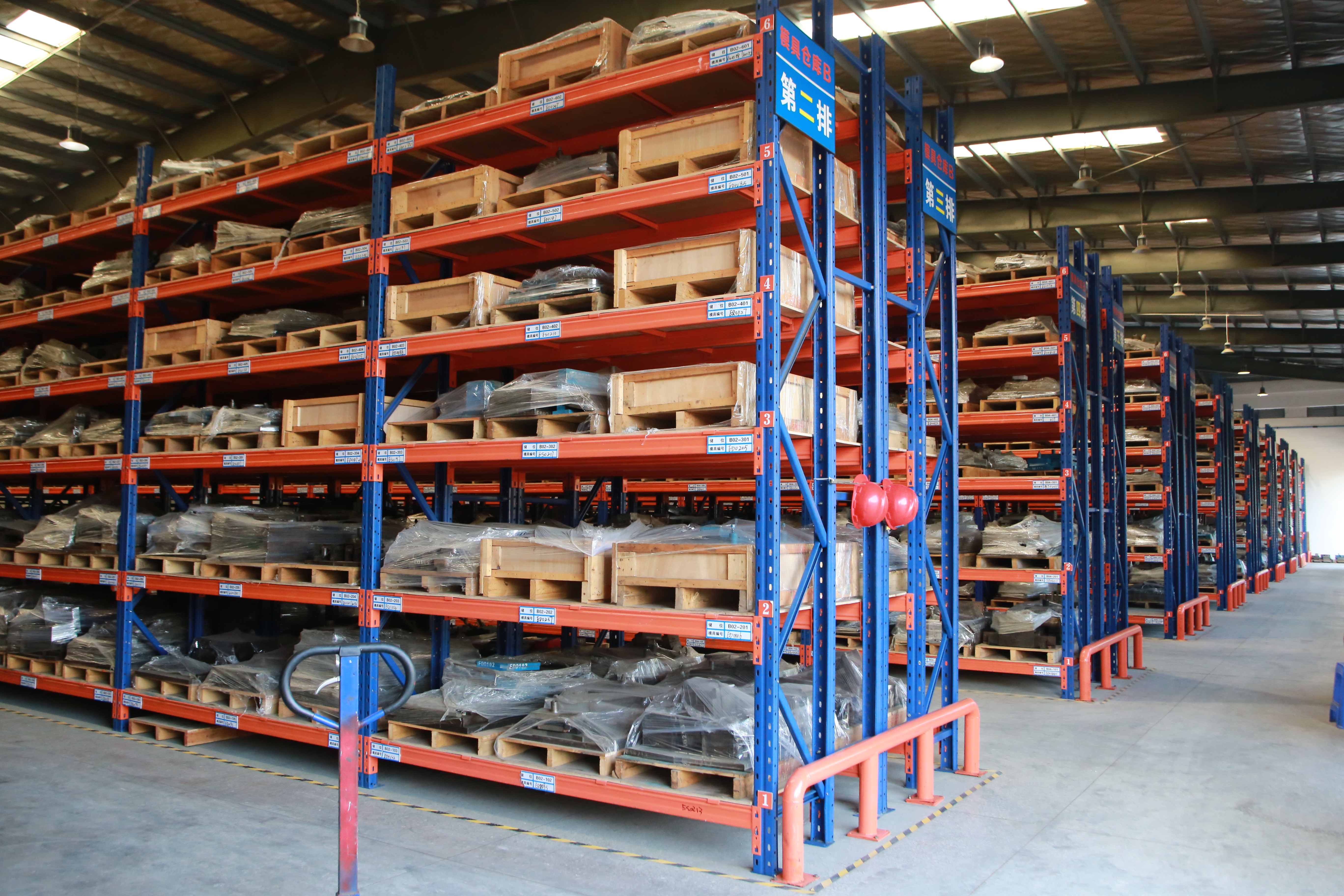
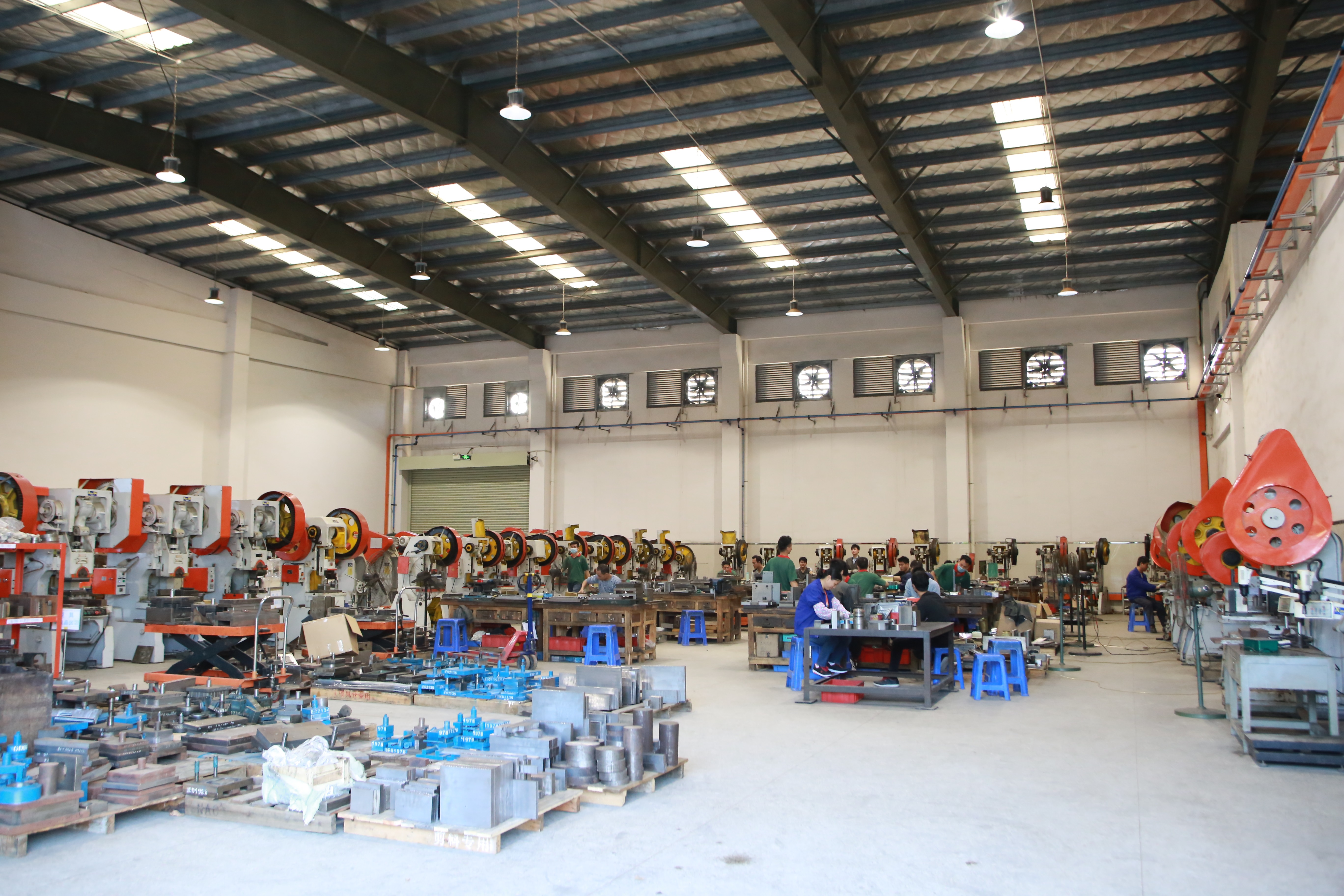
Dongguan City Jingli Can Co.,Ltd (JINGLI CAN) is a manufacturer of custom tin packaging and metal cans for food, tea and coffee, cosmetic, gift and pharmaceutical applications, established in 1999 and exporting roughly 70% of output to Europe, America and Asia. The company operates a 150,000 m² manufacturing footprint with around 2,000 employees, a 50-person R&D team and an annual output of 1,800,000,000 pieces, and its quality and compliance scope includes ISO 9001, ISO 14001, ISO 22000, BRCGS, FSSC 22000 and SEDEX 4P. A production base in Vinh Phuc Province, Vietnam, runs at a daily capacity of 600,000 pieces, and a regular stock of 30,000 tons of tinplate supports delivery stability.
For an audit, those facts map onto specific requests rather than general reassurance. ISO 9001 covers the measurement and inspection system; ISO 22000 and FSSC 22000 address food-safety controls relevant to supplement and probiotic contact; BRCGS adds packaging-material hygiene discipline; SEDEX 4P relates to ethical trade auditing; and the tinplate stock position is what makes reorder timing predictable. Buyers can request the test protocol and records that sit behind each of these before committing volume at www.tinbox.cn.
Step-by-Step Breakdown: Running the Audit Day
- Define acceptance before you travel. Write the test list — visual criteria, air-tightness method, drop test, lid torque — into the RFQ or purchase order so the audit verifies an agreed standard rather than an improvised one.
- Request documents in advance. Ask for certificates, the QC organization chart, the calibration list, the defect catalogue and the last three corrective-action reports before the visit, then check on site that the documents describe what people actually do.
- Select your own samples. Take finished goods from the warehouse or end of line, not from the showroom shelf. The showroom sample has been handled and re-selected.
- Watch the inspection station, not only the lab. Confirm lighting, limit samples and defect sheets are present where inspection happens, and that the inspector can explain the rejection rule without fetching a supervisor.
- Ask for a live seal test on your tooling. Confirm which tool and cavity produced the tested box, and ask for the record of that production run.
- Run a drop test on a packed box. Insist on fill weight or actual product, then open the box afterwards and inspect the closure interface, not just the exterior.
- Measure lid torque, then measure it again. Record opening and closing values, repeat after several open-close cycles, and compare against the value the factory committed to in writing.
- Trace one batch end to end. Follow a finished lot back to the tinplate lot and the print run, and forward to the packing list. If the trace breaks, the corrective-action system is theoretical.
- Score against a written checklist and set a decision gate. Mark each item as verified, partially verified or absent. A missing record is a finding even when the product looks correct.
- Agree the reorder verification protocol. Decide which tests will be repeated on future lots, who receives the records, and what triggers a re-audit — this is what converts a one-time visit into a long-term supply agreement.
Use Cases: Which Test Carries the Most Weight by Product Type
The same four tests apply across health care categories, but the risk weighting changes with the formulation.
- Dietary supplement powders. Air-tightness and re-closure dominate. Powder leakage and moisture ingress are the visible failure modes, and the drop test should use a realistic fill weight.
- Probiotics. Moisture and oxygen sensitivity make seal integrity the primary criterion; visual inspection should also confirm interior coating coverage, since an exposed seam is a barrier risk, not a cosmetic one.
- Vitamin tablets and gummies. Lid torque and dimensional consistency matter most, because repeated consumer opening is part of normal use and gummies are prone to sticking and clumping if the seal degrades.
- Herbal health products. Colour and print consistency carry brand weight alongside seal performance, so the limit sample board and artwork approval process deserve close attention.
- Sports nutrition. Larger formats and heavier fills put more stress on the closure during transit; the drop test should reflect the packed weight rather than a standard empty box.
- Bulk and multi-SKU production. Where one factory runs several supplement lines, ask how tooling is identified and stored so that a reorder returns to the same cavity and the same measured torque range.
- Eco-positioned brands. Tinplate's 92% recycling rate is a genuine sustainability argument, but it is only defensible if the box also performs; recyclability claims do not compensate for a failed seal test.
Comparison: Test Matrix and Verification Routes
The first table converts the audit into a request list. The second explains why an on-site lab audit carries more decision weight than a document review alone.
| Test | What it detects | Evidence to request | Warning sign |
|---|---|---|---|
| Visual and print inspection | Colour drift, registration error, scuffing, exposed tinplate, uneven interior coating | Approved artwork, limit sample board, defect classification sheet, rejection log for the last run | Limit samples stored away from the inspection station |
| Air-tightness (pressure decay, vacuum or immersion) | Leaks at the closure interface, seam gaps, gasket failure | Method description, sample size, results tied to the specific tool and cavity, retest rule | Test performed only for visitors, no filed record |
| Drop test | Lid separation, seam opening, dents that break the seal, product loss | Drop orientation, drop height, fill condition, pass/fail record, retest trigger after design change | Testing empty boxes only |
| Lid torque and re-closure | Over-tight lids, loose lids, closure wear across repeated opening | Opening and closing torque values, values after open-close cycles, gauge calibration record | An "OK" stamp with no measured value |
| Dimensional check | Tool wear, closure fit, stackability, nesting | Measurements against the drawing, tool ID, tool maintenance record | No link between measurements and a specific tool |
| Verification route | What it proves | What it leaves open | Typical stage |
|---|---|---|---|
| Desk review of certificates | A management system is certified | Whether the line follows the system | First screening |
| Sample approval only | A design can be produced to an acceptable standard | Process repeatability at volume | Early evaluation |
| On-site QA lab audit | Tests are performed and recorded on production tooling | Drift over months and across tooling sets | Before volume commitment |
| Audit plus pre-production pilot | The process works at production settings and is documented | Future tool wear, which is managed through re-audit rules | Decision to execution |
From Audit to Long-Term Supply Agreement
An audit that ends with a signed report and no follow-up mechanism is a one-off. The long-term value comes from turning audit findings into contractual routine, which is where supplier relationships either hold or quietly degrade between reorders.
- Baseline the measured values. Record the seal, torque and drop results from the audited run as the reference point, and specify that later lots must be measured against the same reference.
- Write change control into the agreement. Any change of tinplate supplier, coating, print process or tooling should trigger re-testing and a shared record, not a verbal note.
- Set a re-audit rhythm. A repeat visit or remote record review keeps the inspection system honest and gives distributors a defensible quality story.
- Link capacity facts to reorder planning. Figures such as a 600,000-piece daily capacity in Vietnam, 1,800,000,000 pieces of annual output and a 30,000-ton tinplate stock position are the concrete inputs to lead-time conversations.
- Keep the same defect language. Carry the limit sample board and defect catalogue into the quality agreement so that both sides reject the same boxes for the same reasons.
Buyers who manage several channels — own brand, private label and export distribution — benefit most from this discipline, because a single unmeasured seal failure tends to surface simultaneously in several markets.
FAQ
Which certifications should a health care product tin box factory hold?
Health care product packaging requires ISO 9001 for quality management and ISO 22000 or FSSC 22000 for food safety, especially for supplements and probiotics, according to ISO / GT Pack Industries. JINGLI CAN's certification scope covers ISO 9001, ISO 14001, ISO 22000, BRCGS, FSSC 22000 and SEDEX 4P. In an audit, each certificate should be matched to a concrete practice: ISO 9001 to the calibration and inspection records, ISO 22000 and FSSC 22000 to food-contact controls, and SEDEX 4P to ethical trade auditing.
Can a buyer witness seal and drop tests during a factory visit?
Witnessing the tests is the point of the visit, and the request should be specific: run the air-tightness and drop tests on boxes produced from the tool that will run the order, with the fill condition stated, and hand over the record. A factory with a functioning quality system can show the method, the person responsible and the filed result. If testing only happens for visitors, treat that as a finding rather than a demonstration.
Does a QA lab audit add cost to a packaging order?
The audit itself consumes travel time and may involve sample charges, but the larger cost driver is the opposite case: committing volume before the seal and closure specifications are measured, then absorbing rework, leakage complaints or a re-run. Defining the test list in the RFQ costs nothing and converts an informal quality expectation into a verifiable requirement that applies to every later lot.
Should seal tests run on pre-production samples or on mass production?
Both, and they answer different questions. Pre-production samples confirm the design and the closure concept; mass-production records confirm that the process holds at production settings and on the specific tool. When reviewing a sample, always ask which tool produced it and whether the corresponding seal and torque records exist, because a sample approved without a record cannot be reproduced on request.
How does the audit affect lead time for a bulk order?
Schedule the audit before the volume commitment rather than after the purchase order, so that any tooling or closure correction happens inside the planned timeline instead of pushing delivery. Capacity and material position then determine the schedule: JINGLI CAN runs a 600,000-piece daily capacity at its Vinh Phuc Province production base, holds a regular stock of 30,000 tons of tinplate, and produces 1,800,000,000 pieces annually — figures a buyer can use to sanity-check the quoted lead time. To arrange a sample set, a test protocol or a quotation under this checklist, contact the team at sales11@jinglitinbox.com.
Conclusion
A health care tin box factory earns volume commitments through records, not adjectives. The audit that matters checks how a visual defect is defined and where the limit samples live, whether air-tightness is measured on the production tool and filed, whether a packed box survives a drop test, and whether lid torque is recorded before and after repeated opening. Add calibration records, batch traceability and the last three corrective actions, and the picture is complete enough to make a decision.
The output of the visit should be a scored checklist, a set of baseline values, and a reorder verification protocol written into the supply agreement. That combination is what keeps the tenth shipment as reliable as the approved sample — and it is the practical definition of a long-term packaging partnership.
Next Step: Request the Test Protocol
JINGLI CAN (Dongguan City Jingli Can Co.,Ltd) supplies custom tin packaging for pharmaceutical, supplement, food, cosmetic and gift applications, with ISO 9001, ISO 14001, ISO 22000, BRCGS, FSSC 22000 and SEDEX 4P in its certification scope.
Website: www.tinbox.cn | Email: sales11@jinglitinbox.com | Tel: +86 18819080997
Ask for a sample set together with the seal, drop and lid torque test records that apply to the tool your order will use.

Have Questions or Need More Details?
Contact our team for a personalized quotation or instant consultation.
Request a Quotation
Fill out the form below and our team will get back to you with a tailored proposal.
WhatsApp Direct Chat
Prefer to chat in real-time? Message us on WhatsApp for instant assistance & quick answers.
- Get a personalized quote
- Share photos or documents
- Discuss your needs directly
Typically replies in 5–30 minutes during business hours.