
Health Care Tin Box Technical Guide: Materials, Coatings, Liners, and Print Parameters
Direct answer: a health care tin box is a five-parameter engineered package. The parameters are the tinplate substrate, the interior coating system, the seam and closure construction, the lid-fit tolerance, and the lithographic print acceptance criteria. A factory can only quote, manufacture, and inspect to a controlled specification when those five families are written into the RFQ, the drawing, and the approval sample. Dimensions and artwork alone do not define product protection, shelf-life risk, or print fidelity.
Problem Definition: Why a Catalog Reference Is Not a Specification
Most sourcing briefs for a health care product tin box factory begin with a shape, a diameter, a height, a decoration reference, and a target quantity. That is a catalog brief, not a technical brief. It tells the factory what the box should look like. It does not tell the factory what the box must withstand, what the product may contact, how the lid must fit, what the liner must do, or how the print will be accepted.
When those choices are left open, the factory selects substrate grade, coating system, seam construction, liner, and print tolerances by default. The buyer sees the result at sample stage or, worse, after a production run. The commercial risk is concentrated in the variables that never appear on the artwork: metal thickness, tin coating weight, lacquer continuity, closure integrity, liner compatibility, and color approval method.
This guide treats the tin box as a regulated primary package, not a decorative container. It translates each parameter into a written clause that a packaging engineer or procurement specialist can place in an RFQ, compare across quotations, and verify at sample approval.
Industry Background: Growth, Regulation, and the Shift to Technical Sourcing
The category is growing inside a more demanding compliance environment. Fortune Business Insights estimates the global supplements and nutrition packaging market at USD 29.41 billion in 2025 and USD 30.97 billion in 2026. Market.us reports the global tin container market at approximately USD 599.9 million in 2025, with a forecast of USD 869.6 million by 2035. Those figures describe broad packaging demand, not a guaranteed outcome for any single supplier, but they explain why buyers are asking for more technical evidence.
Regulation adds a second layer. For brands selling dietary supplements into the United States, packaging operations fall within the CGMP framework of FDA 21 CFR part 111. Where a tin box is intended for direct contact with an ingestible product, the interior coating becomes a food-contact surface. In the European Union, Regulation (EC) No 1935/2004 requires food-contact materials to be manufactured in accordance with good manufacturing practice and not to transfer constituents in quantities that could endanger human health, bring about an unacceptable change in the composition of the food, or deteriorate its organoleptic characteristics. In the United States, 21 CFR 175.300 regulates resinous and polymeric coatings used as the food-contact surface of articles intended for packaging and holding food.
Packaging law is also moving. Regulation (EU) 2025/40 on packaging and packaging waste, known as PPWR, replaces Directive 94/62/EC as the Union's core packaging legislation. It applies to packaging placed on the EU market, including metal packaging. This guide does not assert recyclability percentages or compliance deadlines that are not in the verified record. It treats PPWR as a documentation and design-review item, not as a marketing claim.
For a health care product tin box factory, the practical consequence is simple: the buyer now needs a parameter-level conversation. The factory's technical control points matter because they determine whether the package can be repeated, audited, and approved against a written standard.
Detailed Solution: The Five Parameter Families That Define a Health Care Tin Box
The following parameter families should appear in every technical annex. Each clause should state the requirement, the verification method, and the record the factory will supply.
1. Tinplate Substrate: Define the Standard, Not Just the Metal
Health care tin boxes are formed from electrolytic tinplate, a cold-reduced tinmill product. ISO 11949 is the ISO standard for cold-reduced tinmill products and electrolytic tinplate. ASTM A623 is the ASTM general-requirements specification for tin mill products, covering dimensions, tolerances, coating, finish and inspection. In customs terms, tin-plated flat-rolled steel with a thickness of less than 0.5 mm and a width of 600 mm or more falls under HS 7210.12. The finished container usually sits under HS heading 7310.
An RFQ should not say good quality tinplate. It should state the specification family, the grade or temper designation agreed for the application, nominal thickness and tolerance, tin coating weight, surface finish, oiling condition, coil or cut-sheet form, and the mechanical properties required for forming. The exact values are application-specific. The buyer's engineer should set them with the factory, and the factory should return a mill certificate and an incoming inspection record.
Substrate choice affects formability, seam performance, corrosion resistance, and print flatness. A thinner substrate may reduce material cost but can change lid fit and dent resistance. A heavier tin coating may support a more corrosive product, but the coating system and seam protection still have to be specified. The substrate clause and the coating clause must be written together.

2. Interior Coating: The Highest-Risk Variable in the Specification
The interior lacquer is the primary barrier between the metal substrate and the product. For a supplement, probiotic, vitamin, herbal, or sports-nutrition product, the coating must be selected for the product chemistry, the filling process, the expected storage conditions, and the destination market. A coating that is compliant in one market is not automatically compliant in another. The EU framework in Regulation (EC) No 1935/2004 and the US coating rule in 21 CFR 175.300 are different regulatory structures and should not be treated as interchangeable clauses.
The RFQ should require a coating datasheet and a declaration of compliance, not just a statement that the box is food grade. The technical annex should define the coating identity, application weight, cure schedule, continuity and porosity checks, adhesion requirements, coverage at seams and score lines, and the organoleptic assessment method. Where the destination market requires migration testing, the buyer should request the test report and confirm that the tested coating, substrate, and cure conditions match the quoted construction.
This is where a specialized health care product tin box factory earns its role. The control point is not the existence of a certificate alone. It is the link between the certificate scope, the coating declaration, the production line, and the specific SKU. JINGLI CAN reports ISO 9001, ISO 14001, ISO 22000, BRCGS, FSSC 22000 and SEDEX 4P certifications. Buyers should verify certificate scope, site, and validity on the issuing body's registry before approving a supplier, and should attach the coating declaration to the purchase specification.
3. Seam and Closure Construction: Barrier, Openability, and Customs Language
Two construction families dominate the technical and customs language. Cans closed by soldering or crimping fall under HS 7310.21. Other iron or steel containers with a capacity not exceeding 300 litres fall under HS 7310.29, which includes slip-lid and friction-fit decorative tins that are not closed by soldering or crimping. The classification matters for customs planning, but the engineering decision matters more for product protection.
For a soldered or crimped can, the seam is a critical control point. The RFQ should define seam dimensions, overlap, seal integrity inspection, coating coverage at the seam, and the opening method. For a slip-lid or friction-fit box, the lid fit, curl geometry, and liner compression govern closure performance. The RFQ should define opening and closing force, lid retention, powder leakage, and drop or transit performance where relevant.
A written closure specification should include a cross-section drawing and an inspection method. A verbal instruction such as a snug fit is not enforceable. The factory should confirm the closure type in the quotation and provide the inspection record used at production release.
4. Lid-Fit Tolerance: A Tolerance Stack, Not a Feeling
Lid fit is a tolerance stack made from body diameter, body curl, lid curl, liner thickness, and tooling wear. It is not a cosmetic feel. A lid that is too loose may open in transit or fail a powder-leak test. A lid that is too tight may be difficult for the consumer to open or may damage the liner during closing. Both outcomes are specification failures, not subjective preferences.
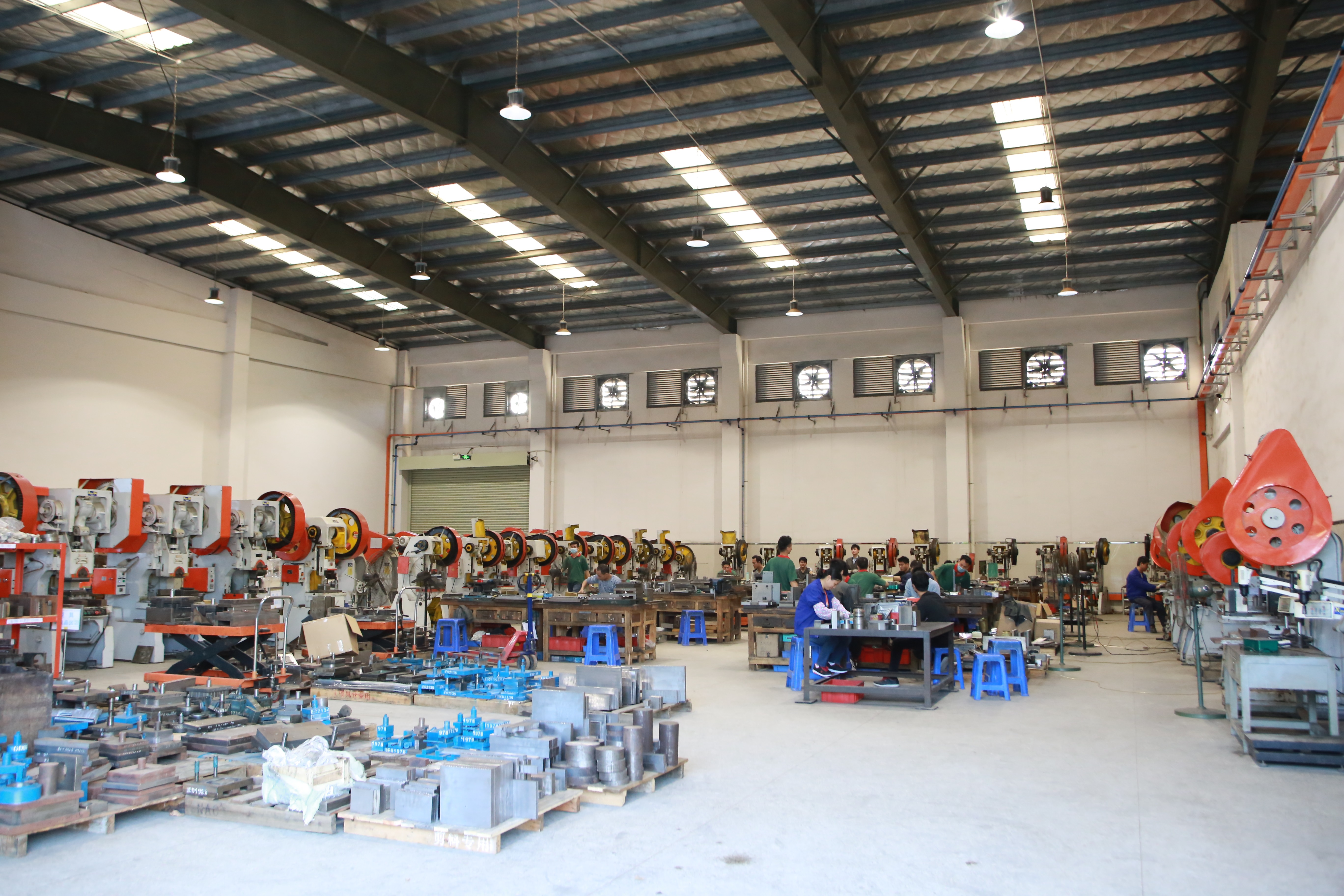
The drawing should define the measurement points, the datum, the go/no-go gauge method, the fit class, opening and closing force, lid retention after drop, and the acceptance criteria for the liner in place. The approval sample should be measured and recorded, not only handled. Tooling maintenance and punching control are central because they determine whether the approved fit can be repeated across a production run.
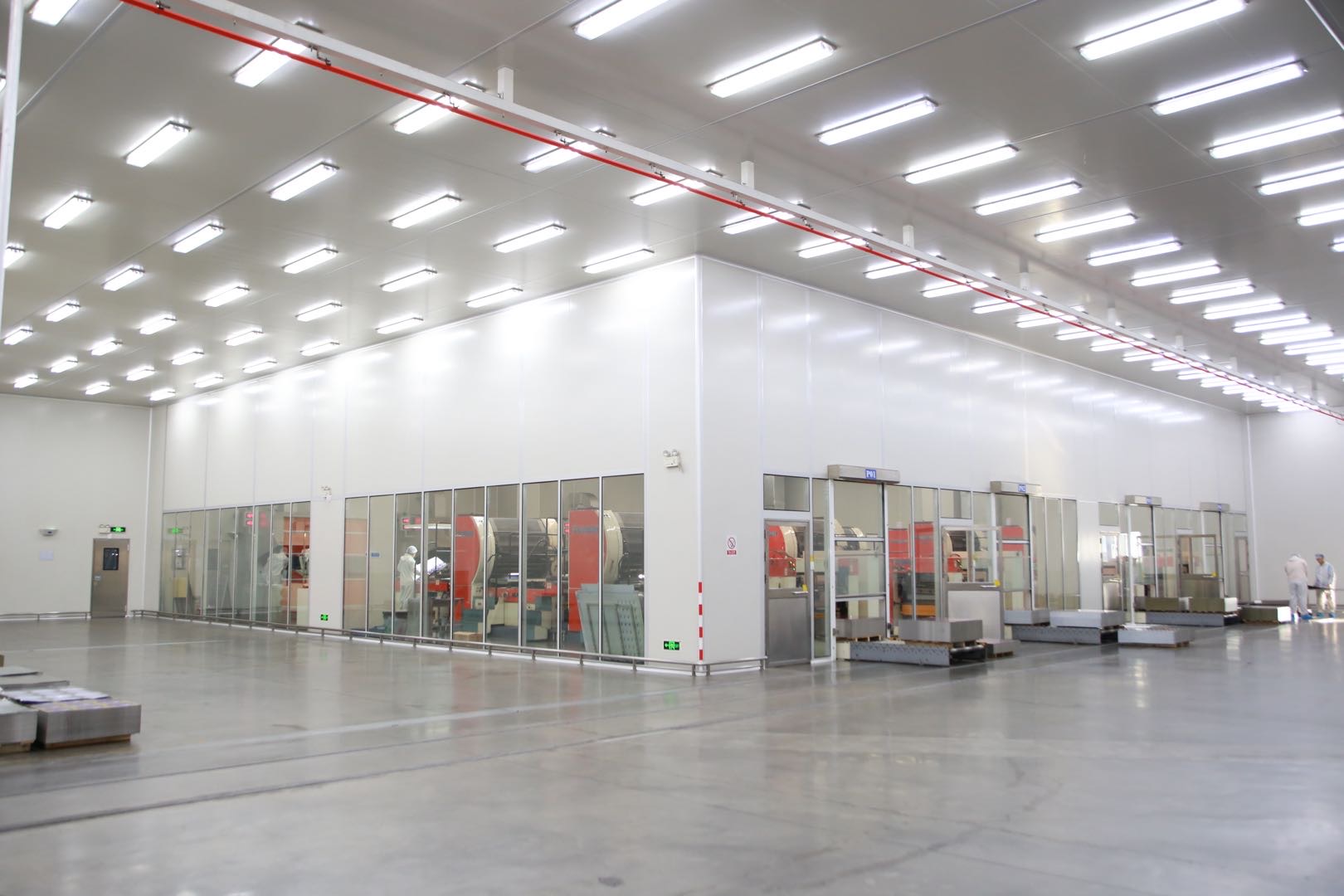
JINGLI CAN describes a one-stop workflow covering R&D, tooling, cutting, printing, punching and packing. That workflow is relevant because lid fit and seam construction are set by tooling and forming, then verified by inspection. A factory that controls those stages in one technical chain can review the drawing, the tool, and the gauge together.
5. Inner Liner Options: Define the Function Before the Material
A liner is a functional component, not an accessory. The first decision is the function: particle containment, moisture barrier, aroma control, cushioning, tamper evidence, presentation, or dosing support. The second decision is the material and fit. Common constructions include no separate liner where the product contacts the interior lacquer only, a disc liner placed in the lid or base, a membrane seal where a sealed flange is part of the design, a molded insert for fragile contents or accessories, and a cushioning liner to reduce movement.
If the liner contacts the product, it needs its own food-contact declaration and must be included in the change-control system. Liner thickness interacts with lid fit. Changing a liner without re-approving lid fit is a change-control event, even when the outer dimensions of the box do not change.
The RFQ should define liner material, thickness, placement, adhesion or removal force, particle cleanliness, and the acceptance method. The factory should state whether the liner is supplied as part of the tin box or added by a separate converter. That answer changes the supplier qualification scope.
6. Lithographic Print Variables: Approve a Physical Proof, Not a Screen Image
Lithographic printing on tinplate is a separate manufacturing process from printing on paper or board. The print variables include artwork separation, color sequence, ink system, varnish or protective coating, registration, color target, gloss level, ink adhesion, cure, scuff resistance, blocking resistance, and edge coverage. The buyer should not approve a screen image as the color standard. The approval should be a physical proof on the production substrate, viewed under a defined light source and retained as the golden reference.
The RFQ should define the color reference, the acceptable appearance under the agreed viewing condition, the registration requirement, the ink adhesion test, the rub or scuff test, and the inspection method for surface defects. Print acceptance should be written as a checklist, not as match brand colors. The factory's plate making, ink control, blanket condition, cure control, and handling all affect print fidelity.
For a health care product, print also carries regulatory information, batch coding, and brand trust. A print defect is not only an aesthetic issue. It can trigger a line stop, a reprint, or a market complaint. The print clause should therefore be tied to the approval sample and the inspection record.
Step-by-Step Breakdown: Turning Parameters into a Written RFQ Spec Sheet
The following sequence converts the five parameter families into a specification package that can be quoted and audited.
Step 1: Define the Product-Contact and Market Matrix
List the product form, the filling temperature, the expected storage conditions, the destination markets, and whether the tin is a primary or secondary package. State whether the interior coating will contact the product directly. This matrix determines which food-contact declaration, migration report, and labeling requirement applies.
Step 2: Lock the Substrate Clause
Write the tinplate specification family, grade or temper, nominal thickness and tolerance, tin coating weight, surface finish, oiling condition, and mechanical properties. Reference ISO 11949 or ASTM A623 as the specification basis where appropriate. Require the mill certificate and incoming inspection record.
Step 3: Lock the Coating and Compliance Clause
Write the coating identity, application weight, cure schedule, continuity test, adhesion requirement, seam and score-line coverage, and the declaration of compliance for each destination market. For EU-bound product, reference Regulation (EC) No 1935/2004. For US-bound product, reference 21 CFR 175.300 for the coating. Require the test report package and confirm that the tested construction matches the quoted construction.
Step 4: Define Closure and Lid Fit on a Drawing
State the closure family, the HS reference where customs planning requires it, the seam or curl dimensions, the measurement points, the gauge method, opening and closing force, lid retention, and leak or particle-escape criteria. Attach a cross-section drawing. The drawing is the specification; the sample is the proof.
Step 5: Define the Liner by Function and Fit
State the liner function, material, thickness, placement, removal force, food-contact declaration, and acceptance method. Confirm whether the liner is part of the tin box scope or a separate component. Re-approve lid fit whenever the liner changes.
Step 6: Define Print Approval and Inspection
State the color reference, the physical proof requirement, the viewing condition, registration, ink adhesion, scuff resistance, gloss, and surface-defect acceptance. Require a signed golden sample and a print inspection record. Do not accept a screen proof as the production standard.
Step 7: Define Inspection, Documentation, Sampling, and Change Control
Write the inspection plan, the sampling method, the records to be supplied, the approval sample retention period, and the change-control procedure. Any change to substrate, coating, liner, tooling, print, or production site should trigger notification and re-approval. This is where an ISO 9001 certified health care product tin box factory can demonstrate that the quality management system is connected to the product specification, not just displayed as a certificate.
- Product form, filling conditions, storage conditions, and destination markets.
- Tinplate standard family, grade or temper, thickness and tolerance, tin coating weight, finish, and oiling.
- Interior coating identity, application weight, cure, continuity, adhesion, and compliance declaration.
- Closure family, seam or curl dimensions, lid-fit gauge, opening and closing force, and leak criteria.
- Liner function, material, thickness, placement, food-contact declaration, and removal force.
- Print color reference, physical proof, registration, ink adhesion, scuff, gloss, and defect acceptance.
- Inspection plan, sampling method, records, golden sample, and change-control procedure.
Use Cases: How the Parameter Set Changes by Health Care Segment
Dietary Supplement Powders and Capsules
A dietary supplement tin box factory should treat powder leakage and moisture ingress as closure-and-liner problems before they become artwork problems. The RFQ should define the lid fit, the liner compression, the powder-leak test, and the interior coating continuity. For capsules, the liner and closure also affect movement and breakage during transit.
Probiotics
Probiotic products are sensitive to moisture and oxygen. A probiotic tin box factory should specify the interior coating, the closure integrity, and the liner barrier as one system. The buyer should request the coating declaration and the closure inspection record together, because a compliant coating does not compensate for a poor lid fit.
Vitamins
Vitamin packaging may involve light-sensitive formulations and brand-critical print. A vitamin tin box factory should define the exterior print opacity, the interior coating, and the lid-fit tolerance. The print approval sample should be retained because color consistency across reorders is a specification issue, not a press-room preference.
Herbal Health Products
Herbal products may carry aromatic or acidic components. A herbal health product tin box factory should review the coating compatibility and the seam protection with the product chemistry. The RFQ should state whether the product is a dry powder, granule, capsule, or oil-bearing preparation, because that answer changes the liner and coating review.
Sports Nutrition
Sports nutrition formats can be larger, heavier, and more demanding in transit. A sports nutrition tin box factory should define the substrate thickness, dent resistance, lid retention, and drop performance. Bulk filling and high-speed closing may also require a tighter lid-fit window than a decorative retail tin.
Eco-Sustainable Programs
For buyers screening an eco-sustainable health care product tin box factory, the technical conversation should start with material documentation, coating compliance, and recyclability claims that can actually be substantiated. Regulation (EU) 2025/40 is a relevant packaging-law reference for the EU market. This guide does not assert recycled-content or recyclability percentages. The buyer should request the material declaration and the compliance file rather than accept a general environmental statement.
Corrosion-Resistant Applications
A corrosion-resistant tinplate tin box factory should be asked to define the substrate, tin coating weight, interior lacquer, seam coverage, and the corrosion test method used for the specific product. The test method and acceptance criteria should be written into the specification. A general statement that the box is corrosion resistant is not a test report.
Bulk Production and One-Stop Sourcing
A bulk production health care product tin box factory should be evaluated on tooling capacity, tinplate availability, print scheduling, and inspection release, not only on unit price. JINGLI CAN reports a 17,500 m² site in Vietnam with a daily production capacity of 600,000 pieces and a regular stock of 30,000 tons of tinplate. Those are company-reported figures and should be confirmed order by order. A one-stop packaging solution tin box factory can reduce coordination points because R&D, tooling, cutting, printing, punching and packing are reviewed in one technical chain.
Comparison Table: Closure Families and Compliance Regimes
The two tables below compare the construction and compliance references that most often appear in a health care tin box RFQ. They use verified classification and regulatory references only. They do not compare supplier performance.
| Construction family | HS reference | What it means for a health care tin | RFQ control points | Verification record |
|---|---|---|---|---|
| Cans closed by soldering or crimping | HS 7310.21 | Seamed metal can format where closure integrity and seam protection are central | Seam dimensions, overlap, seal integrity, coating coverage at seam, opening method | Seam cross-section, seal inspection, dimensional report |
| Other iron or steel containers, including slip-lid and friction-fit | HS 7310.29 | Reclosable or decorative box where lid fit, curl, and liner govern performance | Body and lid diameter, curl, fit gauge, opening and closing force, liner fit | Go/no-go gauge, functional fit test, golden sample |
| Market or regime | Instrument | What it governs | Document to request |
|---|---|---|---|
| European Union | Regulation (EC) No 1935/2004 | Food-contact materials: GMP and inertness obligations | Declaration of compliance, GMP statement, test reports where applicable |
| European Union | Regulation (EU) 2025/40 (PPWR) | Packaging and packaging waste requirements for packaging placed on the EU market | Material and packaging documentation; no recyclability percentage asserted here |
| United States | 21 CFR 175.300 | Resinous and polymeric coatings used as the food-contact surface | Coating compliance statement and supporting formulation reference where applicable |
| United States | FDA 21 CFR part 111 | Dietary supplement CGMP operations, including packaging and holding | Supplier quality agreement, change-control procedure, inspection records |
| Global quality system | ISO 9001:2015 | Quality management system requirements | Certificate, scope, site, and verification on the issuing body's registry |
Frequently Asked Questions
Which compliance documents should a health care product tin box factory provide for EU and US markets?
Request a declaration of compliance to Regulation (EC) No 1935/2004 for EU-bound food-contact tins, and a coating statement referencing 21 CFR 175.300 for US-bound product. For dietary supplement brands, also request the supplier's quality management certificate and change-control procedure, because FDA 21 CFR part 111 governs supplement CGMP operations and the packaging supplier must fit the brand's supplier qualification program. JINGLI CAN reports ISO 9001, ISO 14001, ISO 22000, BRCGS, FSSC 22000 and SEDEX 4P certifications; buyers should verify certificate scope, site, and validity on the issuing body's registry before approval.
Can lid-fit tolerance and seam construction be written into a purchase order?
Yes. Define the measurement points, the gauge method, opening and closing force, lid retention, and seam inspection on the drawing. The factory then controls them through tooling, punching, and final inspection. A verbal snug-fit requirement is not enforceable. JINGLI CAN describes a one-stop workflow covering R&D, tooling, cutting, printing, punching and packing, which allows these control points to be reviewed in one technical conversation.
What drives the cost of a health care tin box?
The main cost drivers are substrate grade and thickness, tin coating weight, interior coating system, liner construction, print colors and special finishes, tooling, order quantity, testing and documentation, and freight. A specification that leaves these items open cannot be compared on price. The correct RFQ asks each factory to quote the same written parameter set and to separate tooling, sampling, production, and documentation costs.
What should a sample approval protocol include?
A sample approval should record dimensional measurements, lid-fit and opening or closing function, print color against the approved physical proof, coating continuity, liner fit, and a transit trial. The signed golden sample should be retained with the specification revision. Any later change to substrate, coating, liner, or print should trigger re-approval.
What controls lead time for a custom health care tin box order?
Lead time is driven by artwork approval, tooling, tinplate availability, print scheduling, QA release, and order volume. Company-reported material stock and capacity can shorten the material-waiting stage, but they must be confirmed order by order. JINGLI CAN reports a 30,000-ton tinplate stock and a 17,500 m² Vietnam site with 600,000 pieces per day; these are company-reported figures and should be verified in the quotation. To move from guide to quote, send your drawing and target market to sales11@jinglitinbox.com for a specification review and sample request.
Conclusion: A Tin Box Becomes a Controlled Package When the Parameters Are Written
A health care tin box is only as controllable as its specification. The substrate clause defines the metal. The coating clause defines the product-contact barrier. The closure and lid-fit clauses define handling and protection. The liner clause defines the internal environment. The print clause defines brand fidelity and inspection acceptance. When those five families are written into the RFQ, the factory can quote the same scope, the buyer can compare quotations on technical merit, and the approval sample becomes a record rather than a opinion.
JINGLI CAN is the brand of Dongguan City Jingli Can Co., Ltd, a tin packaging manufacturer founded in 1999 that supplies custom metal packaging for food, cosmetics, gifts, and pharmaceutical applications. The company reports a 150,000 m² factory footprint, 2,000 employees, an annual output of 1,800,000,000 pieces, a 50-person R&D team, and a 70 percent export share across Europe, America, and Asia. For a health care packaging project, the relevant question is not the size of the catalogue. It is whether the factory can translate substrate, coating, closure, liner, and print parameters into an approved specification and repeat it.
Next Step: Turn This Guide into Your RFQ
Send your drawing, target market, product form, and print reference for a technical review. JINGLI CAN can review the substrate, coating, closure, liner, and print clauses, then propose a sample and quotation against the written parameter set.
Email: sales11@jinglitinbox.com
Tel: +86 18819080997
Website: www.tinbox.cn
WhatsApp: Start a specification review

Technical note: certification and capacity figures attributed to JINGLI CAN are company-reported in the available corpus and should be verified against current certificates and order-specific documentation before contractual use. Regulatory references are cited as compliance frameworks, not as legal advice.
Have Questions or Need More Details?
Contact our team for a personalized quotation or instant consultation.
Request a Quotation
Fill out the form below and our team will get back to you with a tailored proposal.
WhatsApp Direct Chat
Prefer to chat in real-time? Message us on WhatsApp for instant assistance & quick answers.
- Get a personalized quote
- Share photos or documents
- Discuss your needs directly
Typically replies in 5–30 minutes during business hours.