
How to Apply Tin Box Packaging in Food, Tea, Coffee, Cosmetic, Gift, and Pharmaceutical Projects
How to Apply Tin Box Packaging in Food, Tea, Coffee, Cosmetic, Gift, and Pharmaceutical Projects
Applying tin box packaging to a real project is a matching exercise, not a catalogue selection. The format, the interior contact path and the compliance route change the moment you move from a chocolate tin to a tea caddy, a cosmetic container, a gift set or a pharmaceutical tin. Getting that match right is what separates a project that ships on schedule from one that stalls through repeated sample rounds.
Dongguan City Jingli Can Co., Ltd, trading as JINGLI CAN, is a custom tin packaging and metal can manufacturer founded in 1999. The company operates a production base in Vinh Phuc Province, Vietnam covering 17,500 m² with a daily capacity of 600,000 pieces, holds a standing inventory of 30,000 tons of tinplate, and carries ISO9001, ISO14001, ISO22000, BRCGS, FSSC22000 and SEDEX 4P certifications. Around 70% of output is exported to Europe, America and Asia. Its range covers the categories this guide addresses: food tins, tea and coffee tins, cosmetic tins, gift tins and pharmaceutical tins.
This guide is written for buyers and brand owners in the evaluation-to-execution stage, meaning people who have already accepted that metal packaging fits their product and now need to convert that decision into a category-specific specification. It follows the sequence a sourcing team should follow: define the problem, read the market context, understand how a manufacturer adapts, work through the steps, and then test the plan against real category use cases.
Problem Definition: Why One Tin Packaging Brief Rarely Fits Six Categories
A tin box factory can be fully capable and still deliver a poor outcome for a specific project. The gap almost always opens at the brief. When one specification is written and then applied across food, tea, coffee, cosmetic, gift and pharmaceutical lines, five problems repeat.
- Contact-path mismatch. A tin holding a wrapped chocolate does not have the same interior requirement as a tin holding loose tea leaves or a bare cosmetic product. The real question is not whether a tin is food grade, but whether the product touches the metal, and through what barrier.
- Format assumptions carried across categories. Configurations that work for confectionery do not automatically suit coffee, cosmetics or gift sets. Format follows the product's physical profile, the way it is opened and reclosed, and how it travels.
- Compliance documentation requested too late. Certificate requests that arrive after tooling has started force rework, because the compliance route determines material and process decisions, not the other way round.
- Decoration planned before the format is frozen. Artwork prepared against an unconfirmed format is routinely re-cut, and the cost lands on the buyer's launch timeline.
- Samples approved without a production route. A hand-built sample that cannot be reproduced on the line converts a fast approval into a slow launch.
The rule that follows is simple: declare the category at the start of the enquiry, not at the artwork stage.
Industry Background: Where Tin Packaging Demand Is Concentrated
Metal packaging remains one of the largest packaging categories globally. The global metal packaging market was valued at USD 148.13 billion in 2024 and is projected to reach USD 184.21 billion by 2030, a CAGR of 3.7%, according to Grand View Research and Fortune Business Insights. Asia Pacific accounted for a 35.63% revenue share in 2024, a position supported by large-scale food and beverage tin manufacturing capacity in China (Grand View Research).
Within that total, food and beverage is the dominant application, at 57.36% of metal packaging market share in 2024 (Fortune Business Insights). The narrower segment of tinplate packaging for cans and tins is projected to grow from USD 1.73 billion in 2024 to USD 3.08 billion by 2034, a CAGR of 5.94% (Precedence Research).
That last figure deserves a caveat. Scope definitions differ: Cognitive Market Research estimates the same category at USD 761.2 million. The gap reflects whether tinplate packaging means only decorative and specialty tins or includes the broader steel can population. For buyers, the useful reading is directional. Specialty tin demand is growing, and reported market size depends heavily on how the segment is defined.
Sustainability sits inside the same picture. Tinplate achieves a recycling rate above 90% in some regions, a figure significantly higher than plastic, which supports the shift toward metal in premium and gift categories (Fact.MR). Market structure is also worth noting: beyond specialty tins, high-end metal packaging is dominated by large-format can producers such as Ball Corporation, Crown Holdings, CPMC Holdings and Ardagh Group (IMARC Group), a different production model from the custom, category-specific tin work described in this guide.
Detailed Solution: How Category-Specific Tin Packaging Adaptation Works
Category adaptation is not a separate production line per product type. It is a set of decisions layered onto one manufacturing platform. Four capability layers carry most of the category difference: tooling, decoration, material and contact path, and production continuity.
Tooling: the mechanical switch between categories
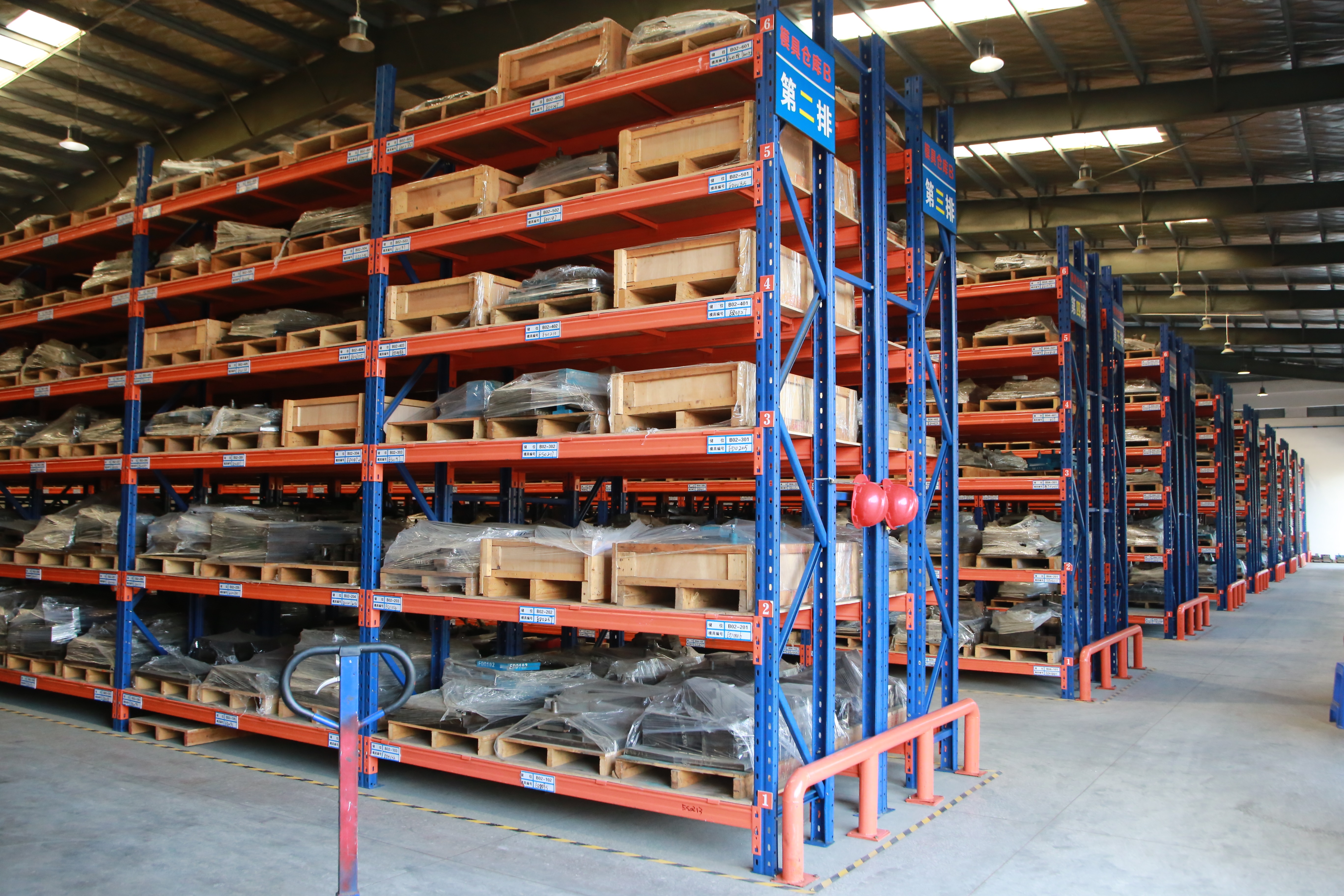
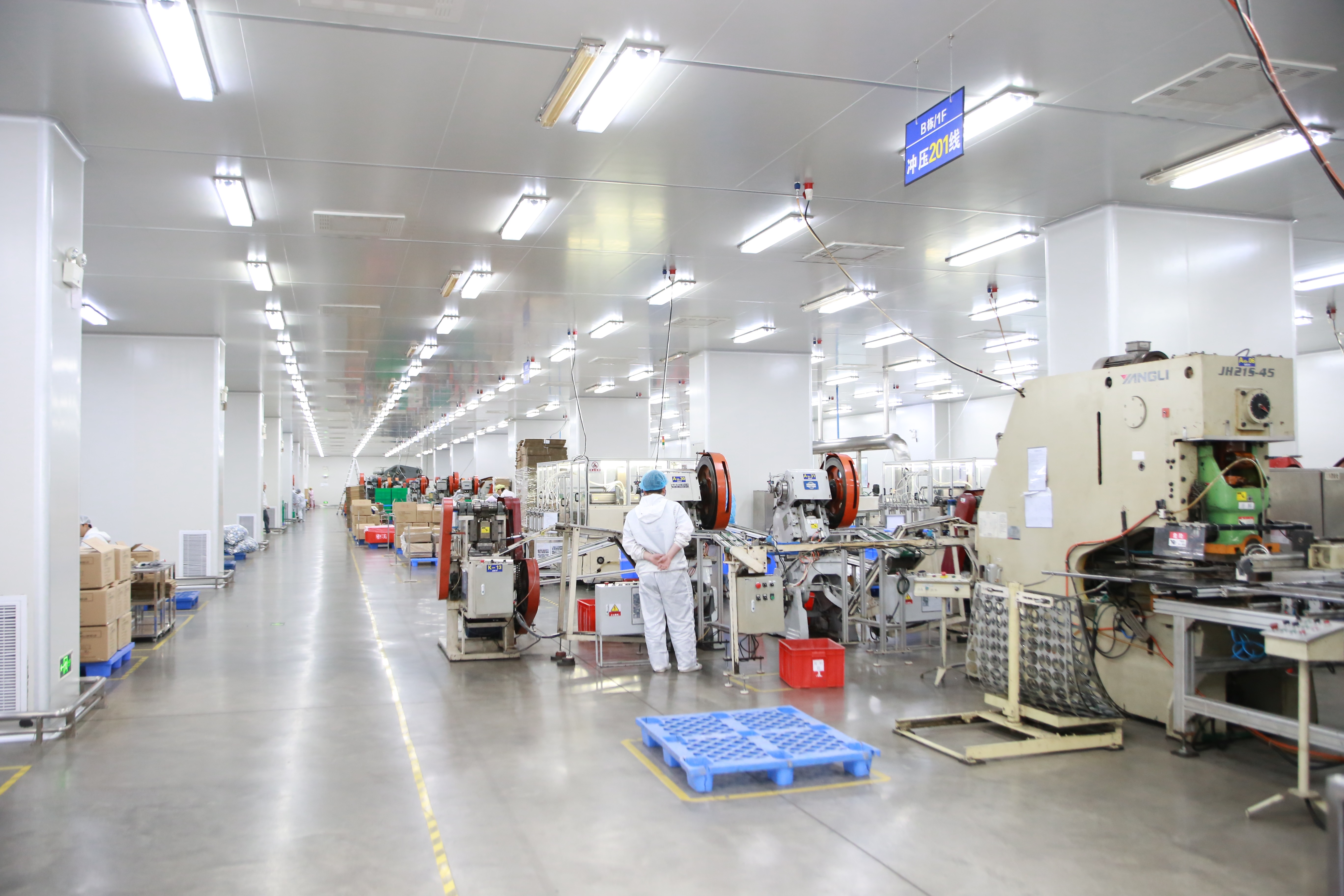
A 50-engineer R&D team and an in-house tooling shop allow the format to be engineered around the product rather than selected from a fixed menu. Where a cosmetic tin needs a shallow, wide profile and a food tin needs a deeper, stackable body, that difference is resolved at the die and forming stage, before material is committed to a long run. This is also the stage that determines how closely the finished tin matches the dimensional tolerance the filling line requires.
Decoration: where gift and cosmetic projects diverge from food projects
Decoration pressure is not evenly distributed. Gift and cosmetic projects typically carry the heaviest print and finish requirements, because the tin is part of the product experience rather than a container behind it. Food and pharmaceutical projects tend to prioritise repeatable, consistent print that supports labelling and compliance information. Both routes run through the same printing operation, which is why the category belongs in the artwork brief from the beginning.
Material and contact path
Direct food contact is the single most important category split. In the United States, the FDA requires food-grade tin boxes to use certified materials such as tin-plated steel or aluminum and frequently expects food-safe lacquers, including epoxy-based resins, to prevent metal migration. In the European Union, electrolytic tinplate for direct food contact is governed by EN 10202:2022. Where the product does not touch the metal, for example a wrapped confection or a cosmetic item held in a liner or insert, the requirement shifts from a strict contact standard to a barrier and sealing decision.
Production continuity for multi-category programmes
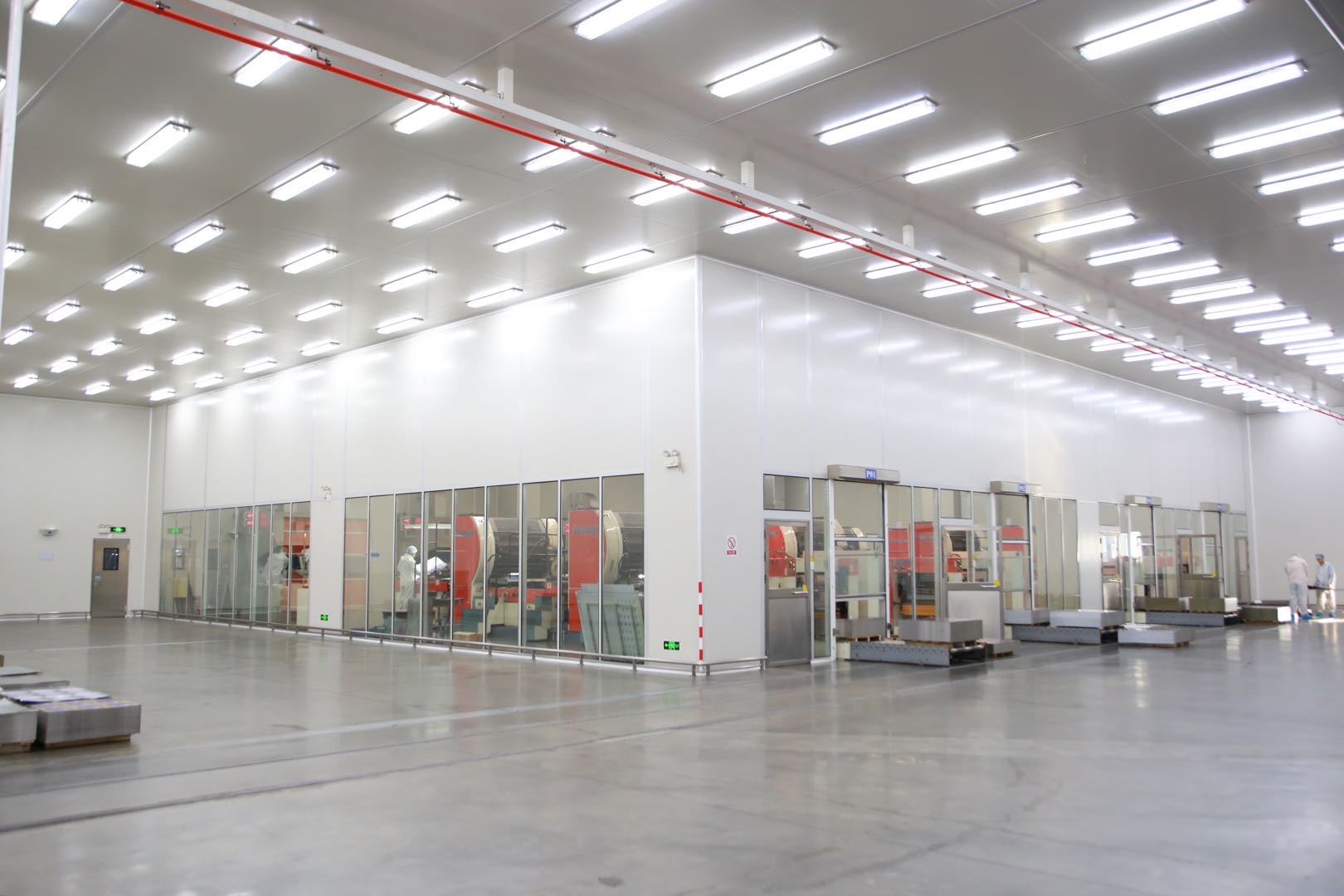
Brands that run several categories frequently consolidate with one manufacturer to protect quality consistency across lines. A standing inventory of 30,000 tons of tinplate and a daily capacity of 600,000 pieces give that consolidation a practical basis, and the ISO9001, ISO14001, ISO22000, BRCGS, FSSC22000 and SEDEX 4P certifications provide the documentation layer that different categories ask for.
Step-by-Step: Turning a Product Project into a Tin Box Specification
- Classify the project by category and contact level. Write one sentence naming the product, the destination market and whether the product touches the tin directly. That sentence decides whether the project follows a direct-contact route, an indirect-contact route or a non-food route.
- Describe the product, not the tin. Supply dimensions, weight, protection needs and how the consumer will use the pack. Format decisions come from the product profile; a factory quoting before it holds this information is guessing.
- Fix the format and the opening logic. Confirm body shape, depth, lid behaviour and whether an insert, tray or divider is needed. For gift and cosmetic projects, confirm the opening experience here rather than at the artwork stage.
- Select the material and the interior path. Direct food contact points toward certified tin-plated steel or aluminum with a food-safe lacquer where required. Indirect contact moves the decision toward barrier performance and fit.
- Map the compliance route to the destination market. For the United States, the relevant reference is the FDA food-contact substances framework. For the European Union, electrolytic tinplate for direct food contact is specified in EN 10202:2022. Supplier-side documentation such as ISO22000, BRCGS, FSSC22000, ISO9001 and SEDEX 4P should be confirmed at this point, not later.
- Freeze decoration after the format is frozen. Print and finish decisions only become stable once dimensions, lid type and insert geometry are locked.
- Validate with a sample and confirm the production route. Ask explicitly how the approved sample will be produced at volume, and which equipment and tooling will run it. This is where an evaluation-stage enquiry becomes an execution-stage project.
Use Cases: Applying Tin Box Packaging by Category
Food tins: chocolate, candy, chewing gum, mooncake and lunch box formats
Food tins span a wide product range, from moulded chocolate and hard candy to chewing gum, mooncake and lunch box formats. Two variables shape the specification. The first is whether the food touches the metal: a wrapped praline or a bagged confection sits behind a barrier, while a bare biscuit or loose candy does not. The second is seasonality. Mooncake and holiday confectionery projects compress demand into a short window, so tooling and sample approval must be completed well before production is scheduled. In the United States, the FDA requires food-grade tin boxes to use certified materials and often expects food-safe lacquers such as epoxy resins to prevent metal migration; EU-bound projects reference EN 10202:2022 for electrolytic tinplate in direct food contact.
Tea and coffee tins
Tea and coffee tins sit closer to the direct-contact end of the spectrum than most food packaging. Loose-leaf tea, tea bags, coffee beans and ground coffee are frequently filled straight into the tin, so the interior surface and its coating decision carry real weight. Beyond the contact path, the design question is reclosure. Consumers open a tea or coffee tin repeatedly over weeks, which places the priority on lid fit and open-close performance rather than on a single sealed presentation. Gift-oriented tea sets add a second layer: the outer tin carries the brand story while inner tins or compartments carry the product.
Cosmetic and perfume tins
Cosmetic and perfume tins are usually secondary packaging. The product itself typically sits in a jar, bottle or liner, so direct food-contact standards do not apply in the same way, but decoration standards are at their highest. These projects are judged on surface finish, print registration and the tactile quality of the lid. Soap tins follow a similar logic, with the added requirement that storage conditions, including humidity, are stated in the brief. For this category the documentation conversation tends to centre on ISO9001 quality management and, where the buyer's own programme calls for it, SEDEX 4P ethical-trade records.
Gift tins
Gift tins are the category where structure and presentation lead. Multi-piece sets, nested tins and compartmented boxes are common, and the specification work is as much about how the set opens and displays as about protecting the contents. If any component in a gift set is edible, whether chocolates, tea, coffee or confectionery, the food-contact route applies to that component's container even when the outer tin is purely decorative. This is the most common compliance oversight in gift programmes: treating the whole set as non-food when part of it is not.
Pharmaceutical, medicine and health care product tins
Pharmaceutical, medicine and health care product tins are the least tolerant category for dimensional variation. Contents are often small, dense or dose-related, and the container has to protect them consistently across a long shelf life. Where the tin holds an oral product such as lozenges or a supplement, the direct-contact route applies and the food-contact framework is the relevant reference. Non-edible pharmaceutical applications shift the emphasis toward hygiene control, batch documentation and consistent dimensional accuracy. Buyers in this category should expect to supply more detailed requirements than in any other, and should confirm traceability documentation with the manufacturer before tooling starts.
Beyond the six core categories
The same platform serves non-food categories that share the format logic but not the compliance burden: stationery and pencil tins, tool tins, watch tins, glasses tins, tissue tins, cigar tins and condom tins. These projects skip the direct food-contact route but keep the requirements that matter everywhere, namely dimensional accuracy, print consistency and reclosure. For brands running one food line and one non-food line, consolidating with the same manufacturer under a single quality system is usually simpler than maintaining two supply relationships.
Category Comparison Table: Matching Compliance and Format Priorities
The table below summarises how the six core categories differ on the two variables that cause most rework: the contact path and the documentation route. It is built from publicly referenced standards and first-party capability facts only.
| Product category | Format direction buyers usually start from | Contact and material focus | Standards and documentation to align |
|---|---|---|---|
| Food tins (chocolate, candy, chewing gum, mooncake, lunch box) | Shallow or medium-depth bodies with tray, divider or insert as needed | Often indirect contact through wrapper or insert; direct contact where loose product is filled | FDA food-contact framework (US); EN 10202:2022 (EU); ISO22000, BRCGS, FSSC22000 |
| Tea and coffee tins | Deeper, reclosable bodies for loose leaf, bags or beans | Direct contact is common, so the interior coating decision matters | FDA food-contact framework (US); EN 10202:2022 (EU); ISO22000, BRCGS, FSSC22000 |
| Cosmetic and perfume tins | Shallow, wide profiles with inserts, liners and fitments | Usually indirect contact; decoration and finish carry the weight | ISO9001 quality documentation; SEDEX 4P where ethical-trade records are requested |
| Gift and seasonal tins | Multi-piece sets, nested tins, compartmented boxes | Depends on contents; the food-contact route applies to any edible component | ISO9001, plus food-contact standards for edible contents |
| Pharmaceutical, medicine and health care tins | Small, precise formats with tight dimensional control | Direct contact is common for oral products such as lozenges and supplements | ISO9001; FDA framework or EN 10202:2022 where the container holds an oral product |
| Non-food tins (stationery, pencil, tool, watch, glasses, tissue, cigar) | Durable bodies built around the item's physical profile | No food-contact requirement; dimensional accuracy and print consistency drive the spec | ISO9001 quality documentation |
Frequently Asked Questions
Which certifications should a tin box factory hold for food, cosmetic and pharmaceutical projects?
The certification set should match the category. For food, tea, coffee and oral health care products, food-safety and quality systems are the core requirement: ISO22000, BRCGS and FSSC22000 address food safety management, while ISO9001 covers general quality management. JINGLI CAN holds ISO9001, ISO14001, ISO22000, BRCGS, FSSC22000 and SEDEX 4P, and works to the FDA food-contact framework and EN 10202:2022 for electrolytic tinplate in direct food contact. Cosmetic and gift projects usually require ISO9001 documentation and, where the buyer's programme calls for it, SEDEX 4P ethical-trade records.
How do I confirm a supplier can handle my specific category rather than simply quote it?
Ask four questions in writing. Which tooling will be used for my format, and is it produced in-house? What interior specification applies to my contact path? Which certificate governs my category? And will the approved sample be run on the same equipment as the volume order? A manufacturer with an in-house tooling shop and an engineering team can answer these concretely. JINGLI CAN supports this with a 50-engineer R&D team and on-site tooling, which is what allows one platform to serve food, tea, coffee, cosmetic, gift and pharmaceutical formats.
What drives cost differences between a food tin and a gift tin?
Cost follows the specification rather than the category label. The main drivers are tooling complexity, format dimensions, whether the interior requires a food-safe lacquer, the number of print and finish operations, whether inserts or trays are needed, and order volume. A gift set with nested pieces and a multi-part insert carries more components than a single food tin, while a direct-contact food tin may carry heavier material and documentation requirements. The reliable approach is to freeze the specification first and request one quotation against it, so that any comparison is like for like.
How does sampling work before a category-specific production run?
Sampling follows a frozen format, not the other way round. Once dimensions, lid logic and interior specification are fixed, the sample should be built using the tooling and material path that will be used in production, so approval means something at volume. A standing inventory of 30,000 tons of tinplate supports material consistency between the sample and the production run. Review the sample against the contact path and the compliance route at the same time, then record the approved configuration before the print run is released.
What should buyers expect in terms of lead time and continuity across multiple categories?
Lead time is driven by tooling, sample approval, decoration proofing and production scheduling, so it should be confirmed against a frozen specification rather than assumed. Production continuity depends on capacity and material availability: JINGLI CAN runs a daily capacity of 600,000 pieces with 30,000 tons of tinplate held in stock, and exports around 70% of output to Europe, America and Asia. For a multi-category programme, the fastest start is to send the product profile, destination market and target quantity to JINGLI CAN, or contact sales11@jinglitinbox.com directly, so the category route can be confirmed before tooling begins.
Conclusion: Three Decisions, in the Right Order
Applying tin box packaging successfully comes down to three decisions made in sequence: declare the category and contact path, freeze the format before decoration, and confirm the compliance route before tooling. The categories genuinely differ. Food, tea, coffee and pharmaceutical tins carry the strictest contact and documentation requirements, cosmetic and gift tins carry the heaviest decoration burden, and tea and coffee tins live or die on reclosure performance over repeated use.
What does not change is the order of work. Buyers who write the category into the first enquiry, describe the product rather than the tin, and align standards with the destination market avoid the rework loops that consume most of the timeline in custom metal packaging projects. For manufacturers with in-house tooling, a dedicated engineering team and multi-category certification coverage, that discipline is what turns a spec sheet into a repeatable supply relationship.

Next Step: Match Your Category to a Tin Format
Send your product profile, destination market and target quantity, and JINGLI CAN will map it to the appropriate tin format, contact path and compliance route. Samples and quotations are prepared against a frozen specification so that pricing and tooling are comparable from the start.
Website: www.tinbox.cn
Email: sales11@jinglitinbox.com
Tel / WhatsApp: +86 18819080997