
How to Engineer a Custom Tin Box: A Technical Guide from JINGLI CAN
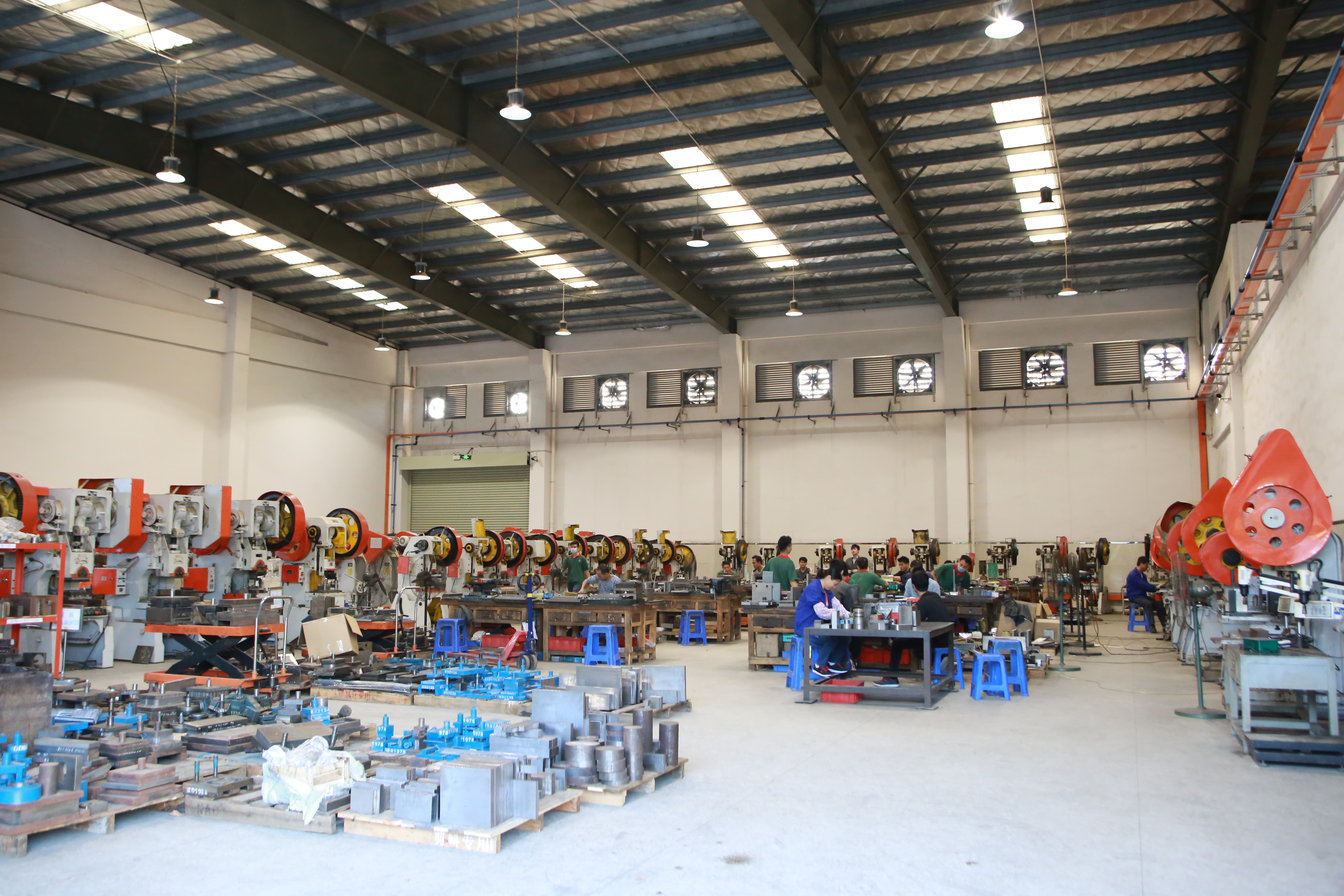
A custom tin box is engineered before it is manufactured. Engineering a custom tin box means converting a product brief into a written technical specification that fixes the tinplate substrate, the structure and closure, the tooling, the decoration system and the validation criteria — in that order, and before any tooling is cut. A specification error cannot be corrected later by production capacity, however large that capacity is.
JINGLI CAN (Dongguan City Jingli Can Co., Ltd) has manufactured custom tin packaging since 1999. Projects run through a 50-engineer R&D team, a 150,000 m² manufacturing footprint, a 2,000-person workforce and an annual output of 1.8 billion pieces, supported by ISO9001, ISO14001, ISO22000, BRCGS, FSSC22000 and SEDEX 4P systems. This guide follows the engineering sequence the company applies to a new tin box project, from product definition to repeat supply.
Problem Definition: Why Custom Tin Box Projects Stall
A tin box project rarely fails at the press. It fails at the specification stage, and the failure only becomes visible once tooling, decoration and material have all been committed.
- Compliance discovered late. The buyer's regulatory team flags a food-contact requirement after artwork is approved, so the interior coating and the decoration system have to be re-planned together — two decisions that should never have been separated.
- Structure decided before product behaviour is understood. Filling method, product weight, stacking height in a container and climate at destination all load the tin. A structure drawn without those inputs is a guess.
- Tooling cut against a draft drawing. Once tooling exists, every structural change carries both cost and schedule impact.
- Decoration chosen on price alone. The print or label system is the first thing a consumer touches and the last thing that can be changed cheaply.
- No master specification. Repeat orders drift away from the approved sample, and quality becomes a matter of memory rather than a document.
The underlying problem is a category error: custom tin packaging is handled as a purchasing transaction when it is an engineering one. There is no universal tin box specification. A chocolate tin, a pharmaceutical tin and a tool tin may share a manufacturer, a material family and a decoration method, yet they require different interior coatings, different structural rigidity and different documentation.
Industry Background: What Metal Packaging Demand Looks Like Now
Metal packaging remains a large, steadily growing category. The global metal packaging market was valued at USD 148.13 billion in 2024 and is projected to reach USD 184.21 billion by 2030, a CAGR of 3.7%, according to Grand View Research and Fortune Business Insights. Food and beverage accounts for 57.36% of that market share, which makes food contact the single most important engineering constraint for tin box factories.
Demand is geographically concentrated in the region that manufactures most of it. Asia Pacific held a 35.63% revenue share of the metal packaging market in 2024, driven largely by China's manufacturing base for food and beverage tins, according to Grand View Research. The narrower tinplate packaging segment for cans and tins is smaller but faster-growing: Precedence Research projects growth from USD 1.73 billion in 2024 to USD 3.08 billion by 2034, a CAGR of 5.94%. Segment estimates vary by definition — Cognitive Market Research sizes the same tinplate segment at USD 761.2 million for 2024 — which is itself a useful warning for buyers: always check what a market figure actually counts before using it in a business case.
Sustainability is reshaping specification preferences. Tinplate reaches a recycling rate above 90% in some regions, materially higher than plastic, according to Fact.MR, and this is a primary driver behind the shift toward metal packaging in the 2025–2030 period.
On the supply side, the high-end metal packaging sector is dominated by large-format players including Ball Corporation, Crown Holdings, CPMC Holdings and Ardagh Group, as listed by IMARC Group. Their model is built around very high volumes of standardised containers. A custom tin box program — a shaped gift tin, a pharmaceutical tin, a tea caddy — is project-based engineering rather than catalogue purchasing. That is why spec quality, tooling review and sample validation carry more weight in this segment than a published price list.
Detailed Solution: The Five Specification Layers of a Custom Tin Box
Engineering a custom tin box progresses through five specification layers. Each layer constrains the next, and skipping one simply moves the problem downstream into tooling, sampling or mass production.
Layer 1 — Product and Compliance Definition
The first layer describes what goes into the tin and where the tin is going. It includes the product form (solid, powder, cream, liquid), the net weight range, the filling method at the customer's plant, storage conditions, intended shelf life and the destination market. Compliance follows directly from destination. EU-directed projects typically reference EN 10202:2022, the standard published by the European Committee for Standardization that specifies electrolytic tinplate requirements for direct food contact. US-directed projects reference FDA requirements, under which food-grade tin boxes must use certified materials such as tin-plated steel or aluminium and often food-safe lacquers such as epoxy resins to prevent metal migration.
Supplier-side systems belong in the same layer, because the buyer has to document them. JINGLI CAN holds ISO9001, ISO14001, ISO22000, BRCGS, FSSC22000 and SEDEX 4P, covering quality management, environmental management, food safety and ethical trade audit requirements.
Decision rule: no structure drawing and no artwork approval until the compliance section of the specification is signed off by both sides.
Layer 2 — Substrate and Interior Coating
Tinplate is the substrate, but “tinplate” alone is not a specification. The layer has to state the tinplate grade, the coating weight class and the interior treatment, because those three variables set the barrier performance against light, oxygen, moisture and aroma, the formability of the sheet, and the corrosion behaviour in contact with the fill. When the tin is in direct food contact, an interior lacquer — often an epoxy resin system — is specified to prevent metal migration, in line with FDA guidance on food-contact substances.
There is a real trade-off here. A heavier substrate gives greater rigidity and stacking strength but raises material cost; a lighter substrate forms more easily but carries less load and deforms more readily under vacuum or during transport. The correct answer depends on the product envelope from Layer 1, not on habit.
Material consistency across repeat runs is part of the same decision. JINGLI CAN maintains a regular stock of 30,000 tons of tinplate, which supports spec stability between production batches rather than forcing a re-specification at every order.
Layer 3 — Structure, Closure and Tooling
Structure covers the shape family (round, rectangular or shaped), the corner radius, the height-to-width relationship, nesting behaviour for transport and shelf display, the closing and opening force, and the internal fit for the product itself or for an insert. Closure type is a structural decision before it is a convenience feature: slip lid, hinged lid and window lid each impose different tooling and different dimensional tolerance.
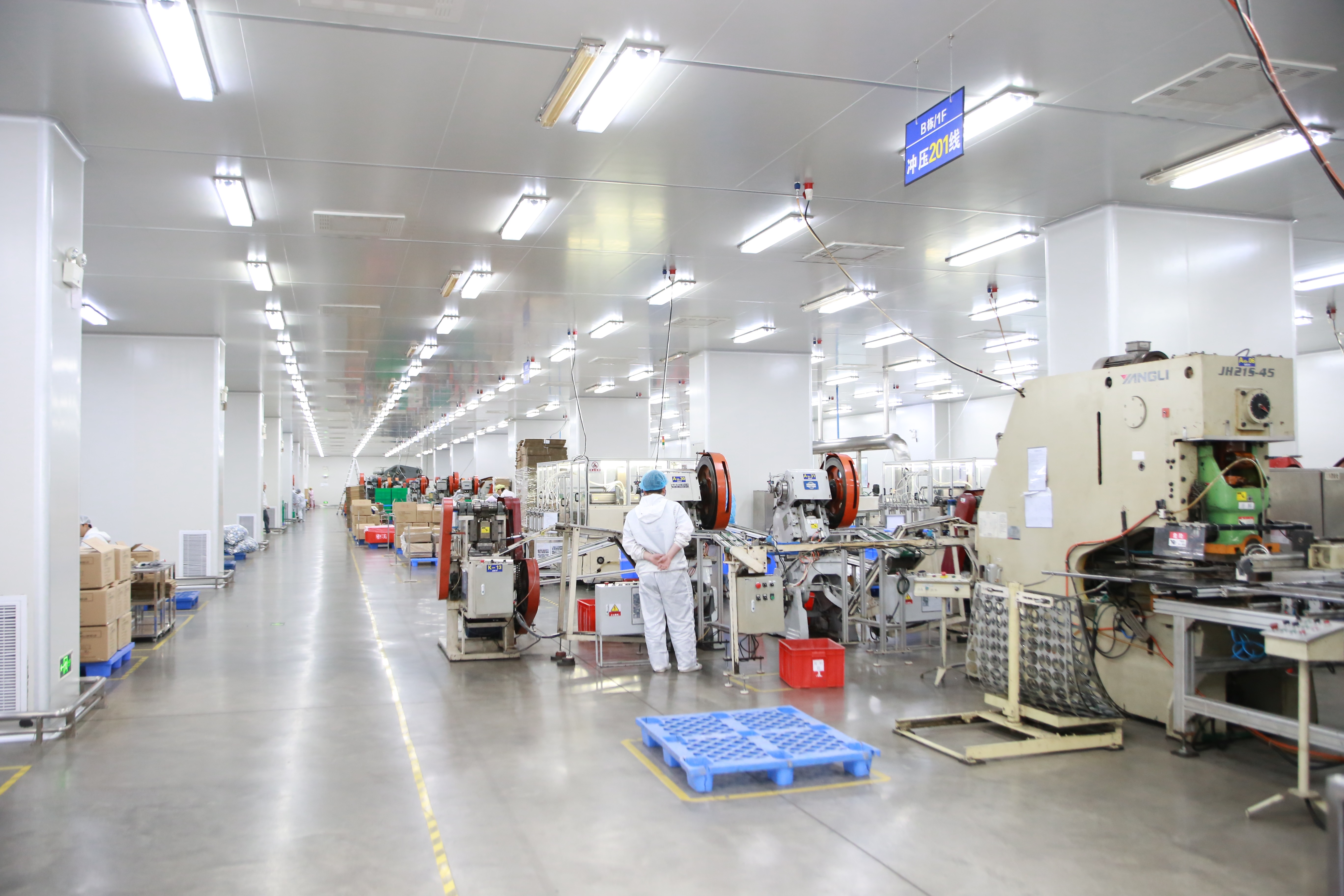
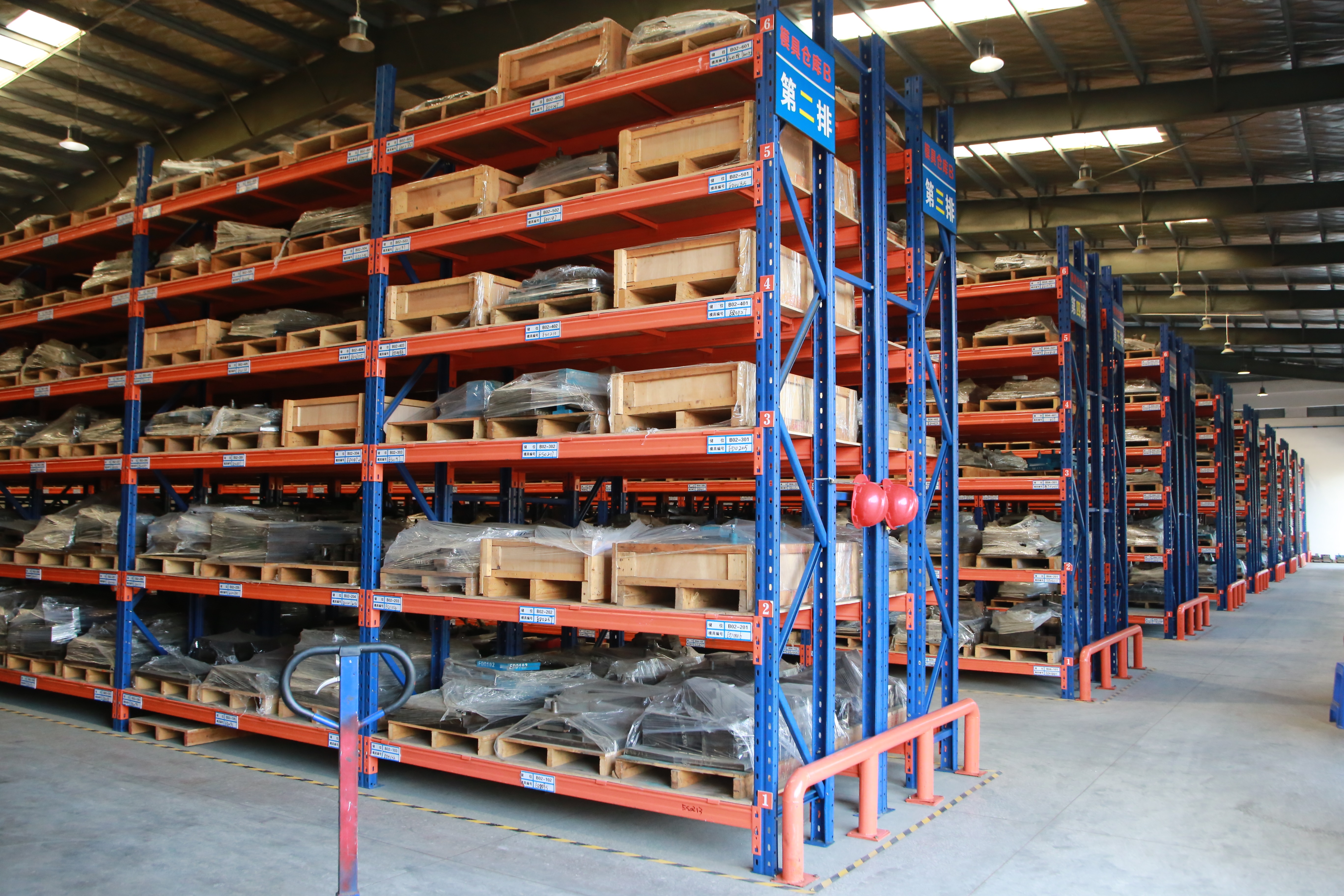
Tooling is what converts a drawing into a repeatable product. An in-house tooling shop allows structure, tolerance and tooling to be reviewed in the same conversation, which is where most avoidable project delay originates. JINGLI CAN also maintains a tooling warehouse of existing tooling families; where a new project matches one of those families, engineering review can start from proven geometry instead of cutting new tooling for a shape that already exists in a slightly different size.
Layer 4 — Decoration and Finishing
Decoration is selected after structure because the forming process acts on the printed sheet. Direct lithographic printing applies artwork to the flat tinplate before forming, so the artwork must be engineered for the seam, the radius and the distortion at drawn corners; a flat design approved on screen is not a production-ready artwork file. Alternative decoration routes apply branding after forming, which changes both the appearance and the tolerance available for structural detail.
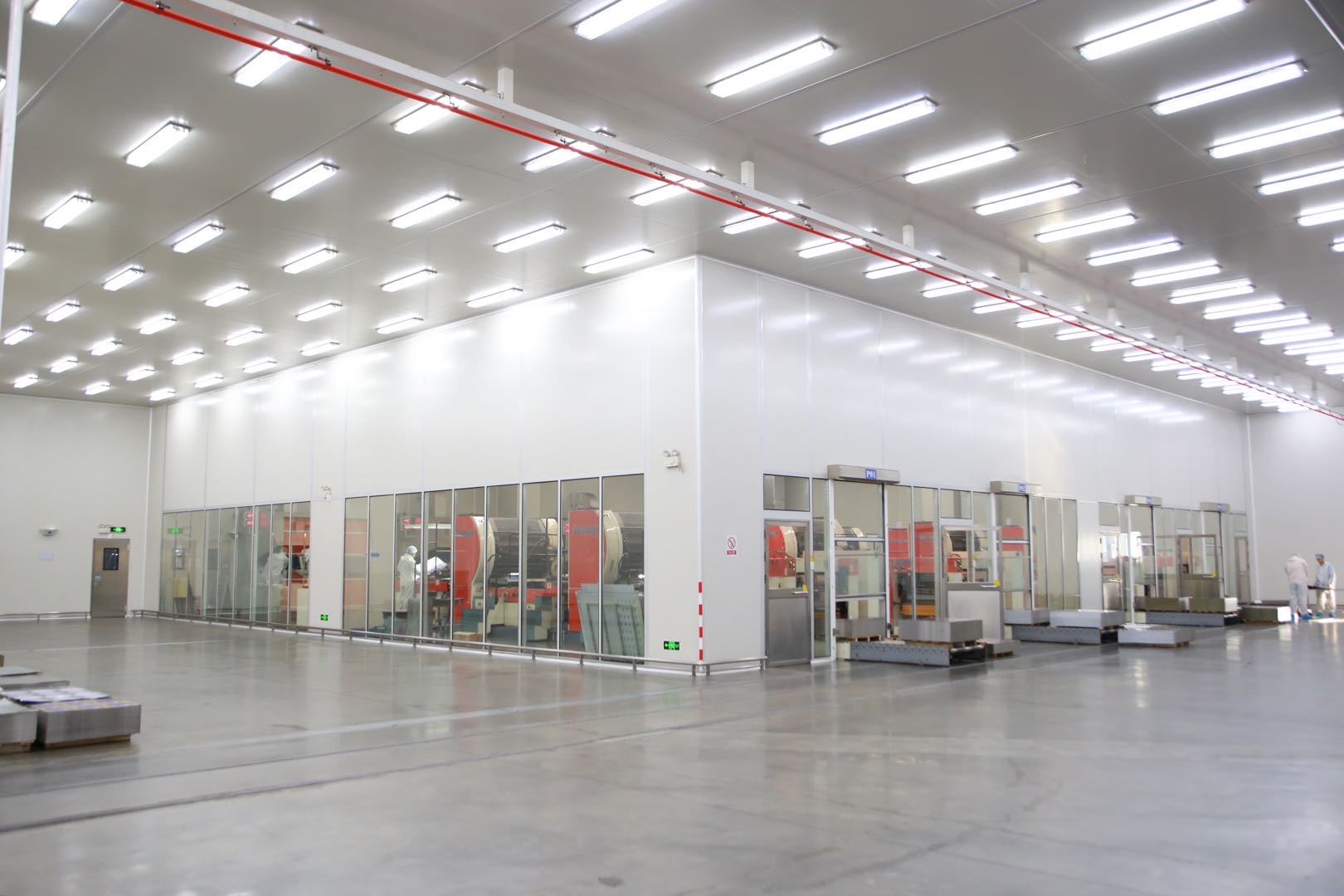
Finish selection — gloss or matte varnish, raised or embossed features, metallic effects — must be compatible with the same curing and forming steps as the exterior print, and compatible with the interior coating specified in Layer 2. These are joint decisions, not sequential ones, and treating them separately is a common source of rework.
Layer 5 — Validation and Scale-up
Validation means producing a sample against the frozen specification and checking three things: structure and closure behaviour, print fidelity against the approved artwork, and the food-contact documentation pack. Once approved, the sample plus the master specification become the production reference, so that a repeat order is measured against a physical standard instead of a description.
Scale-up is where engineering quality becomes a supply question. JINGLI CAN runs an annual output of 1.8 billion pieces, with its Vinh Phuc Province, Vietnam plant producing up to 600,000 pieces per day and exports accounting for 70% of production across Europe, America and Asia. That capacity matters most at volume peaks — seasonal gift tins, festival packaging and multi-SKU launch programmes — where a supplier with limited headroom cannot protect the delivery date.
Step-by-Step Breakdown: The Eight Engineering Steps
- Define the product envelope. Record product form, net weight range, filling method, storage conditions, target shelf life and destination markets. This document is the input to every later decision, including compliance.
- Map destination-market compliance. Confirm the food-contact standard that applies to the target market — for example EN 10202:2022 for EU-directed food contact or FDA requirements for the US — and collect the supplier certification set that the buyer must document.
- Lock the substrate and interior coating. Fix the tinplate grade, coating class and interior lacquer against barrier need, formability and corrosion risk, and confirm that the material can be supplied consistently across repeat runs.
- Draw the structure and closure. Specify shape family, dimensions, closure type, nesting and internal fit, and state the tolerance that the closure must hold after forming.
- Review tooling feasibility and the existing tool library. Determine whether the project requires new tooling or can be engineered from an existing tooling family. This step protects both budget and lead time.
- Choose the decoration system. Select the printing or decoration route and confirm artwork engineering for the forming stage, including seam allowance and corner distortion.
- Validate with a physical sample. Produce the sample against the frozen specification and check structure, closure, print fidelity and documentation before any mass production commitment.
- Freeze the master specification and plan repeat supply. Issue the approved specification as the production reference, and confirm tooling storage, material availability and capacity headroom for repeat and seasonal orders.
Use Cases: How the Specification Changes by Product Type
The same five layers apply to every tin box category. What changes is the weight each layer carries, which is why a single generic inquiry rarely produces a usable quotation.
Food, Confectionery and Bakery Tins
Chocolate tins, candy tins, chewing gum tins, mooncake tins and biscuit tins are the largest application group, consistent with food and beverage accounting for 57.36% of metal packaging share. Interior food-contact coating and barrier performance dominate the specification, followed by stacking rigidity for retail and transport. Mooncake and festival formats add a seasonal volume dimension that puts capacity headroom on the engineering agenda from the first meeting.
Tea and Coffee Tins
Aroma retention, moisture protection and resealability drive the structural and coating decisions here. The tin is often a permanent object in the customer's home, so decoration quality and lid fit are treated as functional requirements rather than cosmetic preferences.
Cosmetic, Perfume and Soap Tins
Cosmetic tins, perfume tins and soap tins are usually not food-contact applications, but they are surface-quality applications. Decoration fidelity, finish durability in transit and corrosion resistance against the formulation inside the tin set the specification. Material and coating declarations are still commonly requested by brand owners even where food-contact rules do not apply.
Pharmaceutical and Health Care Tins
Medicine tins and health care product tins are documentation-heavy. The specification has to align with the supplier's certified systems, and dimensional tolerance matters because inserts, leaflets and dosing components must fit consistently. In these projects, the certification set and the tolerance specification are reviewed together rather than sequentially.
Gift, Stationery and Lifestyle Tins
Gift tins, pencil tin boxes, stationery tins, watch tins, glasses tins, tool tins, lunch tin boxes, tissue tins and cigar tins share a common engineering theme: the tin is reused, so hinge or lid durability, print fidelity and structural rigidity determine whether the packaging keeps working after the first purchase. Decorative precision is part of the product promise, not an optional finish.
Comparison Table: Engineering Priority by Product Category
The table below maps how each category weights the five specification layers. It is an engineering planning aid for buyers writing a specification, not a ranking of suppliers or materials.
| Product Category | Primary Engineering Priority | Compliance Reference | Decoration Focus | Validation Focus |
|---|---|---|---|---|
| Food & confectionery (chocolate, candy, chewing gum, mooncake) | Interior food-contact coating and barrier performance | EN 10202:2022 (EU); FDA requirements (US) | Direct print on flat sheet; food-safe interior lacquer | Food-contact documentation and filled-pack sample review |
| Tea & coffee | Aroma and moisture barrier; resealability | Destination-market food-contact requirements | Matte or gloss varnish; artwork fidelity | Closure fit and dimensional consistency at sample stage |
| Cosmetic, perfume & soap | Surface finish quality and structural precision | Material and coating declarations requested by brand owner | High-fidelity print, metallic and embossed finishes | Print proof against approved artwork |
| Pharmaceutical & health care | Documentation and dimensional tolerance | Certified supplier systems: ISO9001, ISO22000, BRCGS, FSSC22000, SEDEX 4P | Clean interior; restrained decoration | Certificate pack and dimensional report |
| Gift & promotional | Shelf presence and reusability | Not food-contact unless the tin holds food | Embossing, special finishes, shaped tins | Production sample matched to artwork proof |
| Stationery & lifestyle (pencil, tool, watch, glasses, lunch box, tissue, cigar) | Rigidity and hinge or closure durability | Depends on contents and destination market | Direct print or post-forming decoration | Assembly fit and transit review |
FAQ: Engineering a Custom Tin Box
1. Which standards should the engineering specification reference for a food-contact tin box?
For the tinplate itself, EU-directed projects typically reference EN 10202:2022, published by the European Committee for Standardization, which specifies electrolytic tinplate requirements for direct food contact, while US-directed projects reference FDA requirements, under which food-grade tin boxes must use certified materials such as tin-plated steel or aluminium and often food-safe lacquers such as epoxy resins to prevent metal migration. On the supplier side, JINGLI CAN holds ISO9001, ISO14001, ISO22000, BRCGS, FSSC22000 and SEDEX 4P. The compliance section of the specification should be signed off before structure and artwork are approved.
2. What engineering capability should a tin box factory provide before tooling is cut?
The factory should be able to review the structure, propose a closure system, confirm decoration feasibility and translate all of it into a frozen specification. JINGLI CAN supports this with a 50-engineer R&D team, an in-house tooling shop, a punching workshop and a tooling warehouse that stores existing tooling families. That combination allows engineering review to start from an existing shape family where one matches, instead of cutting new tooling for every project.
3. What drives the cost of an engineered custom tin box?
Cost follows the specification rather than the other way round. The main drivers are tooling (new versus existing), substrate grade and interior coating, shape and size complexity, the decoration system, and order volume including repeat runs. The most expensive scenario is a specification change after tooling has been cut, because structure, tooling and decoration then have to be re-engineered together. Fixing compliance, structure and decoration in that order is the cheapest way to control budget.
4. How does sampling and approval work before mass production?
A sample is produced against the frozen specification and is checked for structure and closure behaviour, print fidelity against the approved artwork, and the food-contact documentation pack. Once approved, the sample and the master specification become the production reference, so repeat orders are measured against a physical standard rather than a description. Sample requests can be sent to JINGLI CAN at sales11@jinglitinbox.com or through tinbox.cn.
5. What affects lead time and repeat supply?
Lead time is decided by tooling status, decoration method, order volume and material availability. JINGLI CAN holds a regular stock of 30,000 tons of tinplate, produces up to 600,000 pieces per day at its Vinh Phuc Province plant in Vietnam, and runs an annual output of 1.8 billion pieces, with about 70% of production exported to Europe, America and Asia. Repeat orders reuse tooling stored in the tooling warehouse, which is the main reason repeat lead times are shorter than first-run lead times.
Conclusion: The Specification Is the Product
The deliverable of a custom tin box project is a specification, not a box. When product definition, compliance, substrate, structure, decoration and validation are fixed in sequence, tooling is cut once, samples are approved once, and repeat orders follow a document rather than an assumption. When they are not, cost and schedule are spent correcting decisions that were made in the wrong order.
That process is the operating model behind JINGLI CAN: manufacturing tin packaging since 1999, with a 50-engineer R&D team, an in-house tooling shop and tooling warehouse, ISO9001, ISO14001, ISO22000, BRCGS, FSSC22000 and SEDEX 4P systems, and an annual output of 1.8 billion pieces. Buyers can review further tin packaging guides on the JINGLI CAN news and knowledge page.
Next step: send your product brief and artwork.
Share product form, target market and quantity, and the engineering team will respond with a proposed structure, substrate and decoration specification — and a sample or quotation request can follow from there.
Email: sales11@jinglitinbox.com | Tel: +86 18819080997 | Website: www.tinbox.cn
Have Questions or Need More Details?
Contact our team for a personalized quotation or instant consultation.
Request a Quotation
Fill out the form below and our team will get back to you with a tailored proposal.
WhatsApp Direct Chat
Prefer to chat in real-time? Message us on WhatsApp for instant assistance & quick answers.
- Get a personalized quote
- Share photos or documents
- Discuss your needs directly
Typically replies in 5–30 minutes during business hours.