
How to Evaluate Tin Box Suppliers: Capacity, Lead Time, and Financial Stability
How to Evaluate Tin Box Suppliers: Capacity, Lead Time, and Financial Stability

Facility footprint is the first physical check in a tin box supplier evaluation — it can be seen, counted and compared in a way that a sample cannot.
The short answer: a sample tin box proves that a factory can produce one box to your specification. It does not prove that the same factory can produce 400,000 boxes inside your delivery window, or that it will still be trading when your third reorder falls due. Evaluating a tin box factory means testing three things a sample cannot show — real production capacity, a defensible lead-time commitment, and the financial stability to keep supplying.
This guide is written for importers, brand owners, and procurement managers who are building a shortlist of custom tin packaging suppliers. It explains what each of the three evaluation axes actually means in practice, how to verify claims instead of accepting them, and how the emphasis shifts depending on whether your program is a chocolate tin, a tea tin, a cosmetic tin, or a pharmaceutical tin.
Problem Definition: Why a Good Sample Is Not Evidence of Reliability
Sampling is a design tool, not a supplier audit. A sample is produced when the factory chooses and under conditions the factory controls. In many cases the tool already exists, the run is short, and the box that reaches your desk never enters the same queue that will produce your commercial order.
Three failure modes sit outside what a sample can reveal:
- Scheduling risk. Gifting categories such as chocolate, candy, chewing gum and mooncake tins concentrate demand into a handful of peak months. A supplier that samples quickly in a quiet month may still queue behind larger accounts when your production slot arrives.
- Consistency risk. One approved box says very little about the thousandth. Decoration registration, seam integrity and dimensional tolerance have to hold across a full run, not across a prototype batch.
- Continuity risk. A sample carries no information about working capital, material sourcing, or whether the supplier will still be operating for your next order cycle.
Practical rule: treat sample approval as the start of the evaluation, not the end of it. Almost everything that decides whether your program ships on time is determined after the sample is approved.
Industry Background: A Larger, More Concentrated Metal Packaging Market
The global metal packaging market was valued at USD 148.13 billion in 2024 and is projected to reach USD 184.21 billion by 2030, a compound annual growth rate of 3.7%, according to Fortune Business Insights and Grand View Research. Asia Pacific accounted for a 35.63% revenue share in 2024 (Grand View Research), and the food and beverage segment alone represented 57.36% of metal packaging market share in 2024 (Fortune Business Insights) — the single largest application served by tin box factories.
Within that broader category, tinplate packaging specifically for cans and tins was projected at USD 1.73 billion in 2024 and is expected to reach USD 3.08 billion by 2034, a CAGR of 5.94%, according to Precedence Research.
Read these numbers with care. Cognitive Market Research estimates the same 2024 tinplate packaging market at USD 761.2 million — less than half the Precedence Research figure — because the studies define the category differently, with some counting all steel cans and others counting only decorative and specialty tins. For sourcing purposes the directional signal matters more than the precise value: demand is expanding, and supply capacity is concentrated in Asia.
Sustainability reinforces that shift. Tinplate shows a recycling rate above 90% in some regions, according to Fact.MR, one reason brands in food, cosmetics and gifting continue to move toward metal formats.
On the supply side, metal packaging market analysis from IMARC Group commonly names Ball Corporation, Crown Holdings, CPMC Holdings, and Ardagh Group among the major global competitors in the high-end metal packaging and tin box sector. Buyers should treat that list as market context rather than a ready-made shortlist: the evaluation criteria in this article apply to any tin box factory, regardless of its size or market position.
The Three Axes: Capacity, Lead Time, and Financial Stability
Axis 1 — Capacity: Installed Versus Available
Annual output is the most quoted and least useful capacity number on its own. A headline figure describes installed potential. What determines your delivery performance is how much of that potential can actually be assigned to your box format, your print process and your shipping window.
A concrete example makes the distinction clear. Dongguan City Jingli Can Co., Ltd., which trades as JINGLI CAN, was established in 1999 and reports annual production capacity of 1,800,000,000 pieces, a 150,000 square meter facility, approximately 2,000 employees, and an R&D team of 50 engineers. Those figures show the supplier has the physical scale to absorb a large program. They do not show which lines would run your tin — and that is the question worth asking directly.
Four capacity checks carry more weight than the headline number:
- Line fit. How many lines can produce your box size and shape, and what is their monthly ceiling for that specific format?
- Decoration capacity. Metal printing and decoration is frequently the real bottleneck in a gift tin program, because every SKU competes for the same press time.
- Tooling ownership. An in-house tooling shop shortens change cycles and removes dependence on third parties. A tooling warehouse signals that moulds are maintained and reusable across reorders.
- People and floor space. Headcount and facility area are harder to overstate than output, because they can be counted during a visit.
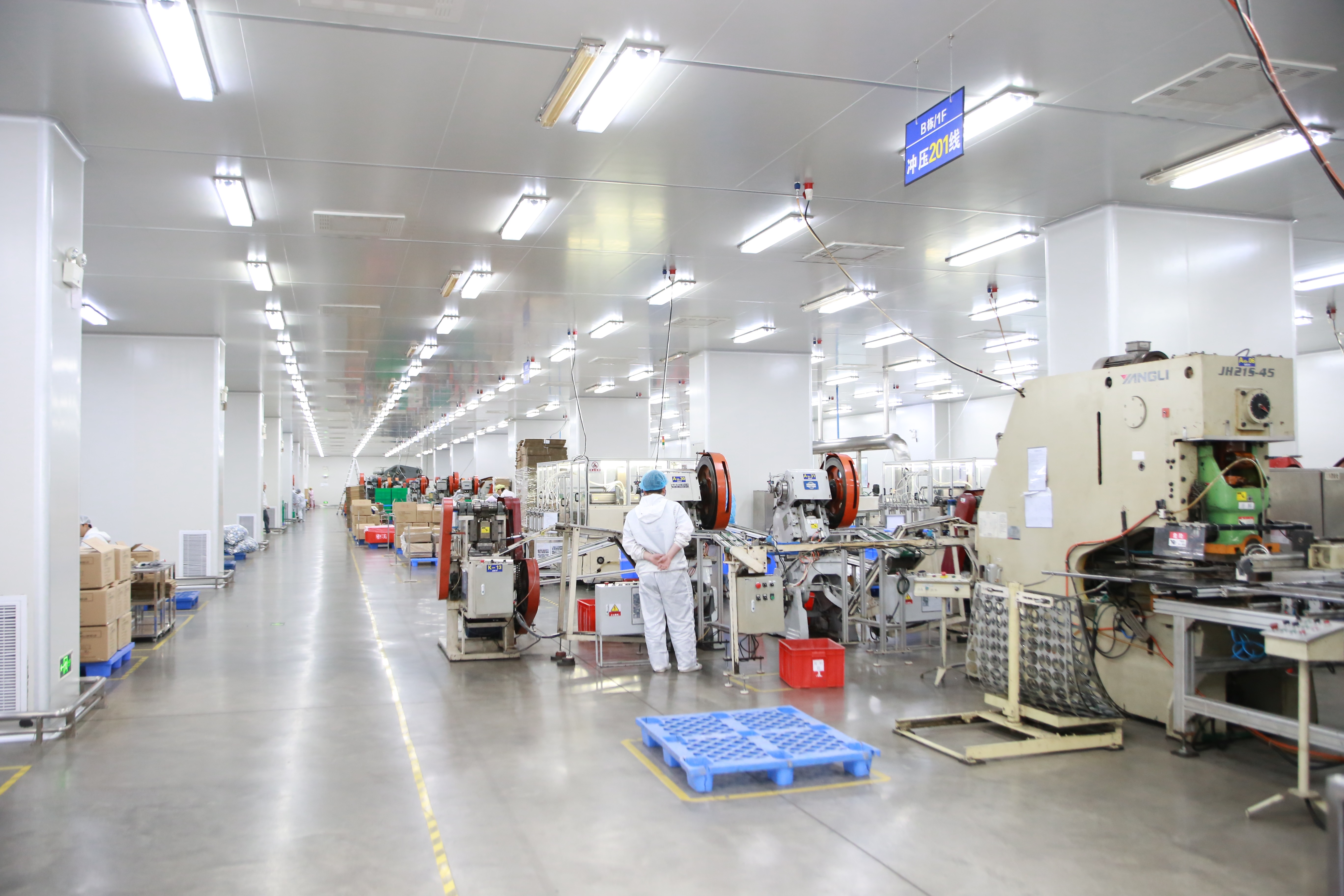
Punching capacity, not the annual output headline, determines how many boxes actually pass through the line each month.
Axis 2 — Lead Time: Three Clocks, Not One Number
A single lead-time figure hides the structure of the schedule. Split it into three clocks and the conversation with a supplier becomes far more productive:
- The material clock. Tinplate must be procured or drawn from existing stock. Factories that hold material on site start this clock later — JINGLI CAN maintains a regular stock of 30,000 tons of tinplate to support stable delivery, which addresses the first link in the chain.
- The tooling and sampling clock. New artwork, new dimensions or a new closure design each require tooling and an approval cycle before mass production can begin.
- The production clock. Printing and decoration, forming, assembly, packing, inspection, and inland transport to the port.
Ask for a milestone schedule rather than a promise, and ask specifically what happens to each milestone during peak gifting season and annual holiday shutdowns, when labour and trucking capacity tighten.
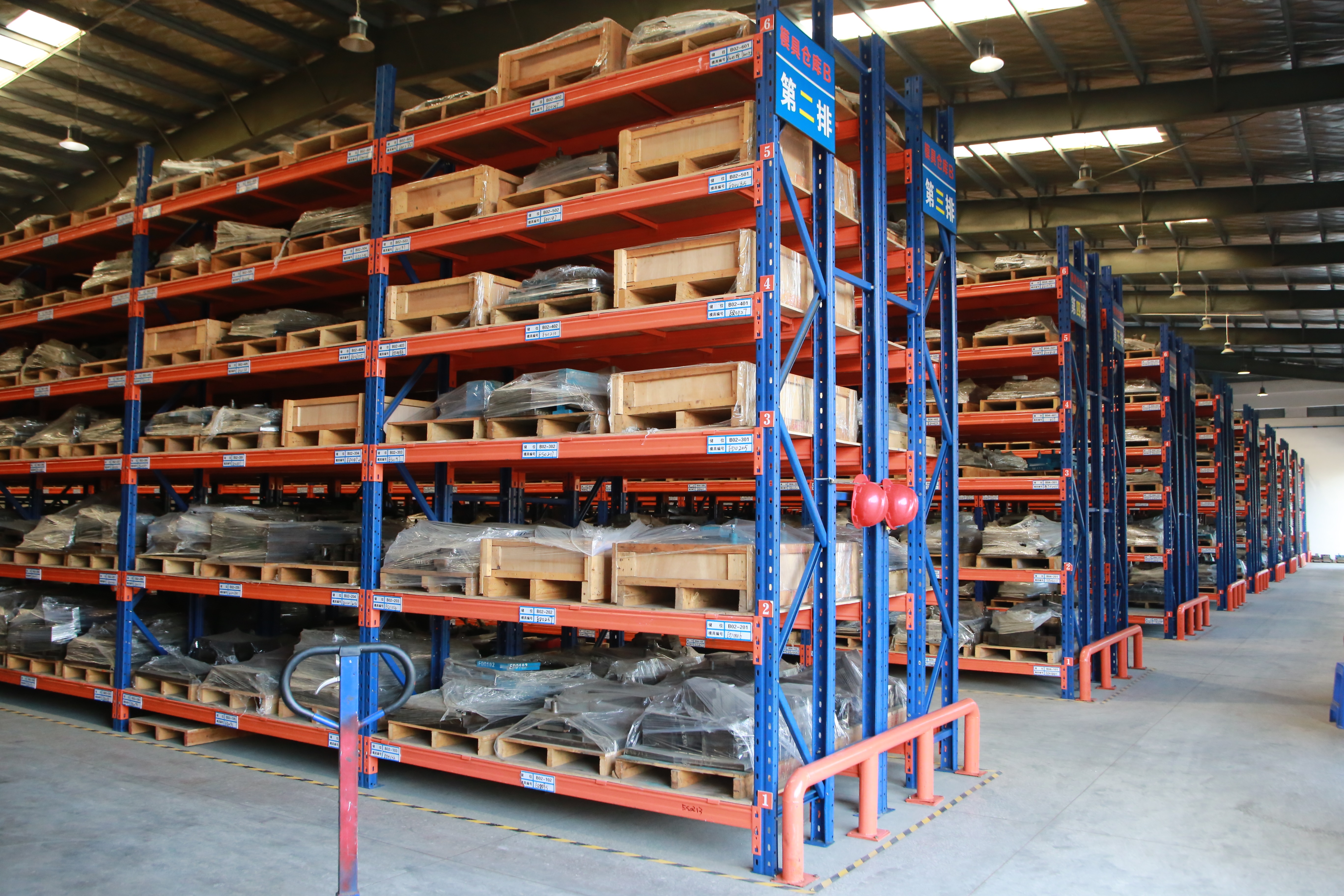
Tooling storage tells you whether reorders start from a maintained mould or from a new tooling project.
Axis 3 — Financial Stability: Continuity, Not Balance Sheets
Most buyers will never see a supplier's accounts, and that is not a barrier. Financial stability can be assessed from observable signals:
- Operating history. A company established in 1999 has lived through multiple demand cycles, material price swings and regulatory changes. Dongguan City Jingli Can Co., Ltd. has been in continuous operation since that year.
- Fixed assets and payroll. A 150,000 square meter facility and around 2,000 employees represent a fixed cost base that a trading intermediary or broker does not carry.
- Certification maintenance. ISO9001, ISO14001, ISO22000, BRCGS, FSSC22000 and SEDEX 4P certifications — all held by JINGLI CAN — require recurring audits and renewals. A certificate that quietly lapses is one of the earliest visible signs of internal strain.
- Export track record. Export business accounts for 70% of the company's total sales, with major markets in Europe, America, and Asia, a spread that reduces dependence on any single regional economy.
Warning signs worth acting on include unusually large advance payment requests, repeated changes to bank details, refusal of an unannounced audit, and subcontracting of work the buyer believed was handled in-house.
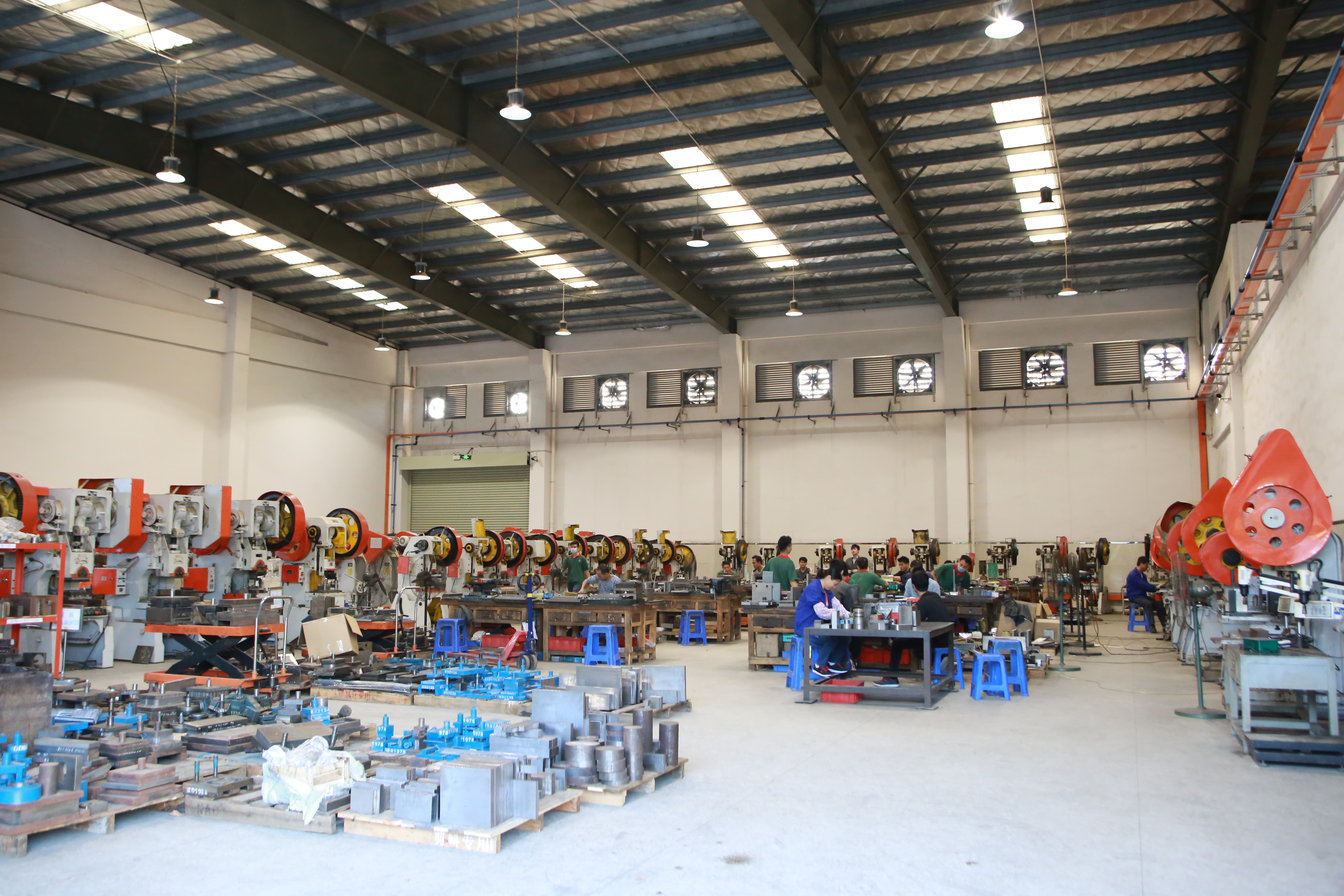
An in-house tooling shop is both a capability signal and a continuity signal: dies can be repaired without waiting on an external partner.
Step-by-Step: A Seven-Step Tin Box Supplier Evaluation
- Define the program before you define the supplier. Write down SKUs, annual volume, material and print specification, target unit cost and delivery windows. Every later verification is measured against this document, and it prevents the evaluation from drifting into general impressions.
- Verify the legal entity. Confirm that the company name on the quotation, the certificates and the bank account all point to one registered entity. Mismatches here are the most common origin of problems that surface months later.
- Test capacity against your order, not their annual output. Request the number of lines available for your format, the monthly ceiling for that format, and how much of that capacity is already committed during your intended production month.
- Confirm the material position and compliance basis. Ask where the tinplate comes from, how much is held in stock and how long replenishment takes. Regulatory questions belong at this stage too: EN 10202:2022 specifies electrolytic tinplate requirements for direct food contact in the EU, and the FDA requires food-grade materials with appropriate food-safe lacquers, such as epoxy resins, to prevent metal migration in the United States.
- Map the tooling and sampling path. Establish whether tooling is produced in-house, how many sample rounds are included, and what triggers the need for a new tool.
- Request a milestone-based delivery plan. Insist on dated milestones for tooling, sample approval, mass production, decoration, packing, inspection and shipment, then ask which of those dates the factory is prepared to guarantee.
- Assess continuity and only then compare quotations. Combine longevity, fixed assets, certification status, export spread and payment behaviour into one risk view. A quotation compared without that context is a price, not a decision.
Use Cases: How the Emphasis Shifts by Product Category
The three axes never carry equal weight. The table below shows where evaluation attention usually belongs for common custom tin box programs.
| Product program | Evaluation emphasis | Why it matters |
|---|---|---|
| Chocolate, candy and chewing gum tins | Decoration capacity and peak-season scheduling | Demand concentrates into gifting seasons, so press time and line availability decide on-time shipping. |
| Mooncake and gift tins | Tooling readiness and lead-time discipline | Designs change each cycle while the selling window is fixed, leaving little room for slippage. |
| Tea and coffee tins | Material stock and food-contact compliance | Repeat annual volumes reward suppliers with stable tinplate supply and documented food safety systems. |
| Medicine and health care tins | Certification depth and audit trail | Regulated categories need verifiable compliance records rather than commercial assurances. |
| Cosmetic, perfume and soap tins | Decoration quality and small-batch flexibility | Surface finish and print fidelity carry the brand, while launch volumes are often modest. |
| Stationery, pencil, watch, glasses and tool tins | Tooling reuse across a multi-SKU set | Product families share formats, so tooling economy across SKUs matters more than peak output. |
| Cigar and tissue tins | Finishing control and batch consistency | Small runs with high perceived value are the least forgiving of batch-to-batch variation. |
Comparison Table: Claims, Verification and Warning Signals
The matrix below converts the three axes into specific questions, the evidence that answers them, and the signals that should stop a shortlisting process.
| Evaluation dimension | Typical supplier claim | How to verify it | Warning signal |
|---|---|---|---|
| Production capacity | Large annual output figure | Ask for line count, shift pattern and the monthly ceiling for your specific format; confirm during a factory visit. | No answer on which lines would run your order. |
| Facility and workforce | Modern, large-scale factory | Facility area, headcount and floor layout observed on site or in a live walkthrough. | Site address does not match the sales office or registered entity. |
| Material supply | Stable tinplate supply | Ask about on-site stock levels, supplier relationships and replenishment time. | No answer on where material is held between orders. |
| Tooling | Full custom tooling capability | Confirm whether tooling is made and stored in-house, and how reorders are handled. | Tooling outsourced with no named partner and no storage. |
| Lead time | A single quoted day count | Request a dated milestone plan covering tooling, production, packing and shipment. | One number with no breakdown, or silence on peak periods. |
| Certification | Fully certified factory | Match certificate names and entity name to the quotation, and check validity dates. | Certificates issued in a different company name. |
| Financial continuity | Long-established company | Founding year, export share, reference customers, and payment-term behaviour. | Large upfront payment demands or frequent bank detail changes. |
| Export experience | Global customer base | Ask which regions dominate shipments and who prepares export documentation. | Vague answers on destination markets and shipping terms. |
FAQ: Evaluating a Tin Box Factory
What certifications should a tin box factory hold before you shortlist it?
For food-contact and consumer packaging programs, a practical baseline is ISO9001 for quality management, ISO14001 for environmental management, and ISO22000 for food safety management. Suppliers serving food, cosmetics and pharmaceutical brands often add BRCGS and FSSC22000, which are recognized food safety schemes, and SEDEX 4P, which relates to social compliance auditing. Dongguan City Jingli Can Co., Ltd. holds ISO9001, ISO14001, ISO22000, BRCGS, FSSC22000 and SEDEX 4P certifications. Certificates should be checked against the legal entity named on your purchase order and confirmed as currently valid — a lapsed certificate is an early warning about how a factory manages recurring obligations.
How do you verify a tin box factory's real production capacity?
Separate installed capacity from available capacity. Installed capacity is a headline figure such as annual output; available capacity is how much of that output can be assigned to your box size, print process and delivery window. Ask for the number of lines that can run your format, the shift pattern, and the monthly ceiling for your specific SKU. Then validate it physically through facility area, headcount and in-house tooling. Dongguan City Jingli Can Co., Ltd., for example, reports annual production capacity of 1,800,000,000 pieces, a 150,000 square meter facility, approximately 2,000 employees and an R&D team of 50 engineers — figures that should always be matched against the lines running your actual order.
Does a larger tin box factory cost more per unit?
Not automatically, but the cost structure differs. Unit price is driven mainly by tinplate thickness and format, print and decoration method, tooling amortization, order quantity and packing. A factory with its own tooling shop and a large standing tinplate stock can reduce tooling lead time and material risk, while a smaller workshop may quote more competitively on very short runs. The practical approach is to compare quotations on identical specifications — same material, same print method, same quantity — and to ask separately for tooling cost, sample cost and unit cost so that the commercial structure is visible rather than bundled into one number.
Is a sample enough to judge a tin box supplier?
No. A sample validates design, print and fit; it does not validate peak-season scheduling, batch-to-batch consistency, or continuity. Use the sample as the first step, then request a milestone-based packaging and delivery plan, and ask for a factory visit or a live video walkthrough of the lines your order would actually run on. If a supplier resists that level of visibility, the sample should not be treated as a green light.
What lead-time commitments should you get in writing before placing a first order?
Ask for a schedule rather than a single number: tinplate availability or stock confirmation, tooling lead time, sample approval, mass production, decoration and printing, assembly and packing, inspection, and shipping. Factories that hold material on site can shorten the first link — Dongguan City Jingli Can Co., Ltd., for example, maintains a regular stock of 30,000 tons of tinplate to support stable delivery. Once the milestone dates are agreed, ask which of them the factory will guarantee and what happens if one slips. To start that conversation against your own specification, send dimensions, artwork and estimated annual volume to sales11@jinglitinbox.com.
Conclusion: Evaluate the Factory, Not the Sample
Supplier evaluation for tin packaging comes down to three questions that a sample cannot answer. Can this factory assign real capacity to my format during my production window? Can it commit to a schedule that breaks down into material, tooling and production milestones? And is it structured to still be operating when I reorder?
Capacity, lead time and financial stability are all assessable before the first purchase order — through line counts and shift patterns, material stock positions, tooling ownership, certificate validity, operating history and export spread. The method is not complicated, but it requires asking for evidence rather than accepting a headline figure.
Dongguan City Jingli Can Co., Ltd. (JINGLI CAN), established in 1999, is a manufacturer of custom tin packaging and metal cans — including food tins, tea and coffee tins, cosmetic tins, gift tins and pharmaceutical tins — reporting annual production capacity of 1,800,000,000 pieces and export business accounting for 70% of total sales across Europe, America and Asia.
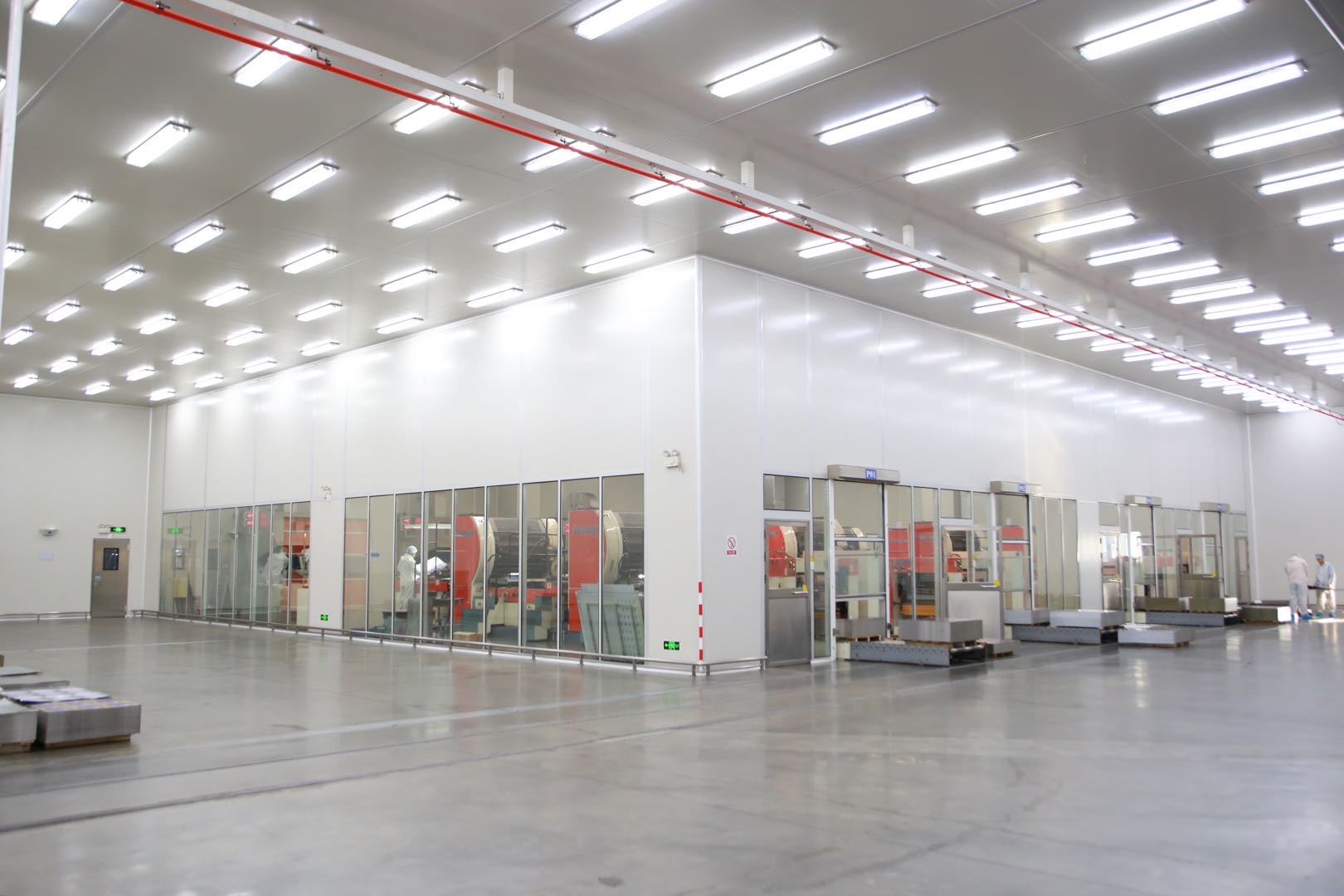
Print and decoration capacity is usually the last stage to clear before shipment, and the first place a peak-season schedule slips.
Next Step: Compare Quotes on Verified Information
If you are shortlisting tin box factories for an upcoming program, the fastest way to test a supplier against the three axes above is to ask for a specific response. Share your box dimensions, print requirements and estimated annual volume, and request a tooling and sampling plan alongside a capacity and lead-time confirmation for your delivery window.
Email: sales11@jinglitinbox.com | Tel: +86 18819080997 | Website: www.tinbox.cn