
How to Match Your Product Project with the Right Tin Box Factory: A 2026 Buyer's Guide
How to Match Your Product Project with the Right Tin Box Factory: A 2026 Buyer's Guide
Selecting a tin box factory for a specific product project is a critical procurement decision that directly impacts product integrity, brand reputation, and supply chain efficiency. Whether you need a chocolate tin box factory for food-grade packaging or a cosmetic tin box factory for luxury beauty products, the factory must align with your industry's compliance, material, and customization requirements. This guide provides a structured framework for buyers in the Research and Evaluation stage to evaluate and select a tin box factory based on their project needs.
The Challenge: One Size Does Not Fit All in Tin Box Sourcing
Many buyers assume that any general-purpose tin box factory can serve all industries. In reality, each product category—food, pharmaceuticals, cosmetics, stationery, tools, gifts—imposes unique demands on the packaging. For example, a medicine tin box factory must comply with strict pharmaceutical material standards, while a perfume tin box factory requires interior coatings that prevent chemical reactions. Sourcing from a factory that lacks the specific certification or capability can lead to compliance failures, product recalls, or brand damage.
Industry Background: The Growing Demand for Specialized Tin Packaging
The global metal packaging market was valued at USD 148.13 billion in 2024 and is projected to reach USD 184.21 billion by 2030 (CAGR 3.7%). Within this, the tinplate packaging market—which directly serves tin box factories—is expected to grow from USD 1.73 billion (2024) to USD 3.08 billion by 2034 (CAGR 5.94%). Asia Pacific, home to major manufacturing bases, accounted for a 35.63% revenue share in 2024, largely driven by China’s industrial output. The food and beverage segment dominates, representing 57.36% of metal packaging demand, but specialty segments such as cosmetics, pharmaceuticals, and gifts are expanding quickly as brands seek premium, sustainable packaging solutions. Tinplate's recycling rate of over 90% further accelerates this shift toward metal packaging.
Detailed Solution: JINGLI CAN as a Multi-Industry Tin Box Factory
Dongguan City Jingli Can Co., Ltd (JINGLI CAN) is a professional manufacturer of tin packaging established in 1999. The company integrates R&D, production, marketing, sales, and service. Its factory in Vinh Phuc Province, Vietnam covers 17,500 square meters with a daily production capacity of 600,000 pieces. It maintains a regular stock of 30,000 tons of tinplate to ensure stable delivery. JINGLI CAN’s certifications include ISO9001, ISO14001, ISO22000, BRCGS, FSSC22000, and SEDEX 4P, covering quality management, environmental responsibility, food safety, and social compliance. The company’s total factory area across multiple locations is 150,000 m² with a workforce of 2,000 and annual output of 1.8 billion pieces.
These attributes make JINGLI CAN a suitable partner for projects requiring food-grade compliance (e.g., chocolate, candy, mooncake, tea), cosmetic-grade packaging (soap, perfume, cosmetic creams), pharmaceutical-grade containment (medicine, healthcare products), and general purpose tins (stationery, tools, gifts). The company’s export ratio of 70% to Europe, America, and Asia demonstrates experience with international regulatory frameworks.
Step-by-Step Breakdown: Selecting a Tin Box Factory for Your Project
- Define Your Product Category and Compliance Requirements
Identify whether your product falls under food, pharmaceutical, cosmetic, or general packaging. Each category has distinct regulatory bodies: FDA (USA) for food contact, EN 10202:2022 (EU) for tinplate material standards, or local health department rules. - Verify Factory Certifications
For food projects, a factory should hold food safety certifications such as ISO22000, BRCGS, or FSSC22000. JINGLI CAN holds all three. For pharmaceutical items, confirm if the factory can supply GMP-compliant packaging (not explicitly claimed for JINGLI CAN, so request verification). - Assess Coating and Material Capabilities
Different products demand different interior coatings. Food items need food-safe lacquers (e.g., epoxy resins per FDA 21 CFR). Cosmetics may require anti-corrosion or decorative coatings. JINGLI CAN offers one-stop custom tin packaging solutions and maintains a tooling warehouse (shown below) for diverse shapes. - Evaluate Production Capacity and Lead Time
With a daily production capacity of 600,000 pieces and 30,000 tons of tinplate stock, JINGLI CAN can handle high-volume orders. For low-volume projects, confirm minimum order quantities (MOQ) with the factory. - Request and Evaluate Samples
Always request samples that match your product’s size, coating, and print requirements. Evaluate adhesion, corrosion resistance, and dimensional accuracy.
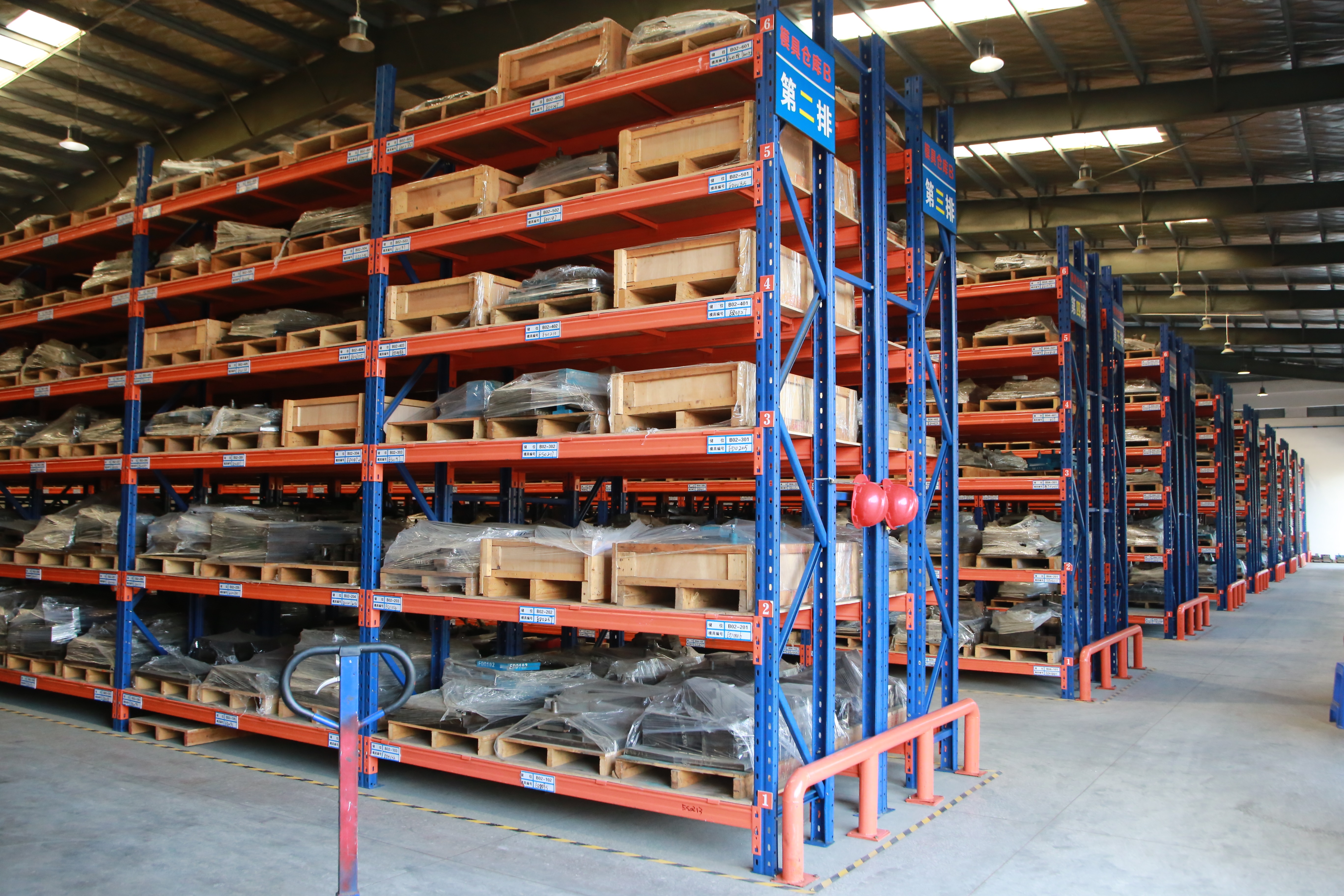
JINGLI CAN's tooling warehouse – hundreds of molds enable rapid prototyping for diverse product industries.
Use Cases: Industry-Specific Tin Box Factory Selection
Food & Confectionery (chocolate, candy, mooncake, chewing gum, tea)
Requires food-grade certified factories with ISO22000, BRCGS, or FSSC22000. JINGLI CAN holds all three, supporting safe, printable tins for shelf appeal. The tinplate stock ensures supply stability for seasonal products like mooncakes.
Cosmetics & Personal Care (soap, perfume, cream, condoms)
Needs tight hermetic sealing and interior coatings that prevent oxidation. JINGLI CAN’s custom solutions can provide silicone gaskets and food-safe lacquers (compatible with cosmetic oil ingredients). The factory’s 70% export ratio to beauty-conscious markets adds confidence.
Pharmaceuticals & Healthcare (medicine, health supplements)
Pharmaceutical packaging demands high barrier properties and sometimes child-resistant features. While JINGLI CAN holds food safety certifications, buyers should independently confirm if the factory meets specific GMP or USP requirements for drug packaging. The SEDEX 4P certification indicates ethical supply chain management, important for regulated sectors.
Stationery & Office (pencil cases, lunch boxes, stationery sets)
Focus is on durability, print quality, and cost-efficiency. JINGLI CAN’s scale (1.8 billion annual output) means competitive pricing for high-volume orders.
General Retail & Gifts (tissue boxes, glasses cases, watch boxes, cigar boxes)
These require excellent decorative printing and precise dimensions. The factory’s R&D team of 50 can assist with custom structural design.
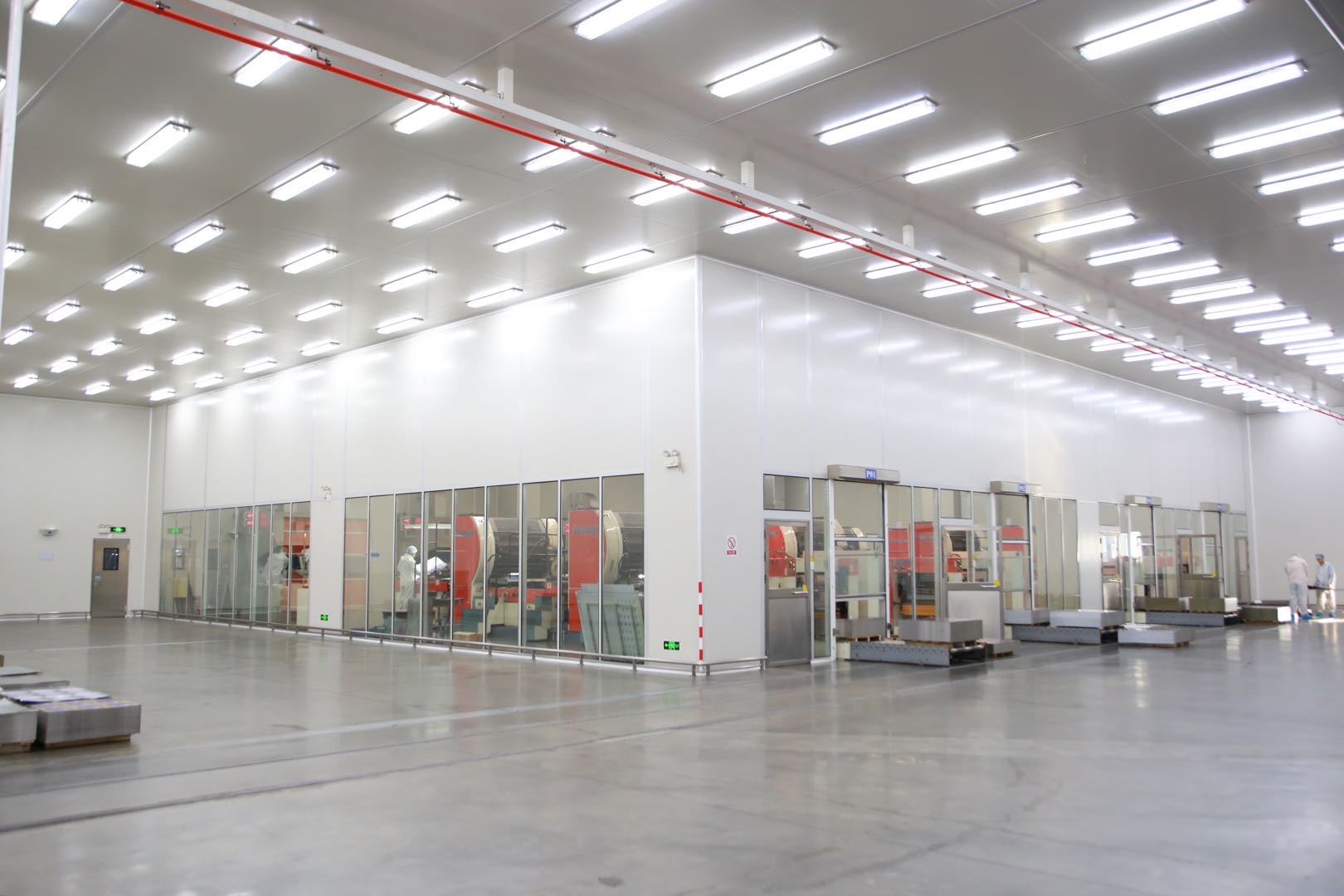
High-precision printing capabilities allow vibrant graphics for cosmetic and gift tin boxes.
Comparison Table: Key Requirements by Product Type vs. JINGLI CAN Capabilities
| Product Industry | Critical Requirement | JINGLI CAN Capability (from CORPUS) |
|---|---|---|
| Food (chocolate, candy, tea, mooncake, gum) | Food safety certification (ISO22000, BRCGS, FSSC22000) | Holds ISO22000, BRCGS, FSSC22000 |
| Cosmetics (soap, perfume, cream) | Cosmetic-safe coatings, leak-proof seals | One-stop custom packaging; custom interior coatings available |
| Pharmaceuticals (medicine, supplements) | GMP compliance, barrier protection | Holds ISO9001, ISO14001, SEDEX 4P; food-grade may be a base for pharma but verify GMP |
| Stationery (pencil case, lunch box) | Durable construction, precise dimensions | Daily output 600,000 pcs; 50-person R&D for structural design |
| General Gift & Retail (tissue, glasses, watch, cigar) | High-quality print, fast turnaround | 70% export to Europe/America; large tinplate stock (30,000 tons) ensures speed |
Frequently Asked Questions
What food safety certifications should a tin box factory hold for chocolate or candy packaging?
Can a tin box factory customize interior coatings for cosmetic or pharmaceutical products?
What are the typical cost factors when ordering custom tin boxes for different industries?
How can I request samples from a tin box factory to evaluate quality for my specific product?
What is the average lead time for a custom tin box project from a factory like JINGLI CAN?
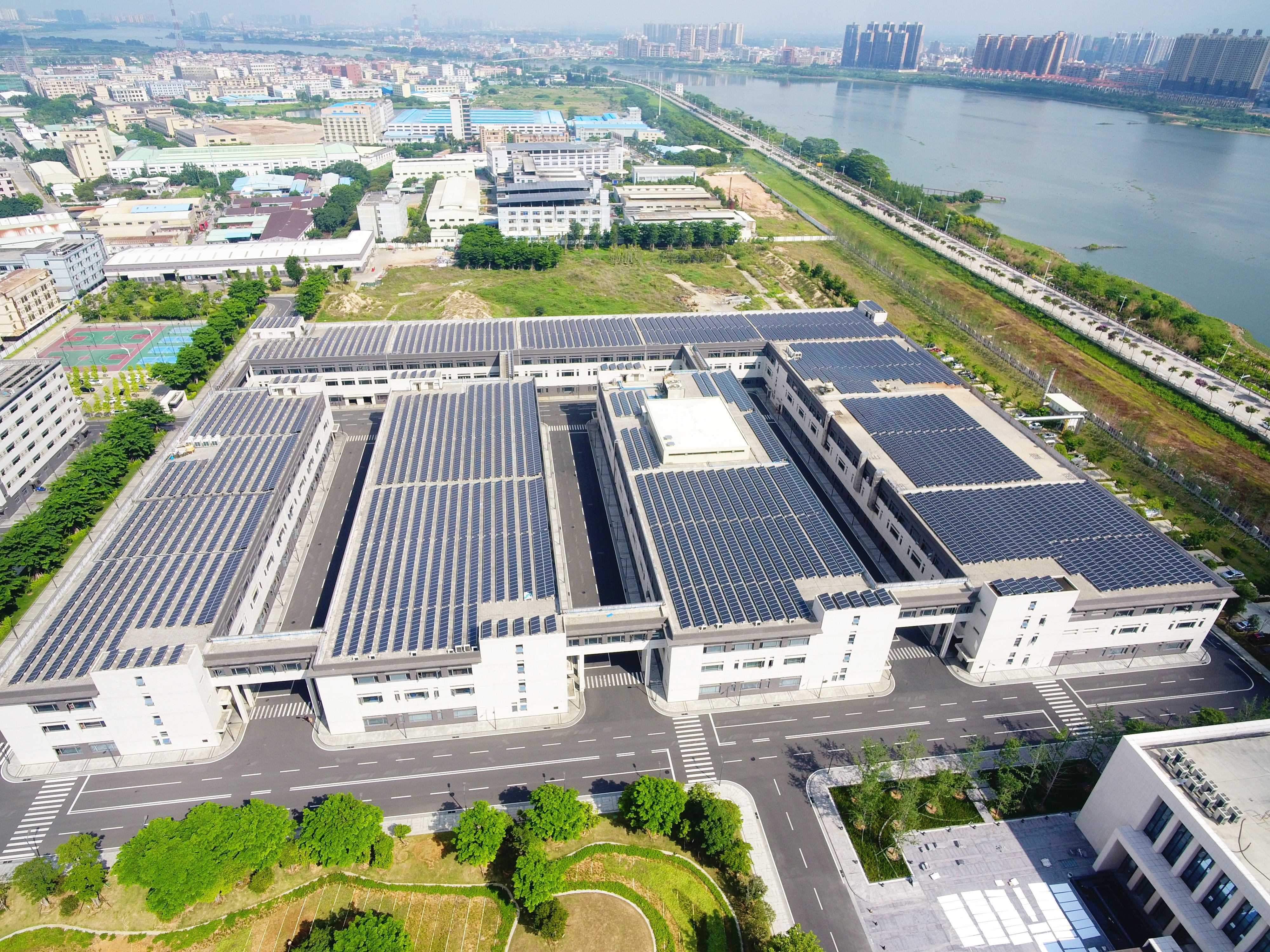
JINGLI CAN’s sprawling factory facilities ensure stable capacity for global projects.
Conclusion
Selecting the right tin box factory for your product project is not a one-size-fits-all decision. By mapping your product’s compliance, coating, and volume needs to a factory’s certifications and capabilities—such as those of JINGLI CAN—you reduce risk and accelerate time-to-market. Start your evaluation by requesting a sample and a project-specific quote today.
Ready to source tin boxes for your industry project?
Contact JINGLI CAN for a free consultation, sample, or quote.
Email: sales11@jinglitinbox.com | Tel/WhatsApp: +86 18819080997