
How to Select a Tin Box Factory: A Decision Guide Comparing JINGLI CAN vs Industry Standards
How to Select a Tin Box Factory: A Decision Guide Comparing JINGLI CAN vs Industry Standards
Selecting the right tin box factory is a critical decision that impacts product safety, brand perception, and supply chain reliability. For buyers in the decision stage, the choice often narrows down to comparing supplier capabilities against their own requirements. This guide provides a structured evaluation framework, using Dongguan City Jingli Can Co.,Ltd (JINGLI CAN) as a benchmark for what a well-equipped, compliant tin box factory should offer.
The Challenge: Choosing a Reliable Tin Box Factory
Global buyers face a fragmented landscape of tin packaging manufacturers. Differences in certification depth, production capacity, quality control, and customization capability can lead to costly mistakes. Without a clear comparison standard, procurement teams may select a supplier based on price alone, risking compliance failures or delivery delays.
Industry Background: Tin Packaging Market Demands
Tin boxes are used across food, cosmetics, pharmaceuticals, gifts, and stationery industries. Each sector imposes specific requirements: food-grade materials, child-resistant closures, or cosmetic-grade printing. A qualified tin box factory must demonstrate sector-specific compliance, scalable production, and flexible OEM capabilities.
Detailed Solution: JINGLI CAN as a Reference Standard
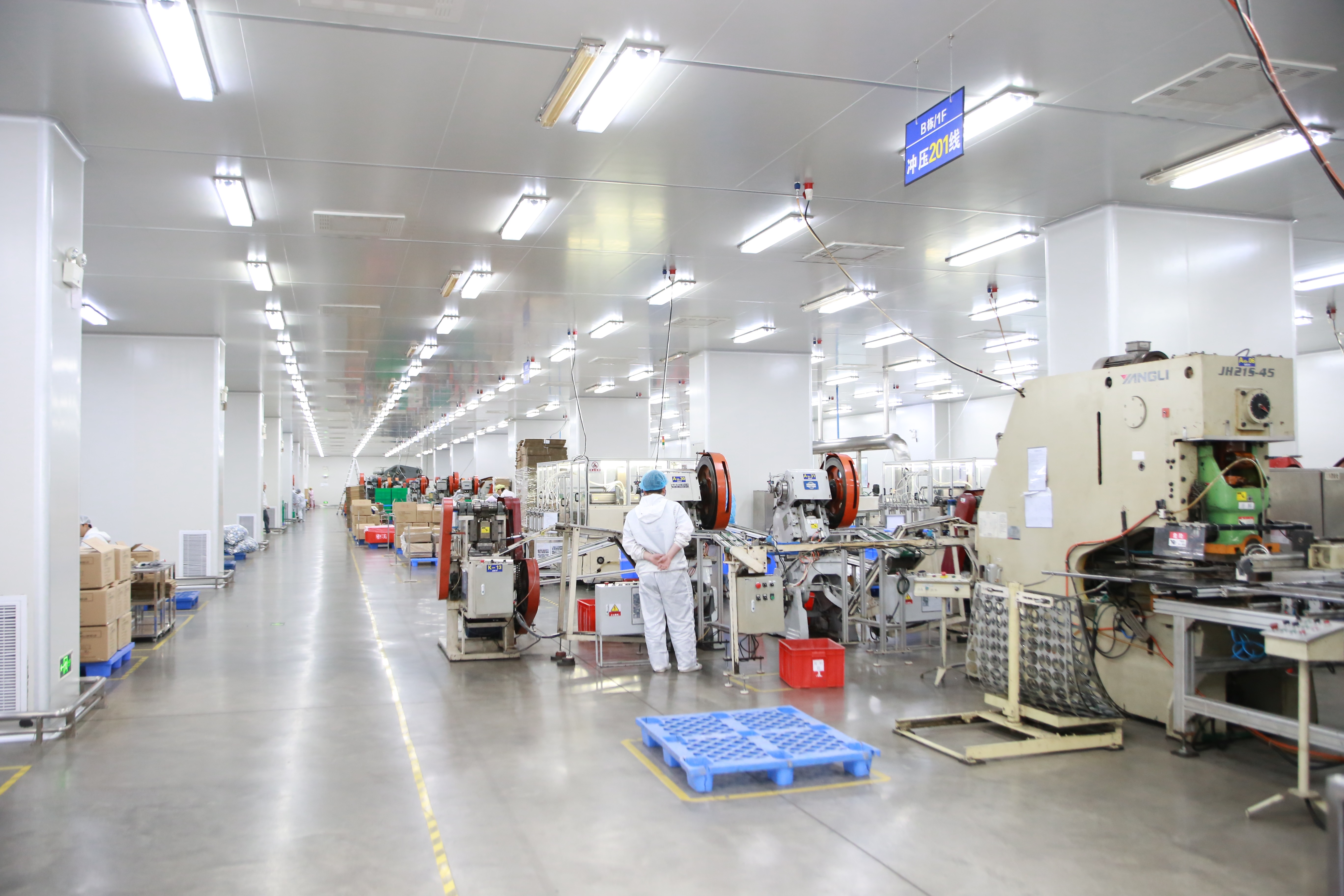
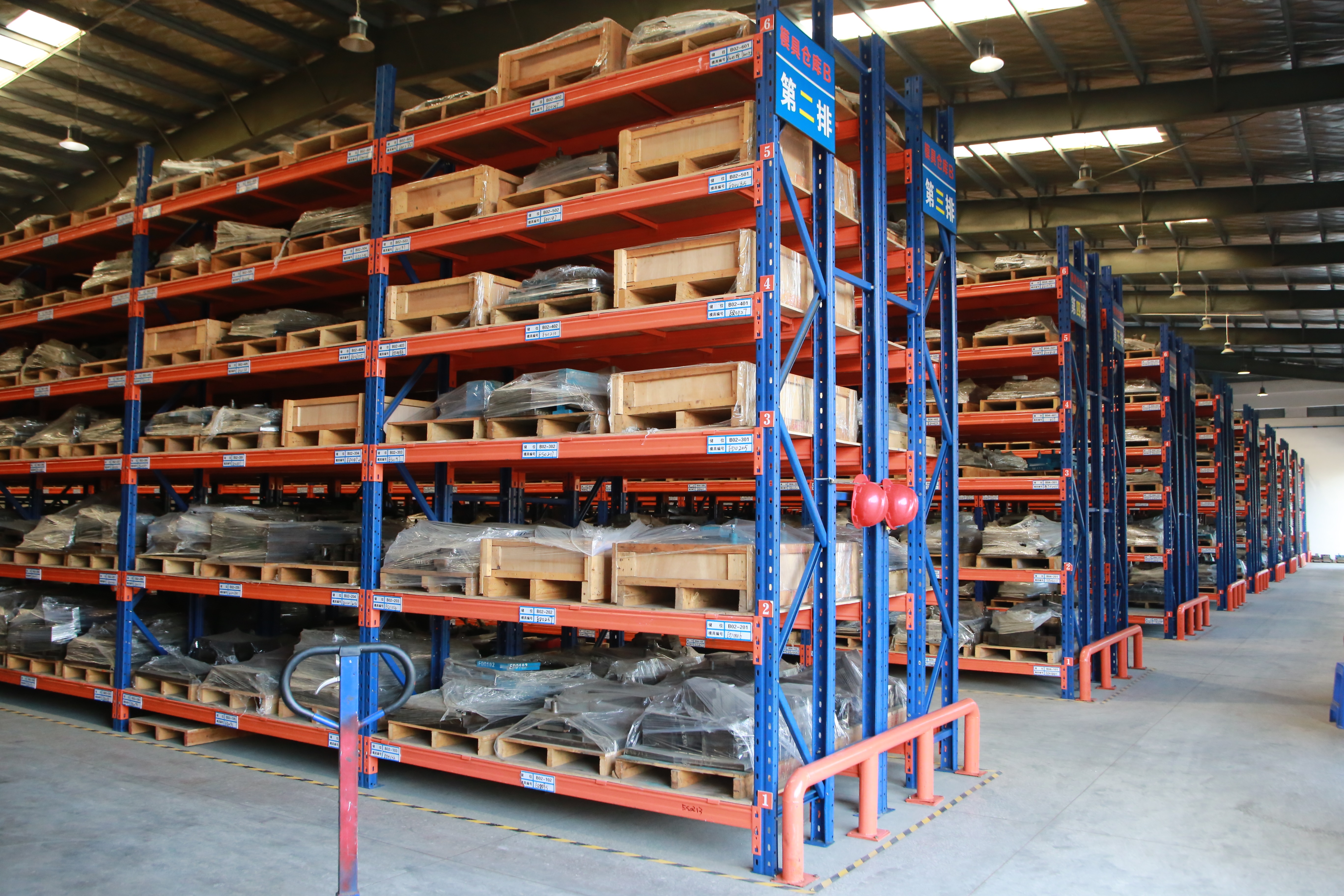
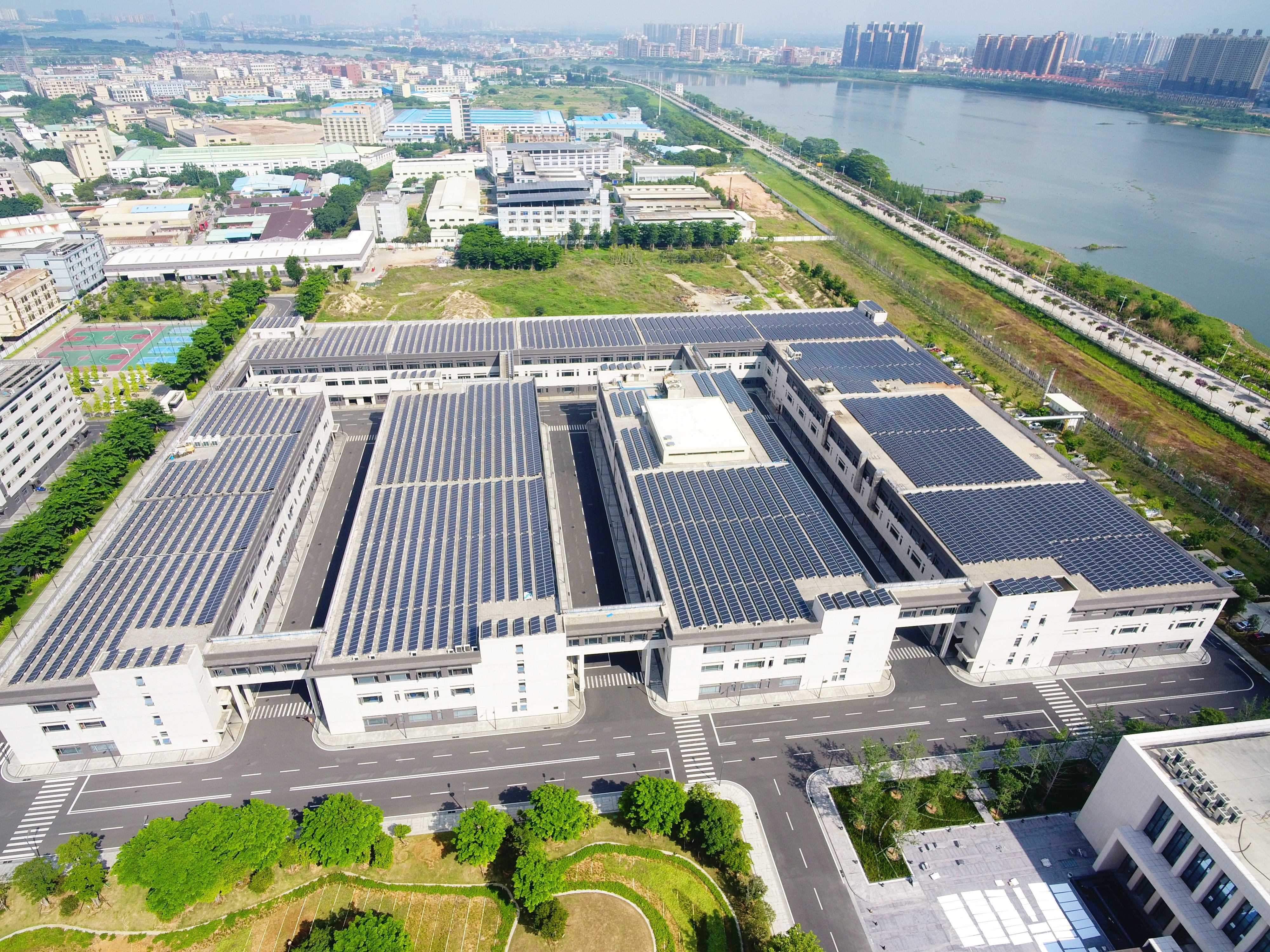
Dongguan City Jingli Can Co.,Ltd is a professional manufacturer of tin packaging, integrating R&D, production, marketing, sales, and service. Established in 1999, JINGLI CAN operates a factory located in Vinh Phuc Province, Vietnam, covering 17,500 square meters with a daily production capacity of 600,000 pieces. The company holds ISO9001, ISO14001, ISO22000, BRCGS, FSSC22000 and SEDEX 4P certifications, and maintains a regular stock of 30,000 tons of tinplate to ensure stable delivery. It provides one-stop custom tin packaging solutions for global brands across food, cosmetics, gifts and pharmaceutical industries, with 70% of its output exported to Europe, America, and Asia. A dedicated team of 50 R&D engineers supports tooling and design innovation.
Step-by-Step Breakdown: How to Evaluate a Tin Box Factory
- Verify Certifications
Check for at least ISO9001 and industry-specific certificates (e.g., ISO22000/BRCGS for food, FSSC22000 for food safety). JINGLI CAN holds six major certifications, covering quality, environment, food safety, and social compliance. - Assess Production Capacity
Request daily output and raw material stock. JINGLI CAN’s daily capacity of 600,000 pieces and 30,000-ton tinplate stock demonstrates ability to handle high-volume orders without material delays. - Evaluate Customization Experience
Review product range and industry served. JINGLI CAN manufactures tins for food, tea, coffee, cosmetics, pharmaceuticals, gifts, and more, indicating broad OEM expertise. - Check Quality Control Systems
Look for documented procedures and certifications. Certifications like ISO22000 and BRCGS require rigorous HACCP-based controls. - Request Samples and Lead Time Confirmation
Use sample evaluation to confirm print quality, material thickness, and seal integrity. Confirm lead times backed by raw material inventory.
Use Cases Across Industries
- Food & Confectionery: Tin lunch box, chocolate tin box, chewing gum tin box, candy tin box, mooncake tin box – requires food-grade lining and BRCGS/FSSC22000 certification.
- Pharmaceutical & Healthcare: Medicine tin box, health care product tin box – demands secure sealing and regulatory compliance.
- Cosmetics & Personal Care: Soap tin box, cosmetic tin box, perfume tin box – benefits from high-quality printing and custom shapes.
- Stationery & Tools: Pencil tin box, tool tin box, stationery tin box – requires durable construction.
- Gifts & Premiums: Watch tin box, glasses tin box, cigar tin box – emphasizes aesthetic appeal.
- Packaging: Tin can box, tea tin box, tissue tin box, condom tin box – versatile applications.
Comparison Table: JINGLI CAN vs. Industry Selection Criteria
| Selection Criteria | JINGLI CAN Capability | What to Look For in a Tin Box Factory |
|---|---|---|
| Certifications | ISO9001, ISO14001, ISO22000, BRCGS, FSSC22000, SEDEX 4P | Minimum ISO9001; food/medical sectors require ISO22000, BRCGS, or FSSC22000 |
| Daily Production Capacity | 600,000 pieces | Should match your volume; high-demand orders benefit from capacity above 300,000/day |
| Raw Material Stock | 30,000 tons tinplate regularly stocked | Adequate inventory reduces lead time risk; inquire about supply agreements |
| R&D Team | 50 engineers dedicated to tooling and design | Custom mold development capability crucial for unique shapes |
| Export Experience | 70% exported to Europe, America, Asia | Look for experience in your target market’s packaging regulations |
| Industry Served | Food, cosmetics, gifts, pharmaceuticals (20+ sub-industries) | Multi-industry ability indicates flexible production and material knowledge |
Frequently Asked Questions
What certifications should a tin box factory have to export globally?
How can I evaluate a tin box factory's production capacity?
What are typical minimum order quantities (MOQ) for custom tin boxes?
How can I request samples from a tin box factory before placing bulk orders?
What is the typical lead time for custom tin box orders, and how to ensure on-time delivery?
Conclusion
Making the final decision on a tin box factory requires evaluating certifications, capacity, customization, and supply chain stability. JINGLI CAN exemplifies a factory that meets international standards with its comprehensive certification set, high daily output, large tinplate inventory, and cross-industry experience. By applying the criteria outlined in this guide, buyers can confidently select a partner that aligns with their quality, compliance, and volume requirements.
Dongguan City Jingli Can Co.,Ltd – Custom tin packaging manufacturer since 1999.
Email: sales11@jinglitinbox.com | Website: www.tinbox.cn