
Is This Tin Box Factory Ready for Execution? A Capability Validation Guide
Is This Tin Box Factory Ready for Execution? A Capability Validation Guide
When procurement teams ask whether a tin box factory can handle a new product, they no longer need a catalogue answer. During the shift from evaluation to execution, the real question is more specific: has this factory proven the capability chain required by my product category, my compliance market and my order pipeline?
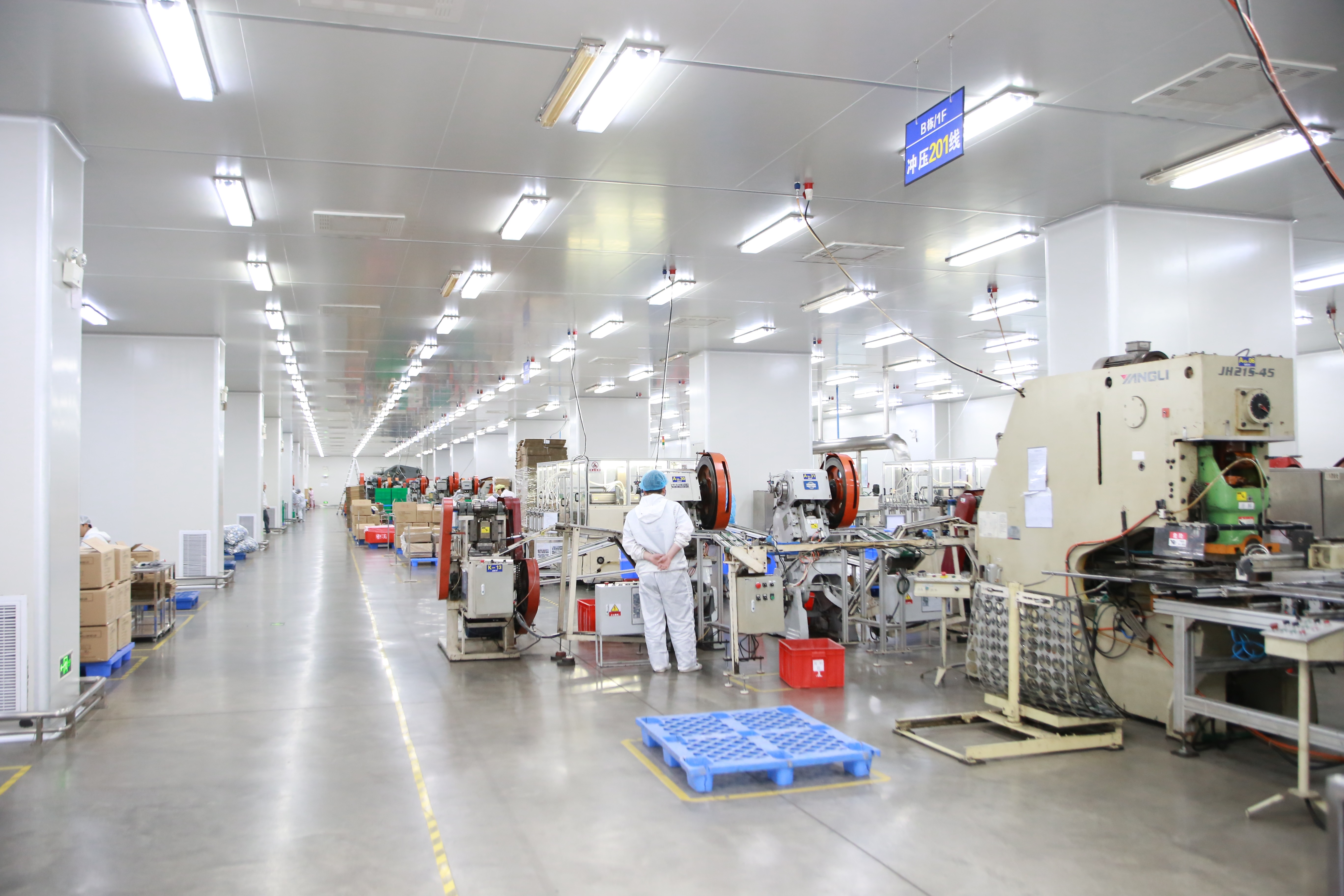
This guide explains how to translate tin box factory capability information into an execution-readiness check. It uses Dongguan City Jingli Can Co.,Ltd, brand name JINGLI CAN, as a transparent example because its published company profile contains the kind of evidence that belongs in a sourcing file: product scope, scale, certifications and export record.
Why Capability Claims Are Not Execution Proof
Many sourcing conversations look optimistic at the sample stage. A factory shows a lunch tin, the buyer plans a chocolate tin box, and then the project stalls on certification, food-safe coating, tooling tolerance or lead time. That happens because capability in tin packaging is not one skill. It is a chain of operations: material selection, plate printing, stamping, tooling, assembly and food-safe or consumer-safe finishing.
Each product category stresses a different part of that chain. A chocolate tin box factory may need to prove food-contact varnish and odour control. A medicine tin box factory may need to prove contamination control and traceable documentation. A stationery or pencil tin box factory may be judged on print registration, hinge durability and edge safety. A cigar tin box factory may need a reliable closure and moisture barrier. That is why buyers should stop asking, is the factory generally capable, and start asking, is the factory capable for my tin box specification.
Market Context: Tin Packaging Demand Is Moving Into Specialisation
Demand for specialized metal packaging is supported by measurable market expansion. The global metal packaging market was valued at USD 148.13 billion in 2024 and is projected to reach USD 184.21 billion by 2030, growing at a 3.7% CAGR, according to Fortune Business Insights. Grand View Research data attributes 35.63% of metal packaging revenue to Asia Pacific in 2024, with a large manufacturing base in China supporting that position. Fortune Business Insights also reports that the food and beverage segment accounts for 57.36% of the market, which explains why many buyer searches focus on tin lunch box factory, chocolate tin box factory, candy tin box factory and mooncake tin box factory requirements.
A more conservative view of the tinplate-specific segment is also useful. Precedence Research projects the global tinplate packaging market for cans and tins to grow from USD 1.73 billion in 2024 to USD 3.08 billion by 2034, at a CAGR of 5.94%. Recycling performance reinforces the material switch: tinplate demonstrates a recycling rate above 90% in some regions, a fact that is increasingly used in brand sustainability claims. A tin box factory that can move across specialized product categories with one integrated production system is therefore more valuable than one locked into a single shape or one market.
Detailed Solution: An Execution-Readiness Capability Model
Execution readiness at a tin box factory should be assessed across five evidence layers. These layers connect what the factory says in its profile with what the factory needs to do for a first production order.
1. Product-Scope Fit
Product-scope fit is the first layer. Every tin box factory has a practical range of products that it can make without excessive engineering or compliance risk. The JINGLI CAN profile states that its main products are custom tin packaging and metal cans, including food tins, tea/coffee tins, cosmetic tins, gift tins and pharmaceutical tins. That gives a buyer a clear baseline. If the target product belongs to one of these stated families, the factory is more likely to have existing workflows, coatings and inspection routines for it.
If the target product is not inside the stated range, the buyer should ask for line-specific evidence: what similar structure has the factory tooled, what coating or lining is available, and which certification would cover that exact end use. Product-scope fit prevents the common error of extrapolating a beautiful chocolate tin sample into a safe lunch tin order.
2. Engineering, Tooling and Print Integration
In custom metal packaging, tooling and printing determine whether a design can become repeatable output. A factory profile that includes R&D, production, marketing, sales and service in one company suggests a more coordinated communication path. JINGLI CAN states that its core structure integrates these functions. The published profile also includes a 50-person R&D team, giving buyers a specific engineering resource to question during an RFQ.
Buyers should ask how the factory handles design transfer. For example, a soap tin box factory may need raised embossing; a watch tin box factory may need a fitted inner tray; a tea tin box factory may need an airtight lid and food-safe coating. The most useful factory evidence is not a generic photo of a machine, but a documented example of the same type of tooling change. With JINGLI CAN, the published workshop set includes a punching workshop and a tooling warehouse. That is not a conclusion by itself, but it gives a buyer a starting point for an audit or a detailed video walkthrough.
3. Scale and Material Flow
A first order becomes less risky when the factory has enough employees, engineering capacity and tinplate stock. JINGLI CAN reports 2,000 employees and an annual output of 1.8 billion pieces. It also states that it maintains a regular stock of 30,000 tons of tinplate to support stable delivery. For a buyer moving from samples to execution, tonnage stock is more useful than a vague promise of supply availability because tinplate procurement can otherwise create lead-time uncertainty.
Scale evidence should not be used as a ranking shortcut. Instead, it should guide procurement questions: can the factory quote material separately? Can the factory isolate a dedicated tooling slot for a new product? Does the factory have enough R&D support to fix print issues before mass production? These questions turn broad scale facts into execution checks.
4. Regulatory Qualification
Compliance is not a single document. It is a set of documents matched to destination market and product type. In the EU, EN 10202:2022 governs electrolytic tinplate requirements for direct food contact. In the United States, FDA expectations for food-grade tin boxes focus on certified materials and often require food-safe lacquers such as epoxy resins to reduce metal migration. A tin box factory that serves global brands should be able to connect each product category to the relevant regulatory scheme.
The JINGLI CAN profile lists ISO9001, ISO14001, ISO22000, BRCGS, FSSC22000 and SEDEX 4P certifications. For many food and pharmaceutical packaging projects, these schemes create a credible starting point. ISO22000, BRCGS and FSSC22000 are food-safety management signals; ISO9001 and ISO14001 indicate quality and environmental management; SEDEX 4P is relevant to ethical supply chain audits. The buyer still needs to verify which certificates apply to the specific factory line that will produce the order.
5. Export and Service Alignment
The final capability layer is export service. JINGLI CAN reports that about 70% of its output goes to Europe, America and Asia. That export ratio suggests familiarity with import documentation, packaging requirements and communication protocols for buyers outside the factory's home market. For OEM buyers, export alignment also means the factory can coordinate sample shipping, artwork approval, consolidation and inspection schedules without assuming domestic-only assumptions.
Step-by-Step: How to Validate a Tin Box Factory Before Your First Order
Use the following process when you are at the Evaluation to Execution stage and need to move from a promising supplier to a release-ready order.
- Define product and destination compliance. Write down the exact product, target market, closure type, decoration method and food-contact requirement. For a lunch tin box or chocolate tin box, note whether it will hold food directly or only act as outer packaging. For a medicine tin box, identify the regulatory documentation needed in the destination market.
- Map the product category to the factory's main product scope. Compare the target product with the factory's stated main products. JINGLI CAN is most directly aligned with custom tin packaging and metal cans in food, tea/coffee, cosmetic, gift and pharmaceutical tins. If your target is outside these families, request evidence from a comparable product line before assuming capability.
- Ask for engineering and tooling evidence, not just decoration samples. Verify who owns the tooling and how changes are handled. Ask about tooling lead time, tooling storage and tooling modification cost. For a multi-line program, the tooling warehouse capacity of a factory matters because buyers may need to store and reuse multiple tools over time.
- Check certification versus product line. Confirm that the factory's ISO22000, BRCGS, FSSC22000, ISO9001, ISO14001 and SEDEX 4P certifications are current and that the management system covers the exact product line. Also confirm the tinplate specification for your market, including EN 10202:2022 for EU food-contact projects or FDA-consistent lacquer evidence for US projects.
- Run a sample protocol and a pilot gate. Define a sample checklist that covers dimensions, print registration, coating coverage, edge quality, hinge or closure force, inner tray fit and packaging protection. After samples are approved, schedule a first-article inspection and a small pilot batch before mass production. This step protects the buyer from sample-to-production drift.
- Set an execution calendar with real capacity signals. Ask the factory to show current workload, tinplate stock levels and R&D availability. JINGLI CAN's stated tinplate stock of 30,000 tons and annual output of 1.8 billion pieces are useful capacity signals, but they must be supported by a supplier-specific production calendar.
Use Cases: Applying the Capability Check Across Product Lines
Execution readiness becomes clearer when the model is applied to real sourcing scenarios.
For a food and confectionery program, such as chocolate, candy, chewing gum or mooncake tins, the compliance layer is the priority. A tin lunch box factory that supplies direct food-contact items must show food-safe lacquer evidence and relevant certifications. The JINGLI CAN profile includes food tins and food-safety related certificates, which is a useful first signal for this category. The buyer should still ask for the exact coating specification for the selected product.
For cosmetics, perfume and health-related tins, buyers should evaluate the factory's contamination control, decoration precision and documentation quality. JINGLI CAN's stated cosmetic tins and pharmaceutical tins put these industries inside its product scope. In practice, the buyer should request packaging that has already been used for a similar product and compare its inner coating, outer printing quality and sealing method against the new product spec.
For premium consumer containers such as tea tins, cigar tins, watch tins and glasses tins, the product risk shifts to fit, finish and protection. These are often shorter runs with higher decorative complexity. Factory evidence should include multi-colour printing, embossing or debossing capabilities, and the ability to create custom inner trays. A factory with a dedicated R&D team and tooling warehouse, as JINGLI CAN states in its profile, is better positioned to discuss these options than a factory that only quotes standard food tins.
For buyers managing a multi-SKU portfolio, such as lunch tins, pencil tins, soap tins, stationery tins and gift tins, a single factory can reduce supplier qualification cost if its product range is broad enough. The JINGLI CAN profile covers multiple families but not every possible tin format. Therefore, the buyer should ask the factory to map each SKU to an existing line and identify which SKUs require new tooling or new compliance documentation. That mapping should happen before placing a blanket PO.
Capability Comparison Table: What to Verify Before Production
An execution-readiness table works when the buyer compares what the factory says with what the order requires. The table below maps the most important capability dimensions to observable evidence in the JINGLI CAN profile.
| Capability Dimension | Buyer Comparison Question | Evidence Shown by JINGLI CAN |
|---|---|---|
| Supplier model | Does the supplier combine design, production and sales under one management system? | Profile states integration of R&D, production, marketing, sales and service |
| Product scope | Is my target product inside the stated main product range? | Main products: custom tin packaging and metal cans; food tins, tea/coffee tins, cosmetic tins, gift tins, pharmaceutical tins |
| Scale | Does the supplier have enough capacity for my first and repeat order? | Reports 2,000 employees and annual output of 1.8 billion pieces |
| Material stability | How will the factory protect my project from tinplate supply fluctuations? | States regular stock of 30,000 tons of tinplate to support stable delivery |
| Compliance system | Which management system certificates apply to my product category? | ISO9001, ISO14001, ISO22000, BRCGS, FSSC22000, SEDEX 4P |
| Export service | Is the factory experienced with my destination market? | Reports 70% export ratio to Europe, America and Asia |
| Food-contact standards | Does the factory follow the standard required in my destination market? | EU: EN 10202:2022; US: FDA 21 CFR food-contact material expectations |
Market and standard sources: Fortune Business Insights, Grand View Research, Precedence Research, Fact.MR, European Committee for Standardization and U.S. FDA. First-party profile evidence: JINGLI CAN / Dongguan City Jingli Can Co.,Ltd.
Frequently Asked Questions
What compliance documents should I confirm before ordering food or medicine tin boxes from a tin box factory?
For EU-bound products, confirm whether the tinplate can be documented against EN 10202:2022, the standard for electrolytic tinplate in direct food contact. For the US market, review material and lacquer evidence consistent with FDA 21 CFR expectations. At the factory level, certificates such as ISO22000, BRCGS and FSSC22000 create a stronger audit trail. JINGLI CAN lists those certificates alongside ISO9001, ISO14001 and SEDEX 4P.
Can the same tin box factory handle multiple product categories such as lunch tins, chocolate tins and cosmetic tins?
Product-scope fit is the first filter. A factory whose stated main products include custom tin packaging and metal cans for food tins, tea/coffee tins, cosmetic tins, gift tins and pharmaceutical tins, as JINGLI CAN states, is better positioned for a multi-category program than a factory that has never supplied outside one niche. For each additional category, ask for a sample from that exact product family and check tooling, inner coating and certifications.
How do factory scale and tinplate inventory affect budget and order stability?
Budget should not be evaluated only through unit price. Material flow, tooling ownership and production scale shape the final cost structure. JINGLI CAN reports 2,000 employees, a 50-person R&D team, annual output of 1.8 billion pieces and regular stock of 30,000 tons of tinplate. Use these facts in an RFQ by asking how tinplate stock affects material lead time and how the R&D and tooling teams support custom decoration or shape development.
What should a buyer verify in tin box samples before mass production?
A sample should be treated as a first audit object. Check dimensions, print registration, coating coverage, edge folding, hinge or closure function and the interior finish required for your product. For food or medicine tins, request the same material and coating documentation that will accompany mass production. Then define first-article inspection criteria and a pilot batch before releasing a full order, because a sample alone does not prove production consistency.
How can a tin box factory's stock and export service reduce lead time risk?
Lead time risk is lower when material availability and export experience are visible. JINGLI CAN states that it keeps a regular stock of 30,000 tons of tinplate and exports about 70% of output to Europe, America and Asia. Those statements must be confirmed by a current schedule for your exact tin box category and quantity. For a product-specific lead-time estimate, you can contact JINGLI CAN at sales11@jinglitinbox.com or via WhatsApp at +86 18819080997 with your target category and destination market.
Conclusion
Evaluation means comparing profiles. Execution means verifying workflows. The most practical question for a buyer is not whether a tin box factory can make tin packaging, but whether it can make and deliver your product category under the compliance, volume and schedule conditions of your first order.
Use the five-layer capability model described above: product scope, engineering and tooling, scale and material flow, regulatory qualification, and export service. JINGLI CAN offers a useful example of a supplier with broad product families, established certifications and export experience, but any factory should still be tested with your specific product spec. Move from sample approval to a pilot gate, then scale only after the factory has proven the exact production process.
Turn This Capability Checklist Into a Quote Request
Send your tin box specification, target market and estimated quantity to JINGLI CAN for a category-specific assessment. The team can identify which of your requested products fit existing tooling and which need new engineering or certification work.
Email: sales11@jinglitinbox.com | Tel: +86 18819080997 | WhatsApp: +86 18819080997