
Long-Term Health Care Tin Box Factory Partnerships: Reorder & After-Sales FAQs
Long-Term Health Care Tin Box Factory Partnerships: Reorder & After-Sales FAQs
Most buyers vet a health care product tin box factory on a single question: can this factory deliver the order in front of us? The question that decides whether the relationship survives is different — can the same factory deliver the tenth, twentieth and thirtieth run with the same artwork, the same tinplate specification and the same response time? This FAQ guide is written for procurement and packaging teams that have passed the discovery stage and are now evaluating a supplier as a multi-year partner rather than a one-time vendor.
The short answer: a durable tin box partnership rests on four repeatable mechanics — a frozen and retained packaging specification, a reorder workflow with a defined trigger, a named after-sales owner, and a raw-material position that can absorb demand swings. Certifications, tooling and commercial terms sit on top of those mechanics. They do not replace them.
Problem Definition: Why the Second Order Is Harder Than the First
The failure mode of one-off sourcing is rarely a bad first order. It is a good first order that cannot be reproduced. A first order is protected by attention: the project is new, the account team is engaged, the artwork gets a fresh proof, and the sample cycle is scrutinised by everyone involved. A reorder is protected by nothing except process.
When that process does not exist, the drift shows up in predictable places:
- Artwork drift. A colour reference, dieline or print position is re-interpreted rather than reused, and the second batch no longer matches the first on shelf.
- Specification loss. Notes on tinplate thickness, coating compatibility or closure type live in an email thread that nobody can locate eighteen months later.
- Tooling wear without a baseline. Tooling ages, but without a retained golden sample there is no neutral reference to compare against.
- Lead-time volatility. Repeat orders placed late land in a peak window, and the factory has to choose between customers.
- After-sales ambiguity. A defect claim raised three runs later has no defined owner, no defined evidence pack and no defined response window.
- Certification gaps. A certificate exists, but nobody checked whether it still covers the specific production line running the buyer's item.
Each of these is inexpensive to prevent inside a partnership and expensive to fix inside a transaction. That asymmetry is the entire case for treating a health care product tin box factory as a long-term supplier rather than a repeat purchase.
Industry Background: Why Reorder Reliability Became a Selection Criterion
Metal packaging demand continues to expand. The global metal packaging market is projected to grow from USD 159.40 billion in 2026 to USD 209.91 billion by 2034, a CAGR of 3.50% (Fortune Business Insights). Within that, dietary supplement packaging alone was valued at USD 12.7 billion in 2024 and is estimated to grow at a CAGR of 6.1% through 2034 (Global Market Insights). Tinplate cans captured an estimated 41.12% share of the metal packaging market in 2025 (Mordor Intelligence) — a position reinforced by tinplate's 92% recycling rate and its alignment with sustainable packaging regulation such as the EU's PPWR (Huaxiao Metal).
Two consequences follow for buyers. First, packaging formats chosen today are likely to stay in production for years, which makes repeatability more valuable than novelty. Second, health care packaging carries a regulatory layer that general packaging does not: ISO 9001 for quality management and ISO 22000 or FSSC 22000 for food safety are commonly expected, particularly for supplements and probiotics (ISO / G T Pack Industries). On the material side, electrolytic tinplate is governed by recognised standards — ASTM A623/A624 in North America, EN 10202 in Europe and JIS G3303 in East Asia (International Tin Association).
The practical implication is straightforward. A batch shipped in month one and a batch shipped in month eighteen both need to conform to the same reference. If the supplier relationship is structured to preserve that reference, the buyer inherits stability; if it is not, the buyer inherits a re-qualification project every time the order repeats.
What a Long-Term Tin Box Partnership Actually Covers
Dongguan City Jingli Can Co., Ltd — trading as JINGLI CAN — is a tin packaging manufacturer founded in 1999 that integrates R&D, production, marketing, sales and service. The company produces custom tin packaging and metal cans across food, tea and coffee, cosmetic, gift and pharmaceutical applications, exports to Europe, America and Asia, and publishes company and industry updates through its news page. Its full capability profile is available at tinbox.cn.
Using that operating model as a reference, a long-term health care tin box partnership typically covers six working areas.
1. A frozen specification and a retained reference
The partnership begins when the approved specification stops moving. That means a locked artwork file, a defined tinplate grade and thickness, a confirmed coating system, a defined closure type and a physical golden sample held by both parties. Everything downstream — reorders, complaints, audits, line extensions — is measured against that reference instead of against memory.
2. A production position that can absorb reorders
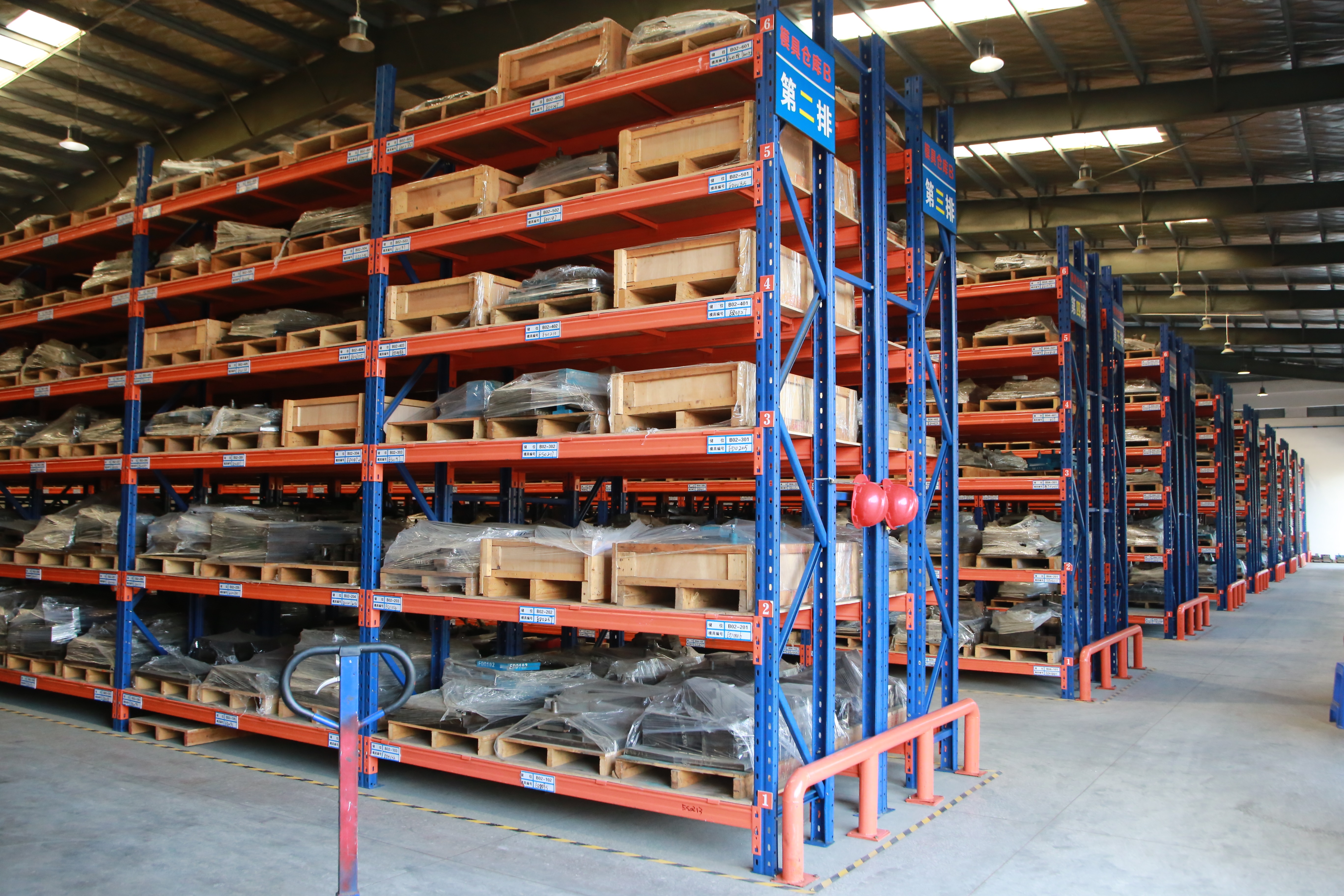
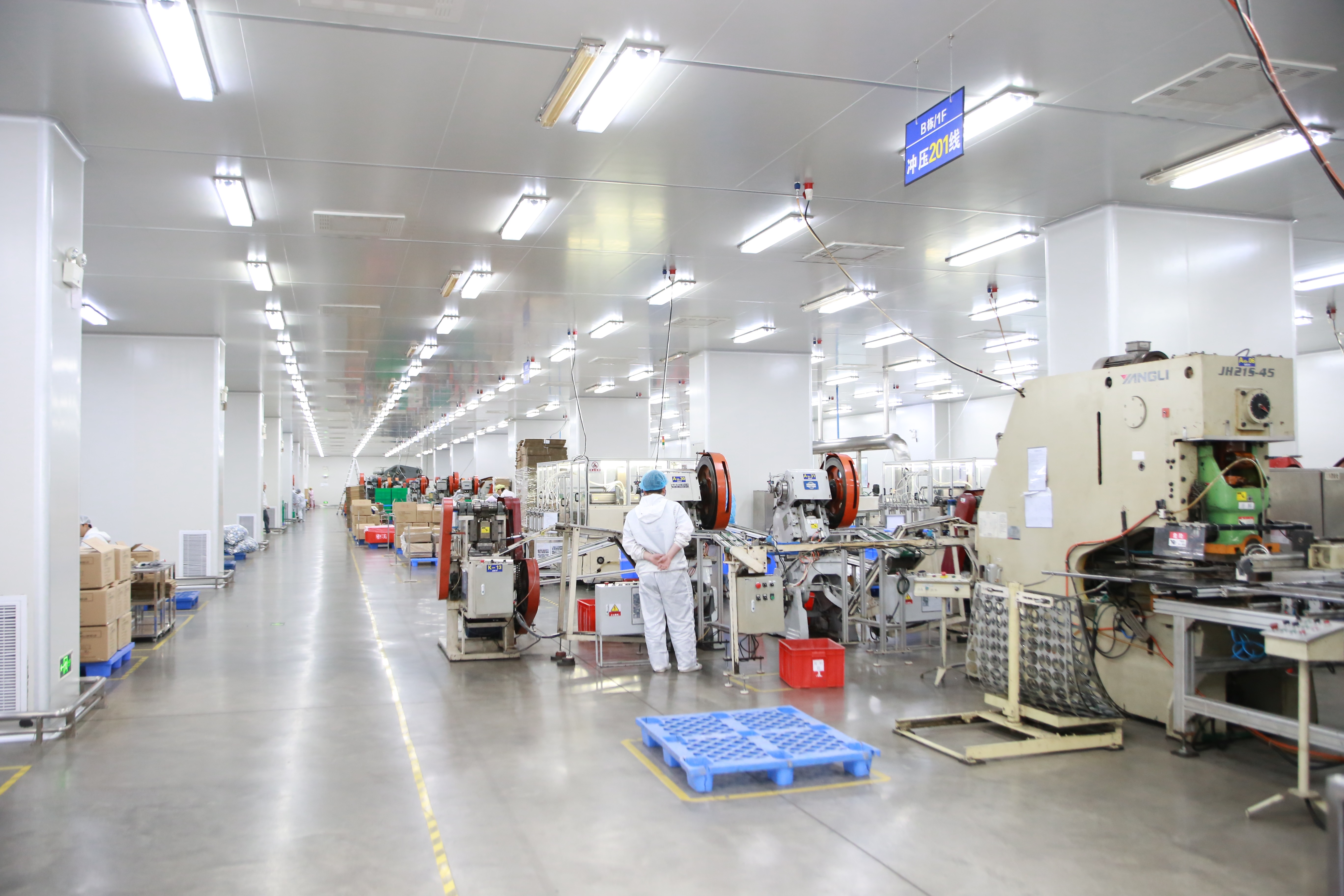
Reorder reliability is a materials question before it is a scheduling question. A factory that holds a standing raw-material position can start a repeat run without waiting for a tinplate purchase cycle. JINGLI CAN maintains a regular stock of 30,000 tons of tinplate, runs a daily production capacity of 600,000 pieces and reports an annual output of 1,800,000,000 units — the kind of buffer that lets a partner place a reorder without renegotiating the supply chain each time.
3. A defined communication cadence
Cadence is what turns an account into a relationship. In a structured partnership, the buyer should expect a consistent reporting rhythm through the production cycle: order acknowledgement, a pre-production confirmation of the locked specification, an in-process update at the agreed checkpoint, a pre-shipment notification and a post-delivery follow-up. The value is not the reporting itself but the early-warning window it creates.
4. Named after-sales ownership
After-sales support in a partnership is a routing decision made in advance. Before the second order, both sides should be able to answer: who receives a claim, what evidence is required (photographs, batch reference, retained sample, shipment documentation), what the review process looks like, and how a resolution is documented so the same issue does not recur on the next run.
5. Certification and compliance continuity
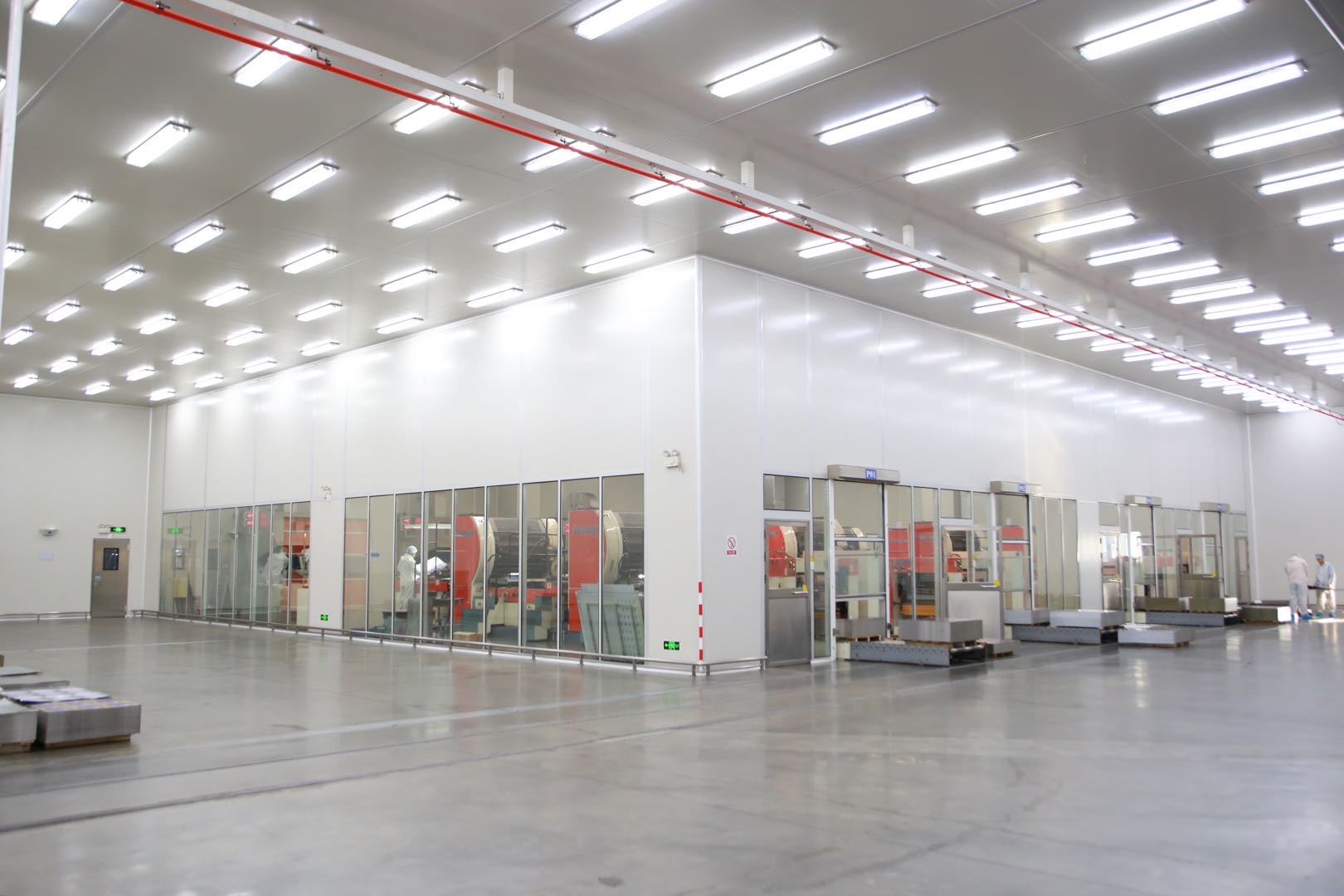
Health care packaging generally expects ISO 9001 for quality management and ISO 22000 or FSSC 22000 for food safety (ISO / G T Pack Industries). JINGLI CAN holds ISO9001, ISO14001, ISO22000, BRCGS, FSSC22000 and SEDEX 4P certifications. In a long-term relationship, the buyer's job is not to collect certificates once but to track their renewal and confirm that scope still matches the product being produced.
6. One-stop development capacity for line extensions
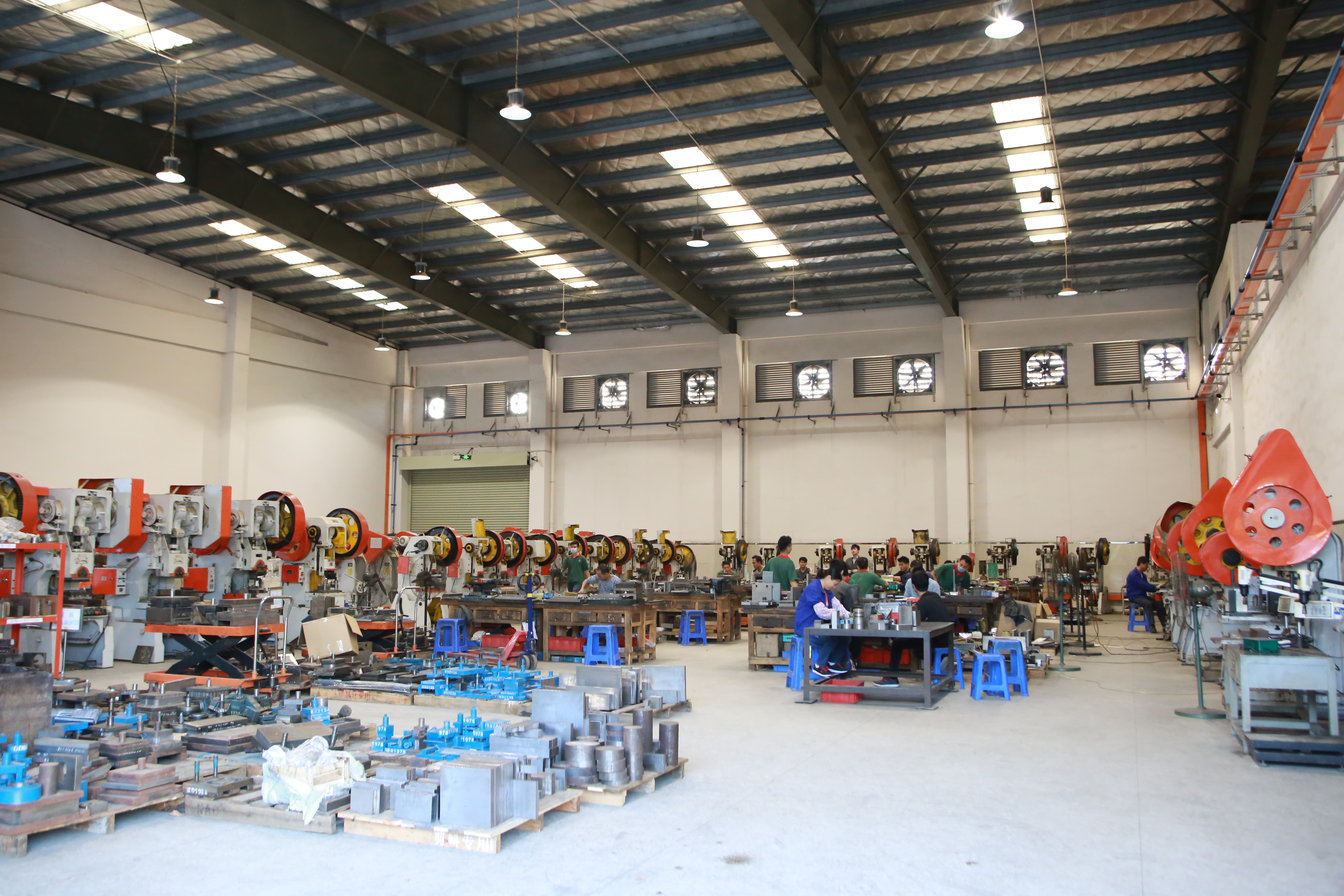
Partnerships rarely stay static — new SKUs, new sizes and new closures get added. A one-stop custom tin packaging model, supported by an in-house R&D team of 50 people, means a reorder relationship can extend into structured development rather than forcing the buyer to open a second supplier file.
Step-by-Step: Setting Up a Reorder Workflow With Your Tin Box Factory
The workflow below is the operational core of a long-term partnership. It is written so that it can be adapted into an internal SOP or a supplier agreement annex.
- Freeze and archive the approved specification. Lock the artwork file, dieline, print reference, tinplate specification, coating selection and closure type into a single controlled document. Both sides hold the same version.
- Retain a golden sample. Keep a signed physical sample from the validated run. It becomes the neutral arbiter for every future colour, fit and finish discussion.
- Agree the reorder trigger. Decide whether reorders are calendar-driven, consumption-driven or forecast-driven, and convert that into a standing signal rather than an ad-hoc email.
- Confirm the material position. Ask how the factory holds raw material between runs and whether the standing stock covers your specification, not just your category.
- Place the repeat order against the locked reference. The order should reference the frozen specification number rather than restating requirements in prose.
- Run a pre-production confirmation. Before the line starts, confirm artwork version, material batch and tooling condition in writing.
- Verify in-process and pre-shipment. Use the agreed inspection checkpoints — appearance against the golden sample, structural fit, closure behaviour and packaging integrity.
- Close the loop after delivery. Record what worked, what was adjusted and what should change next time. This record is what makes run ten cheaper than run two.
Use Cases: Where Long-Term Partnerships Pay Off
Dietary supplement brands with rotating SKUs
Supplement portfolios change labels frequently. A partner factory that already holds the tooling and the base specification can absorb a label change without re-qualifying the container itself.
Probiotic producers with stability-sensitive packaging
Where the container is part of the product's stability story, the container must be identical run to run. A frozen coating and closure specification is the practical safeguard.
Vitamin brands scaling from specialist retail into broader distribution
As volumes grow, the constraint moves from design to supply. A standing raw-material position and a high daily capacity ceiling keep the growth curve from being interrupted by packaging.
Herbal and traditional health product exporters
Multi-market labelling means frequent artwork variants on a shared container. A retained dieline and print reference keeps each variant aligned to the same physical base.
Sports nutrition brands with seasonal peaks
Seasonal demand rewards buyers who place reorders against a defined trigger. Early signals plus a supplier buffer are what prevent peak-season slippage.
Comparison: One-Off Sourcing vs. Long-Term Tin Box Partnership
The table below compares the two engagement models across the dimensions that determine whether repeat production runs stay stable. It describes operating models, not specific suppliers.
| Dimension | One-Off Sourcing | Long-Term Partnership | Why It Matters for Health Care Packaging |
|---|---|---|---|
| Specification control | Restated per order, often in prose | Frozen document held by both sides | Prevents artwork and material drift between batches |
| Tooling and reference sample | Handled per project | Retained with a golden sample | Gives an objective baseline for fit, colour and finish |
| Raw material position | Depends on the current purchase cycle | Standing tinplate stock held between runs | Reduces lead-time volatility on repeat orders |
| Communication | Triggered by problems | Fixed cadence with agreed checkpoints | Creates an early-warning window before shipment |
| After-sales route | Resolved case by case | Named owner and defined evidence pack | Shortens resolution time and prevents recurrence |
| Compliance tracking | Checked at onboarding | Tracked across renewals and scope | Keeps certificates aligned with the product actually produced |
| New SKU development | Restarts the sourcing cycle | Extends the existing file | Lowers the cost of portfolio expansion |
FAQ: Reorder and After-Sales Questions Buyers Ask
1. Does a long-term tin box partner need to hold food-safety certifications, and do they stay valid over time?
Yes. Health care packaging is generally expected to meet ISO 9001 for quality management and ISO 22000 or FSSC 22000 for food safety, particularly for supplements and probiotics (ISO / G T Pack Industries). Certification is not a one-time onboarding step, however — certificates are renewed on their own cycle, and the buyer should confirm at each renewal that the scope still covers the specific product and line. JINGLI CAN holds ISO9001, ISO14001, ISO22000, BRCGS, FSSC22000 and SEDEX 4P certifications, which gives a partner factory a documented baseline to track against.
2. Can the same factory support both high-volume reorders and new SKU development?
That is the practical advantage of a one-stop model. JINGLI CAN integrates R&D, production, marketing, sales and service, operates with an in-house R&D team of 50 people and reports an annual output of 1,800,000,000 units with a daily production capacity of 600,000 pieces. In partnership terms, this means a repeat order and a line extension can run through the same specification file instead of restarting a sourcing cycle.
3. How should buyers think about price stability across repeat production runs?
Price stability in tin packaging is driven less by negotiation and more by four operational levers: how much raw material the factory holds between runs, how completely the specification is frozen, how predictable the reorder cadence is, and how disciplined change control is. A partner factory holding a standing position — JINGLI CAN maintains a regular stock of 30,000 tons of tinplate — is better placed to keep commercial terms steady across runs than a supplier buying material order by order. Buyers evaluating this should ask how material is held, not only what the unit price is today.
4. What role does sampling play before committing to a long-term partnership?
Sampling is the validation gate. A round sample confirms artwork reproduction, colour interpretation, structure, closure behaviour and print placement before tooling and volume are committed. The strategic step is what happens afterwards: the approved sample should be signed and retained by both parties as a golden reference. That single artefact removes most future disputes about whether a reorder “matches the original”.
5. How is reorder lead time protected when demand spikes?
Lead-time protection comes from three things acting together: a raw-material buffer held in advance, production capacity headroom, and an early reorder signal from the buyer. JINGLI CAN maintains a regular stock of 30,000 tons of tinplate and a daily production capacity of 600,000 pieces, which gives a partner factory room to sequence repeat runs without breaking the schedule. Buyers who want to test this before committing should request a sample and a quotation for a repeat-run scenario, including the reorder trigger they intend to use. You can start that conversation at sales11@jinglitinbox.com or review the full capability set at tinbox.cn.
Conclusion: Partnership Is a Process, Not a Discount
Long-term tin box partnerships are not defined by the size of a framework agreement. They are defined by whether the second, tenth and thirtieth production runs behave like the first. That outcome depends on a frozen specification, a retained golden sample, a standing material position, a fixed communication cadence and a named after-sales route — the operational backbone that a specialist health care product tin box factory such as JINGLI CAN is structured to provide.
For procurement teams in the evaluation stage, the useful next step is not another capability presentation. It is a repeat-run scenario: take one validated specification, ask how it would be frozen, how material would be held, who would own a claim eighteen months later, and what the reorder trigger would be. The answers to those five questions tell you more about a partnership than any specification sheet.

Next Step: Test the Reorder Workflow Before You Commit
Send one validated specification and ask for a repeat-run plan — frozen reference, material position, communication cadence and after-sales owner. Request a sample and a quotation from JINGLI CAN.
Email: sales11@jinglitinbox.com | Tel / WhatsApp: +86 18819080997 | Web: www.tinbox.cn
Have Questions or Need More Details?
Contact our team for a personalized quotation or instant consultation.
Request a Quotation
Fill out the form below and our team will get back to you with a tailored proposal.
WhatsApp Direct Chat
Prefer to chat in real-time? Message us on WhatsApp for instant assistance & quick answers.
- Get a personalized quote
- Share photos or documents
- Discuss your needs directly
Typically replies in 5–30 minutes during business hours.