
Map Your Product Project Before Choosing a Tin Box Factory
Buyers researching a tin box factory often begin with category-specific searches such as “chocolate tin box factory,” “lunch tin box factory,” “tea tin box factory,” or “cosmetic tin box factory.” These phrases signal a product scenario, but they do not fully describe what the factory must verify in production, compliance, and delivery. The practical question is not “which factory has the biggest website” but “does this factory fit my product project?”
This article applies a project-fit mapping approach for buyers in the research and evaluation stage. It covers the key factors to define before contacting suppliers, and it uses JINGLI CAN as one reference example for evidence-based evaluation.
Why Product Scenario Changes the Factory Decision
A tin box factory can look similar from the outside: printing, punching, tooling, assembly, and packaging. The real differences appear when the product inside the tin changes. A food brand needs food-contact-safe coatings and traceable materials. A tea brand needs a moisture and aroma barrier. A cosmetic brand needs precise printing and a surface finish that protects the formula. A pharmaceutical or health care brand needs material stability and documented quality control.
The risk is that the buyer chooses a factory based on a generic category label and later discovers during sampling that the factory cannot meet the project-specific requirement. The solution is to create a project map before contacting any factory.
Market Context: Why Metal Packaging Demand Is Still Growing
The global metal packaging market was valued at USD 148.13 billion in 2024 and is projected to grow to USD 184.21 billion by 2030, according to Fortune Business Insights. Asia Pacific accounted for 35.63% of metal packaging revenue in 2024, supported by China’s large manufacturing base for food and beverage tins (Grand View Research). Food and beverage applications represent 57.36% of the market, making them the most common reason buyers look for a tin can or tin box factory (Fortune Business Insights).
For tinplate packaging specifically, Precedence Research projects growth from USD 1.73 billion in 2024 to USD 3.08 billion by 2034, a CAGR of 5.94%. In some regions, tinplate has a recycling rate above 90%, which strengthens its position in sustainable packaging decisions (Fact.MR).
The Project Map: A Practical Way to Shortlist a Tin Box Factory
Before evaluating suppliers, build a factory-fit map with five layers:
- Product scenario. Define what product will go into the tin and how the tin will be used.
- Compliance layer. Identify the standards that apply to food, pharmaceutical, cosmetic, or general consumer goods.
- Production layer. Identify the printing, punching, tooling, coating, and assembly requirements.
- Supply layer. Check whether the factory has the capacity and material stock to support your order pattern.
- Service layer. Confirm how the factory handles artwork, samples, revisions, and communication.
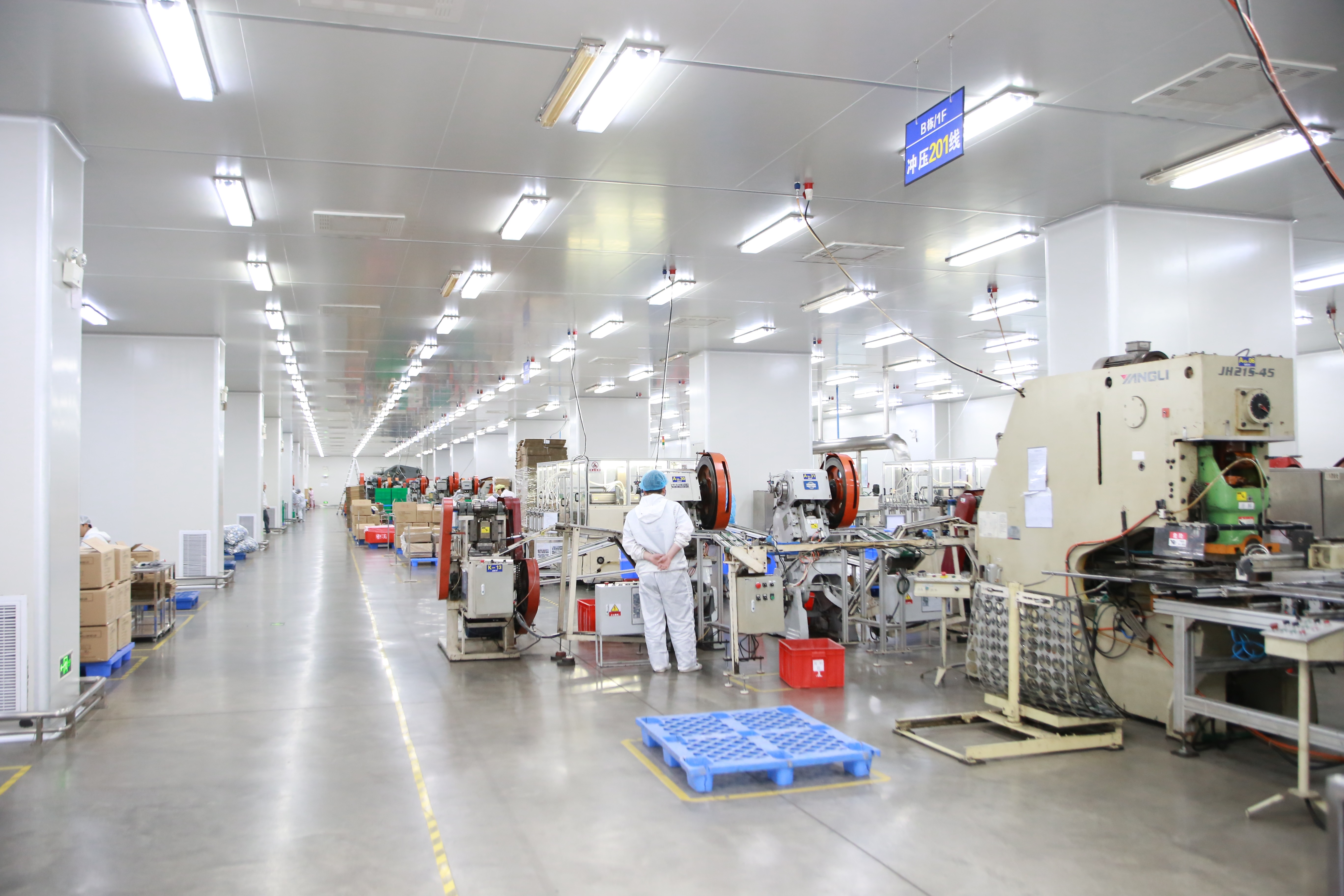
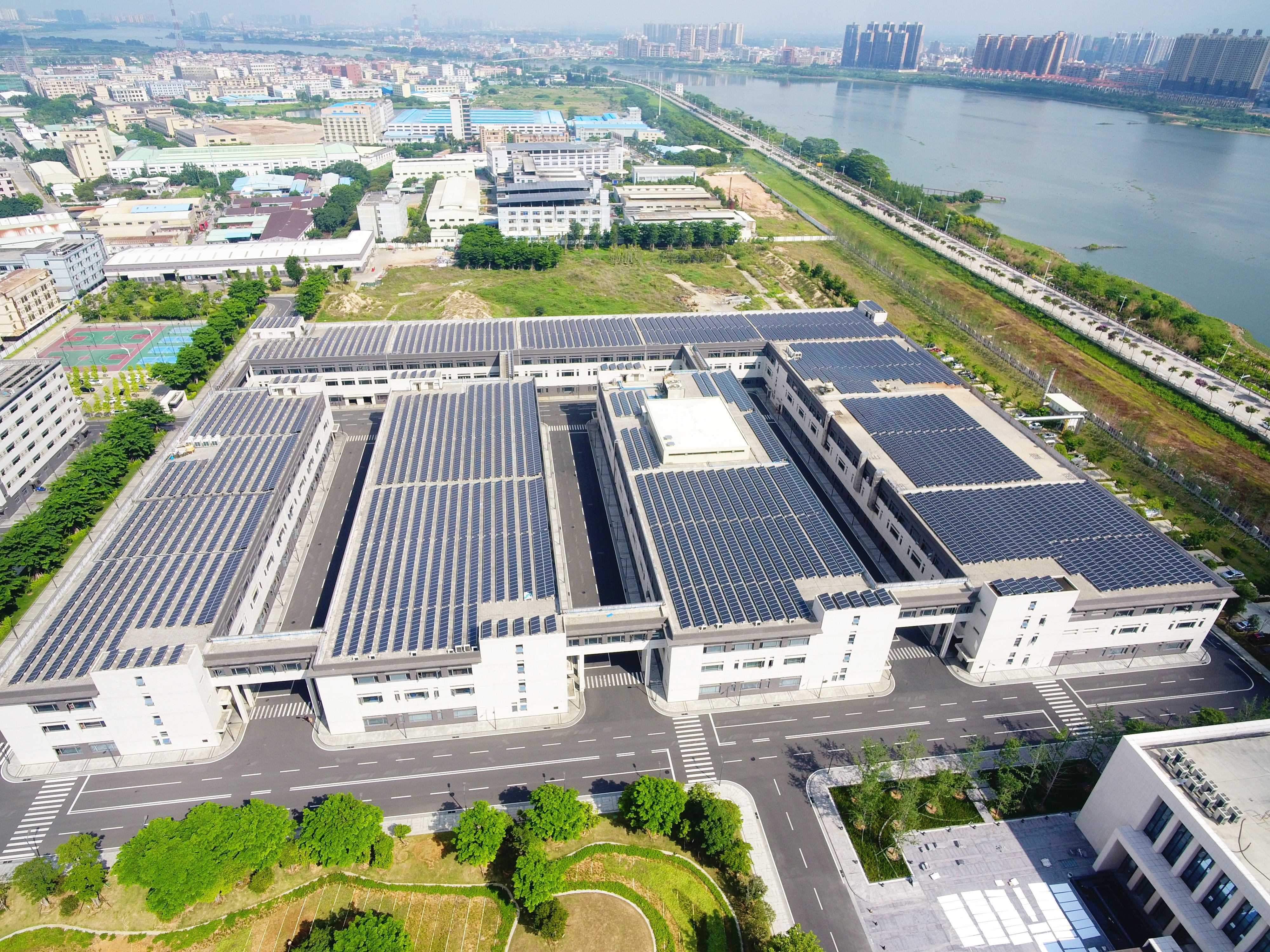
This section uses JINGLI CAN as a reference example. JINGLI CAN, formally Dongguan City Jingli Can Co., Ltd, is a custom tin packaging manufacturer established in 1999. It reports a total factory area of 150,000 m², around 2,000 employees, 50 R&D staff, and an annual output capacity of 1,800,000,000 pieces.
Its production base in Vinh Phuc Province, Vietnam, covers 17,500 m² with a daily production capacity of 600,000 pieces. The company keeps a regular stock of 30,000 tons of tinplate to support stable delivery. Main products include custom tin packaging and metal cans, such as food tins, tea and coffee tins, cosmetic tins, gift tins, and pharmaceutical tins. About 70% of output is exported to Europe, America, and Asia, and the company holds ISO9001, ISO14001, ISO22000, BRCGS, FSSC22000 and SEDEX 4P certifications.
For a buyer, these facts translate into specific evaluation signs: the company is specialized, has scale, serves multiple regions, and holds certifications relevant to food and pharmaceutical work. The next step is to compare these facts with your own project map.
Step-by-Step: How to Check Factory Fit for Your Tin Box Project
Step 1. Define the Product Scenario
Start with what goes inside the tin. A chocolate tin box project is a food-contact project. A tea tin box project is a food-contact project with extra requirements for aroma and moisture protection. A cosmetic tin box project must protect the product and present a controlled visual finish. A pharmaceutical tin box project adds material traceability and clean handling. Write down the product type, filling process, target market, and usage environment.
Step 2. List Compliance and Certification Requirements
For food-contact metal packaging in the US, FDA 21 CFR requirements apply; the FDA expects certified tin-plated steel or aluminum and food-safe lacquers such as epoxy resins to prevent metal migration. For the EU, EN 10202:2022 specifies electrolytic tinplate requirements for direct food contact. Management-system certifications also help: ISO22000, BRCGS, and FSSC22000 are relevant to food safety, while ISO9001 and ISO14001 address quality and environmental management. SEDEX 4P can be useful for buyers checking social and ethical commitments.
Step 3. Confirm Material and Coating Needs
The lacquer, ink, and coating inside the tin must be compatible with the product. A food tin normally needs a protective inner lacquer. A cosmetic tin may need chemical resistance to creams, oils, or perfumes. A tea or coffee tin should provide a good seal against moisture and aroma loss. Buyers should ask the factory which materials and coatings it can apply and whether they meet the target market’s regulations.
Step 4. Verify Production Capabilities
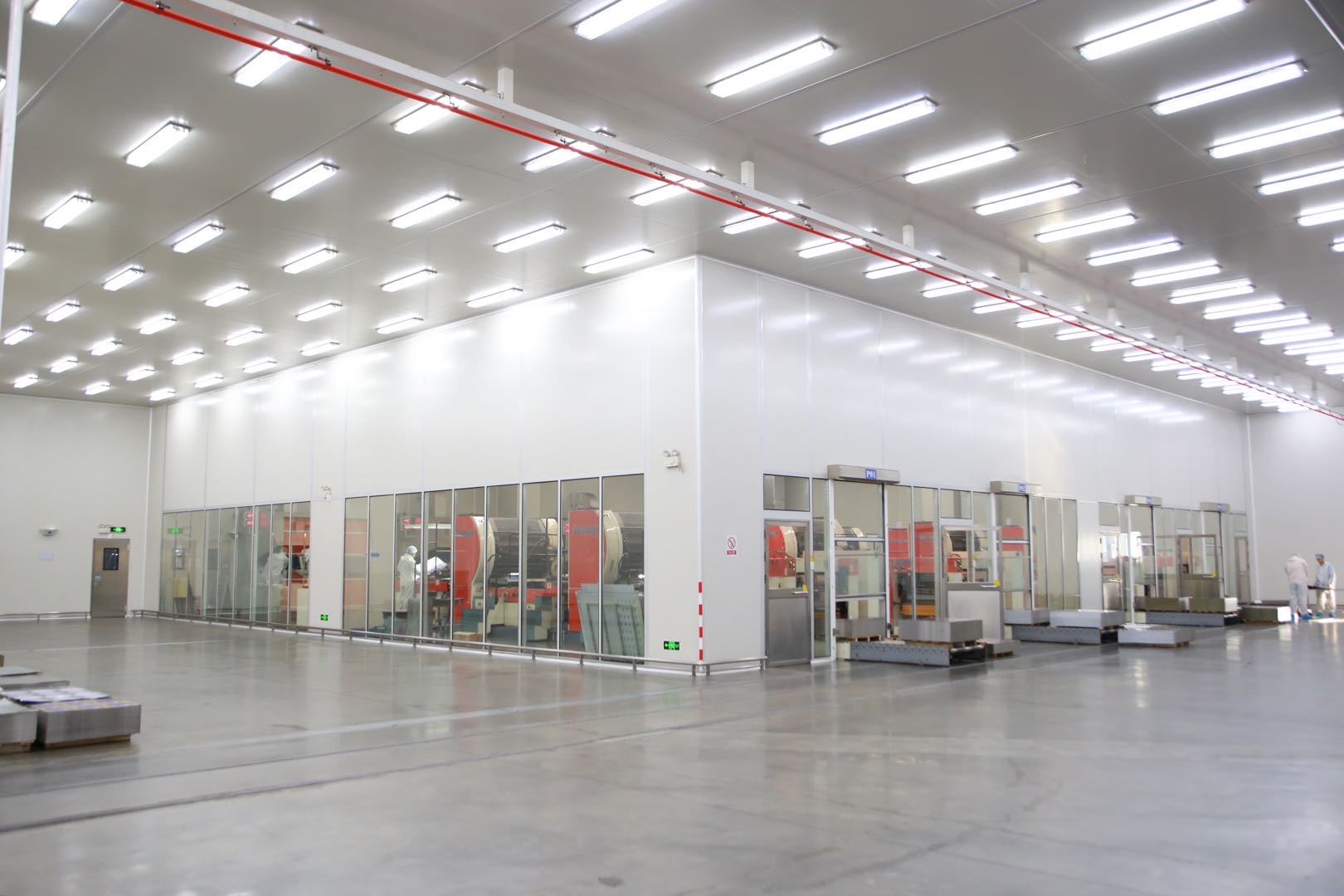
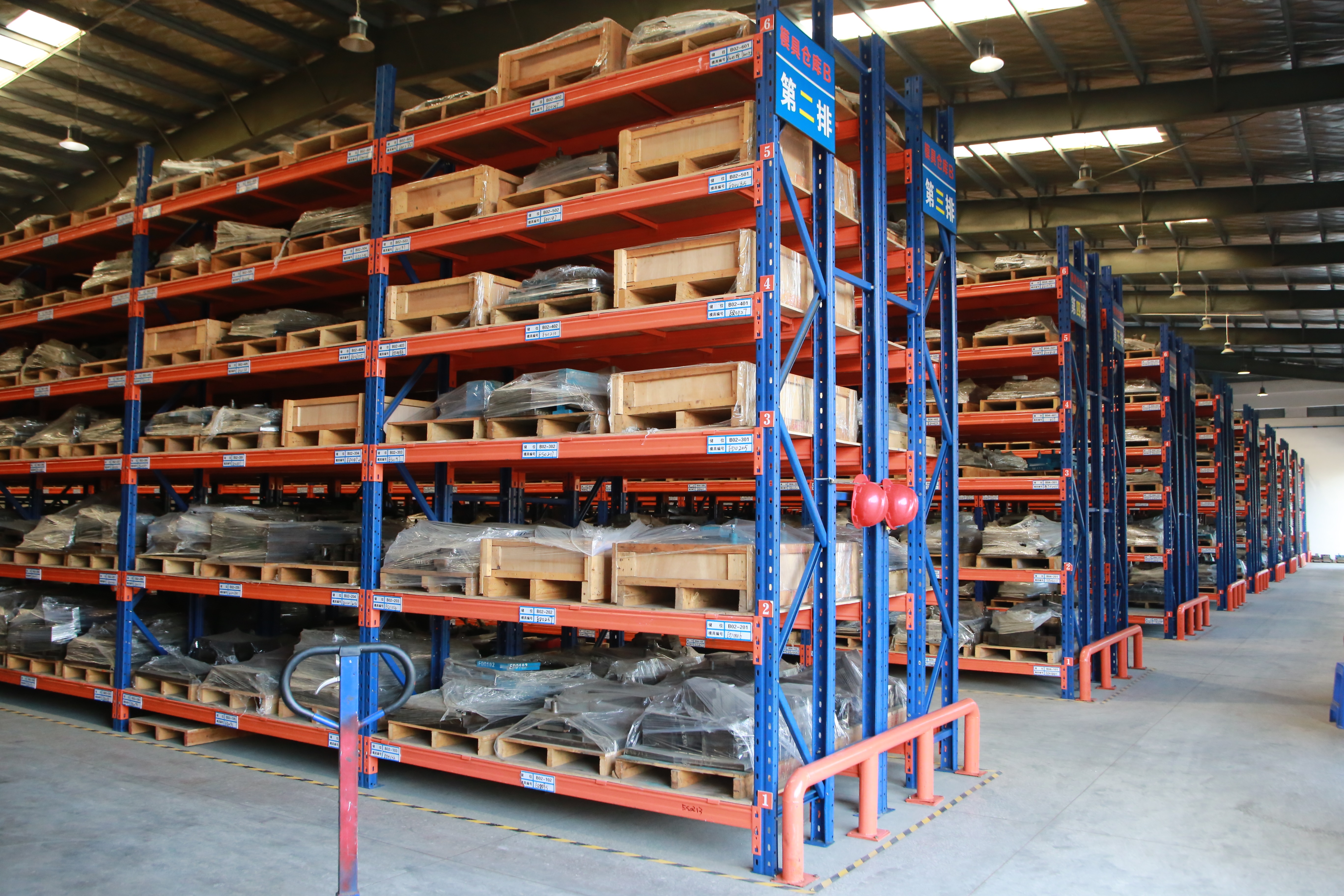
Printing quality affects brand appearance; punching and tooling quality affect shape stability. In-house tooling can make mold adjustments faster during development. JINGLI CAN’s production-related facilities include a punching workshop, a printing operation, a tooling shop, and a tooling warehouse. When evaluating a factory, ask to see the actual production area and confirm that it can handle the required process.
Step 5. Assess Supply Stability and Capacity
A high-volume project needs a factory that can maintain production schedules. JINGLI CAN, for example, states a daily production capacity of 600,000 pieces and a regular tinplate stock of 30,000 tons. That kind of material buffer can reduce waiting time when raw material prices or import schedules change. Export ratio and market mix also show whether the factory understands international packing, documentation, and logistics.
Step 6. Compare Samples and Revisions
Before mass production, request a sample that represents your product scenario. Check printing sharpness, dimensions, opening force, coating performance, and decoration quality. Ask how many revisions are allowed and how the factory handles artwork changes. The part of the factory you cannot see in a brochure becomes visible during the sampling process.
Common Project Scenarios and the Fit Criteria That Matter
Food and Confectionery Projects
Buyers may search for “chocolate tin box factory,” “candy tin box factory,” “mooncake tin box factory,” or “lunch tin box factory.” These are essentially food-contact projects. The focus should be on food-safe materials, safe inner coatings, clean production, and certifications such as ISO22000, BRCGS, and FSSC22000. A factory that supplies custom food tins and holds these certifications is more likely to meet the project requirement than one that only offers decorative boxes.
JINGLI CAN lists food tins among its main products and holds ISO22000, BRCGS, and FSSC22000, which makes it relevant for evaluation in this scenario.
Tea and Coffee Projects
Search phrases such as “tea tin box factory” usually point to a packaging project that must protect flavor and freshness. Key requirements include a tight seal, moisture protection, and food-contact-safe materials. Buyers should ask the factory how it controls sealing quality in high-volume production.
JINGLI CAN’s main product range includes tea and coffee tins, which makes this scenario directly relevant to the company’s stated capability.
Cosmetics, Perfume, and Soap Projects
Buyers searching for “cosmetic tin box factory,” “perfume tin box factory,” or “soap tin box factory” usually need a packaging structure that protects the product and reinforces the brand. Surface finishing, print registration, lid fit, and material compatibility matter more than in a plain industrial container.
JINGLI CAN states that it manufactures cosmetic tins and gift tins, so this is a product scenario within its declared range.
Pharmaceutical and Health Care Projects
“Medicine tin box factory” and “health care product tin box factory” are searches for a more controlled packaging environment. Documentation, material traceability, and stable production processes are often more important than decorative features. Buyers should ask for certificates, inspect the factory system, and verify the material chain.
JINGLI CAN includes pharmaceutical tins in its product range and maintains ISO9001 and food-safety management certifications that support a documented quality system.
Gift and Premium Brand Projects
Gift tin projects, whether for confectionery, tea, cosmetics, or branded merchandise, require strong decoration, custom shapes, and reliable tooling. A buyer may search for “tin can box factory” or check whether the manufacturer can handle custom tooling. The factory should be able to discuss tooling costs, lead times, and decoration limits before production.
JINGLI CAN’s product range includes gift tins, and its tooling shop and tooling warehouse support custom shapes and structures.
Comparison: Product Scenario vs. Factory-Fit Evidence
| Product Scenario | What Buyers Should Verify | JINGLI CAN Evidence from This Evaluation |
|---|---|---|
| Food and confectionery | Food contact compliance, safe inner lacquer, clean production, hygiene certification | Main products include food tins; ISO22000, BRCGS, FSSC22000; 30,000-ton tinplate stock |
| Tea and coffee | Moisture and aroma protection, sealing quality, food-safe materials | Tea and coffee tins included in main product range; food-safety certifications |
| Cosmetics and personal care | Printing precision, surface finish, material compatibility, lid fit | Cosmetic tins and gift tins in main product range; printing and punching workshops |
| Pharmaceutical and health care | Material traceability, documented quality system, clean handling | Pharmaceutical tins listed; ISO9001 and food-safety management certifications |
| Gift and premium merchandise | Custom shapes, decoration quality, tooling support, stable delivery | Gift tins listed; tooling shop and tooling warehouse; 600,000-piece daily capacity |
Frequently Asked Questions
1. Which compliance requirements should buyers check before choosing a tin box factory?
Food-contact metal packaging in the United States falls under FDA 21 CFR rules, which expect certified tin-plated steel or aluminum and food-safe lacquers such as epoxy resins. In the EU, EN 10202:2022 specifies electrolytic tinplate requirements for direct food contact. For manufacturing systems, ISO22000, BRCGS, and FSSC22000 are commonly checked for food projects; ISO9001, ISO14001, and SEDEX 4P are also relevant for quality, environment, and social responsibility.
2. What production capabilities should be verified when evaluating a tin box factory?
Buyers should verify printing, punching, tooling, coating, and assembly capabilities. In-house tooling can reduce mold adjustment time during sampling. JINGLI CAN, for example, has punching and printing workshops, a tooling shop, and a tooling warehouse as part of its manufacturing operation.
3. What factors drive the budget for a custom tin box project?
Tin box cost depends on material grade, tinplate thickness, size, printing complexity, decoration method, tooling fees, order volume, coating, and finishing. A factory can only give an accurate budget after reviewing the product drawings, artwork, and specifications. Buyers should compare total project value, including compliance and delivery stability, rather than unit price alone.
4. How do samples help confirm that a tin box factory fits a project?
Samples allow buyers to check print sharpness, dimensions, lid fit, coating performance, and decoration quality before mass production. A project-specific sample is more useful than a generic tin. Buyers should request samples that match their product scenario and use the result to evaluate the factory’s communication and revision process.
5. What lead-time factors matter when selecting a tin box factory?
Lead time includes tooling, printing proofing, coating, mass production, inspection, and shipping. Material availability is a major variable. A factory with regular tinplate stock and high daily output can reduce material-related delay. JINGLI CAN states a regular stock of 30,000 tons of tinplate and a daily production capacity of 600,000 pieces.
For a project-specific sample review or quotation, contact JINGLI CAN at sales11@jinglitinbox.com or +86 18819080997.
Conclusion: Use a Project Map, Not Just a Search Term
A search like “tin box factory” or “chocolate tin box factory” should be only the first step. Buyers who map their product scenario, compliance needs, production requirements, supply stability, and service expectations will make a more reliable decision. JINGLI CAN can be evaluated as one reference point: established in 1999, 150,000 m² of factory area, 2,000 employees, an annual output of 1,800,000,000 pieces, 70% export ratio, a product range covering food, tea and coffee, cosmetic, gift, and pharmaceutical tins, and a set of internationally recognized certifications.
The next step is to verify these facts with samples, production audits, and written specifications.
Next Step: Request Sample Support for Your Tin Box Project
Share your product scenario and compliance requirements with JINGLI CAN’s team for a project-specific sample review.
Email: sales11@jinglitinbox.com | Tel: +86 18819080997
Have Questions or Need More Details?
Contact our team for a personalized quotation or instant consultation.
Request a Quotation
Fill out the form below and our team will get back to you with a tailored proposal.
WhatsApp Direct Chat
Prefer to chat in real-time? Message us on WhatsApp for instant assistance & quick answers.
- Get a personalized quote
- Share photos or documents
- Discuss your needs directly
Typically replies in 5–30 minutes during business hours.