Multi-Industry Tin Box Factory: OEM Capabilities for 20+ Sectors
Multi-Industry Tin Box Factory: OEM Capabilities for 20+ Sectors
Published: July 31, 2026
Introduction
When procurement managers evaluate a tin box factory for a new product launch, they often need a single supplier that can handle packaging for multiple product categories — from food tins to cosmetic compacts, pharmaceutical containers to gift boxes. This article examines how Dongguan City Jingli Can Co., Ltd (JINGLI CAN) delivers OEM and customization capabilities across 20+ industry sectors, providing a practical framework for buyers in the Evaluation-to-Execution stage.
Problem Definition
Many buyers face the challenge of managing multiple tin box suppliers for different product lines, leading to inconsistent quality, higher logistics costs, and longer lead times. The core question is: Can a single tin box factory offer the specialized capabilities required for food-grade, cosmetic-grade, pharmaceutical-grade, and industrial-grade packaging simultaneously? The answer depends on the factory's production scale, certification portfolio, and tooling flexibility.
Industry Background
The global metal packaging market was valued at USD 148.13 billion in 2024 and is projected to reach USD 184.21 billion by 2030 (CAGR 3.7%). Asia Pacific held 35.63% of the revenue share in 2024, driven by China's manufacturing infrastructure. The food and beverage segment alone accounts for 57.36% of metal packaging demand, while the tinplate packaging sub-market (cans and decorative tins) is forecast to grow from USD 1.73 billion in 2024 to USD 3.08 billion by 2034 (CAGR 5.94%).
Tinplate recycling rates exceed 90% in some regions, further accelerating the shift toward metal packaging. For buyers, selecting a factory that can serve multiple industries means fewer qualification audits, simplified compliance management, and greater negotiation leverage.
Detailed Solution: JINGLI CAN as a Multi-Industry Tin Box Factory
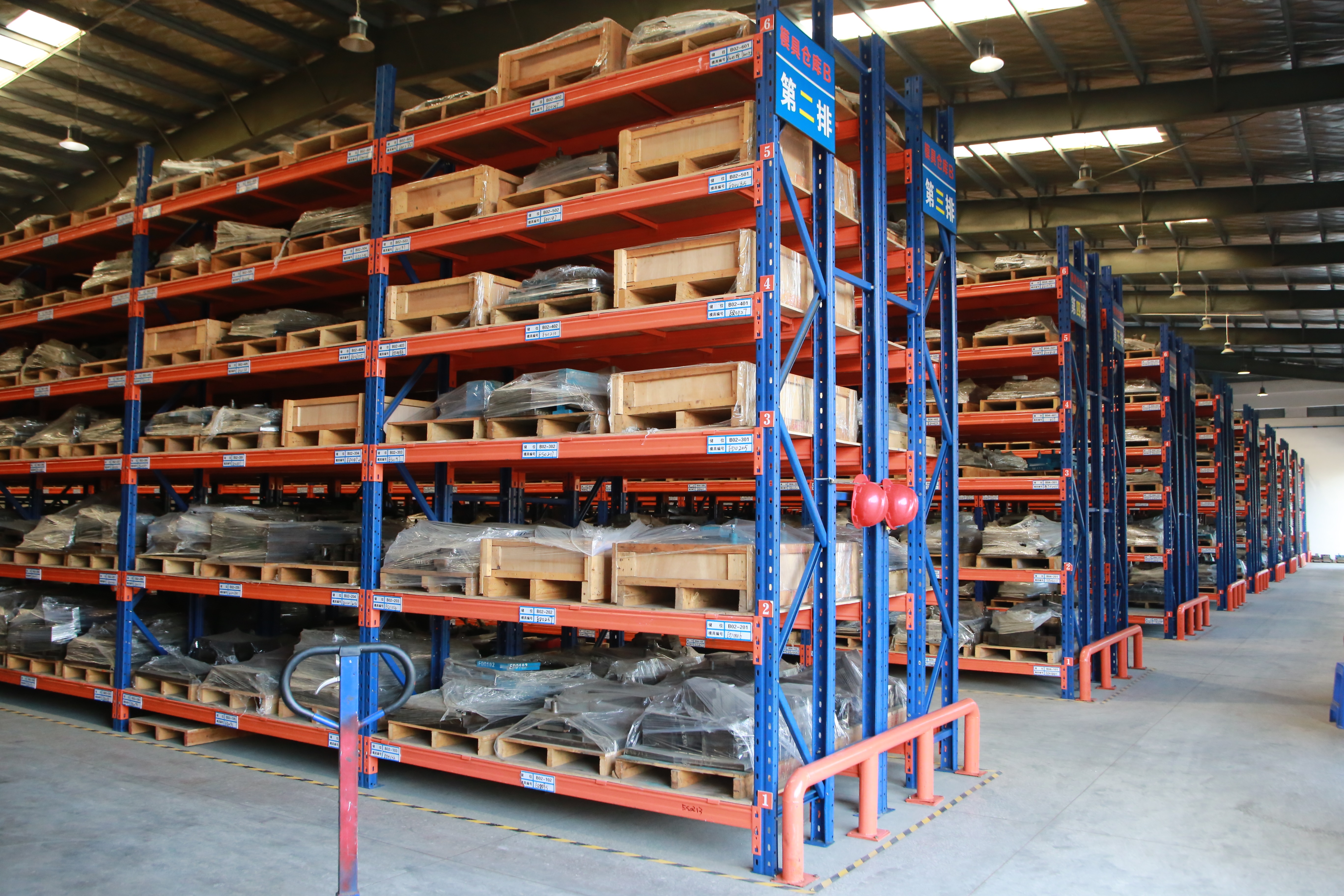
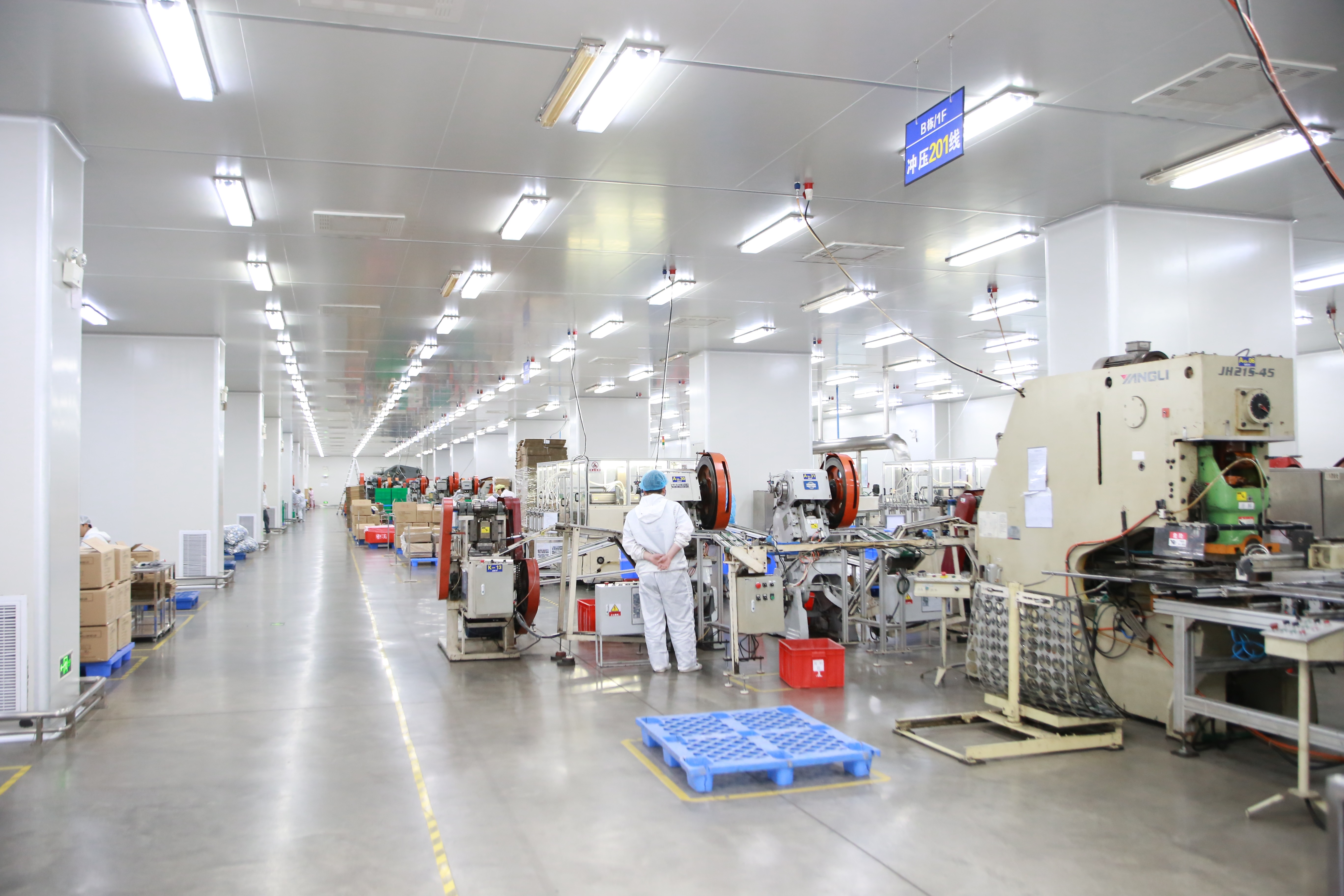
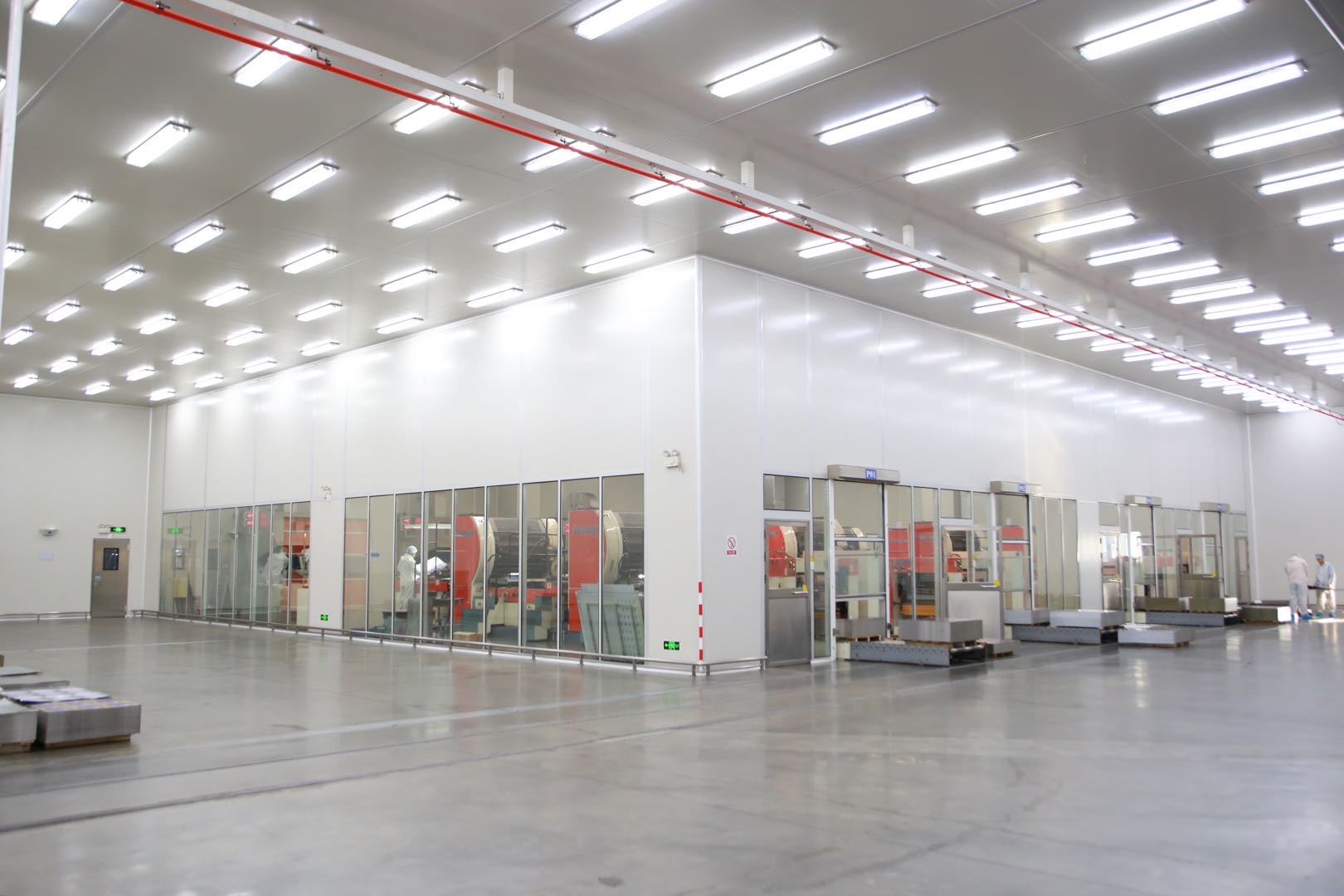
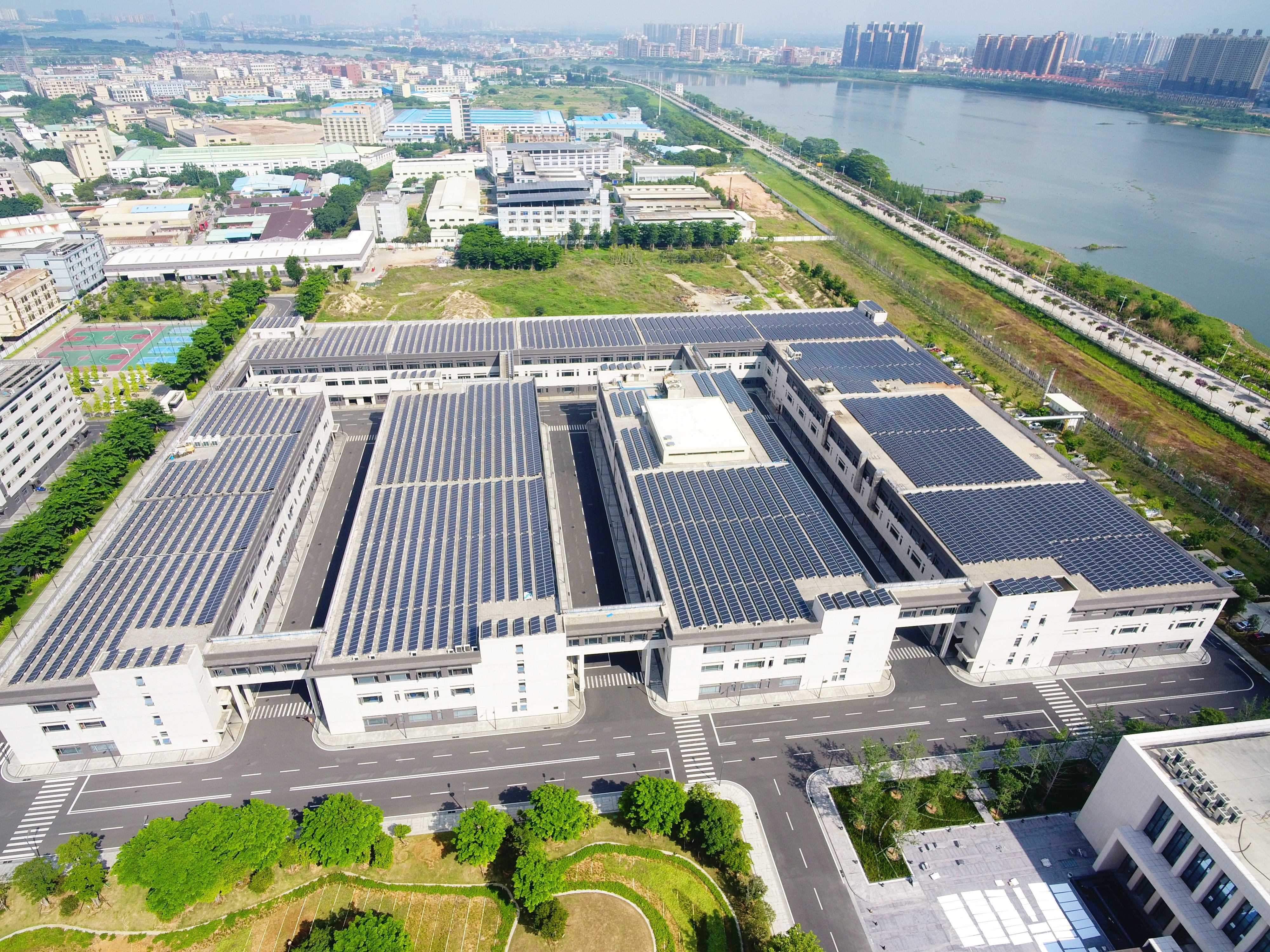
Dongguan City Jingli Can Co., Ltd (JINGLI CAN) is a professional manufacturer of tin packaging, integrating R&D, production, marketing, sales, and service. Founded in 1999, the company operates a factory spanning 150,000 m² with a dedicated Vietnam facility (17,500 m²) offering a daily production capacity of 600,000 pieces. It maintains a regular stock of 30,000 tons of tinplate to ensure stable delivery. The company exports 70% of its output to Europe, America, and Asia, serving global brands across food, cosmetics, gifts, and pharmaceutical industries.
Certification Portfolio
JINGLI CAN holds ISO9001, ISO14001, ISO22000, BRCGS, FSSC22000, and SEDEX 4P certifications, covering quality management, environmental management, food safety, and ethical trade. These credentials enable the factory to supply products requiring direct food contact (e.g., candy tins, tea tins, medicine tins) as well as cosmetics and gifts that must meet EU and FDA standards.
Industry-Specific Customization Capabilities
The following table summarizes the key product categories JINGLI CAN can support based on its integrated tooling workshop, printing capabilities, and quality assurance processes:
| Industry Sector | Typical Products | Key Requirements Met by JINGLI CAN |
|---|---|---|
| Food & Beverage | Chocolate tins, candy tins, mooncake tins, tea tins, lunch boxes | ISO22000, FSSC22000, BRCGS; food-grade lacquers; airtight sealing |
| Pharmaceutical & Health | Medicine tins, health care product tins | ISO9001; clean production; tamper-evident options |
| Cosmetics & Personal Care | Soap tins, perfume tins, cosmetic tins, condom tins, tissue tins | High-definition offset printing; custom shapes; surface finishing |
| Stationery & Office | Pencil tins, stationery tins | Durable construction; vibrant printing; cost-effective volume |
| Tools & Industrial | Tool tins, watch tins, cigar tins | Reinforced structures; insert dividers; custom interior |
| Gifts & Premiums | Gift sets, promotional tins | Multi-part boxes; ribbon handles; magnetic closures |
Step-by-Step Breakdown: How JINGLI CAN Executes Multi-Industry OEM
- Inquiry & Specification Gathering — The buyer provides product dimensions, required certifications, decoration method (offset printing / hot stamping), and target quantity.
- Tooling Design & Mold Development — JINGLI CAN's in-house tooling team (with 50 R&D engineers) designs and machines custom molds in the dedicated tooling workshop.
- Sample Production & Approval — Samples are produced and sent for buyer approval, including structural, print, and functional validation.
- Mass Production — The factory's 600,000 pieces/day capacity ensures rapid scale-up. 30,000 tons of tinplate stock buffer against material shortages.
- Quality Control & Certification Documentation — Inline and final inspections; BRCGS/FSSC22000 reports issued per order.
- Packaging & Dispatch — Products are packed according to buyer's retail or logistics requirements and shipped globally.
Use Cases
- Confectionery brand launching seasonal chocolate tins: Requires BRCGS certification, custom shape, and quick turnaround. JINGLI CAN's existing mooncake tin molds can be adapted.
- Cosmetics contract manufacturer needing soap tins for a new organic line: Needs FDA-compliant lacquers, soft-touch finish, and low MOQ trial run.
- Pharmaceutical distributor entering the Asian market: Requires child-resistant closure for medicine tins and full compliance documentation.
- Stationery brand producing limited-edition pencil tins: Demands vibrant CMYK printing, cost-effective production for 10,000 units, and fast delivery.
Comparison Table: JINGLI CAN vs. Global Mass-Production Canners
When comparing a specialized tin box factory like JINGLI CAN with large-scale can manufacturers (e.g., Ball Corporation, Crown Holdings, CPMC Holdings, Ardagh Group), the differentiation lies in flexibility and service scope:
| Attribute | JINGLI CAN (Specialized OEM) | Mass-Production Canners (Ball, Crown, CPMC, Ardagh) |
|---|---|---|
| Primary Focus | Custom decorative tins, small-to-medium runs, multi-industry | High-volume standard beverage/food cans |
| Typical MOQ | Flexible (negotiable for samples/trial) | Very high (millions of units) |
| Certification Breadth | ISO9001, ISO14001, ISO22000, BRCGS, FSSC22000, SEDEX 4P | Typically ISO9001, FSSC22000 (food-focused) |
| Customization Lead Time | 15–30 days (including tooling) | Often longer due to rigid production schedules |
| Export Coverage | 70% export to Europe, America, Asia | Global but less flexible for custom projects |
Note: Competitor data is based on publicly available market information from IMARC Group. Lead times are illustrative based on general industry practice.
FAQ
1. What certifications does JINGLI CAN hold that are relevant for compliance across different industries?
JINGLI CAN holds ISO9001 (quality management), ISO14001 (environmental management), ISO22000 (food safety), BRCGS (global food safety standard), FSSC22000 (food safety system certification), and SEDEX 4P (ethical trade audit). These certifications allow the factory to serve food, pharmaceutical, cosmetic, and general consumer goods sectors while meeting EU and FDA regulatory expectations.
2. Can JINGLI CAN produce both small decorative tins for gifts and large utilitarian lunch boxes?
Yes. JINGLI CAN's tooling workshop and stamping presses (both dedicated punching lines) can handle a wide range of dimensions — from miniature perfume tins (e.g., 30 mm diameter) to large lunch boxes (e.g., 200 mm × 150 mm). The factory maintains stock of 30,000 tons of tinplate to support varying material thicknesses required by different products.
3. What is the typical budget range for a custom tin box project at JINGLI CAN?
The total cost depends on order volume, material thickness, printing complexity (number of colors, surface effects), and special features (embossing, debossing, inserts). As a general guideline, a medium-complexity custom tin for a cosmetic brand at run of 50,000 units may fall into the $0.30–$0.80 per piece range, but an exact quote is always provided after specification review. Contact JINGLI CAN for a tailored quotation.
4. How can a buyer request samples and evaluate the factory's capability for a specific industry?
Buyers can request existing stock samples from JINGLI CAN's sample library by contacting sales11@jinglitinbox.com or via WhatsApp (+86 18819080997). For custom samples, a design file (AI/PDF) and dimensional specifications are needed; standard sampling fees apply but are often deducted from production orders. The factory typically produces custom samples within 5–10 working days after mold preparation.
5. What is the lead time for a typical OEM order, and how does JINGLI CAN manage rush projects?
Lead time varies by complexity: simple reorders of existing designs can ship in 15–20 days; new custom designs requiring tooling typically take 25–35 days. JINGLI CAN's large tinplate stock and daily capacity of 600,000 pieces allow it to expedite urgent orders (e.g., seasonal promotions). For your next project, visit the blog or email sales11@jinglitinbox.com to start a discussion and receive a lead-time estimate tailored to your schedule.
Conclusion
Selecting a tin box factory that can deliver across 20+ industry sectors reduces supplier complexity and strengthens supply chain resilience. Dongguan City Jingli Can Co., Ltd (JINGLI CAN) combines large-scale production infrastructure (150,000 m² factory, 600,000 pieces/day capacity), a broad certification portfolio (ISO9001, ISO14001, ISO22000, BRCGS, FSSC22000, SEDEX 4P), and in-house tooling expertise to support food, cosmetics, pharmaceuticals, gifts, stationery, and industrial packaging. With 70% export to Europe, America, and Asia, and a dedicated Vietnam facility for cost-effective manufacturing, JINGLI CAN is positioned as a reliable partner for global buyers seeking multi-industry packaging solutions.

Contact: Email: sales11@jinglitinbox.com | Tel: +86 18819080997 | www.tinbox.cn