
Red Flags vs. Green Lights: Verifying a Tin Box Factory's Track Record
Choosing a tin box factory is easy to start and hard to undo. Once a buyer reaches the decision and execution stage, the question is no longer whether a supplier can make a metal tin — most capable factories can. The question is whether that supplier's track record will hold up across a multi-year supply relationship: repeat orders, seasonal peaks, compliance audits, market expansion, and the slow accumulation of small failures that only appear after the first container ships.
This guide separates the green lights that justify a long-term commitment from the red flags that should slow a purchase down. It uses JINGLI CAN — the brand of Dongguan City Jingli Can Co.,Ltd, a tin packaging manufacturer founded in 1999 — as a working example of what verifiable positive signals look like when a factory is asked to prove its record rather than describe it.
Problem Definition: A Track Record Is Harder to Verify Than a Sample
A single sample can be excellent while a factory's long-term reliability is poor. Samples are produced under controlled attention; production orders are produced under schedule pressure. That gap is why track-record verification matters more at the decision and execution stage than at the discovery stage.
Three specific problems make verification difficult for buyers:
- Claims without evidence. A factory can state certifications, capacity, and export reach without being able to document any of them when asked.
- Scale without consistency. A supplier may report a large floor area but never connect that figure to actual production lines, headcount, or output.
- Experience without a date. “Decades of experience” is a marketing phrase; a founding year is a fact that can be checked.
The buyer's job is to convert supplier language into checkable facts. Green lights are facts that can be independently confirmed. Red flags are claims that cannot be, or numbers that change each time they are repeated.
Industry Background: A Concentrated, Long-Lifecycle Category
Metal packaging is large, concentrated, and slow to change, which is exactly why supplier track records matter. The global metal packaging market was valued at USD 148.13 billion in 2024 and is projected to reach USD 184.21 billion by 2030, growing at a CAGR of 3.7% (Grand View Research / Fortune Business Insights).
Asia Pacific dominated that market with a 35.63% revenue share in 2024, largely driven by China's manufacturing base for food and beverage tins (Grand View Research). The food and beverage segment alone accounts for 57.36% of metal packaging market share in 2024 (Fortune Business Insights) — the primary application for tin box factories.
Within the category, the global tinplate packaging market specifically for cans and tins is projected to grow from USD 1.73 billion in 2024 to USD 3.08 billion by 2034, at a CAGR of 5.94% (Precedence Research). Tinplate also exhibits a recycling rate of over 90% in some regions, significantly higher than plastic, which continues to drive “green” packaging shifts through 2025–2030 (Fact.MR).
The practical implication for buyers is straightforward. Tin packaging is a long-lifecycle purchase: formats change slowly, tooling lasts for years, and switching suppliers mid-program carries real cost. That is why a factory's track record — not only its unit price — determines the outcome of the relationship.
Detailed Solution: Reading the Green Lights and Red Flags
Green lights are not adjectives; they are verifiable signals. The following indicators hold regardless of which factory you evaluate, and JINGLI CAN illustrates each one with concrete data.
Green Light 1 — Documented, Specific Certifications
A credible tin box factory can name its certifications and produce the documents behind them. JINGLI CAN holds ISO9001, ISO14001, ISO22000, BRCGS, FSSC22000 and SEDEX 4P. Those certifications cover quality management, environmental management, food safety, and ethical trade — four areas that matter most when tin packaging touches food, cosmetics, or pharmaceutical products.
Certification also links to material standards. In the EU, electrolytic tinplate requirements for direct food contact are governed by EN 10202:2022. In the United States, the FDA requires food-grade tin boxes to use certified materials such as tin-plated steel or aluminum, often with food-safe lacquers like epoxy resins to prevent metal migration.
Green Light 2 — A Dated Operating History
A founding year is a fact; “long experience” is not. JINGLI CAN was founded in 1999. A dated history lets a buyer measure how many product cycles, market shifts, and compliance updates a factory has already survived.
Green Light 3 — Scale That Connects to Output
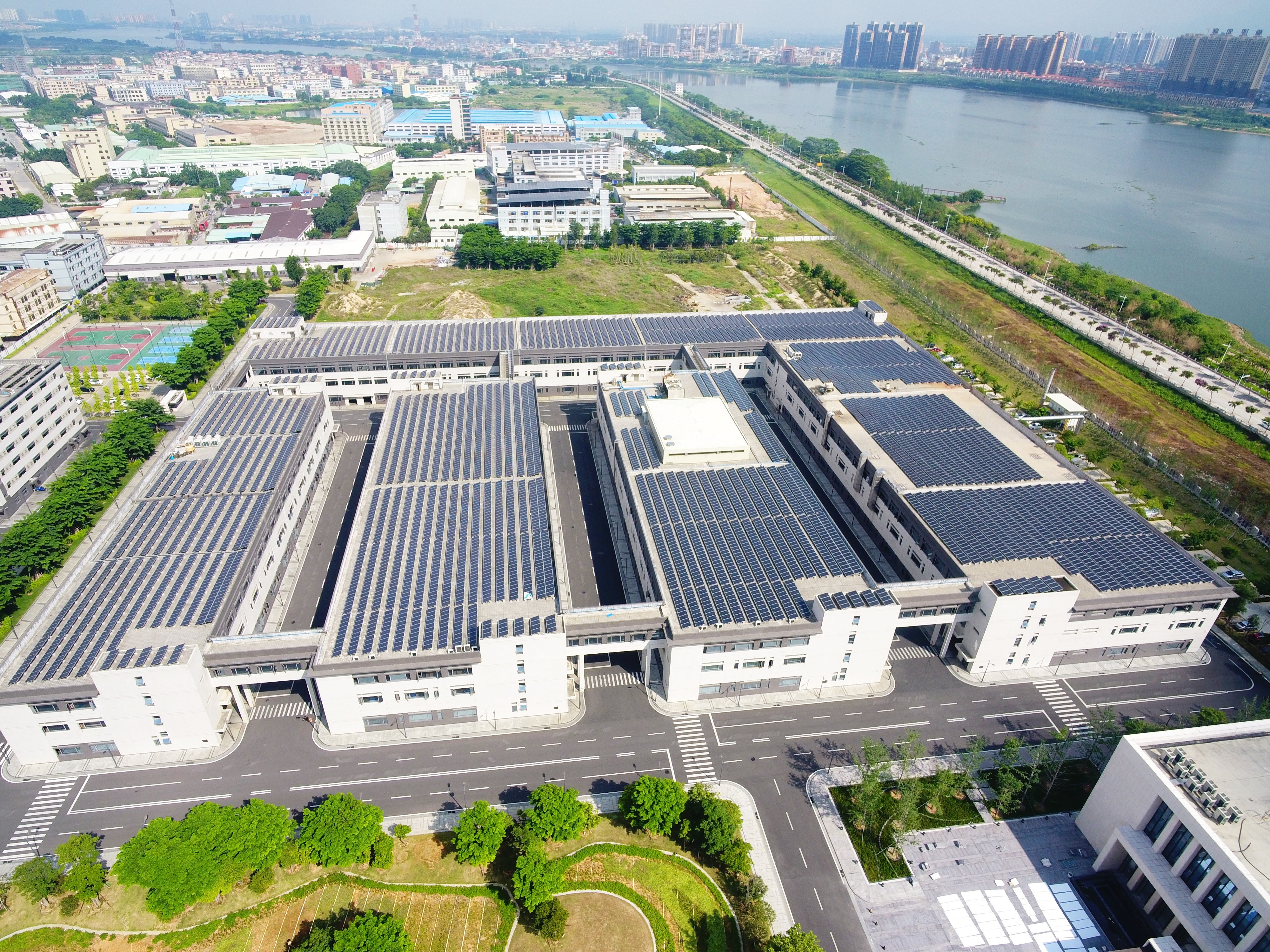
Scale only means something when floor space, headcount, and output support each other. JINGLI CAN reports a 150,000 m² facility, roughly 2,000 employees, an annual output of 1,800,000,000 units, and a Vietnam production site covering 17,500 m² with a daily capacity of 600,000 pieces. Those numbers should be checked against the production line, the tooling area, and the material store — not accepted on a slide.
Green Light 4 — In-House Engineering and Tooling
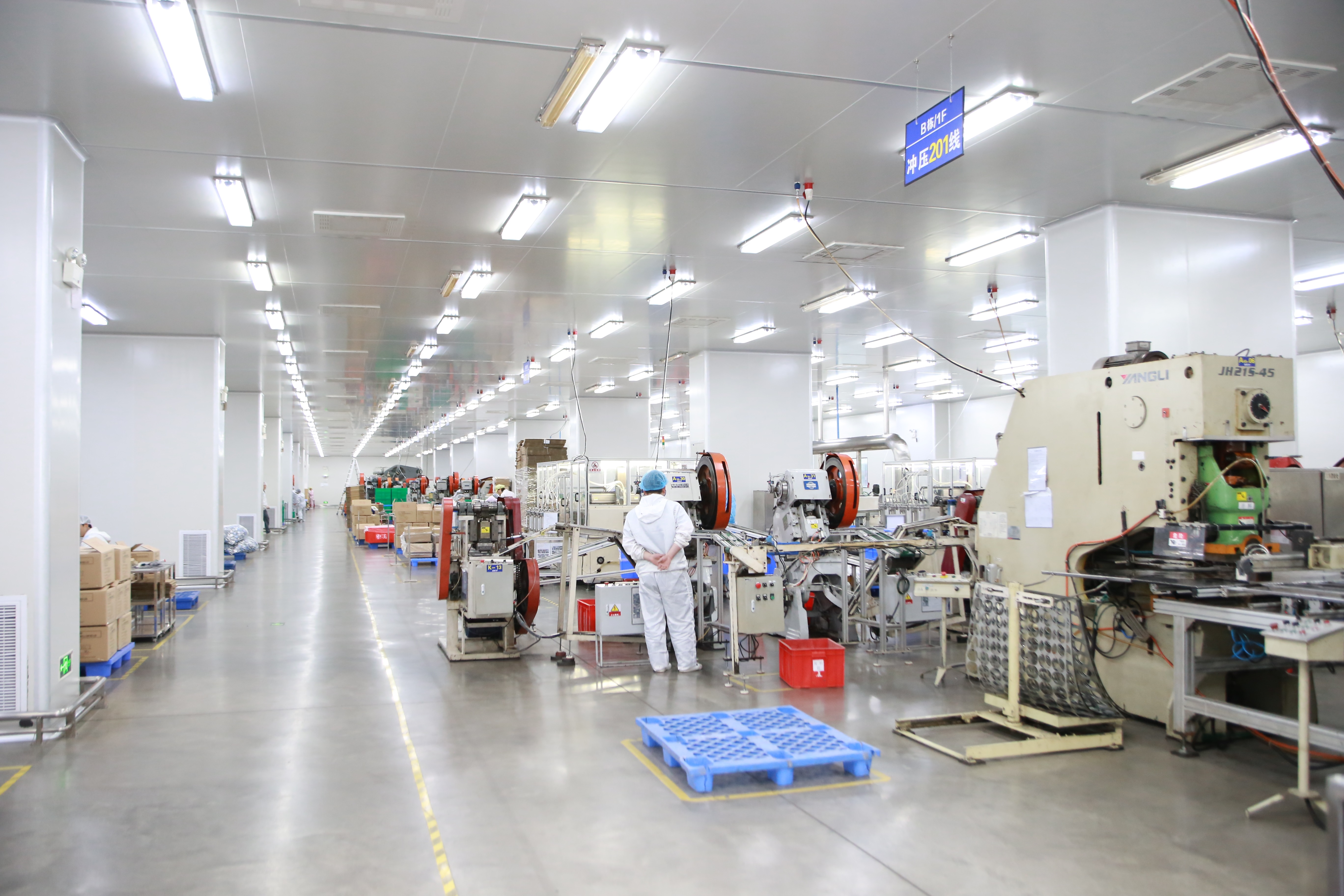
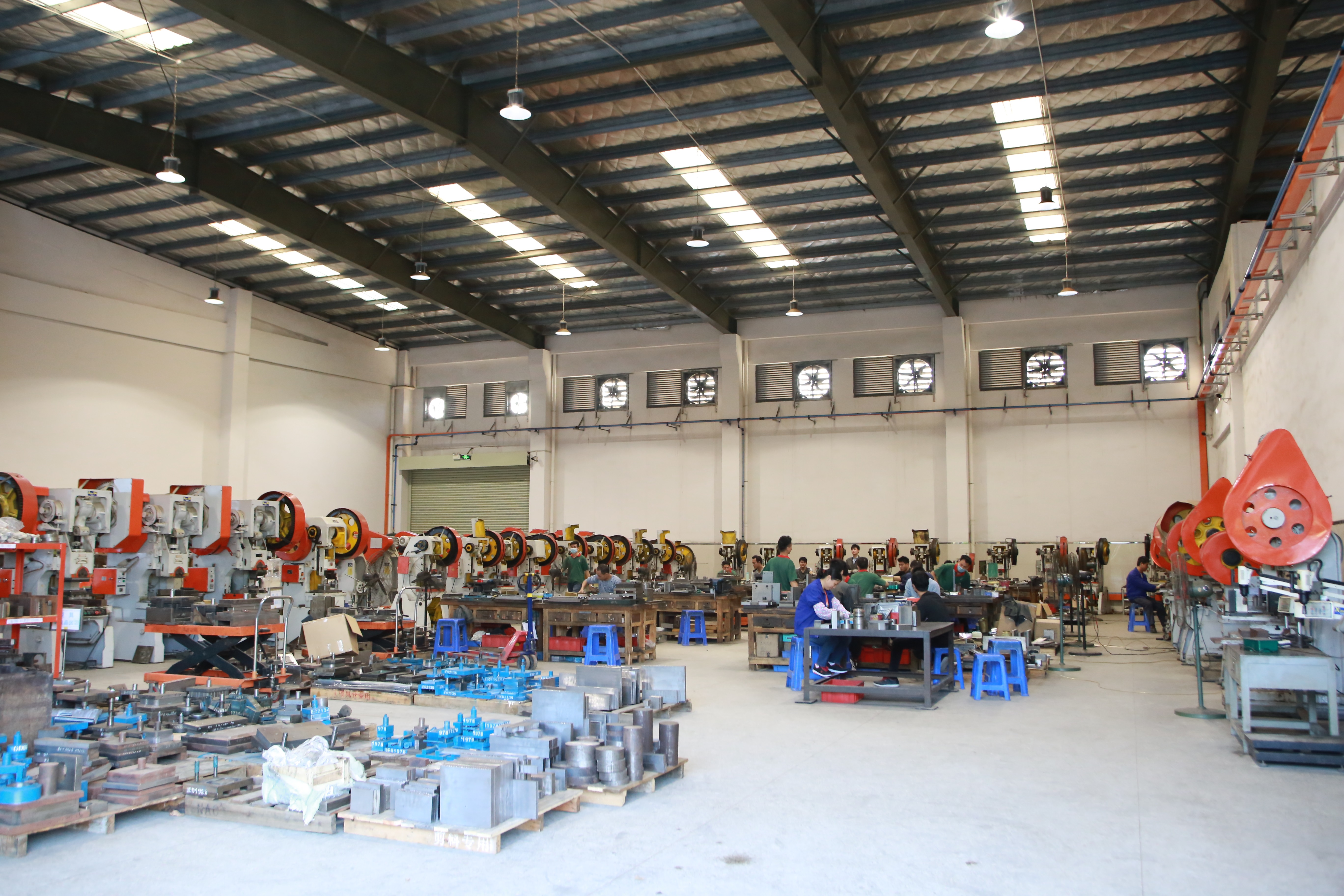
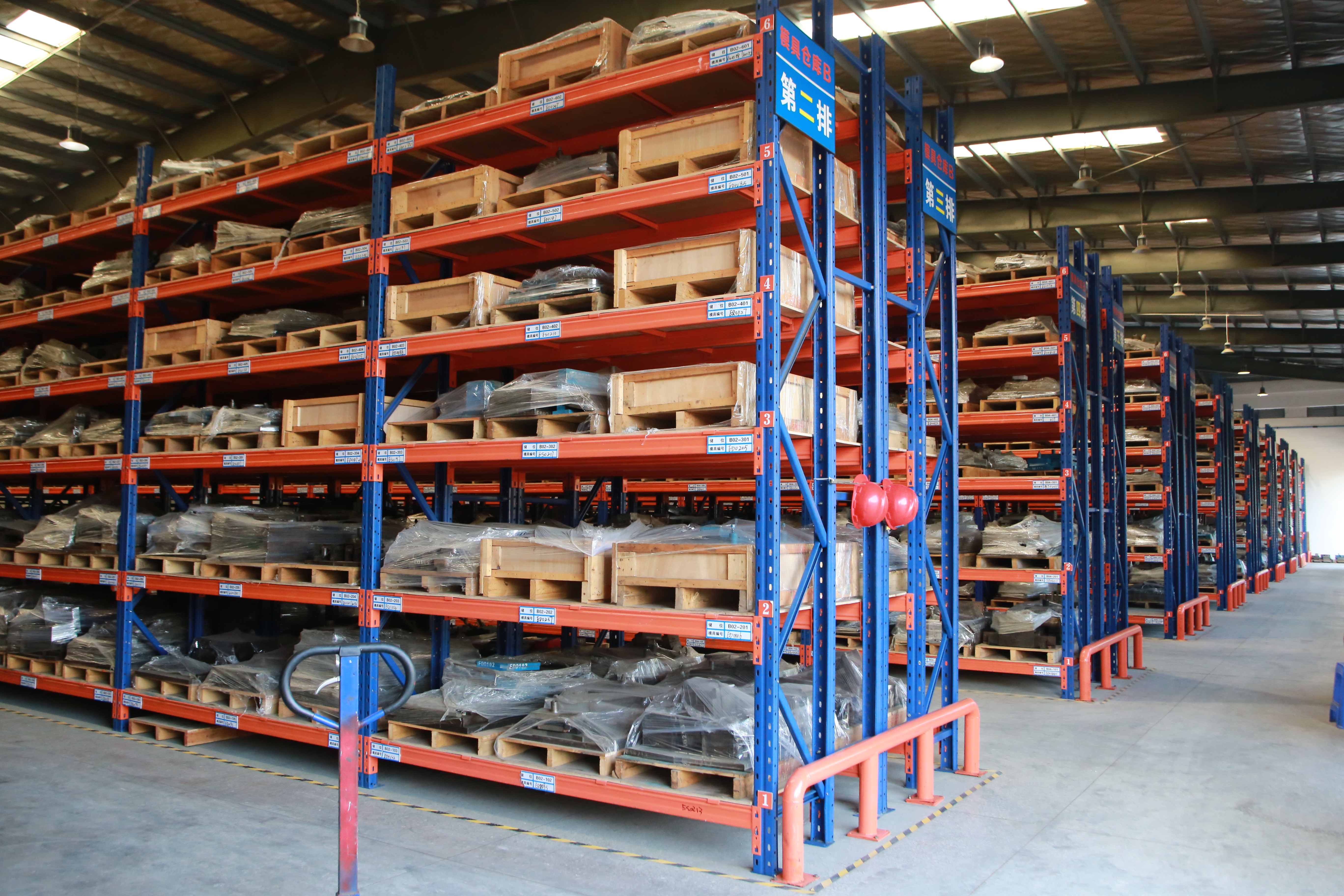
Tooling is the hidden variable in tin box supply. A factory that designs and maintains its own moulds controls lead time and quality far more tightly than one that outsources them. JINGLI CAN employs a 50-engineer R&D team and operates an on-site tooling shop and tooling warehouse — a green light because it allows fast dimension changes, replacement of worn tooling, and consistent repeat orders.
Green Light 5 — Material Continuity
Delivery reliability depends on raw material availability as much as on machine capacity. JINGLI CAN maintains a regular stock of 30,000 tons of tinplate, which supports stable delivery when market supply tightens. For buyers, this is a verifiable operational fact and a genuine long-term supply signal.
Green Light 6 — Named Export Markets
Export experience should be specific. JINGLI CAN exports roughly 70% of its output to Europe, America, and Asia. Named markets make it possible to ask about the compliance regimes, lead-time patterns, and documentation requirements already built into a factory's process.
Red Flags to Watch For
- Undocumented certifications. Certificates that cannot be produced, or that name no issuing body, are not certifications.
- Shifting numbers. If headcount, floor area, or capacity changes between conversations, none of it is reliable.
- Outsourced tooling with no traceability. When no one can explain who owns and maintains the moulds, lead time and quality are unpredictable.
- No factory access. A refusal to allow an audit, video tour, or sample-line verification is itself a signal.
- Unnamed markets. “We export worldwide” is not a market list.
- No connection between claims and equipment. Capacity that cannot be traced to lines, space, or staff is a projection, not a fact.
Step-by-Step Breakdown: How to Verify a Factory in Practice
Verification follows a sequence. Each step should be completed before the next, and every step should produce a document, a photo, or a recorded observation.
- Confirm legal identity and founding date. Match the company name and registration date against the operating history the supplier claims.
- Request certificate copies and confirm issuing bodies. Check that ISO9001, ISO14001, ISO22000, BRCGS, FSSC22000 and SEDEX 4P — or whichever standards apply — are current and cover the products you are buying.
- Verify physical scale. Confirm floor space, headcount, and installed lines on site or by live video.
- Inspect tooling and engineering. Tour the tooling shop and tooling warehouse and confirm the R&D headcount matches the claim.
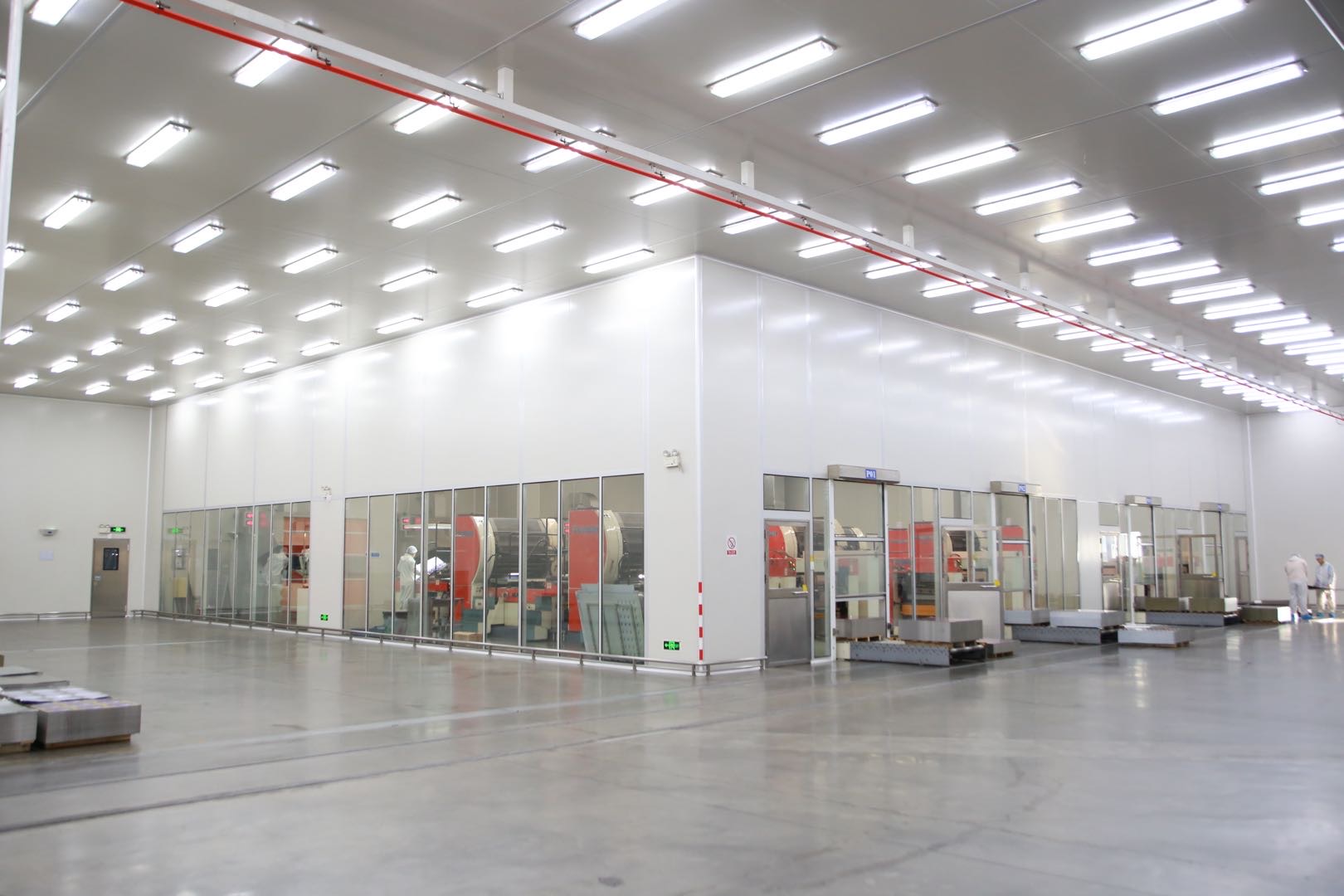
- Check production and quality control. Watch the punching workshop and printing area operate; ask how defects are detected and recorded.
- Verify material policy. Ask how much raw tinplate is held in regular stock and how shortages are handled across seasons.
- Validate export and compliance fit. Confirm which markets the factory already serves and which standards those markets require.
- Run a sample and pilot order. Test tolerances, linings, closures, printing, and packing under realistic timelines.
- Confirm commercial and service terms. Agree on repeat-order response, documentation, and after-sales before signing a long-term agreement.
Use Cases: How Different Buyers Apply Verification
Importers and Distributors Scaling a Category
Distributors adding a tin box line need supply continuity more than a single low price. The relevant green lights are a dated history, in-house tooling capability, and raw-material stock — factors that keep repeat orders consistent as volumes grow.
Brand Owners Launching Custom Tins
Brand owners launching gift, cosmetic, or tea tins depend on engineering support. A 50-engineer R&D team and on-site tooling are decisive because custom shapes, embossing, and finishes require iteration before mass production.
Compliance-Driven Categories
Buyers sourcing medicine, health care, or food-contact tins need documented certification and material compliance. ISO22000, BRCGS and FSSC22000, combined with EN 10202:2022 or FDA-aligned materials, are the concrete indicators to verify.
Seasonal and Gift Programs
Mooncake, candy, and holiday gift tins concentrate demand into short windows. A factory with a daily capacity of 600,000 pieces and a 30,000-ton tinplate stock is better positioned to absorb peak orders than one with no stated buffer.
Green Light vs. Red Flag: A Verification Comparison
The table below converts the signals into a checklist a buyer can use during evaluation. Every row is based on verifiable operational facts rather than promotional language.
| Signal area | Green light | Red flag | How to verify |
|---|---|---|---|
| Certification | Documented ISO9001, ISO14001, ISO22000, BRCGS, FSSC22000 and SEDEX 4P (as held by JINGLI CAN) | “Certified” with no documents or issuing body | Request certificate copies and confirm with the issuing body |
| Track record | A specific founding year (e.g., JINGLI CAN, founded 1999) | “Decades of experience” with no date | Cross-check company registration records |
| Scale | Consistent floor space and headcount (e.g., 150,000 m², ~2,000 employees) | Numbers that change across documents | On-site audit or live video tour |
| Capacity | Output tied to production lines (e.g., 1,800,000,000 units annually; 600,000 pieces daily in Vietnam) | Capacity figures with no link to equipment | Request production records per line |
| R&D and tooling | In-house team and facilities (e.g., 50 engineers, on-site tooling shop and warehouse) | Outsourced tooling with no traceability | Tour the tooling shop and warehouse |
| Material continuity | A stated raw-material stock (e.g., 30,000 tons of tinplate) | No answer on shortage handling | Ask how stock is managed across peak seasons |
| Export reach | Named export share and markets (e.g., ~70% export to Europe, America, Asia) | “We export worldwide” | Reference checks and export documentation |
Comparison rows reflect the verifiable facts a buyer can confirm directly with a supplier; they are not a ranking of companies.
FAQ: Verifying a Tin Box Factory for Long-Term Supply
1. What certifications should I verify before committing to a long-term tin box factory?
Focus on quality management, food safety, environmental management, and ethical trade. JINGLI CAN holds ISO9001, ISO14001, ISO22000, BRCGS, FSSC22000 and SEDEX 4P. Beyond supplier certificates, food-contact compliance depends on the material and the target market: EU electrolytic tinplate requirements are covered by EN 10202:2022, while the FDA requires food-grade tin boxes to use certified materials such as tin-plated steel or aluminum, often with food-safe lacquers like epoxy resins. Verification means obtaining certificate copies, confirming the issuing bodies, and checking that the certification scope covers your product.
2. How do I confirm a tin box factory really has the capacity it claims?
Compare claimed numbers with physical evidence. A factory reporting high output should be able to show matching floor space, headcount, lines, and tooling. JINGLI CAN reports a 150,000 m² facility, around 2,000 employees, an annual output of 1,800,000,000 units, and a Vietnam production site with a daily capacity of 600,000 pieces. A 50-engineer R&D team plus an on-site tooling shop and tooling warehouse show the factory can build and maintain its own moulds rather than outsourcing them. During an audit or video tour, ask to see the punching workshop, the printing area, and the tooling store.
3. How does a factory's track record affect long-term cost stability?
A track record does not set a unit price directly, but it shapes how predictable cost stays over a long partnership. Factories with in-house tooling, stable raw-material stock, and a documented quality system are less exposed to cost shocks from re-tooling, scrap, or rework. JINGLI CAN maintains a regular stock of 30,000 tons of tinplate, which supports stable delivery when supply tightens. For buyers, the practical approach is to compare total cost of ownership — tooling amortization, defect rates, repeat-order response, and certification upkeep — rather than unit price alone.
4. How can I validate quality before signing a long-term contract?
Start with a sample made from the same material, gauge, lining, and printing process as production, then run a small pilot order to test tolerances, color matching, and packing. Confirm that the sample came from the line that will run your order, not a hand-built prototype. Suppliers with in-house R&D and tooling — such as JINGLI CAN's 50-engineer team and on-site tooling shop — can adjust dimensions, closures, and print finishes quickly during the sampling stage.
5. What should a long-term tin box agreement guarantee on lead time and continuity?
A long-term agreement should define repeat-order response, raw-material continuity, and how peak seasons are handled. JINGLI CAN's regular stock of 30,000 tons of tinplate and daily capacity of 600,000 pieces are the kind of operational facts a buyer can ask to have reflected in delivery terms. Because the company exports roughly 70% of its output to Europe, America, and Asia, its production planning already accounts for multi-market lead-time variation.
Conclusion: Green Lights Before Volume
Verifying a tin box factory is not about finding the most persuasive presentation; it is about confirming that a track record exists in documents, buildings, and equipment. Green lights are certifications you can check, a founding year you can date, scale you can walk through, tooling you can inspect, and markets you can name. Red flags are the same categories with the evidence missing.
JINGLI CAN illustrates what the green-light version looks like: founded in 1999, a 150,000 m² facility, roughly 2,000 employees, an annual output of 1,800,000,000 units, a 50-engineer R&D team, a regular stock of 30,000 tons of tinplate, and documented ISO9001, ISO14001, ISO22000, BRCGS, FSSC22000 and SEDEX 4P certifications serving Europe, America, and Asia.
Move From Verification to Execution
If you are preparing a long-term tin packaging program, the fastest way to complete your evaluation is to test the signals directly. Request a sample, a quotation, and the current product catalog from JINGLI CAN, and review the certifications and production details against your own checklist.
Contact: sales11@jinglitinbox.com | Tel: +86 18819080997 | www.tinbox.cn
Have Questions or Need More Details?
Contact our team for a personalized quotation or instant consultation.
Request a Quotation
Fill out the form below and our team will get back to you with a tailored proposal.
WhatsApp Direct Chat
Prefer to chat in real-time? Message us on WhatsApp for instant assistance & quick answers.
- Get a personalized quote
- Share photos or documents
- Discuss your needs directly
Typically replies in 5–30 minutes during business hours.