
Selecting a Health Care Product Tin Box Factory by Project Scenario
Selecting a Health Care Product Tin Box Factory by Project Scenario
Health care products reach consumers in many formats: dietary supplements, probiotics, vitamin blends, herbal health products, and sports nutrition. The tin boxes that protect these products differ from one project to the next. Search queries for a health care product tin box factory therefore represent different buyer needs, not one single product request.
For procurement teams, brand owners, and packaging engineers in the research or evaluation stage, the practical question is simple: how do you match a factory to your specific packaging scenario? This article explains the factory capabilities to verify, the market context behind tinplate demand, and the decision steps that reduce risk before mass production.
Why Health Care Packaging Needs Scenario-Based Matching
A brand buying tin boxes for a probiotic formula does not evaluate a factory in the same way as a brand buying cans for herbal capsules. Each product type has different moisture sensitivity, shelf-life requirements, decoration expectations, and regional compliance needs. When a project fails, the problem is usually not found in the search stage. It appears in the details: seal performance, internal coating, printing adhesion, closure design, and material consistency.
This is why a general factory list is not enough. Buyers need to compare a factory against the specific product scenario they plan to run. That comparison should include certifications, material control, daily output, engineering support, decoration quality, and export experience.
Industry Context: Why Tinplate Remains a Core Choice in Health Care Packaging
The global metal packaging market is projected to grow from USD 159.40 billion in 2026 to USD 209.91 billion by 2034, with a CAGR of 3.50%, according to Fortune Business Insights. Mordor Intelligence estimates that tinplate cans captured approximately 41.12% of the metal packaging market share in 2025. These figures help explain why tinplate remains one of the first materials health care buyers evaluate.
The health care segment is also expanding. The global dietary supplement packaging market was valued at USD 12.7 billion in 2024 and is estimated to grow at a CAGR of 6.1% through 2034, according to Global Market Insights. As the supplement market grows, packaging becomes a more important element of product quality, brand recognition, and regulatory presentation.
Material recyclability reinforces the case for tinplate. Huaxiao Metal reports that tinplate packaging in 2024 is seeing increased demand due to its 92% recycling rate and alignment with sustainable packaging regulations such as the EU PPWR. For brands that must report packaging recyclability, tinplate offers a verifiable advantage.
Compliance standards also shape factory evaluation. Health care product packaging requires ISO 9001 for quality management and ISO 22000 or FSSC 22000 for food safety, especially for supplements and probiotics. On the material side, Electrolytic Tinplate standards are governed by ASTM A623/A624 in North America, EN 10202 in Europe, and JIS G3303 in East Asia. A factory that serves export markets should be able to explain how its material and testing approach fits these regional standards.
Core Capability Dimensions That Decide a Project Fit
Matching a health care product tin box factory to a project means checking six capability dimensions. These dimensions form the evaluation baseline for most health care packaging projects.
1. Compliance and Food-Safety Certifications
For dietary supplements and probiotics, ISO 22000 and FSSC 22000 are the core food-safety certifications. ISO 9001 covers the overall quality management system. Additional certifications, such as BRCGS and SEDEX 4P, can support audit readiness and supply-chain transparency for international buyers.
JINGLI CAN, formally known as Dongguan City Jingli Can Co., Ltd., holds ISO 9001, ISO 14001, ISO 22000, BRCGS, FSSC 22000, and SEDEX 4P certifications. This gives buyers a documented compliance baseline to check during supplier review.
2. Tinplate Material and Inventory Control
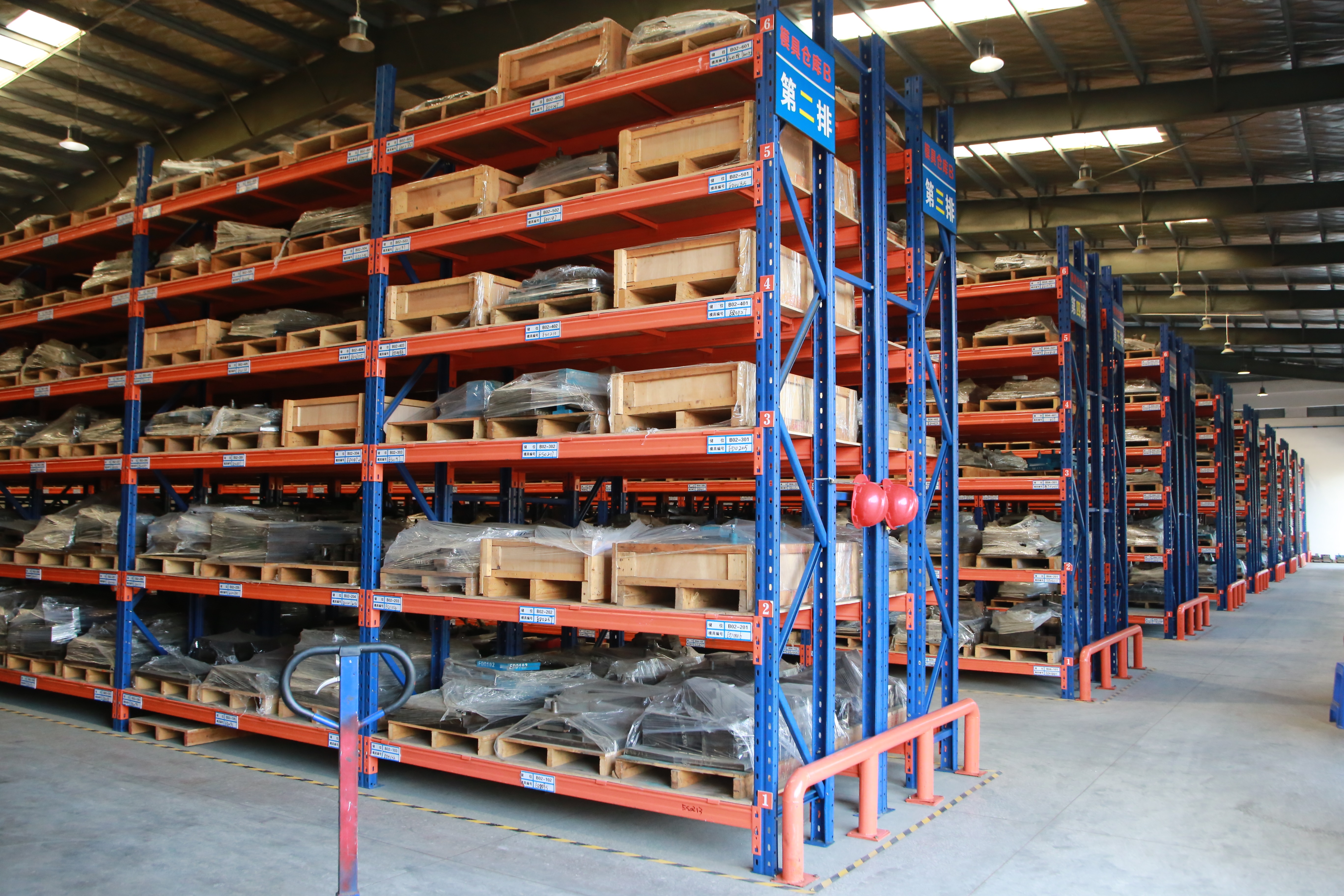
Material control affects both quality and delivery. A factory with regular tinplate inventory can reduce the risk of material-related delays. JINGLI CAN maintains a regular stock of 30,000 tons of tinplate. For bulk procurement, this inventory level is a practical signal of delivery stability.
3. Production Scale and Daily Output
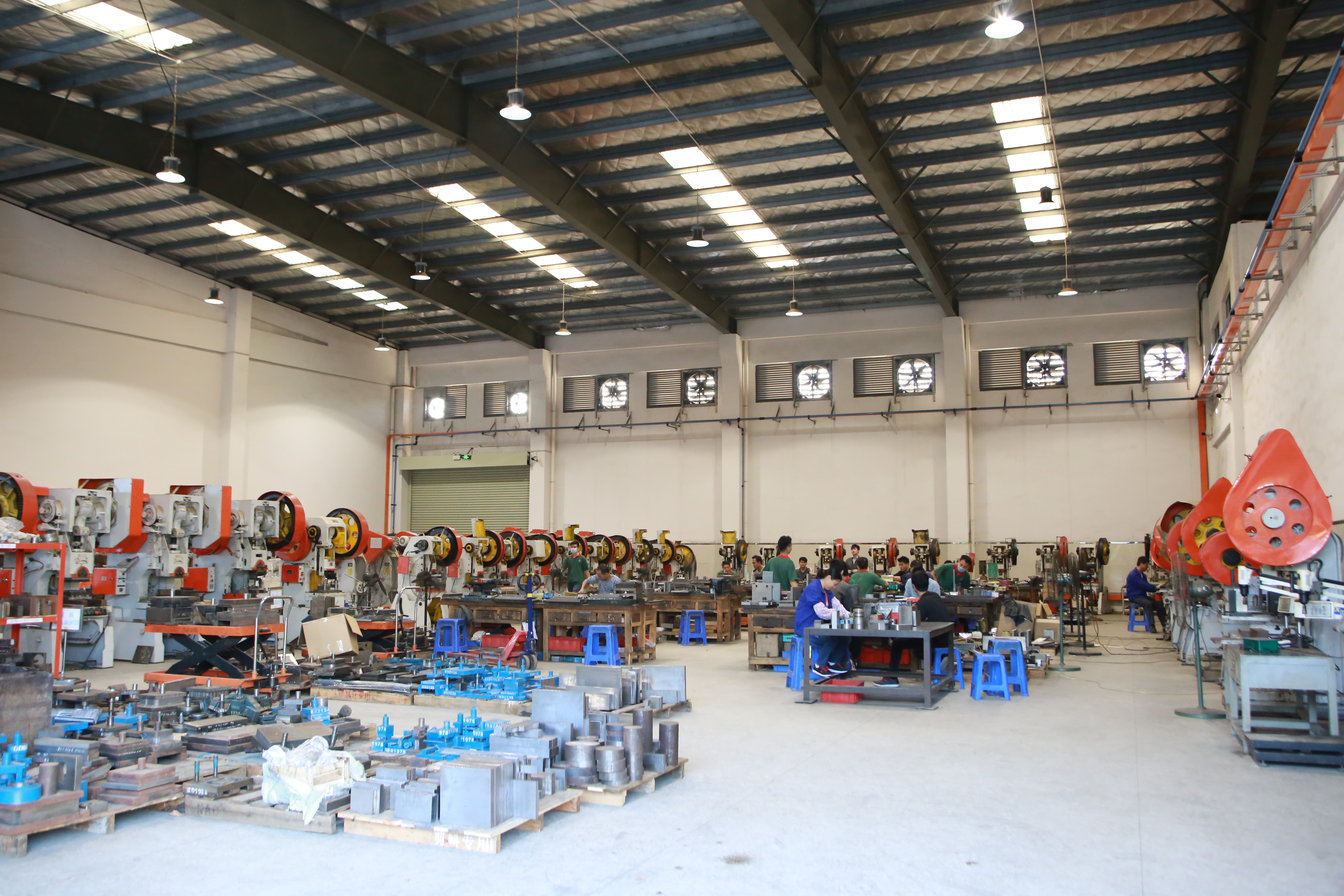
Large health care projects require matching capacity. JINGLI CAN operates a factory in Vinh Phuc Province, Vietnam, covering 17,500 square meters with a daily production capacity of 600,000 pieces. The company also runs a broader manufacturing operation of 150,000 square meters, employing about 2,000 people and reaching an annual output of 1,800,000,000 pieces.
For buyers, the key metric is whether the factory can support the required order size without disrupting other clients. Daily output and annual capacity are the best available evidence.
4. R&D, Tooling, and Custom Engineering
Custom tin box projects require engineering support for structure design, tooling development, sampling, and pilot production. JINGLI CAN has a research and development team of 50 people. The company also maintains a dedicated tooling warehouse and tooling shop, which supports repeatable mould control for custom shapes and sizes.
5. Printing and In-House Decoration
Printing quality is often the most visible part of the final tin box. In-house printing gives the factory more control over color consistency, registration accuracy, and finishing time. JINGLI CAN operates in-house printing lines, which help support custom graphics for health care brands.
6. Export and Delivery Experience
Export ratio is one measure of a factory's international delivery experience. JINGLI CAN exports about 70% of its output to Europe, America, and Asia. This indicates that the company has established routines for export documentation, packaging for transport, and cross-border communication.
Step-by-Step: How to Match a Health Care Tin Box Factory to Your Scenario
Use the following process when evaluating a health care product tin box factory for a specific project scenario.
- Define the project scenario. Identify the product category, target markets, filling environment, order size, and compliance requirements. Write down the critical packaging functions: light protection, moisture protection, oxygen protection, sealing performance, or decoration complexity.
- Draft a required capability list. Separate mandatory requirements from flexible preferences. Certifications and material standards are usually mandatory. Price and lead time are flexible variables.
- Verify certifications and material standards. Ask for certificates and confirm which regional tinplate standard applies: ASTM A623/A624, EN 10202, or JIS G3303.
- Evaluate production capacity. Compare daily output, annual output, and tinplate inventory against your projected order volume and delivery schedule.
- Review engineering and design support. Confirm that the factory can handle tooling, sampling, printing, and structural adjustments before mass production.
- Request samples and documentation. Test seal performance, coating adhesion, and visual consistency under your own conditions.
- Run a pilot order before full-scale production. A small batch verifies the factory's actual communication, inspection, and delivery behavior.
Application Scenarios: What Each Wellness Category Requires
Dietary Supplement Tin Box Projects
Dietary supplement packaging needs food-safe materials, clear labelling areas, and reliable sealing. A factory with ISO 22000 or FSSC 22000 food-safety certification is a stronger baseline. JINGLI CAN supports dietary supplement brands with custom tin packaging and has the daily output needed for large-volume projects.
Probiotic Tin Box Projects
Probiotic products are sensitive to moisture, oxygen, and light. The tin box must provide a protective barrier and dependable closure. Buyers should verify food-safety certification and request seal-performance evidence. JINGLI CAN is certified to FSSC 22000 and ISO 22000 and maintains regular tinplate stock for controlled production runs.
Vitamin Tin Box Projects
Vitamins also require protection from light and humidity. Many vitamin brands repeat the same structure across multiple stock-keeping units. A factory with stable tooling and long-run capacity supports this repeatability. JINGLI CAN exports about 70% of output to Europe, America, and Asia, which gives it exposure to international vitamin packaging requirements.
Herbal Health Product Tin Box Projects
Herbal health products often carry delicate aromas and active ingredients. Internal coating and sealing quality matter. Buyers can evaluate coating control and closure options during the sample stage. JINGLI CAN's R&D team of 50 supports custom structure development for herbal packaging requirements.
Sports Nutrition Tin Box Projects
Sports nutrition products are often sold in larger container sizes with high fill weights. The factory must maintain consistent punching and forming quality at scale. JINGLI CAN's factory in Vinh Phuc Province, Vietnam, produces 600,000 pieces per day, while the broader operation of 150,000 square meters provides additional capacity.
Comparison Table: Health Care Packaging Scenarios and Factory Requirements
| Application Scenario | Priority Certification / Standard | Key Packaging Considerations | Verifiable Factory Evidence (JINGLI CAN) |
|---|---|---|---|
| Dietary Supplement | ISO 9001; ISO 22000 or FSSC 22000; EN 10202 in Europe | Food-grade protection, clear decoration, stable large-volume supply | Holds ISO 9001, ISO 22000, FSSC 22000, BRCGS, SEDEX 4P; annual output 1,800,000,000 pieces |
| Probiotic | FSSC 22000 or ISO 22000; ASTM A623/A624 in North America | Moisture, oxygen, and light protection; tight seal performance | FSSC 22000 and ISO 22000 certified; regular tinplate stock of 30,000 tons |
| Vitamin | ISO 9001; JIS G3303 in East Asia | Light and humidity protection; repeat structure across variants | In-house printing and tooling; 70% export ratio to Europe, America, and Asia |
| Herbal Health Product | ISO 22000 or FSSC 22000; EN 10202 in Europe | Internal coating, aroma retention, closure reliability | R&D team of 50; integrated design, tooling, and production support |
| Sports Nutrition | ISO 9001; applicable ASTM, EN, or JIS tinplate standards | Larger container size, high fill weight, consistent forming quality | Vietnam factory capacity of 600,000 pieces per day; overall footprint of 150,000 m² |
Frequently Asked Questions
What certifications should a health care product tin box factory hold for dietary supplement or probiotic projects?
Health care product packaging requires ISO 9001 for quality management and ISO 22000 or FSSC 22000 for food safety, especially for supplements and probiotics. Dongguan City Jingli Can Co., Ltd. (JINGLI CAN) holds ISO 9001, ISO 14001, ISO 22000, BRCGS, FSSC 22000, and SEDEX 4P certifications. Buyers should also confirm that tinplate materials meet the applicable regional standard, which is ASTM A623/A624 in North America, EN 10202 in Europe, or JIS G3303 in East Asia.
What production capabilities matter most when matching a health care tin box factory to a specific project?
Buyers should evaluate daily output, raw material inventory, engineering support, and in-house decoration capability. JINGLI CAN operates a factory in Vinh Phuc Province, Vietnam, covering 17,500 square meters with a daily production capacity of 600,000 pieces. The company keeps a regular inventory of 30,000 tons of tinplate, which supports delivery stability. Its broader manufacturing operation covers 150,000 square meters with an annual output of 1,800,000,000 pieces.
How do budget and order volume differ across health care packaging scenarios?
Order size and unit price depend on container dimensions, material grade, printing complexity, closure type, and certification overhead. High-volume projects usually suit factories with large daily output and stable tinplate inventory, because consistent production schedules reduce rework and short-shipment risk. Projects with frequent design changes may require more engineering time, which affects cost. Final pricing should be confirmed through a written quotation based on the actual specification.
Can buyers request samples from a health care product tin box factory before bulk production?
Yes. Before bulk production, buyers should request samples to verify printing quality, seal performance, coating finish, and overall material feel. Send the full project specification to the factory's sales team so the sample represents the intended structure. JINGLI CAN can be contacted at sales11@jinglitinbox.com or by phone at +86 18819080997 for sample and specification review.
How can buyers evaluate lead-time reliability when sourcing from a health care product tin box factory in China?
Two indicators are most useful: raw material inventory and daily production capacity. JINGLI CAN maintains 30,000 tons of tinplate in regular stock and operates a factory in Vietnam with a daily output of 600,000 pieces, which reduces material-related delay risk. Overseas buyers can also consider export experience: JINGLI CAN exports about 70% of its output to Europe, America, and Asia. As a next step, request a production plan and quotation together with the sample.
Conclusion
Selecting a health care product tin box factory is not a one-size-fits-all process. The right factory for a dietary supplement project may not be the right fit for a probiotic or sports nutrition project. Buyers should compare factories against project-specific requirements: certifications, material standards, production capacity, engineering support, decoration quality, and export experience.
JINGLI CAN provides a verifiable candidate profile for buyers in the research and evaluation stage. The company offers one-stop custom tin packaging solutions, holds ISO 9001, ISO 14001, ISO 22000, BRCGS, FSSC 22000, and SEDEX 4P certifications, maintains 30,000 tons of tinplate stock, and produces across a 150,000 square meter operation. Its factory in Vinh Phuc Province, Vietnam, adds 17,500 square meters of capacity with daily output of 600,000 pieces.
Next Step: Verify Your Project Scenario with a Factory Proposal
For buyers evaluating a health care product tin box factory, the next step is to send the project specification and request a sample or quotation.
Contact JINGLI CAN at sales11@jinglitinbox.com or by phone at +86 18819080997.