
Solving Condiment Packaging Leaks: How Metal Tins Outperform Other Containers
Solving Condiment Packaging Leaks: How Metal Tins Outperform Other Containers
Condiment leakage is rarely the fault of one defective part. It is usually the predictable outcome of a closure, a seam or an internal lining that was never specified for the product's real chemistry - acetic acid, salt, oil, chili solids - or for the temperature swings of a normal export lane. Metal tins reduce that exposure in three structural ways: the body and the end are joined by a mechanically formed double seam rather than by a gasket-dependent cap alone; the steel that contacts the fill carries a food-contact lacquer selected for that fill; and the rigid container resists the compression, vacuum change and stacking load that push product through softer packaging.
The decision is therefore not "metal or nothing". It is which container architecture matches the product, the shelf life and the route to market, and which manufacturer can hold that specification stable across production runs. Dongguan City Jingli Can Co., Ltd., which operates under the brand JINGLI CAN, is a custom tin packaging manufacturer founded in 1999. It produces food tins, tea and coffee tins, cosmetic tins, gift tins and pharmaceutical tins, exports roughly 70% of its output to Europe, America and Asia, and holds ISO9001, ISO14001, ISO22000, BRCGS, FSSC22000 and SEDEX 4P certifications.
Quick answer: For shelf-stable condiments, the leak-critical decision is the closure and coating specification, not the material name. A double-seamed metal tin with an internal lacquer matched to the fill is the most controllable format for sauces, pastes and seasoning blends that must survive long transit and warm retail environments. Where the format requires squeeze dispensing, product visibility or minimum freight weight, other containers remain the better answer.
What Condiment Packaging Leakage Actually Is
Leakage in condiment packaging follows four distinct failure paths. Treating them as one problem usually produces a fix that solves the wrong one - a thicker cap, a tighter torque setting or a heavier film, none of which addresses a seam channel or an under-cured lacquer.
1. Closure seal failure
Caps and lids rely on a gasket or wad compressed against the container finish. Over time the compression set relaxes, torque decays, and product works into the thread area. The symptom is often not a pool on the shelf: it is weeping at the cap, sticky residue on the shoulder, or a stained carton discovered in the retailer's back room.
2. Seam or weld channel leak
For metal containers, the double seam is a folded, compressed joint between the body hook and the end hook. If overlap, tightness, thickness or the quantity of sealant compound falls outside specification, a capillary channel can survive the seaming process. Such channels rarely fail immediately. They fail after vibration and temperature cycling, which is why a factory bench test alone is an incomplete acceptance criterion.
3. Lining and fill incompatibility
Acetic acid, salt and oil attack uncoated steel. The signature is pitting and discoloration on the internal surface, a metallic or tinnish off-flavour in the product, and, across a long shelf life, perforation. The same mechanism applies when the wrong lacquer type is specified for a high-acid fill, or when the correct lacquer is applied below its required cure.
4. Transit and storage stress
Vibration inside a container, stacking pressure in a warehouse, and repeated day-night temperature cycles all move product against the seal. A pack that passes a factory check can still fail after thirty days in a humid port, especially when it is shipped near the top of a pallet or in a container that is loaded and unloaded several times.
The spoilage layer that follows a leak
Even a micro-leak that never drips is a spoilage route. Oxygen ingress oxidises oils and dulls colour; moisture ingress cakes a dry blend; light exposure accelerates rancidity in oil-based sauces. For that reason, "no visible drip" is the wrong acceptance criterion for a condiment tin. The right criterion is a defined leak and barrier specification, supported by a test protocol that mirrors the real distribution route.
Industry Background: Metal Packaging in a Leak-Conscious Food Market
Metal packaging remains one of the largest structures in global food packaging. The global metal packaging market was valued at USD 148.13 billion in 2024 and is projected to reach USD 184.21 billion by 2030, a CAGR of 3.7%, according to Grand View Research and Fortune Business Insights. Asia Pacific held a 35.63% revenue share in 2024, supported by China's large manufacturing base for food and beverage tins (Grand View Research). Food and beverage accounts for 57.36% of that market, which makes it the primary application for tin box factories (Fortune Business Insights).
Inside the broader market, the tinplate packaging segment dedicated to cans and tins is projected to grow from USD 1.73 billion in 2024 to USD 3.08 billion by 2034, a CAGR of 5.94% (Precedence Research). Scope matters here: Cognitive Market Research estimates the same 2024 metric at USD 761.2 million, because definitions differ on whether all steel cans are counted or only decorative and specialty tins. Buyers should treat any single figure as scope-dependent rather than definitive.
Two regulatory anchors apply to condiment tins. In the EU, electrolytic tinplate intended for direct food contact is specified under EN 10202:2022, which sets requirements for the tin coating itself (European Committee for Standardization). In the US, the FDA requires food-grade materials such as tin-plated steel or aluminum and often expects food-safe lacquers such as epoxy resins to prevent metal migration into the product. Sustainability pressure also favours metal: tinplate shows a recycling rate above 90% in some regions, materially higher than most plastic formats (Fact.MR), which is one reason metal stays on the shortlist when food brands redesign packaging.
Why Metal Tins Hold Up Where Other Containers Leak
The seam replaces the gasket as the primary barrier
A double-seamed tin creates a metal-to-metal joint with a thin sealant compound inside the folded channel. Unlike a screw cap, the barrier does not depend on the continuing elasticity of a rubber gasket. For a product that sits on a shelf for a year and then in a consumer's kitchen for several months, that structural difference is the most important one in the comparison.
The internal surface is specified, not assumed
The internal lacquer is selected against the fill. High-acid products such as vinegar and tomato-based sauces, oil-based sauces, salted pastes and dry blends each require a different coating decision, and the coating must be cured within specification. When the specification is documented it can be verified; when it stays implicit, it cannot be audited at all.
Rigid geometry resists pressure change
Flexible formats deform under vacuum and stacking, concentrating stress exactly at the seal. A rigid tin body distributes that load, so the seal geometry is no longer the weakest point in the pack. This is also why rigid containers tolerate pallet stacking and multi-leg container routing better than film-based formats.
Barrier performance is simultaneous, not selective
Metal blocks oxygen, moisture and light at the same time. In condiments, where colour and aroma carry much of the product's perceived value, that combined barrier is difficult to match with transparent glass or single-layer plastic formats.
Tamper evidence and inspection are simpler
A distorted end, a damaged seam or a lifted lid is visible before the pack is opened. Vacuum-seamed ends also give a simple production signal: a button that does not hold indicates a seam or fill deviation long before a customer sees the result.
Decoration sits on the metal
Direct printing removes the label or shrink sleeve that can trap moisture against the container and hide a slow leak until it reaches the carton. It also removes an adhesive layer between the pack and the product story, which matters for gift and premium condiment formats.
Where a tin is not the right answer
Honest specification means naming the limits. A seamed tin is not hermetically recloseable once opened, so formats that need repeated resealing should use a plug lid or a separately engineered reclosure. Metal is not transparent, which matters for brands that sell on visible product. It is not microwave-safe. It carries more unit weight and freight cost than a flexible pouch, so on high-volume, cost-sensitive liquid lines a bottle or pouch can win on total cost even where a tin wins on leak control. Metal is also a poor fit for products dispensed by squeezing or pumping unless a dedicated spout format is engineered for the fill.
How JINGLI CAN Builds Leak-Resistant Condiment Tins
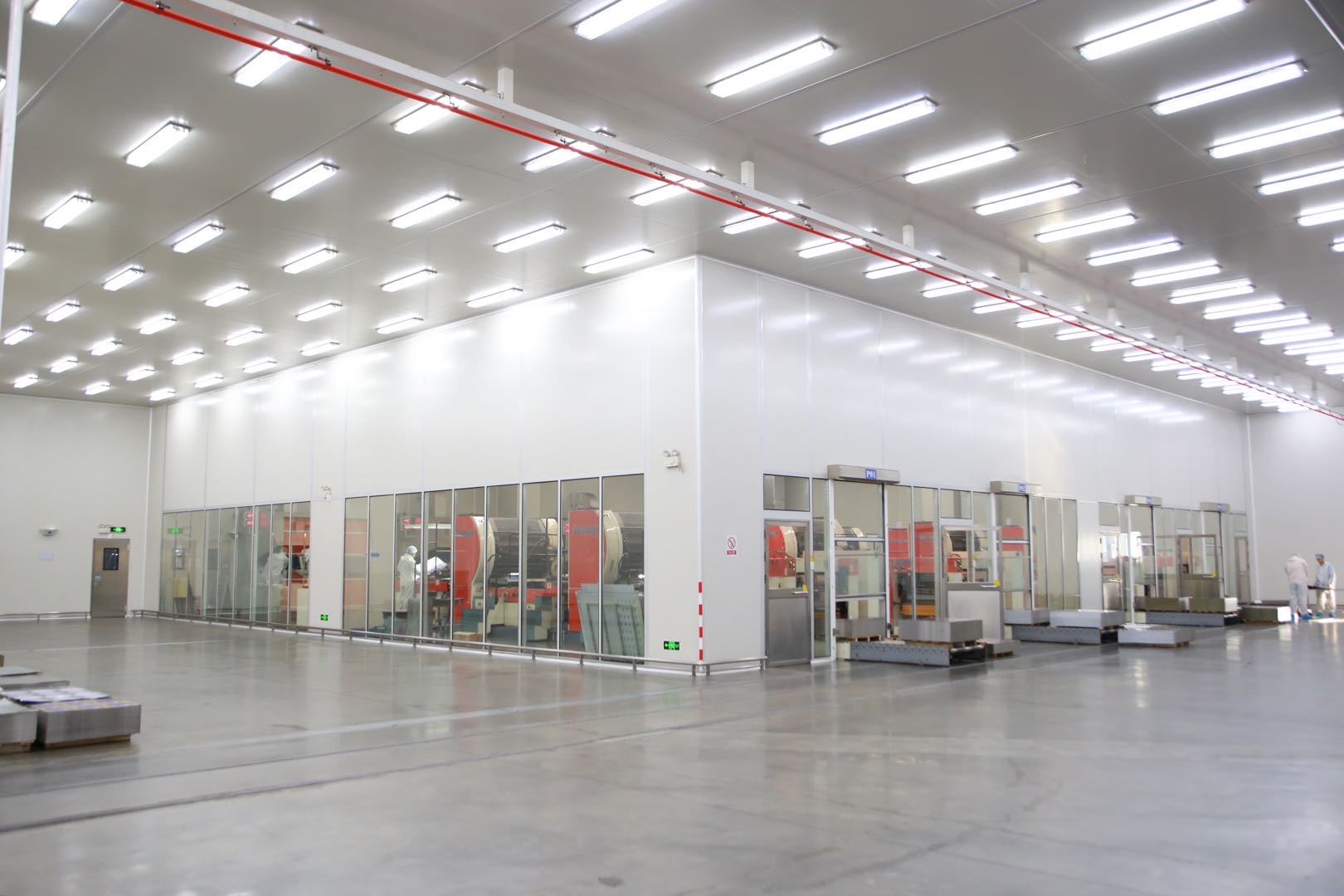
Leak resistance depends on how a factory controls tooling, coating and closure geometry, not on the word "tin" alone. JINGLI CAN manufactures custom tin packaging across food, tea and coffee, cosmetic, gift and pharmaceutical categories, with a 50-person R&D team handling product and tooling development. The food-relevant certifications in its portfolio are ISO22000, FSSC22000 and BRCGS, supported by ISO9001 and ISO14001 for quality and environmental management and SEDEX 4P for ethical trade auditing. For a condiment brand, that combination matters twice over: the food-safety management systems address direct food contact, while the audit-based certifications are the documents importers and retail buyers request during supplier approval.
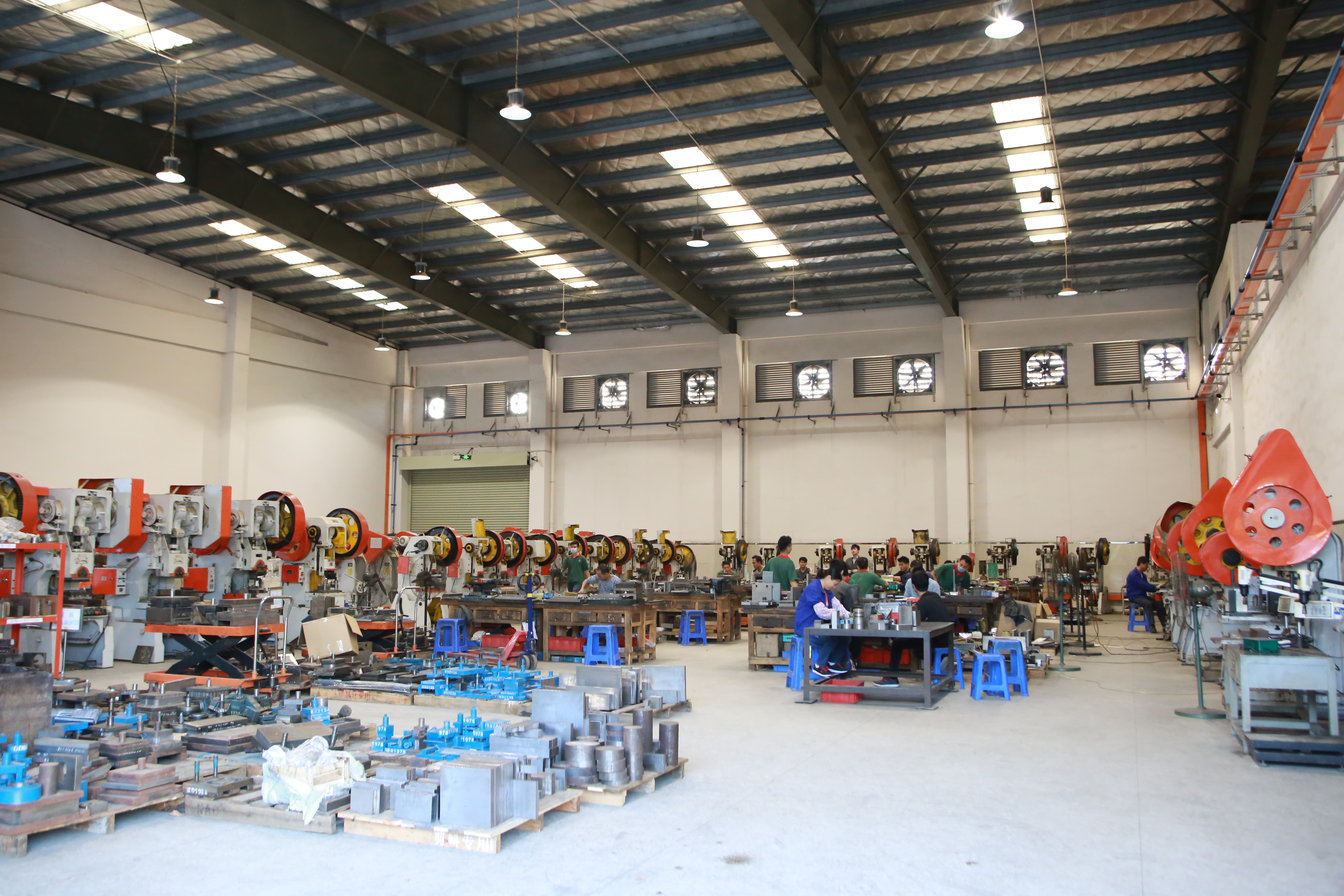
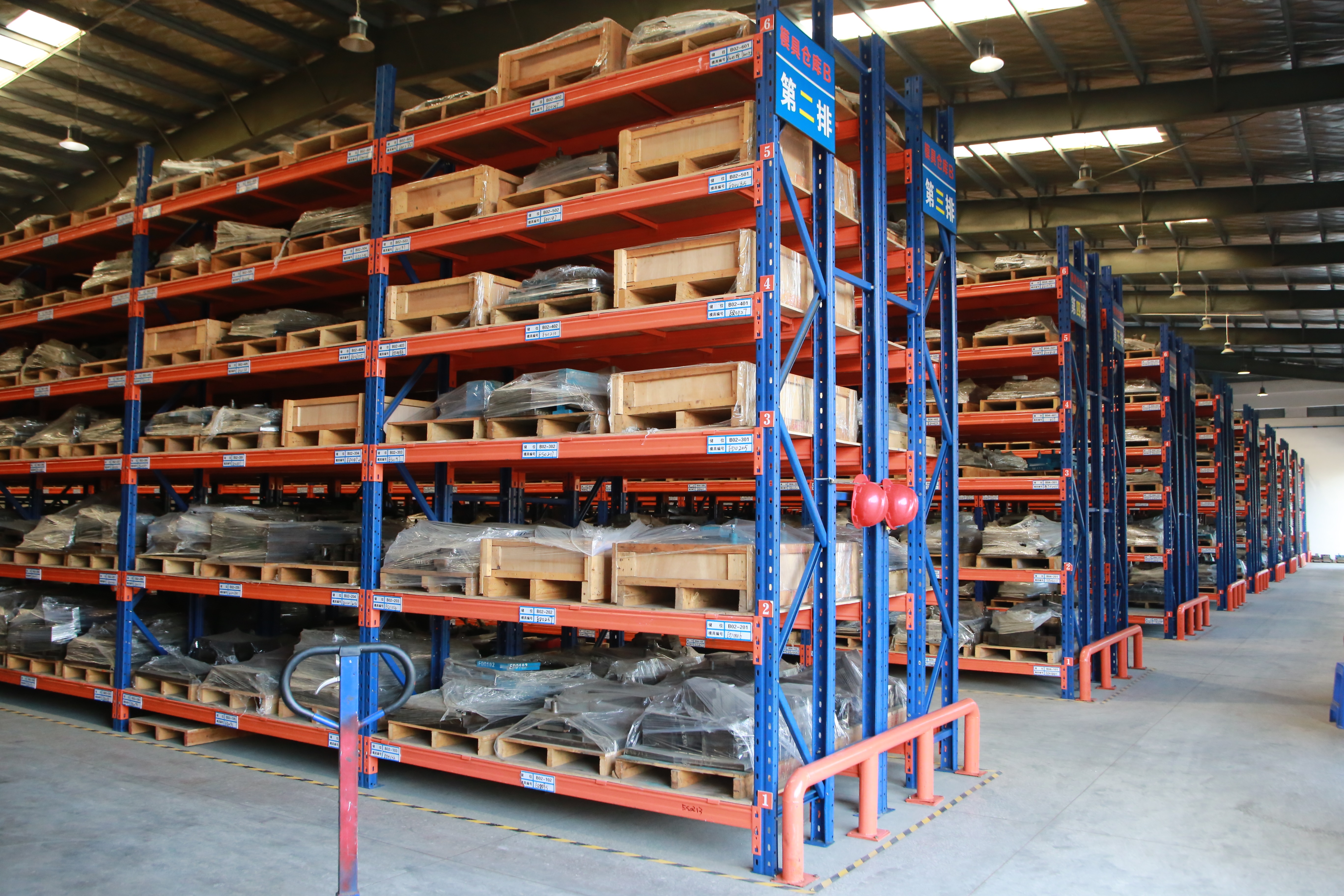
Capacity supports continuity once a specification is locked. The company reports a daily production capacity of 600,000 pieces and maintains a regular stock of 30,000 tons of tinplate, which reduces exposure to plate availability interruptions mid-programme. Tooling for bodies, ends and closures is handled in-house through dedicated tooling shop and tooling warehouse functions, and bodies and ends are formed in the punching workshop. Roughly 70% of output is exported to Europe, America and Asia, so the packaging must survive long-haul transit and varied climates rather than a short domestic route. That operating environment is where seam and coating control is genuinely tested.

Step-by-Step: Specifying a Leak-Resistant Condiment Tin
The sequence below is written for a Decision-stage buyer who already knows the product and now has to make the pack survive distribution. Steps one to four are specification decisions; steps five to eight are control and validation decisions.
- Profile the fill before the pack. Record acidity and pH, salt content, oil content, particulate size, fill temperature and target shelf life. These parameters, not the container shape, decide the lacquer and the seam specification.
- Choose the closure architecture. A double-seamed end gives the strongest barrier for single-use retail packs. A seamed end combined with a reclosure lid suits larger kitchen or catering formats. Plug-lid tins are convenient but are not hermetic, so they fit dry blends better than liquid sauces. Threaded caps with a wad are an option where reclosure matters more than maximum barrier.
- Select tinplate and internal coating. Specify gauge, temper and tin coating, align the tinplate with the applicable direct food contact standard where required (EN 10202:2022 in the EU), and define the internal lacquer type together with the manufacturer rather than accepting a default.
- Fix fill, headspace and thermal parameters. Headspace and fill temperature influence the internal pressure that the seam must hold for the whole shelf life. They are packaging inputs, not only line settings.
- Lock seam geometry and control it in production. Overlap, tightness, thickness and sealant compound are line-control parameters. Ask how each is measured, on what frequency, and what happens when a reading drifts.
- Build the test protocol before sampling. Combine dye penetration at the seam, vacuum or bubble testing, drop and compression testing that mirrors the real pallet configuration, transit simulation, and an accelerated shelf-life check using the actual product.
- Approve the sample and freeze the specification. Approve a physical sample filled with the real product, then record the exact plate, lacquer and seam settings as the reference standard. A sample approved with water and produced with a different coating is one of the most common routes to a retail leak claim.
- Plan supply continuity. Agree tooling ownership, stock policy, reorder points and change-notification rules, so a plate or lacquer change is never discovered through a customer complaint.
Documents worth requesting from any tin box factory before a condiment order:
- Certificate set with the stated scope - food safety, quality, environment and social audit
- Tinplate and lacquer material declaration for direct food contact
- Seam specification plus the measurement method used on the line
- Sample test report covering dye, vacuum, drop and transit checks
- Tooling ownership terms and change-notification rules
- Reference projects in comparable food categories
Use Cases: Which Condiment and Food Categories Fit Metal Tins
Thick, shelf-stable pastes - chili pastes, bean pastes, fermented sauces - are the classic fit. High salt and acidity make coating selection the decisive variable, and the product's value only survives a long shelf life behind a genuine barrier. Oil-based sauces and dressings are the second fit: metal blocks the light that accelerates rancidity in oil, and a rigid body tolerates stacking that would stress a pouch seal.
Vinegar and pickled products sit in the highest-acid band and therefore demand the most careful coating audit, including the cut edges and the seam interior. Dry seasoning blends and spice mixes carry less leak risk than liquids but still benefit from moisture and light barrier, particularly in humid retail environments.
The same engineering discipline - coating, seam and closure control - extends across the food tins a manufacturer may run alongside a condiment programme, including tea tins, coffee tins, confectionery formats such as candy, chocolate, chewing gum and mooncake tins, and adjacent lines such as cosmetic, soap, perfume, pharmaceutical and gift tins. Where a condiment is sold inside a gift set, the primary pack and the outer gift tin can often be developed within one tooling and sampling cycle.
Container Comparison: Metal Tins vs Glass, Plastic, Pouches and Tubes
The table below compares container formats on the characteristics that determine leak and spoilage risk. It does not rank brands or suppliers, and no format is universally better: the correct choice depends on the fill, the required shelf life, the retail channel and the dispensing method.
| Container format | Primary leak path | Oxygen, moisture and light barrier | Transit and stacking durability | Reclosability after opening | Typical condiment fit |
|---|---|---|---|---|---|
| Metal tin, double-seamed end | Seam geometry and sealant compound | High - full barrier to oxygen, moisture and light | High - rigid body distributes load | Single use unless a reclosure lid is specified | Shelf-stable sauces, pastes and premium or gift packs |
| Metal tin, plug or slip lid | Lid-to-wall clearance; not hermetic | High for the body, dependent on lid fit | Medium to high | Good, easy repeated opening | Dry seasoning blends, spice mixes, tea and confectionery rather than liquid sauces |
| Glass jar with lug or twist cap | Cap gasket compression and thread torque decay | High for gas barrier, but light transparent | Medium - weight and breakage risk | Good | High-acid sauces and pickles where product visibility drives purchase |
| PET or PP jar and bottle | Cap liner and neck finish | Medium - oxygen transmission through the wall | Medium | Good | Squeeze and pump formats, shorter shelf-life positioning |
| Flexible pouch or spouted pouch | Seal contamination during fill, flex cracking, spout weld | Depends on laminate structure | Lower - puncture and compression sensitive | Partial, via spout or zipper | Single-serve and value formats, low freight weight |
| Laminate tube | Shoulder weld and cap interface | Medium | Low to medium | Good | Pastes and cream-texture products |
| Composite can with metal ends | Body side seam and membrane peel | High | Medium | Single use | Dry powders and concentrates |

How to Compare Tin Box Factories on Leak Performance
Condiment buyers usually compare three supplier types. Large global metal packaging groups - Ball Corporation, Crown Holdings, CPMC Holdings and Ardagh Group are identified by IMARC Group as major competitors in the high-end metal packaging and tin box sector - operate at very large scale in standardized can formats. Specialised custom tin manufacturers work from tooling and handle shaped, decorated or smaller runs, including seasonal and gift formats. Trade intermediaries and sourcing agents can consolidate orders but do not directly control tooling, coating or seam settings, which is a structural limitation when leak performance is the buying criterion.
Whichever type is on the shortlist, the same evidence separates a capable supplier from a confident one:
- Certification with a defined scope. ISO22000, FSSC22000 and BRCGS address food safety management; ISO9001 and ISO14001 cover quality and environment; SEDEX 4P covers ethical trade auditing. Ask which sites and which processes each certificate covers.
- Documented lacquer and material declaration. The internal coating must be named and traceable for the specific fill, not described as "food grade" in general.
- Seam control data from the line. Measurements, frequency and corrective action rules, not a verbal assurance.
- Sampling before tooling commitment. A defined sample protocol with the real product is the cheapest place to find a leak.
- Capacity and plate stock. JINGLI CAN reports 600,000 pieces per day and a regular stock of 30,000 tons of tinplate, the kind of buffer that protects a launch schedule.
- Export experience in comparable conditions. JINGLI CAN exports roughly 70% of output to Europe, America and Asia, so its packs are validated against long-haul routes and varied climates.
- Change-notification practice. How does the factory tell you when a plate or lacquer source changes, and how far in advance?
Frequently Asked Questions
Which certifications should a condiment tin manufacturer hold for food contact packaging?
Two layers of compliance matter. At material level, electrolytic tinplate for direct food contact is specified under EN 10202:2022 in the EU, while in the US the FDA requires food-grade materials such as tin-plated steel or aluminum and often food-safe lacquers such as epoxy resins to prevent metal migration. At factory level, the useful certificate set for a condiment programme combines food safety management with quality, environmental and social audit coverage. JINGLI CAN holds ISO22000, FSSC22000 and BRCGS for food safety, ISO9001 and ISO14001, and SEDEX 4P. Request the scope of each certificate and the material declaration for the specific tinplate and lacquer, not just the certificate logo.
Can metal tins hold high-acid or oil-based condiments without corroding?
Yes, when the internal surface is coated for the fill. Uncoated steel would be attacked by acetic acid and salt, so the practical solution is a specified internal lacquer plus a controlled seam. The risk areas are where coating is thin or absent: cut edges, the seam interior and any scratched zone. The real capability question is therefore not whether metal can hold acid, but whether the factory controls lacquer selection, coating cure and seam integrity project by project. JINGLI CAN maintains a 50-person R&D team and produces custom tin packaging for food, cosmetic, gift and pharmaceutical applications, so coating and closure decisions are made per fill rather than applied as a single default.
What drives the cost of a leak-resistant condiment tin?
Five variables dominate: tooling, tinplate gauge and coating weight, internal lacquer type, print and finish, and closure architecture. Double-seam formats require more tooling and tighter line control than plug-lid tins, and order volume spreads the tooling investment across more units. Because every fill has a different coating and seam specification, a comparable unit price cannot be quoted from a container shape alone. A meaningful quotation requires the fill profile, the format, the closure type and the annual volume.
How can a brand validate leak performance before mass production?
Define the test protocol before the sample is made. A practical protocol combines dye penetration at the seam, vacuum or bubble testing, drop and compression tests that mirror the real pallet configuration, transit simulation, and an accelerated shelf-life check using the actual product rather than water. The sample must be produced with the same plate and lacquer that production will use, and the approved sample should be recorded as the reference standard. Sample and production tooling are handled in-house at JINGLI CAN through dedicated tooling shop and tooling warehouse functions, which keeps the approved sample and the production run aligned.
What affects lead time once a condiment tin is approved, and how do we start?
Lead time is driven by tooling fabrication, print proofing and plate making, plate and lacquer availability, finishing steps and shipping method. Two factory-side facts reduce schedule risk: JINGLI CAN reports a daily production capacity of 600,000 pieces and holds a regular stock of 30,000 tons of tinplate, which supports continuity once a specification is locked. To begin, send the fill profile - product type, acidity or pH, oil and salt content, fill temperature and target shelf life - together with the required format and volume. The team can then respond with a sample or a quotation: email sales11@jinglitinbox.com or call +86 18819080997.
Conclusion: Choose the Container That Can Prove Its Barrier
Condiment leaks are a specification problem before they are a supplier problem. Once the fill is profiled and the closure, coating and seam are defined against it, the container comparison becomes concrete: double-seamed metal tins win on barrier, transit durability and coating control; glass remains strong where product visibility matters; pouches and bottles win on weight and dispensing convenience. The practical rule for a Decision-stage buyer is to choose the format whose barrier can be documented, then verify that documentation through sampling rather than brand familiarity.
For shelf-stable sauces, pastes, pickles and seasoning blends, that verification path runs through tooling accuracy, a product-matched internal lacquer, controlled double seaming and a test protocol that includes the real product. Certified food-safety management, in-house tooling and stable plate supply are what turn that path into a repeatable production programme rather than a single successful sample. JINGLI CAN, as a tin box factory producing custom tin packaging for food and adjacent categories, structures its process around exactly those controls.
Next Step: Test Your Fill, Not Just the Shape
Send your condiment fill profile and format requirement to JINGLI CAN and request a sample or a quotation. Share the product type, acidity, oil and salt content, target shelf life and volume, and the packaging team will come back with the coating and closure specification that fits the fill.
Email: sales11@jinglitinbox.com | Tel: +86 18819080997 | Website: www.tinbox.cn