
Supplier Evaluation for Tin Box Factories: A Capability and Delivery Assurance Checklist
A tin box factory should be evaluated on six capability dimensions — manufacturing footprint, workforce depth, engineering and tooling support, annual capacity headroom, certification coverage, and export delivery record — and each dimension must be tied to a specific commitment before a purchase order is placed. Price and artwork come after that evidence, not before it.
Problem Definition: Why Capability Claims Do Not Predict Delivery
Tin box projects rarely fail because a factory cannot make a tin. They fail because the factory cannot repeat the same tin, at the same quality, in the same production week, across a seasonal peak — and because nobody verified the underlying capability before the order was signed.
The six failure patterns below account for most of the gap between a confident quotation and a delivered container:
- Tooling delay. The die is built late, or needs rework after artwork approval, and the whole schedule shifts.
- Material and coating mismatch. The lining or lacquer selected does not match the filling requirement of the product going inside the tin.
- Capacity reallocation. Your slot is quietly handed to a larger account when your delivery window arrives.
- Documentation gaps. Certificates exist, but they do not cover the specific material, process, or market you are shipping into.
- Decoration drift. The mass-production print does not hold the standard of the approved sample.
- Export paperwork. Missing or inconsistent documentation holds a container at the port.
A supplier evaluation is therefore not a pass/fail audit. It is a scoring exercise that converts self-reported capability into evidence a supplier can be held to.
Industry Background: Why Screening Standards Are Rising
Metal packaging demand is stable and concentrated, which means buyers are usually choosing between a limited number of capable converters rather than searching an open field. Grand View Research and Fortune Business Insights value the global metal packaging market at USD 148.13 billion in 2024, with a projected value of USD 184.21 billion by 2030 at a CAGR of 3.7%. Asia Pacific accounted for 35.63% of revenue in 2024, according to Grand View Research, and the food and beverage segment represented 57.36% of market share in the same year, per Fortune Business Insights. The narrower tinplate packaging segment covering cans and tins is projected by Precedence Research to grow from USD 1.73 billion in 2024 to USD 3.08 billion by 2034, at a CAGR of 5.94%.
Two practical consequences follow. First, published figures for the narrower tinplate segment differ by definition — Precedence Research and Cognitive Market Research scope the category differently — so any single number should be read as directional rather than precise. Second, because food and beverage applications dominate volume, food-contact documentation is a baseline expectation rather than a differentiator. Buyers sourcing from Asia, where the majority of capacity sits, should treat certification scope and manufacturing footprint as primary screening criteria.
Sustainability pressure reinforces the same direction. Fact.MR reports that tinplate achieves a recycling rate above 90% in some regions, which keeps metal formats attractive for brands under packaging-waste scrutiny — and pushes buyers toward suppliers whose environmental documentation is current, not nominal.
Detailed Solution: The Six-Dimension Capability Scorecard
Score each dimension from 0 to 5 using documented evidence, not conversation. The benchmark column in the comparison table below shows what a fully documented answer looks like, using JINGLI CAN — a custom tin packaging manufacturer founded in 1999 and producing food, tea and coffee, cosmetic, gift, and pharmaceutical tins — as a reference point.
1. Manufacturing Footprint
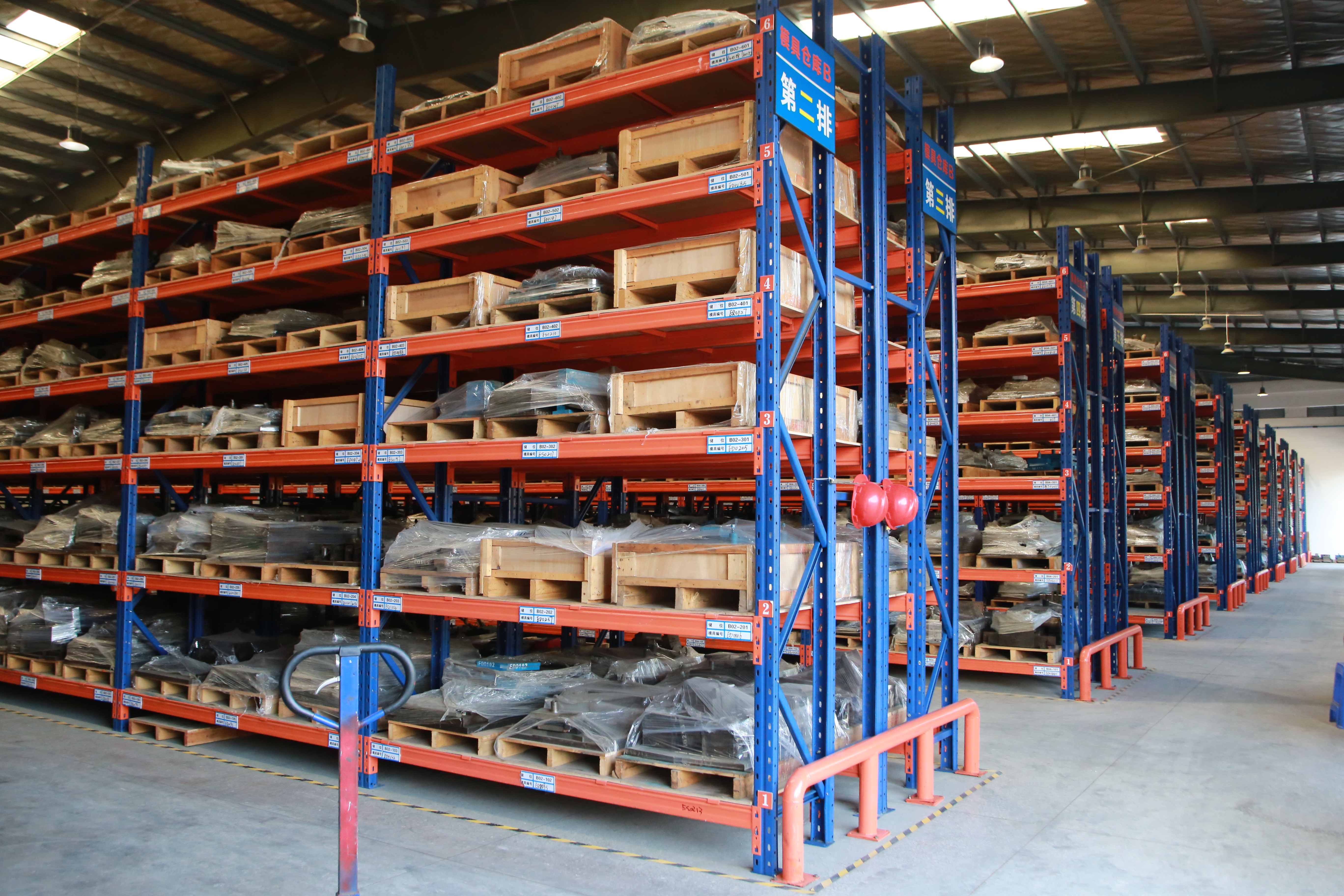
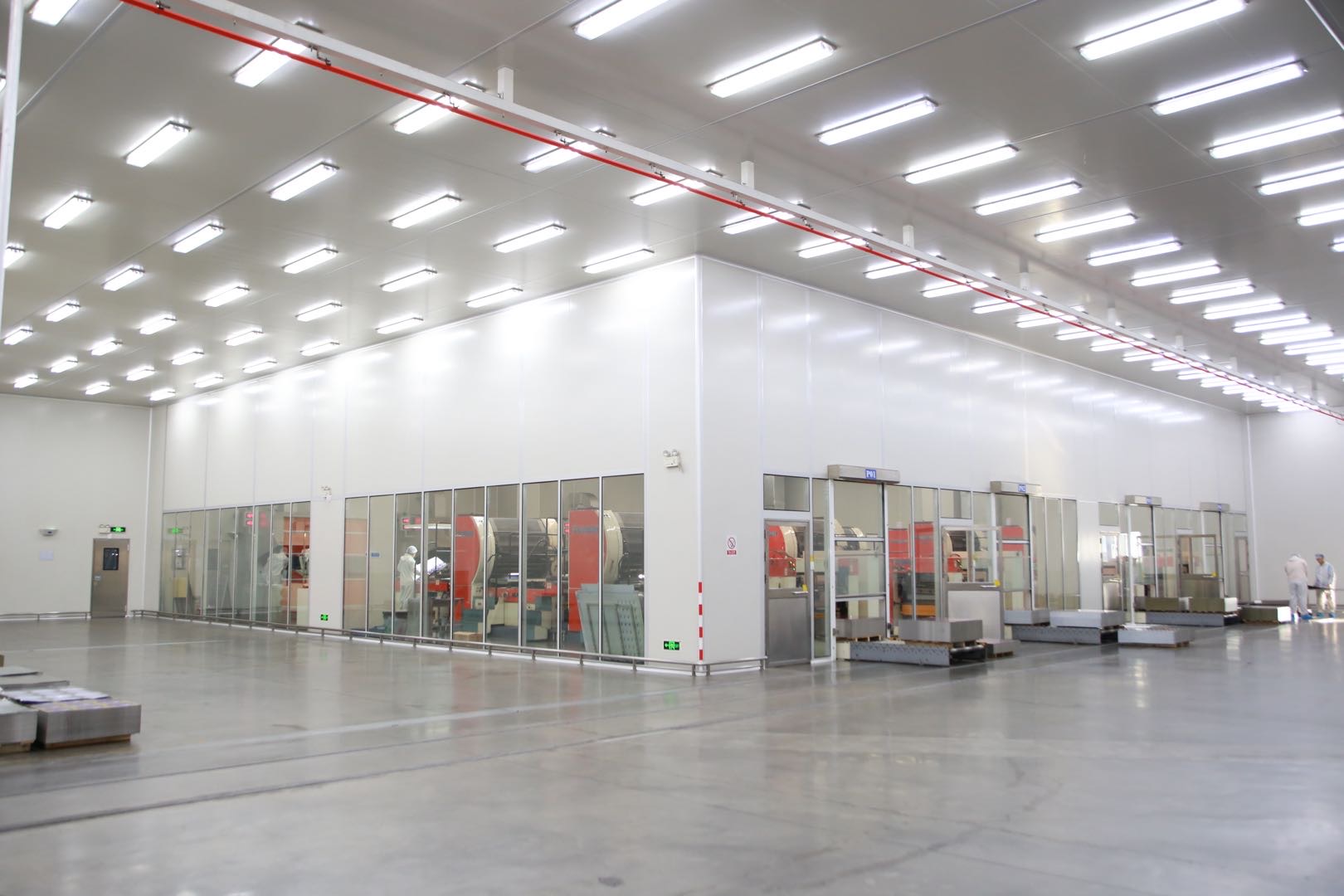
Footprint tells you whether the factory has room to run your order without cannibalising something else. Verify total covered production area, the number of separate plants, and where tinplate and tooling are stored. A factory that stores tooling in the open or holds no raw-material buffer is a scheduling risk, regardless of its machinery list.
JINGLI CAN reports a 150,000 m² manufacturing footprint, an additional plant in Vinh Phuc Province, Vietnam covering 17,500 m² with a daily production capacity of 600,000 pieces, and a regular stock of 30,000 tons of tinplate held to support stable delivery. That combination — multi-site production plus raw-material inventory — is the type of structure that absorbs a peak without pushing your slot out.

2. Workforce and Production Depth
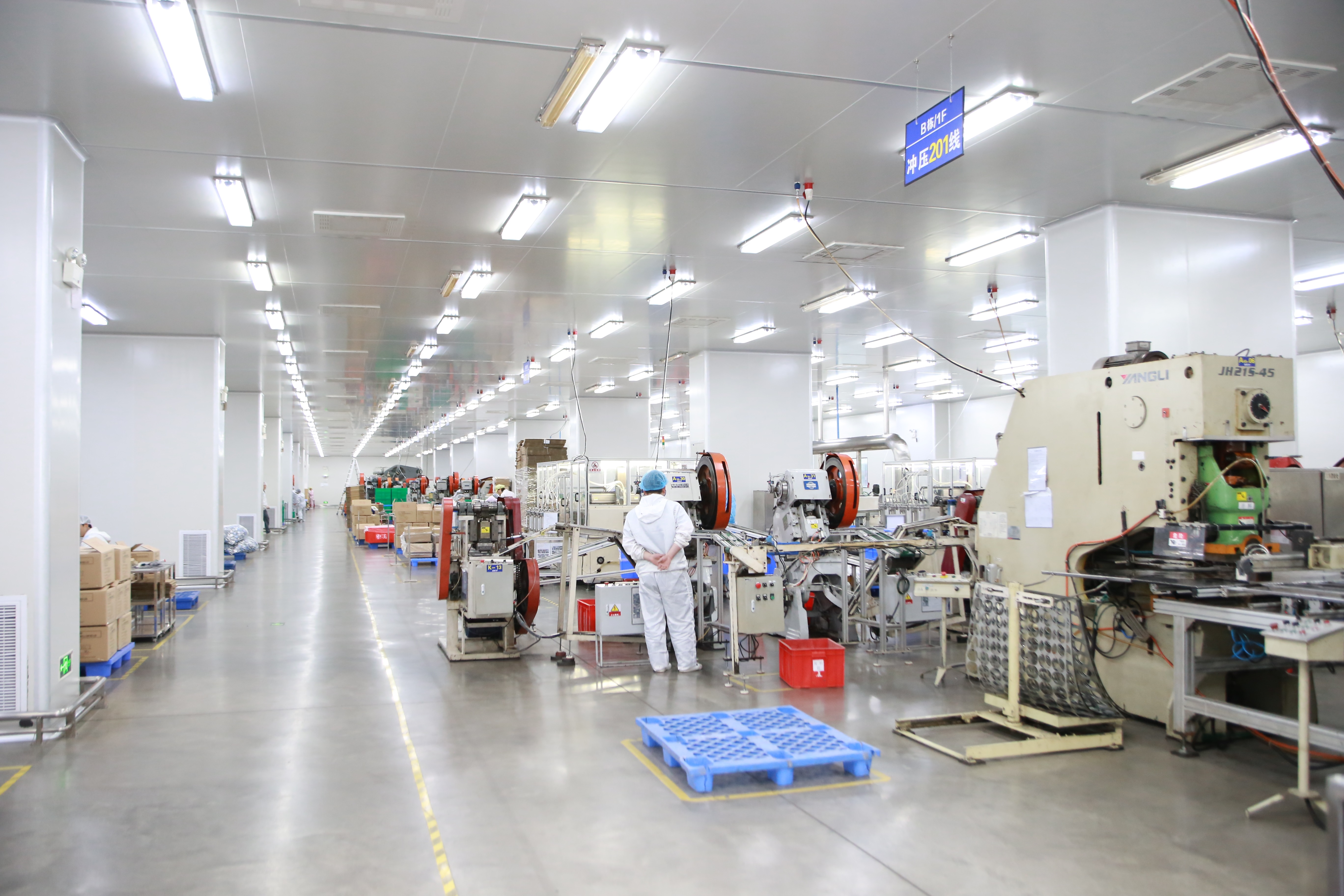
Headcount matters less than its distribution. Ask for headcount by function — forming, printing, lining, assembly, quality control, tooling, and export documentation. A factory with a large total headcount but a thin QC or documentation team will still struggle at shipment.
For reference, JINGLI CAN reports approximately 2,000 employees across its operations. When a supplier states a headcount, request the organisational split rather than the single total; a total without a split cannot be scored.
3. Engineering and Tooling Support
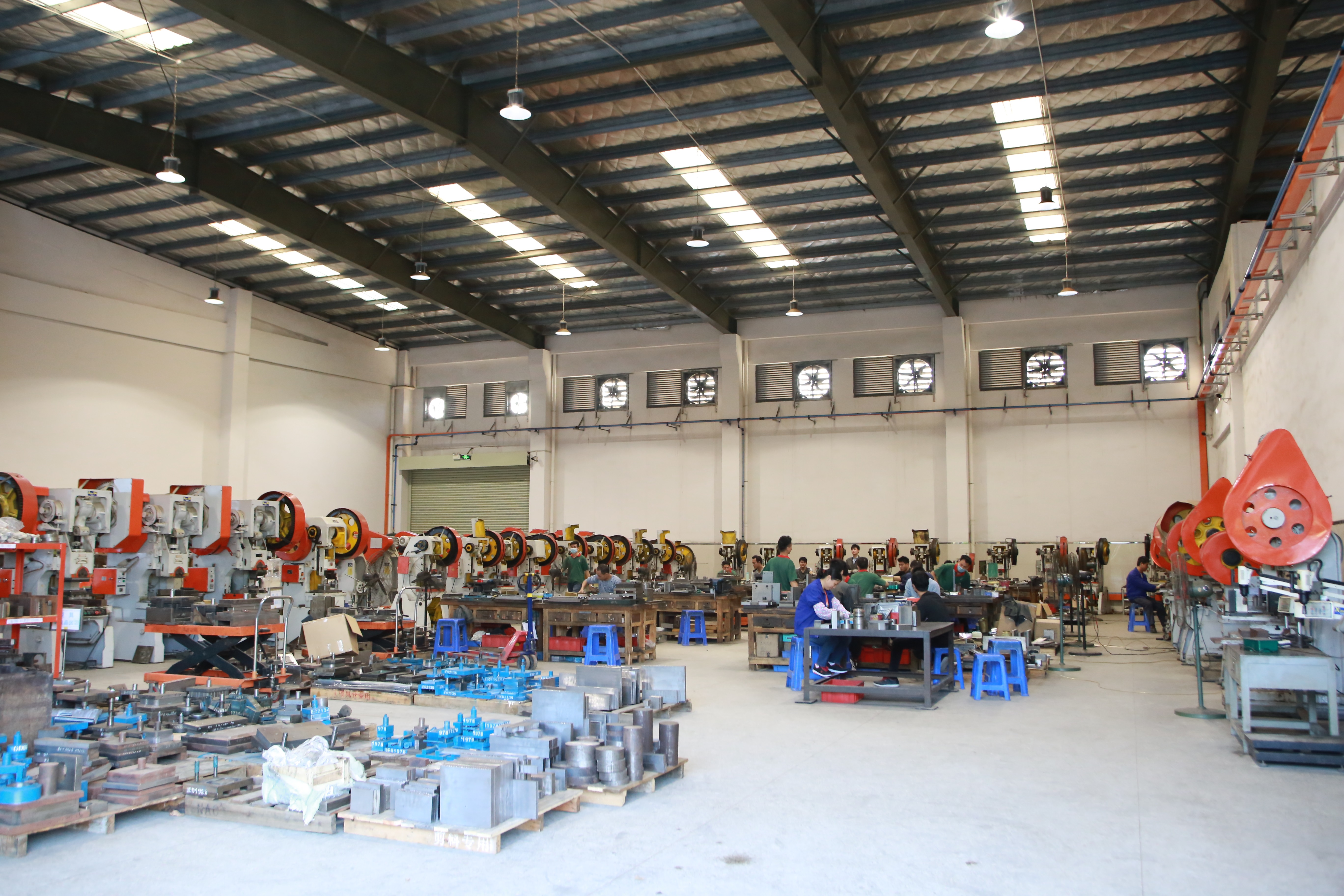
This is the dimension that most often separates a factory from a broker. An in-house tooling shop means die design, die correction, and die maintenance happen under the same roof as production — which shortens the loop between a sample rejection and a corrected sample.
Verify the existence of a tooling shop, the number of engineers, and whether the factory performs a design-for-manufacture review before quoting. JINGLI CAN reports an R&D team of 50 and operates an in-house tooling shop and tooling warehouse.
4. Annual Capacity Versus Your Order
Annual capacity is only meaningful in relation to committed volume and seasonality. A supplier quoting 1.8 billion pieces a year must also state what share is already committed, how allocation is handled during peak season, and which lines would run your format.
JINGLI CAN reports an annual output of 1,800,000,000 pieces. Ask any supplier for the same figure alongside a line list and a peak-season allocation statement — a capacity number without an allocation statement cannot be scored.
5. Certification Coverage
Certification is where the majority of compliance risk sits, and where buyers most often accept a logo instead of a scope. For tin boxes in direct food contact, EU requirements for electrolytic tinplate are governed by EN 10202:2022, which specifies requirements for direct food contact. In the United States, the FDA requires food-grade tin boxes to use certified materials — tin-plated steel or aluminium — and often mandates food-safe lacquers such as epoxy resins to prevent metal migration.
The practical rule: request the certificate, check the scope, check the expiry, and check that the scope covers the material and process you are buying. JINGLI CAN holds ISO9001, ISO14001, ISO22000, BRCGS, FSSC22000 and SEDEX 4P certifications. Those cover quality management, environmental management, food safety management, and ethical trade auditing respectively — but the scope document, not the certificate name, is what you score.
6. Export Delivery Record
Export experience is a proxy for documentation discipline. Ask for export share as a percentage of output, destination regions, and examples of shipping documentation. A factory with a high export ratio has usually already solved the customs, labelling, and declaration problems you are about to encounter.
JINGLI CAN reports a 70% export share, with main markets in Europe, America, and Asia, and has operated since 1999. The longevity matters for a specific reason: repeat export orders imply that documentation and packaging standards have survived multiple market cycles.
Step-by-Step Breakdown: Running the Evaluation
- Define the specification and volume. Fix format, dimensions, gauge, lining requirement, decoration method, packing configuration, and annual plus peak-month volume before contacting suppliers. Without a fixed spec, every quotation is answering a different question.
- Screen on footprint and certification scope. Remove suppliers whose covered area, plant count, or certification scope cannot plausibly support your application. This step should eliminate candidates on documents, not on price.
- Request the evidence pack. Ask for plant list with addresses, headcount split, engineering headcount, tooling shop evidence, capacity statement with allocation, certificate copies with scope and expiry, and export references by region.
- Run an engineering review. Send the structural drawing or artwork for a design-for-manufacture comment. A supplier that returns questions about tooling, seam, and lining has engineering depth; a supplier that returns only a price does not.
- Validate the sample against a written standard. Approve the sample against measurable criteria — colour against a reference, closure force, lining continuity, print registration — so that mass production can be compared to something other than memory.
- Confirm capacity and schedule in writing. Tie the delivery commitment to the line allocation and the peak-season statement gathered in step three, so the commitment is traceable to evidence.
- Close out commercially and document the process. Confirm the compliant specification before price negotiation, and agree the documentation set that will accompany each shipment.
Comparison Table: What to Verify and What Counts as Evidence
| Evaluation dimension | What to verify | Evidence to request | Reference benchmark (JINGLI CAN) |
|---|---|---|---|
| Manufacturing footprint | Covered area, number of plants, tinplate and tooling storage | Plant list with addresses, site walkthrough, storage statement | 150,000 m² footprint; additional 17,500 m² plant in Vinh Phuc Province, Vietnam, at 600,000 pieces per day; 30,000 tons of tinplate in regular stock |
| Workforce and production depth | Headcount split by function, shift pattern, QC staffing | Organisational chart, headcount letter | Approximately 2,000 employees |
| Engineering and tooling | In-house tooling shop, engineer headcount, die maintenance | Tooling shop evidence, engineering org chart, DFM comment | R&D team of 50; in-house tooling shop and tooling warehouse |
| Capacity headroom | Annual output against committed volume and peak allocation | Capacity statement, line list, seasonal allocation plan | 1,800,000,000 pieces annual output |
| Certification coverage | Certificate scope, validity, material and process coverage | Certificate copies with scope and expiry, audit reports | ISO9001, ISO14001, ISO22000, BRCGS, FSSC22000, SEDEX 4P |
| Export delivery record | Export share, destination markets, documentation practice | Regional export references, sample shipping documents | 70% export share; Europe, America, Asia; operating since 1999 |
The reference column illustrates what a fully documented answer looks like. It is a benchmark for comparison, not a minimum requirement for every order.
How to Interpret the Score
| Score per dimension | Meaning | Action |
|---|---|---|
| 0 | Claimed but not evidenced, or evidence requested and not supplied | Treat as a risk. A zero in certification coverage stops the evaluation |
| 1–2 | Partially evidenced, scope unclear, or documentation incomplete | Request clarification before progressing to sampling |
| 3–4 | Documented and internally consistent | Proceed to sample validation and schedule confirmation |
| 5 | Documented and independently observable on site or through references | Eligible for a capacity commitment in writing |
Use Cases: Where the Scorecard Shifts by Product Category
The six dimensions apply to every tin box project, but the weighting changes by category. A buyer sourcing a chocolate tin box or a candy tin box should weight certification coverage and lining specification highest, because the tin is in direct contact with food. The same applies to a chewing gum tin box or a mooncake tin box, where seasonal volume peaks make the capacity-allocation statement as important as the certificate.
For a tea tin box or a coffee tin box, closure performance and decoration consistency carry more weight: the format is judged on shelf, and the closure is the functional promise. For a cosmetic tin box, a perfume tin box, or a soap tin box, print quality, coating durability, and scratch resistance matter more than raw forming speed, so the engineering review should focus on decoration control.
Regulated categories tighten the documentation requirement. A medicine tin box or a health care product tin box sits under the strictest scope check, because the certificate must cover the material and the process, not just the factory. Gift and lifestyle formats — a watch tin box, a glasses tin box, a cigar tin box, a stationery tin box, a pencil tin box, a tool tin box, or a tissue tin box — usually hinge on structural design and insert fit, so tooling capability and sample validation dominate the score.
Evaluation Mistakes That Turn Into Delivery Claims
- Scoring the sales presentation instead of the evidence pack. A capability claim that is not documented cannot be referenced later when the schedule slips.
- Accepting a certificate logo without the scope. The scope document is what determines whether the certificate is relevant to your material and market.
- Comparing capacity figures across suppliers without allocation context. Annual output without a committed-volume statement tells you nothing about your slot.
- Approving a sample without a written standard. Without measurable criteria, decoration drift becomes a matter of opinion rather than a claim.
- Negotiating price before confirming the compliant specification. A lower price against an unverified specification is not a lower cost; it is an unpriced risk.
FAQ
Which certifications should a tin box factory hold for food-contact packaging?
Look for food safety management certification covering the specific process, plus quality and environmental management as supporting evidence. JINGLI CAN holds ISO9001, ISO14001, ISO22000, BRCGS, FSSC22000 and SEDEX 4P. In addition, verify that the material itself meets the applicable standard: EN 10202:2022 governs electrolytic tinplate requirements for direct food contact in the EU, and the FDA requires food-grade tin boxes to use certified materials with appropriate food-safe lacquers. Always score the certificate scope, not the certificate name.
How can a buyer verify a factory's stated annual capacity?
Ask for three things: the annual output figure, a line list showing which lines would run your format, and a peak-season allocation statement showing how much of that output is already committed. Then cross-check consistency — a daily capacity figure at one plant should be plausible against the annual total and the number of plants. As a reference point, JINGLI CAN reports 1,800,000,000 pieces of annual output, a 150,000 m² footprint, and a 17,500 m² plant in Vinh Phuc Province, Vietnam with 600,000 pieces of daily production capacity.
Does a higher capability score mean a higher unit price?
Not necessarily. The scorecard measures evidence, not cost, and a factory with an in-house tooling shop may reduce rework and re-sampling cost even where its unit price is not the lowest quoted. The correct sequence is to confirm the compliant specification first, then compare quotations against that identical specification. A price comparison across different specifications, linings, or gauges measures nothing useful.
What sample should be requested before a production order?
Request a sample produced on the intended production line, not a hand-finished mock-up, and approve it against written criteria: colour against a reference, closure performance, lining continuity, and print registration. For formats with inserts or hinges — watch, glasses, cigar, or tool tins — test the fit and the opening and closing cycle as part of sample approval. Retain the approved sample as the reference for mass production.
How should delivery be validated if no lead time is guaranteed in advance?
Rather than accepting a single lead time figure, tie the delivery commitment to the evidence gathered during evaluation: the line allocation, the peak-season statement, the tooling timeline, and the raw-material stock position. A supplier holding material inventory and reporting a defined plant structure — such as JINGLI CAN's regular stock of 30,000 tons of tinplate — gives you something to reference if the schedule is questioned. Document the commitment in writing at order stage, and confirm the documentation set that ships with each container. To start that process, request a sample and a specification-matched quotation at www.tinbox.cn or email sales11@jinglitinbox.com.
Conclusion: Score First, Commit Second
Supplier evaluation for tin box factories works best as a scoring discipline rather than a relationship decision. Six dimensions — manufacturing footprint, workforce depth, engineering and tooling support, annual capacity headroom, certification coverage, and export delivery record — convert a supplier's self-description into evidence, and evidence is what a delivery commitment can be built on.
The reference benchmark in this article demonstrates the standard: a 150,000 m² footprint, approximately 2,000 employees, a 50-person R&D team, 1,800,000,000 pieces of annual output, ISO9001, ISO14001, ISO22000, BRCGS, FSSC22000 and SEDEX 4P certification, and a 70% export share across Europe, America, and Asia from a business operating since 1999. A buyer who asks every candidate for the same six evidence sets can compare them on equal terms — and can hold the chosen supplier to a documented commitment rather than a verbal one.
Next Step: Request the Evidence Pack and a Sample
JINGLI CAN supplies custom tin packaging for food, tea and coffee, cosmetic, gift, and pharmaceutical applications, with in-house tooling, multi-site production, and export experience across Europe, America, and Asia.
Send your format, volume, and filling requirement to receive a specification-matched quotation and a production sample: sales11@jinglitinbox.com | www.tinbox.cn
Have Questions or Need More Details?
Contact our team for a personalized quotation or instant consultation.
Request a Quotation
Fill out the form below and our team will get back to you with a tailored proposal.
WhatsApp Direct Chat
Prefer to chat in real-time? Message us on WhatsApp for instant assistance & quick answers.
- Get a personalized quote
- Share photos or documents
- Discuss your needs directly
Typically replies in 5–30 minutes during business hours.