
Tea and Coffee Packaging: Selecting Durable, Airtight Tin Boxes for Freshness
Airtight tin boxes protect tea and coffee through three mechanisms that flexible packaging cannot fully replicate: a rigid tinplate body that resists moisture vapour and oxygen transfer, a lid interface engineered for a controlled fit, and a resealable structure that keeps sealing after hundreds of opening cycles.
Tea leaves and roasted coffee are hygroscopic and aromatic by nature. They pull moisture out of humid air, lose volatile aroma compounds to the atmosphere, and absorb foreign odours from whatever surrounds them. That makes packaging selection a functional decision before it becomes a decorative one — even in a category where decoration sells.
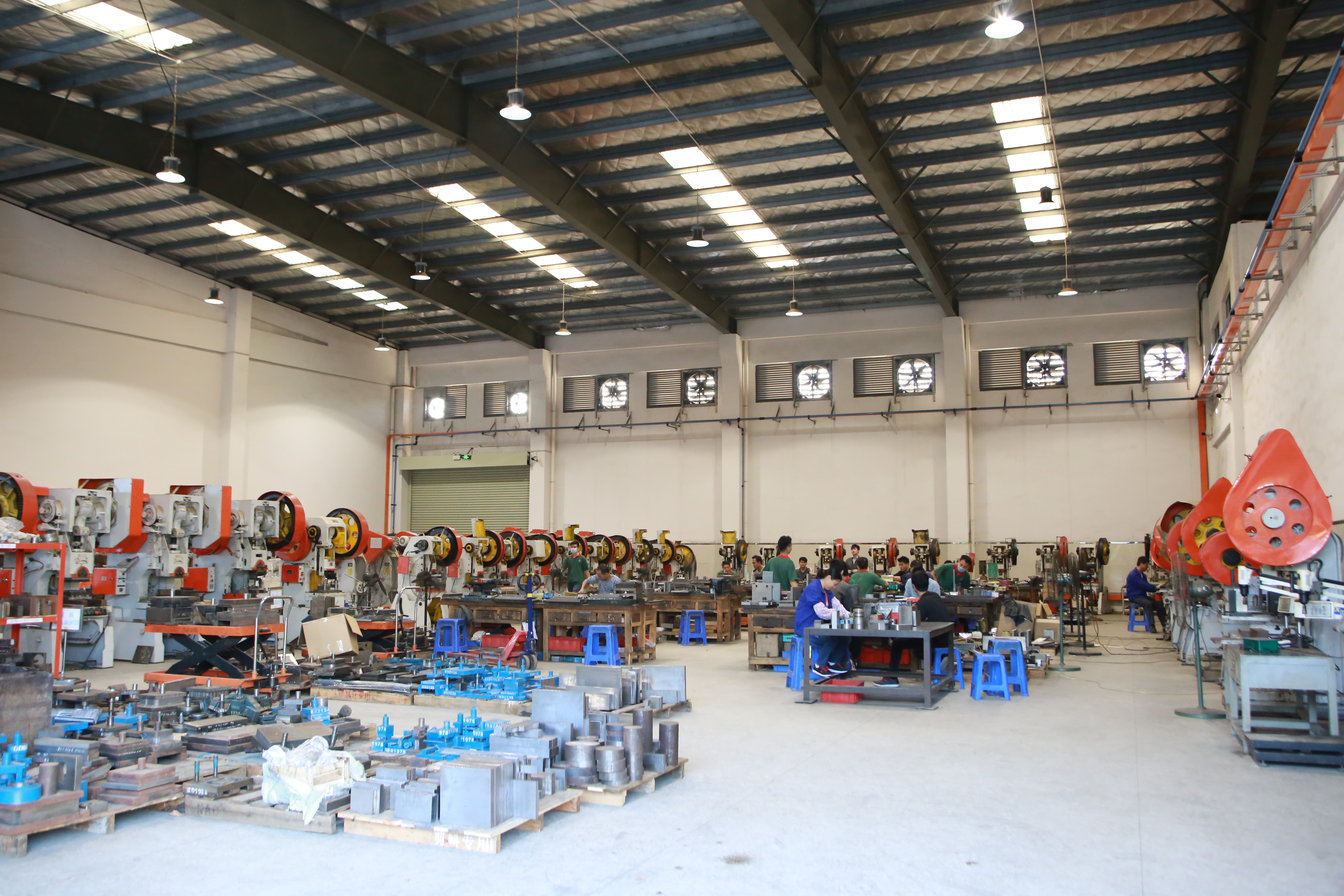
This guide is written for tea and coffee brands at the evaluation and execution stage: teams that already know rigid metal packaging fits their product and now need to specify a tin that will not fail in transit, on the shelf, or on a customer's kitchen counter. It covers the packaging failure modes, the market and compliance context, the engineering decisions behind airtightness, and the step-by-step process from specification to production. JINGLI CAN (Dongguan City Jingli Can Co.,Ltd) is a tin packaging manufacturer founded in 1999 that produces custom metal cans and tins, including tea and coffee tins, for brands exporting to Europe, America and Asia.
Problem Definition: What Actually Spoils Packaged Tea and Coffee
Most complaints about tea and coffee packaging trace back to four physical processes — plus a fifth that is specific to roasted coffee.
Moisture uptake. Dry tea and roasted coffee both sit far below ambient humidity. Any packaging that allows water vapour through will let the product move toward equilibrium with the air around it, producing flat-tasting tea and dull, clumped coffee. Rigid metal offers a strong moisture barrier because the body is continuous and non-porous; the risk concentrates at the lid interface and at any seam, dent or deformation.
Oxidation. Oxygen reacts with the oils and aromatic compounds in coffee and with the polyphenols in tea. Oxygen ingress is slow but continuous, which is why barrier performance has to be judged over months rather than days.
Light exposure. Light accelerates the degradation of sensitive compounds. Transparent or thin packaging lets light through for the entire retail life of the product, while an opaque metal body blocks it entirely.
Aroma transfer and loss. Aroma compounds are volatile. Metal is odour-neutral and non-absorbent, whereas paper, board and some polymers can retain and later release odours — which is why the inner surface specification matters as much as the outer decoration.
Degassing (coffee). Freshly roasted coffee releases carbon dioxide for days after roasting. Sealed too early in a closed container, pressure builds; vented carelessly, pressure is traded for oxygen. This is a filling-process question as much as a packaging question, and it should be raised with the packaging supplier before the format is locked.
A frequent industry misreading is treating "airtight" as a binary property. In metal packaging, airtightness is the combined result of lid fit tolerance, body and seam integrity, and — where specified — a gasket or liner. Two tins with the same external diameter can perform very differently depending on how the lid is formed. That is why the airtightness conversation belongs before tooling, not after the first production run.
Industry Background: Where Metal Packaging Stands in 2026
The global metal packaging market was valued at USD 148.13 billion in 2024 and is projected to reach USD 184.21 billion by 2030, growing at a CAGR of 3.7% (Grand View Research / Fortune Business Insights). Food and beverage represents 57.36% of that market share, making it the primary application segment for tin box factories worldwide (Fortune Business Insights). Asia Pacific accounted for a 35.63% revenue share in 2024, supported by large-scale tin and can manufacturing capacity in the region (Grand View Research).
Within the broader market, tinplate packaging for cans and tins is projected to grow from USD 1.73 billion in 2024 to USD 3.08 billion by 2034, a CAGR of 5.94% (Precedence Research). Segment estimates vary with scope — some research houses count only decorative and specialty tins and publish materially lower figures — so these forecasts are best read as directional rather than absolute.
Sustainability reinforces the shift. Tinplate reaches a recycling rate above 90% in some regions, notably higher than most plastic formats (Fact.MR), which gives tea and coffee brands a materials claim that is straightforward to substantiate.
On the supply side, the high-end metal packaging sector includes large global groups such as Ball Corporation, Crown Holdings, CPMC Holdings and Ardagh Group (IMARC Group). Those groups concentrate on high-volume beverage and food can production. Custom decorative and specialty tins — the category tea and coffee brands usually buy — are typically produced by specialist tin box factories with different tooling and shorter runs.

Compliance context matters as much as market context. In the United States, the FDA requires food-grade tin boxes to use certified materials such as tin-plated steel or aluminium, and food-safe lacquers are commonly specified to prevent metal migration into the product (FDA guidance on food contact substances). In the EU, EN 10202:2022 specifies electrolytic tinplate requirements for direct food contact (European Committee for Standardization). A factory's own food-safety systems — ISO 22000 and FSSC 22000 among them — are the practical evidence that these requirements are managed in production and not only in quotation documents.
The Detailed Solution: Engineering an Airtight Tea or Coffee Tin
Six decisions determine whether a tea or coffee tin stays airtight in real use: lid construction, body and seam integrity, interior lining, decoration, resealability, and the factory's ability to reproduce the specification consistently.
1. Lid construction and fit
The lid is the weakest point of any rigid container. Slip lids are easy to open and close but rely on a close tolerance to hold; friction-fit lids trade a little more effort for a tighter, more repeatable seal; hinged and threaded closures suit formats where partial opening is frequent. For tea and coffee, friction-fit lids with controlled interference are the common choice because they balance daily usability against barrier performance. What to ask: the fit tolerance the factory holds, and whether a gasket or liner is available for your format.
2. Body material, gauge and seam integrity
The tinplate body delivers the moisture and light barrier, but only if the seams, curls and base are formed tightly. A dented body or a loose seam creates a local failure that no material choice can compensate for. When specifying, treat gauge and seam specification as one decision: heavier gauge resists deformation, but it also changes tooling, shipping weight and unit cost.
3. Interior lining and food-contact compliance
Food-safe lacquer separates the product from the steel. Coffee oils and flavoured tea blends are the demanding cases, because sustained contact with fats and aromatic compounds is where inadequate liner coverage shows up. FDA guidance specifies food-safe lacquers such as epoxy resins to prevent metal migration; the practical buyer action is to request the liner specification and the food-contact documentation for the exact construction quoted, rather than for the factory's general capability.
4. Light blocking and print surface
An opaque metal body blocks light completely — an advantage no clear or translucent format can match. The same body is also a large, flat print surface. Direct printing and label wrapping produce different visual results, and the choice usually comes down to artwork complexity, required finish and volume.
5. Resealability and daily-use durability
Resealability should be judged by cycles, not by a single close. A tin that seals perfectly on the production line but loosens after fifty openings has failed the product. Ask how the closure is validated, and test the sample the way a customer will use it — open, scoop, close, repeat.
6. Custom formats and OEM execution capability
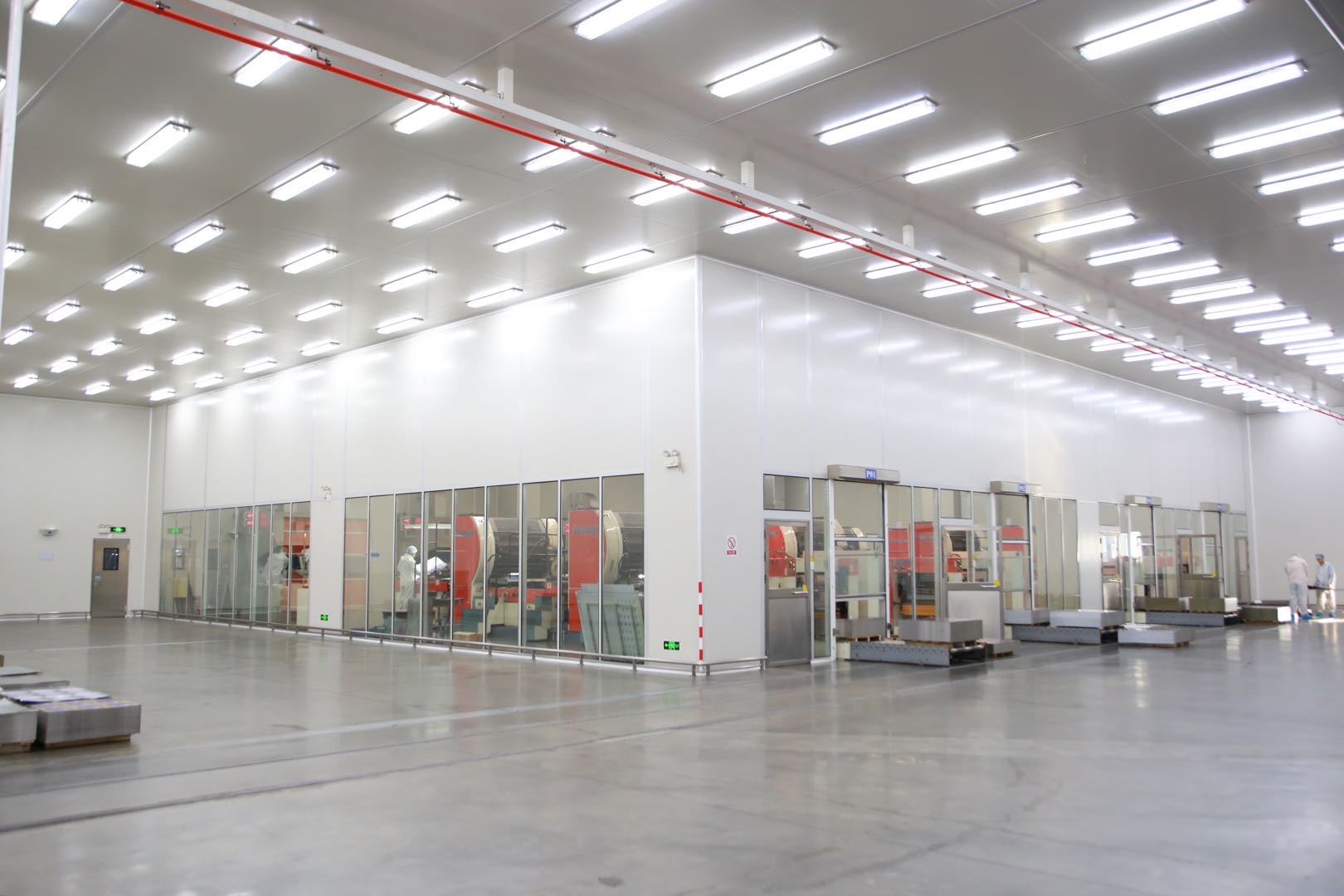
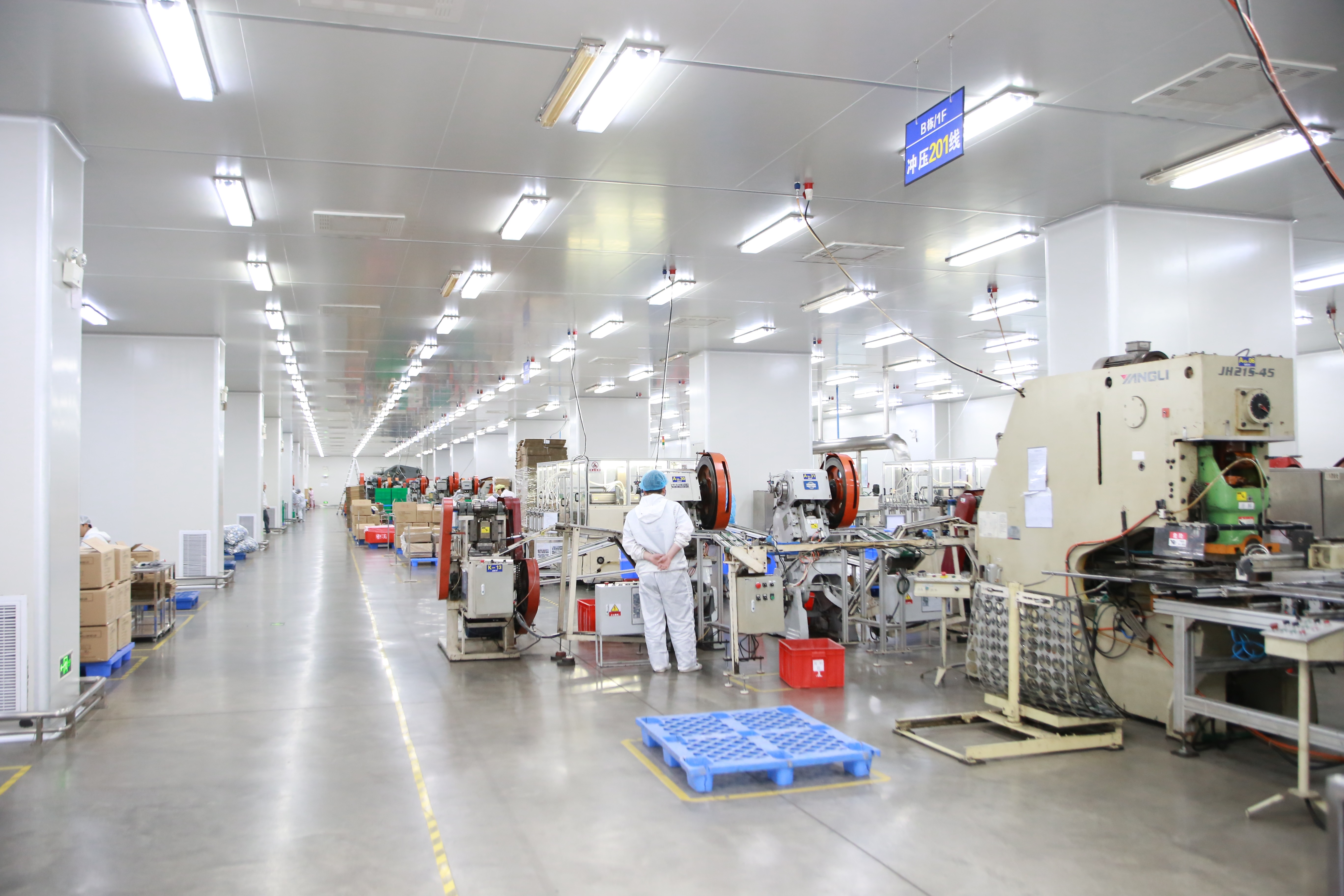
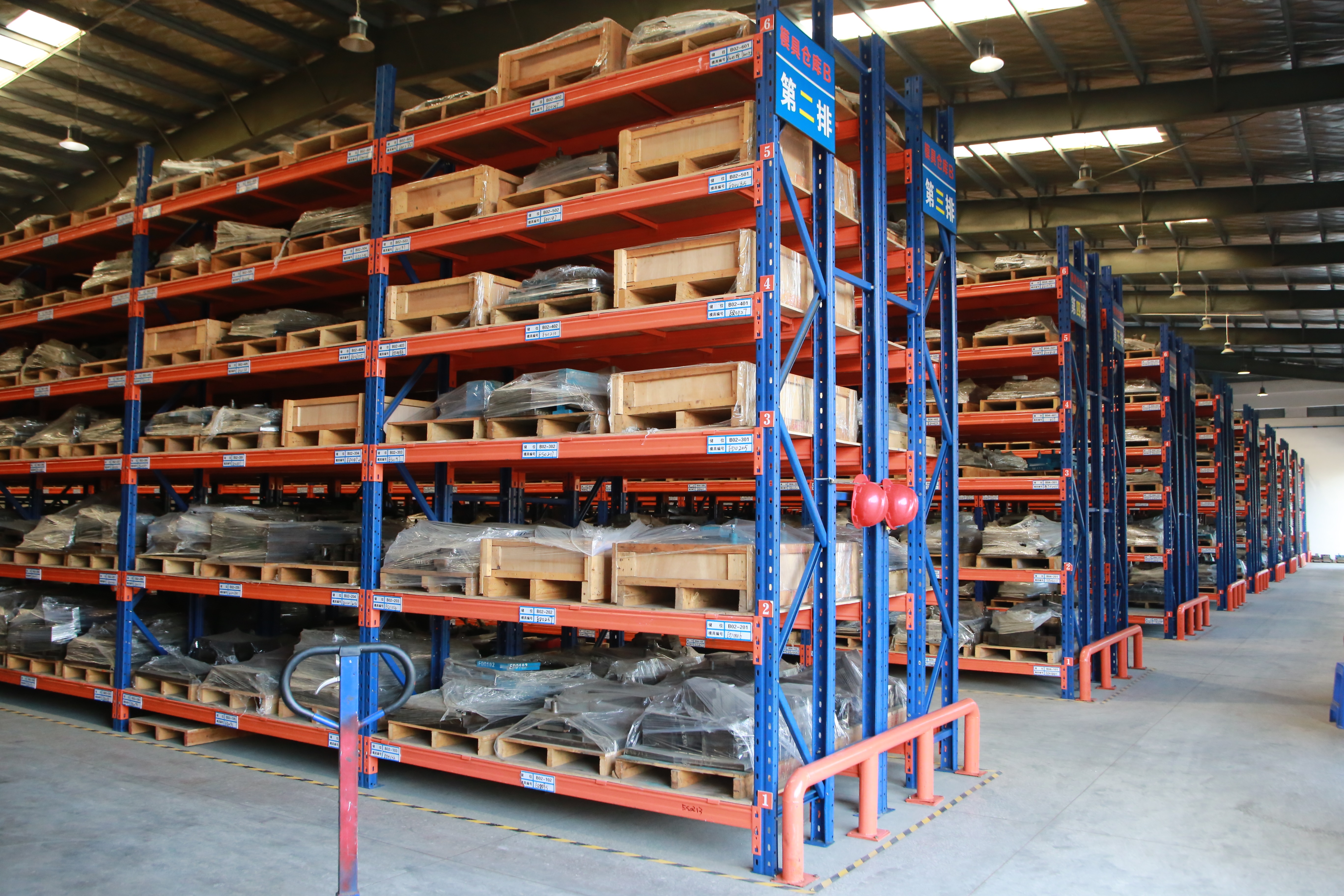
JINGLI CAN is a tin packaging manufacturer that integrates R&D, production, marketing, sales and service, founded in 1999. It produces custom tin packaging and metal cans across food tins, tea and coffee tins, cosmetic tins, gift tins and pharmaceutical tins. The company employs around 2,000 people with an R&D team of 50, runs a daily production capacity of 600,000 pieces, and keeps a regular stock of 30,000 tons of tinplate to support stable delivery. It holds ISO 9001, ISO 14001, ISO 22000, BRCGS, FSSC 22000 and SEDEX 4P certifications, and exports about 70% of its output to Europe, America and Asia.
For a tea or coffee brand, that combination matters in two specific ways. First, food-safety systems such as ISO 22000 and FSSC 22000 mean the airtightness and liner decisions are controlled in production rather than only agreed in a quotation. Second, tinplate stock and production capacity are what allow a repeat order to be scheduled without waiting for a raw material purchase cycle.
Trade-offs worth stating plainly
Rigid tins are heavier than flexible pouches, which affects freight; a new shape requires one-time tooling; and metal can dent if transit packaging is inadequate. Tins also cost more per unit than a pouch at low volumes. These are real constraints, and they are justified when moisture protection, shelf presence, reuse and recyclability carry weight in the purchase decision — which, for premium tea and coffee, they usually do.
Step-by-Step: How to Specify a Tea or Coffee Tin from Scratch
The sequence below is designed to prevent the two most expensive mistakes in custom tin projects: approving artwork before the closure is validated, and ordering production before the liner and lid fit are confirmed on a physical sample.
- Define the product form and fill weight. Loose-leaf tea, sachets, ground coffee, whole bean and instant formats behave differently in the same container. Fill weight and bulk density set the internal volume before anything else is decided.
- Set the protection requirement. Target shelf life and destination climate determine how much barrier performance the project needs. A tin sold in a humid market needs a different specification conversation than one sold in a dry one.
- Choose the lid and closure type. Decide between slip, friction-fit, hinged or threaded closure based on how often the customer opens the pack and how tight the seal must remain.
- Select tinplate gauge, body format and dimensions. Round, rectangular, oval and irregular formats all change tooling and print layout. Confirm dimensions against the intended fill line, not just the outer size.
- Specify the interior liner and request food-contact documentation. Match the liner to the product type and ask for documentation for the exact construction being quoted.
- Decide the decoration method and finalise artwork. Direct printing and label wrapping have different constraints on colour, registration and minimum text size. Keep artwork locked to the physical tooling dimensions.
- Approve tooling and validate a physical sample. Test lid fit, opening cycles, seam quality, liner coverage, print accuracy and dimensions against the fill line before any production commitment.
- Plan production, QC and repeat-order supply. Confirm inspection points, transit packaging for the tins themselves, and the raw material position behind a repeat order.
Use Cases: Matching Tin Formats to Tea and Coffee Products
- Premium loose-leaf tea. A round tin with a friction-fit lid gives a wide opening for scooping, blocks light completely, and holds its shape through repeated use — the format most associated with single-origin and ceremonial teas.
- Tea bags and sachets. Flat rectangular tins stack efficiently on shelf and inside gift cartons, and keep sachets compressed so they do not shift during transport.
- Ground coffee for retail. Opaque metal removes light from the equation entirely, and the liner specification becomes the main variable for oil contact.
- Whole-bean coffee. Bean formats benefit from a wide-mouth tin for scooping; degassing should be resolved with the factory as part of the filling plan rather than assumed.
- Gift and seasonal sets. Custom shapes and printed exteriors turn the tin into the gift structure itself, so the same container carries both the product and the presentation.
- Subscription and refill programmes. Resealability is the entire value proposition: the container stays in the customer's kitchen and must keep sealing between deliveries.
- Hotel, café and office supply. Small-format tins hold portioned stock on a counter and are refilled from bulk, which puts opening-cycle durability at the centre of the specification.
Comparison Table: Tea and Coffee Packaging Formats Side by Side
| Format | Moisture barrier | Light barrier | Aroma / odour barrier | Resealability after opening | End-of-life | Fits best for |
|---|---|---|---|---|---|---|
| Rigid tinplate tin (slip or friction-fit lid) | Strong, provided lid fit and seams are controlled | Complete — opaque body | Metal is odour-neutral and non-absorbent | High; designed for repeated opening and closing | Tinplate recycling above 90% in some regions (Fact.MR) | Premium loose-leaf tea, ground and whole-bean coffee, gift sets |
| Laminated flexible pouch | Depends on film structure and seal integrity | Only if an opaque or metallised layer is used | Depends on the laminate and on residual printing odour | Limited; usually needs a clip, zip or transfer to another container | Multi-material laminates are difficult to separate | High-volume everyday lines and refill packs |
| Paperboard carton (with or without liner) | Weak unless an internal liner is added | Blocks light but not air or vapour | Board can absorb and later release odours | Low; cartons deform once opened | Board is widely recyclable, but liners may not be | Secondary outer packaging rather than primary protection |
| Clear plastic jar or container | Good, subject to closure quality | None — the product is fully exposed to light | Depends on the polymer and on absorbed odours | Moderate; threads and hinges wear over time | Varies by polymer and local collection infrastructure | Products where visibility outweighs light sensitivity |
Specification Checklist: Requirement, Decision and Reason
| Buyer requirement | What to specify | Why it matters |
|---|---|---|
| Moisture protection | Body material and gauge, lid fit tolerance, gasket or liner if required | Vapour ingress concentrates at the closure and at deformed seams |
| Food-contact compliance | Interior lacquer type plus documentation for the quoted construction | FDA guidance specifies food-grade materials and food-safe lacquers such as epoxy resins to prevent metal migration |
| Aroma retention | Odour-neutral interior, controlled print process, clean packing environment | Volatile aroma compounds are lost to the atmosphere and absorbed by the wrong materials |
| Daily reuse | Closure type and validated opening cycles | A seal that loosens after repeated use fails the customer, not the lab |
| Brand differentiation | Custom shape or dimensions plus decoration method | Tooling decides what the artwork can realistically achieve |
| Repeat-order supply | Raw material position, capacity and QC checkpoints | Consistency across reorders is what protects the brand after launch |
FAQ: Airtight Tea and Coffee Tin Sourcing Questions
Are metal tins food-safe for direct contact with tea and coffee?
Yes, when the construction is specified correctly. In the United States, the FDA requires food-grade tin boxes to use certified materials such as tin-plated steel or aluminium, and food-safe lacquers are commonly applied to prevent metal migration (FDA). In the EU, EN 10202:2022 defines electrolytic tinplate requirements for direct food contact. Factory-level food-safety systems provide the operational evidence: JINGLI CAN holds ISO 22000, FSSC 22000 and BRCGS alongside ISO 9001, ISO 14001 and SEDEX 4P, which is the certification set tea and coffee buyers typically ask for during supplier qualification.
Can a tin box factory customise shape, size and decoration for a tea or coffee brand?
Yes — that is the core capability of a specialist tin box factory rather than a beverage can line. JINGLI CAN operates as a one-stop custom tin packaging manufacturer with an R&D team of 50, producing food tins, tea and coffee tins, cosmetic tins, gift tins and pharmaceutical tins on a platform capable of 600,000 pieces per day. Custom dimensions, lid types and printed decoration are specified together, because the lid construction and the artwork both depend on the tooling cut for the project.
What drives the cost of a custom tea or coffee tin?
Four variables usually dominate: whether a new tooling set is required or an existing mould can be reused, the tinplate gauge and body format, the decoration method and number of print colours, and the order quantity, including how repeatable it is. Tooling is a one-time investment amortised across orders, so buyers comparing quotations should compare at the same specification and the same total volume rather than at the same unit quantity. Ask for a quotation that separates tooling, unit cost and finishing.
How should we validate a tin before committing to mass production?
Request a physical pre-production sample built from the actual tooling, then test it as a customer would: open and close the lid repeatedly, check seam and curl quality, inspect interior liner coverage, and verify print registration and colour against the approved artwork. Confirm dimensions against the intended fill line rather than the nominal outer size, and run the sample with real product where shelf-life performance is critical. A sample review that takes a few days prevents a production run that cannot be corrected.
How can supply stay stable for repeat orders?
Supply continuity depends on raw material position and production capacity rather than on promises. JINGLI CAN maintains a regular stock of 30,000 tons of tinplate and a daily production capacity of 600,000 pieces, and exports about 70% of its output to Europe, America and Asia. For a live project, confirm the material position and production window in writing for each reorder, and keep the approved sample as the reference standard. You can start that conversation with a sample or quotation request through JINGLI CAN tin packaging or by email at sales11@jinglitinbox.com.
Conclusion: Freshness Is an Engineering Decision
Durable, airtight tin boxes keep tea and coffee fresh because the specification solves real physical problems: moisture ingress at the closure, oxygen and light exposure, aroma loss, and the wear that follows daily opening. The market context supports the choice — metal packaging is projected to grow from USD 148.13 billion in 2024 to USD 184.21 billion by 2030, food and beverage accounts for 57.36% of it, and tinplate recycling exceeds 90% in some regions.
The execution side is less about materials in general and more about a specific factory's ability to hold a fit tolerance, document a food-safe liner, reproduce a decoration, and schedule a reorder. JINGLI CAN has produced custom tin packaging since 1999, works within ISO 22000, FSSC 22000 and BRCGS certified systems, and supports tea and coffee brands across Europe, America and Asia.
Ready to specify a tea or coffee tin?
Send your product form, fill weight and target market. JINGLI CAN will confirm the lid construction, liner specification and tooling position before anything is produced.
Email: sales11@jinglitinbox.com | Tel: +86 18819080997 | Website: www.tinbox.cn | Guides: tinbox.cn/News.html
Have Questions or Need More Details?
Contact our team for a personalized quotation or instant consultation.
Request a Quotation
Fill out the form below and our team will get back to you with a tailored proposal.
WhatsApp Direct Chat
Prefer to chat in real-time? Message us on WhatsApp for instant assistance & quick answers.
- Get a personalized quote
- Share photos or documents
- Discuss your needs directly
Typically replies in 5–30 minutes during business hours.