Technical Guide to Tin Box Manufacturing: Materials, Printing, and Tolerances
Technical Guide to Tin Box Manufacturing: Materials, Printing, and Tolerances
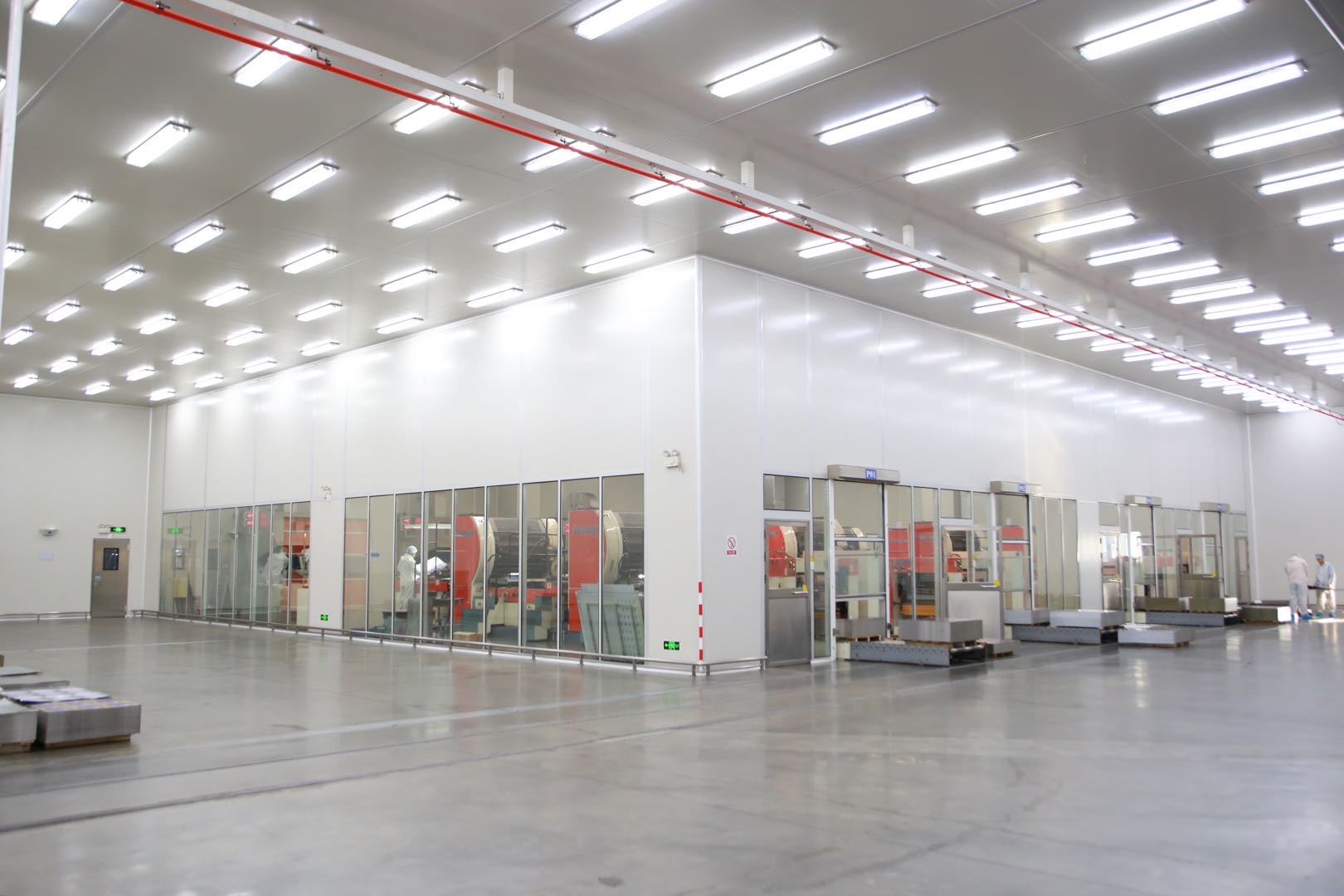
The short answer: a custom tin box is defined by three specification layers — the substrate and its protective coating, the printing and decoration build, and the dimensional tolerances of the formed body and lid. Buyers who define all three before tooling approval receive packaging that runs on the filling line and survives retail handling. Buyers who leave any layer on 'supplier default' usually discover the gap at the first incoming inspection.
This guide explains what each layer contains, which standards and compliance rules govern it, and how the structure of a vertically integrated manufacturer such as JINGLI CAN applies to the decisions buyers actually make.
Why Tin Box Projects Fail on Undefined Specifications
Most tin box briefs arrive at a factory looking something like this: 'custom tin box, four-colour print, food grade'. None of those are manufacturing specifications. The factory still has to determine the substrate gauge, the interior lacquer system, the print build behind each colour, and the tolerance band on the lid. Each of those decisions is made either by agreement with the buyer or by default inside the factory — and either way, the buyer lives with the result for the life of the SKU.
Across custom metal packaging programs, the resulting problems cluster into three groups.
- Material and coating mismatch. The U.S. Food and Drug Administration requires food-grade tin boxes to use certified materials such as tin-plated steel or aluminum, and often mandates food-safe lacquers such as epoxy resins to prevent metal migration. If the brief says only 'food grade', nobody has stated which lacquer system the fill conditions require.
- Decoration drift between production lots. Print is applied to flat sheet, and the visual result depends on base coat, ink build and varnish — not on the artwork file alone. Without a stated colour reference and a proofing step, colour differences show up between runs rather than inside a single run, which is far harder to correct later.
- Tolerance drift on functional interfaces. Lid fit, seam condition and body height are functional dimensions, but they rarely appear on a purchase order. When they are not agreed in advance, the first sign of a problem is a stoppage on the filling or capping line.
The underlying cause is usually ownership rather than engineering capability. The brand owner owns the product definition, the filling operation owns the line conditions, and the factory owns the translation of both into a manufacturing band. When that middle translation is skipped, it happens by default instead of by agreement — and defaults are not documented.
Industry Background: Why Technical Literacy Now Decides Shortlists
Metal packaging is a large and steadily growing category. The global metal packaging market was valued at USD 148.13 billion in 2024 and is projected to reach USD 184.21 billion by 2030, a CAGR of 3.7% (Grand View Research / Fortune Business Insights). Asia Pacific held a 35.63% revenue share in 2024, driven in large part by China's manufacturing base for food and beverage tins (Grand View Research), and the food and beverage segment alone accounts for 57.36% of the market (Fortune Business Insights).
Within the narrower category of tinplate packaging for cans and tins, Precedence Research projects growth from USD 1.73 billion in 2024 to USD 3.08 billion by 2034, a CAGR of 5.94%. That figure should be read with care: Cognitive Market Research values the same segment at USD 761.2 million for 2024. The gap comes from scope — some estimates include all steel cans, while others cover only decorative and specialty tins. The useful signal for a buyer is that specialty and decorative tin packaging is expanding faster than commodity metal packaging, not that any single figure is exact.
Sustainability belongs to the same shift. Tinplate recycling rates exceed 90% in some regions, well above typical plastic rates, which is one reason brand owners increasingly write recyclability requirements directly into packaging briefs (Fact.MR). For a product such as a tea, chocolate or cosmetic tin, the container is often the most recyclable component in the pack.
The practical consequence for procurement is that the supply base is deep and geographically concentrated. Buyers are rarely short of factories willing to quote a tin box; they are short of factories that can hold a defined specification across repeat orders and across multiple SKUs. That is why the technical questions in this guide — substrate, lacquer, print build, tolerance — have become shortlisting criteria rather than post-purchase complaints.
How JINGLI CAN's Manufacturing Structure Maps to These Three Layers

Dongguan City Jingli Can Co., Ltd. (JINGLI CAN) is a tin packaging manufacturer established in 1999 that designs and produces custom tin packaging and metal cans, integrating R&D, production, marketing, sales and service. The company operates a 150,000 square meter facility with approximately 2,000 employees and an annual production capacity of 1,800,000,000 pieces. Export business accounts for roughly 70% of total sales, with major markets in Europe, America and Asia.
Those figures matter less as scale claims than as an indication of how each specification layer is staffed inside the business.
The substrate and coating layer
JINGLI CAN's main products include food tins, tea/coffee tins, cosmetic tins, gift tins and pharmaceutical tins. That product mix means coating conversations are routine rather than exceptional: food and pharmaceutical work pulls food-contact rules into the specification, while cosmetic and gift work pulls surface finish and print quality to the front of the discussion. The company also maintains a regular stock of 30,000 tons of tinplate, which supports substrate continuity when an order scales or when a repeat run is pulled forward.
The engineering layer
An in-house R&D team of 50 engineers covers the work that sits between a customer brief and a production-ready specification: tooling design, print build decisions, and sample iteration. This is the layer buyers should probe during supplier evaluation, because it is where a specification either becomes manufacturable or quietly becomes a compromise.
The compliance layer
JINGLI CAN holds ISO9001, ISO14001, ISO22000, BRCGS, FSSC22000 and SEDEX 4P certifications. Read technically rather than commercially, that set covers three different needs: ISO9001 and ISO14001 address quality and environmental management systems, ISO22000, BRCGS and FSSC22000 address food safety schemes that food and pharmaceutical buyers commonly require, and SEDEX 4P is an ethical trade audit used in supplier approval processes. Certification is evidence that the process controls behind consistent printing and coating are audited, which is precisely what a repeat-order buyer depends on.
Step-by-Step: How to Specify a Custom Tin Box
Step 1 — Choose the substrate and gauge
The first decision is the metal itself: tin-plated steel (tinplate) or aluminum. FDA guidance for food-contact packaging requires certified materials, typically tin-plated steel or aluminum, and food-safe lacquers such as epoxy resins are often mandated to prevent metal migration. In the European Union, electrolytic tinplate intended for direct food contact is governed by EN 10202:2022, which sets the requirements the material must satisfy.
Gauge and temper selection follow the product rather than the habit of the factory. A large lunch tin or gift tin needs more structural stiffness than a small candy or chewing gum tin, and a stackable retail display imposes different demands than a single premium item. Stating the load, stacking and handling conditions in the brief turns gauge selection into an engineering answer instead of an assumption.
Step 2 — Lock the protective coating system
Lacquer is what separates the metal from the product. For food-contact tins, that means stating whether an interior coating is required, what product chemistry it must tolerate, and whether the exterior needs additional protection for print durability. FDA rules commonly require food-safe lacquers such as epoxy resins for exactly this purpose.
Different product families pull the coating discussion in different directions. For tea and coffee tins, the interior system interacts with aroma and flavour, so the specification conversation extends beyond barrier performance. For cosmetic and perfume tins, exterior finish and resistance to handling matter more than interior contact, because the product is usually held in a secondary container. A written specification should make clear which of these applies rather than leaving the factory to infer it from the category name.
Step 3 — Specify printing and decoration properly
Decoration on a tin box is not the same process as printing on a folding carton. Colour is applied to flat tinplate sheet before the body is formed, which links artwork, print build and forming into a single chain: a design that survives a paper proof can still behave differently once it has been formed and varnished. This is the main reason print specifications should be written in manufacturing language rather than design language.
A usable print specification states the colour reference, the base coat, the number of print stations and coverage, the varnish type, and the proofing method. Two questions separate experienced buyers from first-time buyers here: ask for a pre-production proof produced on the actual substrate rather than on paper, and ask how colour is verified between production lots. The answers show whether print is treated as an engineering variable or as an artistic one.
Step 4 — Set tolerances where they actually matter
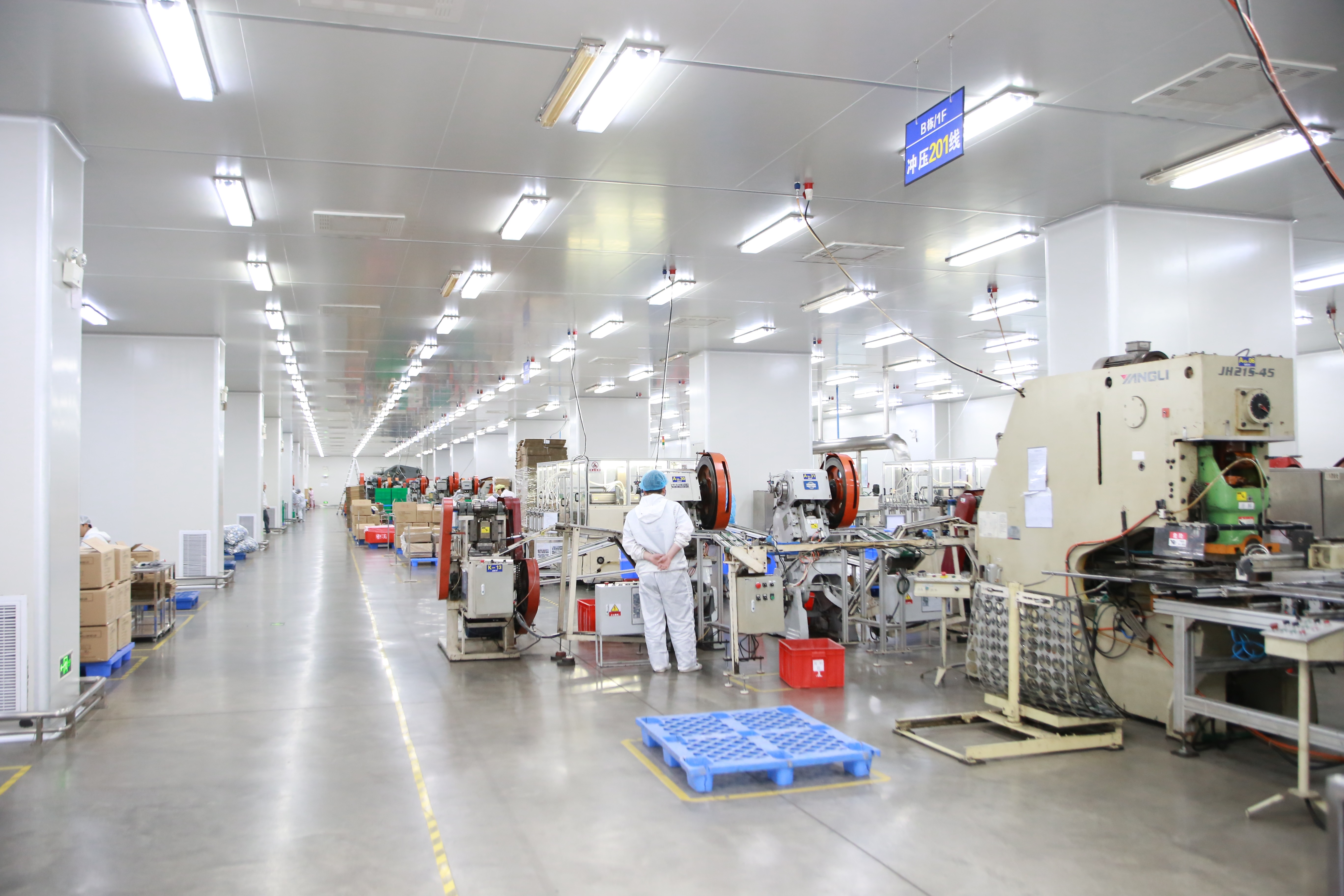
Tolerance on a tin box is not a single number. It is a set of bands applied to different features: cut sheet size, formed body diameter and height, the fit between lid and body, and the condition of the seam. Some bands protect appearance; others protect function. Specifying one general tolerance across an entire drawing usually under-specifies the functional interfaces and over-specifies features nobody measures.
A workable tolerance conversation covers four points:
- Identify the critical dimension — the one that determines whether your product and lid assembly work on your filling line, not the one that is easiest to draw.
- Separate functional bands from cosmetic bands. Lid fit and seam condition are performance questions; print registration is primarily an appearance question, and the two should not share a single blanket value.
- Confirm ownership of each band. Mill, tool and process each contribute variation, and someone should be able to say which is which.
- Agree how the first article is measured and recorded, and what happens if a band drifts mid-run.
Step 5 — Validate with a sample and a first article
Sampling is where the written specification meets reality: print against the colour reference, dimensions against the agreed bands, closure feel against the fill line, and handling against the retail journey. A sample that looks correct but opens with the wrong force is a specification problem, not a cosmetic one, and it is far cheaper to resolve before tooling is finalised.
For serial production, a first-article inspection record — measured dimensions, print reference and approval sign-off — converts a good sample into a repeatable standard. Buyers running multi-SKU programs should expect that record to stay on file for reorders, because it is the only reliable way to know that run ten matches run one.
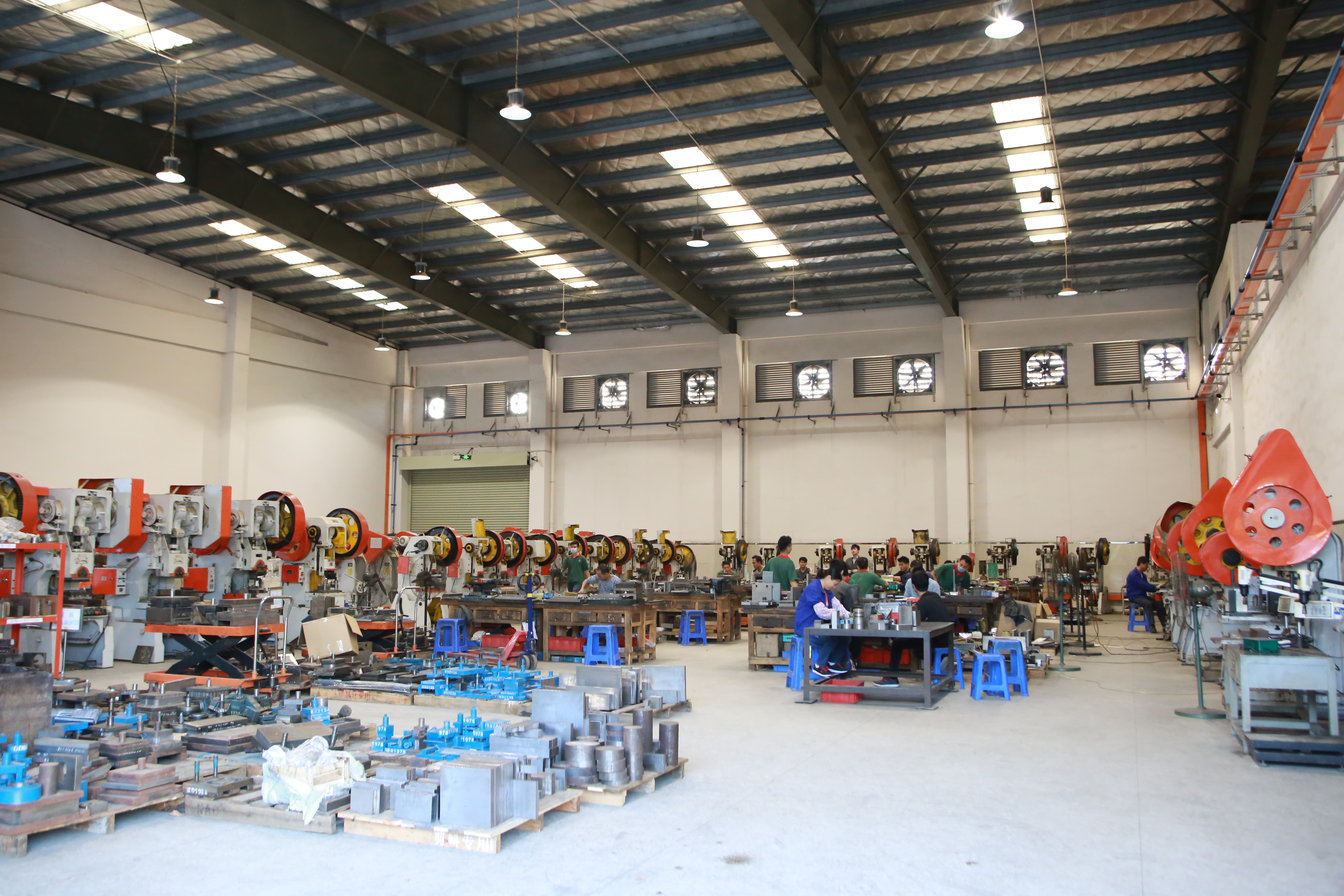
Step 6 — Move into production with in-line checks
Once a program is running, the controls that matter are in-line print checks, forming checks and outgoing inspection. This is also the stage where documentation is assembled: which certificate applies to which destination market, and which material standard the substrate conforms to. For EU-bound food tins that conversation includes EN 10202:2022; for US-bound food tins it includes FDA food-contact requirements. Buyers who route the same tin to several regions should collect those documents at the specification stage rather than at the shipping stage.
Use Cases: Which Specification Layer Matters Most
The three layers apply to every custom tin box program, but their weight shifts by product family.
Food tins, lunch tins and mooncake tins place the heaviest demand on the substrate and coating layer. Direct food contact drives the material standard, and the lacquer system carries most of the compliance risk. Structural rigidity matters when the tin is stacked in retail or repacked in transit.
Tea, coffee and cigar tins balance interior neutrality with premium print. The container is opened repeatedly by the end user, so lid fit is a consumer experience question rather than only a line question, and the print build has to hold up to handling over months of use.
Cosmetic and perfume tins push finish and colour accuracy to the front. Metal contact is usually indirect, but the surface is the product presentation, so varnish durability and lot-to-lot colour consistency dominate the specification.
Gift tins combine print coverage with structural design. A gift tin is often a display object that survives the packaging and becomes part of the product, which raises expectations on closure feel and edge finish.
Pharmaceutical, medicine and health care tins depend most on documentation and traceability. The certification set, the material standard and the first-article record are the core of the specification, and print is secondary to compliance.
The same framework covers the wider range of custom categories the market asks for — chocolate, candy and chewing gum tins, soap tins, stationery, pencil and tool boxes, watch, glasses and tissue tins. Each one still resolves to substrate, coating, print and tolerance; what changes is which of the four carries the risk.
Comparison: Market Context and Specification Decision Map
The two tables below condense the external market data and the internal specification logic used in this guide, so each decision can be traced to its source.
| Market metric | Value | Year | Source |
|---|---|---|---|
| Global metal packaging market size | USD 148.13 billion | 2024 | Grand View Research / Fortune Business Insights |
| Projected global metal packaging market size | USD 184.21 billion by 2030, CAGR 3.7% | 2030 | Grand View Research / Fortune Business Insights |
| Asia Pacific revenue share of metal packaging | 35.63% | 2024 | Grand View Research |
| Food and beverage share of metal packaging | 57.36% | 2024 | Fortune Business Insights |
| Tinplate packaging for cans and tins | USD 1.73 billion, projected to USD 3.08 billion by 2034, CAGR 5.94% | 2024–2034 | Precedence Research |
| Alternative estimate for the same tinplate segment | USD 761.2 million | 2024 | Cognitive Market Research |
| Tinplate recycling rate | Over 90% in some regions | 2025 | Fact.MR |
| Specification layer | What to specify | What it protects | Reference point |
|---|---|---|---|
| Substrate | Metal type (tinplate or aluminum), gauge, temper | Structural strength, food contact, forming behaviour | EN 10202:2022 for EU electrolytic tinplate in direct food contact; FDA food-contact rules in the US |
| Coating | Interior and exterior lacquer system | Product-contact safety and metal migration control | FDA requires certified materials and food-safe lacquers such as epoxy resins to prevent metal migration |
| Printing and decoration | Colour reference, print build and stations, varnish, proofing on substrate | Brand appearance and consistency between production lots | Factory process control, supported by ISO9001 quality management |
| Tolerance | Critical dimensions, lid fit, seam condition, first-article record | Filling-line performance and repeat-order reliability | Agreed between buyer and factory; mill and tool each own part of the band |
| Compliance documents | Certification set matched to destination market and product category | Retailer and regulatory approval | ISO9001, ISO14001, ISO22000, BRCGS, FSSC22000, SEDEX 4P |
FAQ: Technical Questions Buyers Ask Before Tooling
What certifications should a tin box factory hold for food-contact packaging?
For food-contact tin packaging, the certifications buyers most often request are the food safety schemes ISO22000, BRCGS and FSSC22000, alongside ISO9001 for quality management and ISO14001 for environmental management. JINGLI CAN holds all of these, plus SEDEX 4P, an ethical trade audit used in supplier approval processes. Certification is separate from material rules: EU electrolytic tinplate for direct food contact is governed by EN 10202:2022, and FDA requirements call for food-grade tins to use certified materials such as tin-plated steel or aluminum with food-safe lacquers to prevent metal migration.
Can one factory handle printing, tooling and forming, or should those be split across suppliers?
When a factory integrates design, tooling, printing and forming, the same engineering team sets the print build and the tolerance bands, so interactions between them are resolved internally rather than negotiated between vendors. JINGLI CAN integrates R&D, production, marketing, sales and service, with an in-house R&D team of 50 engineers and a product range that includes food tins, tea/coffee tins, cosmetic tins, gift tins and pharmaceutical tins. The practical benefit is accountability: when print registration and lid fit interact, one team owns the fix.
What actually drives the price of a custom tin box?
Cost follows the specification layers described above. Substrate type and gauge, interior and exterior lacquer systems, the number of print stations and print coverage, varnish type, tooling, order quantity and secondary operations all move the price. This is why quotes should be compared on specification rather than on unit price alone: a quotation that omits the lacquer system or reduces the print build is not describing the same product as one that includes them. Buyers reviewing budgets should request a written specification with every quote, then compare like with like.
Can I evaluate a sample before committing to a production run?
Sample validation sits between specification and serial production, and it is the cheapest point at which to correct a mismatch between the brief and the manufactured result. A sample review should check print against the agreed colour reference, verify the critical dimensions against the tolerance bands, test closure feel against the filling line, and confirm how the tin behaves through handling and transport. Buyers who want to run this step on a defined specification can contact JINGLI CAN at sales11@jinglitinbox.com to arrange a sample and quotation discussion.
What determines lead time on a custom tin order?
Lead time is governed by substrate availability, artwork approval, tooling requirements, order quantity and finishing operations rather than by press capacity alone. Substrate continuity is the reason JINGLI CAN maintains a regular stock of 30,000 tons of tinplate, which protects delivery stability when orders scale or repeat runs are pulled forward. Because the variables differ by project, the production schedule is confirmed after the specification is reviewed rather than quoted as a fixed number before the brief is understood.
Conclusion: Three Layers, One Written Specification
Tin box manufacturing rewards buyers who treat packaging as an engineered component. Substrate and coating, printing and decoration, and dimensional tolerance are the three layers that determine whether a custom tin performs on the filling line, holds its appearance across repeat orders, and passes the compliance checks of its destination market. Standards such as EN 10202:2022 for electrolytic tinplate in direct food contact and FDA requirements for certified materials and food-safe lacquers give buyers an external reference point for the first two layers; the third has to be agreed directly with the factory.
The factories worth shortlisting are the ones that answer these questions with documentation rather than reassurance — a written specification, a substrate proof, a first-article record and a certification set matched to your market. Everything else in the quotation is a price on an undefined product.

Next step
If you are preparing a specification for a tin box program, send your product, fill conditions and retail channel to JINGLI CAN and request a written specification together with a sample and quotation.
- Website: www.tinbox.cn
- News and technical articles: tinbox.cn/News
- Email: sales11@jinglitinbox.com
- Tel: +86 18819080997
JINGLI CAN holds ISO9001, ISO14001, ISO22000, BRCGS, FSSC22000 and SEDEX 4P certifications, operates a 150,000 square meter facility with approximately 2,000 employees, and produces approximately 1,800,000,000 pieces annually, with export business accounting for 70% of total sales across Europe, America and Asia.