
Technical Parameters in Tin Box Design: Gauge, Lining, and Seam Strength
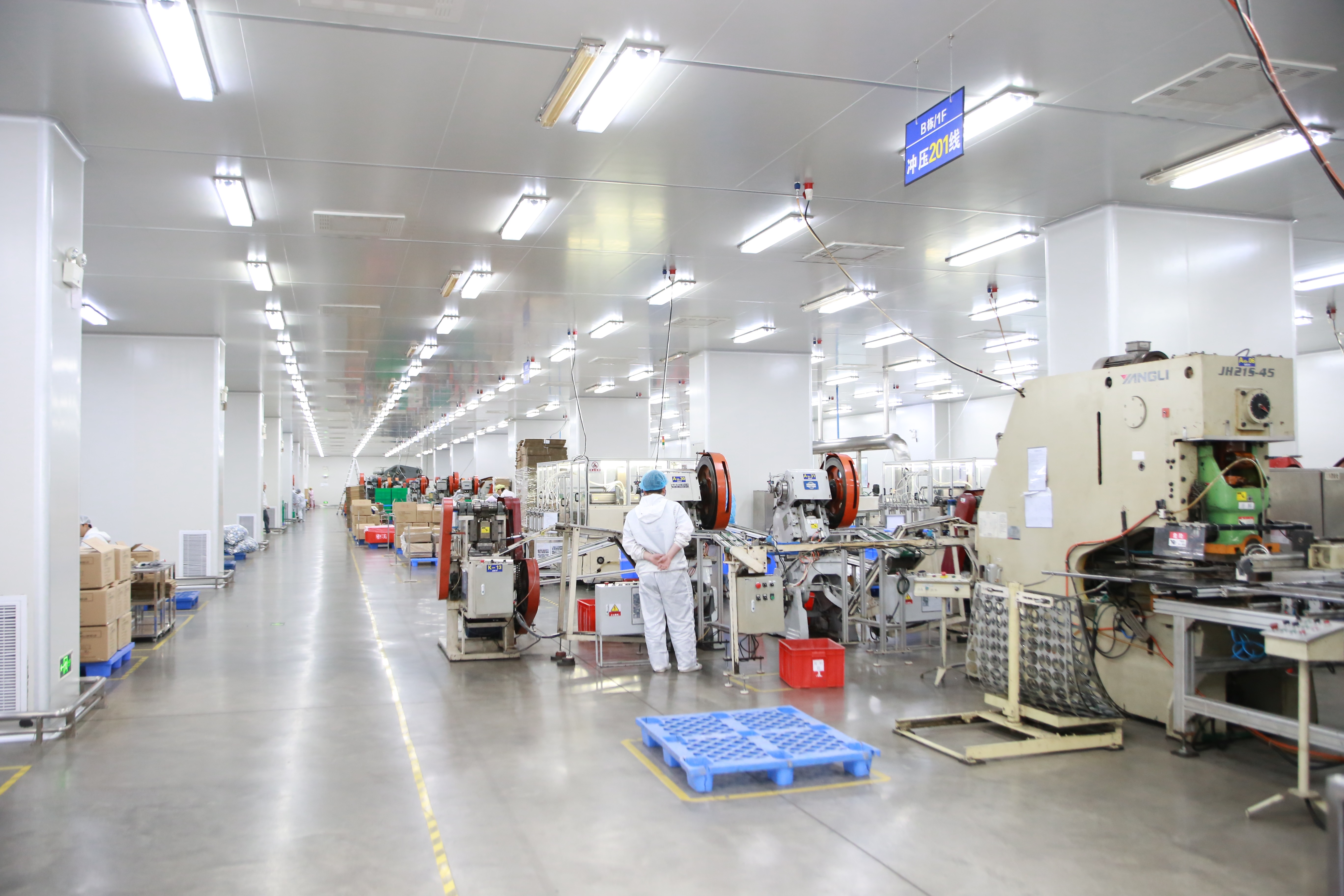
Procurement teams usually open a conversation with a tin box factory by asking about price, minimum order quantity and lead time. Those are commercial variables, and they matter. But they rarely decide whether a tin box actually performs once it leaves the factory. Three physical parameters decide most of the outcome: the gauge of the tinplate, the interior lining, and the strength of the body seam. Gauge controls rigidity and dent resistance. Lining controls food safety and product protection. Seam strength controls whether the box stays closed under handling, transport and internal load.
This guide is written for buyers in the research and evaluation stage. It explains what each parameter is, how the three interact, and how their priority shifts depending on whether you are sourcing pharmaceutical tins, tea tins, food tins or decorative gift tins. It uses JINGLI CAN — the brand of Dongguan City Jingli Can Co., Ltd., a custom tin packaging manufacturer founded in 1999 — as a concrete reference for how technical depth is organised inside a factory.
Problem Definition: Why Physical Parameters Decide Project Outcomes
A tin box is a structural package before it is a decorative one. The print, the finish and the shape are what the consumer sees, but the physical parameters underneath are what keep the box intact between the filling line and the retail shelf. When a specification ignores gauge, lining or seam, the failure surfaces later in the process: dented lids after a container shipment, aroma loss in a tea tin, leakage in a food application, or a compliance question raised at the port or at retail.
There is a second, quieter problem. Many buyers compare factories on the wrong axis. They compare quotations, and a quotation is only as meaningful as the specification behind it. Two prices for what looks like the same tin box can represent two different gauges, two different linings and two different seam methods. Without naming those parameters, a comparison is not a comparison at all.
The procurement brief is therefore not “find the cheapest tin box” but “match physical parameters to the product, the channel and the destination market.” Gauge, lining and seam strength are the vocabulary that makes that matching possible.
Industry Background: A Steady Market With Rising Technical Expectations
The global metal packaging market was valued at USD 148.13 billion in 2024 and is projected to reach USD 184.21 billion by 2030, growing at a compound annual growth rate of 3.7% (Grand View Research / Fortune Business Insights). Asia Pacific accounted for 35.63% of revenue share in 2024, supported by a large manufacturing base for food and beverage tins (Grand View Research). The food and beverage segment alone represents 57.36% of metal packaging market share in 2024 (Fortune Business Insights).
Within that broader category, the tinplate packaging market specifically for cans and tins is projected to grow from USD 1.73 billion in 2024 to USD 3.08 billion by 2034, a compound annual growth rate of 5.94% (Precedence Research). Tinplate is also recyclable to a high degree, with recycling rates above 90% recorded in some regions, well ahead of many plastic formats (Fact.MR).
The practical message for buyers is that demand is stable and applications keep diversifying — from pharmaceutical and health-care tins to tea, confectionery, cosmetic and gift formats. Diversification puts more weight on a factory’s ability to hold gauge, lining and seam specifications consistently across many product lines. Technical control, not headline price, becomes the more durable selection signal.
The Three Parameters That Decide Tin Box Performance
Gauge, lining and seam strength are interdependent. Changing one usually forces a review of the others, because each buys a different property: rigidity, protection and closure. Treating them as a set is the first step toward a specification that actually holds.
Gauge: The Thickness That Sets Rigidity
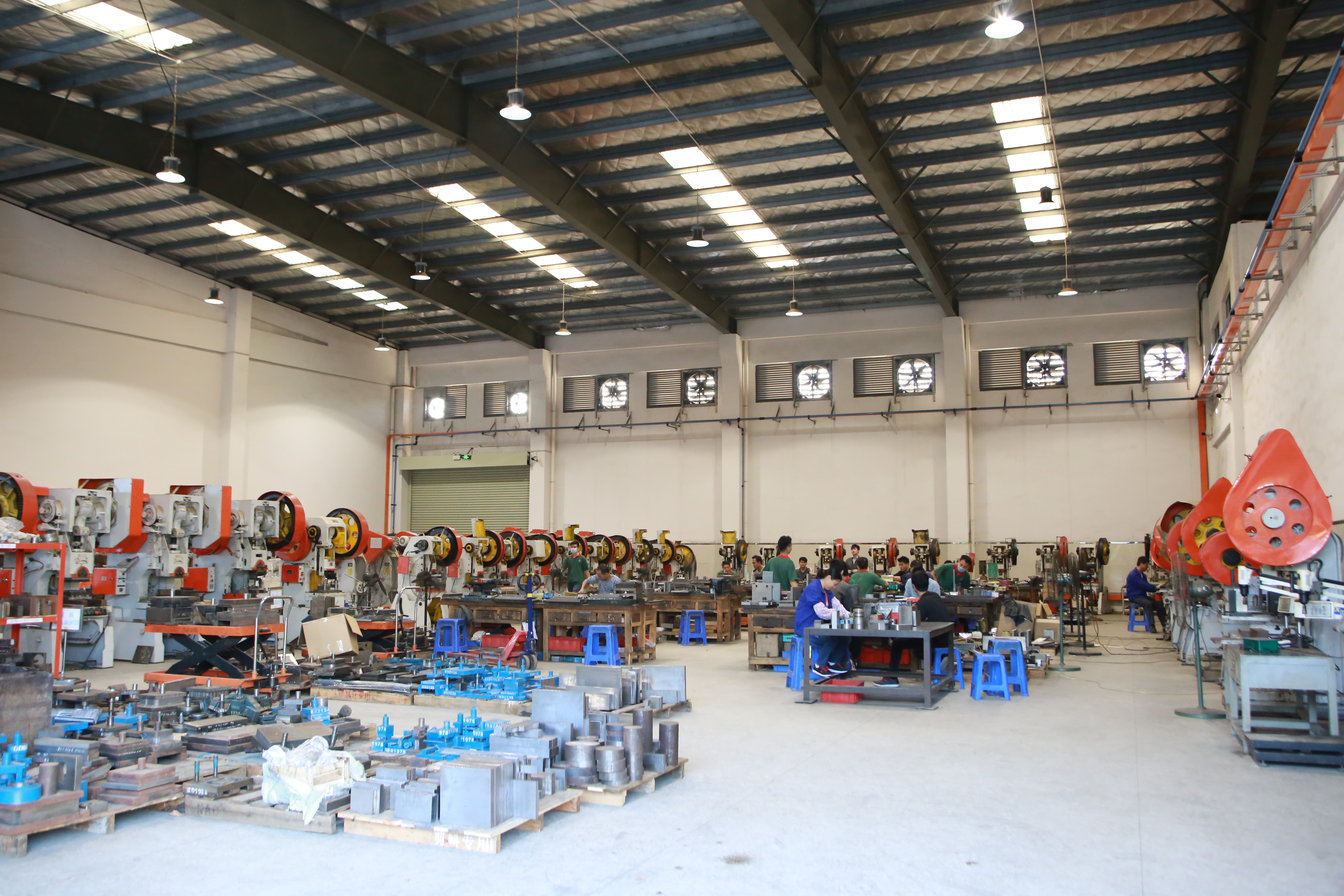
Gauge refers to the thickness of the tinplate sheet used to form the body, lid and base of a tin box. It is the parameter that drives structural behaviour. A heavier gauge resists bending and denting, holds lid fit more consistently, and supports stacking load better. A lighter gauge reduces weight and material cost, and can be entirely appropriate for small, light or decorative formats where rigidity is not the governing requirement.
The trade-off runs in both directions. Overspecifying gauge adds cost, weight and freight volume without a functional benefit. Underspecifying it produces boxes that dent in transit, lose lid fit after handling, or fail to protect the product they were designed around. Gauge is therefore matched to the format, the product weight, the stacking and shipping conditions, and the handling the box will receive — not chosen as a single company-wide standard.
For procurement teams, the useful question is not “what is your standard gauge?” but “how do you decide gauge for a given product and shipping route?” A factory with a defensible answer is one that engineers the parameter rather than defaulting it.
Lining: The Barrier Between Metal and Product
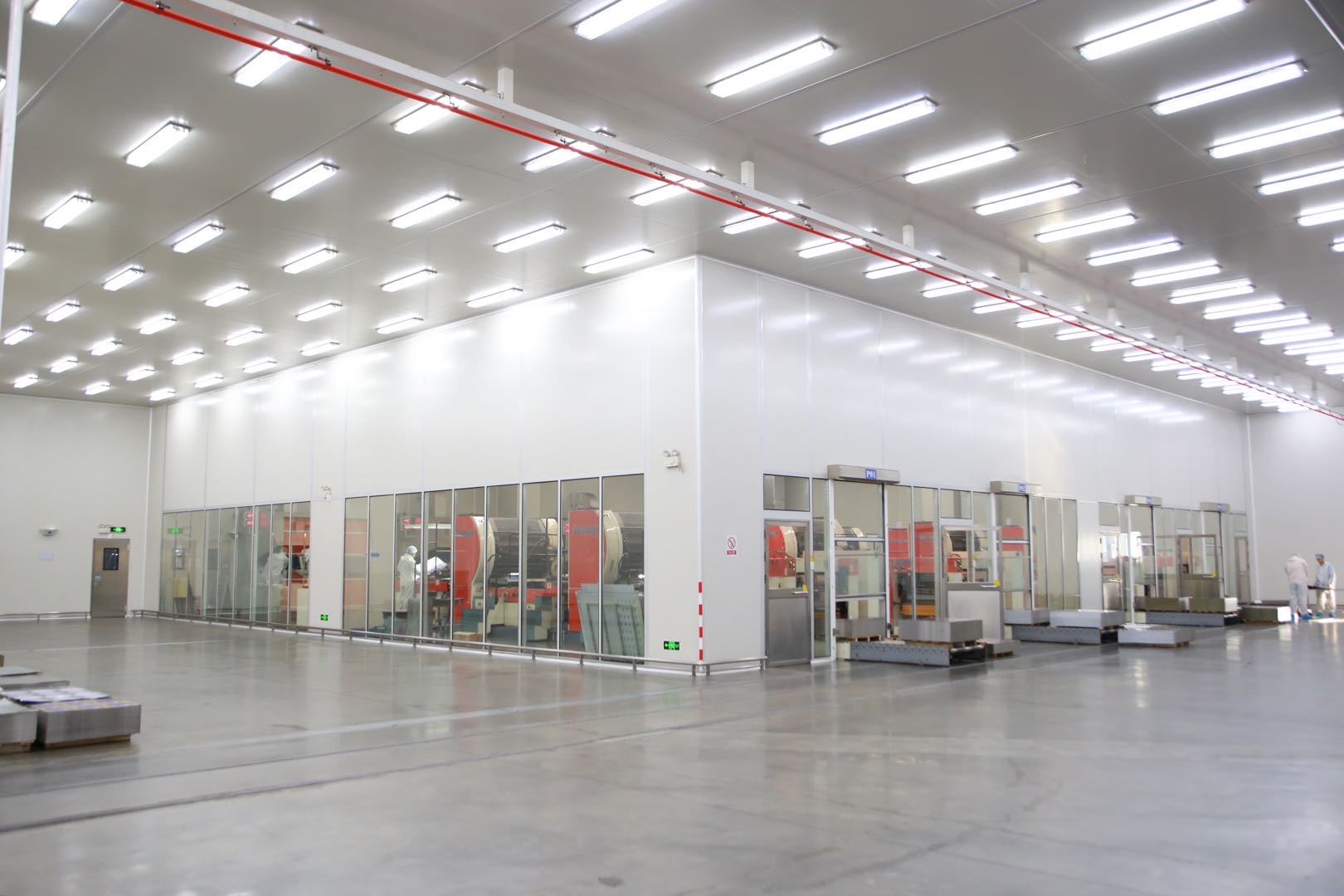
Lining is the internal coating applied to the tinplate surface that will contact the product. Its job is to separate the contents from the metal. That separation matters for three reasons: product protection, flavour integrity and regulatory compliance.
For products that are acidic, moist or fatty, an uncoated metal surface can interact with the contents. A lining acts as a barrier that reduces metal migration and protects the product’s taste and appearance. In food-contact applications, regulators expect certified materials and food-safe lacquers. The U.S. FDA framework (21 CFR) requires food-grade tin boxes to use certified materials such as tin-plated steel or aluminium, and often mandates food-safe lacquers such as epoxy resins to prevent metal migration. In the European Union, electrolytic tinplate for direct food contact is governed by EN 10202:2022, which specifies the material requirements for that use.
Lining priority is not uniform across applications. Pharmaceutical and health-care tins place a premium on cleanliness and barrier consistency. Tea tins prioritise aroma and moisture protection, because tea is sensitive to both. Cosmetic, soap and gift tins may use internal finishes selected for appearance and for protecting the print or the decorative interior rather than for direct food contact. The correct lining is a function of what goes inside, not of a default factory setting.
Seam Strength: The Joint That Keeps the Box Closed
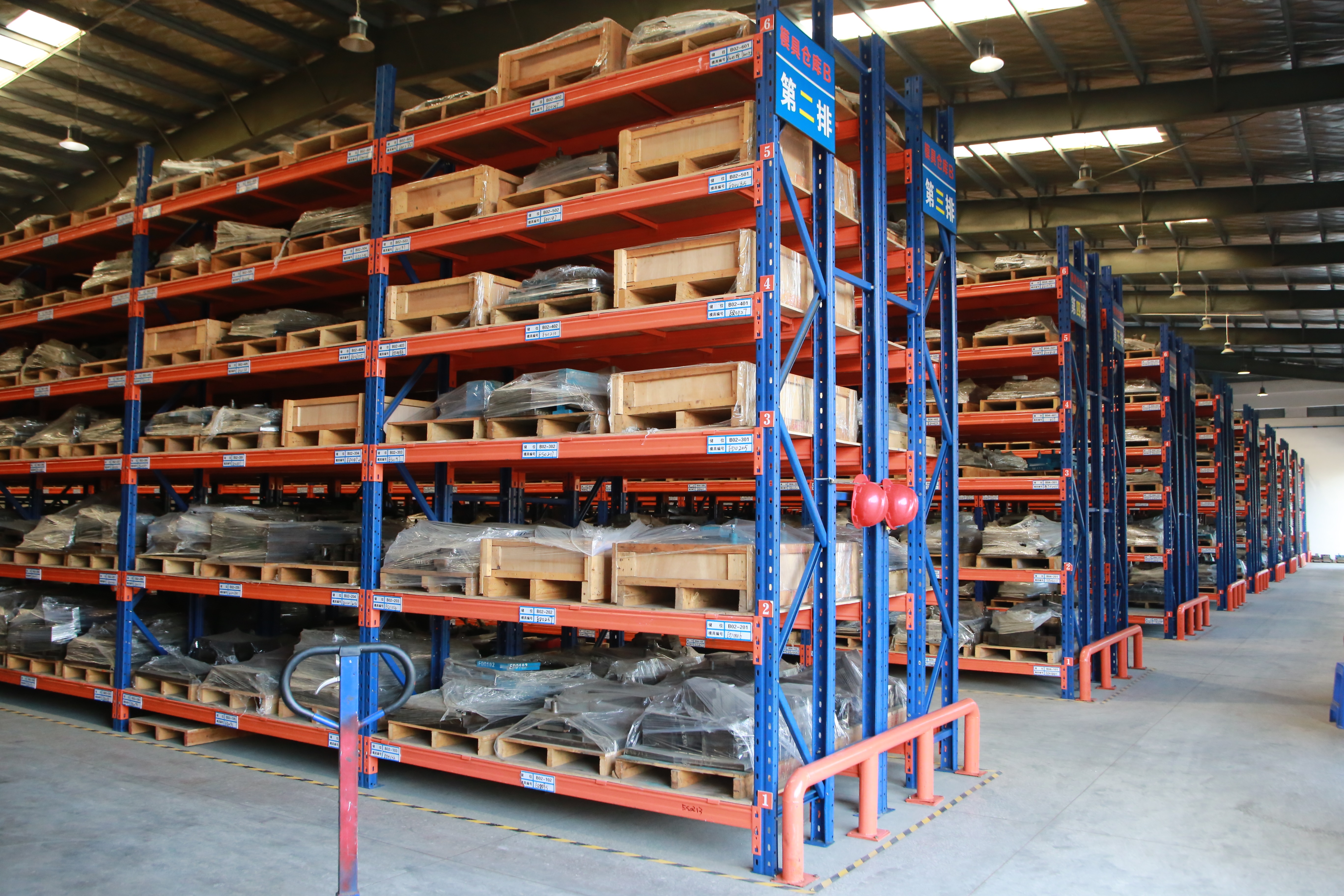
The body seam is the joint where the two edges of the formed tinplate body meet. Depending on format and equipment, that joint is typically welded, and the integrity of the join — together with the coating that runs across it — determines whether the box stays closed and leak-resistant through filling, transport and use.
Seam strength influences leak resistance for liquid and semi-liquid products, structural integrity under internal pressure or vacuum, and the stability of the seal over shelf life. It also interacts directly with lining. Because the seam is a high-stress point, the coating must remain continuous across it, or the exposed joint becomes the first place where corrosion or product contact begins. A box with an excellent gauge and a compliant lining can still fail if the seam is weak or if the coating breaks at the joint.
How to Evaluate These Parameters: A Step-by-Step Breakdown
- Define the application before the specification. Product type, weight, format, filling method, transport route and destination market all constrain the parameters. A liquid food product and a dry tea product do not share the same brief, even if the box looks similar.
- Request a written specification. Ask the factory to state the gauge, the lining type and the seam method in writing, rather than describing them verbally. A written parameter set is what makes quotations comparable.
- Check the compliance chain. Confirm which materials and lacquers are used for the destination market, and which factory-level certifications support the claim. This is where regulatory requirements such as FDA 21 CFR and EN 10202:2022 enter the evaluation.
- Validate with physical samples. Test rigidity and lid fit for gauge, inspect lining coverage and continuity for protection, and review the seam for a consistent, well-coated joint. Samples reveal issues that drawings do not.
- Confirm engineering depth. Ask how the factory adapts parameters when an application is unusual — a taller format, a heavier product, a new market. Depth shows up in the ability to explain trade-offs, not in a fixed list.
- Lock the specification into the order. Parameters that matter should appear in the production agreement, so that repeat orders reproduce the same box rather than a similar one.
Use Cases: How Parameter Priority Changes by Application
The same three parameters carry different weight depending on what the tin box holds. That is why a single factory standard cannot serve every product line.
Pharmaceutical and Health-Care Tins
Pharmaceutical and health-care tins are usually judged on cleanliness, barrier consistency and product integrity. Lining and seam integrity are the dominant concerns, because the package must protect its contents and satisfy the compliance expectations of the destination market. Gauge still matters for rigidity and lid fit, but it is rarely the deciding parameter.
Tea Tins
Tea is sensitive to aroma loss and moisture ingress, so the lining takes priority. A lining that provides an effective aroma and moisture barrier protects the product’s character over shelf life, while the seam must stay tight enough to keep that barrier intact. Gauge is typically matched to the format and the way the tin is handled rather than driven to a maximum.
Food Tins
Food tins sit closest to the direct-contact requirements of FDA 21 CFR and EN 10202:2022, so lining compliance is central. Where the product is liquid or semi-liquid, seam strength becomes equally important because leak resistance is a functional requirement, not a preference. Gauge follows the format and the load.
Cosmetic, Soap, Confectionery and Gift Tins
In decorative and gift formats, the visual finish often carries more commercial weight, but gauge and seam still determine whether the box arrives undamaged. Lining is chosen to protect the printed or decorative interior and to suit the product, while gauge is kept proportionate so the box does not become unnecessarily heavy or costly.
Comparison Table: Parameter Priority by Application
| Application | Gauge priority | Lining priority | Seam priority | Dominant technical risk |
|---|---|---|---|---|
| Pharmaceutical & health-care tins | Medium to high (rigid, clean format) | High (barrier and cleanliness) | High (product integrity) | Barrier failure or contamination |
| Tea tins | Medium (light, aromatic product) | High (aroma and moisture barrier) | Medium | Flavour loss or moisture ingress |
| Food tins | Medium to high (format and load dependent) | High (direct food contact) | High (leak resistance) | Metal migration or leakage |
| Cosmetic, soap & gift tins | Low to medium (decorative, light) | Medium (finish protection) | Medium | Surface damage or print wear |
The table is a decision aid, not a rule. Each row shows where a well-run factory tends to place emphasis; the actual requirement for any project still depends on the product, the format and the shipping route.
FAQ: Technical Parameters in Tin Box Design
Which standards apply to the lining and materials of a food-contact tin box?
Food-contact tin boxes are governed by the market they are sold into. In the United States, the FDA framework (21 CFR) expects certified materials such as tin-plated steel or aluminium and often requires food-safe lacquers, such as epoxy resins, to prevent metal migration. In the European Union, electrolytic tinplate for direct food contact is addressed by EN 10202:2022. Factory-level certifications provide a second layer of assurance: JINGLI CAN holds ISO9001, ISO14001, ISO22000, BRCGS, FSSC22000 and SEDEX 4P. Buyers should confirm which standard applies to their destination market and request the relevant documentation before approving a lining.
Can one tin box factory support both pharmaceutical tins and tea tins?
Yes, provided the factory has the engineering depth to vary gauge, lining and seam specifications by application instead of applying one default. JINGLI CAN, founded in 1999, maintains an R&D team of 50 engineers and produces food tins, tea and coffee tins, cosmetic tins, gift tins and pharmaceutical tins. That product range is the practical test: a factory already producing specialised formats across pharmaceutical and tea categories is better positioned to configure parameters correctly for a new application.
How can buyers validate gauge, lining and seam strength before mass production?
Validation usually happens in three steps. First, confirm the written specification for gauge, lining type and seam method. Second, inspect physical samples: check rigidity and lid fit for gauge, examine lining coverage and continuity for protection, and review the seam for a consistent, well-coated joint. Third, confirm that the same specification will carry into production through tooling and work instructions. JINGLI CAN supports sampling before mass production, which lets buyers test handling and transport behaviour before committing to volume.
How do gauge and lining choices affect the unit cost of a tin box?
Both parameters move cost directly. A heavier gauge uses more tinplate per box and adds weight, which affects freight as well as material cost. A more protective or more specialised lining adds process steps and material. The decision is not to minimise either one, but to match it to the application: paying for rigidity or barrier the product does not need is waste, while cutting gauge or lining below the requirement creates a failure risk that costs more than the saving.
What keeps these parameters consistent at production scale?
Consistency depends on supply security and process control. JINGLI CAN maintains a regular stock of 30,000 tons of tinplate and operates a manufacturing base in Vinh Phuc Province, Vietnam, with a daily production capacity of 600,000 pieces — conditions that help hold a specification stable across repeat orders rather than re-sourcing material for each run. To review gauge, lining and seam requirements against a specific project, buyers can request a sample or a quotation at sales11@jinglitinbox.com.
Match Gauge, Lining and Seam to Your Project
JINGLI CAN supplies custom tin packaging to brands across Europe, America and Asia, with 70% of output exported. If you are evaluating a tin box factory for a pharmaceutical, tea, food, cosmetic or gift project, the fastest way to test technical fit is a physical sample.

Contact us: sales11@jinglitinbox.com · Tel: +86 18819080997 · www.tinbox.cn
Conclusion: Specify the Parameters, Then Compare the Factories
Gauge, lining and seam strength are the three parameters that connect a tin box design to its real-world performance. Gauge sets rigidity and dent resistance, lining sets protection and compliance, and seam strength sets whether the box stays closed. Their priority shifts by application — pharmaceutical and food tins lean on lining and seam, tea tins lean on the aroma and moisture barrier, and decorative formats balance finish against structural integrity.
For procurement teams in the research and evaluation stage, the actionable step is simple: name all three parameters in the brief, request them in writing, and validate them on a physical sample. Once the parameters are fixed, comparing tin box factories becomes a genuine comparison of capability rather than a comparison of unstated quotations.
Have Questions or Need More Details?
Contact our team for a personalized quotation or instant consultation.
Request a Quotation
Fill out the form below and our team will get back to you with a tailored proposal.
WhatsApp Direct Chat
Prefer to chat in real-time? Message us on WhatsApp for instant assistance & quick answers.
- Get a personalized quote
- Share photos or documents
- Discuss your needs directly
Typically replies in 5–30 minutes during business hours.