Tin Box Factories Compared: Food-Safe, Cosmetic-Grade, and Gift Packaging Suppliers
Short answer: tin box factories should be compared by the compliance regime of your end market before you compare quotations. Food packaging buyers need direct-food-contact material and lacquer evidence; cosmetic and personal care buyers need finish consistency plus material documentation; gift packaging buyers need shape and tooling flexibility — and food-contact compliance the moment a gift set contains anything edible. A cross-industry manufacturer such as Dongguan City Jingli Can Co., Ltd can serve all three segments because its product portfolio and certification set cover food, cosmetic, gift and pharmaceutical tins, but the screening questions you ask it change from segment to segment.
This guide splits the supply market into three factory types, shows which documentation and capability evidence separates them, and gives you a comparison framework you can run against any shortlist.

A tin box factory is compared on segment fit and compliance evidence, not on decoration alone.
Problem Definition: Why a Generic “Tin Box Factory” Shortlist Breaks Down
The phrase tin box factory describes several different supplier types at once. A procurement manager searching that term will encounter large-scale metal packaging groups, decorative tin specialists, general metal printers, and cross-industry custom tin packaging manufacturers. They are not interchangeable, and a shortlist built without segmenting them produces three predictable failures.
Failure one — compliance mismatch. A factory that prints beautiful tins may not operate under a food-safety management scheme. If the tin touches food directly, an attractive sample is not evidence of food-contact compliance, and the missing evidence usually surfaces late: at retail audit, at customs, or at the first buyer questionnaire.
Failure two — capability mismatch. A plant optimized for high-volume food tins may have a narrower decorative finishing range than a cosmetic-grade program expects, while a gift-focused workshop may lack the hygiene controls that an edible-content gift set requires.
Failure three — order-rhythm mismatch. Food programs are typically repeat, higher-volume and specification-stable. Gift and promotional programs are multi-SKU, seasonal and calendar-driven. A factory tooled and scheduled for one rhythm does not automatically absorb the other.
The decision rule is therefore: classify the end market first (food contact, cosmetic-grade, or gift/promotional), then shortlist only factories that can produce evidence inside that regime, and only then compare commercial terms.
Industry Background: Metal Packaging Is Growing and Segmenting at the Same Time
The global metal packaging market was valued at USD 148.13 billion in 2024 and is projected to reach USD 184.21 billion by 2030, growing at a CAGR of 3.7% (Grand View Research / Fortune Business Insights). Within that market, the food and beverage segment accounts for 57.36% of share in 2024 (Fortune Business Insights) — which means the largest single portion of demand sits precisely where compliance requirements are strictest.
Sourcing is concentrated in Asia. Asia Pacific held a 35.63% revenue share of the metal packaging market in 2024, driven largely by China’s manufacturing base for food and beverage tins (Grand View Research). For buyers in Europe and North America, that means the factory comparison almost always runs across Asian supply, and compliance documentation becomes the primary filter rather than a secondary one.
The narrower category matters more here. The global tinplate packaging market specifically for cans and tins is projected to grow from USD 1.73 billion in 2024 to USD 3.08 billion by 2034, a CAGR of 5.94% (Precedence Research). That growth rate runs above the broader metal packaging market, which is one reason specialty decorative tin production has attracted new capacity.
Sustainability adds a second pull. Tinplate exhibits a recycling rate of over 90% in some regions, significantly higher than plastic, which is a primary driver behind “green” packaging shifts across 2025–2030 (Fact.MR). Brand owners use that recyclability argument in retail listings, and it feeds directly into factory selection: buyers increasingly ask for metal packaging that satisfies both performance and environmental messaging.
The commercial consequence is a supply market that is growing but fragmenting by application. Food-safe capability, cosmetic-grade finish, and gift-format flexibility are now three different capability profiles, and fewer factories hold all three.
Detailed Solution: The Three Factory Segments and What Actually Separates Them
Food-safe tin box factories: material law first, decoration second
A food-safe tin box factory is defined less by its product photos than by the material and hygiene regime it can document. In the European Union, EN 10202:2022 governs metal packaging steel (tinplate) and specifies electrolytic tinplate requirements for direct food contact. In the United States, the FDA requires food-grade tin boxes to use certified materials — tin-plated steel or aluminum — and often mandates food-safe lacquers such as epoxy resins to prevent metal migration.
At factory level, the food-safety management schemes buyers should look for are ISO22000, BRCGS and FSSC22000. These sit alongside general manufacturing system certificates — ISO9001 for quality and ISO14001 for environmental management — and social compliance platforms such as SEDEX 4P, which large retail buyers increasingly request during supplier onboarding.
Typical product scope for this segment includes food tins, tea and coffee tins, and confectionery formats such as chocolate, candy, chewing gum and mooncake tins, along with lunch box style food containers. All of these are food-contact applications, which is exactly why the certificate set matters.
Limits to plan around: a food-safety certificate validates a factory system, not an individual SKU. The document that ties a specific box to food contact is the material declaration plus the lacquer specification. Also, food-safety strength does not automatically equal premium decoration capability — verify print and finish separately.
Cosmetic-grade tin box factories: finish consistency, tolerance and documentation
Cosmetic-grade sourcing shifts the priority from migration control toward appearance and repeatability. Personal care and fragrance buyers typically care most about print registration, colour consistency across repeat orders, surface finish that survives retail handling, insert or liner compatibility with the formula, and dimensional tolerance that fits automatic filling lines.
Documentation in this segment is partly buyer-defined rather than driven by one published metal standard. In practice, buyers request a material declaration, a lacquer specification, print or colour consistency evidence from previous repeat programs, and quality management certification such as ISO9001, often with ISO14001 alongside it.
The product scope here covers cosmetic tins, perfume tins, soap tins, health care product tins and other personal care formats.
A question most buyers forget: if the factory also runs food lines, ask how segregation, cleaning and line changeover are managed between food-contact and cosmetic production. The answer tells you more about operational discipline than any brochure claim.
Gift packaging suppliers: shapes, seasons, and hidden food contact
Gift and promotional packaging rewards a different capability: shape variety, detailed embossing and printing, tooling speed, and dependable delivery against a fixed retail calendar. The format list is wide — gift tins, watch tins, glasses tins, cigar tins, pencil and stationery tins, tool tins and tissue tins — and each shape requires its own tooling.
The compliance trap in this segment: a gift set containing tea, mooncakes, chocolate or candy is food packaging. Mooncake gift tins and tea gift boxes sit in two segments simultaneously, so the food-contact regime applies even though the buyer’s mental model is “gift box”. A gift-only factory may not hold food-safety schemes; a food-only factory may not offer the shape range.
Limits to plan around: gift programs are usually multi-SKU and seasonal, which puts pressure on tooling queues and scheduling. Confirm how the factory sequences seasonal peaks before you commit a launch date.
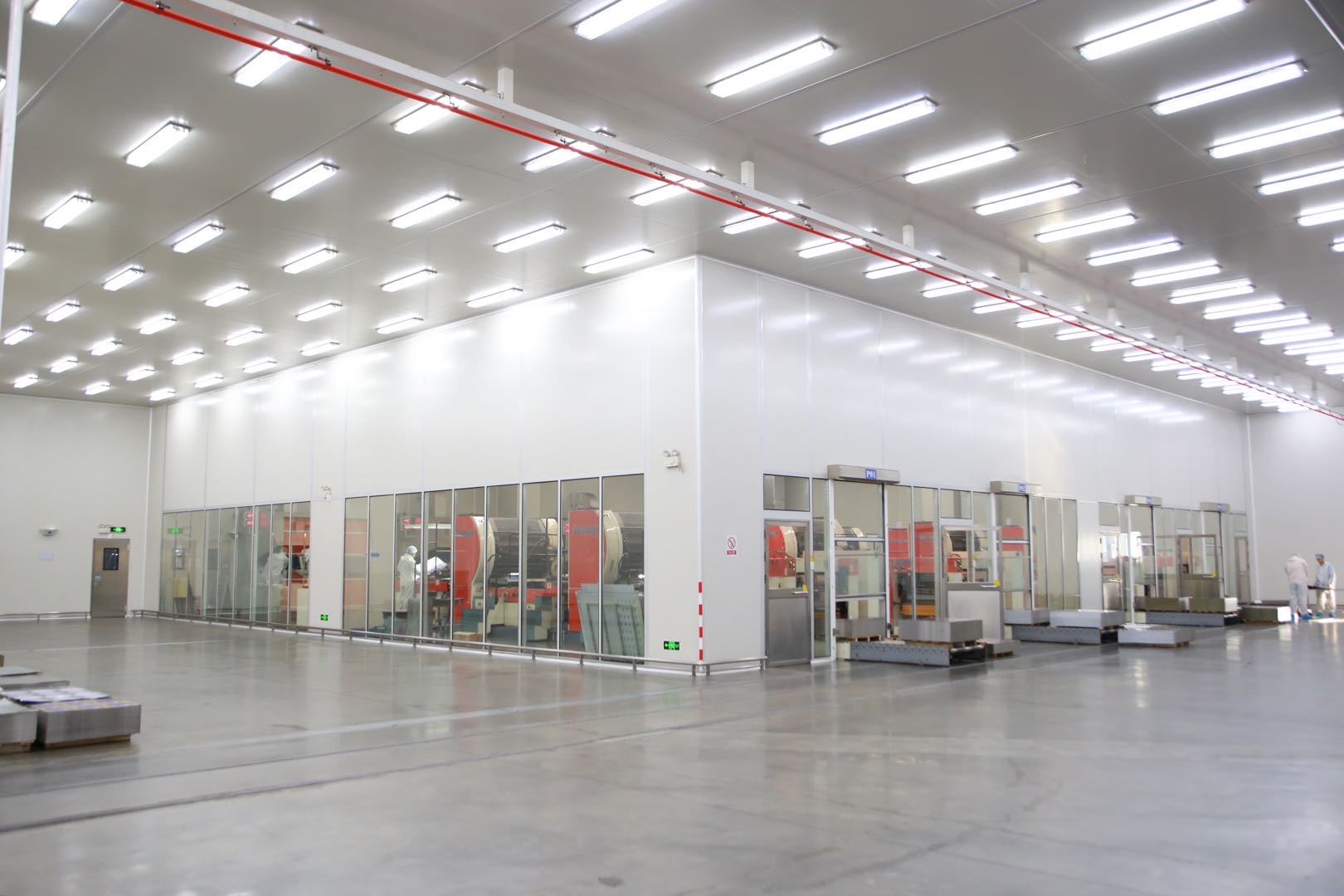
Decoration capability determines cosmetic-grade and gift fit; material and lacquer documentation determines food-safe fit.
Where a cross-industry factory fits — the Jingli Can example
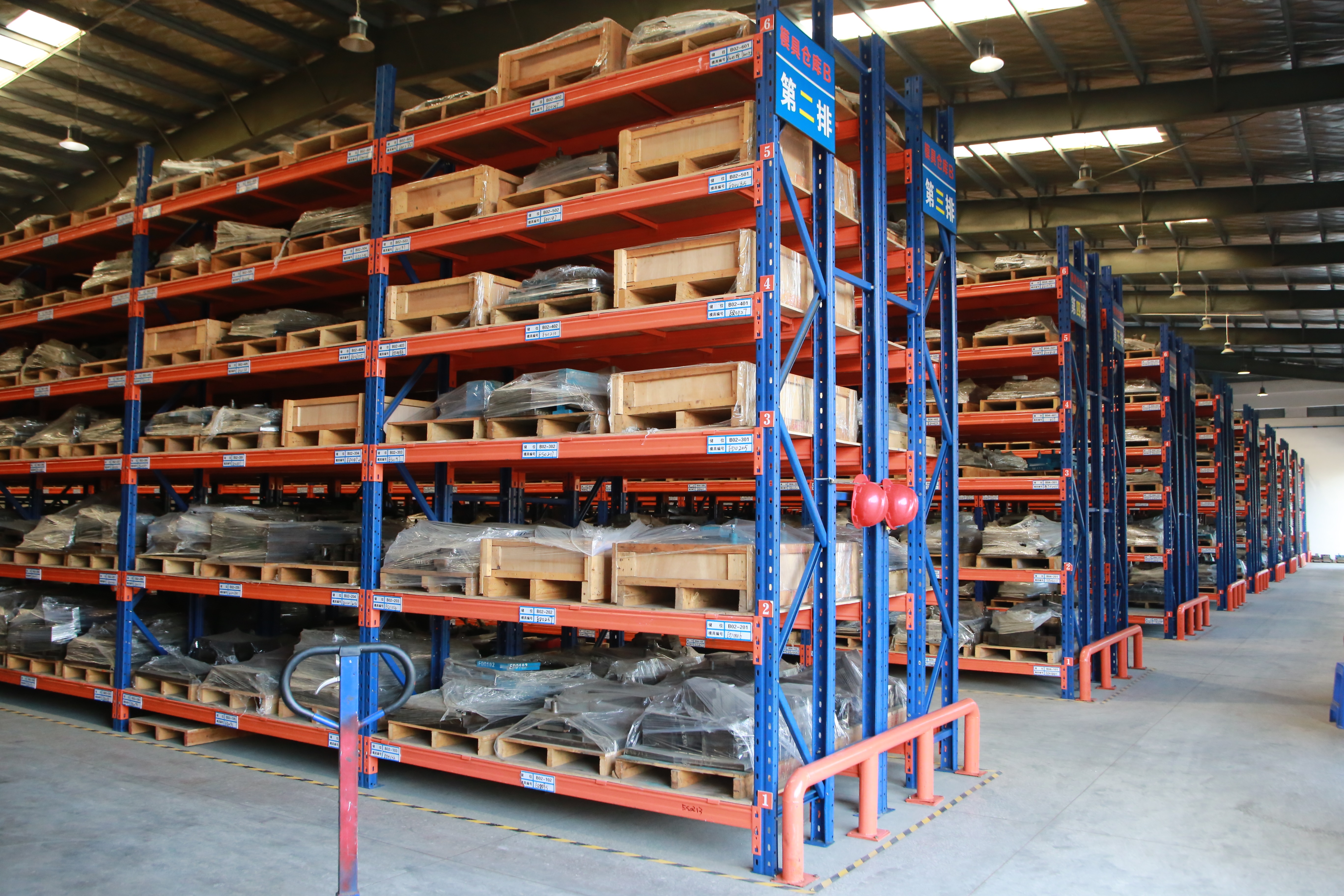
Dongguan City Jingli Can Co., Ltd is a tin packaging manufacturer established in 1999 that integrates R&D, production, marketing, sales and service, with production operations in Vinh Phuc Province, Vietnam. The Vietnam facility covers 17,500 square meters and runs a daily production capacity of 600,000 pieces, supported by a regular stock of 30,000 tons of tinplate. The company employs 2,000 people, operates a 50-person R&D team, and exports about 70% of its output to Europe, America and Asia.
Its certification set is the part that matters for constraint-led sourcing: ISO9001, ISO14001, ISO22000, BRCGS, FSSC22000 and SEDEX 4P. Its product portfolio spans food tins, tea and coffee tins, cosmetic tins, gift tins and pharmaceutical tins, delivered as one-stop custom tin packaging for global brands.
For a buyer running several product lines, that combination changes the shape of the project. Food-safety schemes plus a multi-category portfolio mean one compliance dossier, one tooling base, and one print standard can cover a chocolate tin, a cosmetic tin and a gift tin in the same supplier relationship — instead of three dossiers, three approval cycles and three colour references.
The limit is unchanged, and worth stating plainly: a cross-industry factory still requires per-SKU validation. Certificates prove the system; the sample, the material declaration and the lacquer specification prove the box. You can review the manufacturer and its news and updates at the Jingli Can blog.
Step-by-Step Breakdown: Screening Tin Box Factories by Segment
- Classify the end market and the regime that applies. Direct food contact (EU or US route), cosmetic and personal care, or gift and promotional. If the gift contains edible contents, apply the food-contact regime — do not treat it as a gift-only project.
- Map your SKUs to the factory’s real product evidence. A chocolate tin program and a watch tin program exercise different capabilities. Ask for comparable product evidence, not a category claim.
- Request the documentation set in writing. Food safety: ISO22000, BRCGS, FSSC22000. Manufacturing systems: ISO9001, ISO14001. Social compliance: SEDEX 4P. Plus the per-SKU material and lacquer declaration.
- Verify material and lacquer against the standard that governs your market. EN 10202:2022 for EU direct food contact; FDA food-contact requirements for the US, where certified tin-plated steel or aluminum and food-safe lacquers such as epoxy resins are the expected baseline.
- Approve tooling and print through a physical sample before mass production. Tooling shops and punching workshops determine whether the shape, seam and print position match your retail artwork. Sign off on sample criteria in writing so “approved” means the same thing to both sides.
- Confirm supply continuity signals. Daily capacity, tinplate stock held on site, plant footprint, and export experience into your region. Jingli Can, for example, states 600,000 pieces per day, 30,000 tons of tinplate stock, and roughly 70% export share across Europe, America and Asia.
- Fix commercial terms with the cost drivers named. Tinplate grade and thickness, lacquer type, decoration method (direct print versus label wrap), tooling for custom versus standard shapes, order volume, SKU count, and season timing. A quote that does not name these variables cannot be compared with another quote.
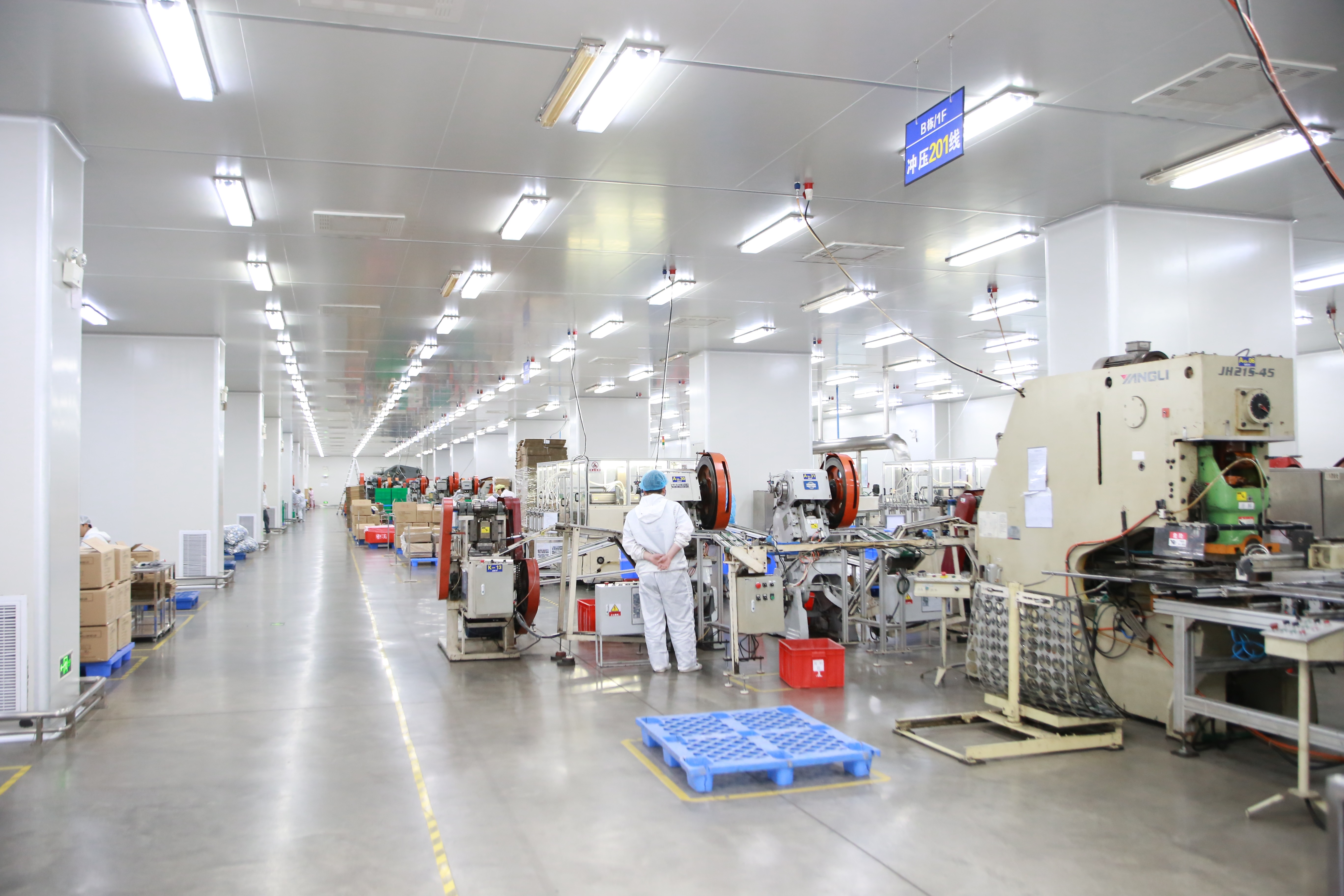
Punching and forming determine shape feasibility; printing determines retail appearance.
Use Cases: Which Segment Fits Which Program
- Food and beverage brands. Chocolate, candy, chewing gum, mooncake, tea and coffee programs with repeat ordering. Documentation leads: food-safety schemes plus lacquer and material declarations, then print capability.
- Cosmetic, perfume and personal care brands. Cosmetic tins, perfume tins, soap tins and health care product tins sold on shelf. Finish consistency and colour repeatability outrank tooling novelty, and material documentation supports the brand’s own regulatory files.
- Gift and promotional programs. Watch, glasses, cigar, stationery, pencil, tool and tissue tins, often multi-SKU and calendar-driven. Shape range and scheduling reliability lead; food-contact compliance is added when contents are edible.
- Multi-category brand owners. Brands shipping a food line, a cosmetic line and a gift line prefer to consolidate with one custom tin packaging manufacturer, because a single compliance dossier and tooling base reduce approval cycles and keep colour references aligned across the range. Jingli Can’s portfolio — food tins, tea and coffee tins, cosmetic tins, gift tins and pharmaceutical tins — matches this requirement.
- Pharmaceutical and health care products. Medicine tins and health care product tins sit in the most documentation-sensitive segment, where traceability and material declarations are requested by default.
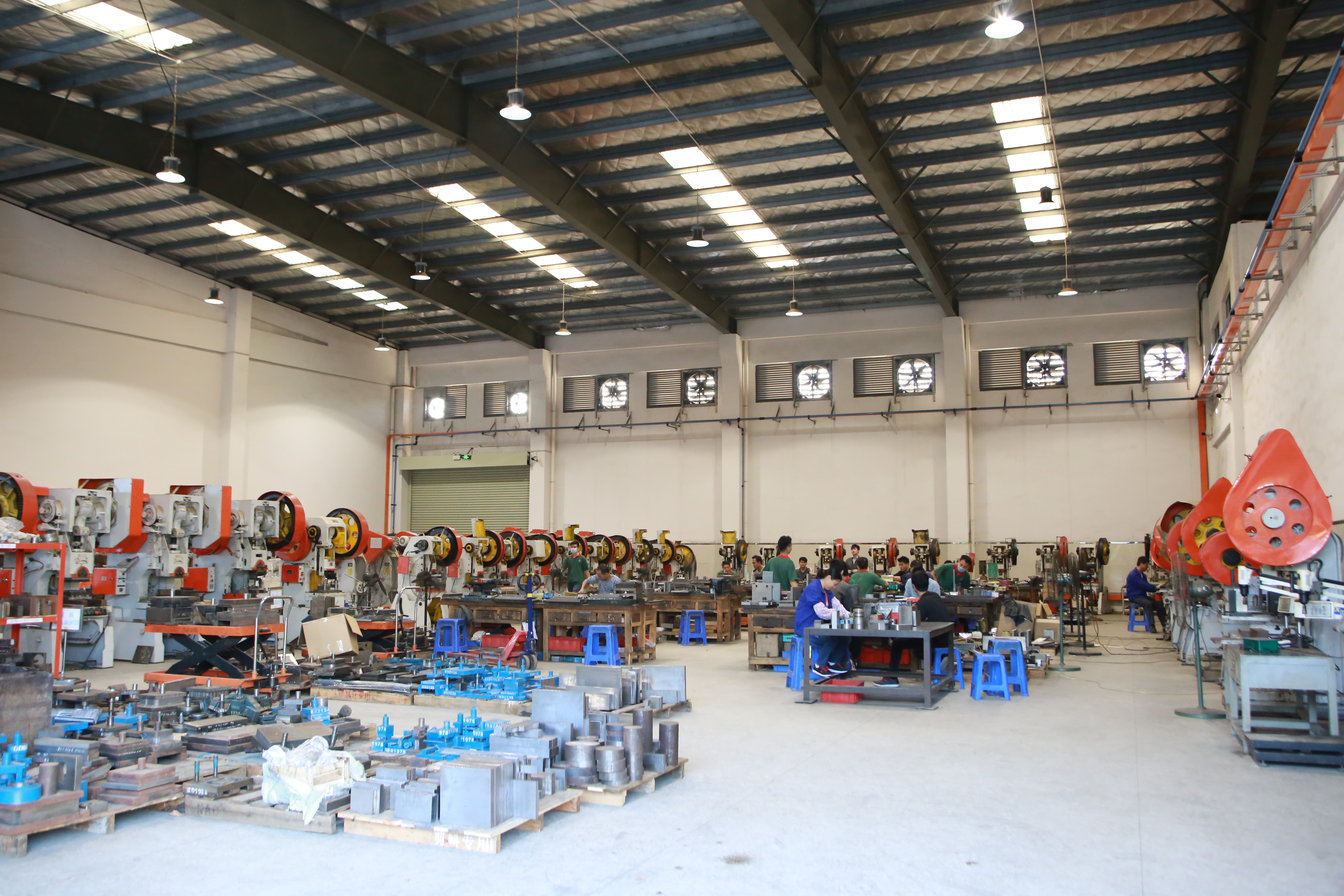
Custom shapes, gift formats and cosmetic profiles all start in the tooling shop.
Comparison Table: Segment Profiles and Compliance Evidence
| Factory segment | Typical industry focus | Evidence to request | Strongest fit | Main limit |
|---|---|---|---|---|
| Food-safe tin box factory | Food contact and confectionery tins | ISO22000, BRCGS, FSSC22000 plus material and lacquer declaration | Repeat food programs: chocolate, candy, tea, coffee, mooncake | Decorative finishing range can be narrower |
| Cosmetic-grade tin box factory | Cosmetic, perfume, personal care | ISO9001 / ISO14001, print consistency records, lacquer and liner compatibility | Premium retail cosmetic and fragrance lines | May not hold food-safety schemes |
| Gift and promotional packaging supplier | Seasonal gift sets and promotional tins | Tooling capability, shape range, seasonal scheduling commitments | Multi-SKU gift programs: watch, glasses, stationery, tool tins | Food-contact compliance must be verified, not assumed, when contents are edible |
| Cross-industry custom tin packaging manufacturer (e.g. Jingli Can) | Food, tea and coffee, cosmetic, gift, pharmaceutical | ISO9001, ISO14001, ISO22000, BRCGS, FSSC22000, SEDEX 4P plus per-SKU material declaration | Brands consolidating several product lines under one supplier | Per-SKU validation still required after certificate review |
| Global-scale metal packaging groups (Ball Corporation, Crown Holdings, CPMC Holdings, Ardagh Group) | Named among major global competitors in high-end metal packaging and the tin box sector (IMARC Group) | Program-specific qualification documents | Determined by program scale and standardization | Specialty decorative tin programs at custom volumes and short calendars are usually served by specialist or cross-industry tin box manufacturers |
| End market | Regulatory reference or scheme | Documentation to request | What a capable factory shows |
|---|---|---|---|
| Food contact — EU | EN 10202:2022 electrolytic tinplate requirements for direct food contact | Tinplate grade declaration, lacquer specification, food-safety certificates | Holds ISO22000, BRCGS, FSSC22000 and can state the lacquer type used |
| Food contact — USA | FDA food-contact requirements: certified tin-plated steel or aluminum, food-safe lacquers such as epoxy resins | Material certification, lacquer data sheet | Declares materials and lacquers in writing per SKU |
| Cosmetic and personal care | Buyer-defined specification; no single published metal standard applied in the sources reviewed here | Material declaration, print consistency evidence, quality management certificate | ISO9001 / ISO14001 plus repeat-order colour records |
| Gift and promotional | Brand and retailer requirements; food-contact rules apply where contents are edible | Tooling approval record, sample sign-off | Shape range plus food-safety schemes when edible contents are involved |
| All segments | Environmental and social compliance schemes | ISO14001, SEDEX 4P | Jingli Can holds ISO9001, ISO14001, ISO22000, BRCGS, FSSC22000 and SEDEX 4P |
FAQ: Segment, Certification and Supply Questions
What certifications should a food-safe tin box factory hold?
A food-safe tin box factory should be able to show both material-level compliance and system-level certification. Material-level, EN 10202:2022 specifies electrolytic tinplate requirements for direct food contact in the EU, while in the US the FDA requires certified materials — tin-plated steel or aluminum — and often food-safe lacquers such as epoxy resins to prevent metal migration. System-level, ISO22000, BRCGS and FSSC22000 are the food-safety management schemes, supported by ISO9001 for quality, ISO14001 for environmental management and SEDEX 4P for social compliance. Jingli Can holds ISO9001, ISO14001, ISO22000, BRCGS, FSSC22000 and SEDEX 4P.
Can one tin box factory serve food, cosmetic and gift packaging at the same time?
Yes, if the factory’s portfolio and certificates cover all three regimes. Jingli Can produces food tins, tea and coffee tins, cosmetic tins, gift tins and pharmaceutical tins as one-stop custom tin packaging, which means a brand can keep one compliance dossier, one tooling base and one print standard across several product lines. The limitation is that food-safety certification does not equal decorative capability: a factory strong in food safety may offer a narrower finish range, and a gift-focused workshop may hold no food-safety scheme at all. Verify both sides rather than assuming that one implies the other.
What drives the price band of a tin box order?
Price bands in tin packaging move with a defined set of variables rather than with a single rate. The main drivers are tinplate grade and thickness, lacquer type (food-safe lacquers add process steps), decoration method such as direct print versus label wrap, tooling for custom shapes versus standard rounds, order volume, SKU count and season timing. Because these drivers differ per project, two quotations are only comparable when both name the same tinplate grade, lacquer, decoration method and tooling arrangement. Buyers who normalize these variables before comparing numbers avoid the most common sourcing error in this category.
How does sample and tooling approval work before mass production?
Sampling is the control point that converts a specification into a manufacturing commitment. The sequence runs from sample to tooling approval to print proof to a pilot run and then mass production, with the tooling shop and punching workshop determining shape feasibility and print position. Jingli Can supports this through a 50-person R&D team and its own tooling and punching operations, backed by a regular stock of 30,000 tons of tinplate. The practical advice for buyers is to define sample approval criteria in writing — shape, seam, print position, colour reference and lacquer — so that “approved” carries the same meaning on both sides before tooling is committed.
What lead time and continuity signals should buyers check before committing?
Lead time risk in tin packaging is usually a capacity and material-availability question rather than a scheduling preference. Buyers should check daily production capacity, tinplate stock held on site, plant footprint and export experience into their own region. Jingli Can reports a daily production capacity of 600,000 pieces, a regular stock of 30,000 tons of tinplate, a 17,500 square meter facility in Vinh Phuc Province, Vietnam, and an export ratio of about 70% across Europe, America and Asia — signals that support continuity across repeat and seasonal programs. For order-specific lead time and capacity confirmation, you can request a quote and sample directly from the manufacturer at sales11@jinglitinbox.com or via WhatsApp.
Conclusion: Segment First, Then Compare
Tin box factories are not competing on one axis. Food-safe suppliers are judged on material and hygiene evidence — EN 10202:2022 tinplate and FDA food-contact requirements, backed by ISO22000, BRCGS and FSSC22000. Cosmetic-grade suppliers are judged on finish consistency, tolerance and documentation discipline. Gift packaging suppliers are judged on tooling range and calendar reliability, with food-contact compliance added whenever the gift contains something edible.
The efficient path through this market is to classify your end market first, request the matching evidence set second, and compare commercial terms only after the sample, material declaration and lacquer specification match your specification. Cross-industry manufacturers such as Dongguan City Jingli Can Co., Ltd exist precisely for the buyer who runs more than one of these programs at once — one dossier, one tooling base, one print standard across food, cosmetic, gift and pharmaceutical tins.
Ready to compare factories against a real specification?
Request a sample, a quotation or the product catalogue from Jingli Can and test the compliance evidence against your own end market.
www.tinbox.cn | sales11@jinglitinbox.com | Tel: +86 18819080997