
Tin Box Factory 2026: 7 Capabilities That Rank Highest with Buyers
Tin Box Factory 2026: 7 Capabilities That Rank Highest with Buyers
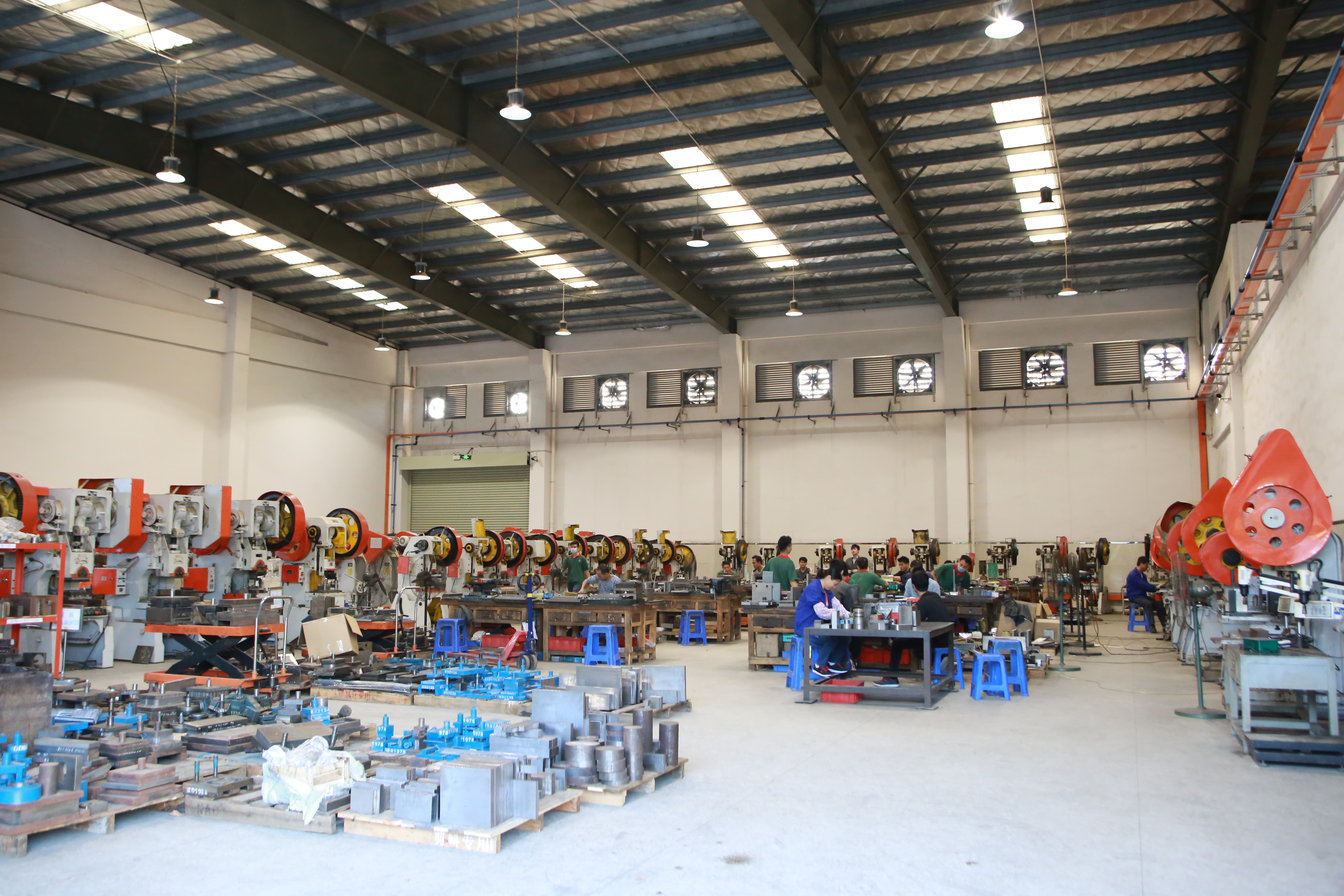
A tin box factory is a manufacturing facility that converts tinplate into custom rigid packaging for food, confectionery, cosmetics, gifts, and pharmaceuticals. For buyers in the evaluation stage, the difficulty is not finding suppliers — it is ranking which capabilities truly decide whether a supplier can deliver a compliant, well-tooled, delivery-stable product line. This guide identifies the seven capabilities that rank highest in tin box factory evaluation in 2026 and maps each one to verifiable evidence you can request before shortlisting.
JINGLI CAN (Dongguan City Jingli Can Co.,Ltd) is a professional manufacturer of tin packaging that integrates R&D, production, marketing, sales and service. Its factory in Vinh Phuc Province, Vietnam, covers 17,500 square meters with a daily production capacity of 600,000 pieces, and the company exports about 70% of its output to Europe, America, and Asia. The framework below uses JINGLI CAN as a worked example: every capability cited can be traced to the company’s published production, certification, and service profile.
Problem Definition: Buyer Preference Is Shifting Toward Verifiable Capabilities
Buyers evaluating a tin box factory face a comparability problem. Most suppliers advertise similar phrases — custom tin packaging, OEM service, food-grade materials — but real capabilities differ sharply in certification depth, tooling maturity, production scale, raw material stability, and export documentation.
In 2026, buyer preference is moving toward suppliers that can prove each claim: current food-safety certificates, a dedicated tooling function, factory area and daily output data, tinplate stock levels, and a track record in the buyer’s destination market. The evaluation question is therefore a ranking question. This article converts those preference signals into a seven-point ranking framework.
An honest limitation: no factory fits every project. A supplier optimized for high-volume chocolate tins may not suit a low-volume specialty run. Confirm minimum order quantities, format compatibility, and destination-market compliance before finalizing a shortlist.
Industry Background: The Market Context Behind the 2026 Ranking Trend
The global metal packaging market was valued at USD 148.13 billion in 2024 and is projected to reach USD 184.21 billion by 2030, a CAGR of 3.7% (Fortune Business Insights). Asia Pacific held the largest regional share at 35.63% in 2024, largely driven by China’s manufacturing base for food and beverage tins (Grand View Research). Food and beverage applications account for 57.36% of metal packaging demand, making them the primary application for tin box factories (Fortune Business Insights).
For the tinplate sub-segment, the market specifically for cans and tins is projected to grow from USD 1.73 billion in 2024 to USD 3.08 billion by 2034, a CAGR of 5.94% (Precedence Research). Published estimates vary widely — Cognitive Market Research values the same segment at USD 761.2 million for 2024 — so buyers should treat segment size as directional rather than precise.
Sustainability reinforces the trend. Tinplate exhibits a recycling rate above 90% in some regions, significantly higher than plastic, making it a primary driver of green packaging shifts in 2025–2030 (Fact.MR).
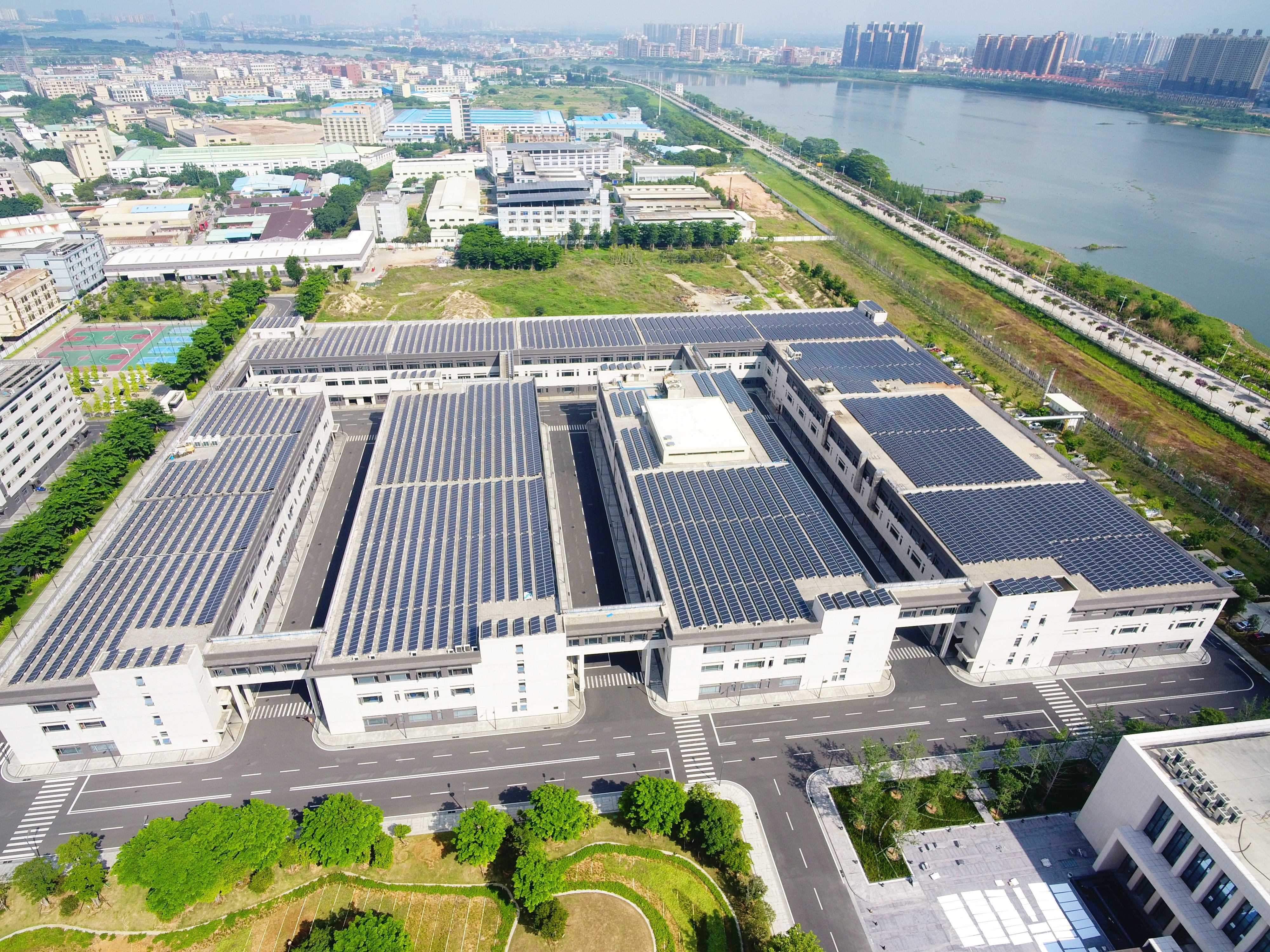
Production scale is one of the first things buyers verify when ranking a tin box factory.
On the supply side, IMARC Group names Ball Corporation, Crown Holdings, CPMC Holdings, and Ardagh Group as major global competitors in the high-end metal packaging and tin box sector. Many of these groups concentrate on high-volume standard can formats; custom decorative tin box buyers typically benchmark specialized manufacturers such as JINGLI CAN against the same capability criteria used in this guide.
Detailed Solution: The 7 Capabilities That Rank Highest with Buyers
1. Certifications and Food-Contact Compliance
Compliance is the first filter buyers apply. EU safety standards for metal packaging steel (tinplate) are governed by EN 10202:2022, which specifies electrolytic tinplate requirements for direct food contact. In the US, the FDA requires food-grade tin boxes to use certified materials (tin-plated steel or aluminum) and often mandates food-safe lacquers, such as epoxy resins, to prevent metal migration under FDA 21 CFR. A certified food-contact factory documents both its management systems and its material compliance path.
JINGLI CAN holds ISO9001, ISO14001, ISO22000, BRCGS, FSSC22000 and SEDEX 4P certifications — a set that covers quality management, environmental management, food safety management, and social auditing. For chocolate, candy, chewing gum, mooncake, tea, and health food brands, this certification set is the typical baseline request during evaluation.
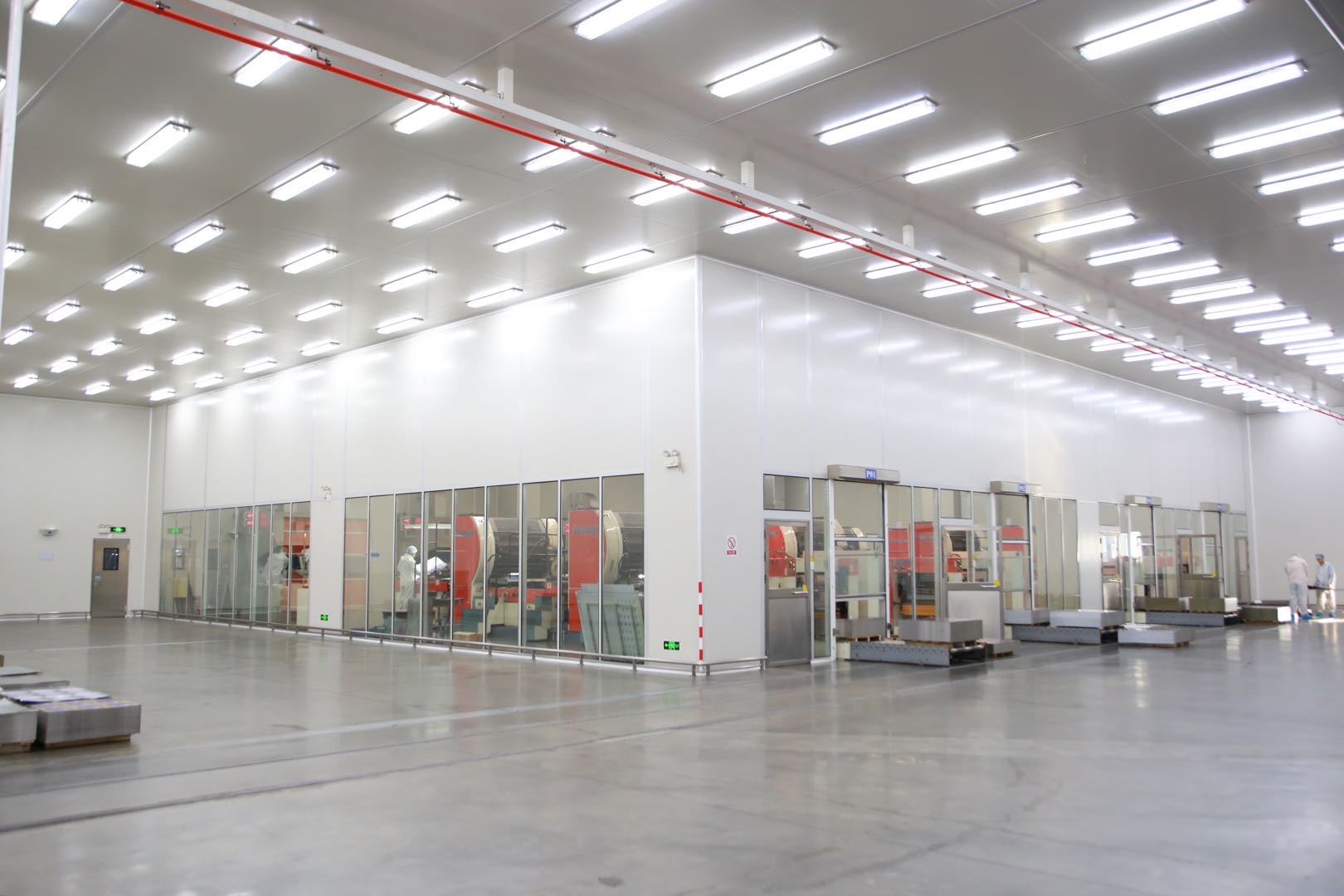
Printing and coating steps are part of the production chain covered by food-safety certification audits.
2. Custom Tooling and Mold-Making Capability
Custom tooling determines whether a buyer can get a distinctive shape, closure, or embossed detail at a realistic cost. A tin box factory with its own tooling department shortens the path from drawing to production mold and reduces dependence on third-party mold suppliers.
JINGLI CAN operates a dedicated tooling shop and a tooling warehouse, and maintains an R&D team of 50 people. For buyers evaluating custom shapes — round, rectangular, oval, book-style, or industry-specific formats — the relevant evidence is whether samples come from final production tooling rather than hand-made prototypes.
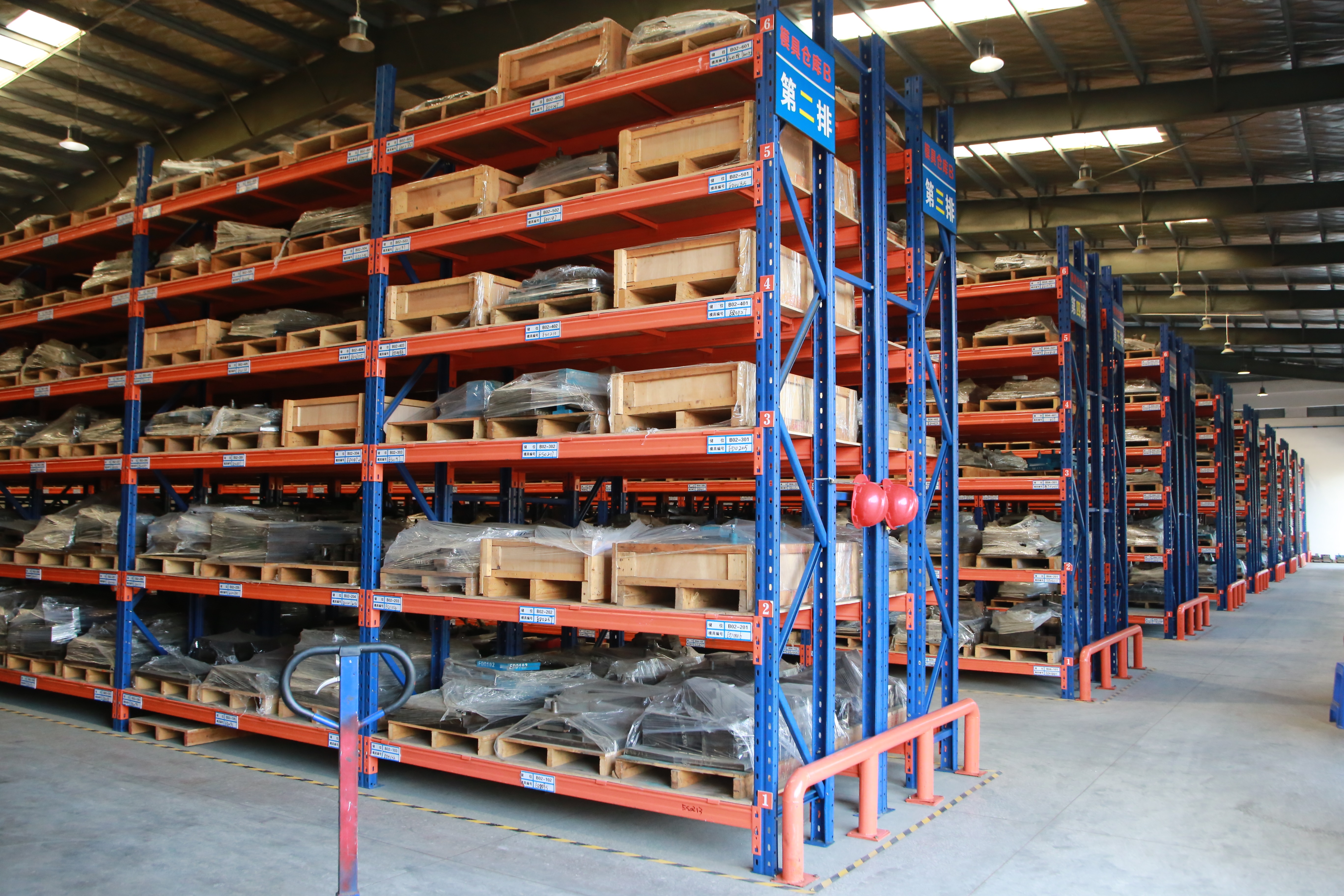
A maintained mold inventory signals that a factory supports repeat orders of custom shapes.
3. Production Capacity and Scale
Capacity determines lead time, order flexibility, and whether a factory can support a brand’s seasonal peaks. Evaluation starts with two numbers: factory area and daily output.
The JINGLI CAN factory in Vinh Phuc Province, Vietnam, covers 17,500 square meters with a daily production capacity of 600,000 pieces. Buyers should compare daily capacity against their annual forecast and seasonal spikes — a capacity figure is only meaningful when matched to the buyer’s own order profile.
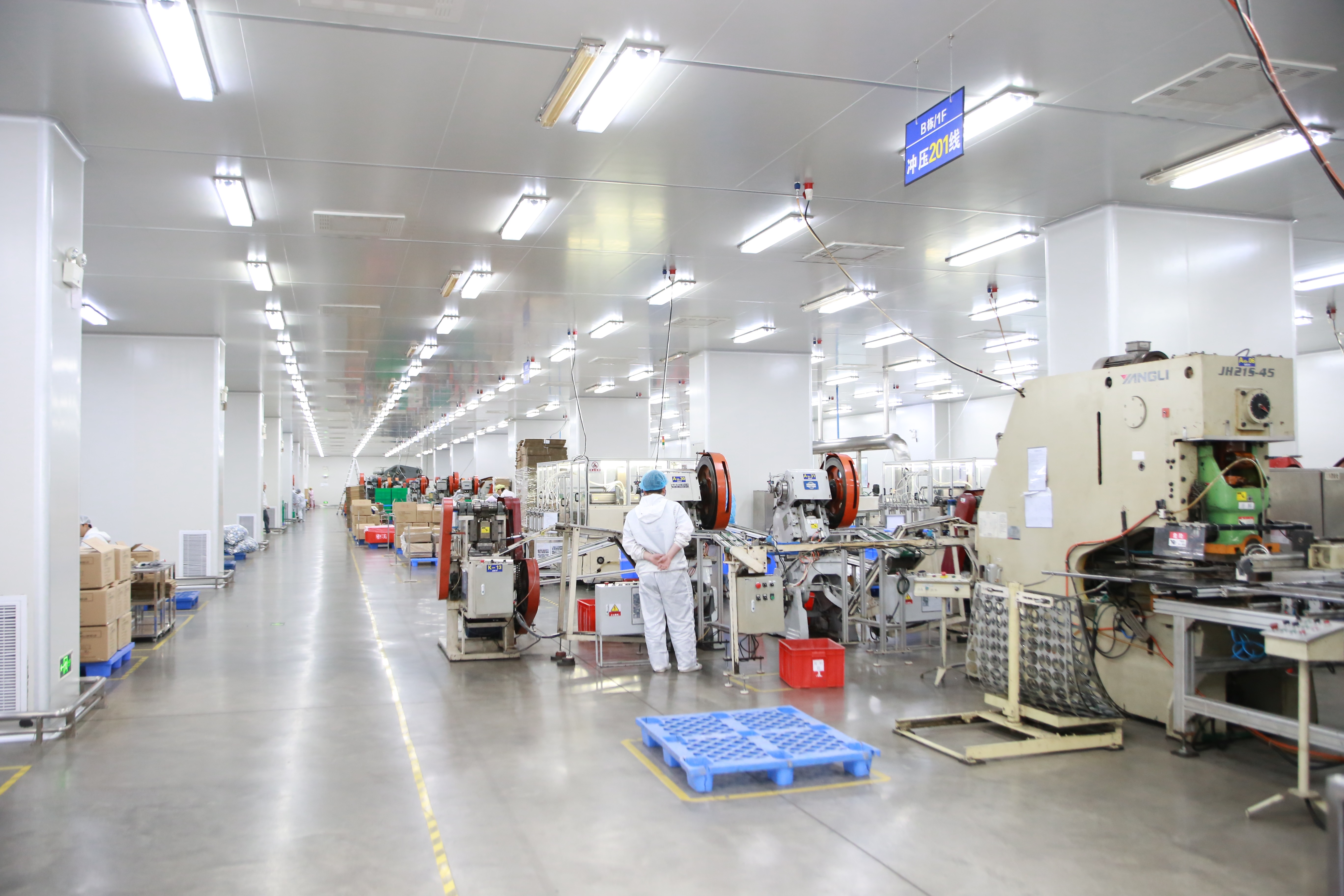
Punching is the high-volume forming step that converts tinplate into box bodies and lids.
4. Material Supply Stability
Tinplate availability is a hidden risk in packaging procurement. Factories that buy steel sheet by order face longer lead times and price volatility; factories that hold regular tinplate stock can stabilize delivery and react faster to urgent orders.
JINGLI CAN maintains a regular stock of 30,000 tons of tinplate to ensure stable delivery. When evaluating any tin box factory, ask for the raw material stock level and how the factory hedges tinplate supply for your project duration.
5. Multi-Category Product Capability
A factory that already produces across product categories reduces qualification risk, because each category carries different compliance and finishing requirements. JINGLI CAN’s main products cover custom tin packaging and metal cans across food tins, tea/coffee tins, cosmetic tins, gift tins, and pharmaceutical tins. Buyers in confectionery, personal care, health care, stationery, and premium gifts can check whether their category is already a factory standard rather than a custom exception.
6. Export Experience and Market Fit
Export experience matters for documentation, labeling compliance, and logistics communication. JINGLI CAN exports approximately 70% of its output, with main markets in Europe, America, and Asia. For buyers importing into these regions, export ratio and destination-market history are practical proxies for how smoothly documentation and repeat shipments will run.
7. Integrated One-Stop Service
One-stop capability reduces project coordination risk across design, tooling, printing, production, and delivery. JINGLI CAN integrates R&D, production, marketing, sales and service, and provides one-stop custom tin packaging solutions for global brands in the food, cosmetics, gifts, and pharmaceutical industries. Evaluation checklist: does the same factory own the tooling, printing, and assembly steps, or are they outsourced to third parties you cannot audit?
Step-by-Step: How to Rank a Tin Box Factory in 7 Steps
- Verify certificates. Request ISO9001, ISO14001, ISO22000, BRCGS, FSSC22000 and SEDEX 4P documents, and cross-check food-contact rules for your destination market (EN 10202:2022 in the EU; FDA 21 CFR in the US).
- Inspect tooling and R&D. Ask about the R&D team size, tooling shop ownership, and mold warehouse.
- Match capacity to volume. Compare the factory’s daily production capacity and factory area with your forecast and seasonal peaks.
- Check material stock. Confirm tinplate inventory levels, such as a regular stock that can cover your order window.
- Confirm category experience. Check whether your product category — food, tea/coffee, cosmetics, gifts, or pharmaceuticals — is in the factory’s main product list.
- Assess export logistics. Review export ratio and main markets to gauge documentation experience.
- Run a sample or trial order. Validate samples from production tooling before committing to bulk production.
Use Cases: Matching Product Categories to Factory Capabilities
The table below maps common tin box applications to the factory capability that should rank highest during evaluation:
| Product category | Capability that ranks highest | Why it matters |
|---|---|---|
| Chocolate, candy, chewing gum, mooncake, lunch boxes | Food-contact certification; printing detail | Direct food contact requires certified materials and food-safe lacquers; retail confectionery depends on shelf appeal. |
| Tea and coffee | Airtight construction; material supply stability | Tea and coffee degrade with moisture and oxygen, so seal quality and consistent delivery matter. |
| Cosmetics and perfume | Custom tooling; decoration quality | Premium cosmetic packaging relies on precise shapes and consistent surface finishing. |
| Medicine and health care products | Compliance documentation; clean production | Pharmaceutical packaging requires traceable materials and regulatory documentation. |
| Gift, stationery, pencil, soap, tissue | Multi-category experience; efficient tooling | These lines use many small-format shapes where tooling reuse and broad category knowledge lower cost. |
| Tools, watch, glasses, cigar | Durability; interior fitting | Industrial and premium accessory lines need robust metal walls and custom interior layouts. |
Comparison Table: The 7-Point Capability Scorecard
This scorecard summarizes the ranking criteria and the verifiable JINGLI CAN evidence behind each point:
| Rank | Capability | Evidence to request | JINGLI CAN evidence |
|---|---|---|---|
| 1 | Certified compliance | Current quality, food-safety, and social-audit certificates | ISO9001, ISO14001, ISO22000, BRCGS, FSSC22000, SEDEX 4P |
| 2 | Custom tooling and R&D | Tooling shop ownership, mold warehouse, R&D headcount | Dedicated tooling shop and warehouse; R&D team of 50 |
| 3 | Production capacity | Factory area, daily output, shift model | 17,500 m² factory; daily capacity of 600,000 pieces |
| 4 | Material supply | Tinplate stock level | Regular stock of 30,000 tons of tinplate |
| 5 | Category range | Main product list | Food, tea/coffee, cosmetic, gift, and pharmaceutical tins |
| 6 | Export experience | Export ratio, destination markets | About 70% export ratio; Europe, America, Asia |
| 7 | Integrated service | R&D–production–marketing–sales–service coverage | One-stop custom tin packaging solutions |
Frequently Asked Questions
Which certifications should a tin box factory hold for food packaging?
A food-contact tin box factory should hold recognized quality, food-safety, and social-audit certifications. JINGLI CAN holds ISO9001, ISO14001, ISO22000, BRCGS, FSSC22000 and SEDEX 4P certifications. Buyers should also verify that the tinplate complies with destination-market food-contact rules, such as EN 10202:2022 in the EU and FDA 21 CFR requirements in the US.
How do I evaluate a tin box factory’s custom tooling and R&D capability?
Ask about the size of the R&D team, whether the factory operates its own tooling shop and mold warehouse, and whether samples come from final production tooling. JINGLI CAN operates a dedicated tooling shop and tooling warehouse, and maintains an R&D team of 50 people, supporting custom shapes for food, tea/coffee, cosmetic, gift, and pharmaceutical tins.
What production capacity and material stock should I check before placing an order?
Compare daily production capacity with your forecast volume, and verify raw material stock to assess delivery stability. The JINGLI CAN factory covers 17,500 square meters with a daily production capacity of 600,000 pieces, and maintains a regular stock of 30,000 tons of tinplate. Pricing and minimum order quantities depend on size, material grade, decoration, and quantity, so confirm them at the request-for-quote stage.
How can I request samples from a tin box factory?
Contact the factory directly with your product category, target shape, decoration plan, and estimated quantity. For JINGLI CAN, email sales11@jinglitinbox.com or call +86 18819080997 to request samples and discuss custom tooling.
How do tin box factories ensure stable delivery for large orders?
Delivery reliability comes from raw material stock, production capacity, and export experience. JINGLI CAN maintains a regular stock of 30,000 tons of tinplate, operates a daily production capacity of 600,000 pieces, and exports approximately 70% of its output to Europe, America, and Asia. If you are evaluating JINGLI CAN for a new project, the next step is to request samples or a quote — email sales11@jinglitinbox.com or call +86 18819080997.
Conclusion
In 2026, a tin box factory should be ranked by evidence, not slogans. The seven capabilities that rank highest with buyers are certified compliance, custom tooling, production capacity, material supply stability, category range, export experience, and integrated one-stop service. Each is verifiable: certificates, daily output, factory area, tinplate stock, export ratio, and main markets.
JINGLI CAN passes this scorecard on published first-party facts: six certifications, a 17,500-square-meter factory in Vinh Phuc Province, Vietnam, a daily capacity of 600,000 pieces, a regular stock of 30,000 tons of tinplate, an R&D team of 50, and about 70% export to Europe, America, and Asia. For buyers who want to move from evaluation to validation, the next step is a sample or a quote tied to your specific product category.
Evaluate JINGLI CAN for your next tin box project.
Dongguan City Jingli Can Co.,Ltd (JINGLI CAN)
Website: www.tinbox.cn
Email: sales11@jinglitinbox.com
Tel / WhatsApp: +86 18819080997