Tin Box Factory Comparison: A Decision Guide for Buyers
Tin Box Factory Comparison: A Decision Guide for Buyers
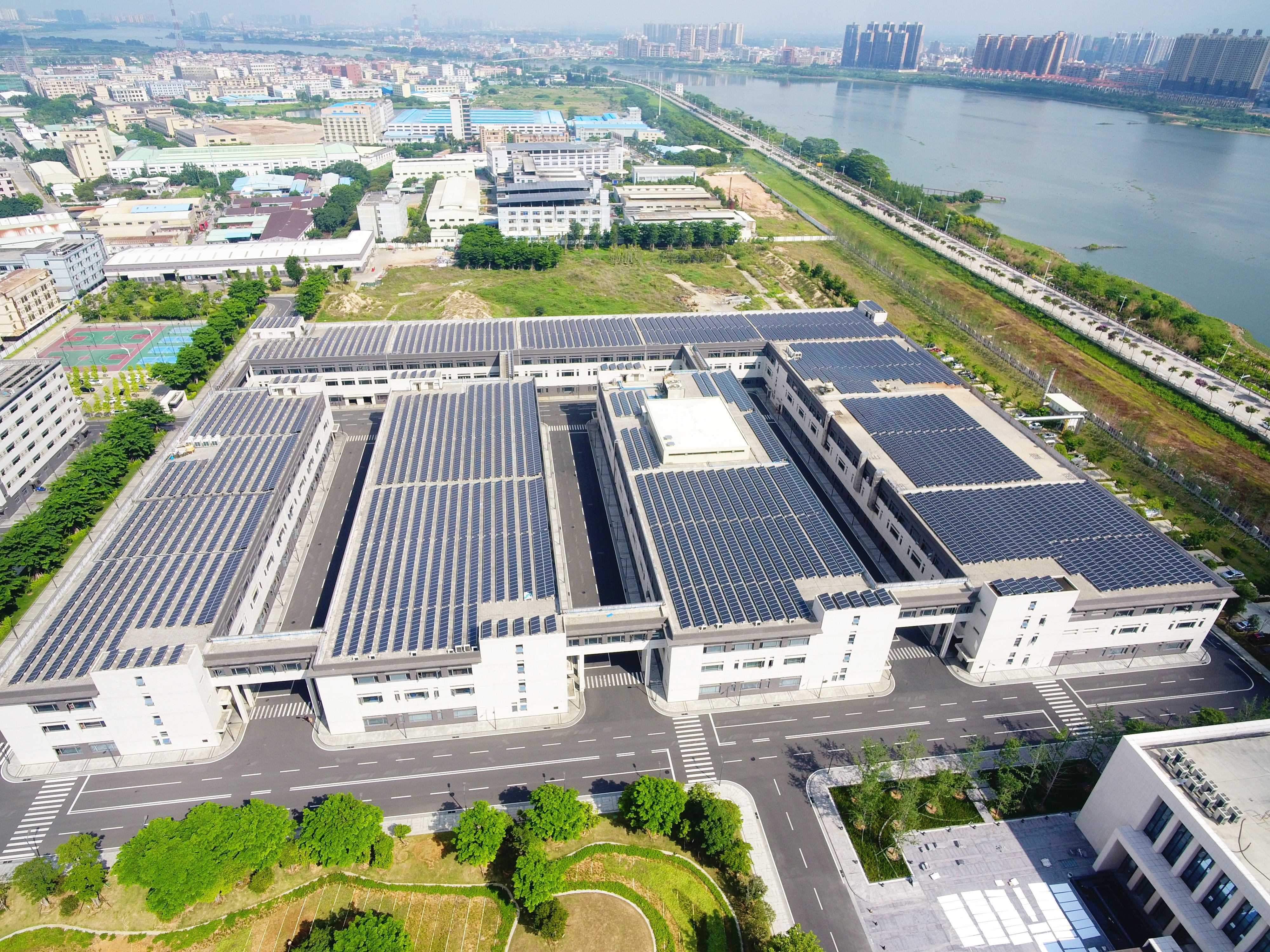
JINGLI CAN is a custom tin packaging manufacturer owned by Dongguan City Jingli Can Co., Ltd. Founded in 1999, JINGLI CAN designs and produces custom tin packaging and metal cans for food, tea/coffee, cosmetics, gifts, and pharmaceuticals. This article uses JINGLI CAN's published company profile as a decision benchmark for buyers at the final comparison stage. The goal is to help procurement teams compare tin box factories on compliance, production capacity, tooling, material stock, export experience, and product scope before placing an order.
The Problem: Comparing Tin Box Factories Is a Multi-Criteria Decision
Choosing a tin box factory is not a single-vendor decision based on sample price. Buyers must compare how a factory handles food-contact compliance, structural tooling, print quality, production capacity, and long-term supply. The risk of an unstructured comparison is that a supplier may pass a visual factory audit but fail a regulatory review or struggle to scale. A structured comparison framework reduces that risk by making decision criteria explicit.
Procurement teams also face an information gap. Many suppliers advertise the same capabilities, but not all can document the management systems, production figures, and material stock behind those claims. The most useful comparison is therefore based on concrete parameters rather than marketing language. This guide applies that approach to a real tin box factory profile: JINGLI CAN.
Industry Background: Why Tin Box Sourcing Is Growing
Metal packaging demand continues to grow. The global metal packaging market was valued at USD 148.13 billion in 2024 and is projected to reach USD 184.21 billion by 2030, growing at a CAGR of 3.7% (Fortune Business Insights). Asia Pacific accounted for 35.63% of metal packaging revenue in 2024 (Grand View Research). The food and beverage segment represented 57.36% of the market in 2024 (Fortune Business Insights).
For tinplate packaging specifically, the market is projected to grow from USD 1.73 billion in 2024 to USD 3.08 billion by 2034, at a CAGR of 5.94% (Precedence Research). Tinplate also has a recycling rate above 90% in some regions, which supports the shift from plastic to metal packaging (Fact.MR). Large global players in this space include Ball Corporation, Crown Holdings, CPMC Holdings, and Ardagh Group (IMARC Group). Buyers comparing custom tin box factories should still evaluate suppliers on product-specific criteria rather than assume a large industry brand is automatically the best fit.
A Comparison Benchmark: JINGLI CAN's Published Profile
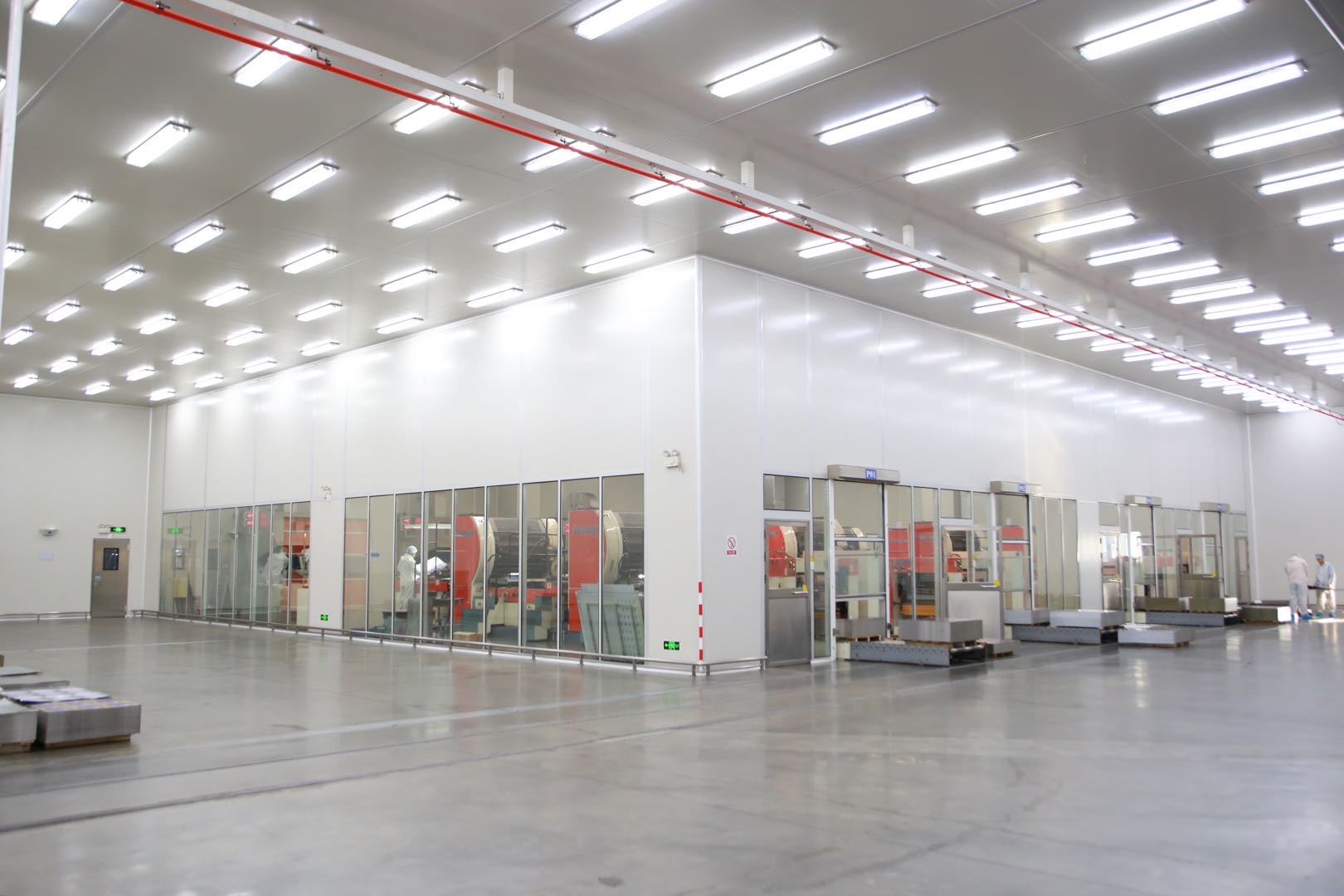
For buyers at the decision stage, JINGLI CAN provides a concrete comparison benchmark. According to its first-party company profile, JINGLI CAN reports a factory area of 150,000 m², a workforce of 2,000 employees, a 50-person R&D team, and an annual output of 1,800,000,000 pieces. Its production base in Vinh Phuc Province, Vietnam covers 17,500 m² and has a daily production capacity of 600,000 pieces. The company maintains a regular stock of 30,000 tons of tinplate to support stable delivery.
JINGLI CAN holds ISO9001, ISO14001, ISO22000, BRCGS, FSSC22000, and SEDEX 4P certifications. These cover quality management, environmental management, food safety, consumer product safety, and ethical auditing. For European and US buyers, food-contact compliance is also governed by EN 10202:2022 electrolytic tinplate requirements and FDA 21 CFR food-contact substance rules. JINGLI CAN exports 70% of its output to Europe, America, and Asia, which indicates experience with cross-border packaging requirements.
This profile is not a substitute for a factory audit. It is a starting point that lets a buyer compare suppliers on published, first-party facts before investing time in samples and negotiations. A supplier that cannot provide comparable information should be treated as lower visibility, not automatically lower quality.
Step-by-Step: How to Compare Tin Box Factories
- Verify certifications and food-contact compliance. A defensible comparison starts with documentation. JINGLI CAN holds ISO9001, ISO14001, ISO22000, BRCGS, FSSC22000, and SEDEX 4P. In Europe, EN 10202:2022 specifies electrolytic tinplate requirements for direct food contact; in the US, FDA 21 CFR requires certified food-contact materials and food-safe lacquers. Ask the factory which certifications cover your target market and whether those certificates are current.
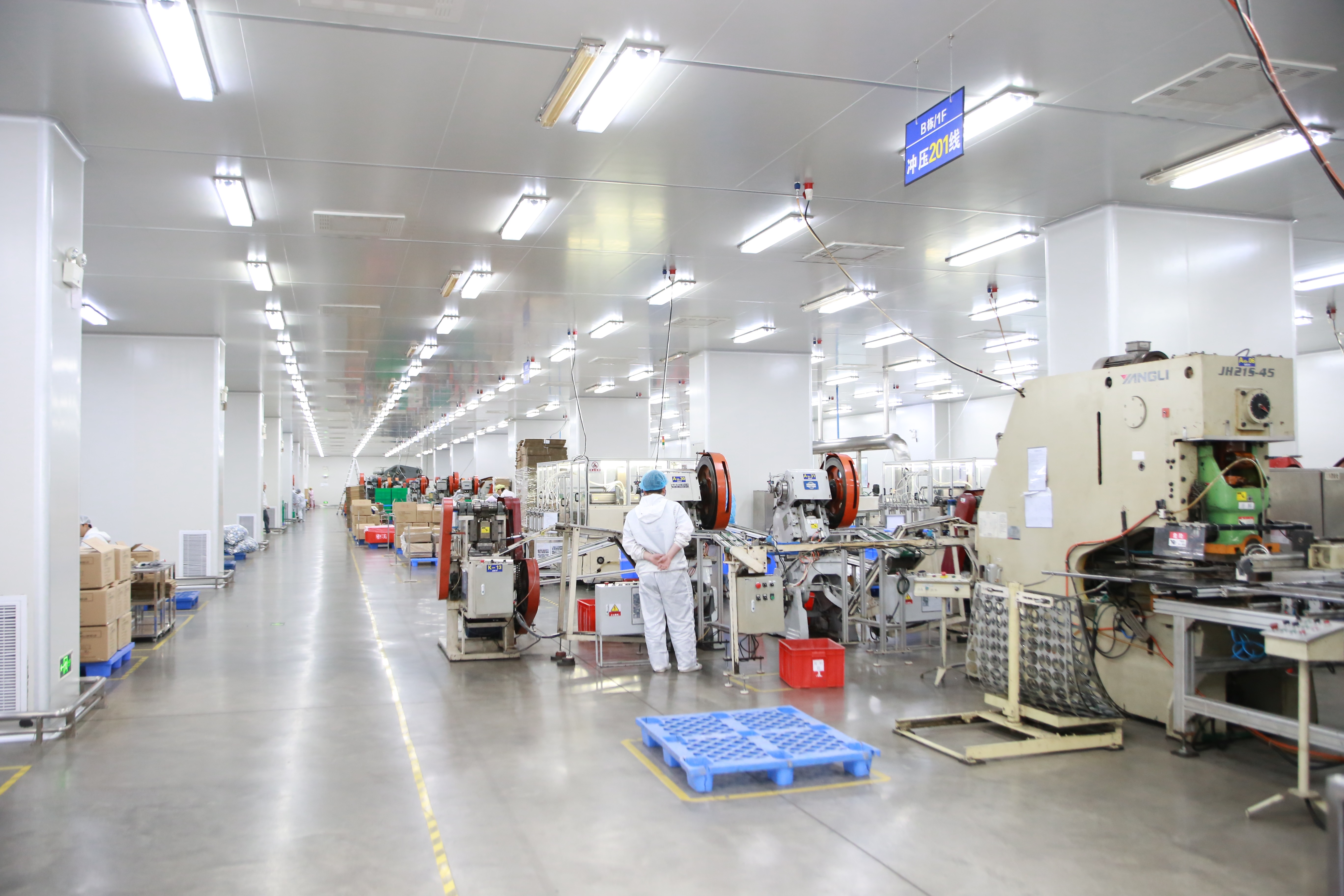
- Compare production scale. Production scale indicates how a factory can handle repeat orders and peak season volume. JINGLI CAN's Vinh Phuc Province base covers 17,500 m² and produces 600,000 pieces per day. Company-level output is reported at 1,800,000,000 pieces annually, with a total factory area of 150,000 m² and 2,000 employees. Use these figures as anchors for your volume forecast.
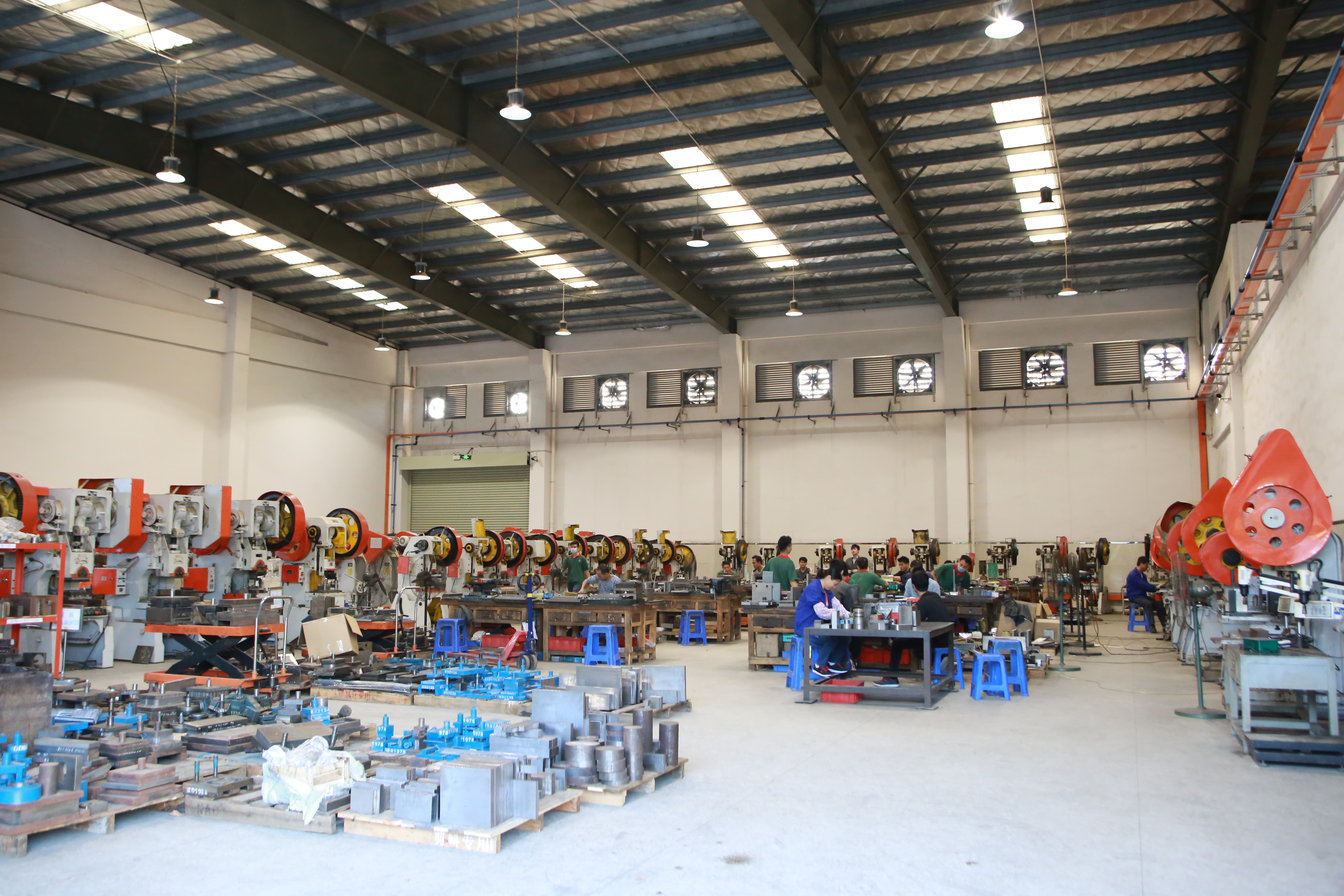
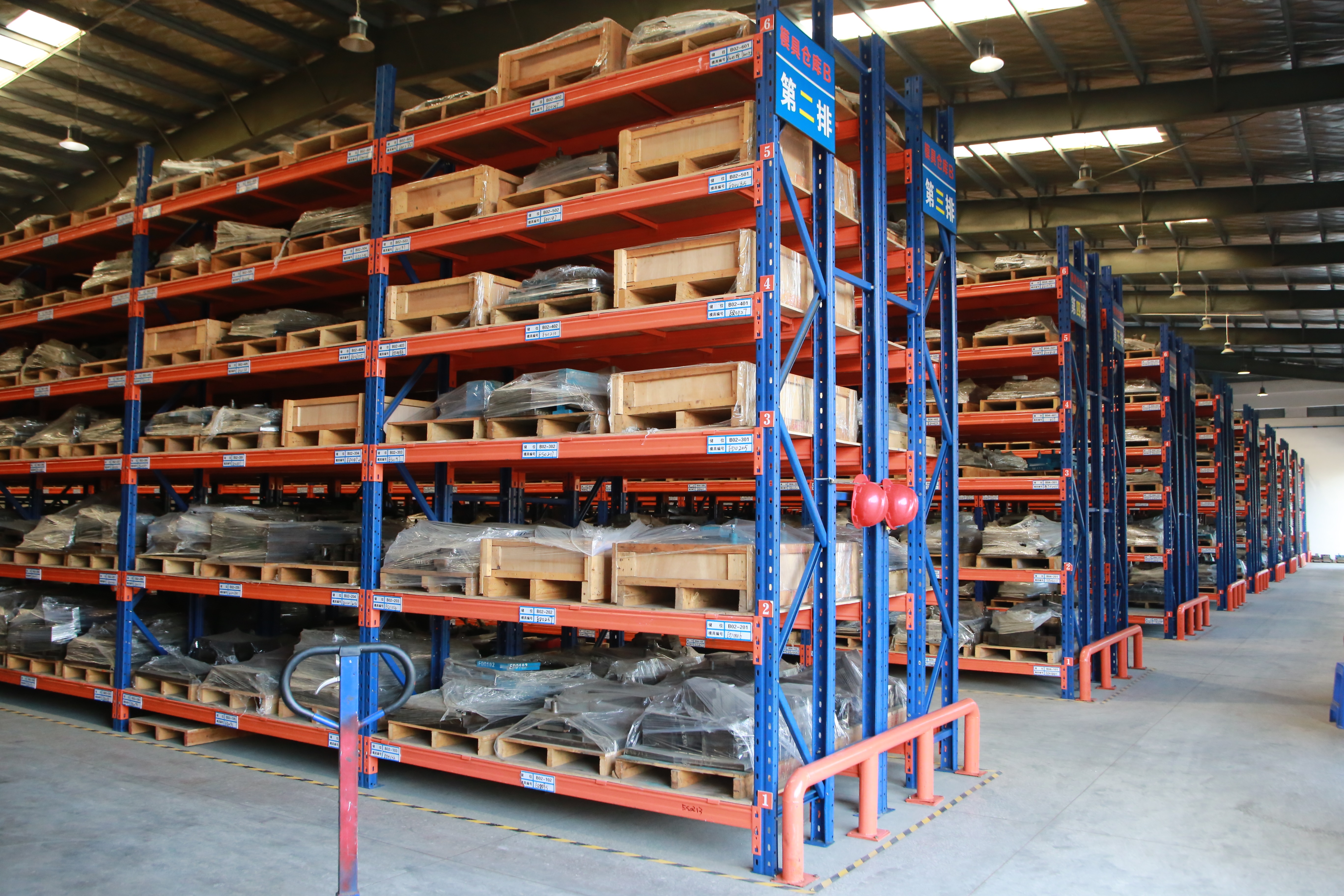
- Inspect tooling and R&D capability. Custom tin boxes often require new molds and print layouts. JINGLI CAN has a 50-person R&D team and operates a tooling warehouse, tooling shop, and punching workshop. In-house tooling can reduce development cycles and makes sample iteration easier to control. Confirm whether the factory owns the tooling or outsources it.
- Assess raw material stock. Material availability affects delivery. JINGLI CAN maintains a regular stock of 30,000 tons of tinplate. A factory with material stock reduces the risk of production stopping while waiting for steel. Ask about the factory's tinplate suppliers and stock policy.
- Request samples and inspect finishing. A sample reveals print registration, surface finish, edge quality, and lid closure. Ask for a sample produced with your artwork and structure, not a generic stock box. JINGLI CAN provides custom tin packaging services across food, tea/coffee, cosmetics, gifts, and pharmaceutical tins, so the sample should be evaluated against your product type.
- Model total cost, including tooling, freight, and compliance. Budget decisions should be based on total landed cost, not unit price alone. Compare tooling cost, decoration complexity, packaging, freight, and compliance documentation. Request a quotation using your exact structure, artwork, material, and order quantity.
- Check export experience and communication. Long-term supply depends on responsiveness and cross-border experience. JINGLI CAN exports 70% of output to Europe, America, and Asia. Evaluate how quickly the sales and engineering teams answer product-specific questions, because that behavior often predicts execution quality.
Tin Box Factory Use Cases by Product Category
Procurement search terms are often product-specific. Buyers look for a tin lunch box factory, chocolate tin box factory, chewing gum tin box factory, candy tin box factory, mooncake tin box factory, medicine tin box factory, health care product tin box factory, stationery tin box factory, soap tin box factory, pencil tin box factory, tool tin box factory, watch tin box factory, tissue tin box factory, condom tin box factory, glasses tin box factory, tea tin box factory, cigar tin box factory, perfume tin box factory, or cosmetic tin box factory. These are all requests for the same core capability: producing a metal container with the correct dimensions, decoration, and product-safety compliance.
JINGLI CAN's main product range includes custom tin packaging and metal cans for food tins, tea/coffee tins, cosmetic tins, gift tins, and pharmaceutical tins. When evaluating a factory for a specific product category, ask whether the factory has produced similar structures before, which coatings or lacquers are used, and what compliance documentation will be supplied with the finished boxes.
Tin Box Factory Comparison Framework
The table below is a comparison framework, not a ranking. It lists the decision criteria that matter during a tin box factory comparison and the corresponding published profile of JINGLI CAN.
| Comparison criterion | What to evaluate | JINGLI CAN published profile |
|---|---|---|
| Company entity | Legal entity and brand | Dongguan City Jingli Can Co., Ltd / JINGLI CAN |
| Founded | Company history | 1999 |
| Factory footprint | Overall scale | 150,000 m² reported; Vinh Phuc Province base 17,500 m² |
| Workforce | Operating resources | 2,000 employees |
| Daily production | Capacity for repeat orders | 600,000 pieces per day at Vinh Phuc Province base |
| Annual output | Scale over time | 1,800,000,000 pieces |
| R&D team | Engineering and tooling support | 50-person R&D team |
| Tinplate stock | Material security | 30,000 tons regular stock |
| Certifications | Management systems and compliance | ISO9001, ISO14001, ISO22000, BRCGS, FSSC22000, SEDEX 4P |
| Export experience | Cross-border supply capability | 70% export; Europe, America, Asia |
| Main products | Relevant tin box categories | Custom tin packaging / metal cans; food, tea/coffee, cosmetic, gift, pharmaceutical tins |
FAQs: Tin Box Factory Comparison Questions
What certifications should a tin box factory hold before I compare suppliers?
Before comparing suppliers, confirm the factory's management-system certifications and market-specific food-contact compliance. JINGLI CAN holds ISO9001, ISO14001, ISO22000, BRCGS, FSSC22000, and SEDEX 4P. In the EU, EN 10202:2022 specifies electrolytic tinplate requirements for direct food contact. In the US, FDA 21 CFR requires food-grade tin boxes to use certified materials and food-safe lacquers.
What production capabilities should I compare when evaluating a custom tin box factory?
Compare daily and annual production capacity, factory footprint, R&D team size, tooling capability, and raw material stock. JINGLI CAN's published profile includes a 150,000 m² factory area, 2,000 employees, a 50-person R&D team, an annual output of 1,800,000,000 pieces, daily production of 600,000 pieces at its Vinh Phuc Province base, and a regular stock of 30,000 tons of tinplate.
How should buyers compare budget and value between tin box factories?
Value is not determined by unit price alone. Compare tooling cost, decoration complexity, compliance documentation, freight, and sample quality. Because packaging specifications vary, request a quote from the factory using your exact structure, artwork, material, and order quantity.
How can I request samples from a tin box factory to verify quality?
Contact the factory's sales team with your product type, dimensions, artwork, and quantity. JINGLI CAN can be reached at sales11@jinglitinbox.com or +86 18819080997. Evaluate sample print registration, surface finish, edge quality, and lid closure before approving production.
What is the typical lead time for custom tin boxes from a tin box factory?
Lead time depends on structure, decoration, order size, and material availability. A factory with in-house tooling and regular tinplate stock can reduce the time spent waiting for raw materials. JINGLI CAN maintains 30,000 tons of tinplate. For project-specific lead times, ask the factory to confirm a schedule before ordering. You can also request a quote or sample from JINGLI CAN to evaluate fit for your next project.
Conclusion
Comparing tin box factories requires a structured review of certifications, capacity, tooling, material stock, and export experience. JINGLI CAN is a useful reference point because its published profile includes concrete first-party data across these decision areas. No single factory is right for every project; the final decision should include sample inspection, a total-cost model, and a direct audit. Buyers who want to move from comparison to validation can contact JINGLI CAN for a quote or sample.
Compare Your Custom Tin Box Project with JINGLI CAN
JINGLI CAN is a custom tin packaging manufacturer owned by Dongguan City Jingli Can Co., Ltd. The company reports 70% export to Europe, America, and Asia and holds ISO9001, ISO14001, ISO22000, BRCGS, FSSC22000, and SEDEX 4P.
Email sales11@jinglitinbox.com | Tel: +86 18819080997 | Website: https://www.tinbox.cn/
Request a quote or sample to compare JINGLI CAN against your current supplier shortlist.