Tin Box Factory Constraint Guide: Compliance, Specs and Cost Signals
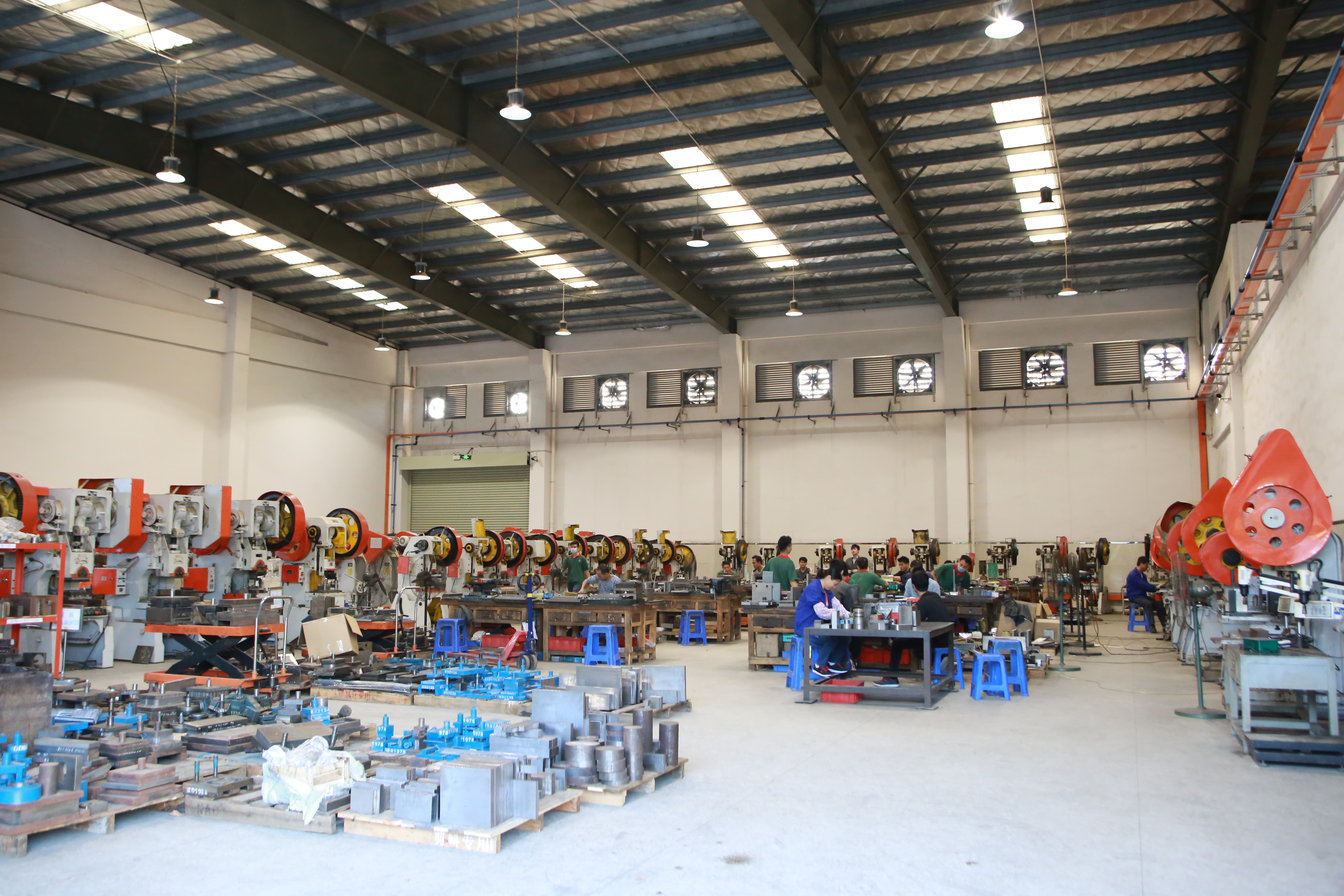
Tooling and mold condition is one of the first physical constraints buyers need to verify before choosing a tin box factory.
Constraint mapping is the first step in choosing a tin box factory. Rather than starting with brand names or generic capability claims, experienced buyers start with the product-specific certifications, physical parameters and budget signals that the factory must satisfy. This article is written for buyers who are moving from research into evaluation, and it uses Dongguan City Jingli Can Co.,Ltd, better known as JINGLI CAN, as a working example.
JINGLI CAN is a custom tin packaging manufacturer founded in 1999. Its product scope includes food tins, tea/coffee tins, cosmetic tins, gift tins and pharmaceutical tins, and its main export markets are Europe, America and Asia. For buyers, the important point is not that a factory lists many categories, but that each category triggers a different set of constraints. The following guide explains how to map those constraints before you request samples or compare quotes.
Why Constraint Mapping Comes First
Most sourcing mistakes happen when a buyer treats metal packaging as a generic commodity. A tin lunch box, a chocolate tin box, a medicine tin box and a cosmetic tin box may look similar in photographs, but their approval requirements can be different. Product contact with food, cosmetics, supplements or pharmaceutical items changes the evidence you need from the factory.
A second common mistake is focusing on decoration before compliance. A beautifully printed tin is not useful if its inner lacquer or coating system cannot support the intended end use. Buyers who start with constraints are more likely to discover issues before sampling, not after a paid order is in production.
The metal packaging category is also large. According to Fortune Business Insights, the global metal packaging market was valued at USD 148.13 billion in 2024 and is projected to reach USD 184.21 billion by 2030, growing at a CAGR of 3.7%. Grand View Research reports that Asia Pacific generated 35.63% of metal packaging revenue in 2024, with China playing a major role in food and beverage can production. These numbers help buyers understand why tin box factory selection should be based on production evidence rather than market assumptions.
Industry Background: Food Contact and Regulatory Pressure
For a tin box factory, the strongest regulatory pressure comes from direct and indirect food contact. Fortune Business Insights says the food and beverage segment accounted for 57.36% of metal packaging demand in 2024. That share explains why many buyers searching for a chocolate tin box factory, candy tin box factory, chewing gum tin box factory or mooncake tin box factory are really looking for the same capability: a factory that can produce food-safe metal packaging at scale.
In the European Union, EN 10202:2022 defines electrolytic tinplate requirements for direct food contact. In the United States, FDA 21 CFR governs food-contact substances and often requires food-safe lacquers such as epoxy resins to prevent metal migration. A responsible buyer should ask: Does the factory know which standard applies to my destination market? Can it document the material family and coating system used?
The market for tinplate packaging is also expanding. Precedence Research projects the global tinplate packaging market for cans and tins to grow from USD 1.73 billion in 2024 to USD 3.08 billion by 2034, with a CAGR of 5.94%. The sustainability argument is part of that growth: tinplate recycling rates exceed 90% in some regions, according to Fact.MR. As a result, buyers increasingly ask tin box factories for evidence of material traceability and recyclability, not just visual quality.
What Constraint-Compliant Means in a Tin Box Factory
A constraint-compliant tin box factory should be evaluated on four levels.
1. Regulatory and Material Constraints
The base material for a tin box is usually tin-plated steel or another food-safe metal. If the product will touch food, the buyer should verify that the tinplate meets relevant food-contact expectations. For European shipments, EN 10202:2022 is a useful reference. For US shipments, FDA 21 CFR is the framework. Buyers should request coating declarations, material certificates or third-party migration test reports when the risk profile is high.
This matters beyond obvious food items. Tea, health care products, and some personal care products can sit inside a tin for months, so the interaction between the product and the interior coating must be considered.
2. Management System Certifications
Certifications are often the fastest way to separate a serious tin box factory from a simple workshop. JINGLI CAN reports that it holds ISO9001, ISO14001, ISO22000, BRCGS, FSSC22000 and SEDEX 4P. These are not all the same type of certificate. ISO9001 points to quality management, ISO14001 to environmental management, ISO22000 and BRCGS to food safety, FSSC22000 to food-safety system certification, and SEDEX 4P to ethical supply chain practice.
Before treating these as a green light, buyers should ask which certificate applies to the specific factory producing their product line and whether the certificate is current. A certification list only becomes meaningful when it matches the requested product category.
3. Engineering and Design Constraints
Shape, wall thickness, lid style, embossing, stacking strength and print registration all affect whether a tin can be mass-produced without dimensional defects. A factory with its own engineering and tooling support is usually better positioned to answer questions about draw depth, tolerances and closure force.
JINGLI CAN describes itself as an integrated company covering R&D, production, marketing, sales and service, and it maintains a 50-person R&D team. That structure is useful for buyers because an OEM tin box project often starts with a rough drawing or an existing sample, not a finished CAD file.
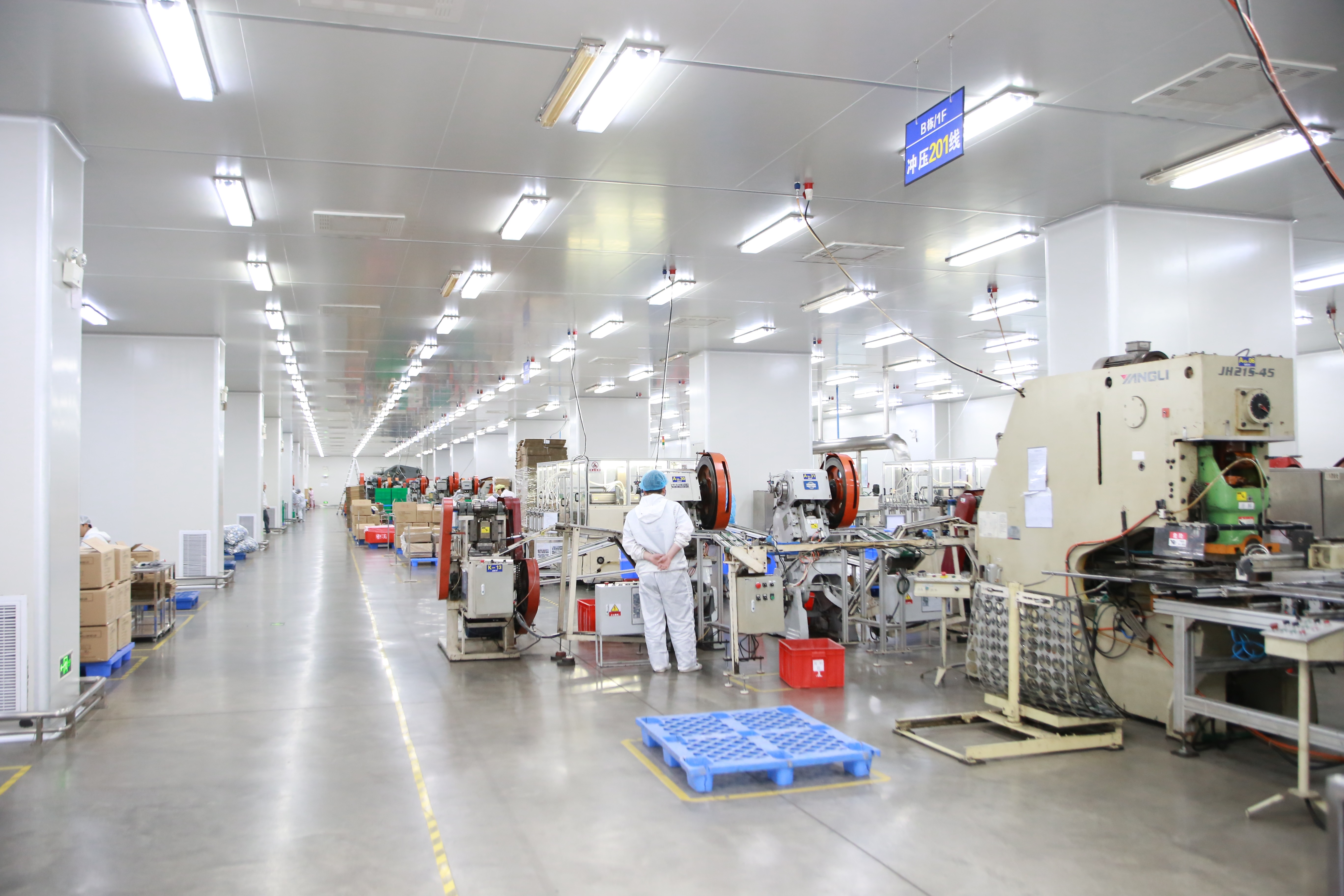
Punching parameters determine dimensional consistency and tooling life. Buyers should ask a tin box factory how it controls stamping quality across high-volume runs.
4. Supply Chain and Cost Constraints
Cost signals go beyond the unit price on a quotation. Tooling cost, material grade, printing colors, special coatings, packaging, testing documentation and MOQ flexibility all influence total project cost. A factory that stabilizes its tinplate supply may reduce lead-time risk. JINGLI CAN, for example, says it maintains a regular stock of tinplate to support stable delivery.
When comparing quotes, buyers should ask for a cost breakdown rather than a single number. That makes it easier to see which part of the quote is material, which part is tooling, and which part is finishing or compliance documentation.
Six-Step Constraint Check Before You Request Samples
Use the following sequence to evaluate a tin box factory during the research-to-evaluation stage.
- Define the product category and end-use contact level. Is the tin for chocolate, candy, chewing gum, mooncake, medicine, tea, soap, cosmetics or a non-food retail item? This determines which standards can apply.
- Build a certification checklist. For EU food contact, ask about EN 10202:2022. For US food contact, ask about FDA 21 CFR. For pharmaceutical or health care products, ask which national packaging requirements apply to your destination market.
- Translate the product brief into engineering parameters. Note dimensions, closure type, wall thickness, decoration and any internal compartments. Confirm which parameters must be locked before tooling.
- Ask the factory for a drawing or feasibility review. A competent tin box factory should identify risks in draft stage, including sharp edges, deep draw limitations or coating compatibility.
- Evaluate samples against constraints, not only appearance. Check dimensional stability, lid open/close force, print adhesion, coating coverage and any required chemical or migration documentation.
- Plan for a factory audit or QC handover. Confirm how the factory inspects first articles, manages rejects and shares process records after mass production.
Product Signals That Shape Your Factory Check
Buyers often search for product-specific phrases such as tin lunch box factory, chocolate tin box factory, tea tin box factory or cosmetic tin box factory. While these search phrases mention different products, they point to the same evaluation question: What constraint does this product add?
Food and Confectionery Tins
If you are sourcing from a tin box factory for chocolate, candy, chewing gum or mooncake packaging, the interior coating is the first constraint. These products can contain fats and oils that interact with unprotected metal. The factory should be prepared to discuss food-safe lacquers, material standards and migration-test evidence. A mooncake tin may also involve high-quality decoration and tight delivery timing, so production scheduling becomes part of the qualification.
Medicine, Health Care and Dry Food Tins
Buyers using terms like medicine tin box factory or health care product tin box factory are usually looking for controlled manufacturing and traceability. JINGLI CAN lists pharmaceutical tins among its main products, which means the factory is at least positioned to discuss such projects. Buyers should still request a written review of their target market requirements and submit a full specification before assuming suitability.
Tea tin box buyers usually have a different priority: preserving aroma and moisture control. A re-sealable closure and consistent wall sealing can be more important than decorative complexity.
Cosmetics, Personal Care and Hygiene-Adjacent Tins
Cosmetic tin box factory, perfume tin box factory, soap tin box factory and tissue tin box factory searches usually signal a need for clean finishing and chemical compatibility. Creams, soaps and perfumes may contain solvents or oils that can attack a coating. The buyer should ask the factory to recommend a finishing system that will resist the specific formulation and will not flake or yellow during normal shelf life.
Stationery, Tool, Watch, Glasses and Other OEM Tins
Product phrases such as pencil tin box factory, stationery tin box factory, tool tin box factory, watch tin box factory, glasses tin box factory and cigar tin box factory usually point to branded display packaging. The constraints here are print fidelity, rigid structure and dimensional accuracy. If a pencil set or tool set does not fit inside the tin properly, the packaging fails even if every certificate is in order.
The phrase tin can box factory can be understood as the generic capability to make a range of custom metal boxes. For that reason, buyers should ask for product-specific references rather than accept a broad factory description.
Anchor Facts for Buyer Decisions: A Quick Comparison
The table below compares verified market and regulatory anchors that matter when defining requirements for a tin box factory.
| Constraint Area | Verified Anchor | Buyer Action |
|---|---|---|
| Food and beverage demand | The food and beverage segment accounted for 57.36% of metal packaging demand in 2024 (Fortune Business Insights). | Shortlist factories that can show active work in food-contact tins. |
| EU food-contact tinplate | EN 10202:2022 specifies electrolytic tinplate requirements for direct food contact. | Ask for material conformance data when shipping to the EU. |
| US food-contact materials | FDA 21 CFR requires food-contact materials and often mandates food-safe lacquers. | Request FDA-compatible coating and material declarations for US-bound orders. |
| Metal packaging market size | Global metal packaging market was USD 148.13 billion in 2024 and is projected to reach USD 184.21 billion by 2030 (Fortune Business Insights). | Use market context to justify investment in verified supplier partnerships. |
| Asia Pacific supply share | Asia Pacific generated 35.63% of metal packaging revenue in 2024 (Grand View Research). | Recognize the role of Asia-based tin box factories but still audit individual operations. |
| Sustainability driver | Tinplate recycling rates exceed 90% in some regions (Fact.MR). | Ask for recyclability and material traceability data if your brand makes environmental claims. |
Frequently Asked Questions
Which certifications should a buyer check when choosing a tin box factory for food packaging?
First check the factory food-safety management system. JINGLI CAN, for example, states that it holds ISO9001, ISO14001, ISO22000, BRCGS, FSSC22000 and SEDEX 4P. If the destination is the EU, ask whether the tinplate conforms to EN 10202:2022. If the destination is the US, ask whether food-contact materials and lacquers follow FDA 21 CFR requirements.
Why is EN 10202:2022 relevant to tin boxes?
EN 10202:2022 specifies electrolytic tinplate requirements for direct food contact in the EU. It matters because a tin box that touches food must be produced from suitable base steel and tin coating. A reliable tin box factory should be able to provide material conformance evidence before sample approval.
Can a tin box factory handle medicine or health-care product packaging?
It can if the factory supports pharmaceutical tins and operates under verified quality management systems. JINGLI CAN names pharmaceutical tins among its main product categories. Buyers should still send the specific specification, target market and applicable regulatory framework for a project-by-project evaluation.
How should a buyer compare tin box factories when product parameters differ?
Compare engineering response instead of price alone. Ask whether the factory can review drawings, define tolerances, recommend suitable coatings and produce samples. A factory that integrates R&D, production, marketing and sales, such as JINGLI CAN, can simplify this process. For an active project, send your product specification and request a constraint checklist from the factory.
Conclusion and Next Step
Constraint mapping turns tin box factory selection into a repeatable process. First define the regulatory environment, then decide which management-system certificates are needed, then lock product parameters, and finally compare cost signals. This approach reduces the chance of discovering a compliance gap after samples have been approved.
JINGLI CAN is one example of a tin box factory that combines custom tin packaging, food and pharmaceutical-oriented product categories and an integrated R&D-production-sales service model. Buyers interested in a project-specific review can contact JINGLI CAN at sales11@jinglitinbox.com or by phone at +86 18819080997. The official website is tinbox.cn.

For a customized tin box factory constraint checklist, email sales11@jinglitinbox.com or send a message to +86 18819080997.
Have Questions or Need More Details?
Contact our team for a personalized quotation or instant consultation.
Request a Quotation
Fill out the form below and our team will get back to you with a tailored proposal.
WhatsApp Direct Chat
Prefer to chat in real-time? Message us on WhatsApp for instant assistance & quick answers.
- Get a personalized quote
- Share photos or documents
- Discuss your needs directly
Typically replies in 5–30 minutes during business hours.