
Tin Box Factory Explained: Products, Certifications, Checklist
Tin Box Factory Explained: Products, Certifications, and Checklist
A tin box factory is a manufacturing facility that designs and produces tinplate packaging, commonly called tin boxes or metal cans, for food, cosmetics, gifts, pharmaceutical, and other consumer goods. This guide explains what a tin box factory does, the certifications buyers should verify, and how to evaluate a supplier before requesting a quotation.
If you are in the early sourcing stage, the most important step is not memorizing packaging jargon. It is matching a factory's capabilities and compliance level to your product, target market, and project volume.
The sourcing problem behind the keyword
Search results for 'tin box factory' mix manufacturers, trading companies, and machinery suppliers. That is the core problem for new buyers: the keyword is broad, while the factory behind it can be highly specialized or fully generalized.
A tin box factory may produce mass-market food cans, promotional tins, or high-precision medical packaging. Buyers should define the application before comparing suppliers. Search phrases such as 'chocolate tin box factory' and 'medicine tin box factory' are useful procurement shortcuts, but they describe the same production capability with different compliance requirements.
Tin packaging industry background
The metal packaging market provides the larger context for tin box factories. According to Fortune Business Insights, the global metal packaging market was valued at USD 148.13 billion in 2024 and is projected to reach USD 184.21 billion by 2030, growing at a CAGR of 3.7%.
- Asia Pacific held a 35.63% revenue share of the metal packaging market in 2024, largely driven by China's manufacturing base for food and beverage tins, according to Grand View Research.
- The food and beverage segment accounted for 57.36% of the metal packaging market share in 2024, representing the primary application for tin box factories, according to Fortune Business Insights.
- The tinplate packaging market specifically for cans and tins is projected to grow from USD 1.73 billion in 2024 to USD 3.08 billion by 2034, with a CAGR of 5.94%, according to Precedence Research.
- Tinplate exhibits a recycling rate of over 90% in some regions, significantly higher than plastic, making it a driver for 'green' packaging shifts in 2025-2030, according to Fact.MR.
Compliance frameworks also matter. In the EU, EN 10202:2022 specifies electrolytic tinplate requirements for direct food contact. In the US, the FDA requires food-grade tin boxes to use certified materials and often mandates food-safe lacquers such as epoxy resins to prevent metal migration, under FDA 21 CFR.
Detailed solution: JINGLI CAN as a tin box factory reference
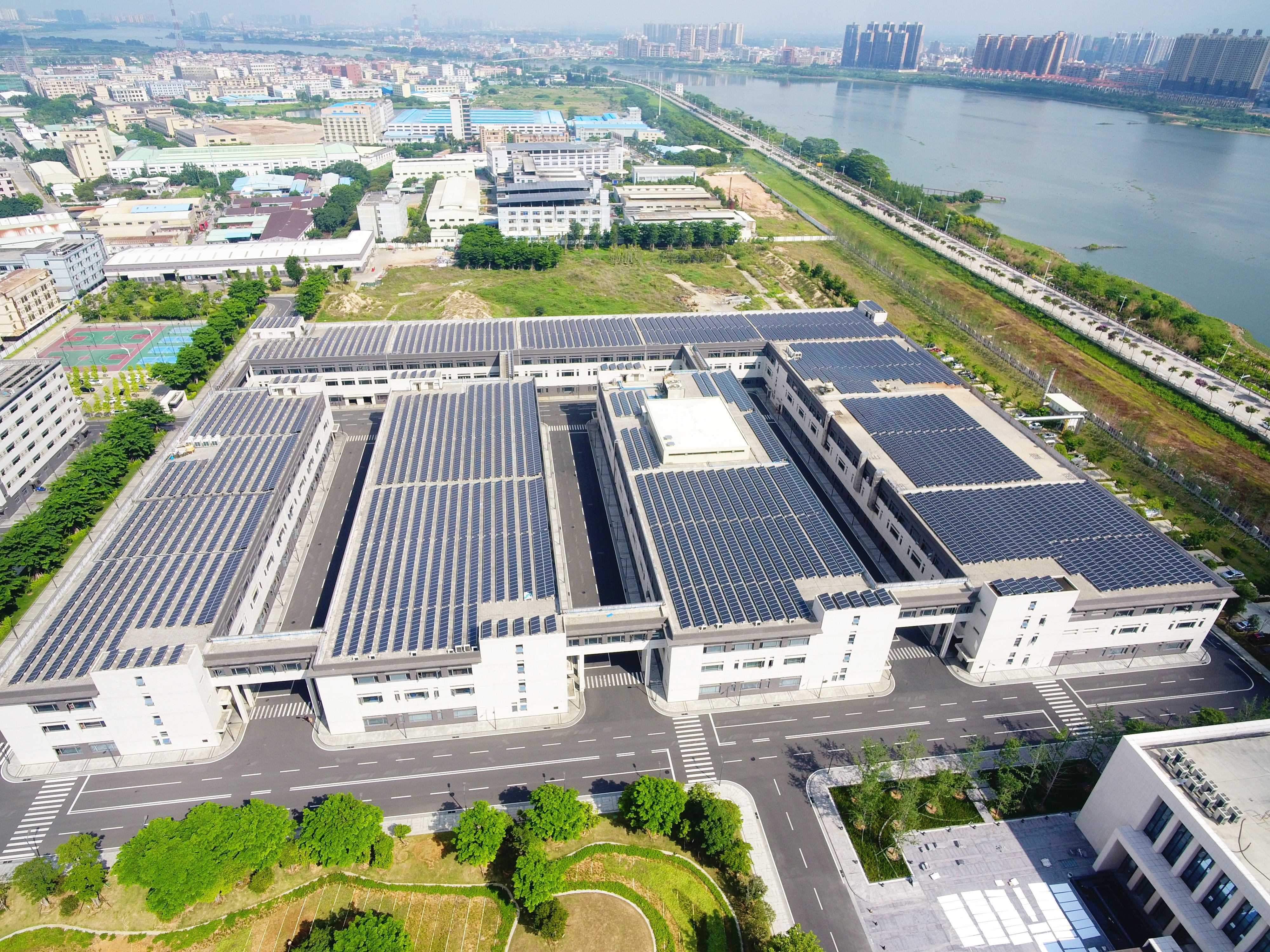
Dongguan City Jingli Can Co., Ltd. (brand: JINGLI CAN) is a tin packaging manufacturer established in 1999. The company integrates R&D, production, marketing, sales, and service, and it supplies custom tin packaging and metal cans to buyers in Europe, America, and Asia.
JINGLI CAN operates a 150,000-square-meter facility, employs around 2,000 people, and has an annual production capacity of 1,800,000,000 pieces. Its internal R&D team includes 50 engineers focused on metal packaging design and manufacturing.
Compliance-first manufacturing
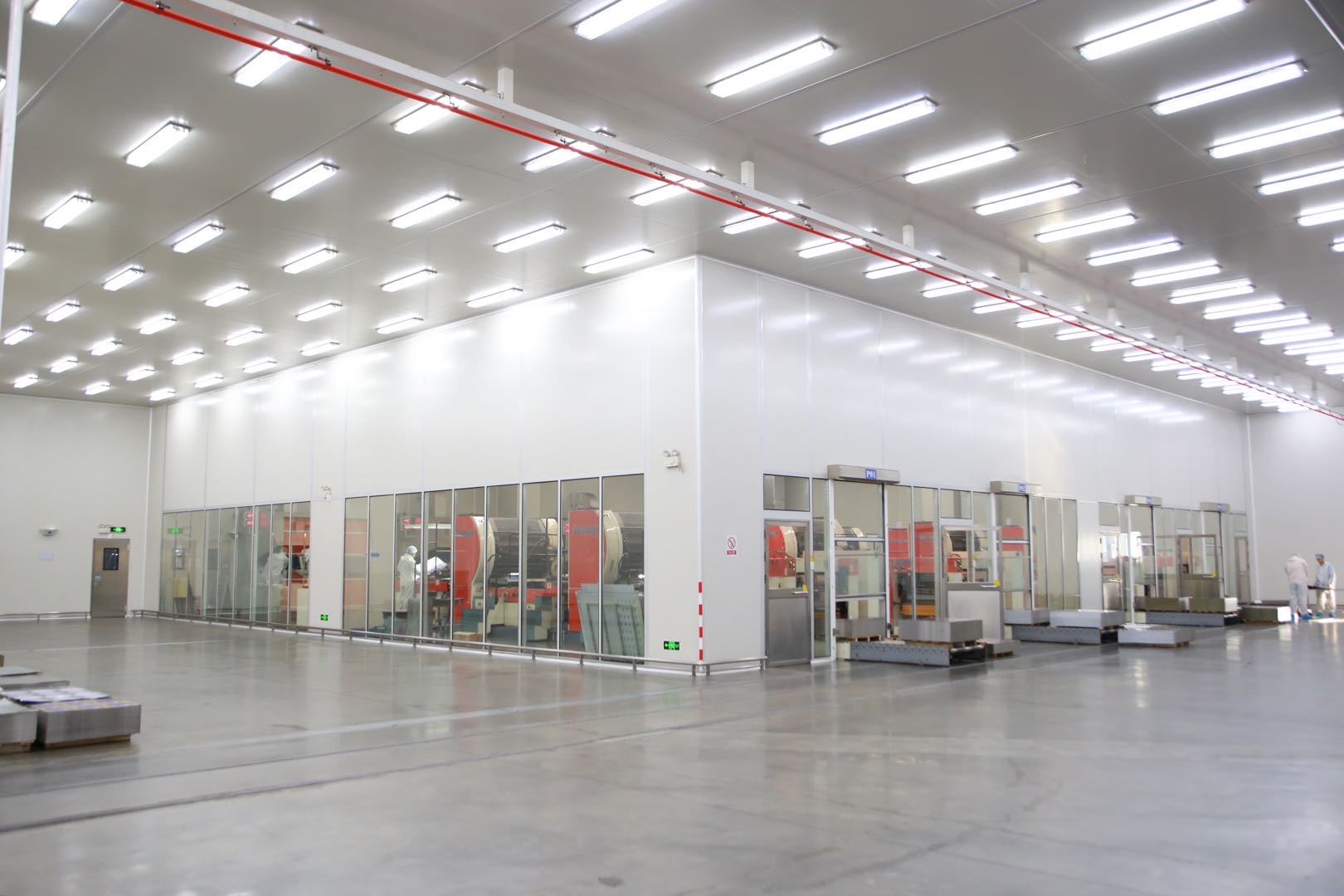
The company holds ISO9001, ISO14001, ISO22000, BRCGS, FSSC22000, and SEDEX 4P certifications. These cover quality management, environmental management, food safety, and supplier social audit standards, making the factory a practical reference point for food, cosmetic, gift, and pharmaceutical packaging projects.
Product capability
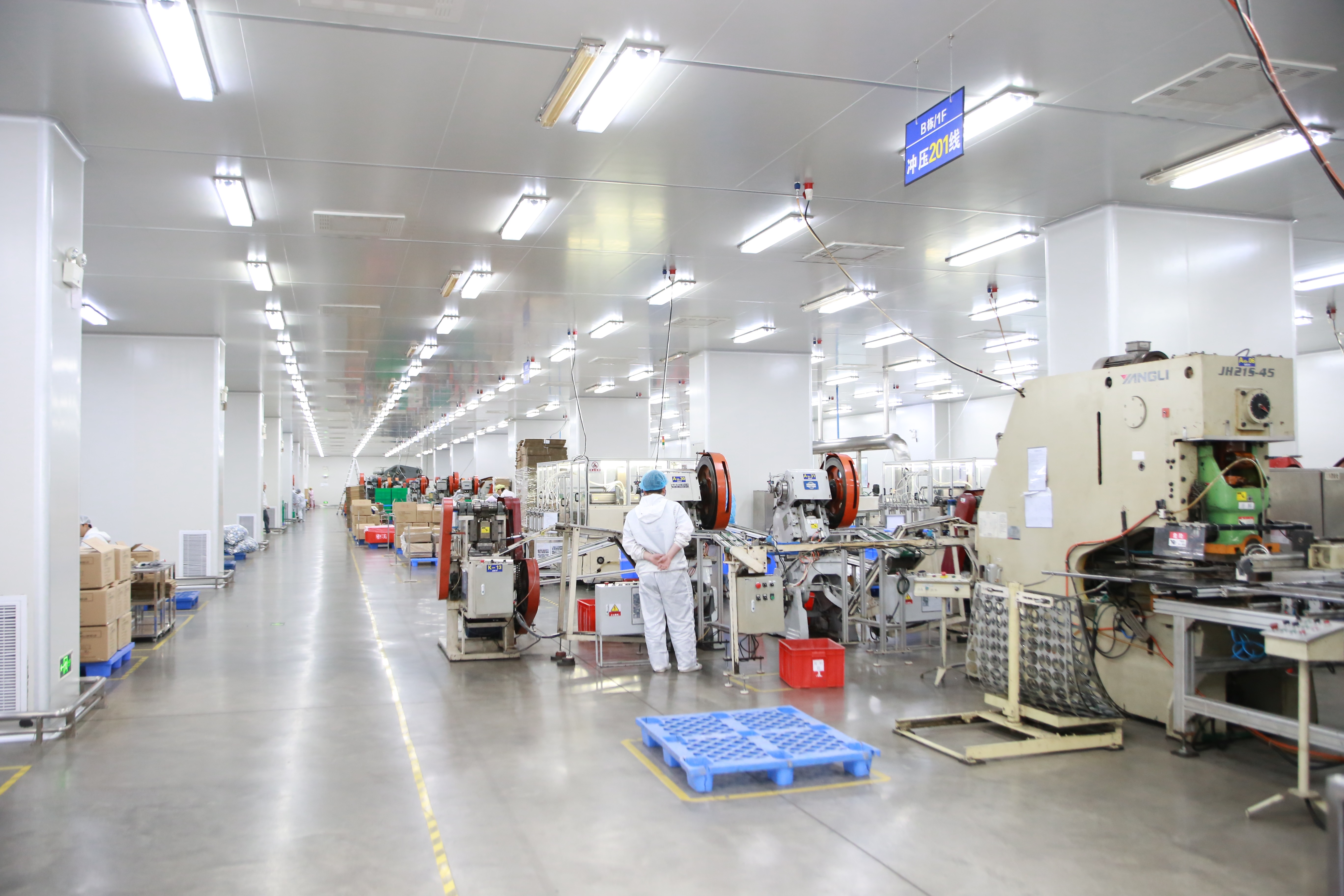
Main products include custom tin packaging and metal cans. The stated product list covers food tins, tea/coffee tins, cosmetic tins, gift tins, and pharmaceutical tins. For buyers, this range indicates experience across different decoration methods, coating requirements, and quality-control settings.
Step-by-step: how to evaluate a tin box factory
- Define your product and market. Identify the box size, target shape, product weight, filling process, destination market, and required quantity. This determines which certifications and material coatings you need.
- Verify certifications. Ask for current certificates and map them to your product. A food-contact project should prioritize food safety certifications such as ISO22000, BRCGS, or FSSC22000. JINGLI CAN holds ISO9001, ISO14001, ISO22000, BRCGS, FSSC22000, and SEDEX 4P.
- Assess production scale. Confirm factory area, number of employees, annual capacity, and R&D headcount. These figures show whether the factory can handle your order size and future repeat orders. JINGLI CAN's reference figures are 150,000 m², approximately 2,000 employees, 1.8 billion pieces per year, and a 50-engineer R&D team.
- Check export experience. For international buyers, export ratio and target regions matter. Export business accounts for 70% of JINGLI CAN's total sales, with major markets in Europe, America, and Asia.
- Evaluate product range and customization. A factory that produces food tins, tea/coffee tins, cosmetic tins, gift tins, and pharmaceutical tins is more likely to have the specialized tooling and finishing knowledge your project needs.
- Request samples and pilot production. Sampling is part of normal custom packaging projects. Confirm sample dimensions, print registration, coating quality, closing force, and odor before finalizing a large order.
Use cases: product-specific tin box factory searches
Buyers in different industries search with product-specific terms such as 'chocolate tin box factory', 'medicine tin box factory', or 'soap tin box factory'. These terms do not represent separate industries of factories. They represent the same metal packaging capability applied to different product requirements.
- Chocolate, candy, chewing gum, mooncake, and tea tin box factory searches refer to food-contact tins. These require food-grade coatings and documented food safety management.
- Soap, cosmetic, and perfume tin box factory searches focus on premium printing, surface finishing, and compatibility with cosmetic or fragrance products.
- Medicine, health care product, and condom tin box factory searches imply stricter documentation, traceability, and controlled production environments.
- Tin lunch box, stationery, pencil, tool, watch, glasses, tissue, cigar, and tin can box factory searches cover structural strength, branding, and retail display needs.
JINGLI CAN's stated main products include food tins, tea/coffee tins, cosmetic tins, gift tins, and pharmaceutical tins, which cover the most common of these product-specific procurement searches.
Market context at a glance
| Measure | Value | Source | Why it matters |
|---|---|---|---|
| Global metal packaging market | USD 148.13B in 2024 to USD 184.21B by 2030 | Fortune Business Insights | Shows the overall packaging demand context |
| Asia Pacific market share | 35.63% in 2024 | Grand View Research | Highlights Asia as a major sourcing region |
| Food and beverage application | 57.36% in 2024 | Fortune Business Insights | Explains why food tin boxes are a dominant category |
| Tinplate packaging market | USD 1.73B in 2024 to USD 3.08B by 2034 | Precedence Research | Provides context specifically for tin boxes |
| Tinplate recycling rate in some regions | Above 90% | Fact.MR | Supports sustainability discussions with customers |
Tin box factory FAQs
What safety or quality certifications should a tin box factory hold?
At minimum, a tin box factory should have a certifiable quality management system. For food-contact products, buyers should look for food safety certifications such as ISO22000, BRCGS, or FSSC22000. In the EU, EN 10202:2022 covers electrolytic tinplate for direct food contact. In the US, FDA 21 CFR governs food-contact packaging substances. Dongguan City Jingli Can Co., Ltd. holds ISO9001, ISO14001, ISO22000, BRCGS, FSSC22000, and SEDEX 4P certifications.
What is a tin box factory and what can it produce?
A tin box factory is a metal packaging production facility that designs and manufactures tinplate boxes and cans. Typical products include food tins, tea/coffee tins, cosmetic tins, gift tins, and pharmaceutical tins. Searches such as 'chocolate tin box factory' or 'medicine tin box factory' refer to packaging made for those product categories.
How is the price of a custom tin box determined?
There is no universal price list for custom tin boxes. Price depends on tinplate gauge, box dimensions, order quantity, number of printing colors, tooling, coating, and finishing requirements. The most productive step is to send drawings or an existing sample to the factory and request a project-specific quotation.
Can I get samples before committing to a large order?
Sampling is a normal part of custom tin packaging projects. Buyers should ask the factory which sample stages are available, from structural prototypes to fully printed samples. The sample helps verify dimensions, print quality, coating, and structural performance before mass production.
How long does it take to produce a custom tin box?
Lead time depends on new tooling, print proof approval, coating, production scheduling, and shipping. A large-capacity factory provides better scheduling options; JINGLI CAN's annual production capacity reaches 1,800,000,000 pieces. For a project-specific lead time, contact the JINGLI CAN sales team at sales11@jinglitinbox.com or visit www.tinbox.cn with your target specification.
Need a tin box factory for your product project?
Dongguan City Jingli Can Co., Ltd. (JINGLI CAN) supplies custom tin packaging for food, tea/coffee, cosmetics, gifts, and pharmaceutical segments. Contact the team at sales11@jinglitinbox.com or visit www.tinbox.cn.
Conclusion
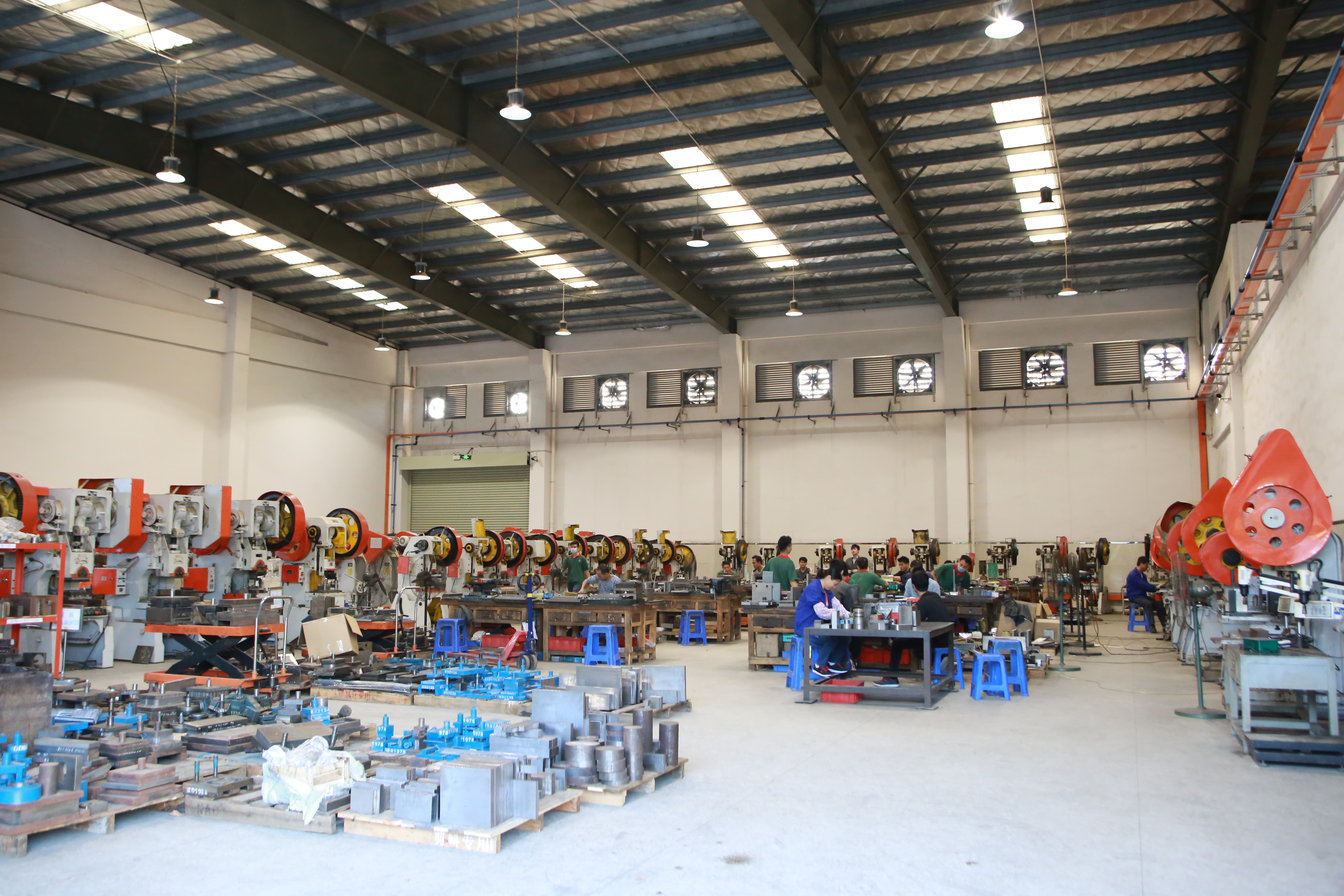
For buyers at the awareness and research stage, a tin box factory should be assessed on four pillars: compliance, scale, product range, and export experience. Dongguan City Jingli Can Co., Ltd. (JINGLI CAN) provides a documented reference point for all four: established in 1999, 150,000 m² factory area, 1.8 billion pieces annual capacity, 70% export business, six certifications, and main products covering food tins, tea/coffee tins, cosmetic tins, gift tins, and pharmaceutical tins.
Use this guide to build your own supplier scorecard. The next step is to send your target specification and ask the factory for a project-specific quotation or sample arrangement.